لوحة / رافعة
DESCRIPTION
DETAILS
SIZE
MATERIAL
ARTISAN
KOGEI
Caution
لوحة / رافعة
السعر بعد الخصمDhs. 6,443.00
حدِّد الخيارات
لوحة / رافعة
السعر بعد الخصمDhs. 6,443.00
البلد
اللغة
سلة المشتريات
سلة مشترياتك فارغة
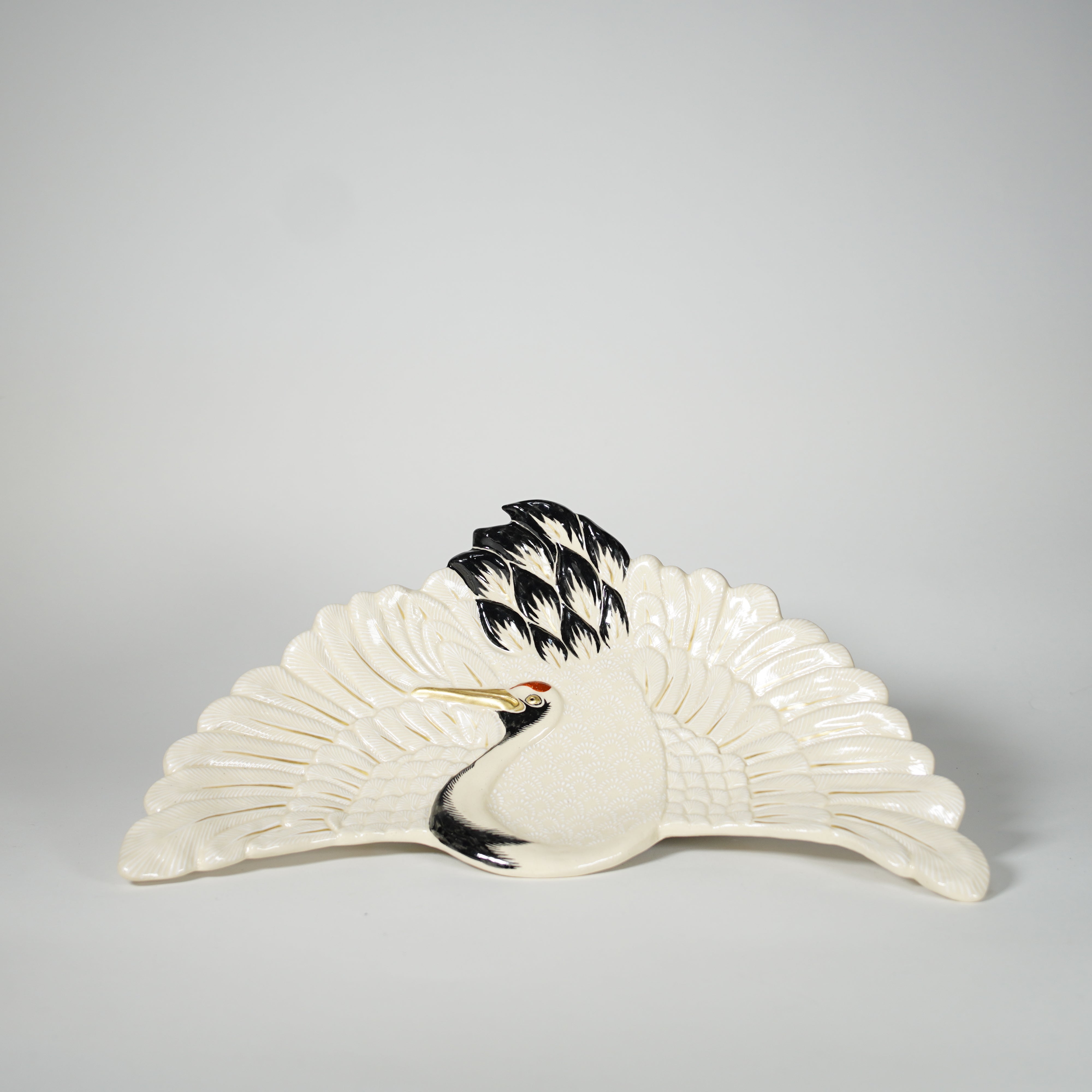
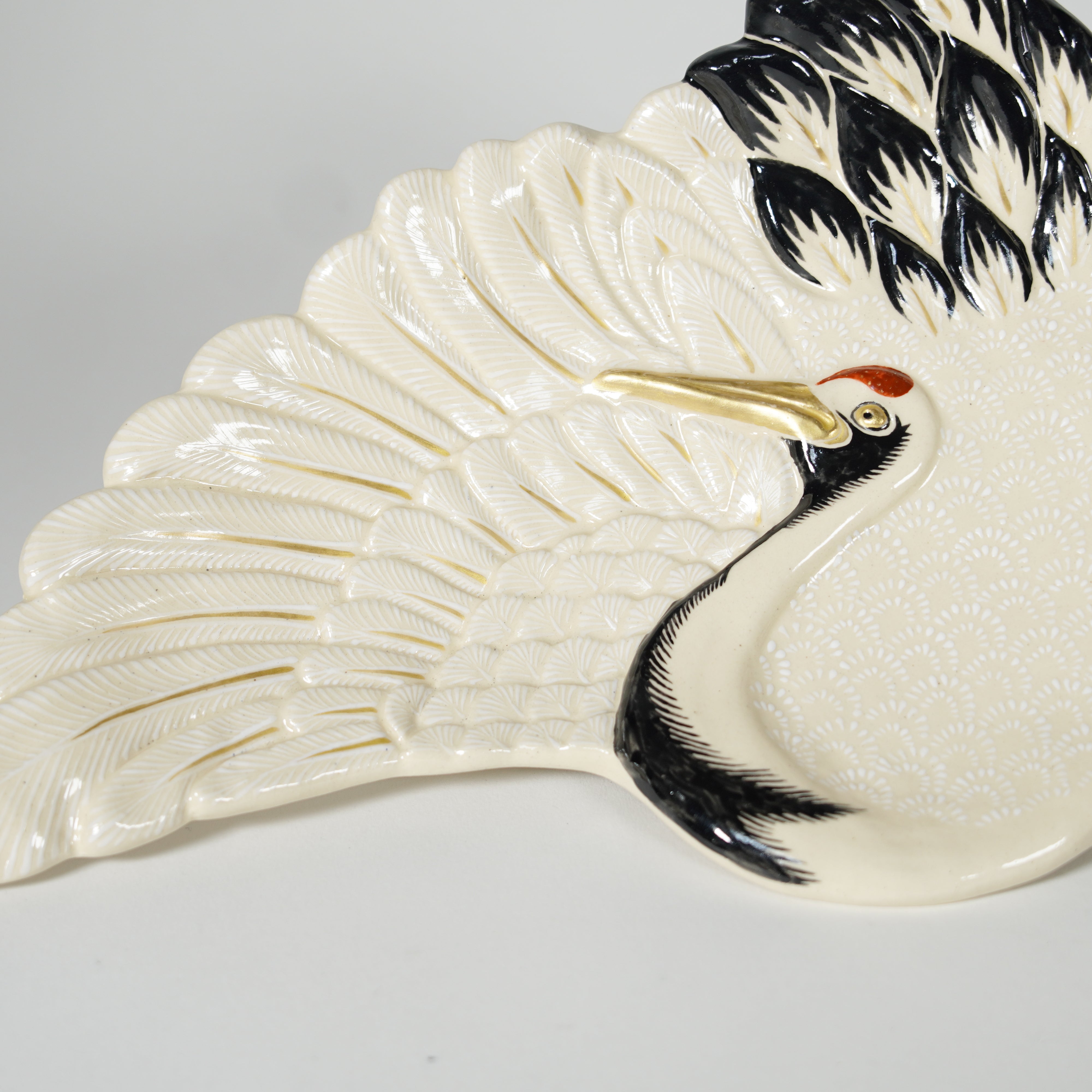
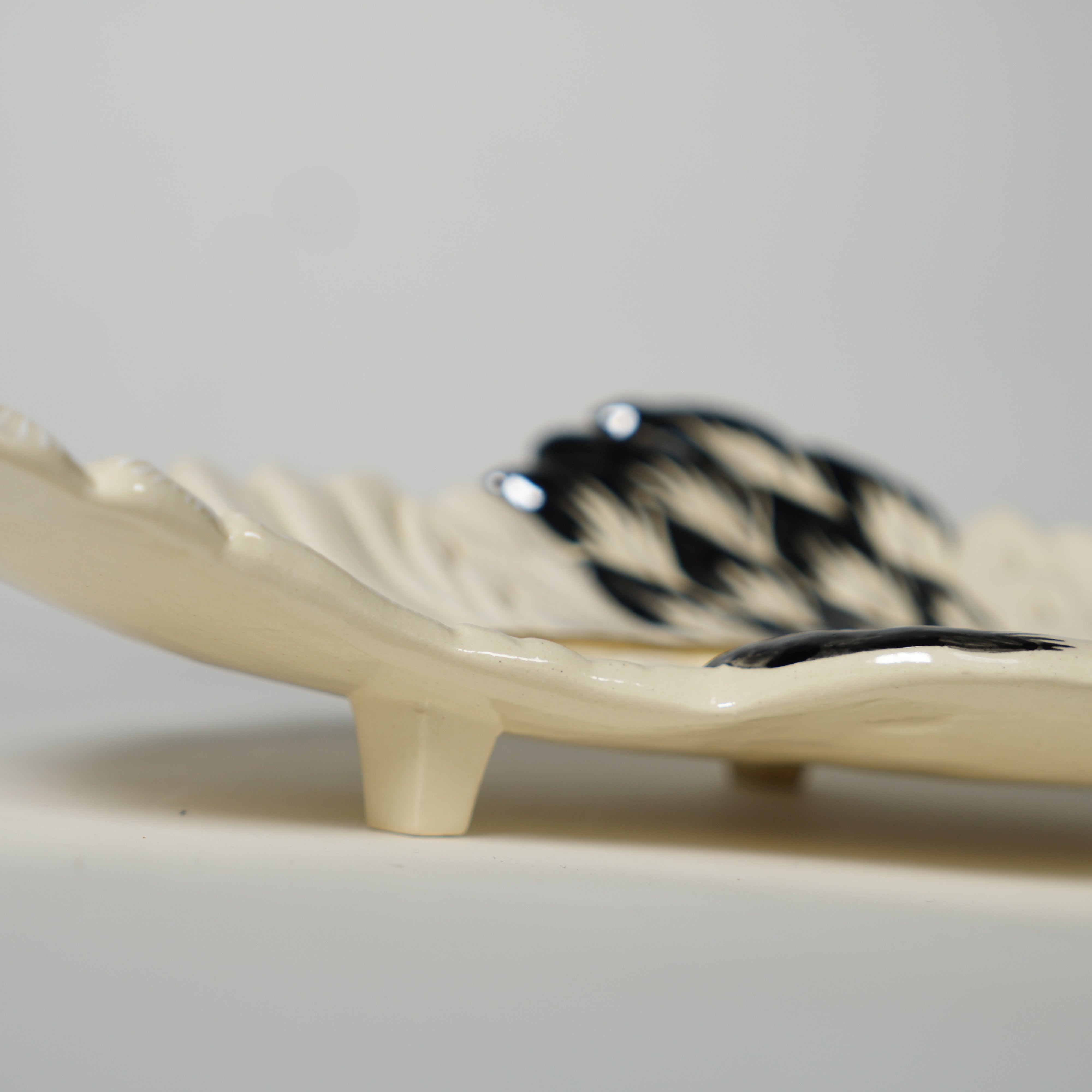
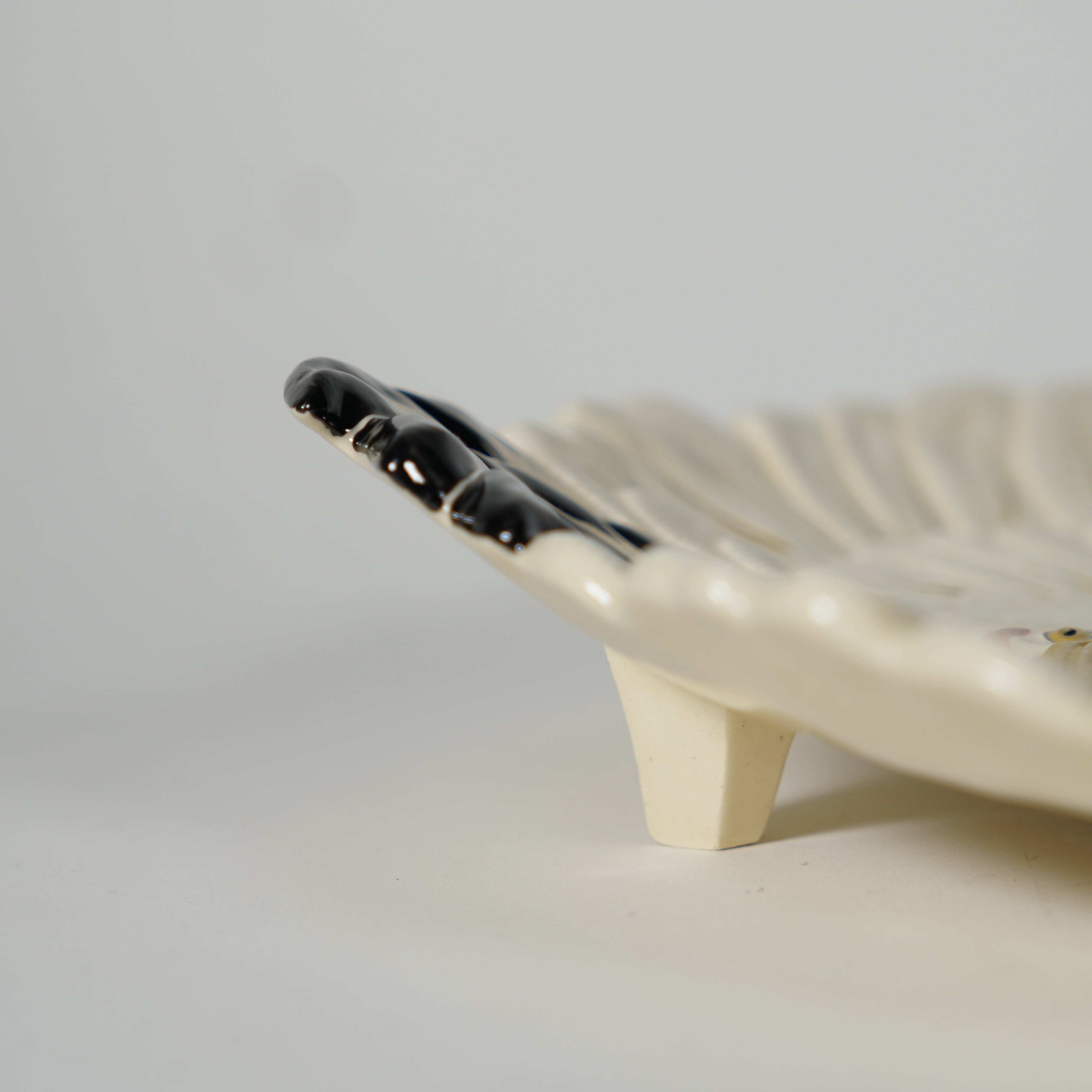
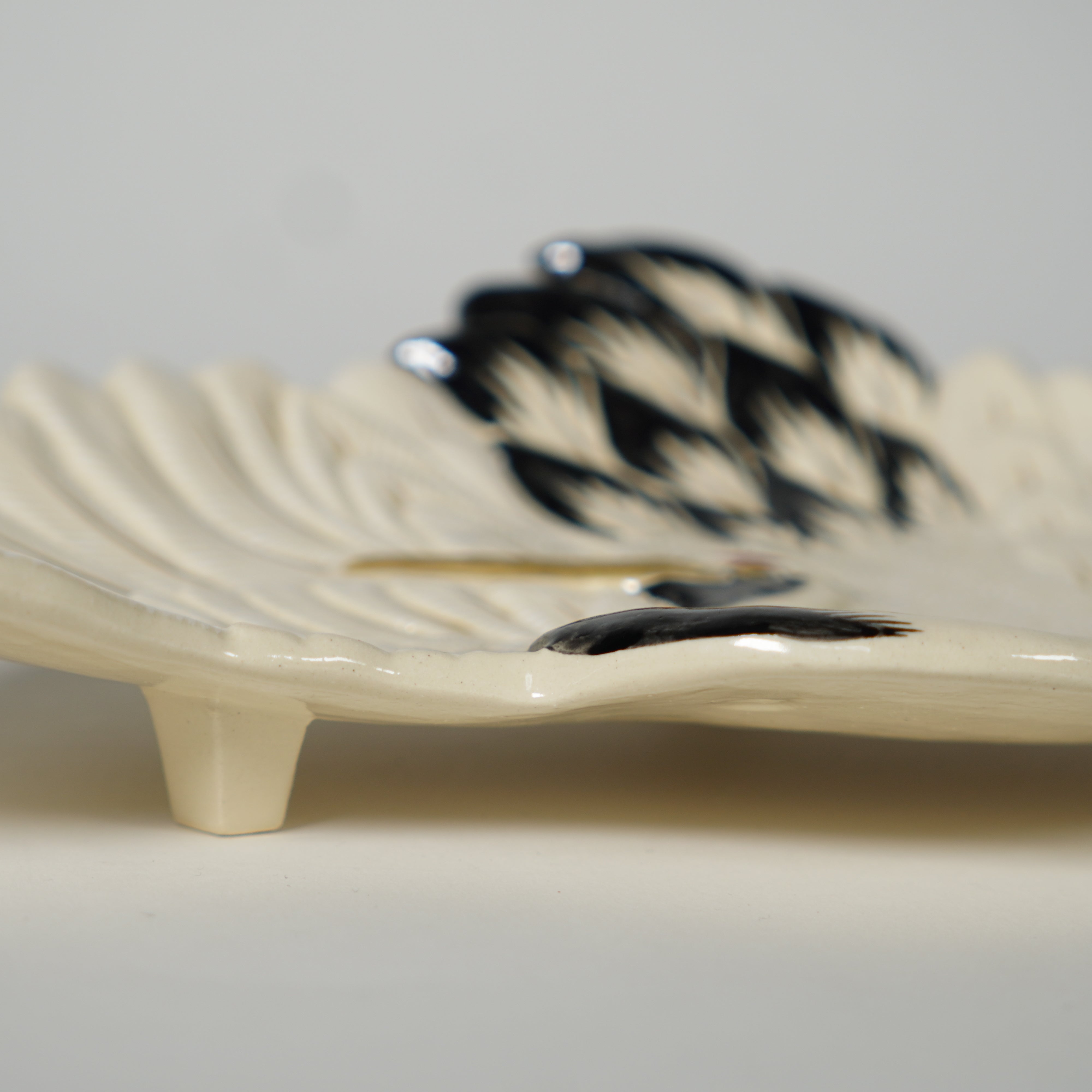
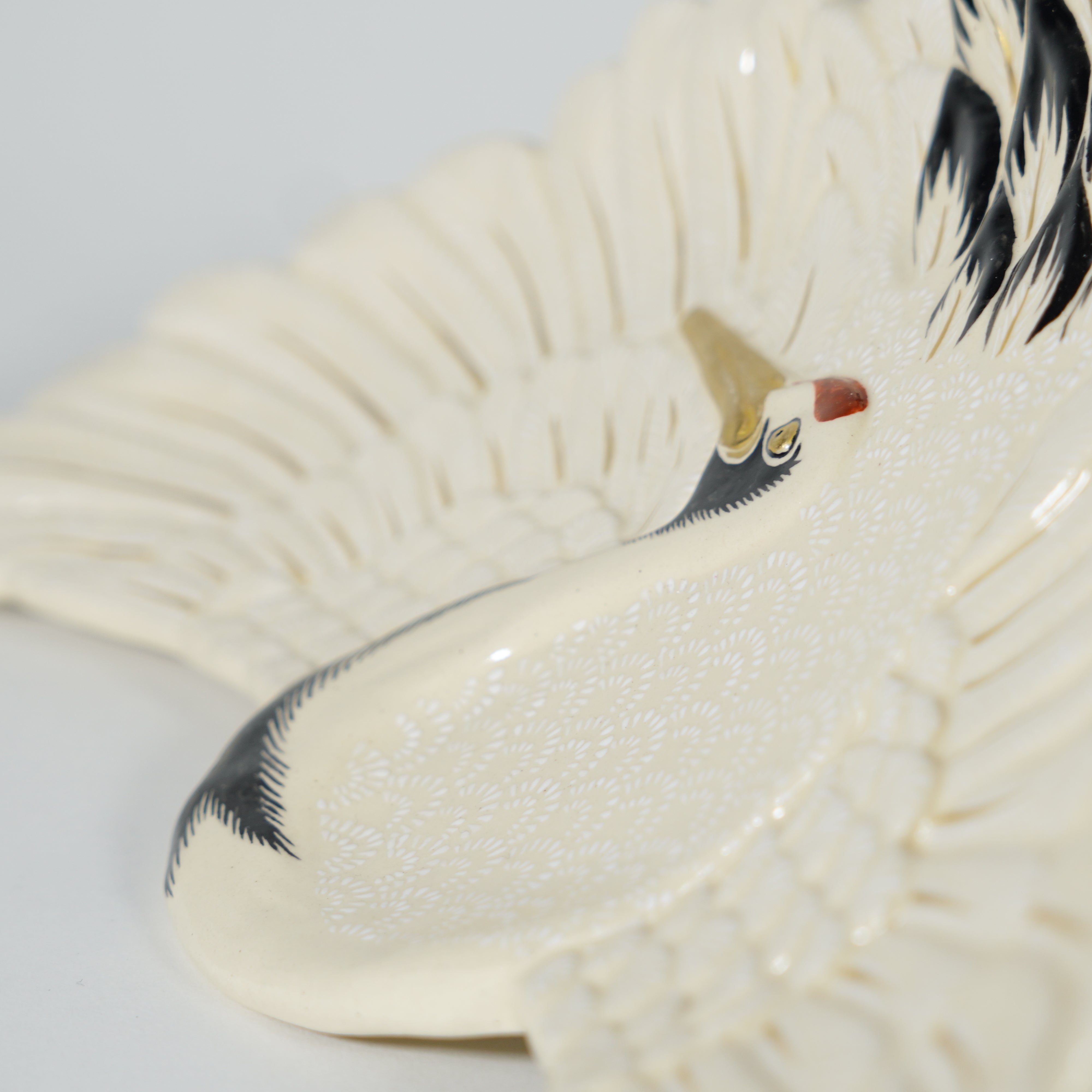
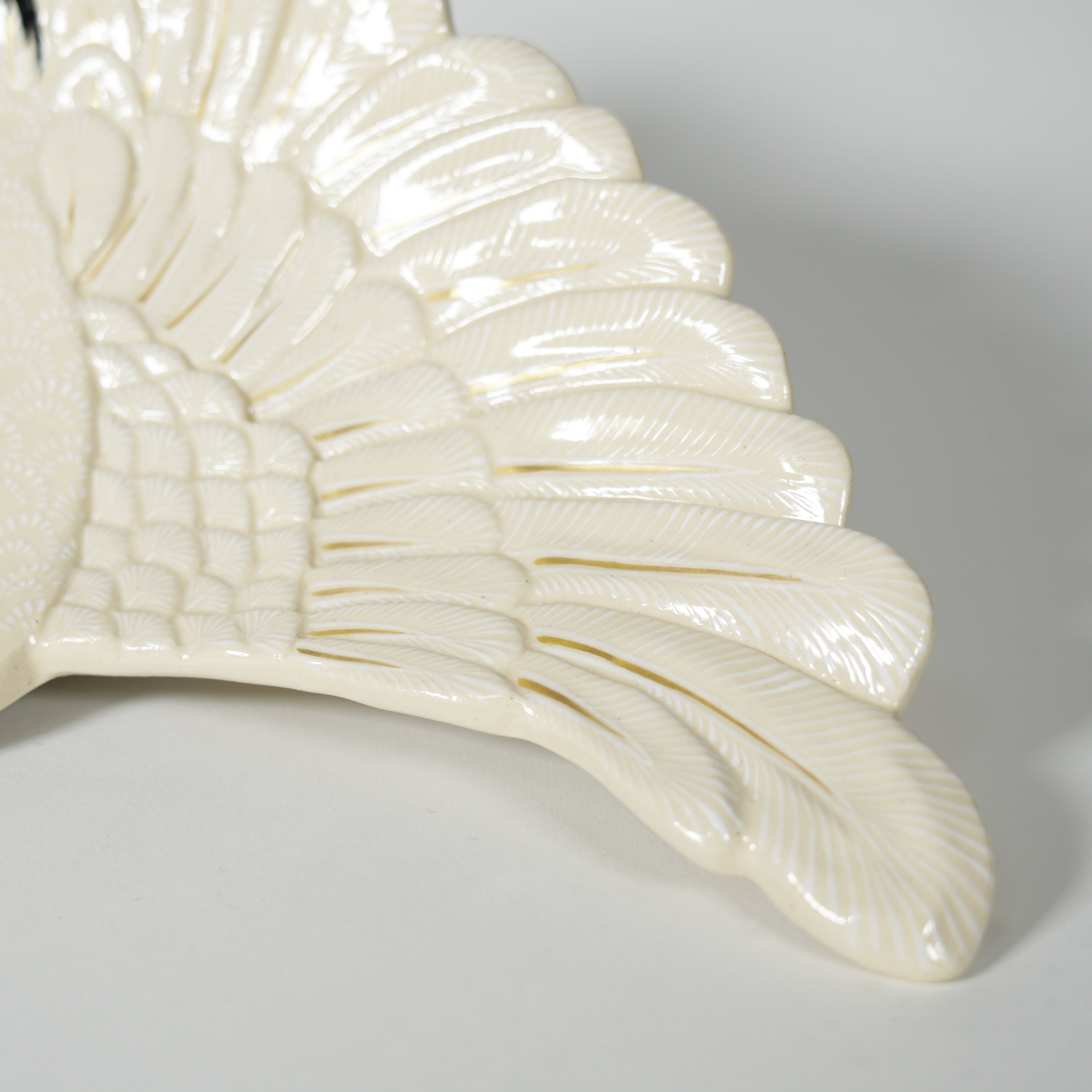
This is a crane platter that cannot be seen anywhere else.
In Japan, there is an idiom that cranes live for a thousand years and turtles live for ten thousand years, and these vessels show the symbolism of longevity. It can be enjoyed not only for serving food, but also for appreciation purpose. How about a product that allows you to enjoy Japan at any time by bringing the crane, which is also chosen as the national bird of Japan, to your room?
SIZE
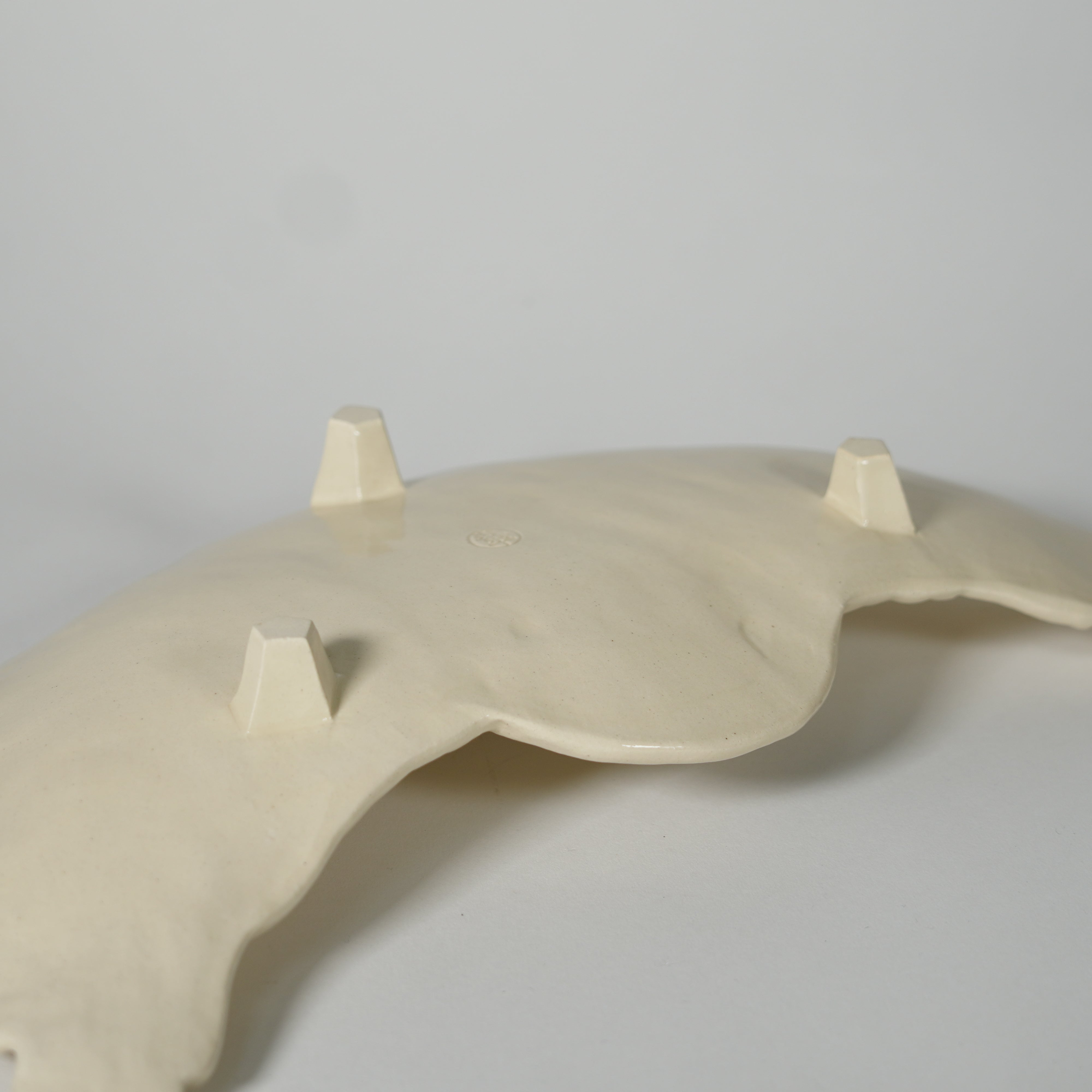
Width:41cm
Depth:25cm
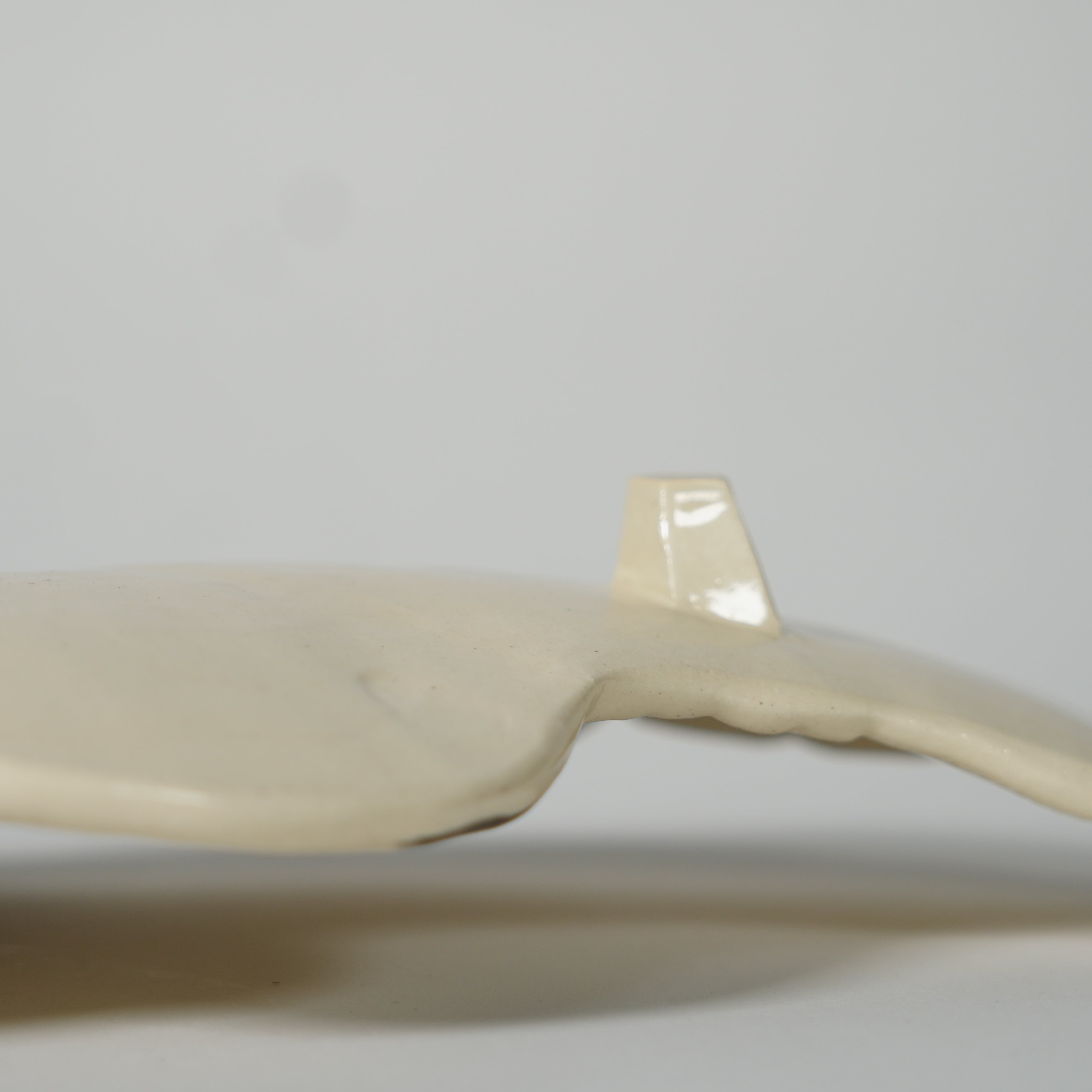
Height:6cm
Weight:980g
MATERIAL
Clay
STUDIO HIRANO
ARTISAN STORY
Taizo Hirano / Pottery Studio HIRANO
An independent Kiyomizu ware potter working in Kyoto since 2002. He creates vessels with traditional seasonal motifs and forms for long-established Kyoto restaurants and ryokan, while also responding to the ideas of emerging chefs with pieces that are not bound by convention.
KYO WARE & KIYOMIZU WARE
About 1,200 years ago / 800s / Heian Period (794–1185)
Kyoto ceramics reach back to kilns operating before and during the Heian period, then expanded with tea culture in the Muromachi and Momoyama eras. In the seventeenth century, Nonomura Ninsei perfected brilliant overglaze decoration, followed by innovators such as Ogata Kenzan, Okuda Eisen and Aoki Mokubei, whose diverse approaches shaped today’s Kyo and Kiyomizu ware.
In Japan, these ceramics are famous precisely because there is no single fixed style. Tea bowls, kaiseki dishes and everyday tableware may use overglaze painting, blue-and-white decoration, gold, sancai-inspired color and many other techniques. The craft sits at the heart of Kyoto’s culture of pairing vessels with cuisine and tea.
The surprising point is that Kyoto was never defined by a single major clay deposit. Potters drew on materials such as Amakusa porcelain stone, techniques arriving from other regions, and the tastes of artists and patrons gathered in the capital. Freedom from one local material helped make Kyoto ceramics unusually hybrid and stylistically diverse.
Individual Differences
As each piece is individually handcrafted, slight variations in color, pattern, shape, and texture may occur. These subtle differences are a natural characteristic of handcrafted works, making each piece truly unique. We hope you will enjoy these individual variations as part of the beauty and character of Japanese craftsmanship.
Production Time
If an item is not currently in stock, it may be made to order by the artisan. As each piece is carefully handcrafted, production may take several months depending on the item and the artisan's schedule. We appreciate your patience and understanding.
حدِّد الخيارات