

خاتم فضة / شعار إيتشيماتسو
الوصف
التفاصيل
SIZE
MATERIAL
حِرَفِيّ
كوجي
تحذير
خاتم فضة / شعار إيتشيماتسو
السعر بعد الخصم$321,500
حدِّد الخيارات
خاتم فضة / شعار إيتشيماتسو
السعر بعد الخصم$321,500
البلد
اللغة
سلة المشتريات
سلة مشترياتك فارغة
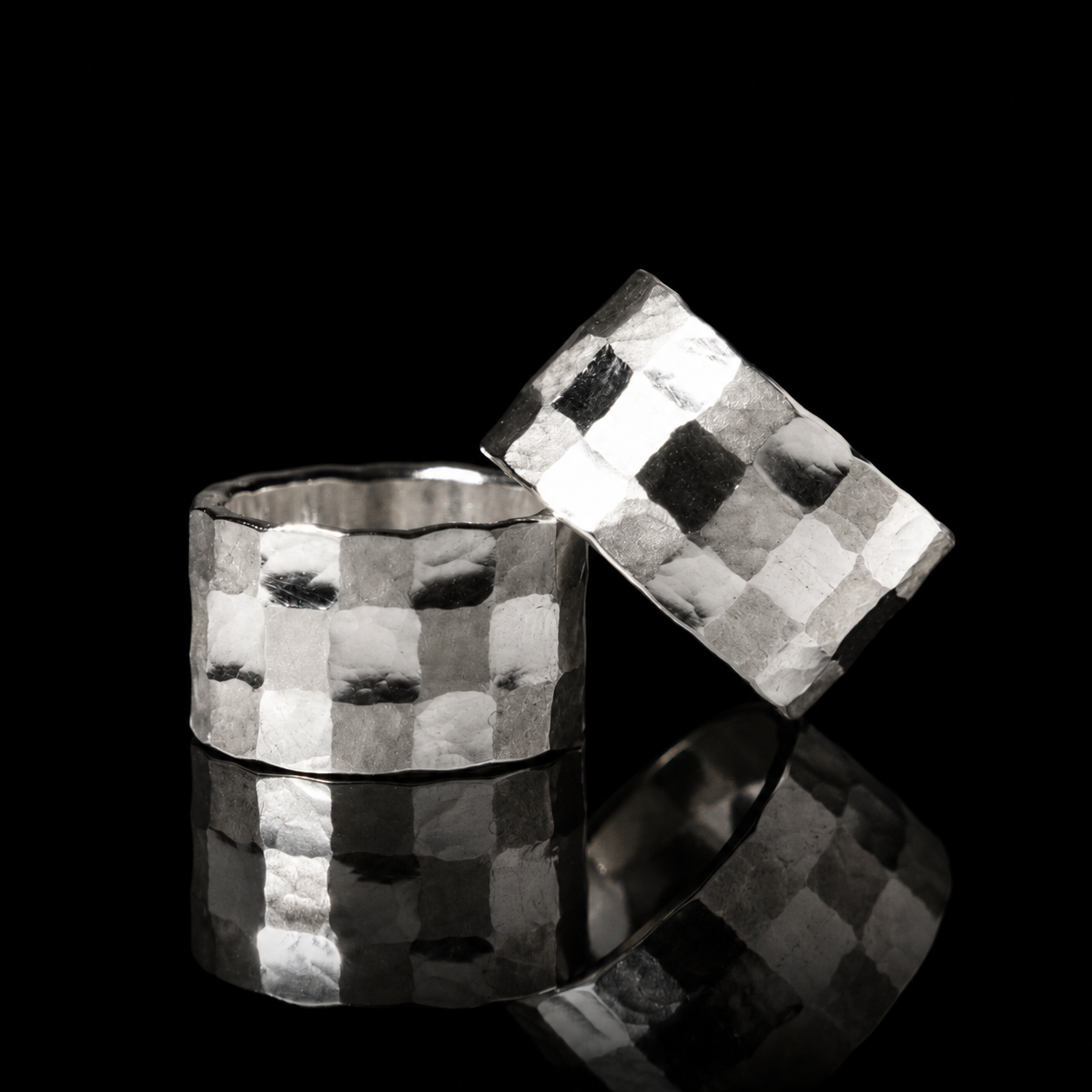
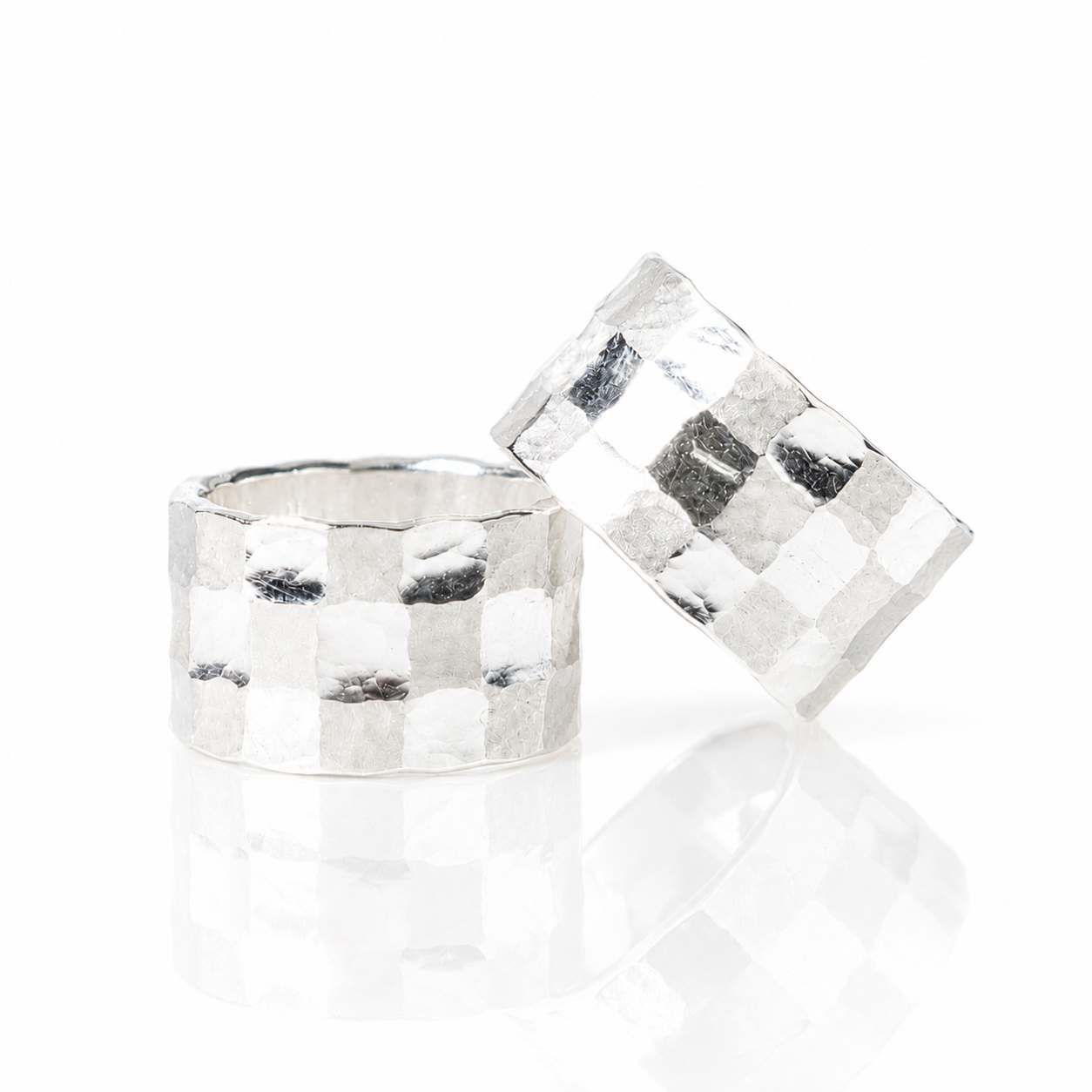
هذا الخاتم مصنوع من الفضة الإسترلينية.
معنى التصميم
يحمل نمط إيتشيماتسو معنى الازدهار لأن النمط يستمر دون انقطاع. وبسبب معناه الذي يرمز إلى "الازدهار"، يفضله الكثير من الناس كنمط يجلب الحظ السعيد، مثل ازدهار الأبناء وتوسع الأعمال.
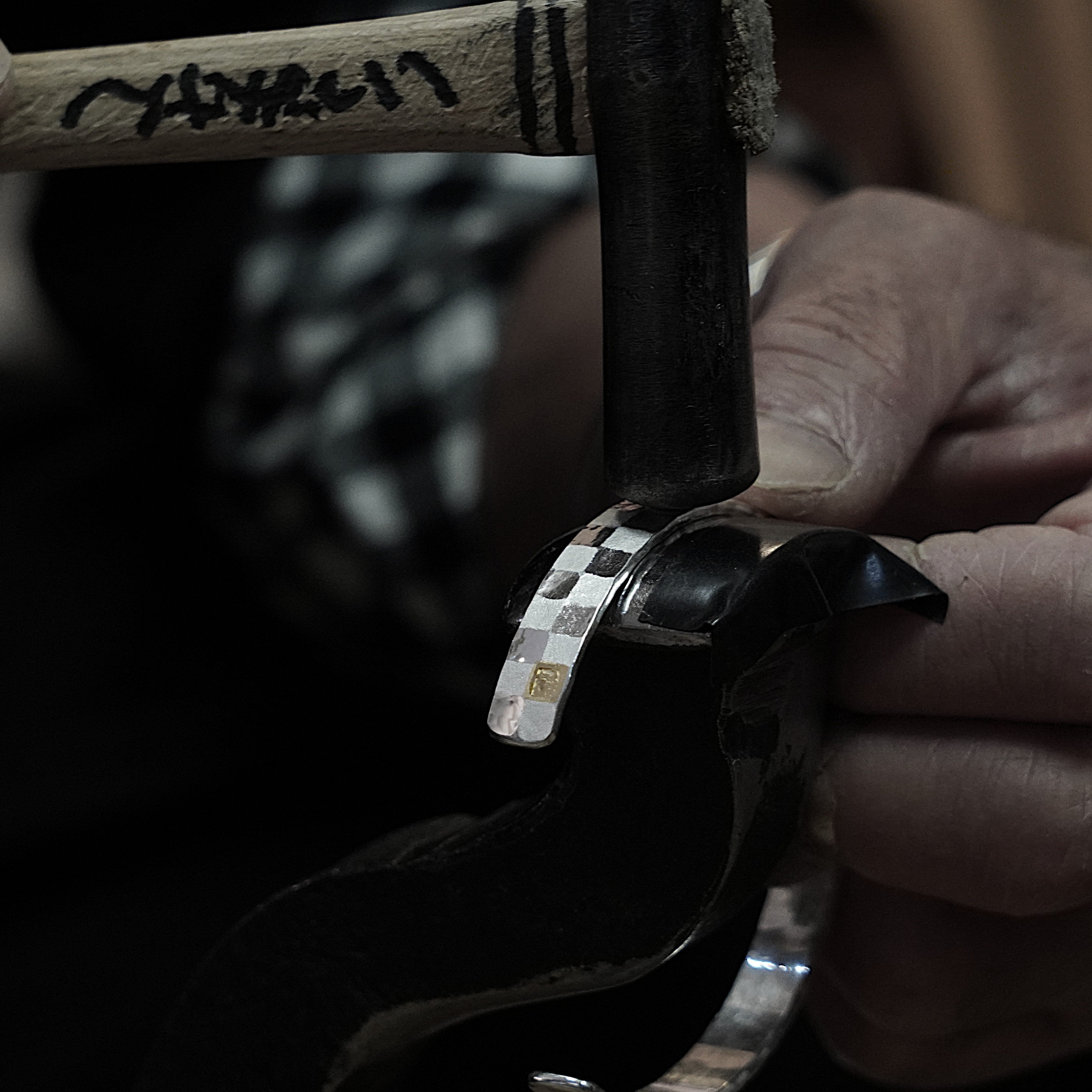
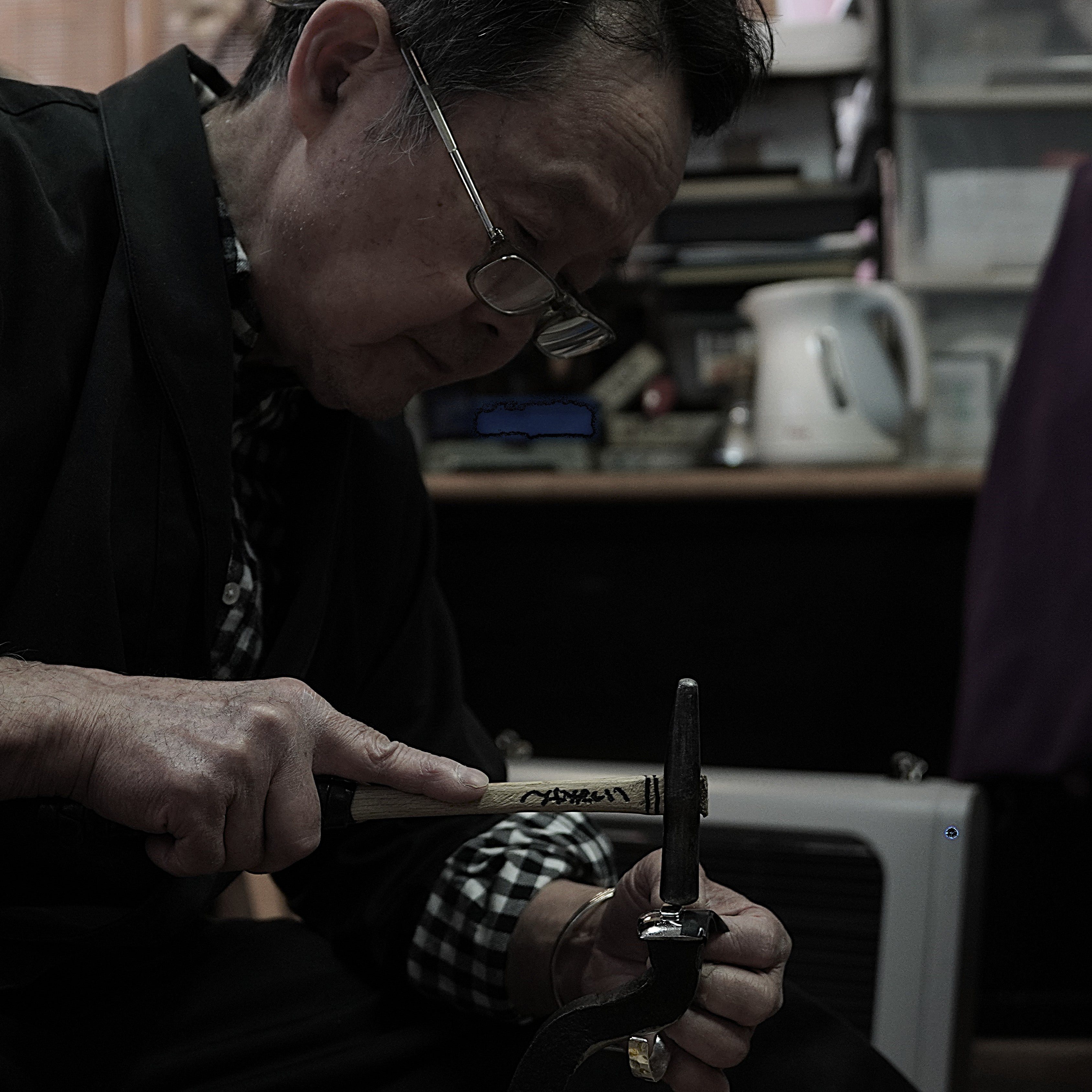
هذا المربع مصنوع من دائرة؛ حيث يتم طرق المربع حوالي 50 مرة، وتُزال زوايا الدائرة. يرجى مشاهدة الفيديو أدناه لمزيد من التفاصيل.
إذا كان بإمكانك قضاء حياتك اليومية بهذا الخاتم المميز، فستكون بالتأكيد رائعة! كما أنه لا بد أن يكون هدية رائعة لشخص ما؟
سيكون هناك تغيير طفيف بسبب التقادم، لذا كلما استخدمته أكثر، زاد حبك لهذا المنتج!
SIZE
مقاس الخاتم
1 1/2~12 1/2 (أمريكي)
الارتفاع:1.3 سم
MATERIAL
الفضة الاسترلينية
IZUMIKEN
"Throughout a conversation with silver, guide it to the shape it wants to be"
Silver can take on any form, and we place the utmost importance on how natural it can be. We are committed to creating products that are pleasant to use for both the silver and the customer.
ARTISAN STORY
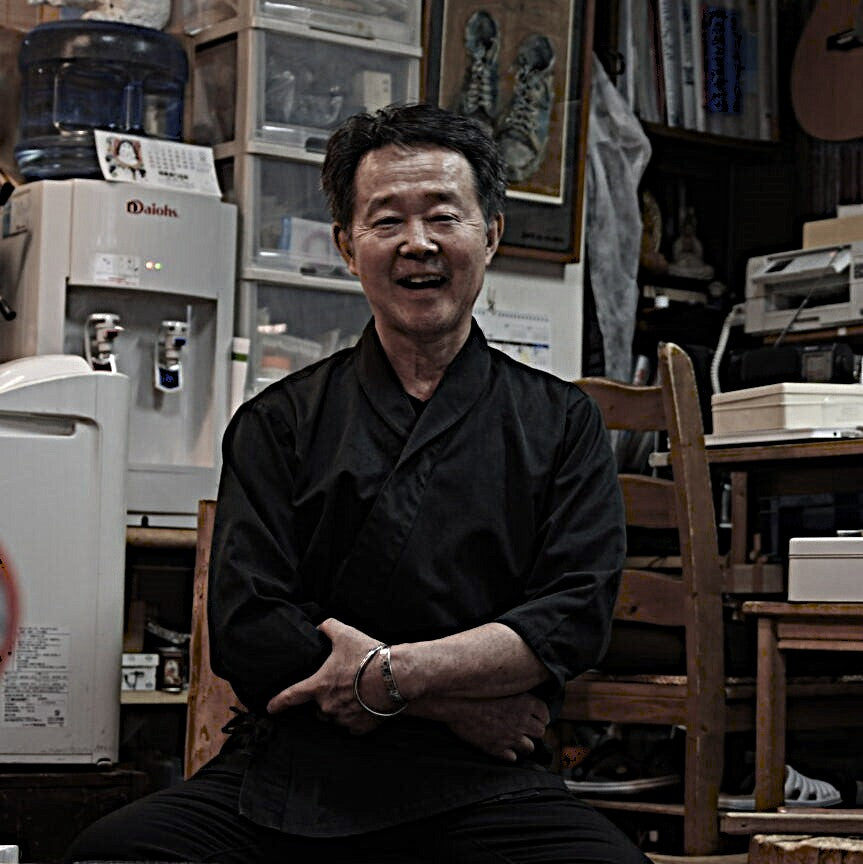
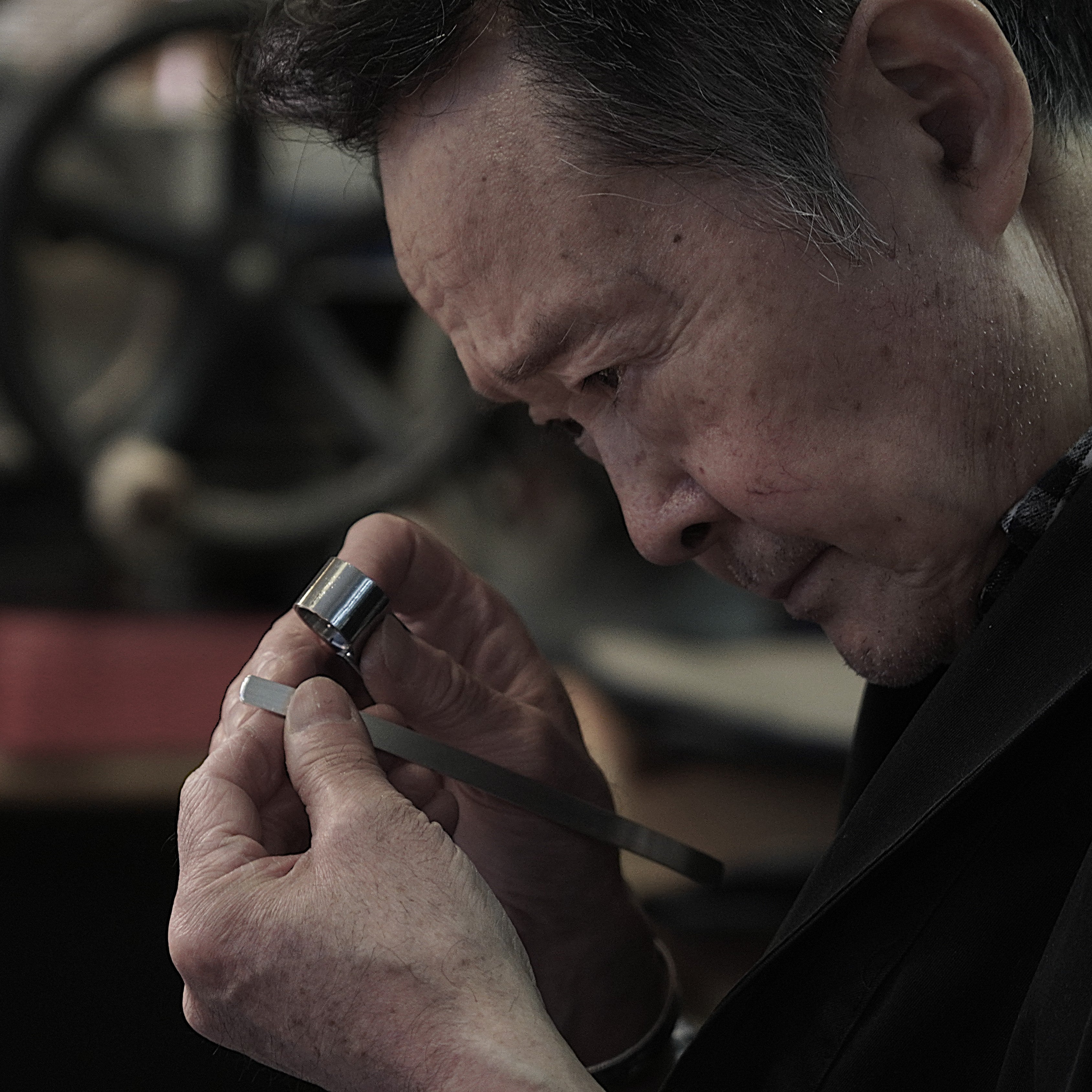
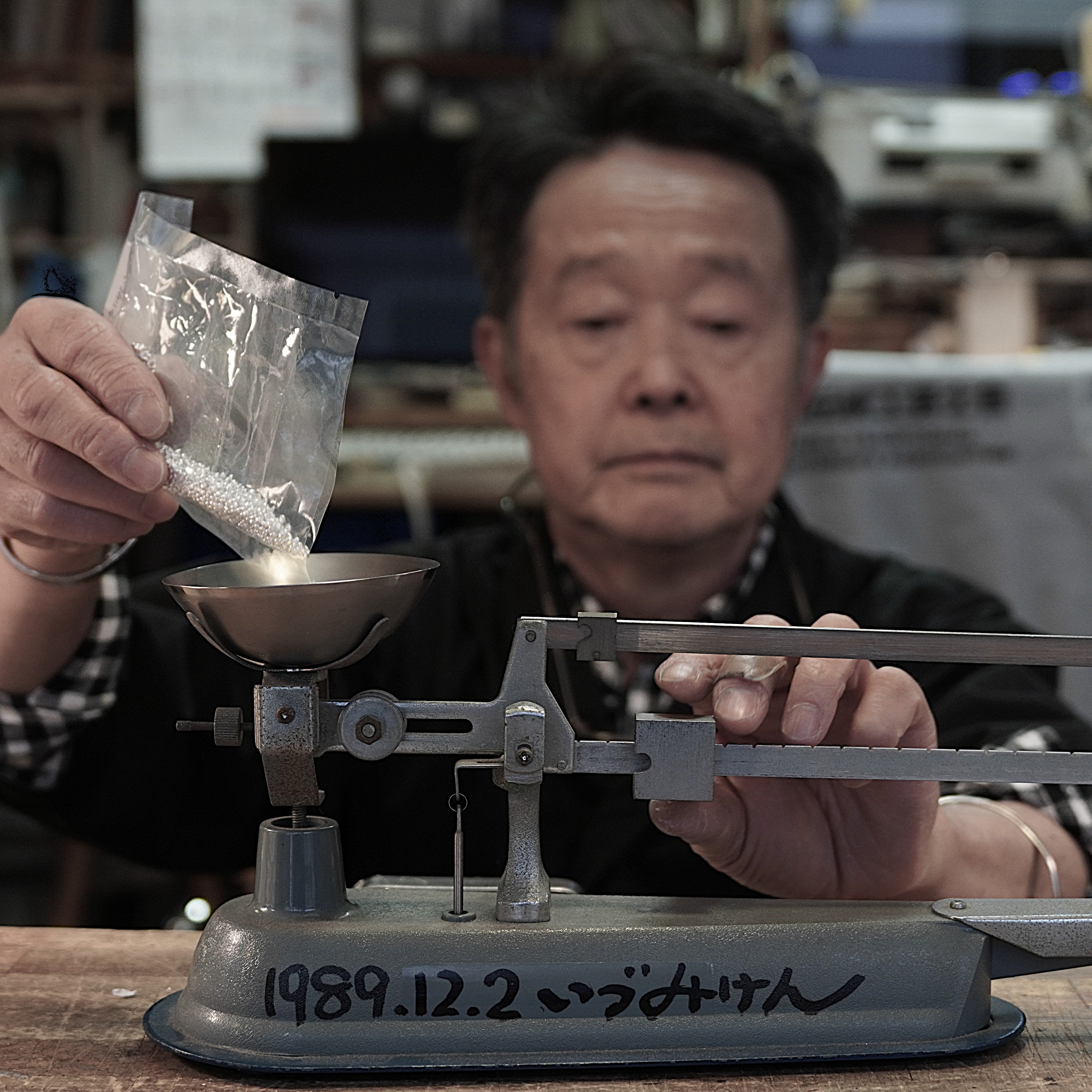
Kenichiro Izumi / Izumiken
A craftsman who has been making Tokyo silverware in Tokyo since 1979. After graduating from an art school, he travelled around Japan for a year. He sometimes delivered newspapers to earn money. During the time, he was thinking about his future and ended up with making silverware. The company is known for making not only silverware, but also rings, buckles and other products that are in tune with the modern age. Careful and detailed handwork fascinates those who seethe making process.
ACHIEVEMENTS
・Received the World Gold Council Award at the All Japan Gold and Silver Creation Exhibition.
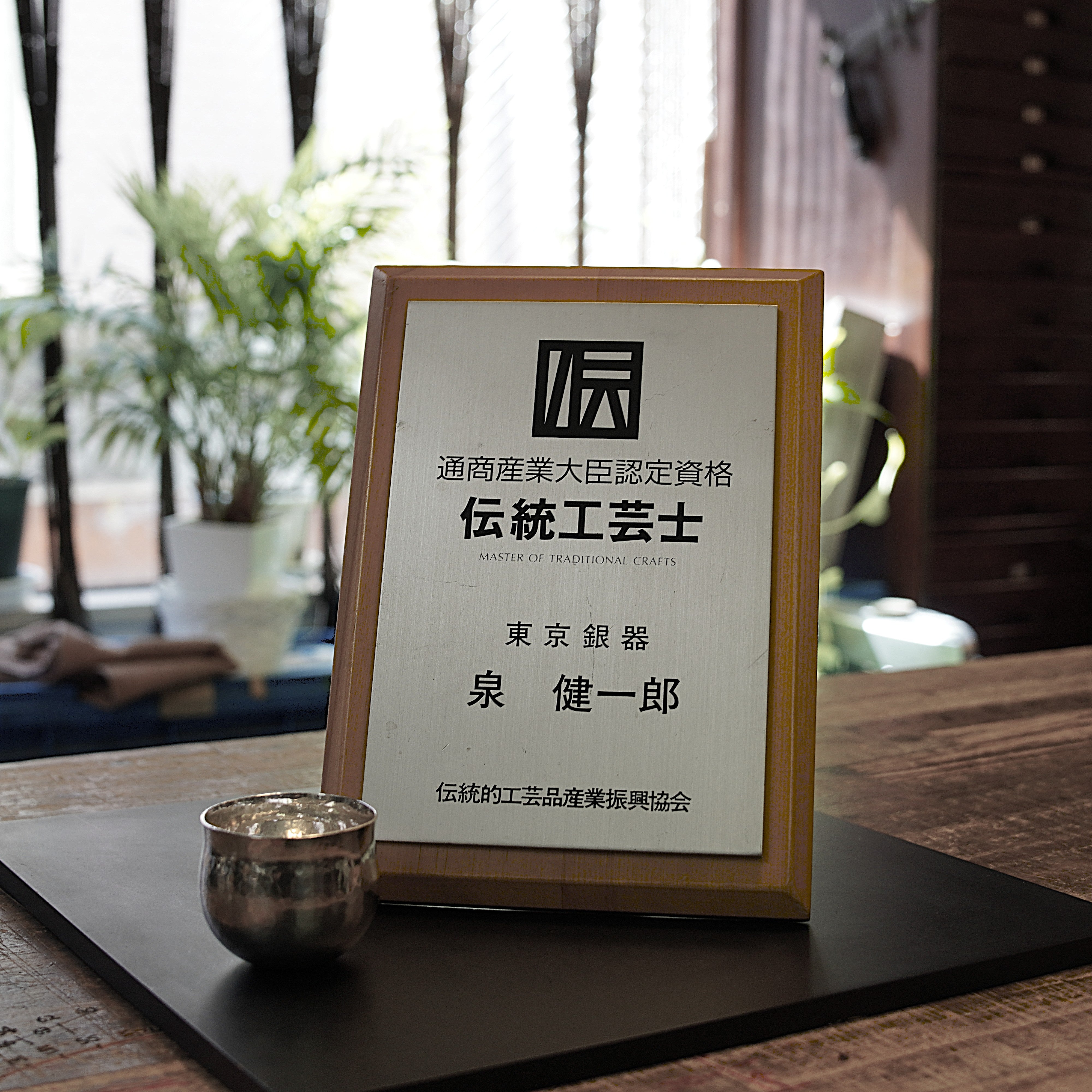
・Received the President's Award of the Association for the Promotion of Traditional Craft Industries.
・Designated as a traditional craftsman.
・They have received many other awards for their work.
TOKYO GINKI / TOKYO SILVERWARE
About 300 years ago / 1700s / Edo Period (1603–1868)
Silversmithing in Edo grew through demand from samurai households, wealthy townspeople and religious institutions for sake vessels, smoking accessories, ornaments and ritual objects. After the Meiji Restoration, Western tableware entered the market and Tokyo smiths increasingly produced both Japanese and Western forms.
In Japan, Tokyo silverware is valued as metalware that develops through use—teapots, sake vessels and cutlery change color as silver reacts with sulfur compounds in the air. Polishing away tarnish becomes part of the long relationship between owner and object.
In hammer raising, a flat sheet of silver is struck thousands of times and periodically annealed to soften the metal after work-hardening. The process alternates force and rest: hammer, heat, hammer again. The finished vessel is literally shaped by a history of countless impacts.
الاختلافات الفردية
نظرًا لأن كل قطعة تُصنع يدويًا بشكل مستقل، فقد تطرأ اختلافات طفيفة في اللون والنمط والشكل والملمس. وتُعد هذه الاختلافات الدقيقة من الخصائص الطبيعية للأعمال اليدوية، ما يجعل كل قطعة فريدة من نوعها حقًا. نأمل أن تستمتعوا بهذه الاختلافات الفردية كجزء من جمال الحرفية اليابانية وطابعها المميز.
مدة الإنتاج
إذا لم يكن المنتج متوفرًا في المخزون حاليًا، فقد يقوم الحرفي بتصنيعه حسب الطلب. ونظرًا إلى أن كل قطعة تُصنع يدويًا بعناية، فقد يستغرق الإنتاج عدة أشهر، وذلك حسب المنتج وجدول الحرفي. نقدر صبركم وتفهمكم.
حدِّد الخيارات