
وعاء بونساي
السعر بعد الخصم$ 15,092.00
حدِّد الخيارات












وعاء بونساي
السعر بعد الخصم$ 15,092.00
البلد
اللغة
سلة المشتريات
سلة مشترياتك فارغة
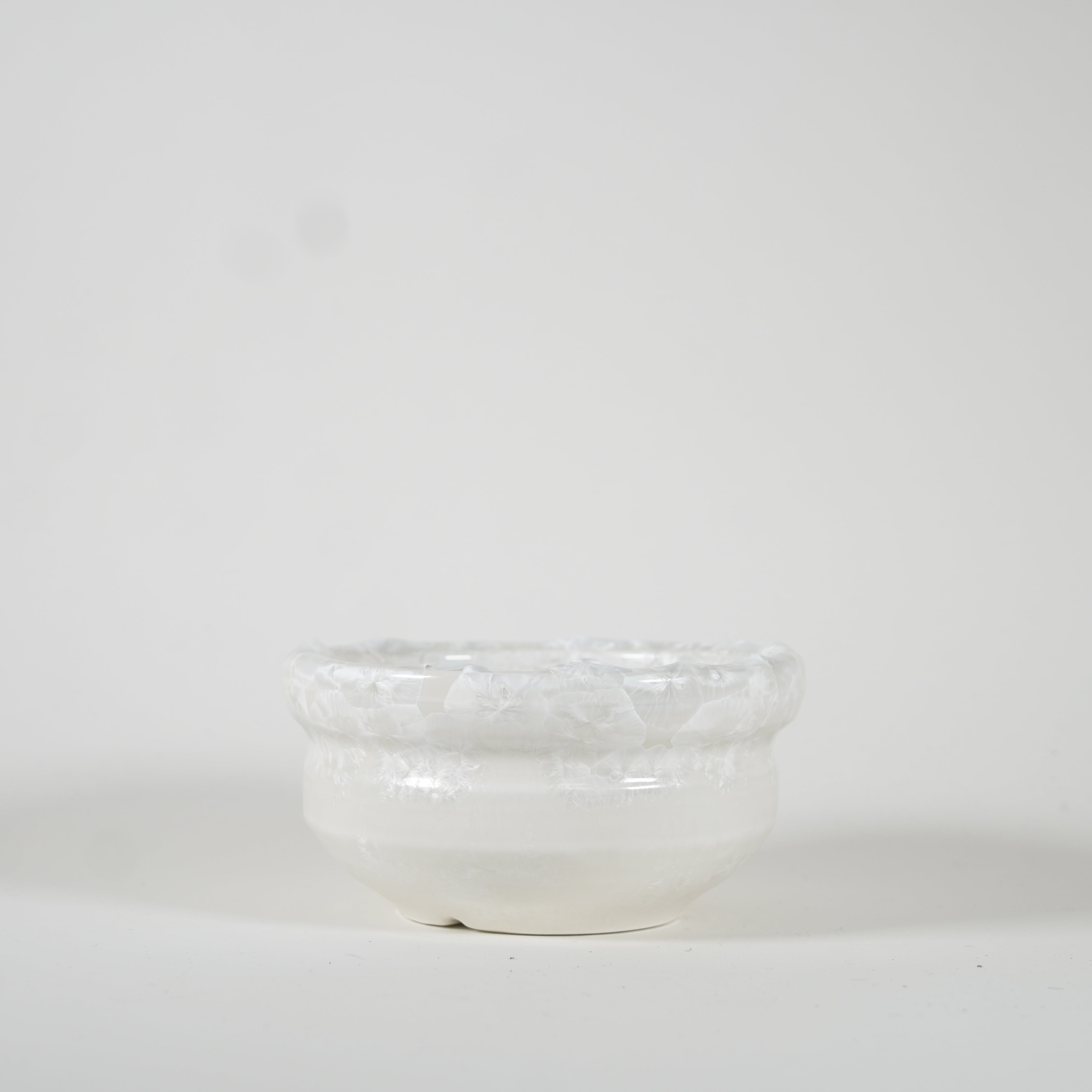
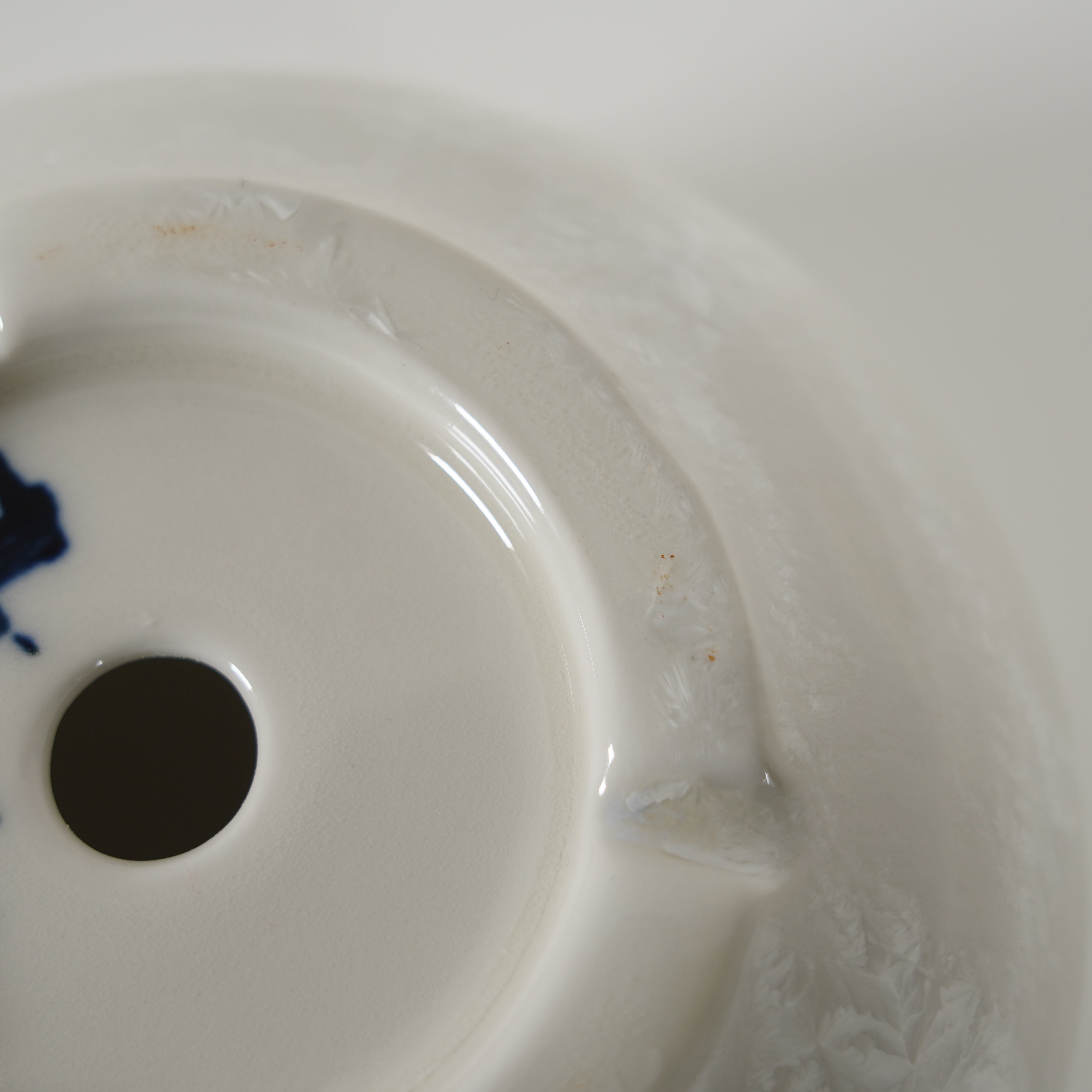
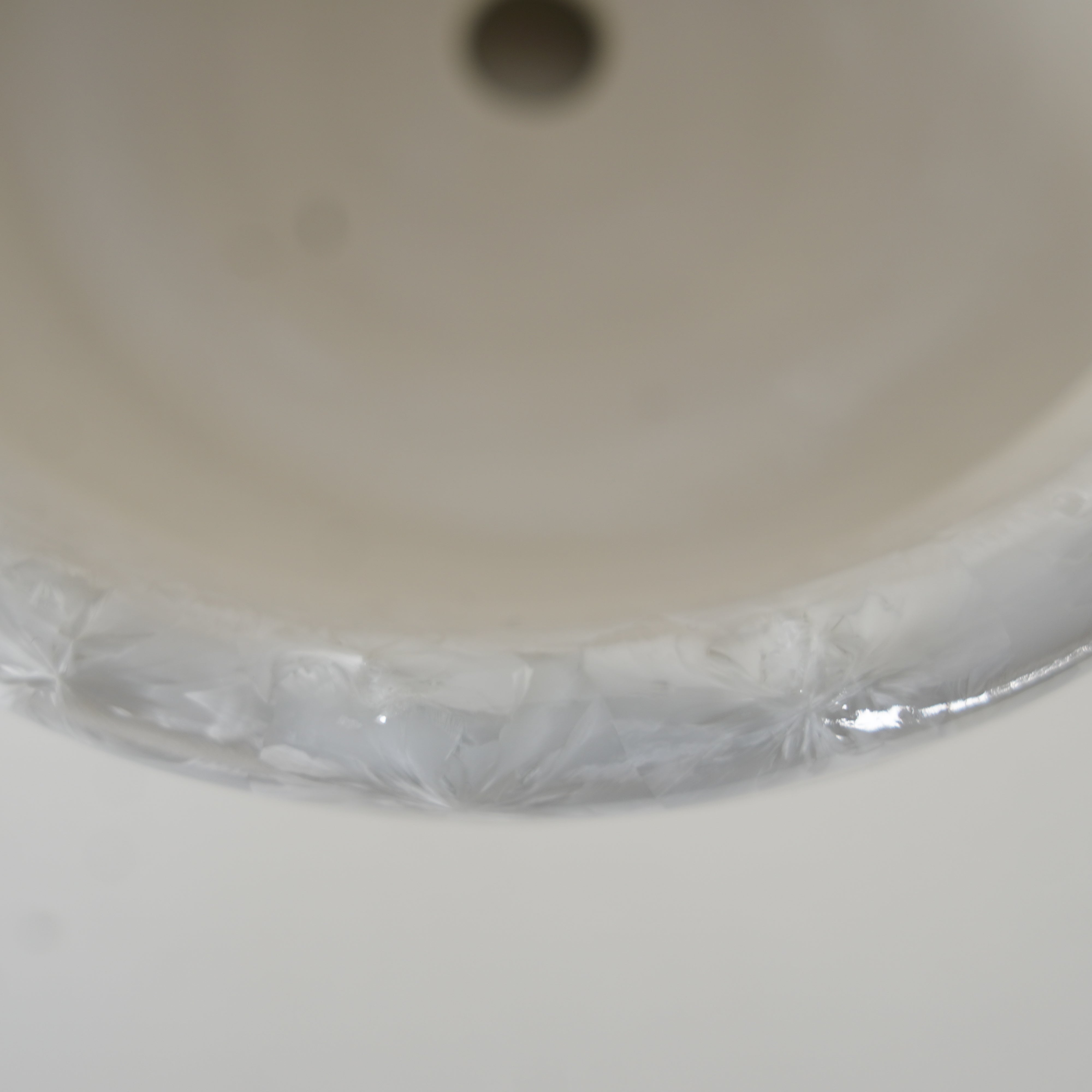
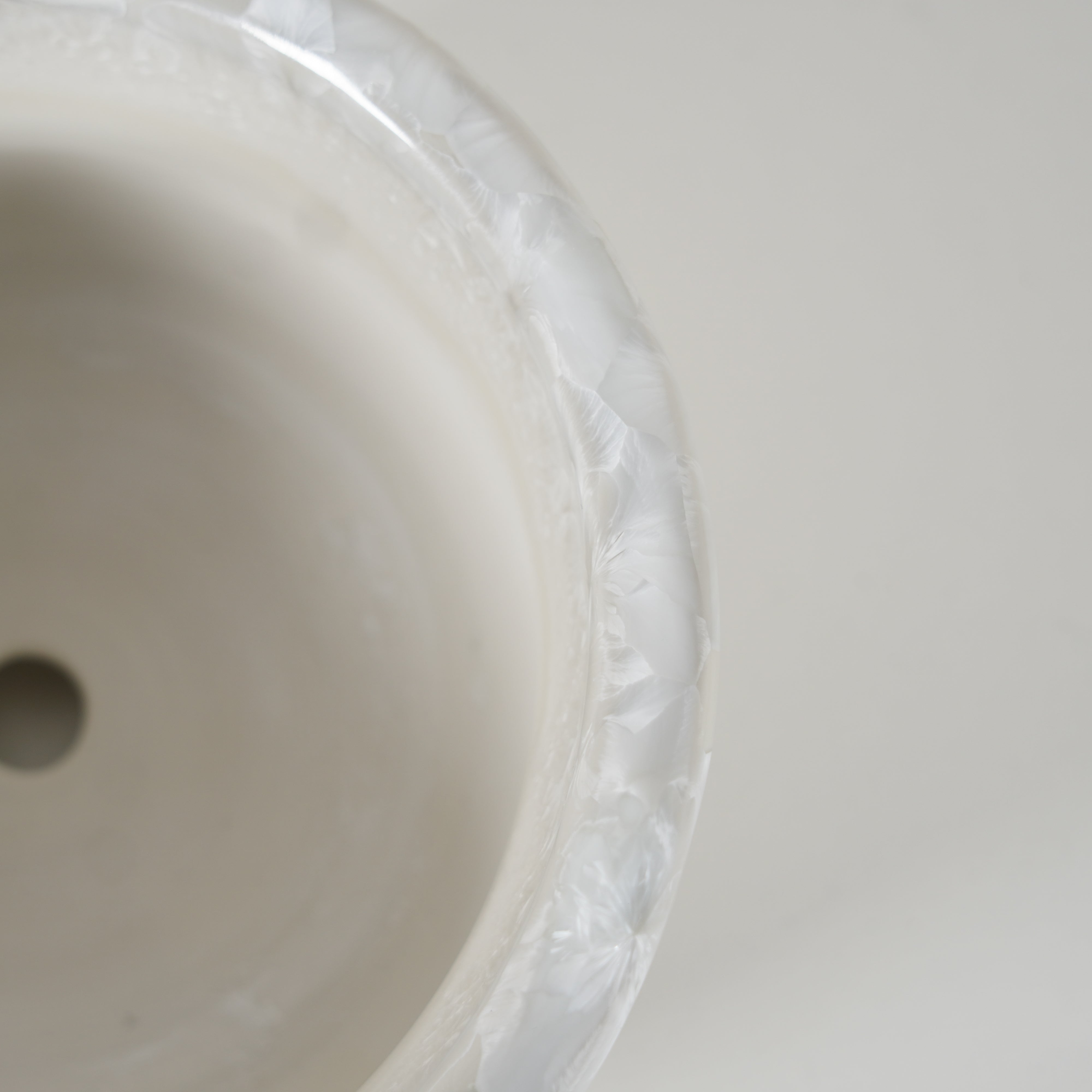
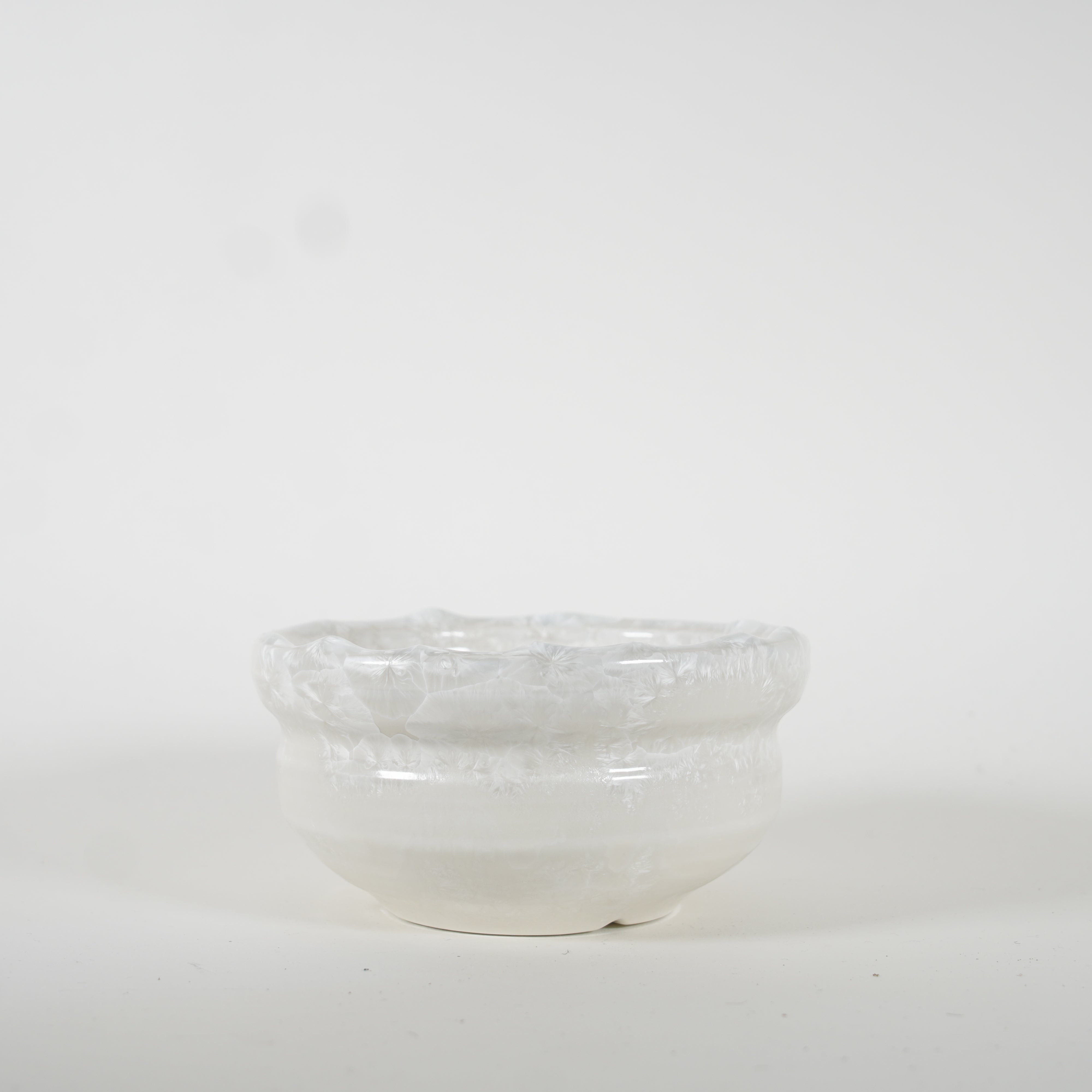
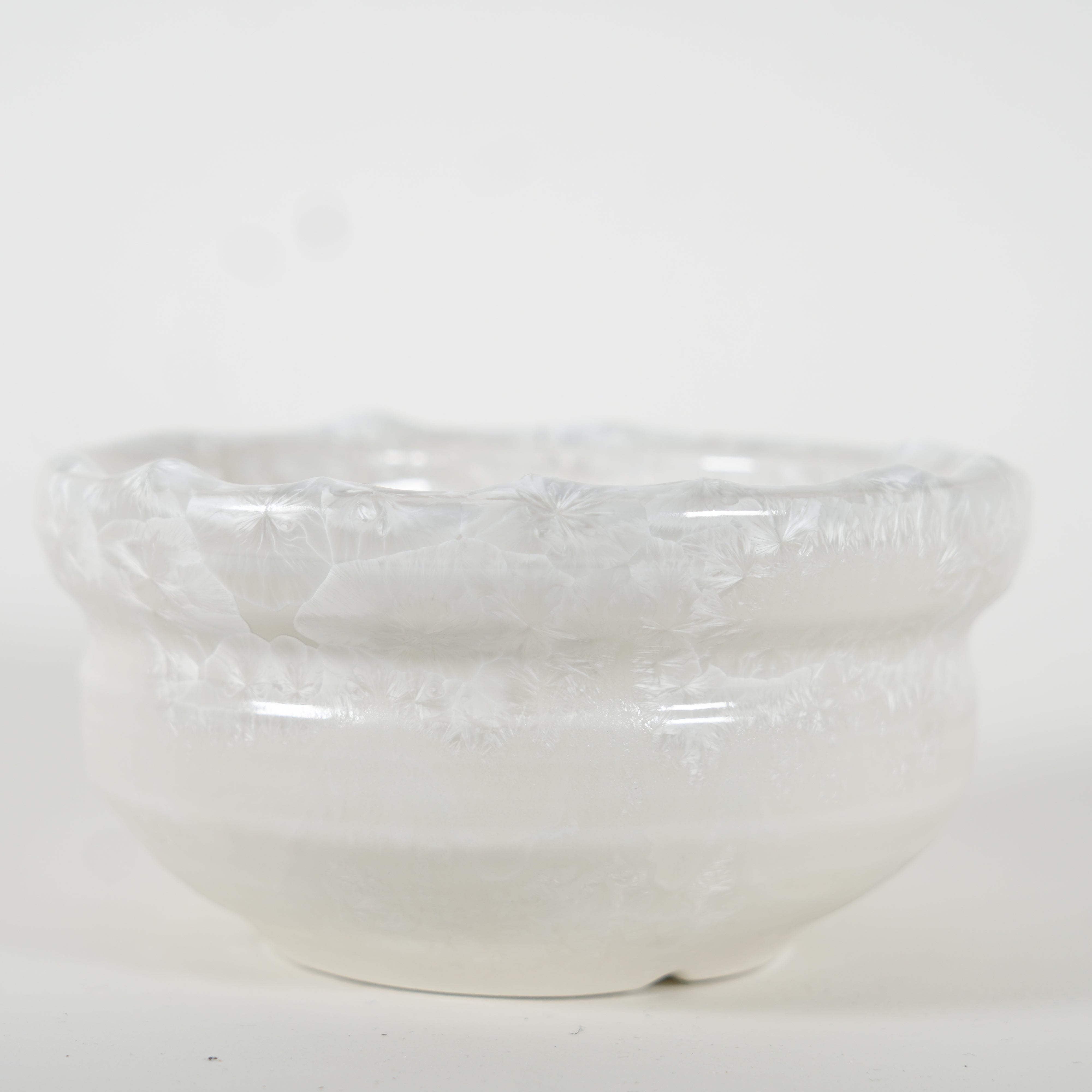
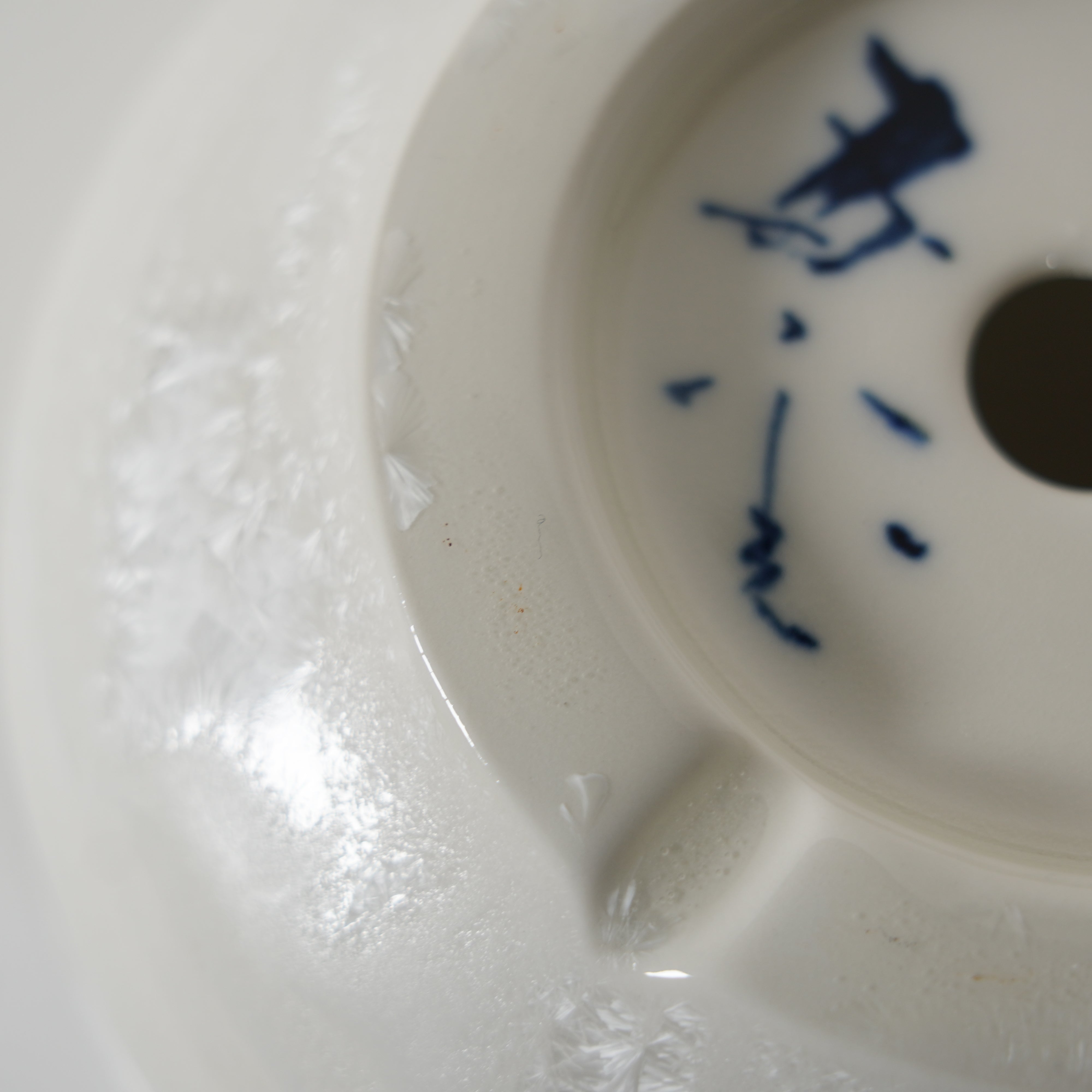
صُنع وعاء البونساي هذا بأيدي 15 عضوًا من «سييو-كاي»، وهي جماعة خزفية في كيوتو قائمة منذ نحو 100 عام. وهو ليس مجرد وعاء بونساي أبيض، بل قطعة كريستالية نُفذت بأسلوب «الانفجار» في الطلاء الزجاجي، وتُعد تحفة فنية تجمع بين الهدوء والحيوية بشكل لن تراه في أي مكان آخر. نرجو أن تستمتعوا ببراعة هذا الحرفي المرموق الذي كرس حياته إلى صناعة الخزف.
SIZE
العرض:15 سم
العمق:15 سم
الارتفاع:7.5 سم
الوزن:698 جم
MATERIAL
طين
GOUNTOEN
He strives to create works that are beautiful to look at, enjoyable to use, and capable of bringing richness to everyday living spaces, while working with gratitude for the joy of making.
ARTISAN STORY
Kiyonori Maeda / Goun Toen
The third-generation potter of a Kyoto kiln with a history of roughly 100 years, he carries forward the aspirations of the previous generation while continually asking himself what true beauty in ceramics means. His work includes distinctive floral-like patterns created through dynamic reactions in the glaze.
ACHIEVEMENTS
・Selected for the Nitten Exhibition
KYO WARE & KIYOMIZU WARE
About 1,200 years ago / 800s / Heian Period (794–1185)
Kyoto ceramics reach back to kilns operating before and during the Heian period, then expanded with tea culture in the Muromachi and Momoyama eras. In the seventeenth century, Nonomura Ninsei perfected brilliant overglaze decoration, followed by innovators such as Ogata Kenzan, Okuda Eisen and Aoki Mokubei, whose diverse approaches shaped today’s Kyo and Kiyomizu ware.
In Japan, these ceramics are famous precisely because there is no single fixed style. Tea bowls, kaiseki dishes and everyday tableware may use overglaze painting, blue-and-white decoration, gold, sancai-inspired color and many other techniques. The craft sits at the heart of Kyoto’s culture of pairing vessels with cuisine and tea.
The surprising point is that Kyoto was never defined by a single major clay deposit. Potters drew on materials such as Amakusa porcelain stone, techniques arriving from other regions, and the tastes of artists and patrons gathered in the capital. Freedom from one local material helped make Kyoto ceramics unusually hybrid and stylistically diverse.
الاختلافات الفردية
نظرًا لأن كل قطعة تُصنع يدويًا بشكل مستقل، فقد تطرأ اختلافات طفيفة في اللون والنمط والشكل والملمس. وتُعد هذه الاختلافات الدقيقة من الخصائص الطبيعية للأعمال اليدوية، ما يجعل كل قطعة فريدة من نوعها حقًا. نأمل أن تستمتعوا بهذه الاختلافات الفردية كجزء من جمال الحرفية اليابانية وطابعها المميز.
مدة الإنتاج
إذا لم يكن المنتج متوفرًا في المخزون حاليًا، فقد يقوم الحرفي بتصنيعه حسب الطلب. ونظرًا إلى أن كل قطعة تُصنع يدويًا بعناية، فقد يستغرق الإنتاج عدة أشهر، وذلك حسب المنتج وجدول الحرفي. نقدر صبركم وتفهمكم.
حدِّد الخيارات