

Bambuskoffer
الوصف
التفاصيل
SIZE
MATERIAL
حِرَفِيّ
كوجي
تحذير
Bambuskoffer
AngebotDhs. 13,112.00
Optionen auswählen
Bambuskoffer
AngebotDhs. 13,112.00
Land
Sprache
Warenkorb
Dein Warenkorb ist leer
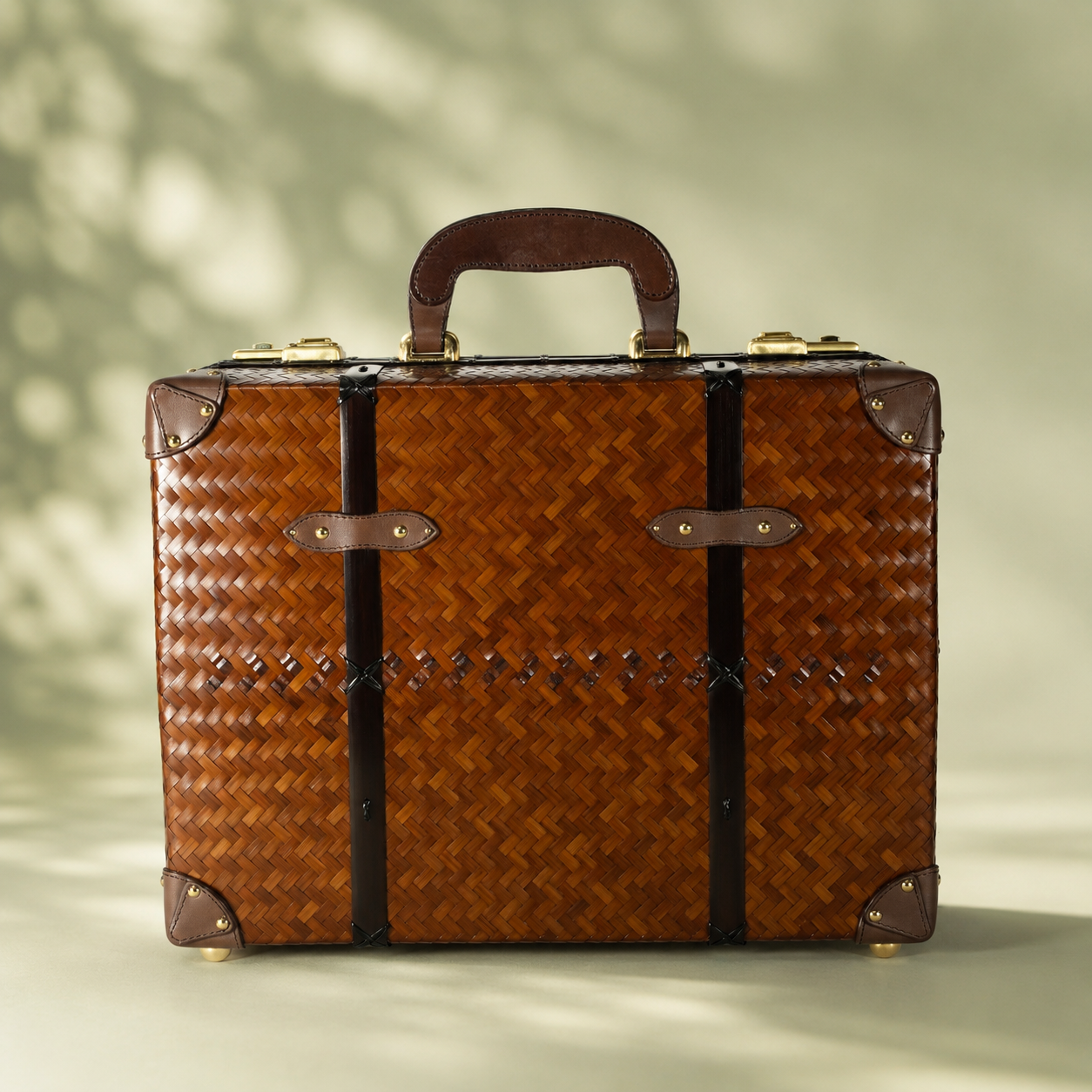
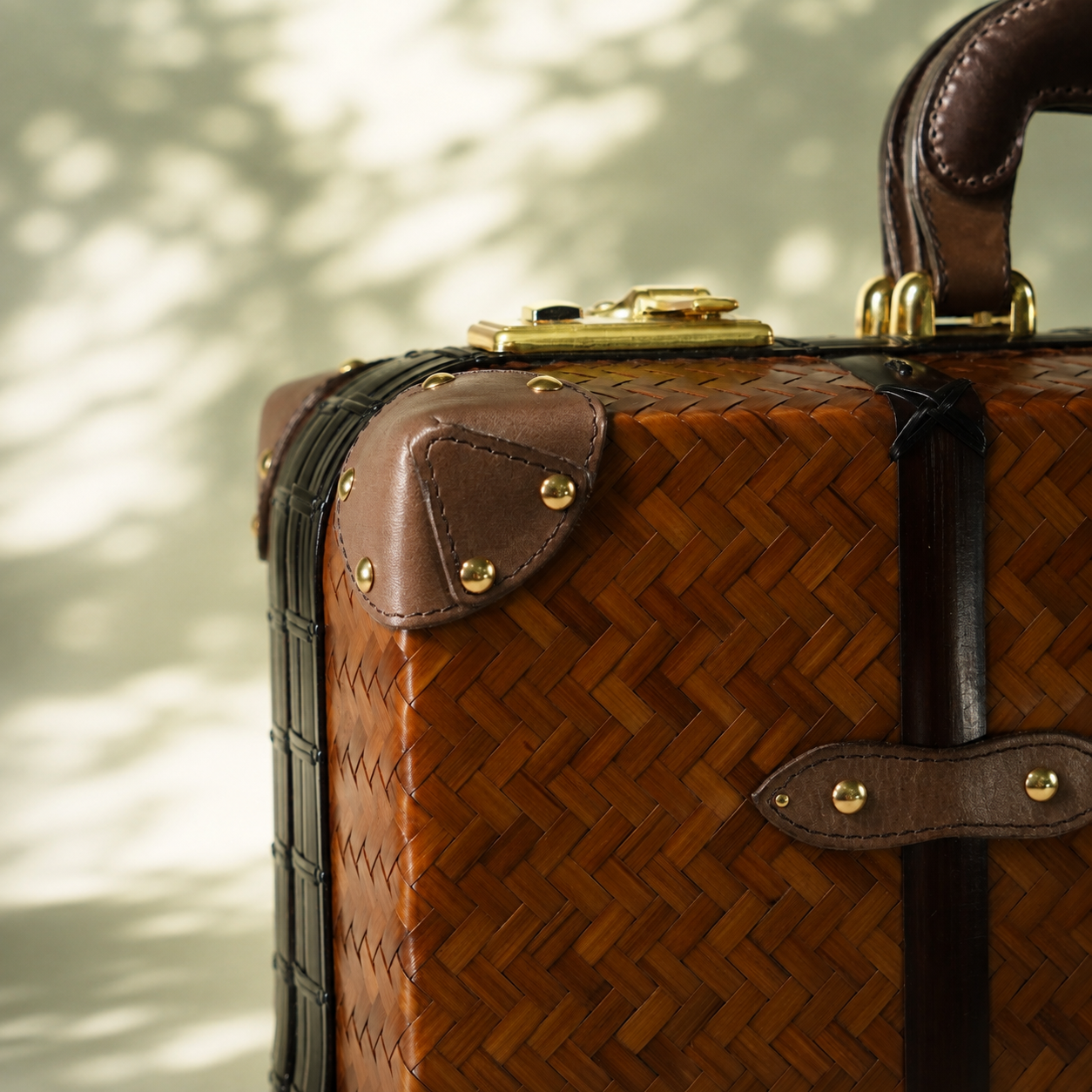
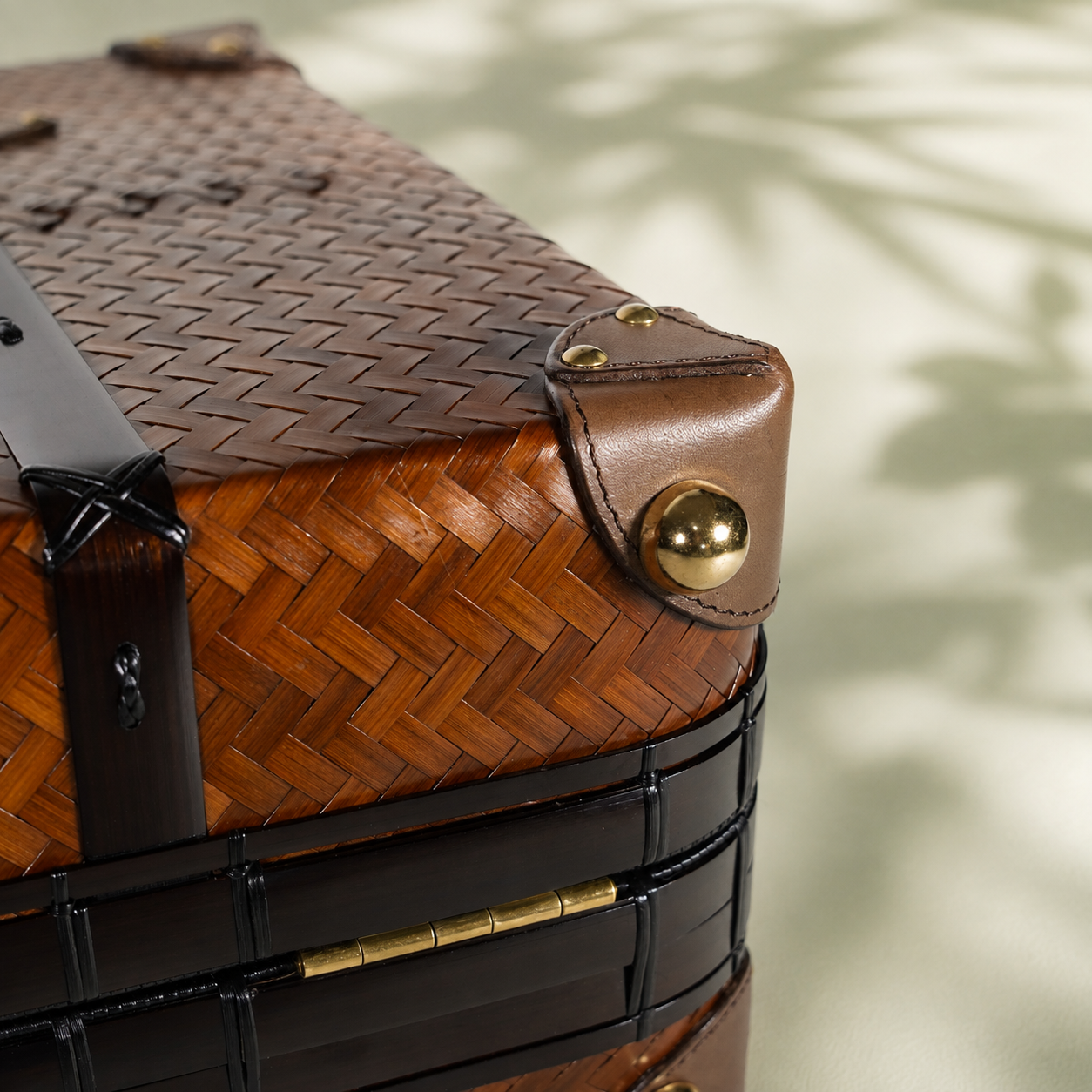
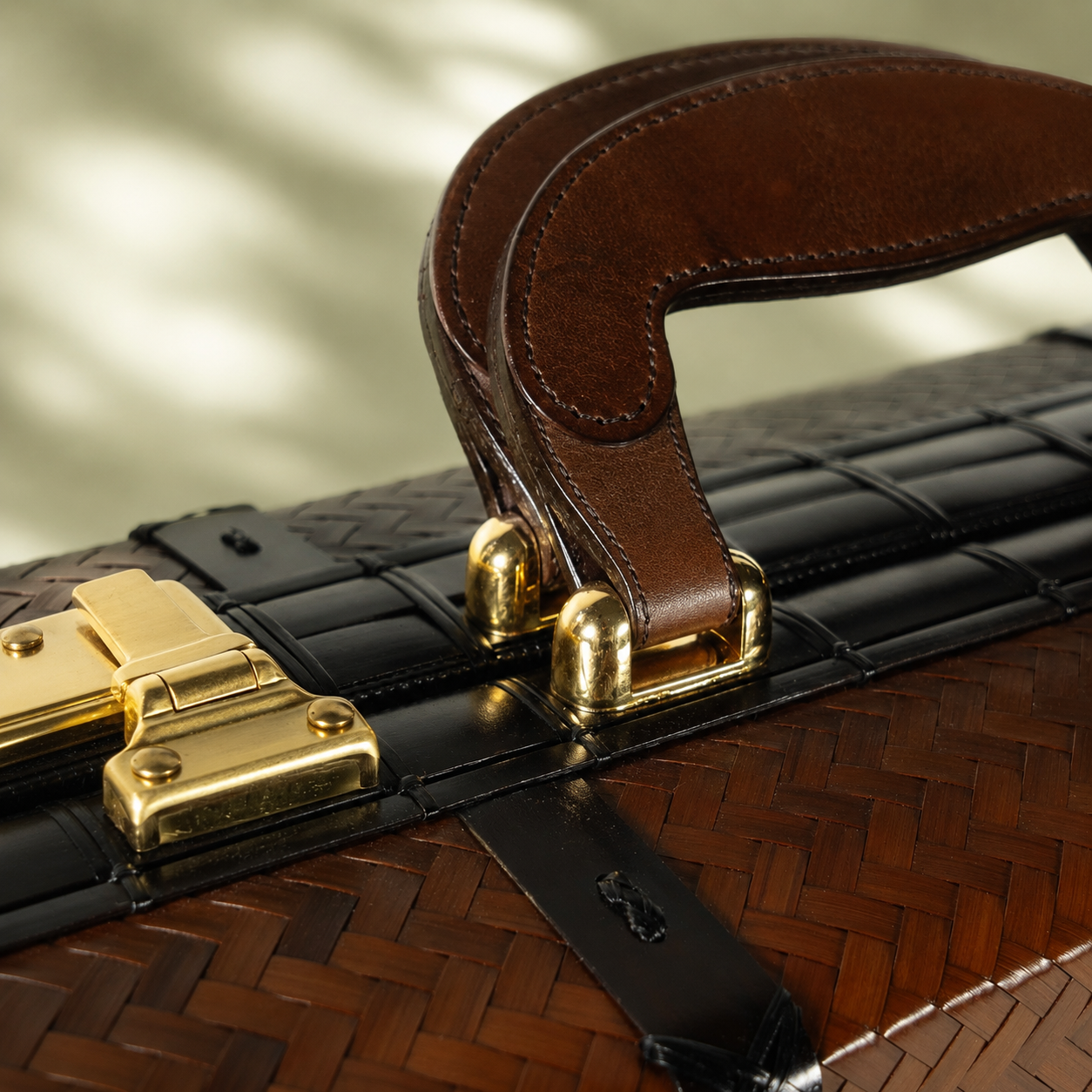
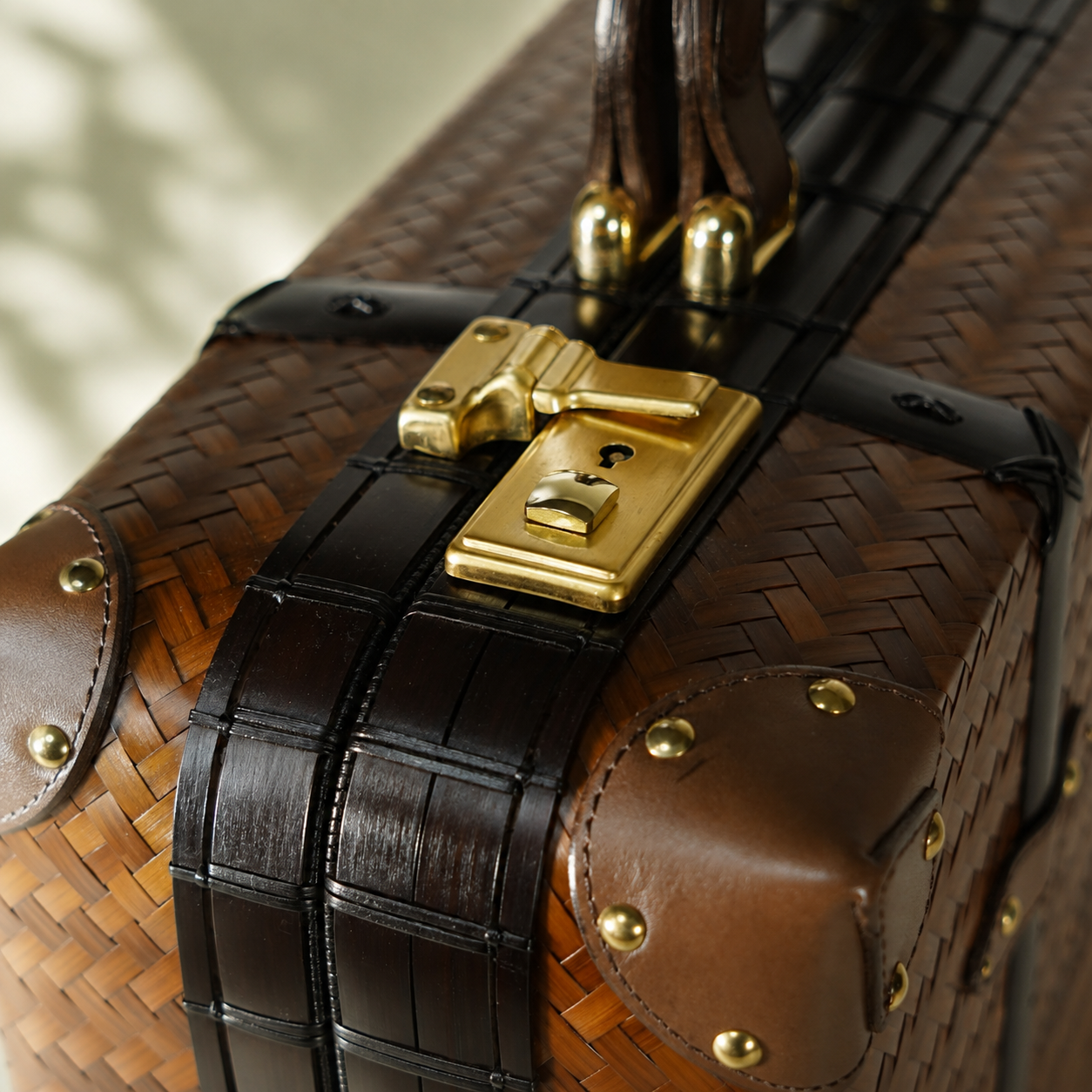
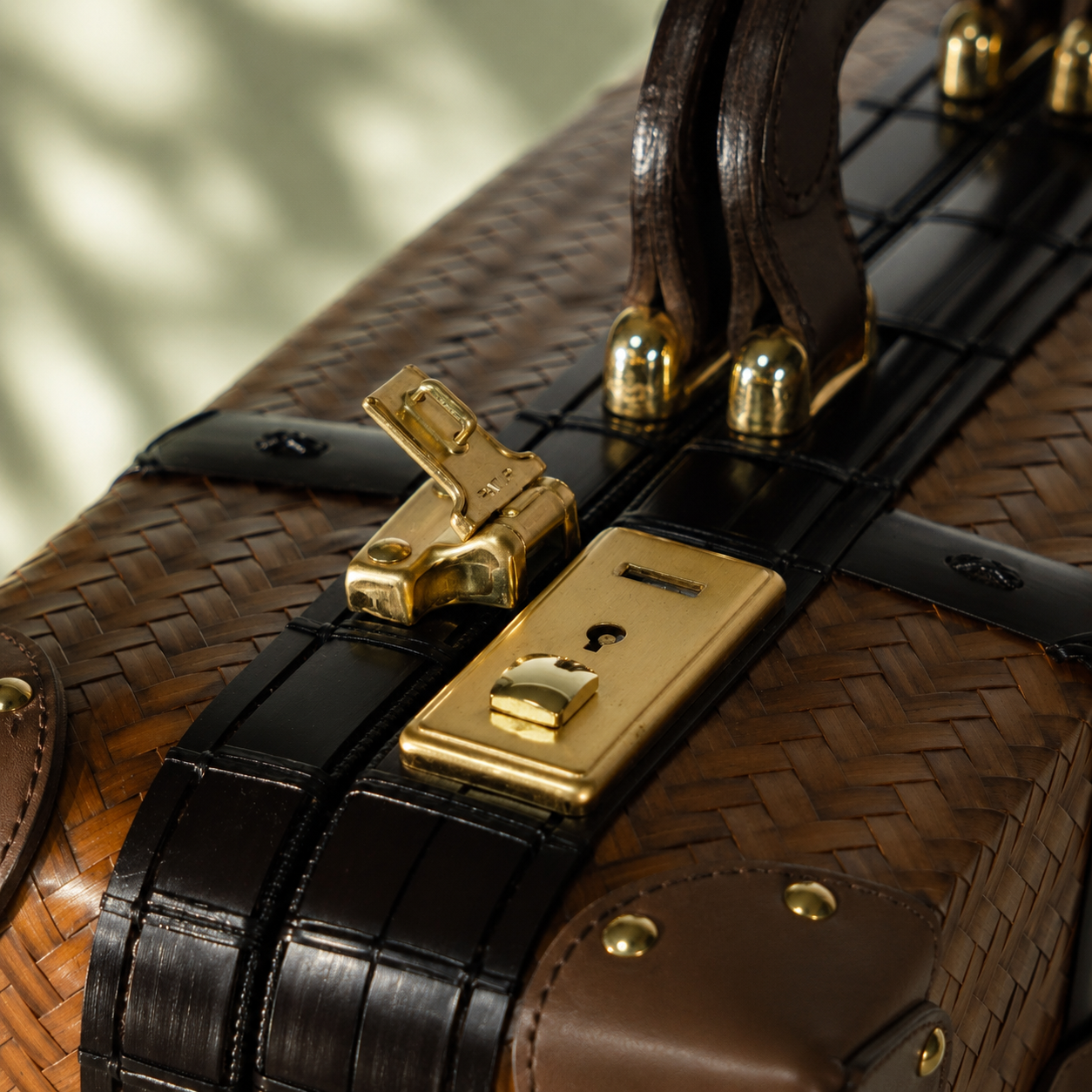
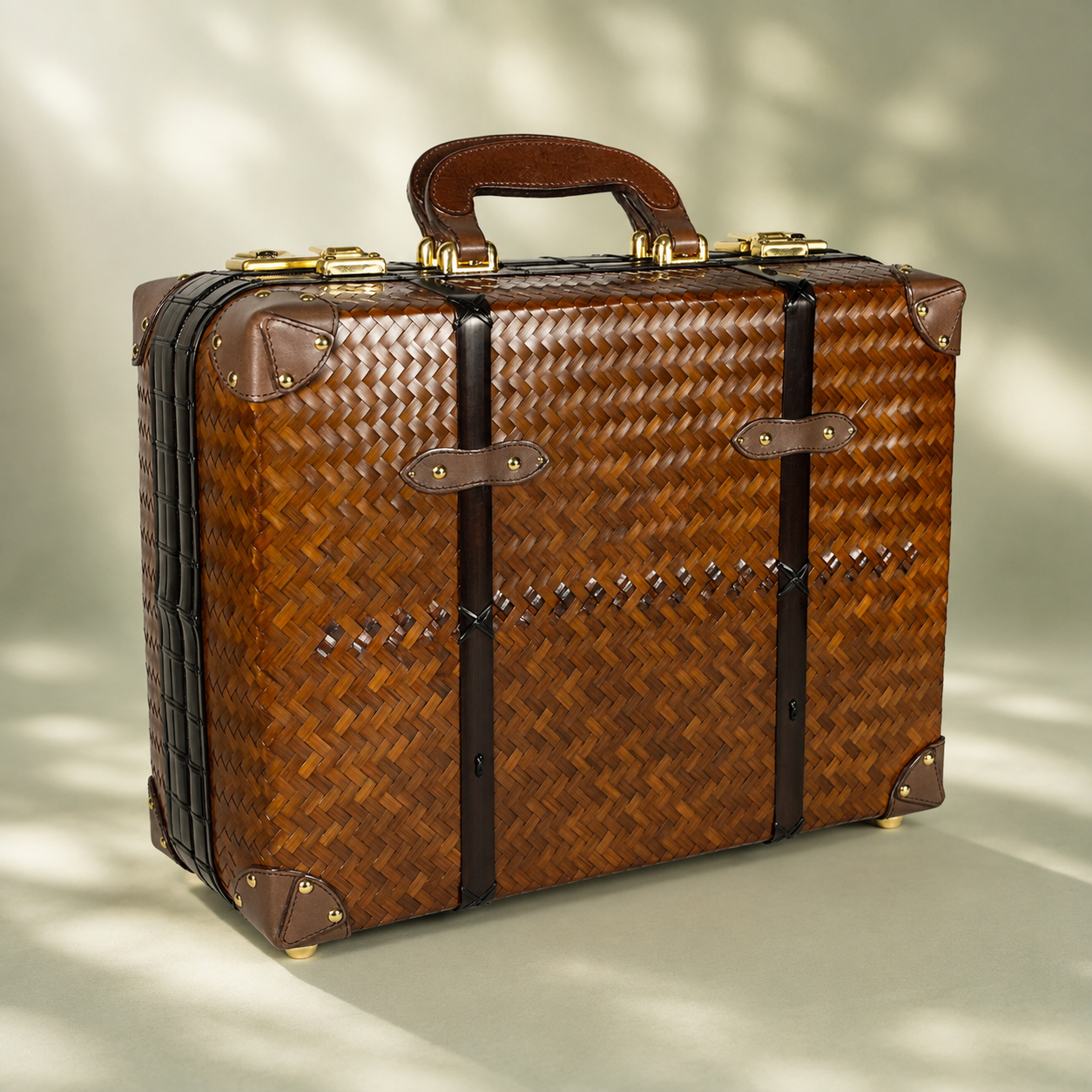
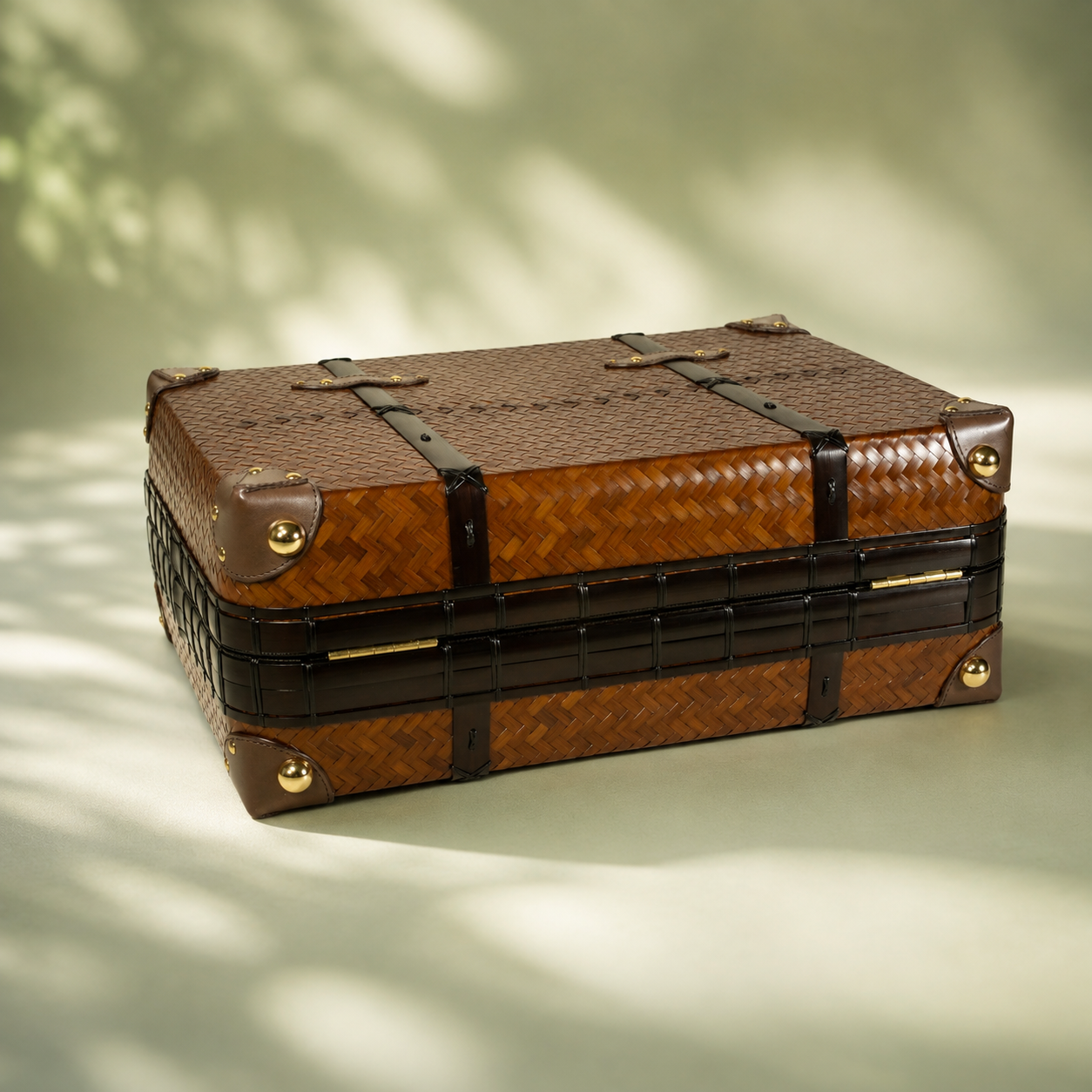
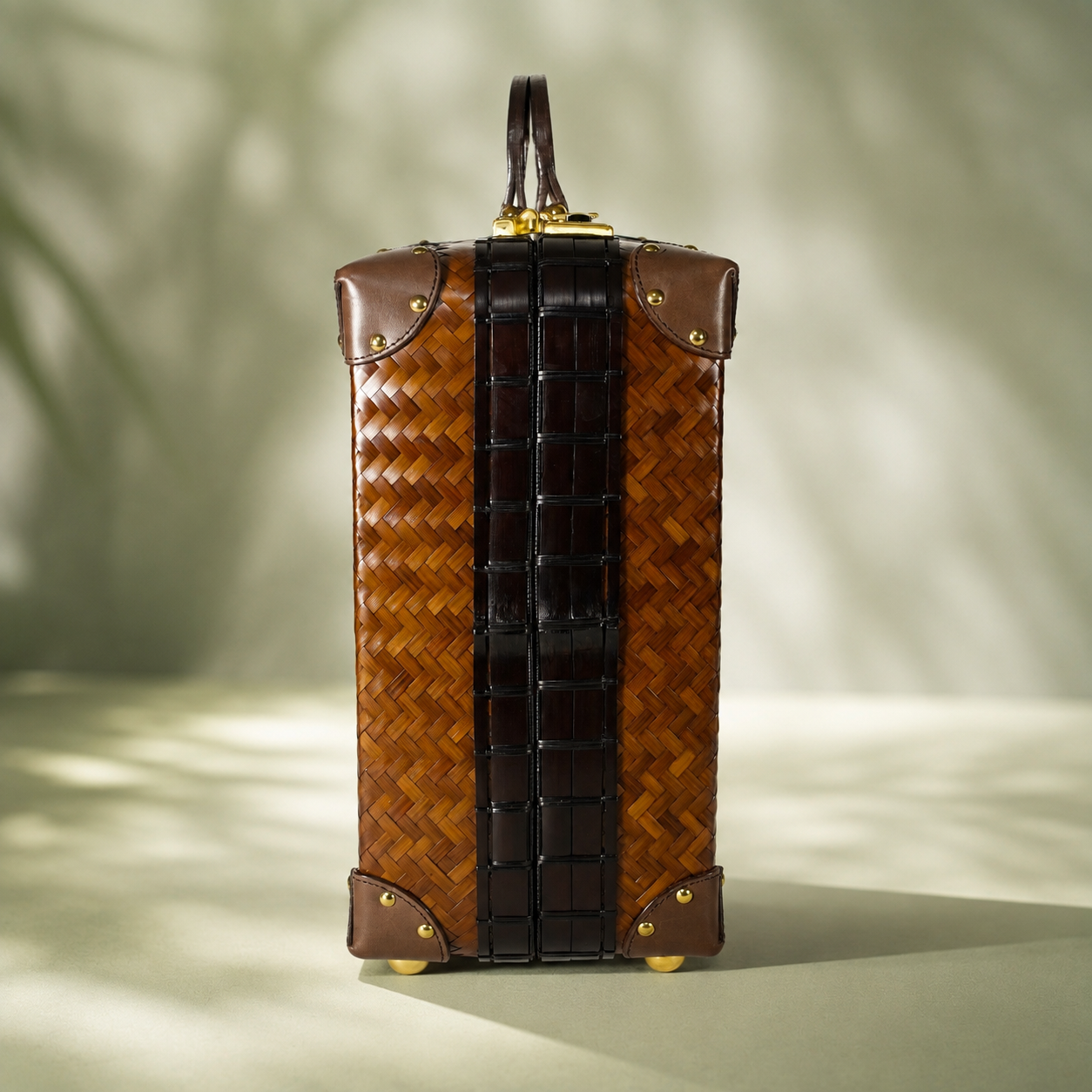
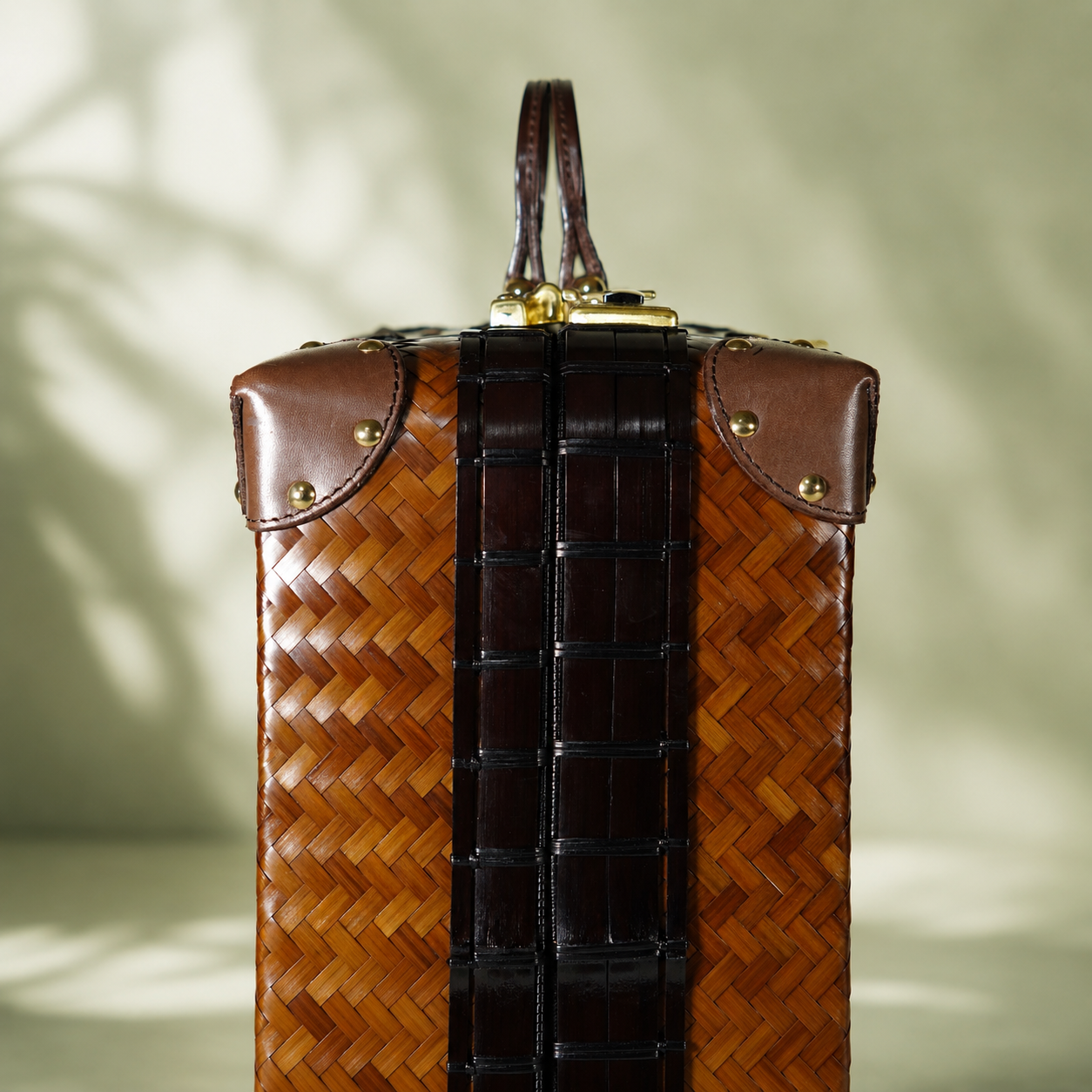
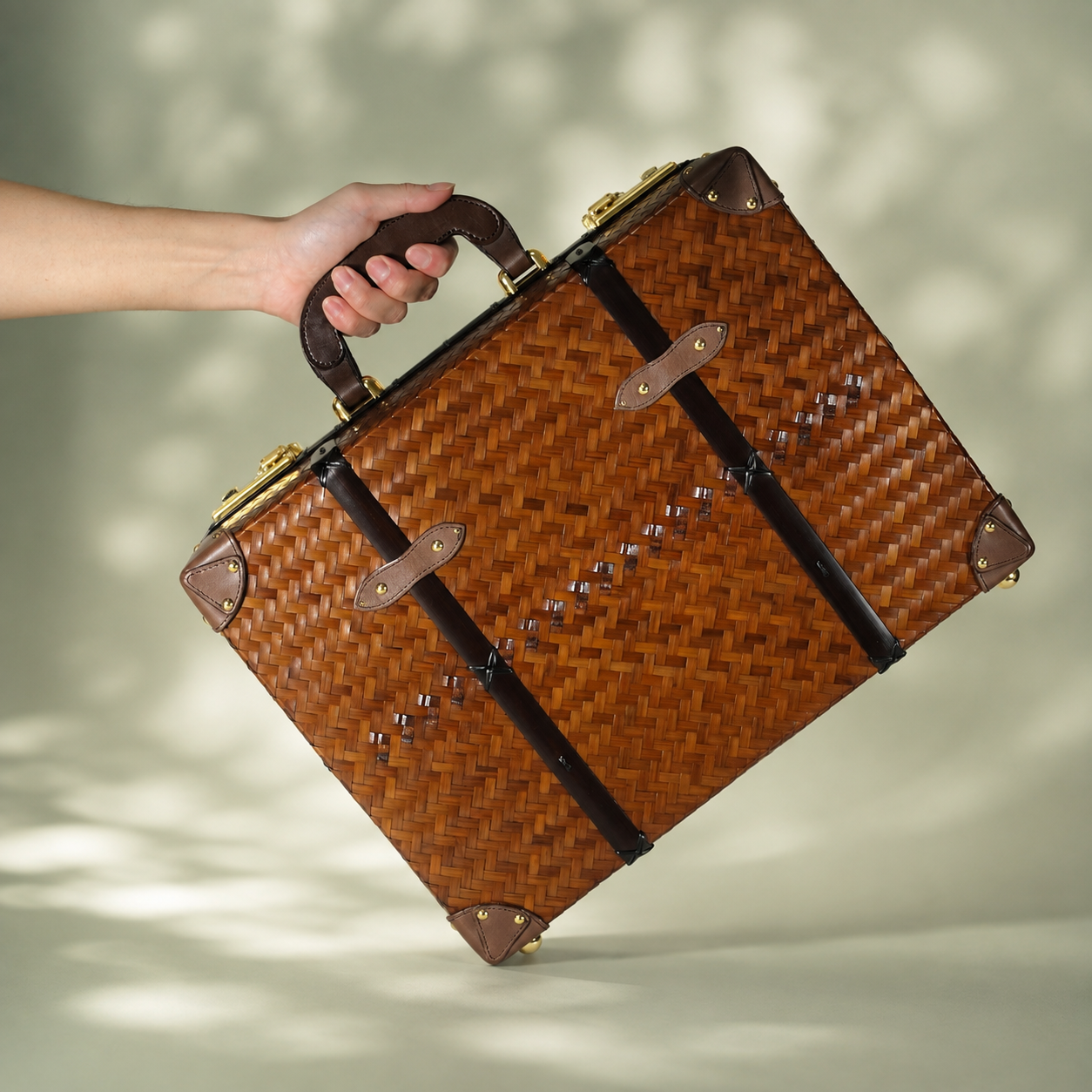
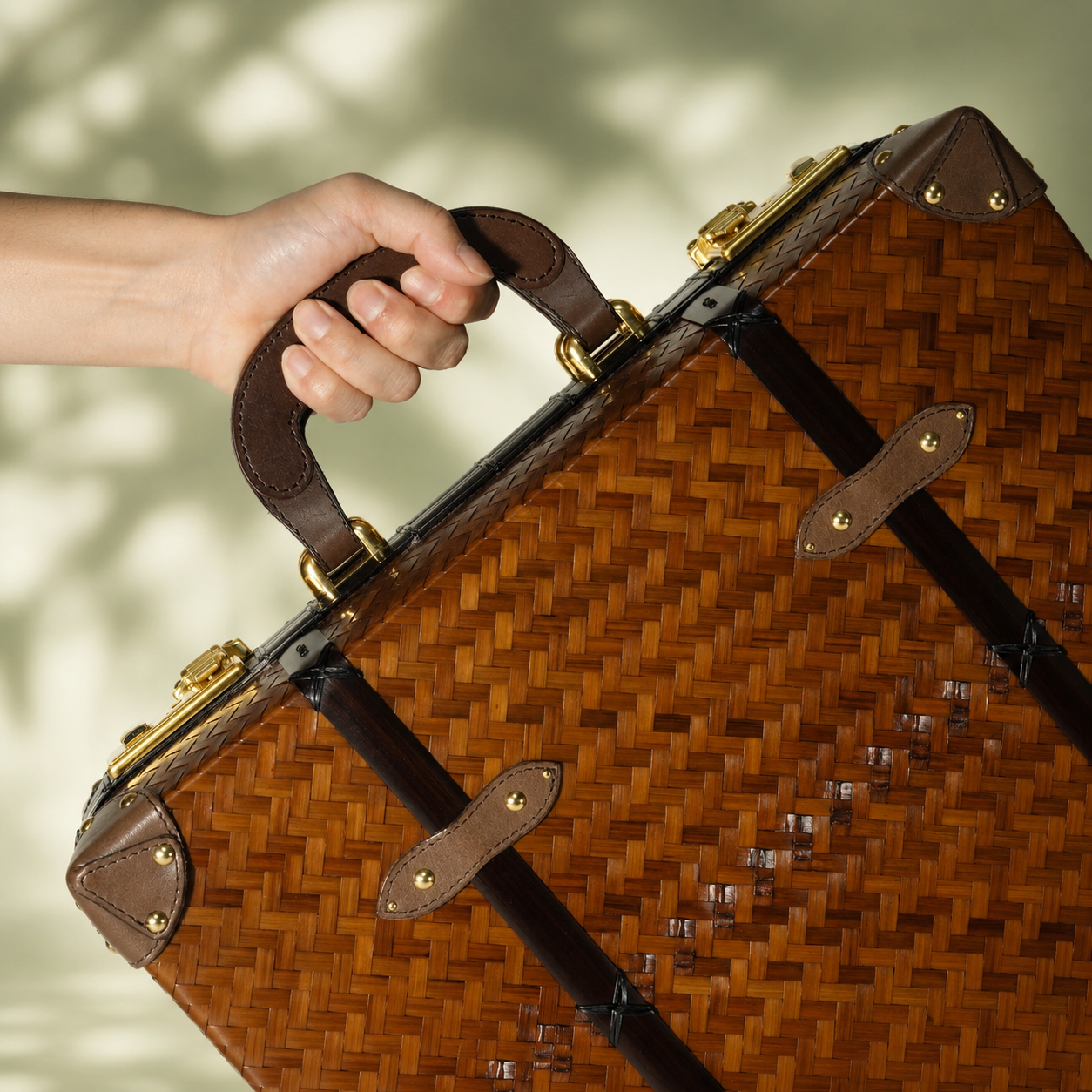
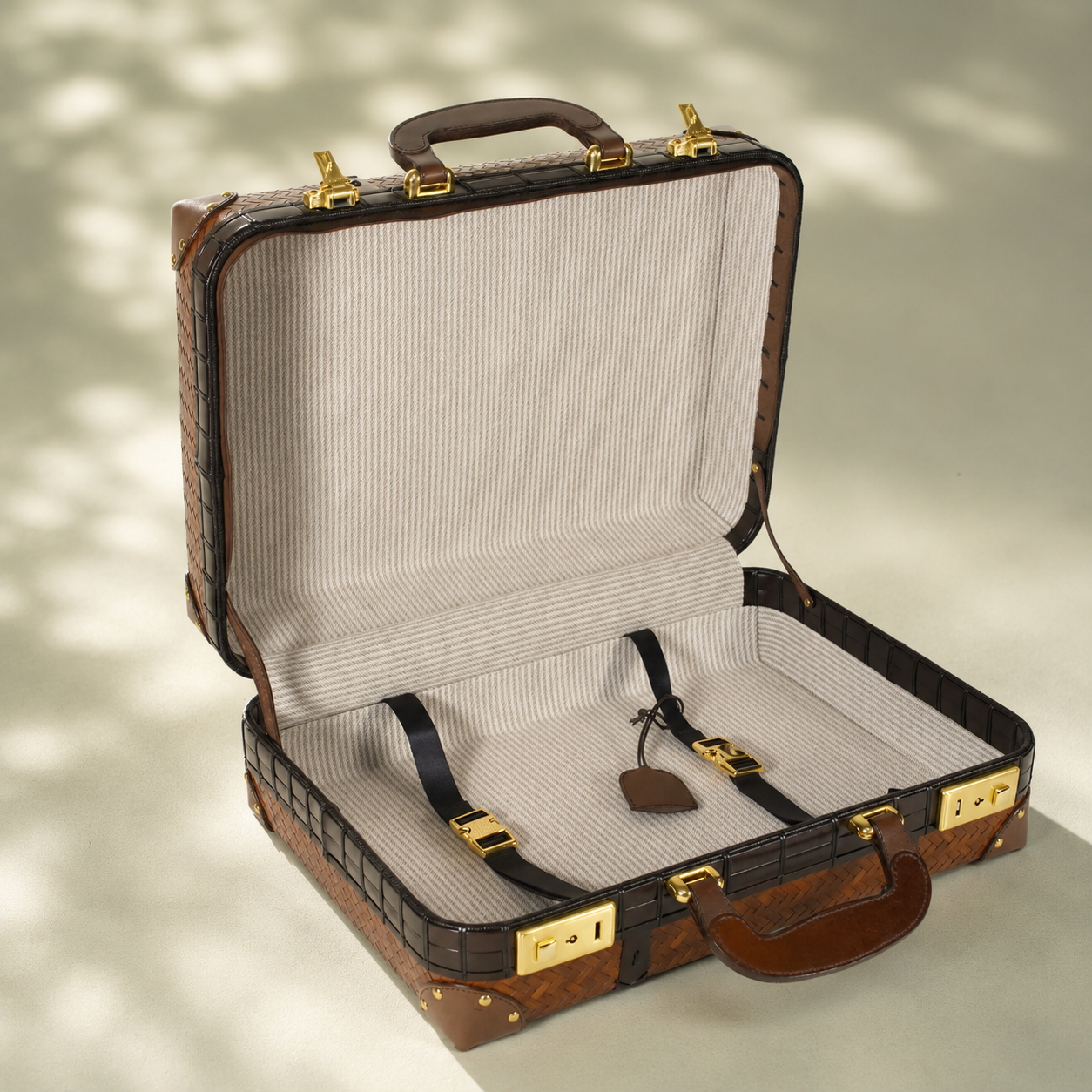
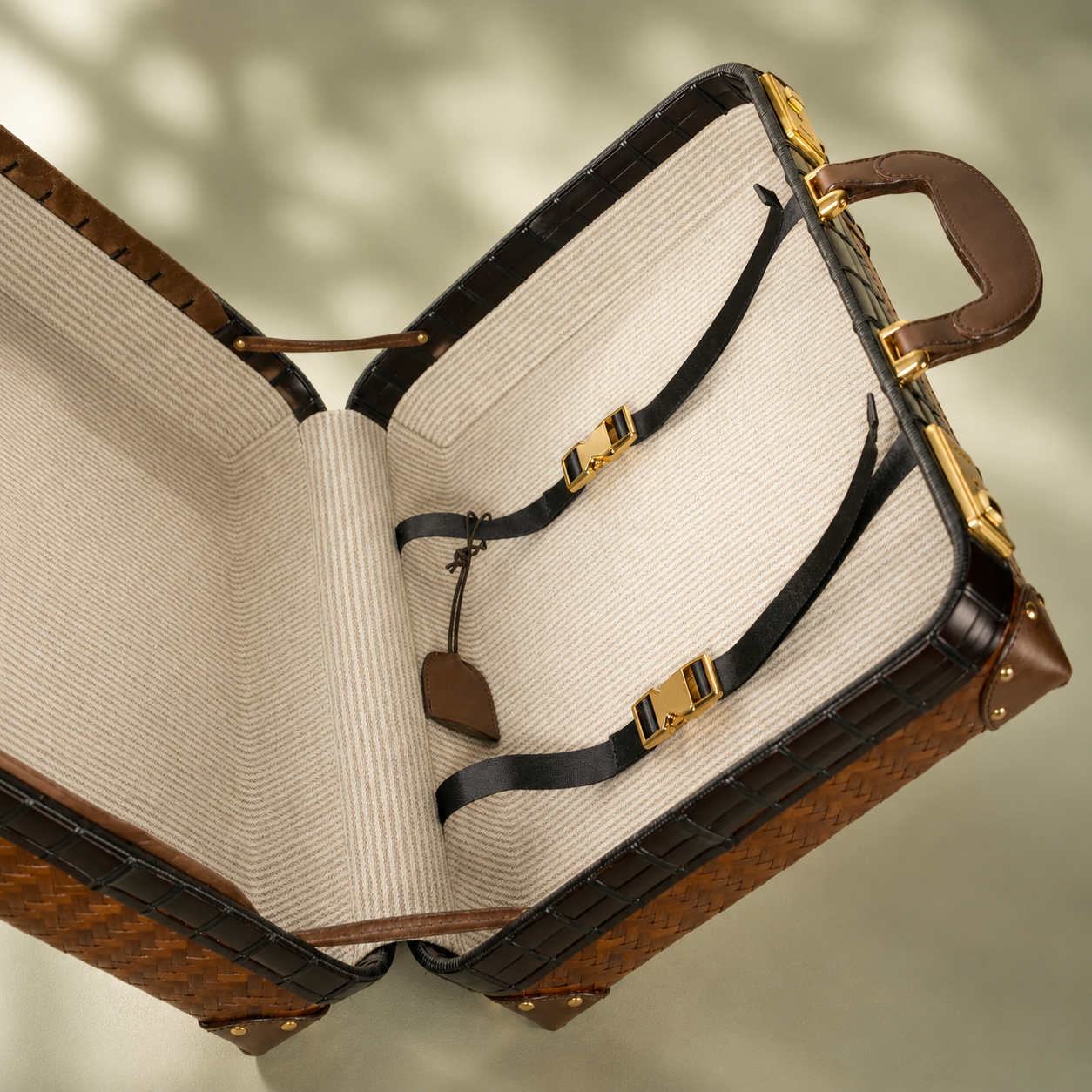
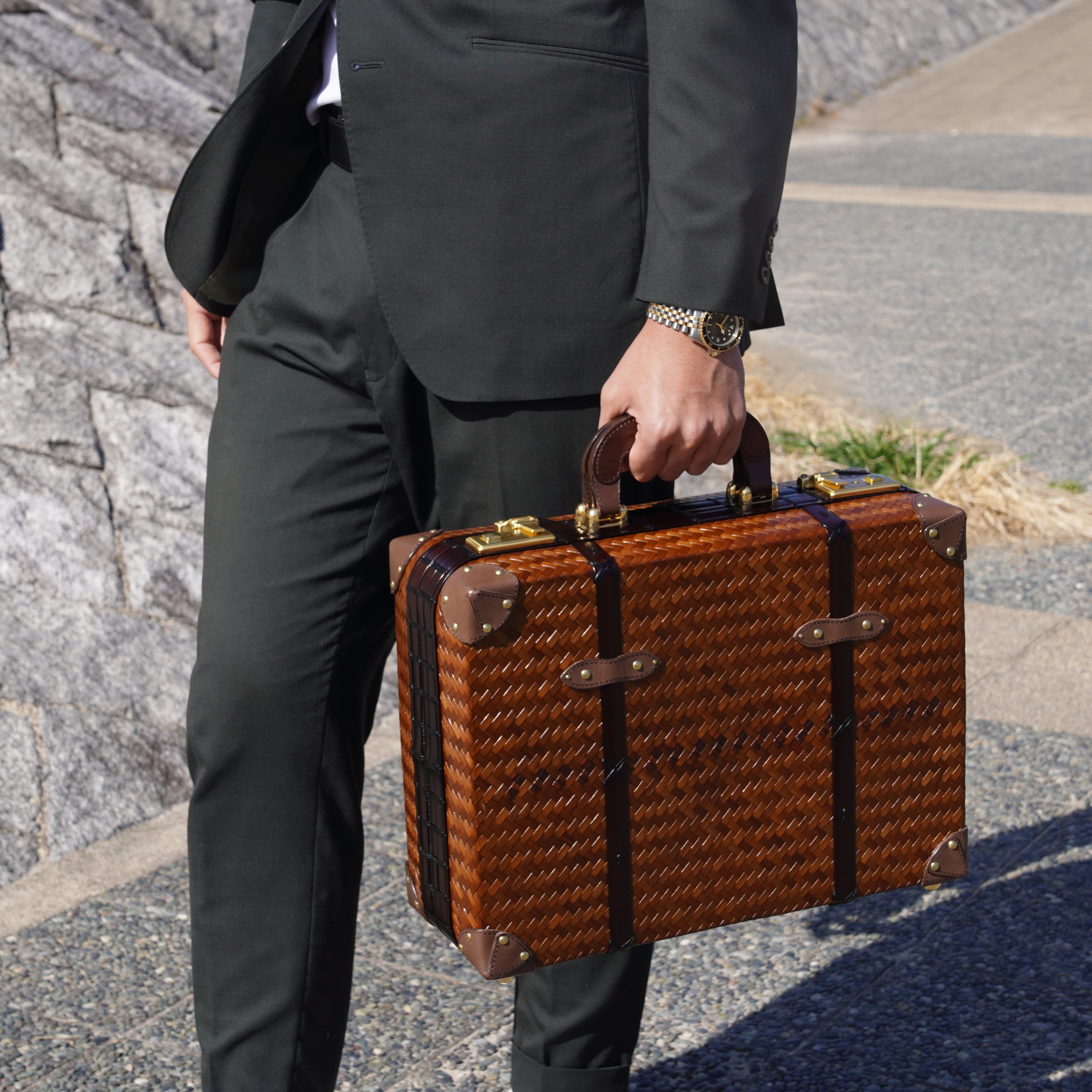
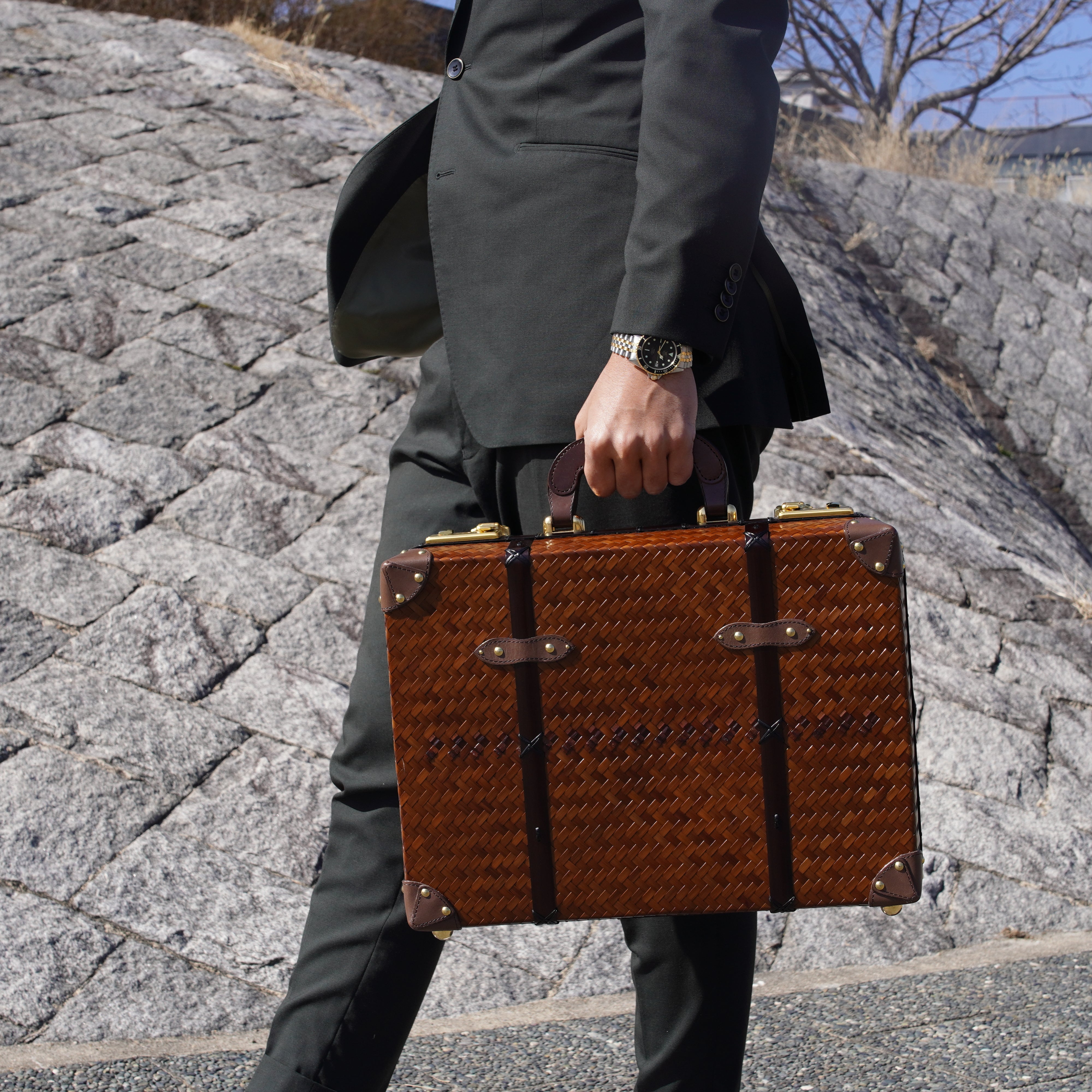
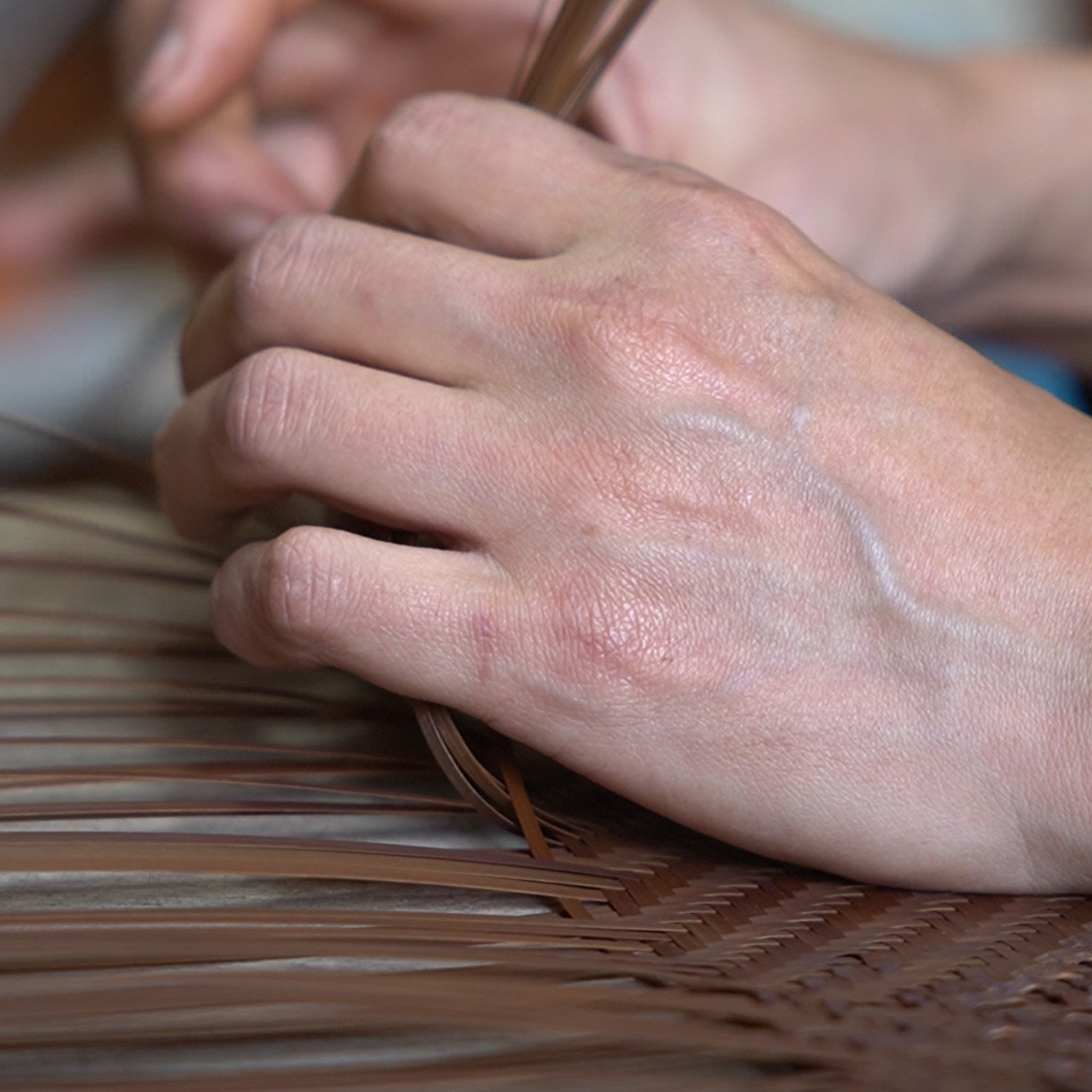
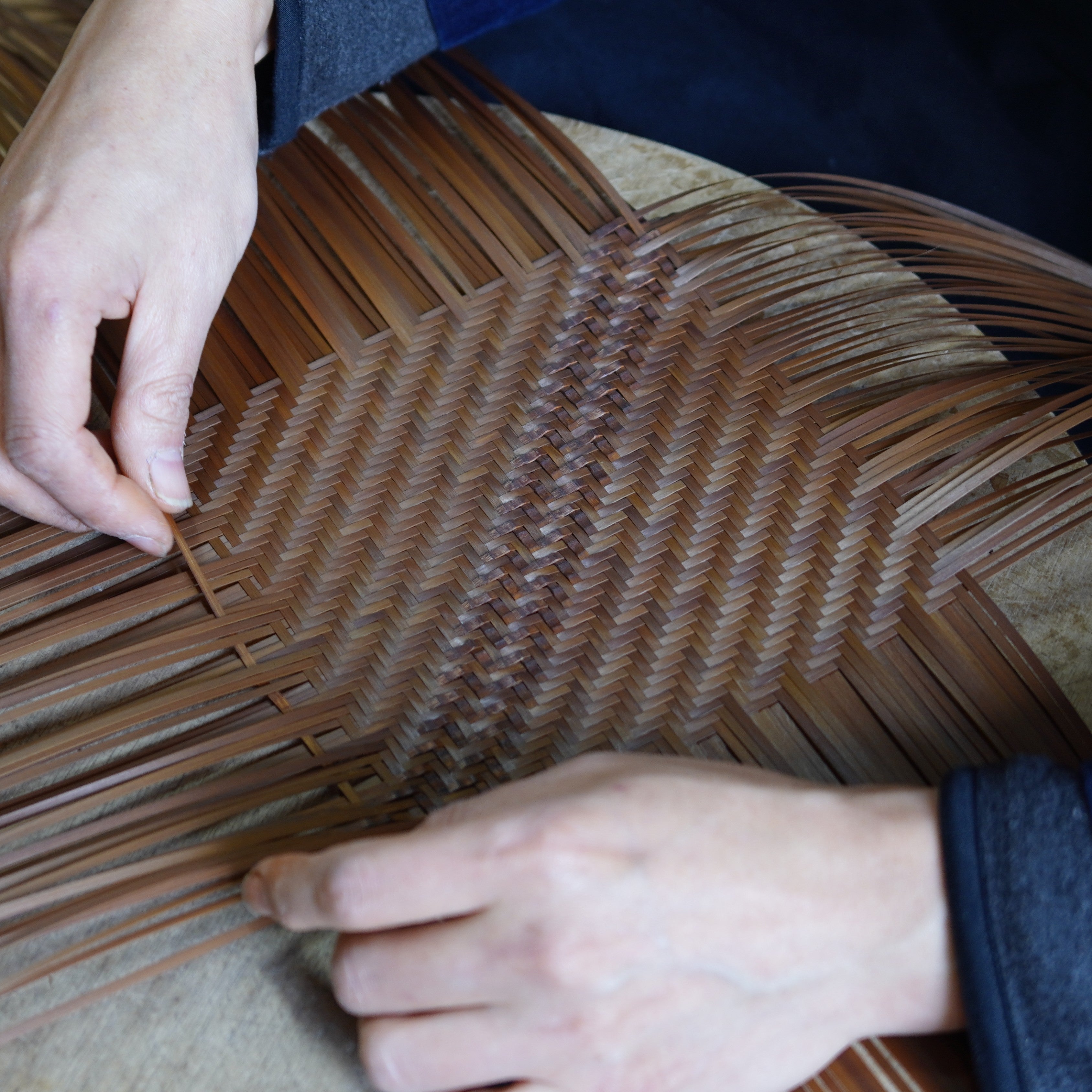
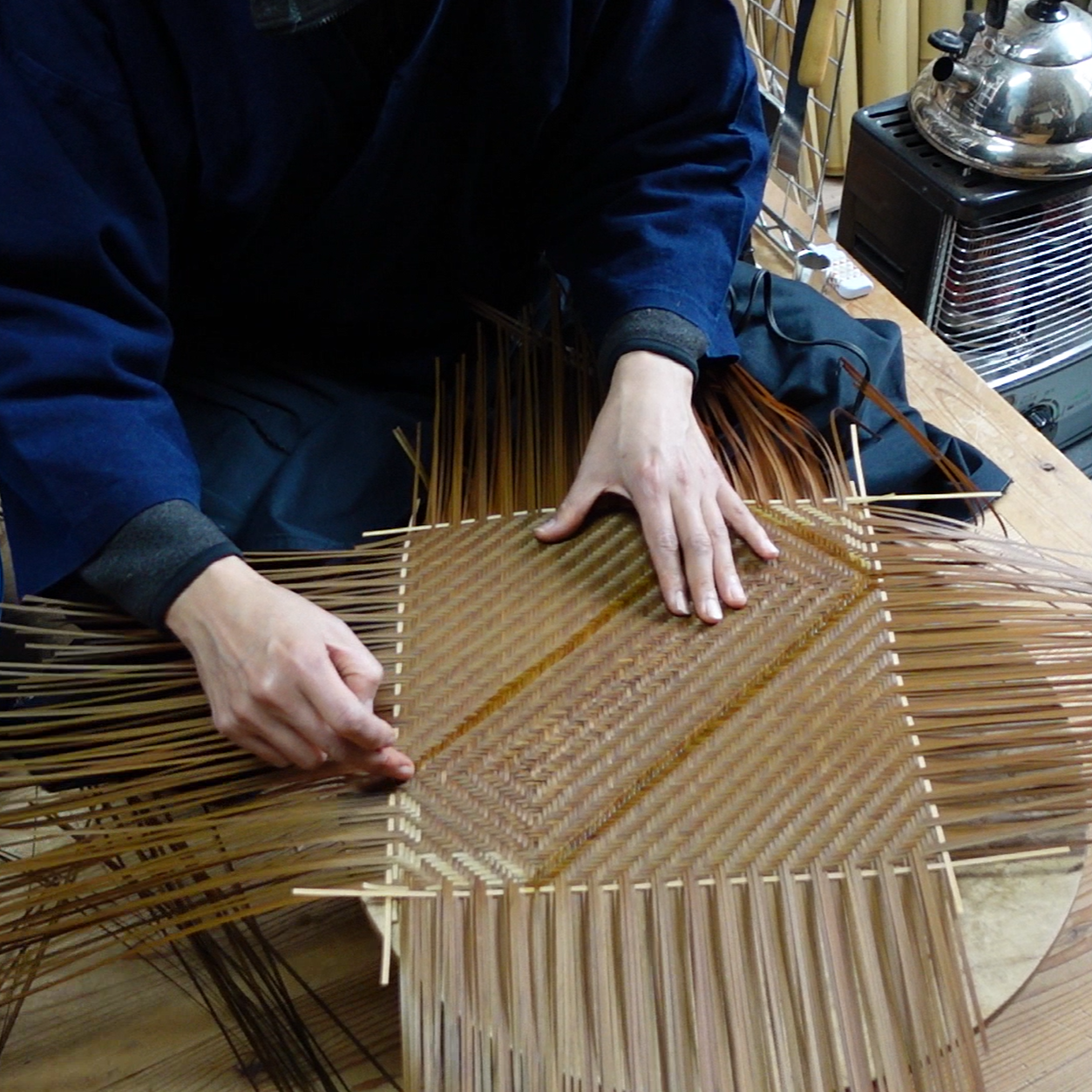
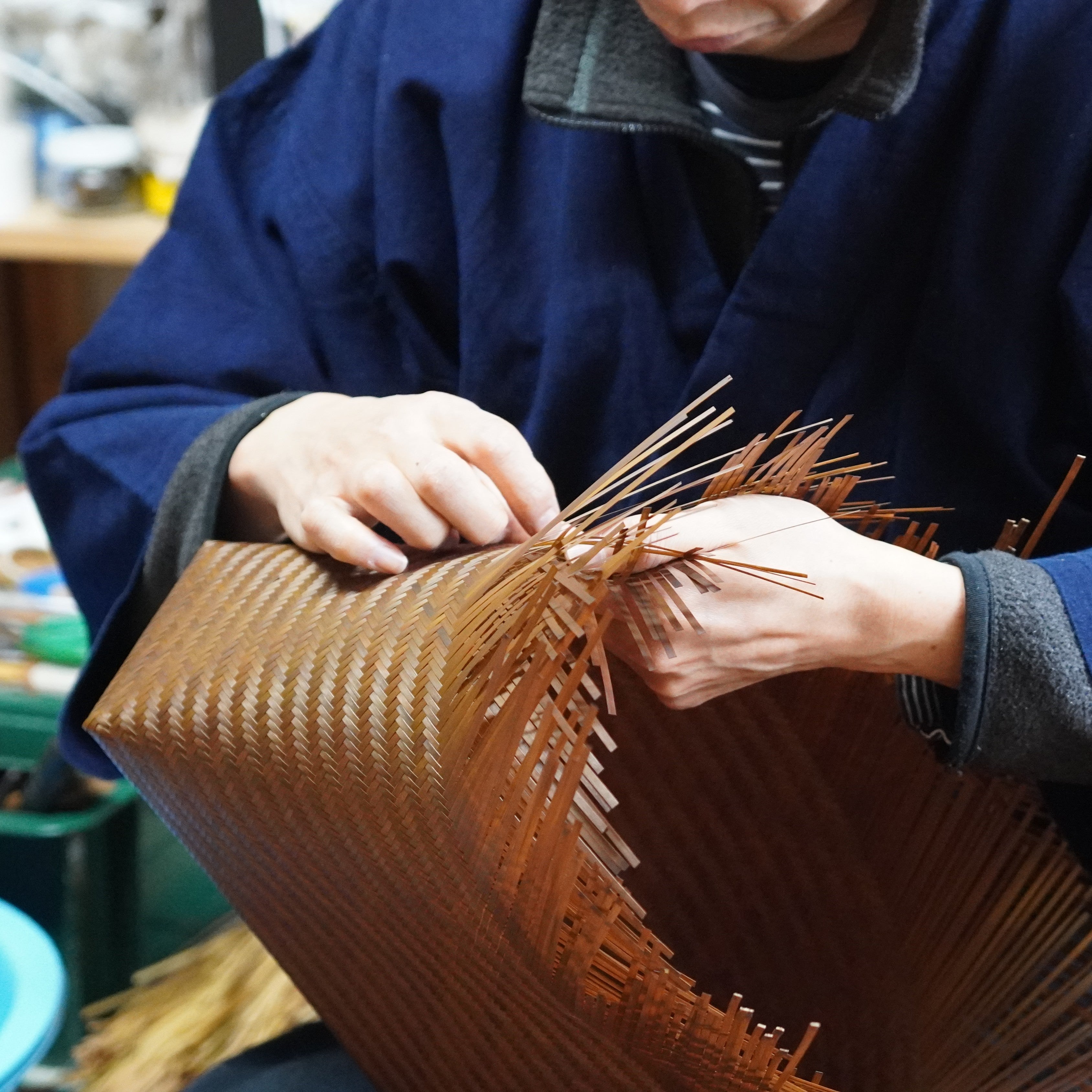
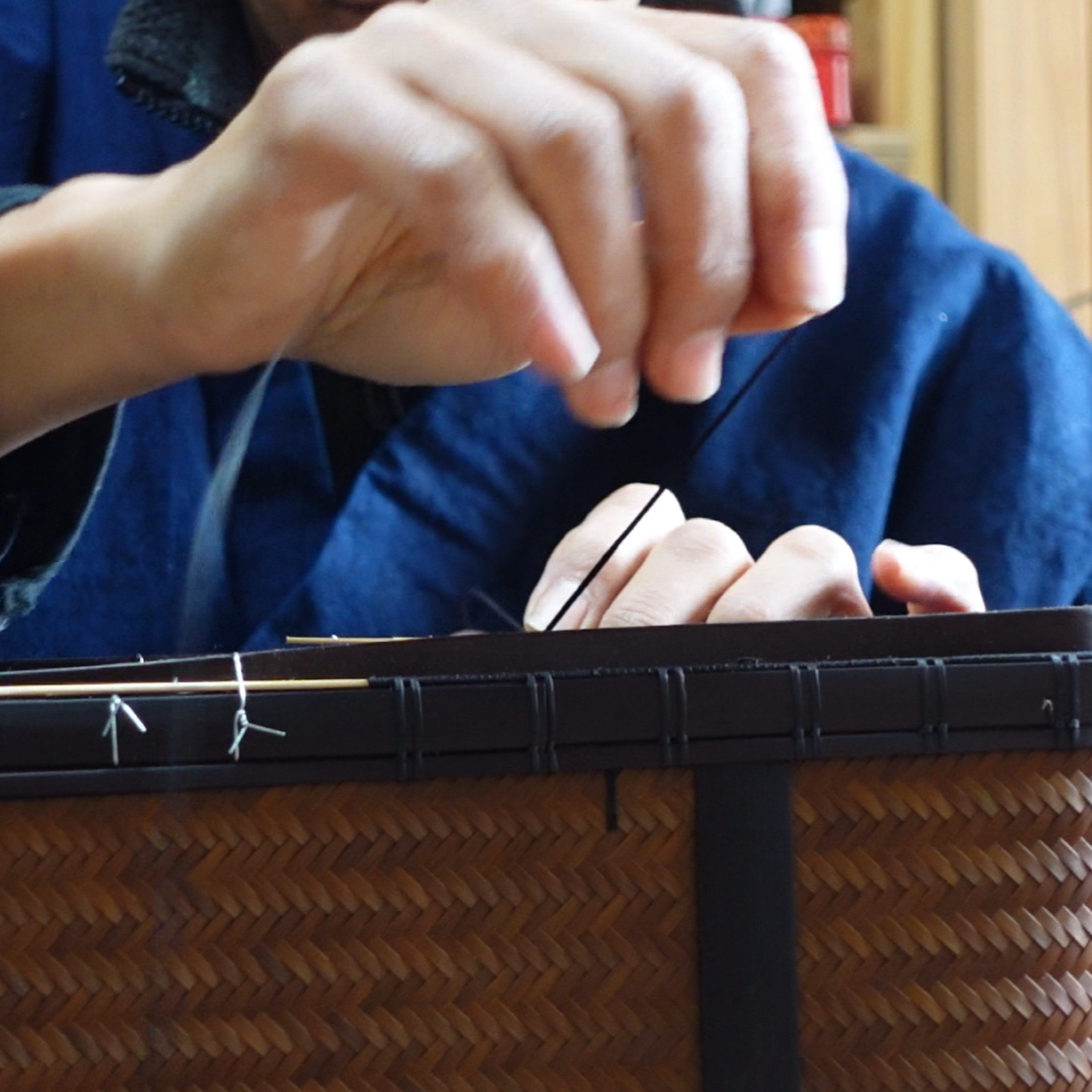
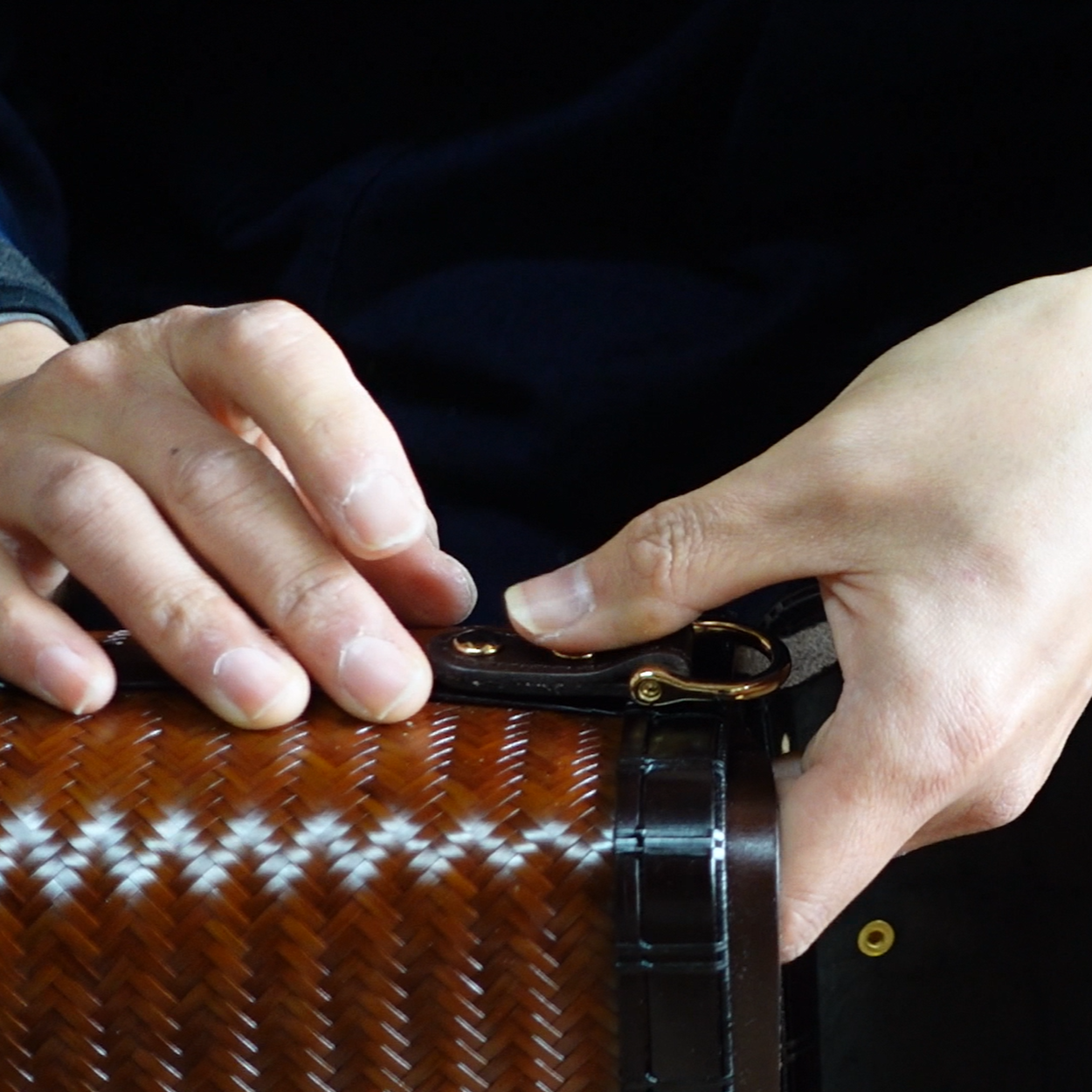
صُنعت هذه الحقيبة الصندوقية من قطعة واحدة من الخيزران. ويمكن استخدام الصندوق للرحلات القصيرة، وقد صُنعت باستخدام تقنيات حرفة الخيزران. صُنع الهيكل الرئيسي لسلة الخيزران من خيزران بعرض 6.5 مم، نُسج بعناية معًا، مع عقدة خيزران في المنتصف لإبراز التصميم.
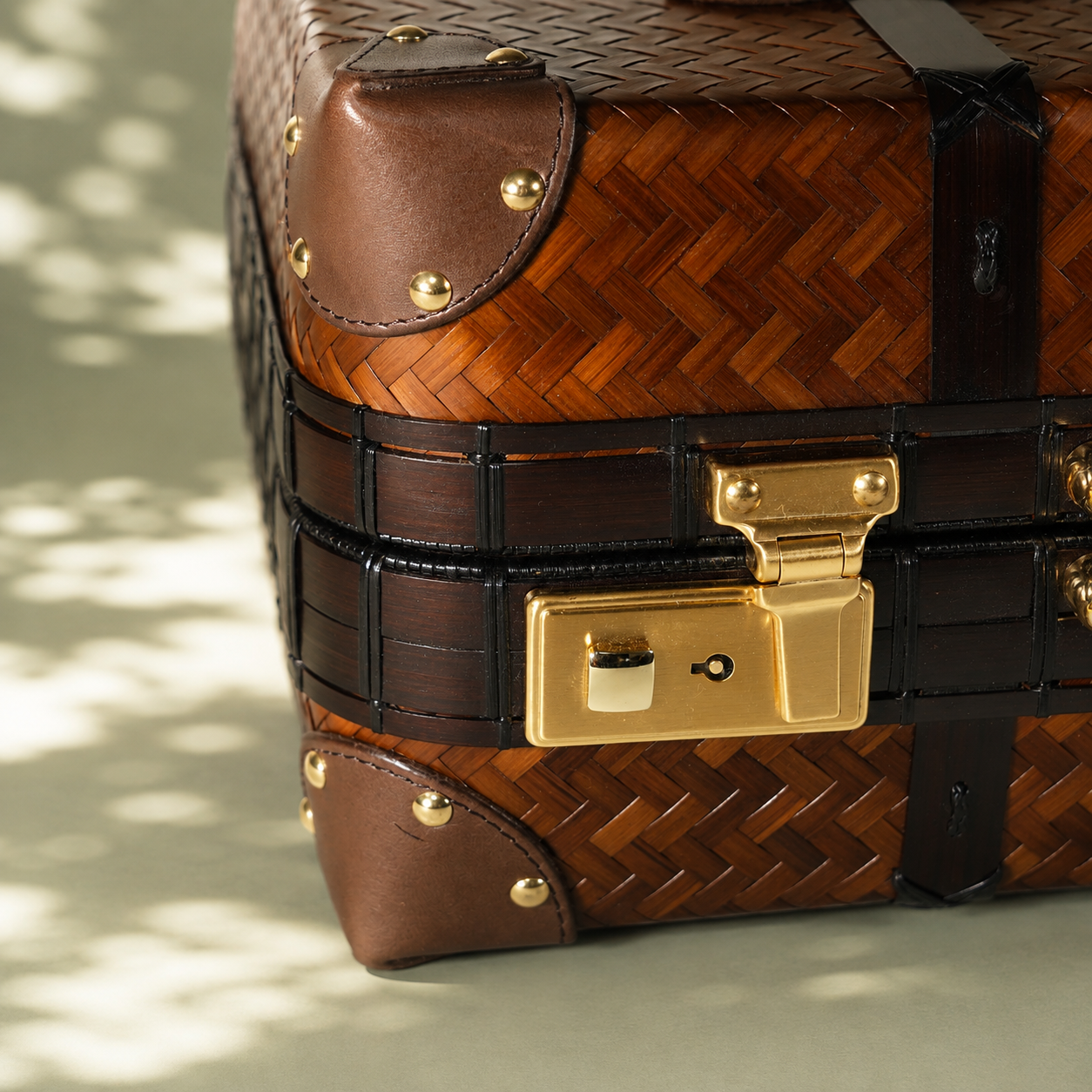
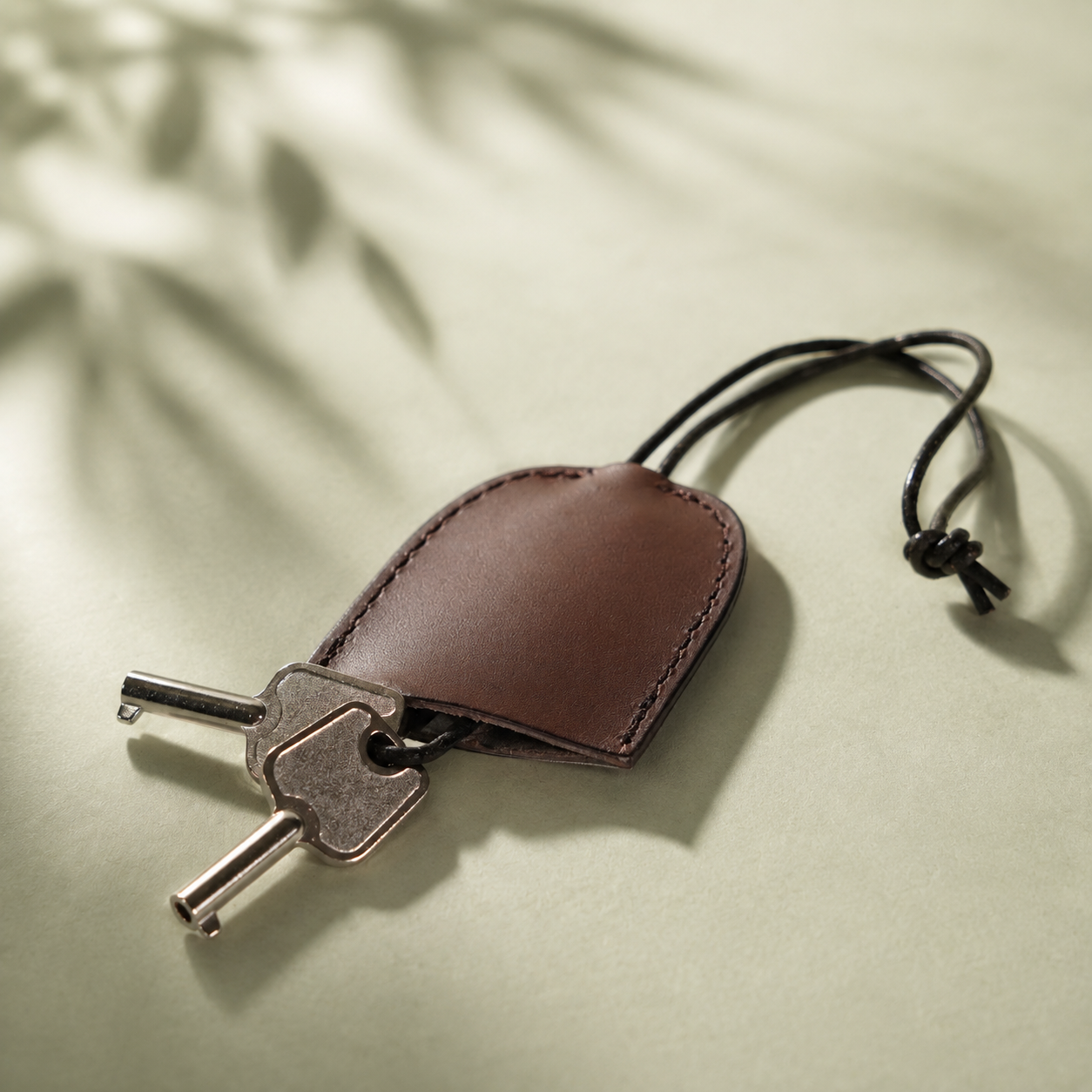
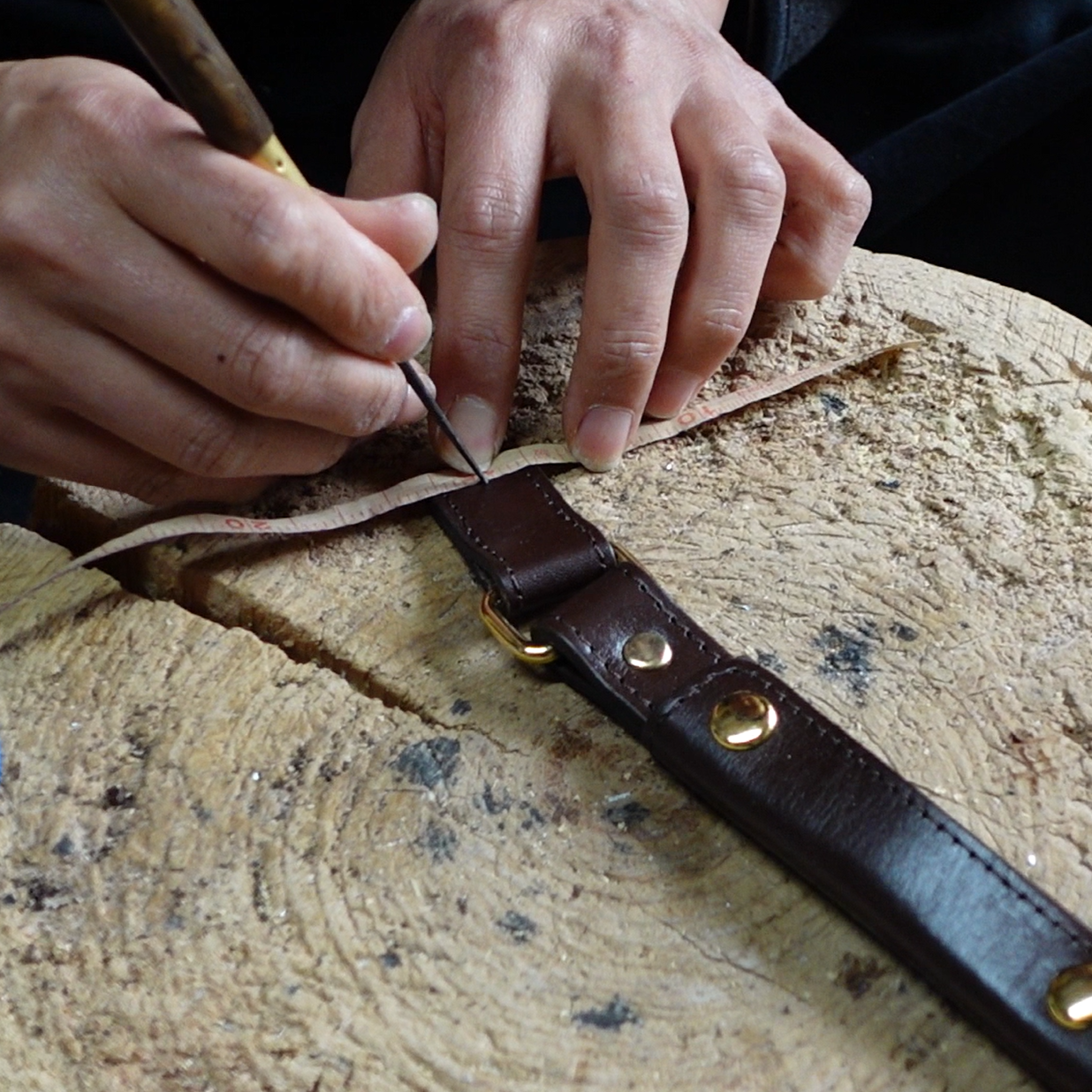
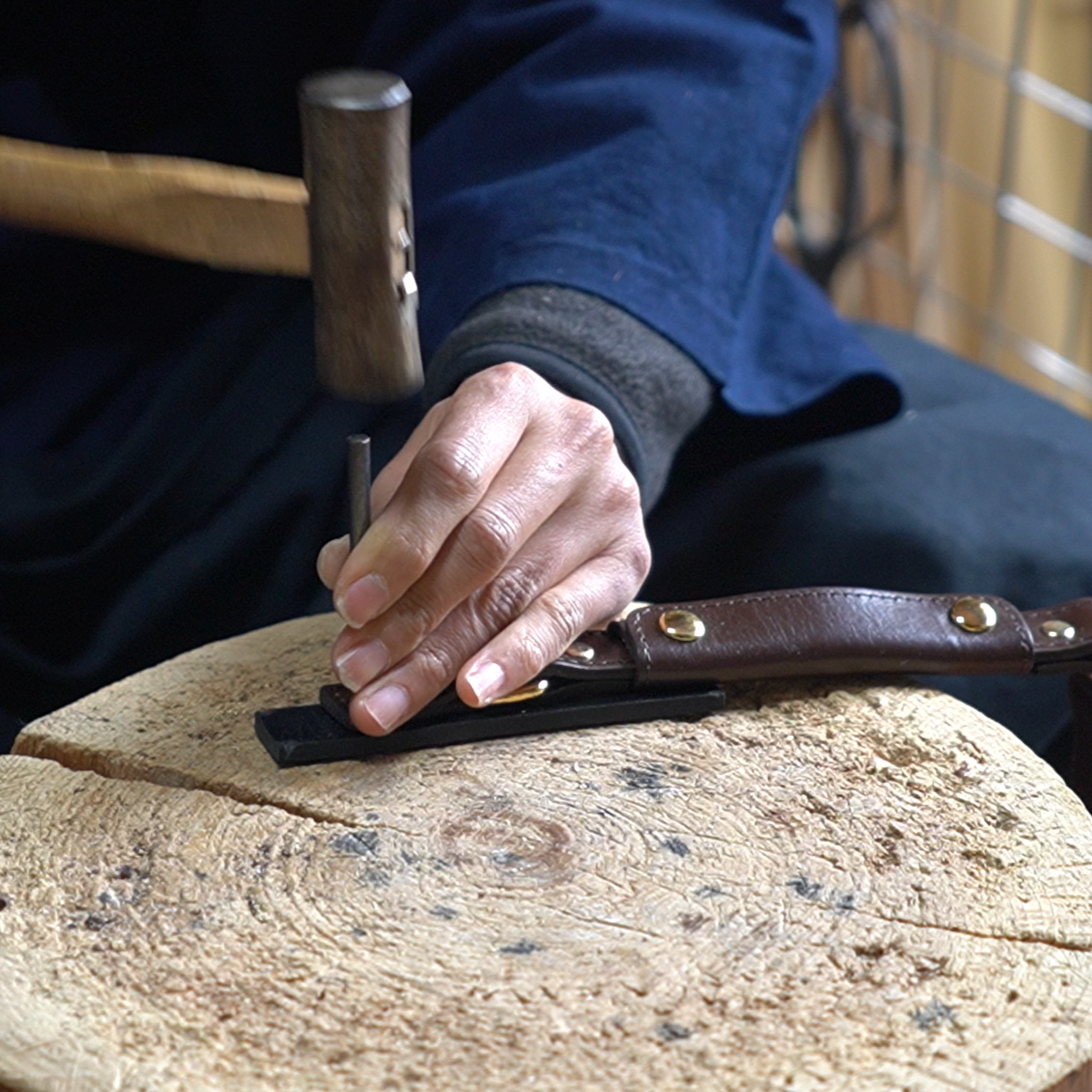
تم اختيار جلد البقر المستخدم للمقابض والقرون بعناية، وكذلك القطع المعدنية الموضوعة في أماكن مختلفة، لإظهار التعاون بين المواد المختلفة.
ما رأيك في هذه الحقيبة لنزهاتك أو لديكور غرفتك الداخلية؟
SIZE
العرض:42 سم
العمق:17 سم
الارتفاع:32 سم
الوزن:1,900 جم
MATERIAL
الخيزران
الجلد
BAMBOO STUDIO KISETSU
"The position of a craftsman is difficult, but it is also interesting."
I believe that the "craftsman" is the person in between the "manufacturer" who mass-produces at a low cost and the "artist" who creates one-of-a-kind pieces at a nominal price. Craftsman must continue to produce products that can be used in daily life, that are neither too expensive nor too expensive, while preserving traditional techniques. It is certainly difficult to find the right balance between the two, but I find this job rewarding and above all, enjoyable.
ARTISAN STORY
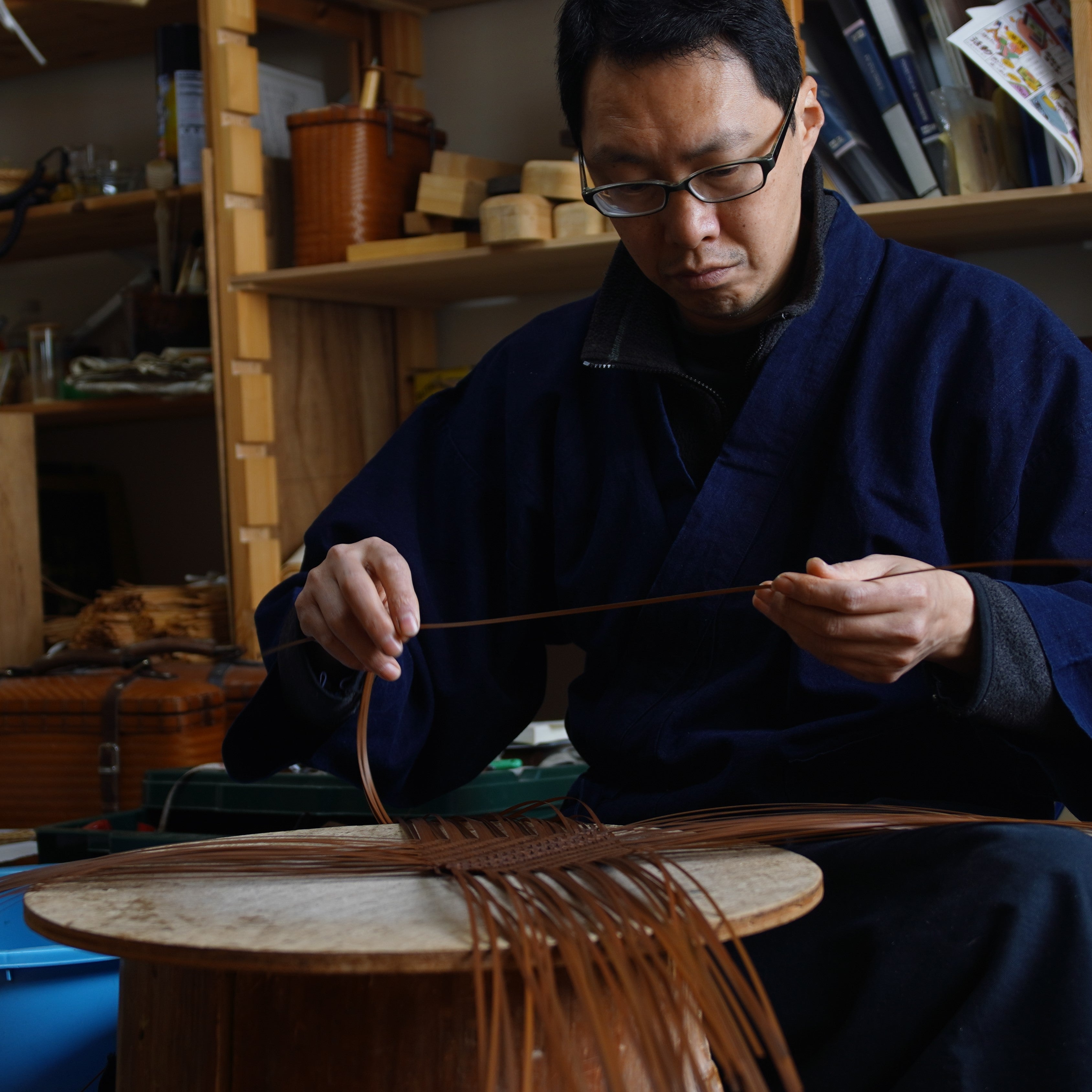
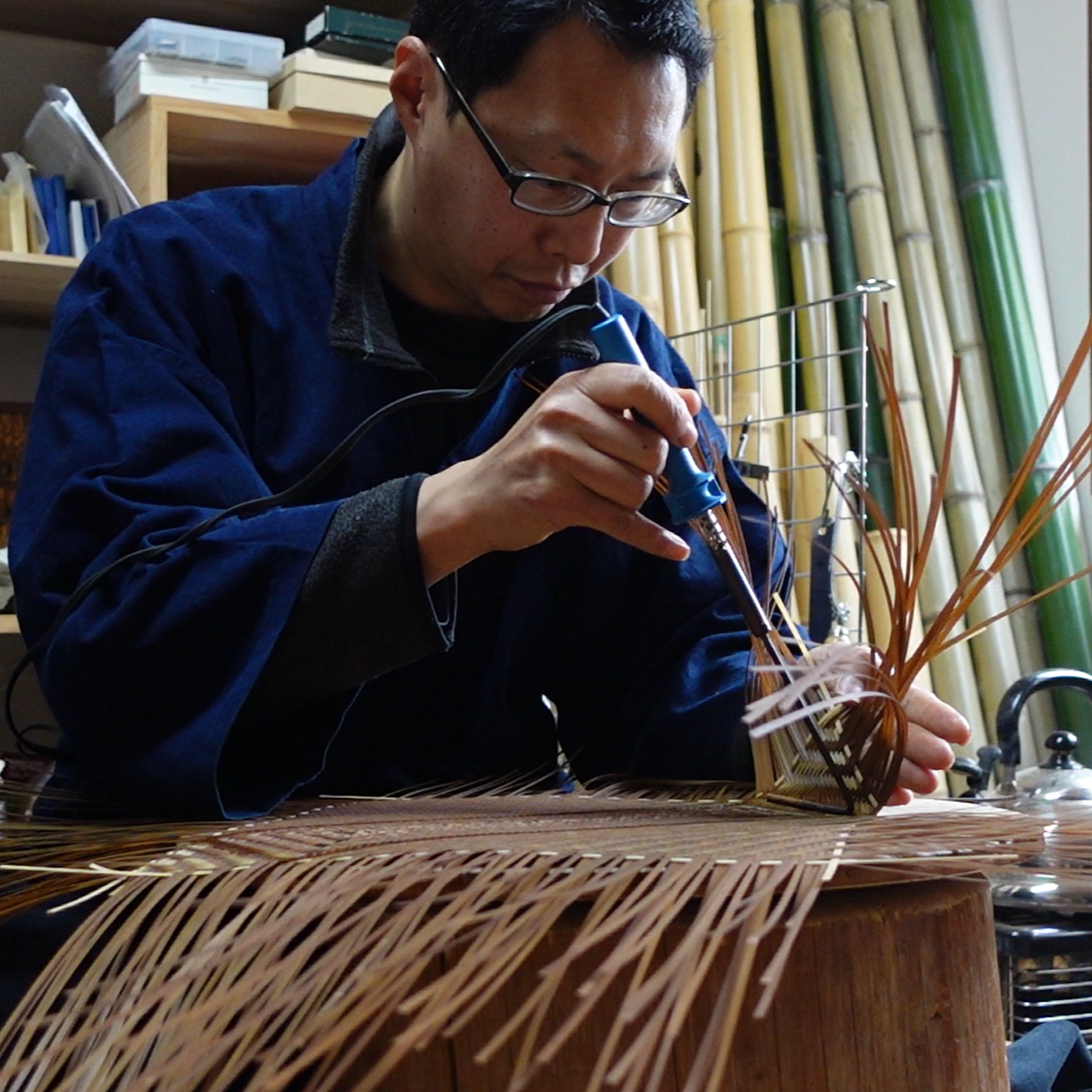
Bamboo Studio Kisetsu / Hideaki Hosokawa
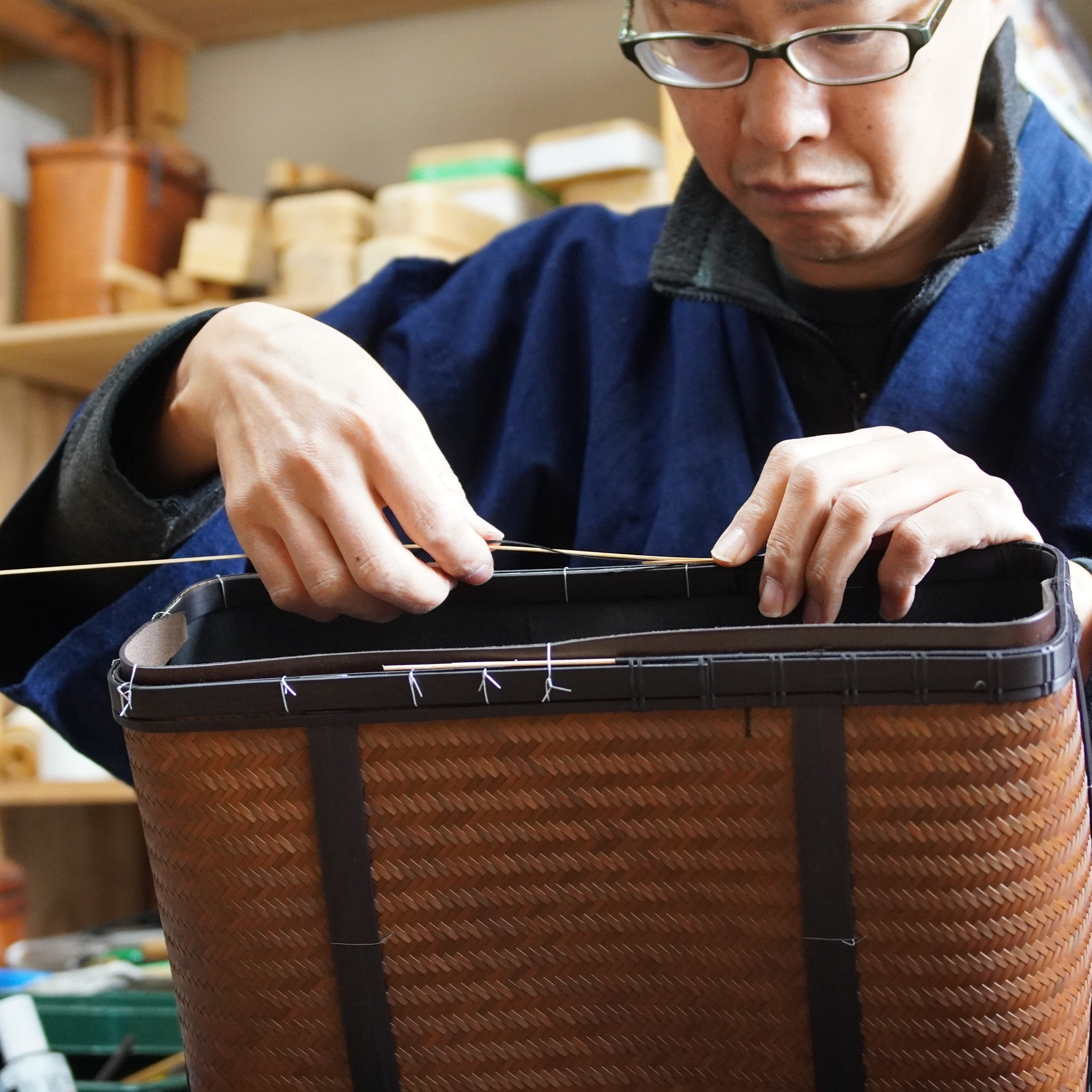
Hideaki Hosokawa is a Kyoto-based bamboo craftsman who quit his job at the age of 30 and has been studying bamboo crafts for 20 years. Bamboo crafts have been used in the tea ceremony and flower arrangement, but he also produce briefcases, handbags, and other bags for daily use that can be used for modern life.
He has a pasion to create products that people would want to hold in their hands and that are suitable for both men and women of all ages.
ACHIEVEMENTS
・Qualified as a first-class bamboo craftsman
・Awarded the Mayor of Kyoto Prize at the 51st Kyoto Bamboo Craft Exhibition
・Exhibited at "International Cultural Heritage Exhibition", Louvre Museum, Upside Down Pyramid Arcade
KYO TAKE KOGEI / KYOTO BAMBOO CRAFT
About 1,200 years ago / 800s / Heian Period (794–1185)
Kyoto bamboo craft developed through baskets, flower containers, tea scoops, partitions and other objects used by the court, temples and tea culture. Good bamboo grew around the old capital, and from the Muromachi period makers learned to value both perfect weaving and the expressive irregularities of natural nodes and bends.
In Japan, bamboo is familiar because it is light, strong and fast-growing. Kyoto bamboo craft ranges from formal tea utensils to daily objects, while contemporary makers now create bags, lighting, furniture and sculptural works.
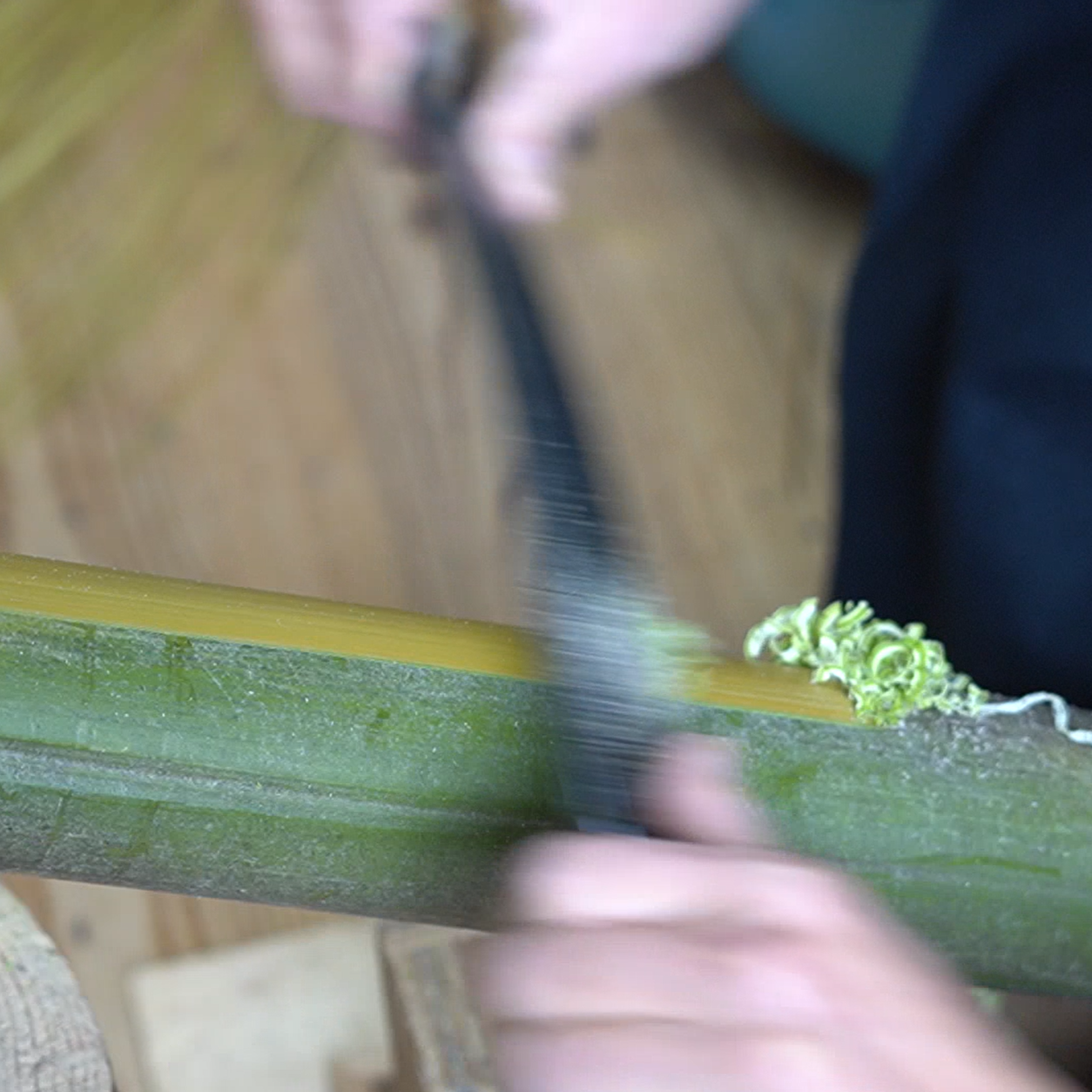
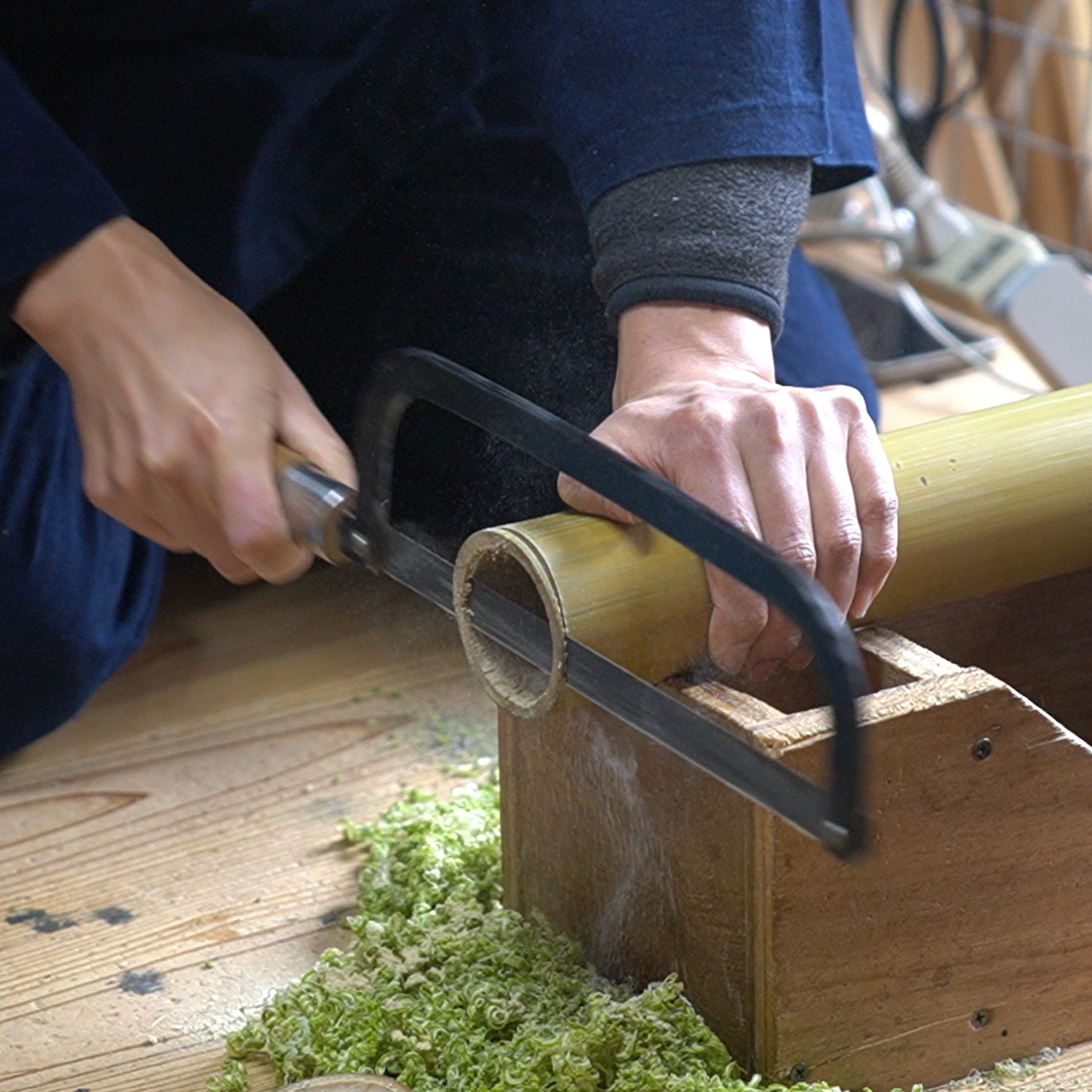
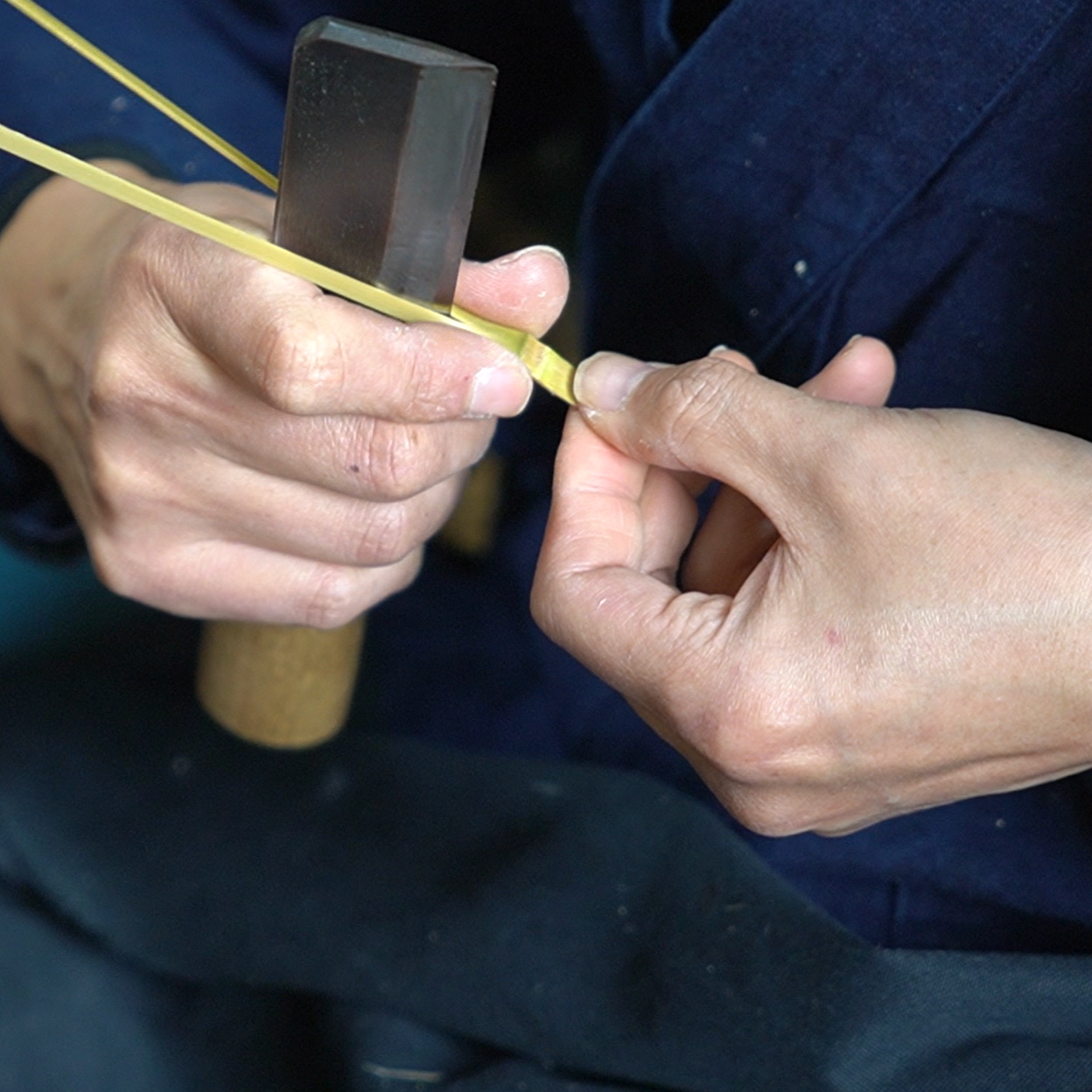
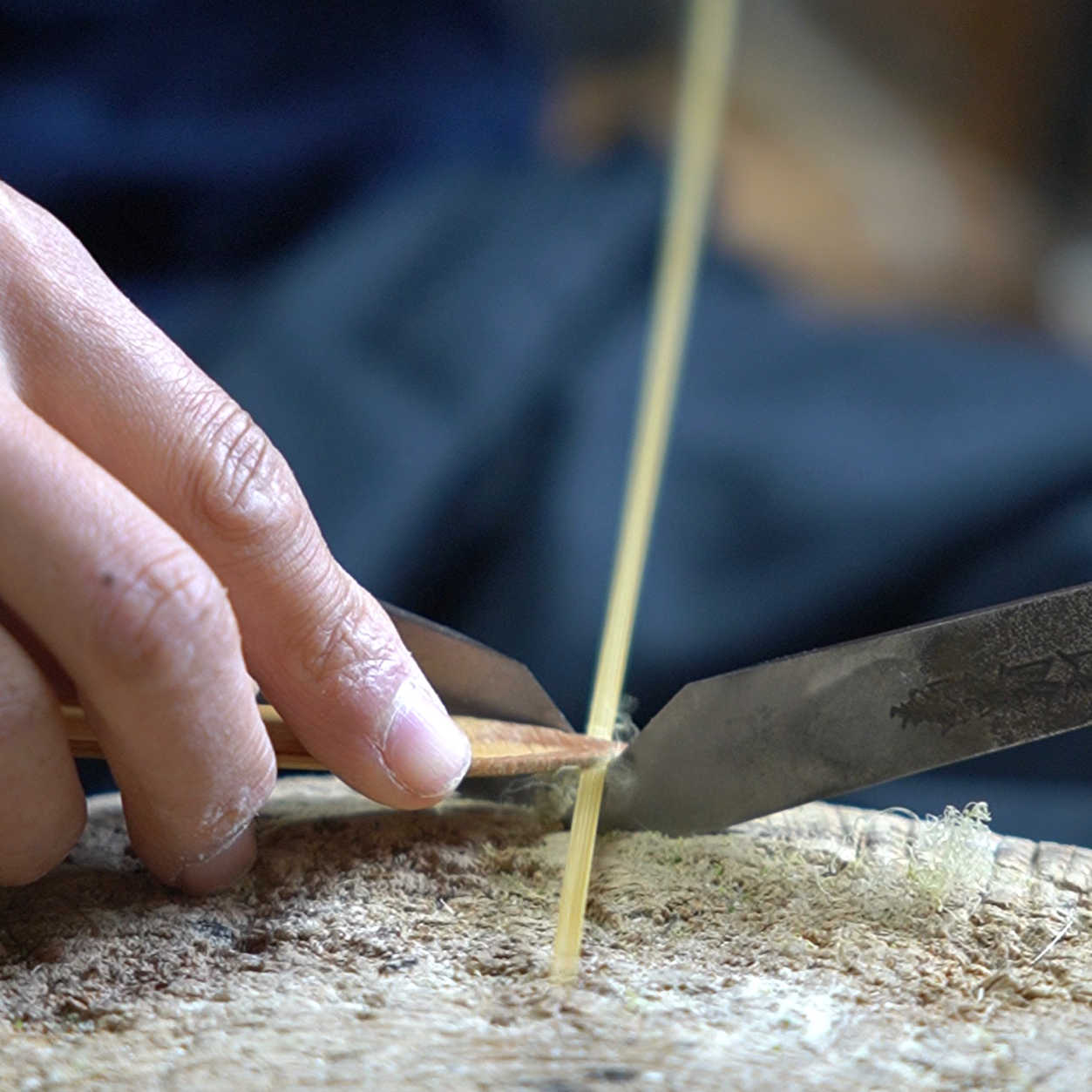
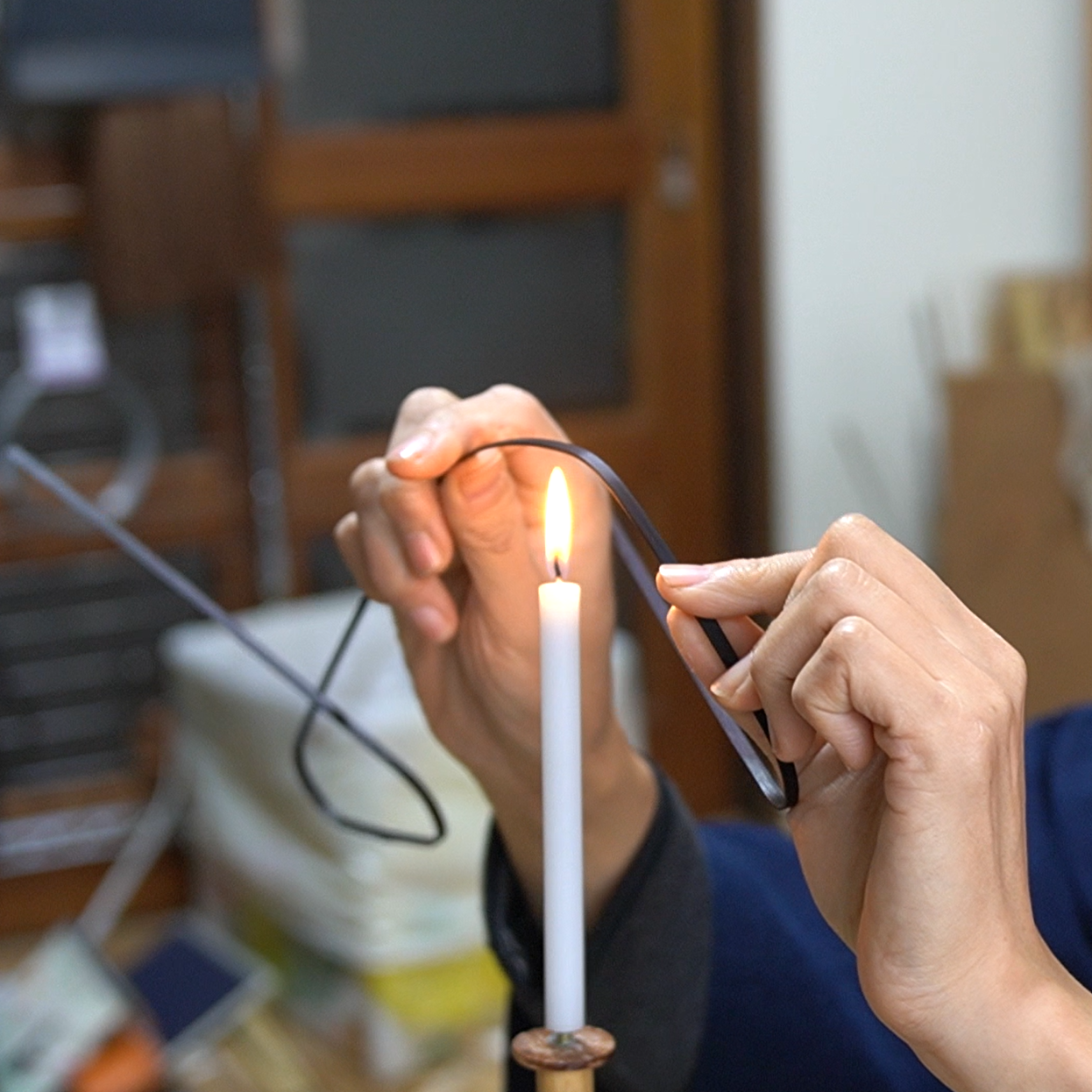
Unlike wood, bamboo can be split repeatedly into extremely fine strips. A single round culm can become dozens or hundreds of flexible lines that are woven into curved surfaces and complex volumes. The material is transformed from a plant into a kind of “architecture made of lines” with remarkably little waste.
الاختلافات الفردية
نظرًا لأن كل قطعة تُصنع يدويًا بشكل مستقل، فقد تطرأ اختلافات طفيفة في اللون والنمط والشكل والملمس. وتُعد هذه الاختلافات الدقيقة من الخصائص الطبيعية للأعمال اليدوية، ما يجعل كل قطعة فريدة من نوعها حقًا. نأمل أن تستمتعوا بهذه الاختلافات الفردية كجزء من جمال الحرفية اليابانية وطابعها المميز.
مدة الإنتاج
إذا لم يكن المنتج متوفرًا في المخزون حاليًا، فقد يقوم الحرفي بتصنيعه حسب الطلب. ونظرًا إلى أن كل قطعة تُصنع يدويًا بعناية، فقد يستغرق الإنتاج عدة أشهر، وذلك حسب المنتج وجدول الحرفي. نقدر صبركم وتفهمكم.
Optionen auswählen