Reine silbergedrehte Kiseru -Rauchpfeife / Hassun
الوصف
التفاصيل
SIZE
MATERIAL
حِرَفِيّ
كوجي
تحذير
Optionen auswählen


Reine silbergedrehte Kiseru -Rauchpfeife / Hassun
AngebotDhs. 7,155.00
Land
Sprache
Warenkorb
Dein Warenkorb ist leer


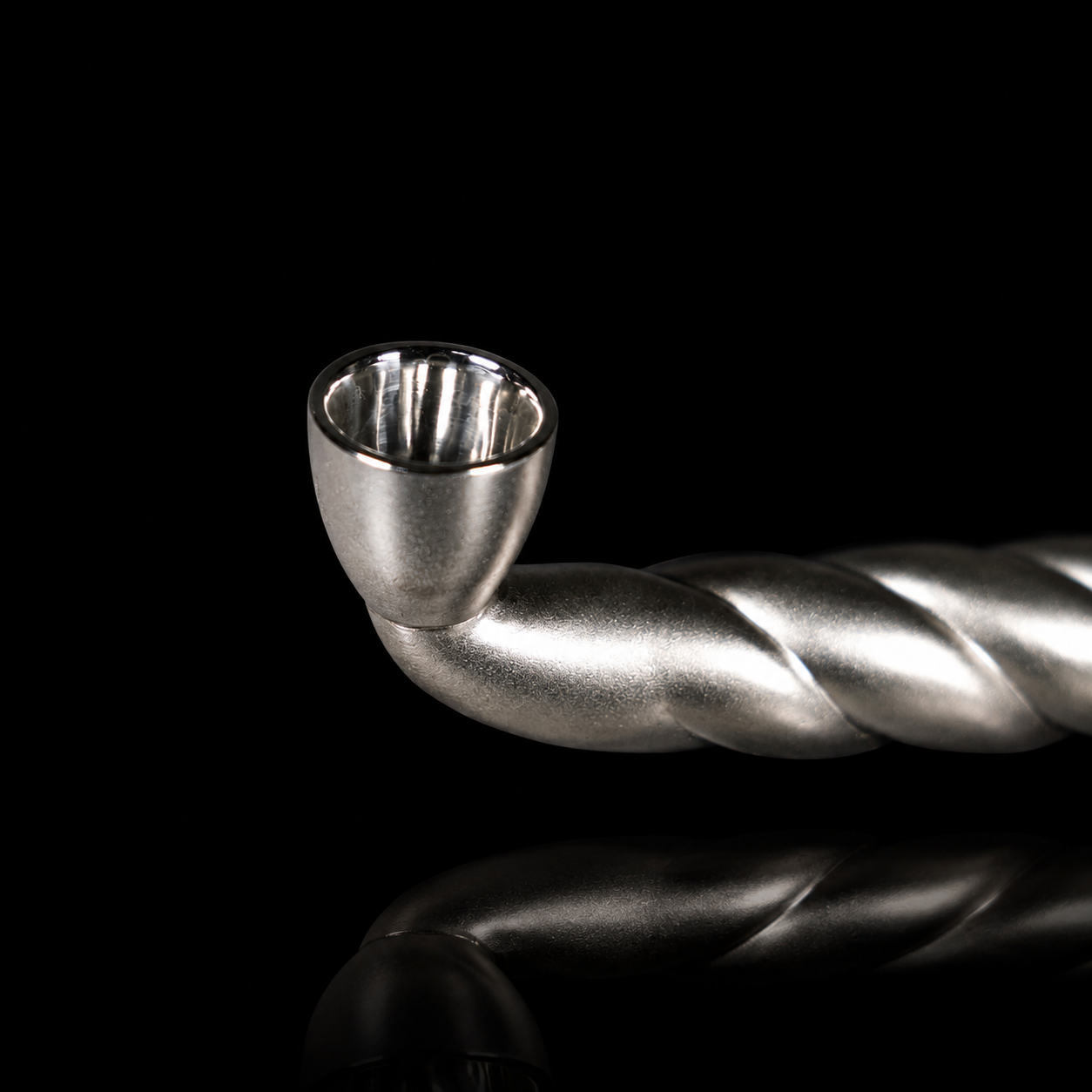
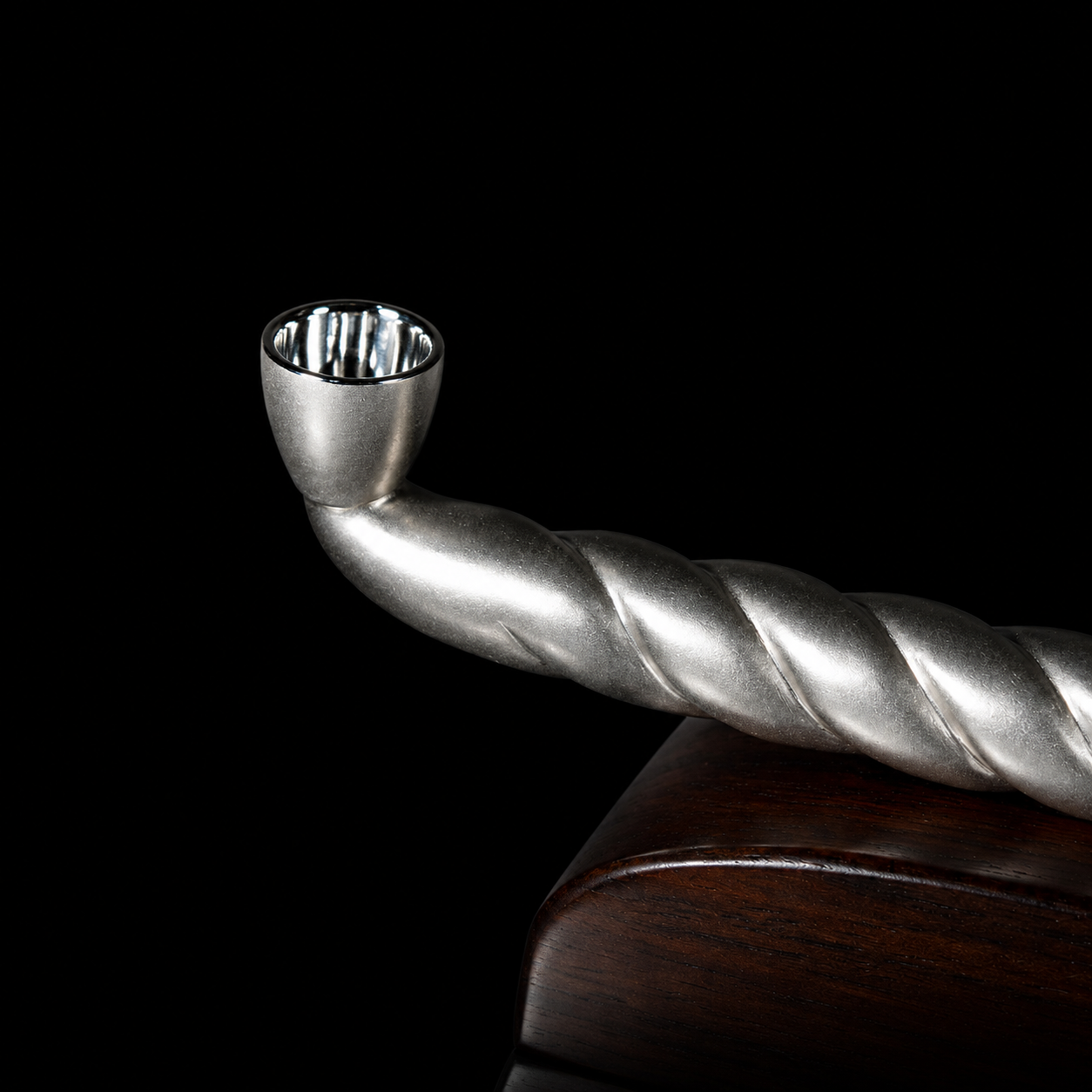
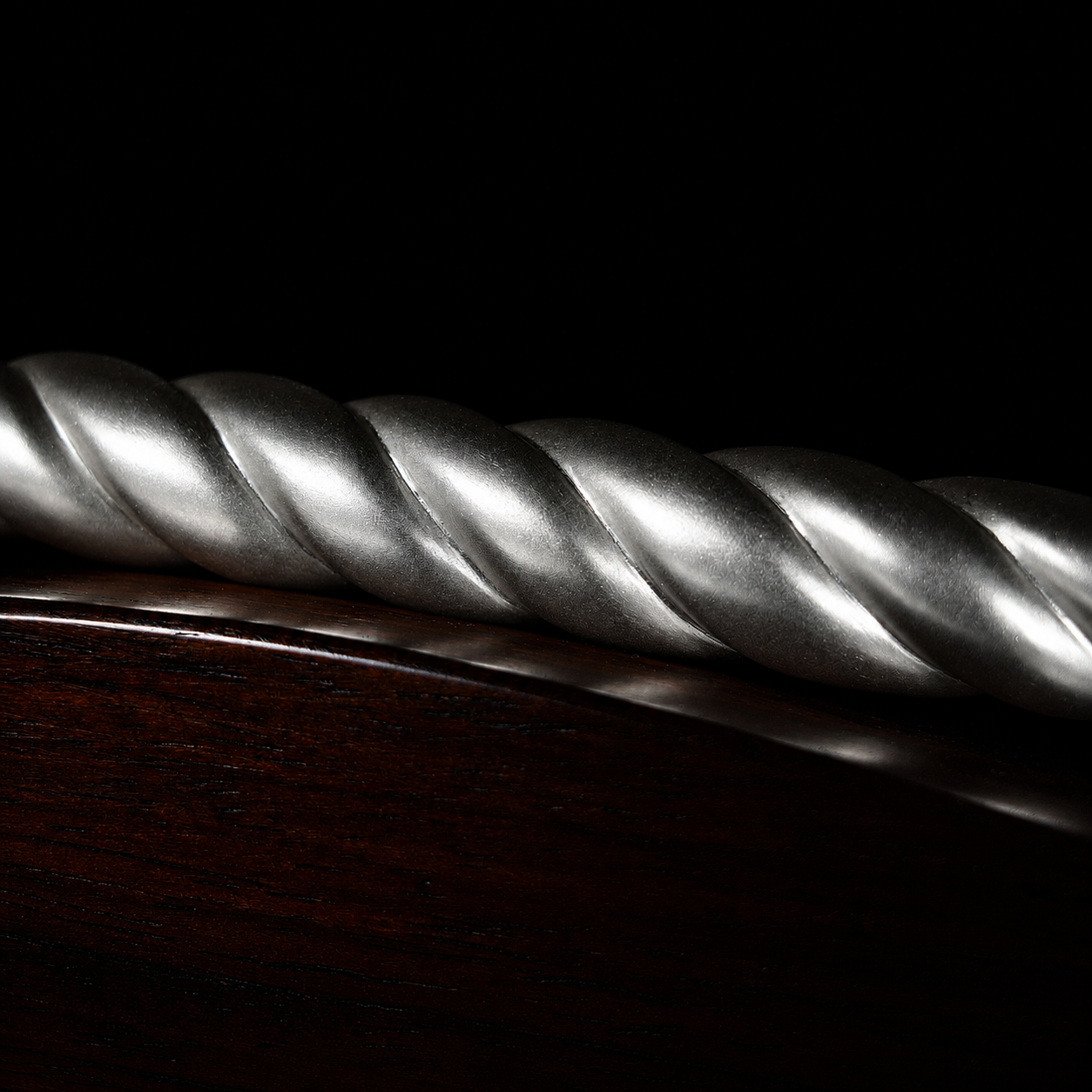
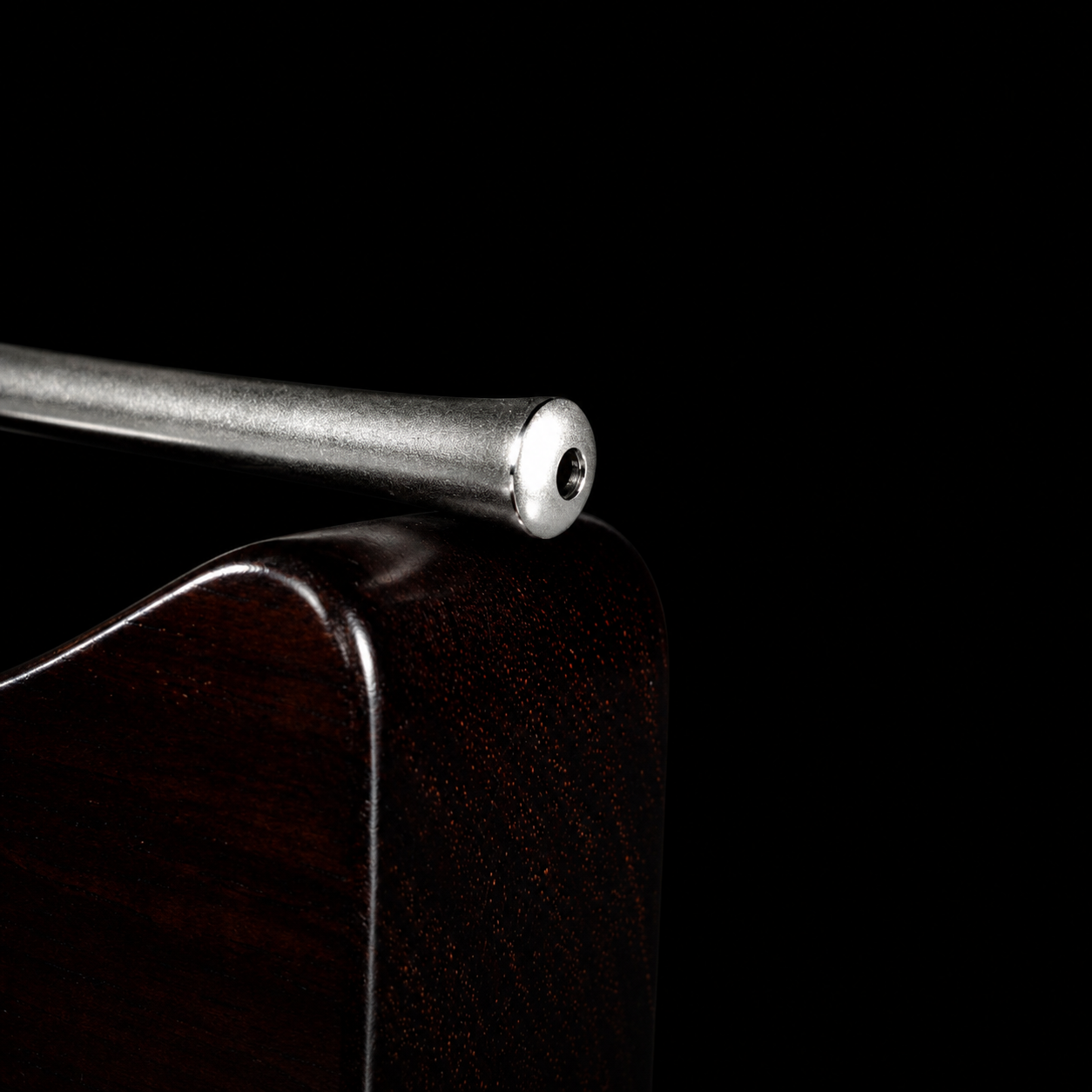
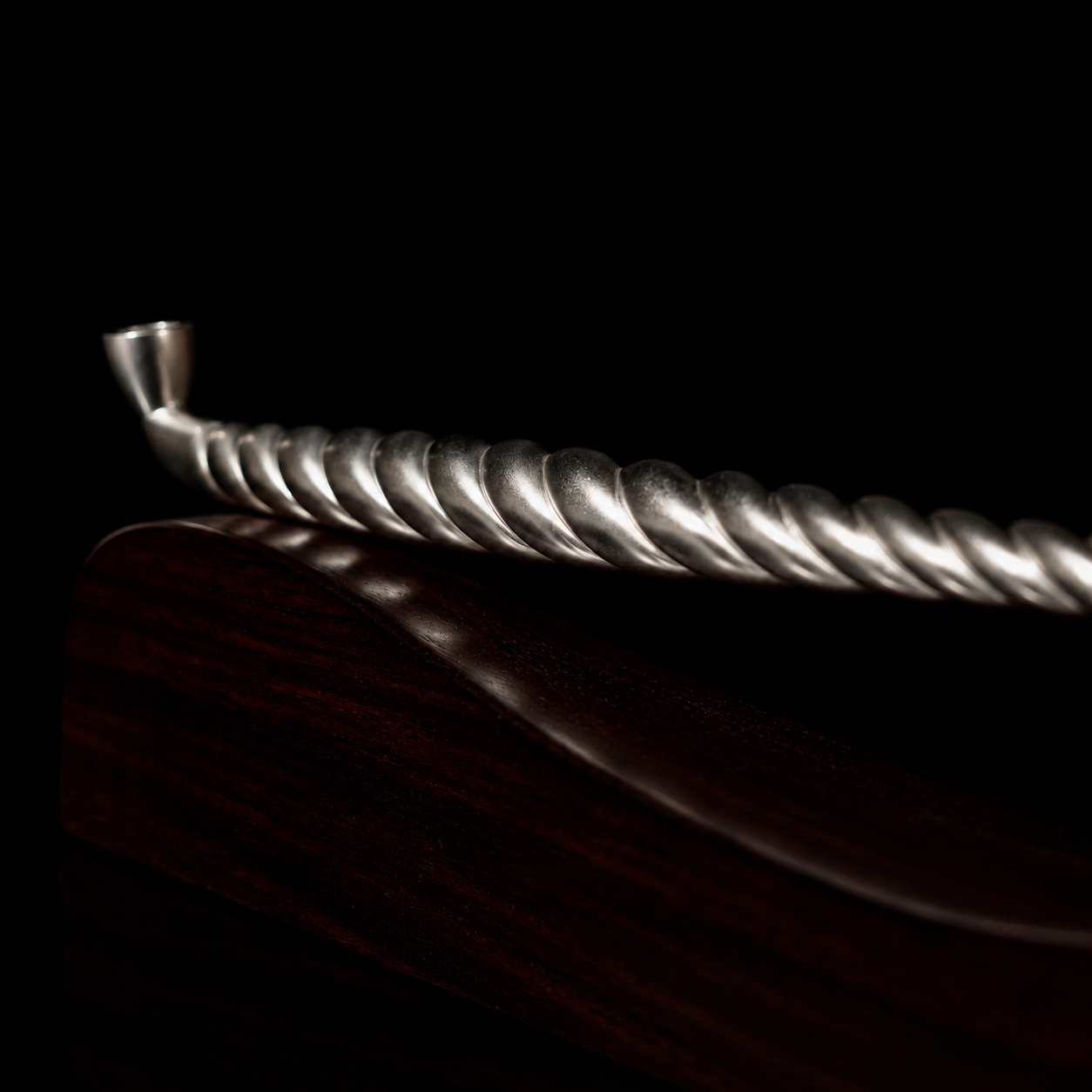
هذه غليون تدخين من الفضة الإسترلينية على طراز رينزوميت، مزين بنقش يمثل «ماواشي» مزخرفة لـ«يوكوزونا» (يوكوزونا هو أعلى رتبة لمصارعي السومو / البطل) وحبل معبد.
ويُعد هذا الشكل من أكثر أشكال غلايين التدخين / «كيسيرو» عراقةً وهيبة.
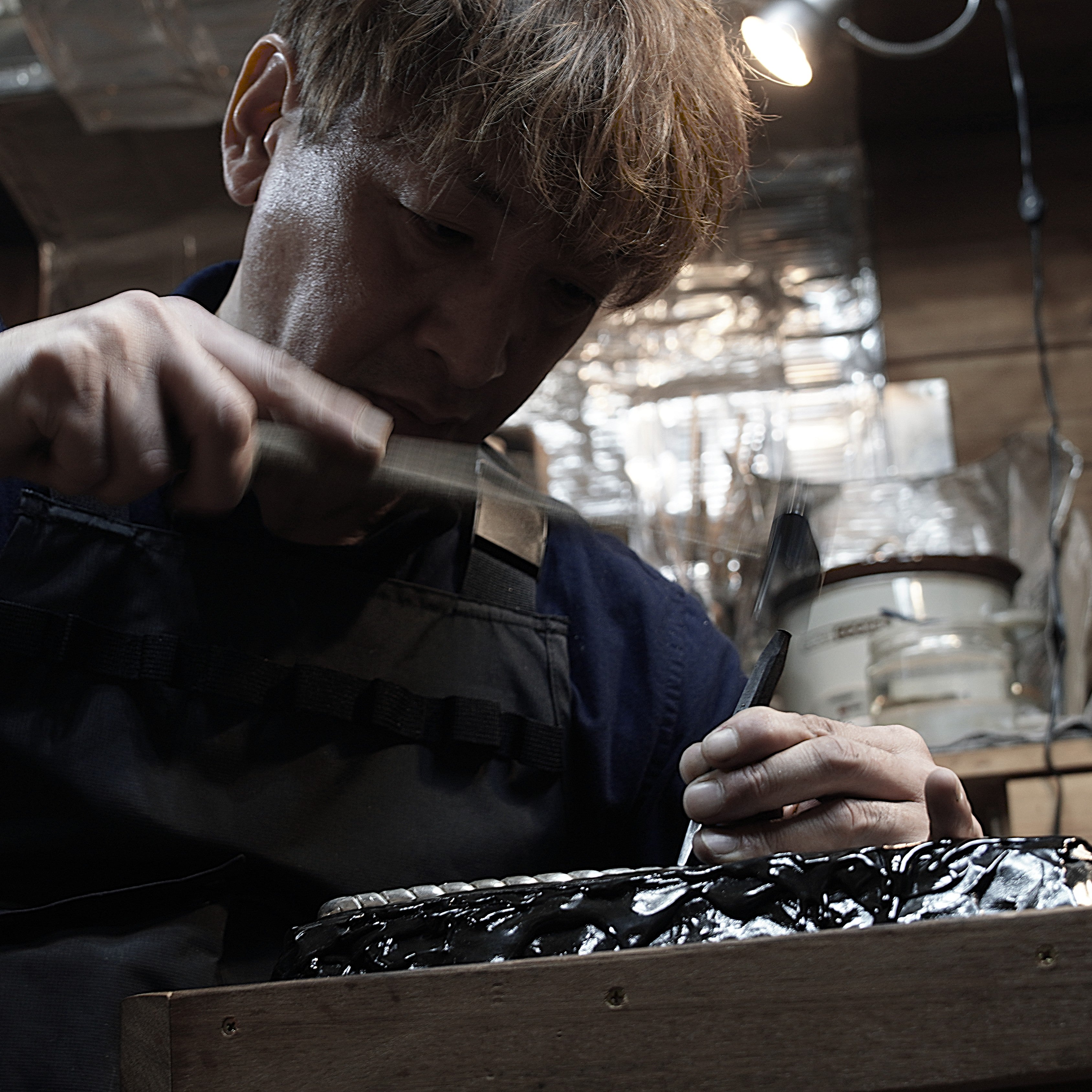
وقد صُنع باستخدام تقنية يابانية تقليدية، حيث طُرق وشُكّل من صفيحة واحدة باستخدام الإزميل والمطرقة.
SIZE
العرض:1.5 سم
الطول :24 سم
الوزن:103 غ
MATERIAL
فضة
ENGRAVING STUDIO AIKAWA
"For smokers around the world"
I produce Japanese smoking pipes for smokers all over the world to enhance the taste of their cigarettes.
I would like to share the chic Japanese smoking culture with the world with my Japanese smoking pipes made with traditional techniques.
Please enjoy the beauty of the slowly rising smoke!
ARTISAN STORY
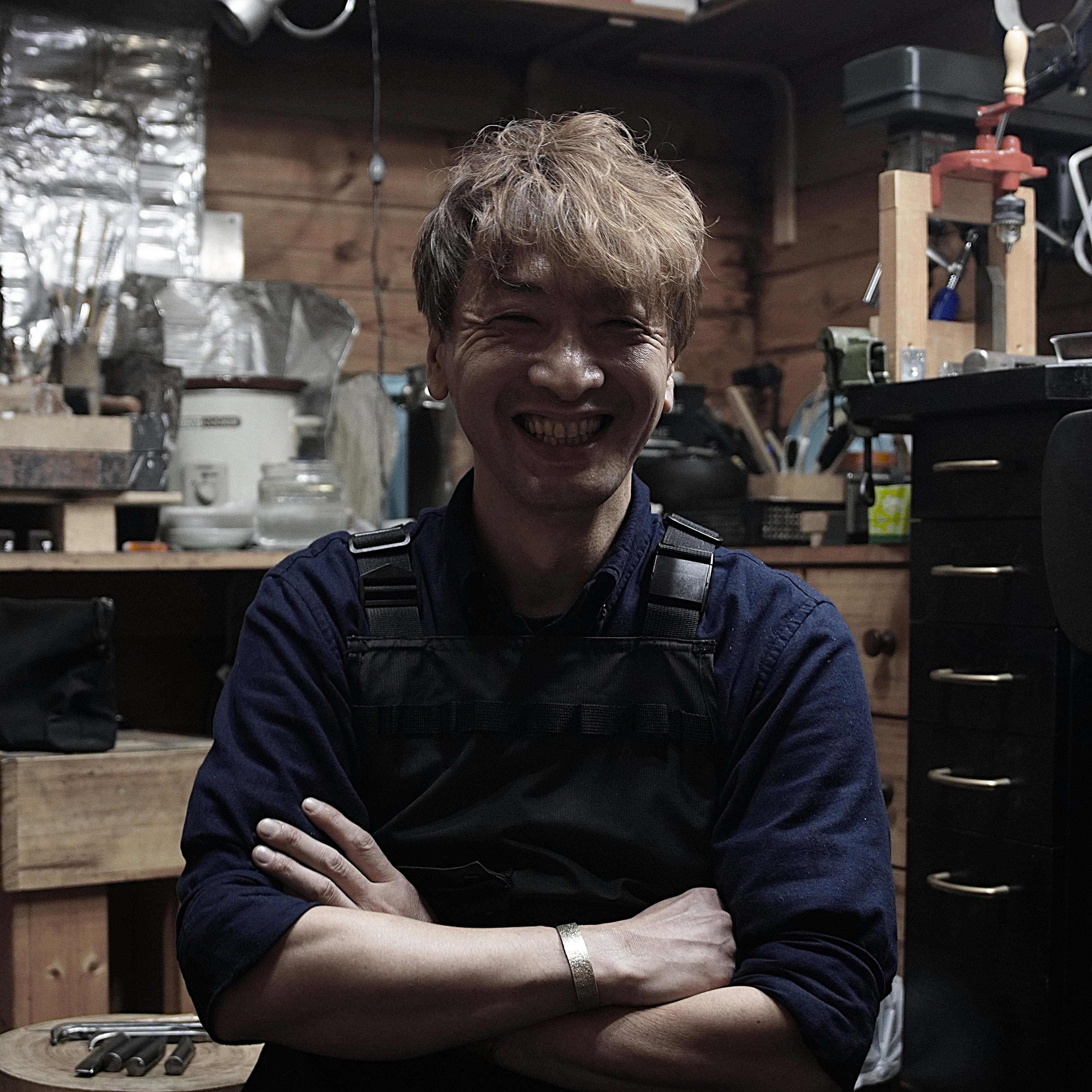
Chiaki Aikawa / Aikawa Engraving Studio
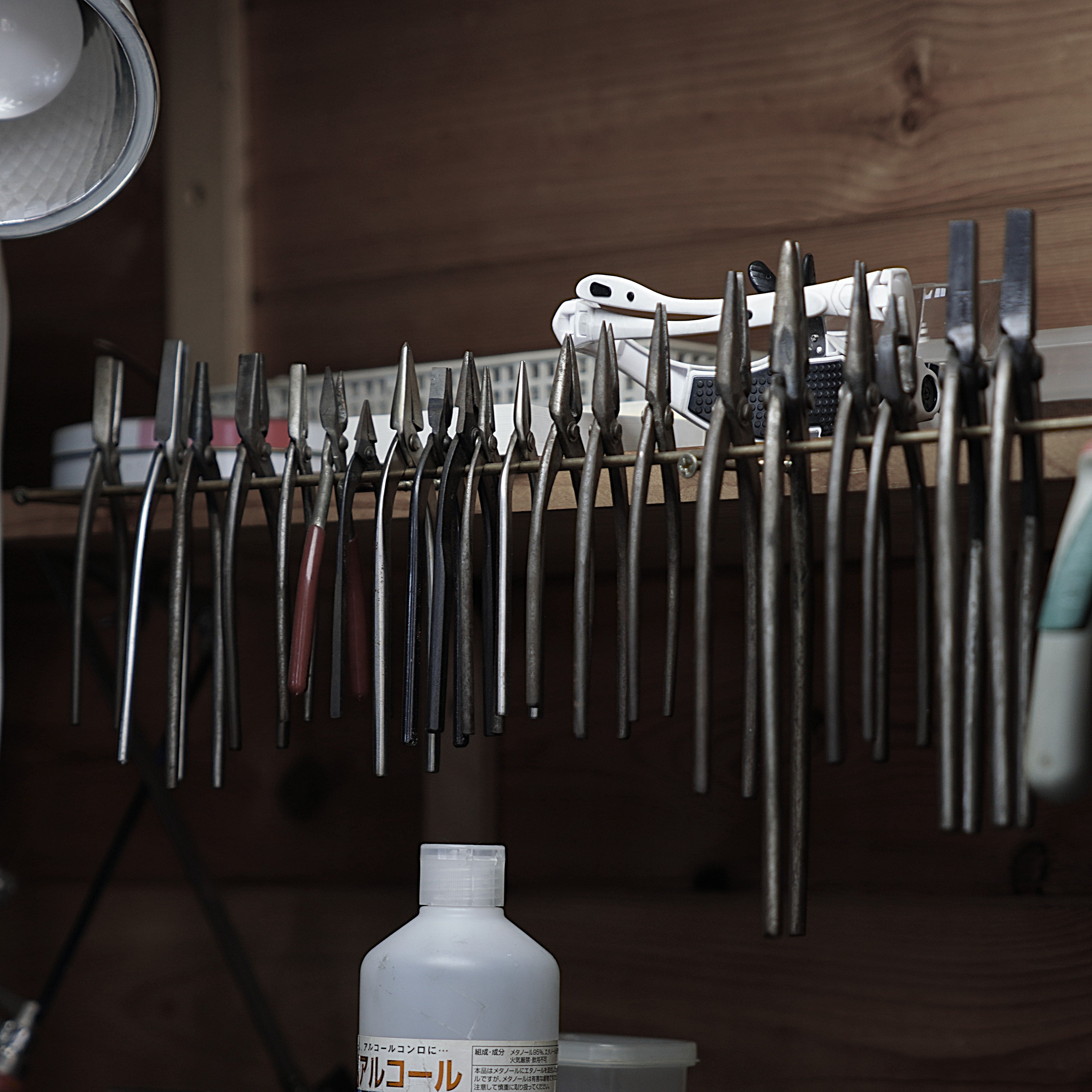
Chiaki Aikawa's main products are accessories and Japanese smoking pipes. Since the technique cannot be mass-produced by machines, each item is carefully crafted one by one.
I also specialize in a technique called Mokume-Gane, in which different metals are layered and melted together to create a pattern by repeatedly beating and carving.
KISERU / JAPANESE SMOKING PIPE
About 450 years ago / 1500s / Azuchi–Momoyama Period (1573–1603)
The kiseru developed after tobacco and smoking culture reached Japan in the late sixteenth century. Inspired by foreign pipes, it evolved into a distinctly Japanese form. During the Edo period, bowls became smaller to suit extremely finely cut tobacco, while metal engraving, inlay and lacquer transformed the pipe into something close to a personal accessory.
For Edo-period Japanese, a kiseru was not merely a smoking implement; it could express taste, status and style. Its everyday use declined after cigarettes became widespread in the modern era, but today it is valued as a vessel for sophisticated metalworking and as a tangible remnant of Edo culture.
One unexpected chapter came after the 1876 sword ban. Metalworkers who had specialized in sword fittings lost much of their traditional market, and some turned their skills to smoking accessories. As a result, techniques once used on samurai equipment survived in exquisitely engraved and inlaid pipes.
الاختلافات الفردية
نظرًا لأن كل قطعة تُصنع يدويًا بشكل مستقل، فقد تطرأ اختلافات طفيفة في اللون والنمط والشكل والملمس. وتُعد هذه الاختلافات الدقيقة من الخصائص الطبيعية للأعمال اليدوية، ما يجعل كل قطعة فريدة من نوعها حقًا. نأمل أن تستمتعوا بهذه الاختلافات الفردية كجزء من جمال الحرفية اليابانية وطابعها المميز.
مدة الإنتاج
إذا لم تكن القطعة متوفرة في المخزون حاليًا، فقد يقوم الحرفي بصنعها حسب الطلب. ونظرًا إلى أن كل قطعة تُصنع يدويًا بعناية، فقد يستغرق الإنتاج عدة أشهر، وذلك حسب القطعة والجدول الزمني للحرفي. نقدر صبركم وتفهمكم.

Optionen auswählen