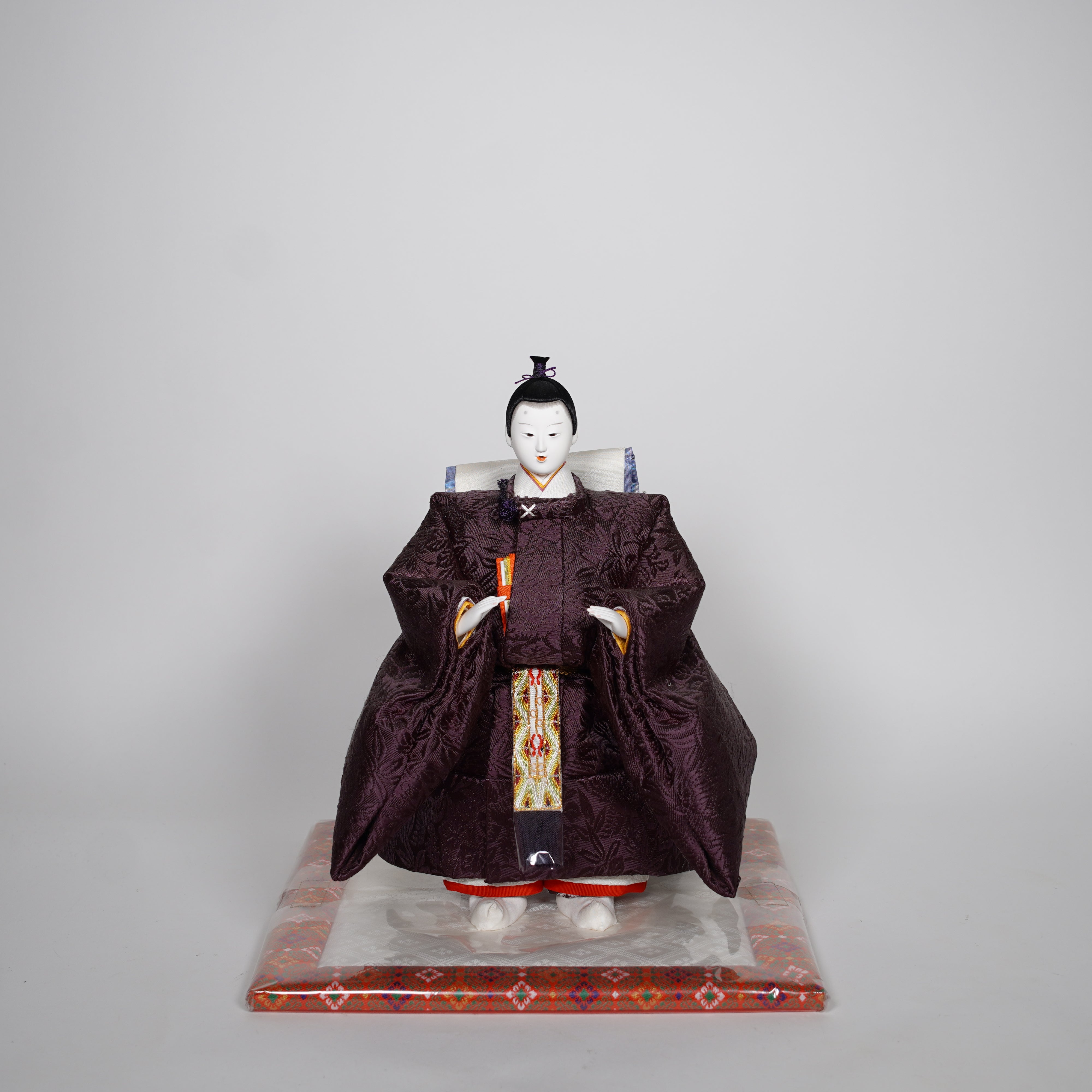
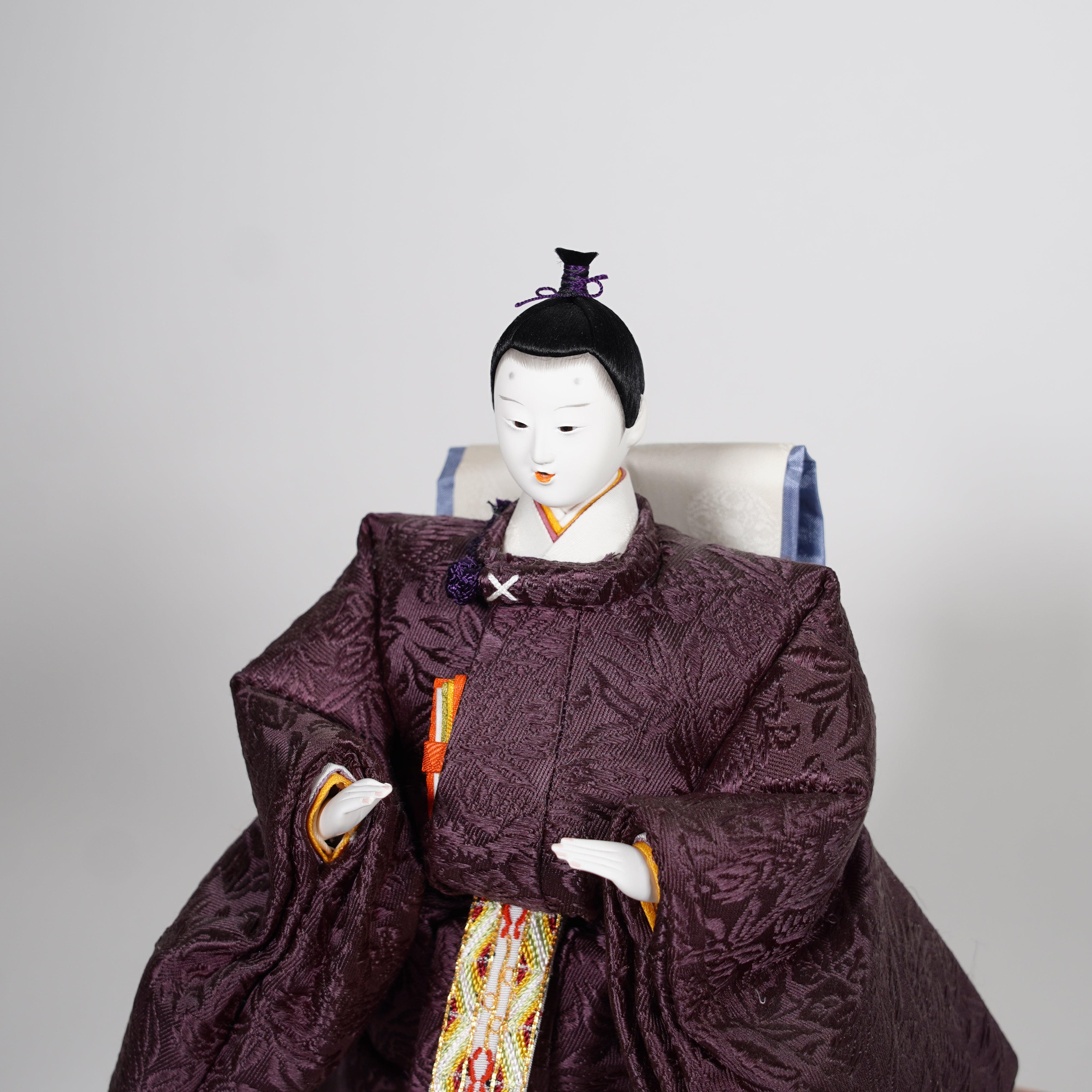
KYO NINGYO / KYOTO DOLLS
About 1,200 years ago / 800s / Heian Period (794–1185)
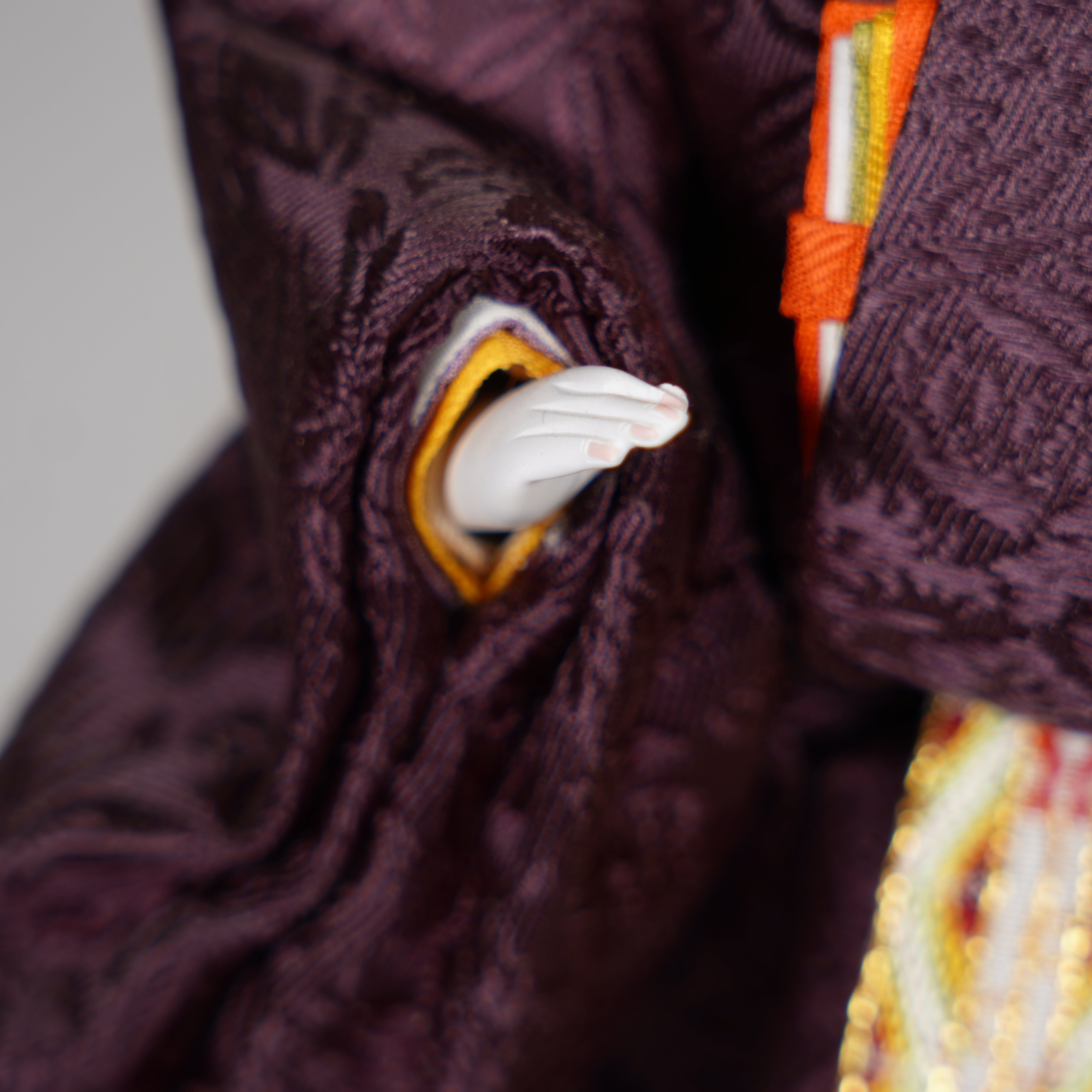
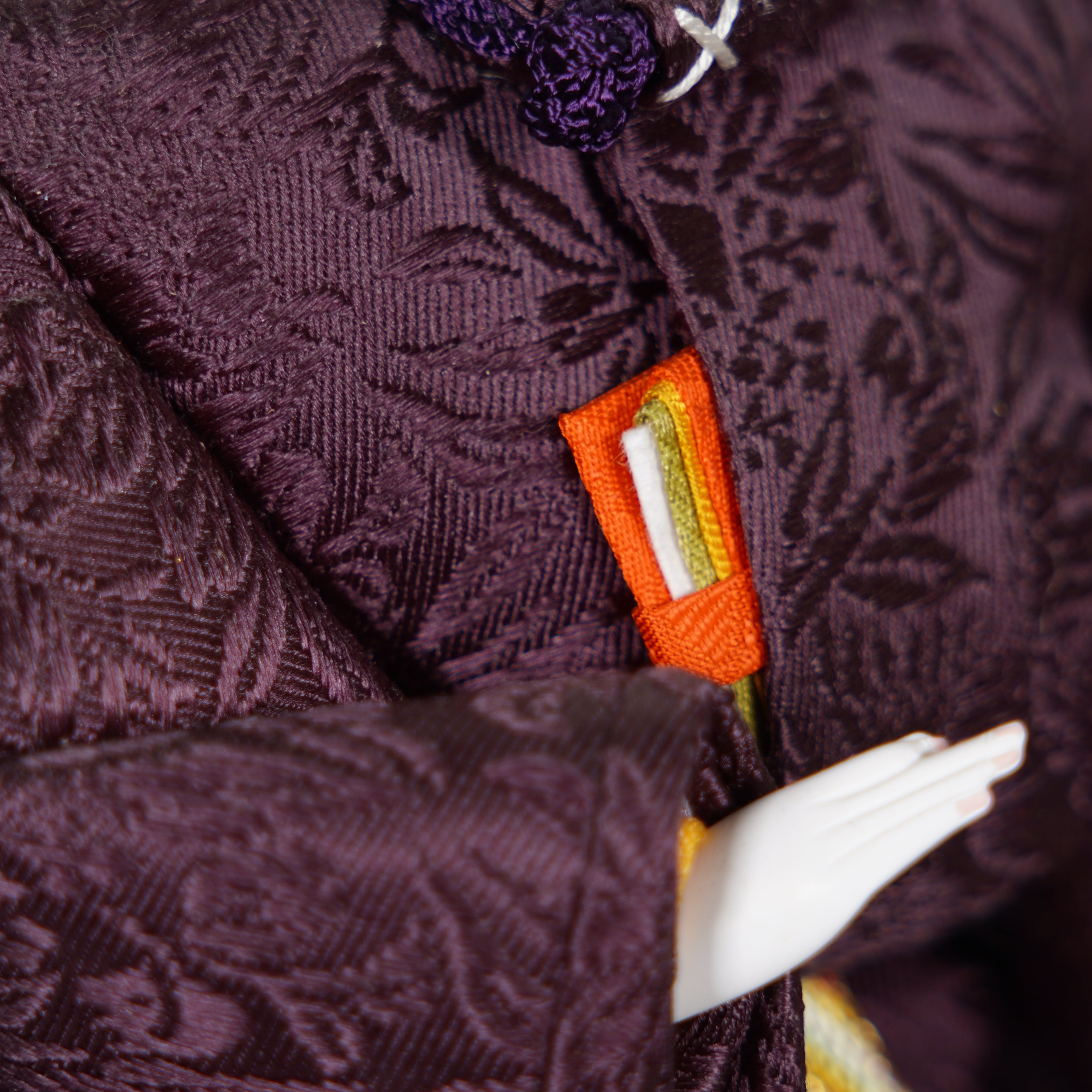
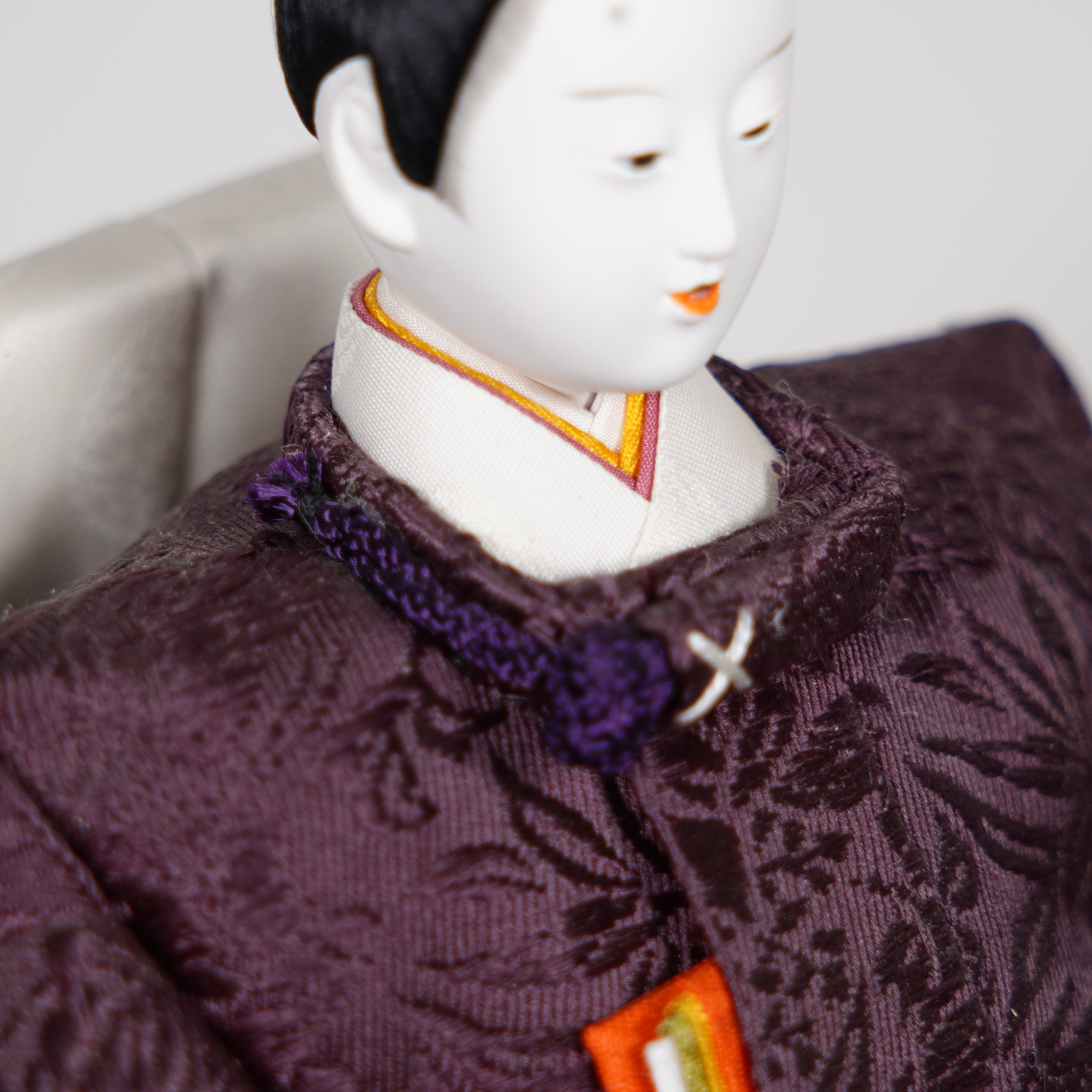
Kyoto doll culture reaches back to Heian-period court customs, including ritual figures used to transfer misfortune and small hina dolls used in play. As seasonal festivals spread among townspeople in the Edo period, many forms developed—Hina dolls, Gosho dolls, Ichimatsu dolls and more—supported by an increasingly specialized production network.
In Japan, Kyoto dolls remain closely connected with family milestones: the Girls’ Festival in March, the Boys’ Festival in May and gifts celebrating children. They are also appreciated as fine-art figures depicting Noh, Kabuki and historical personalities.
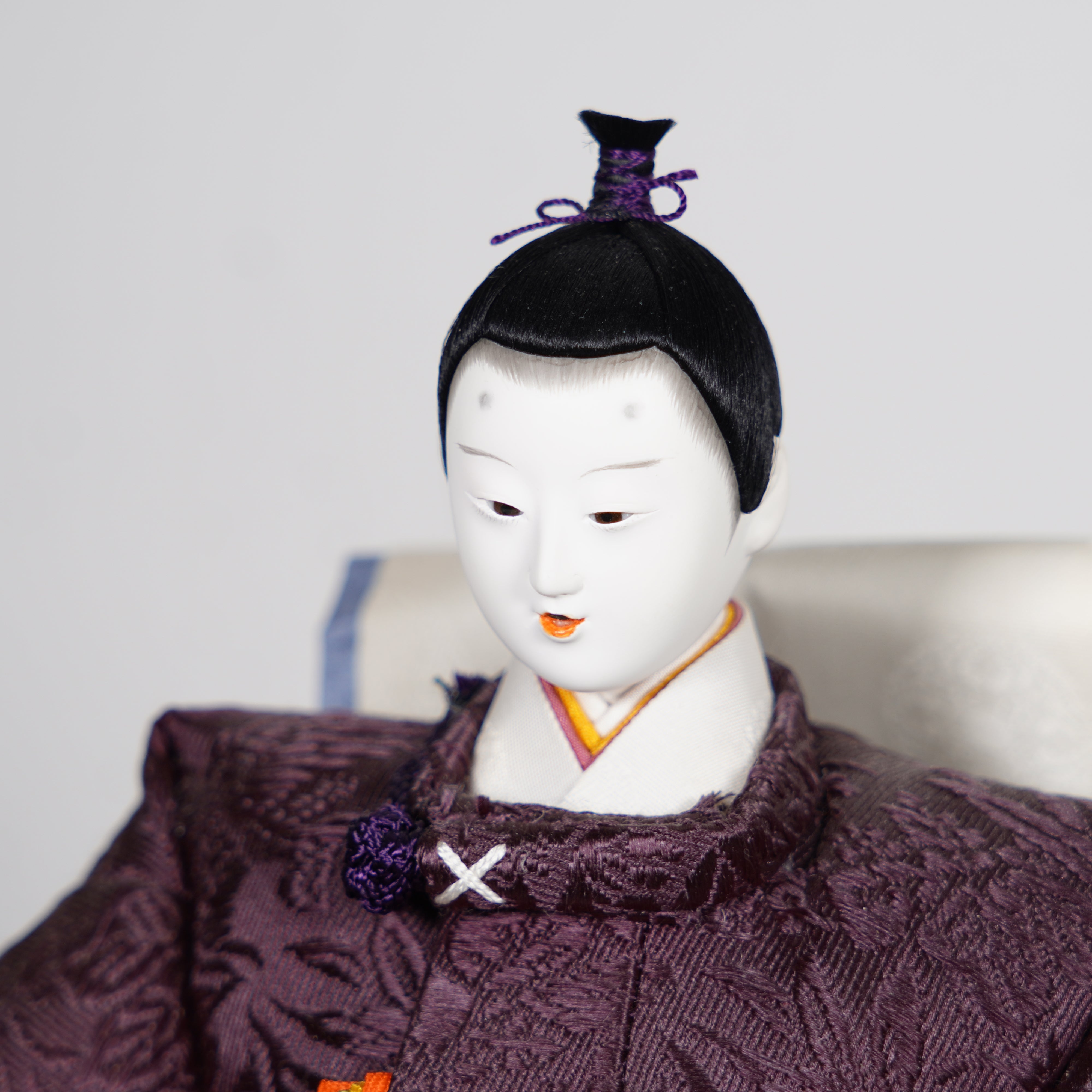
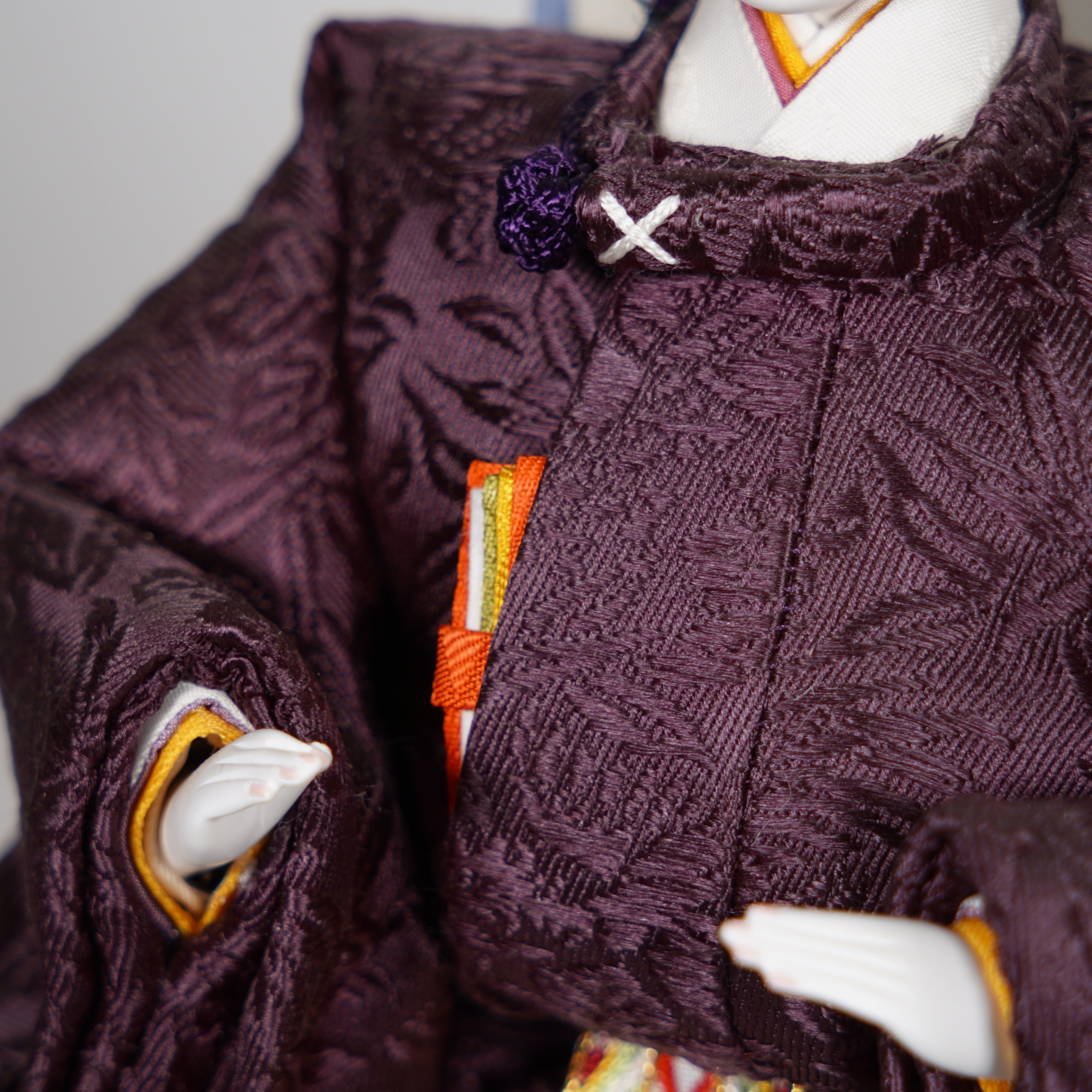
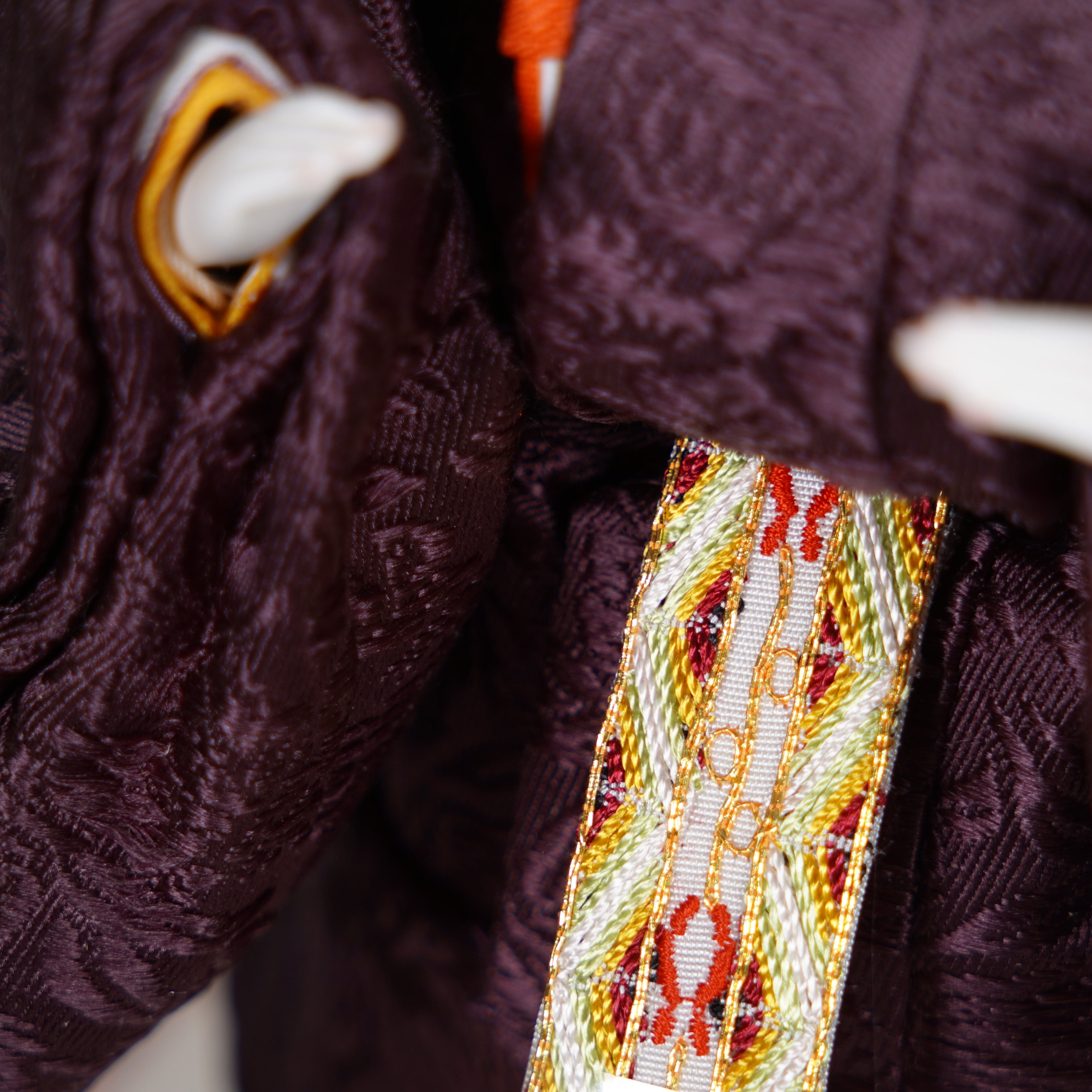
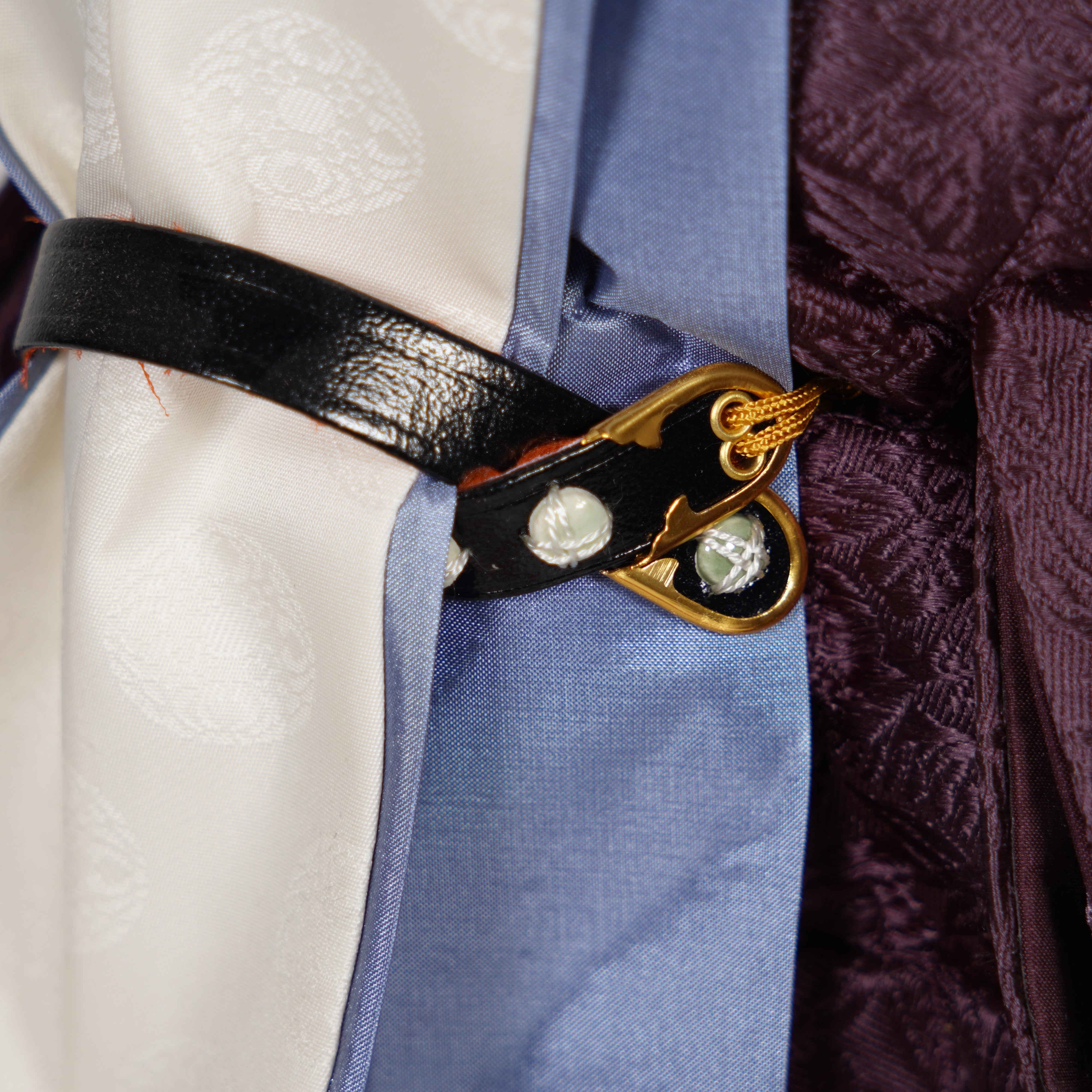
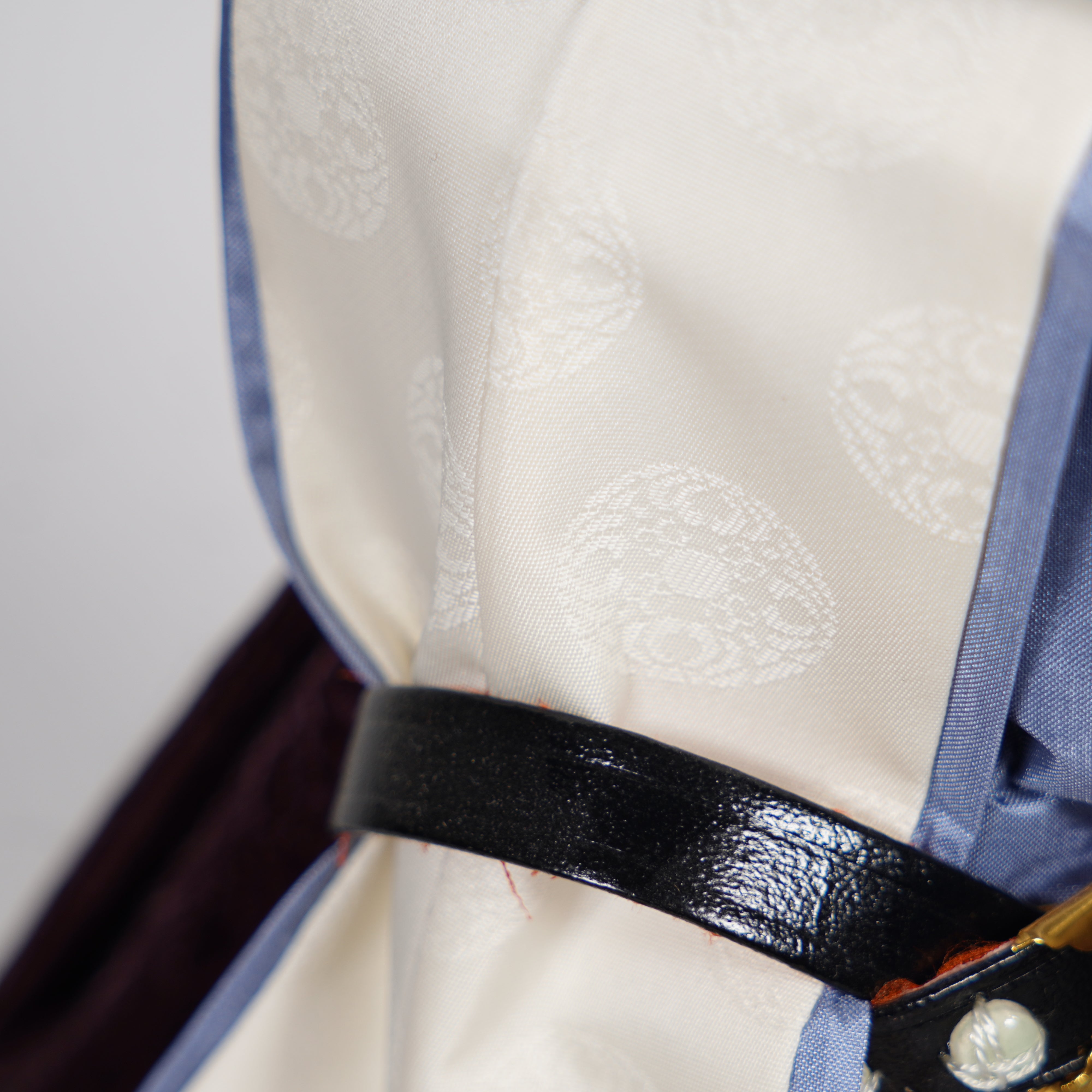
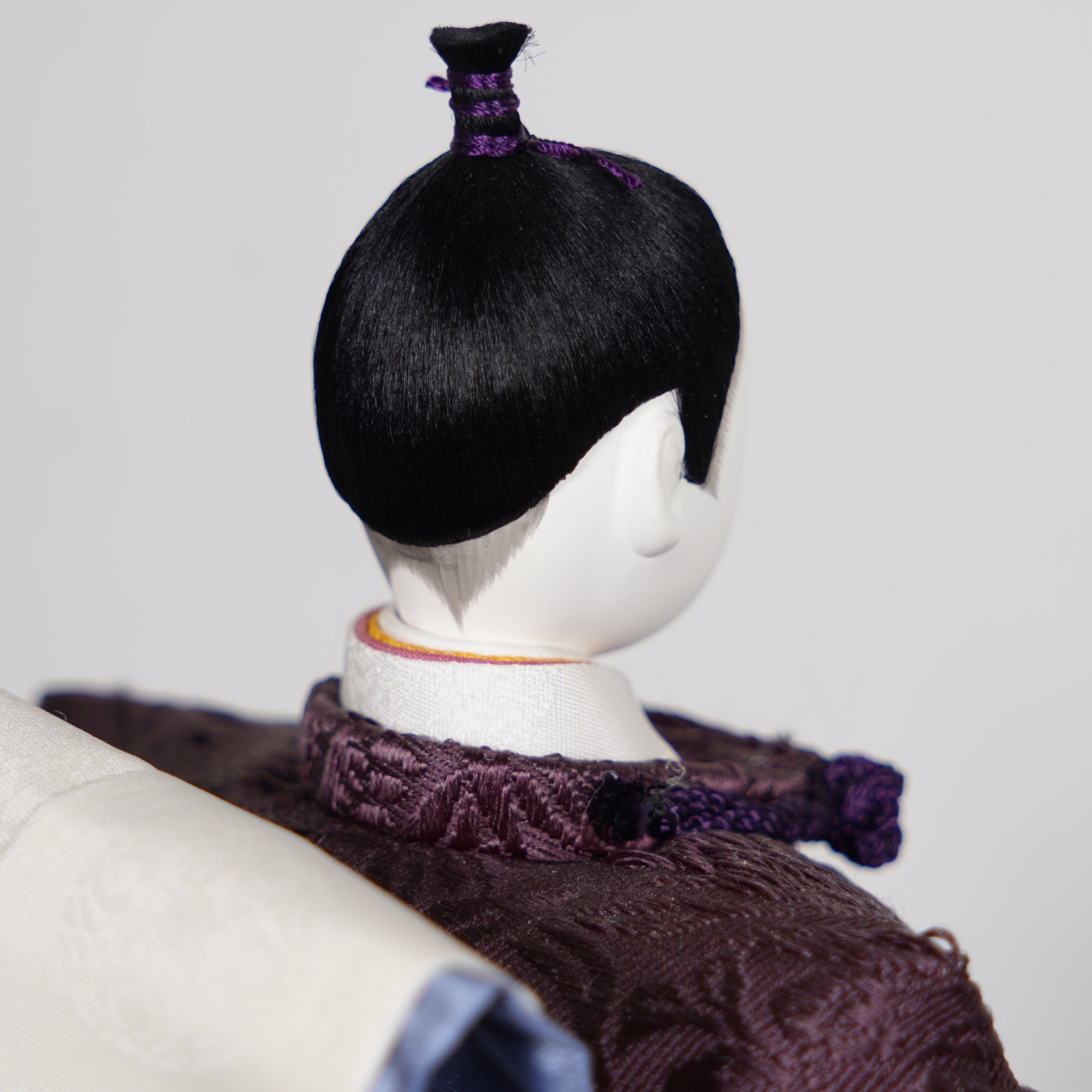
A single doll may involve many independent specialists. One artisan carves the head, another attaches the hair, others make hands and feet, sew costumes and dress the figure. Sculpture, textile, metalwork and hairdressing are therefore condensed into one object—an unusually collaborative form of craftsmanship.