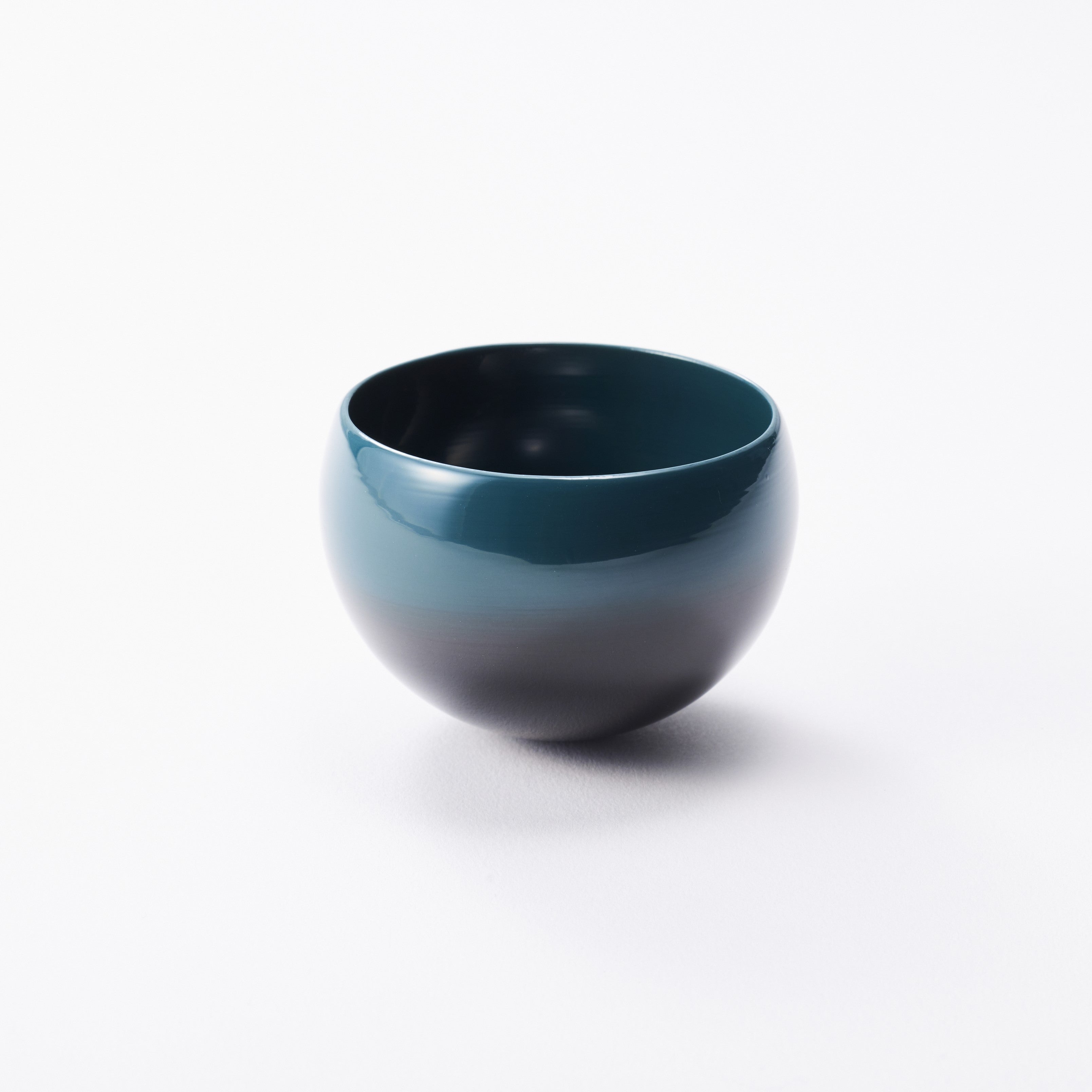
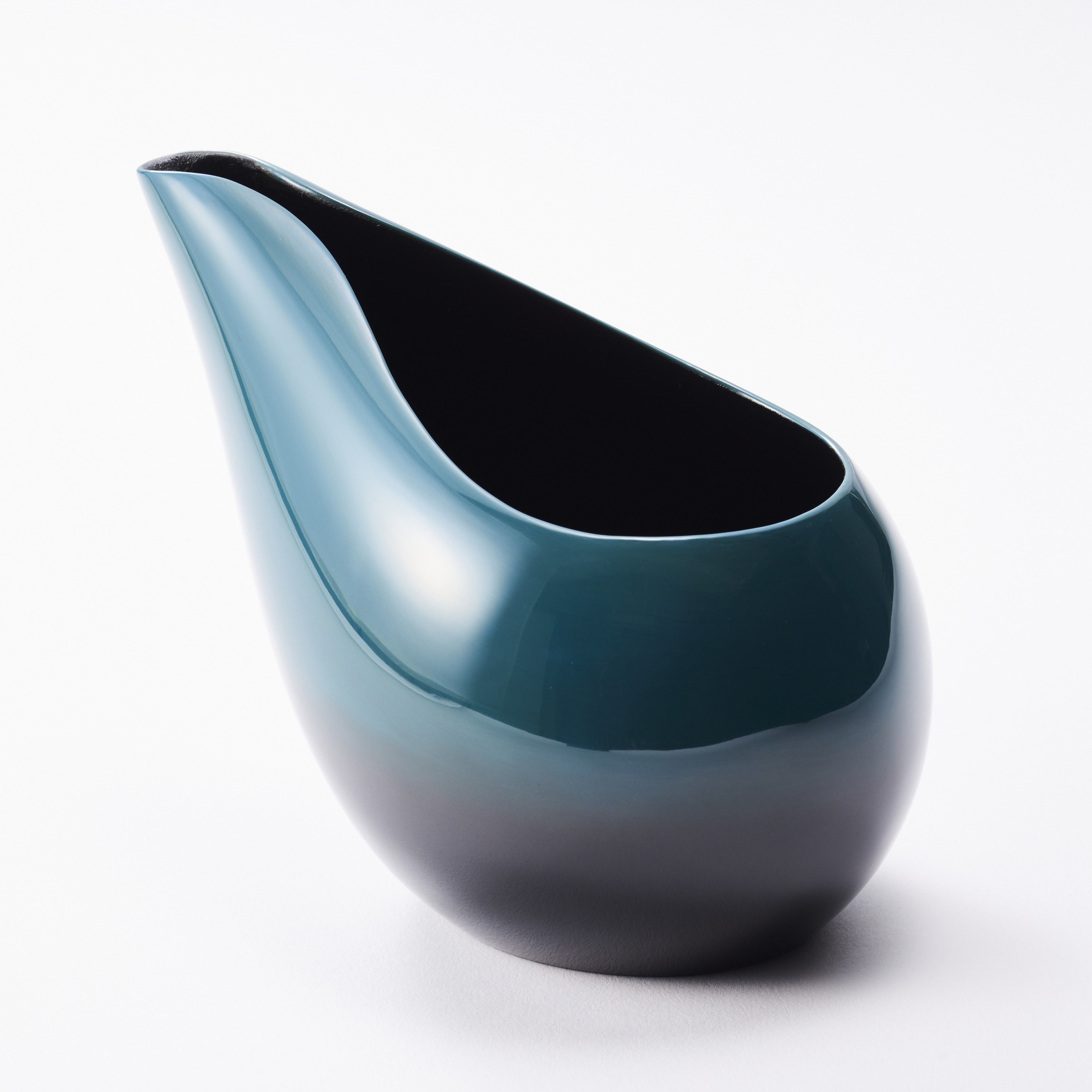
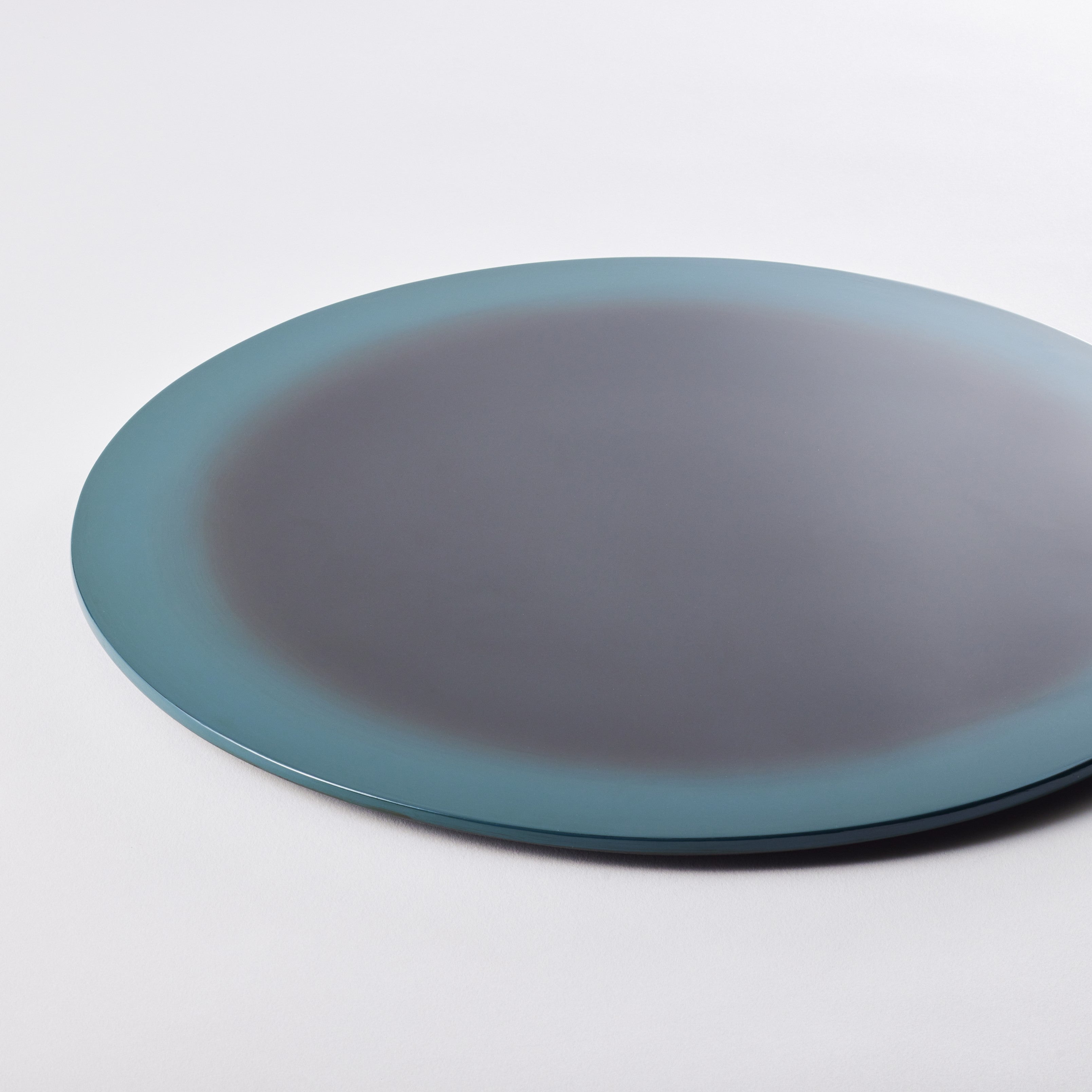
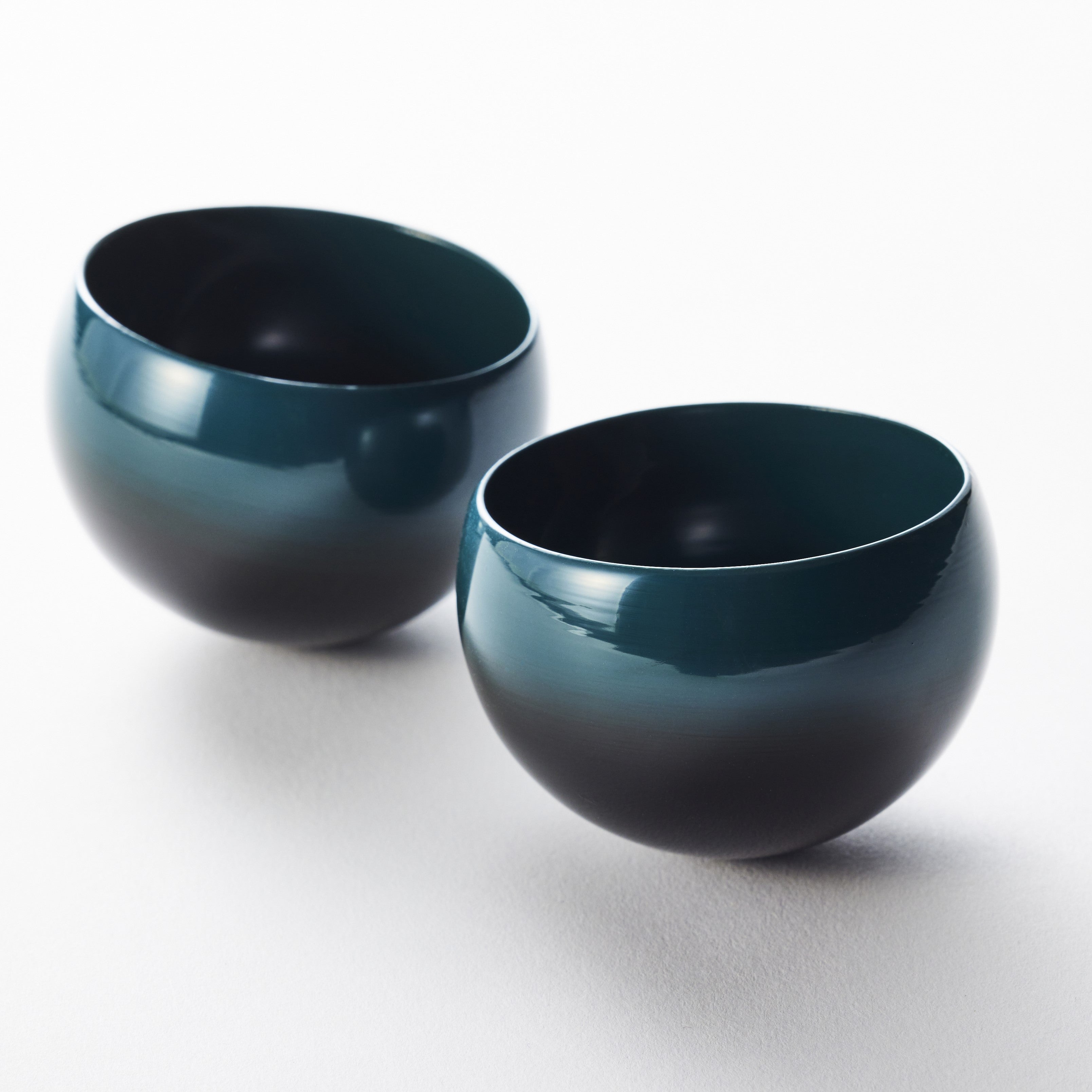
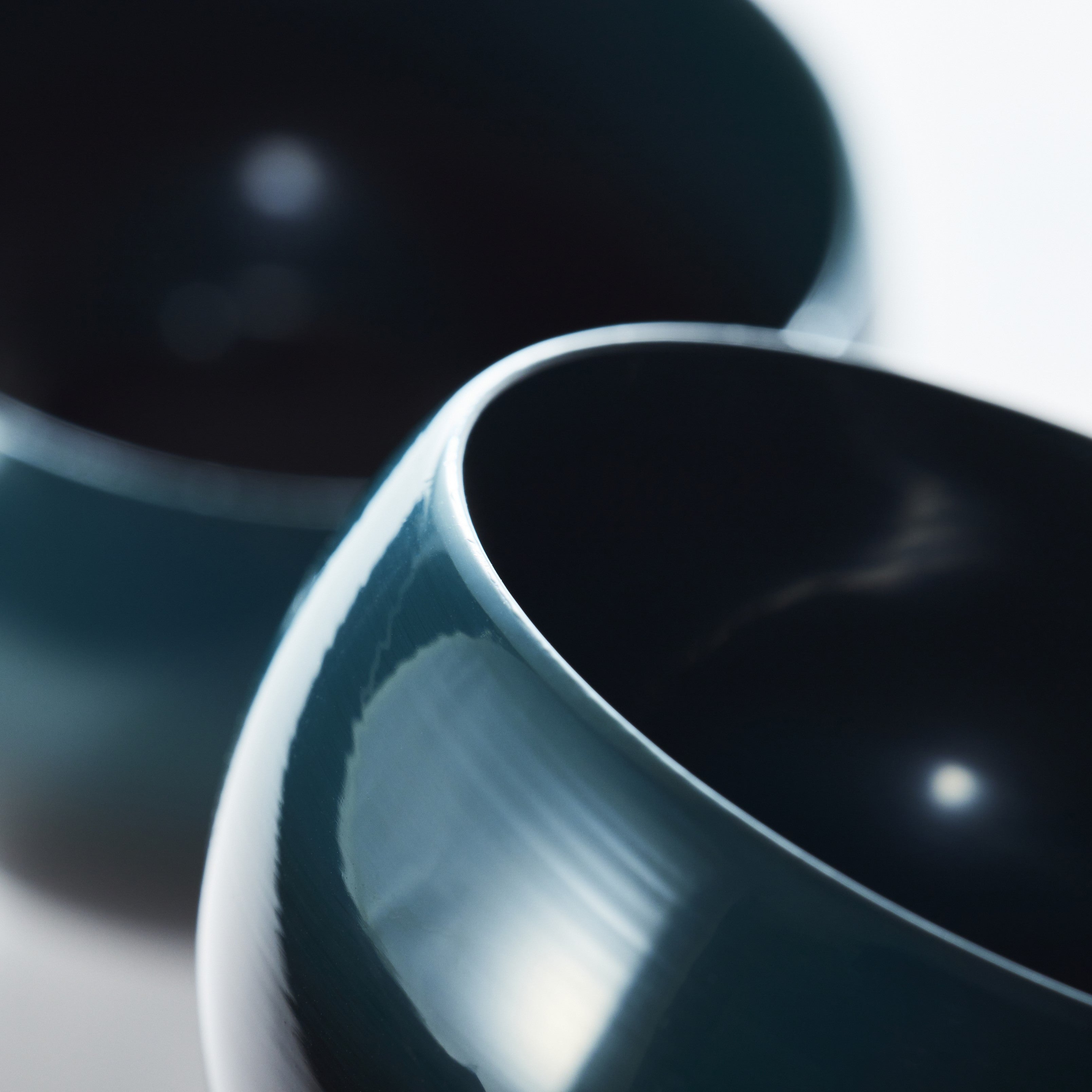
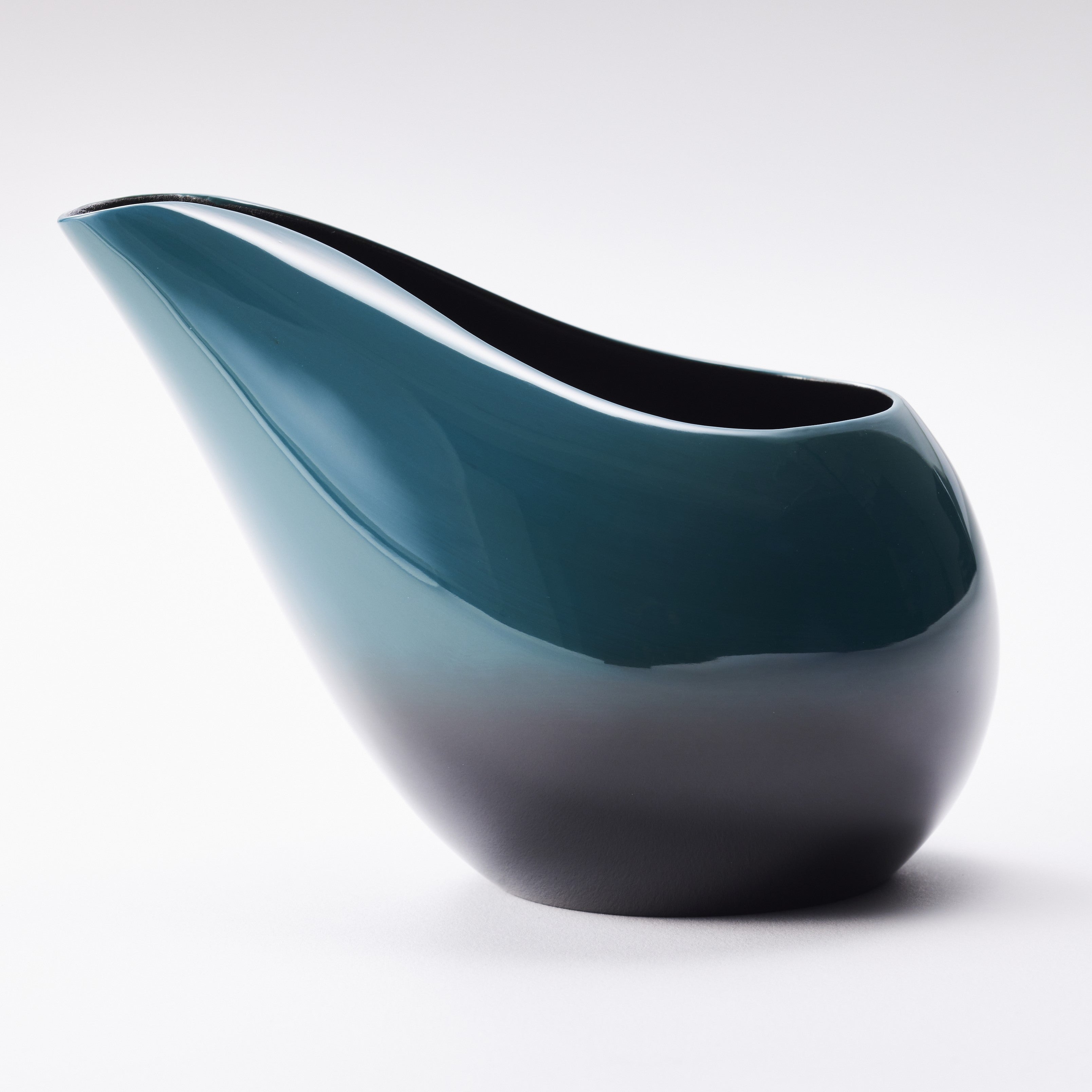
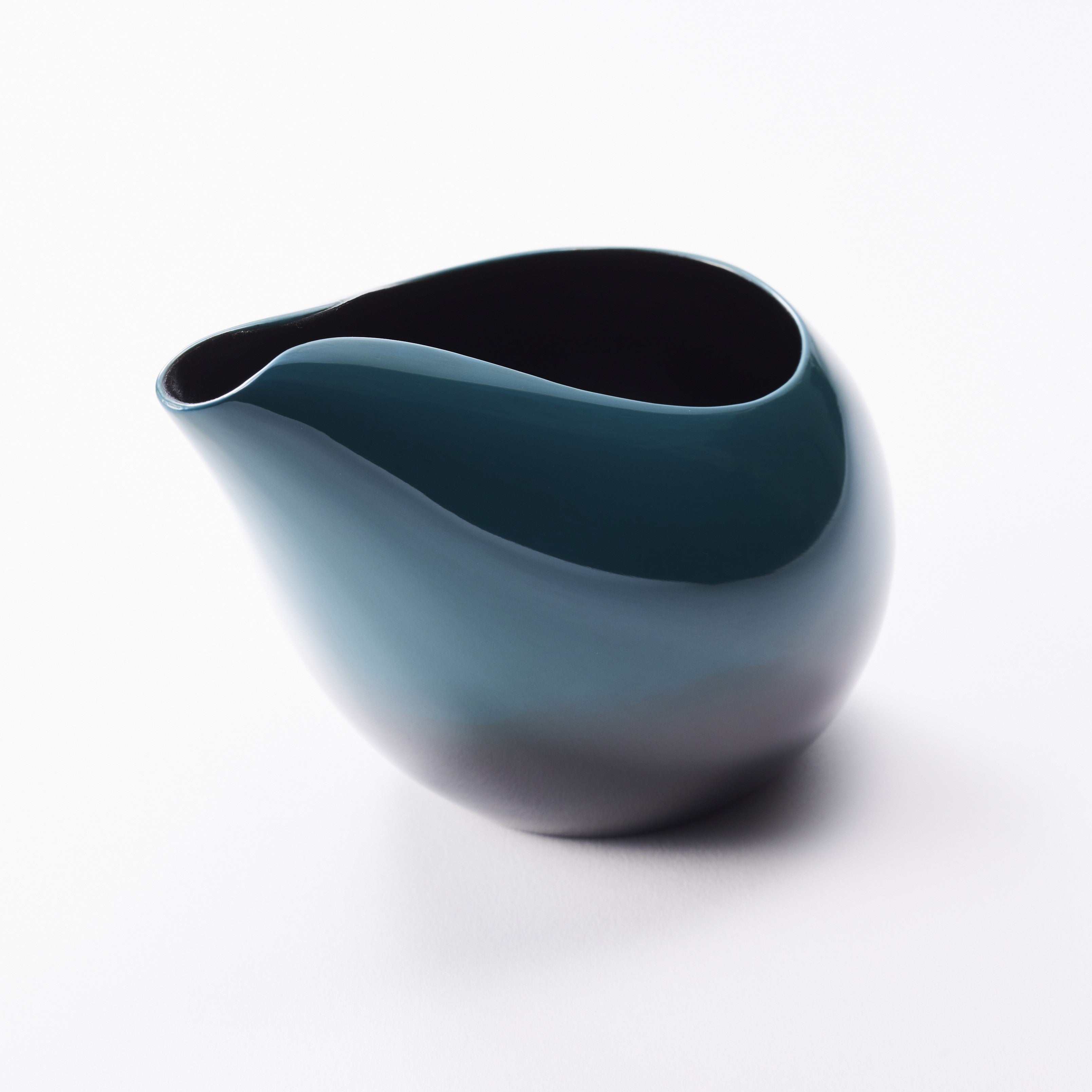
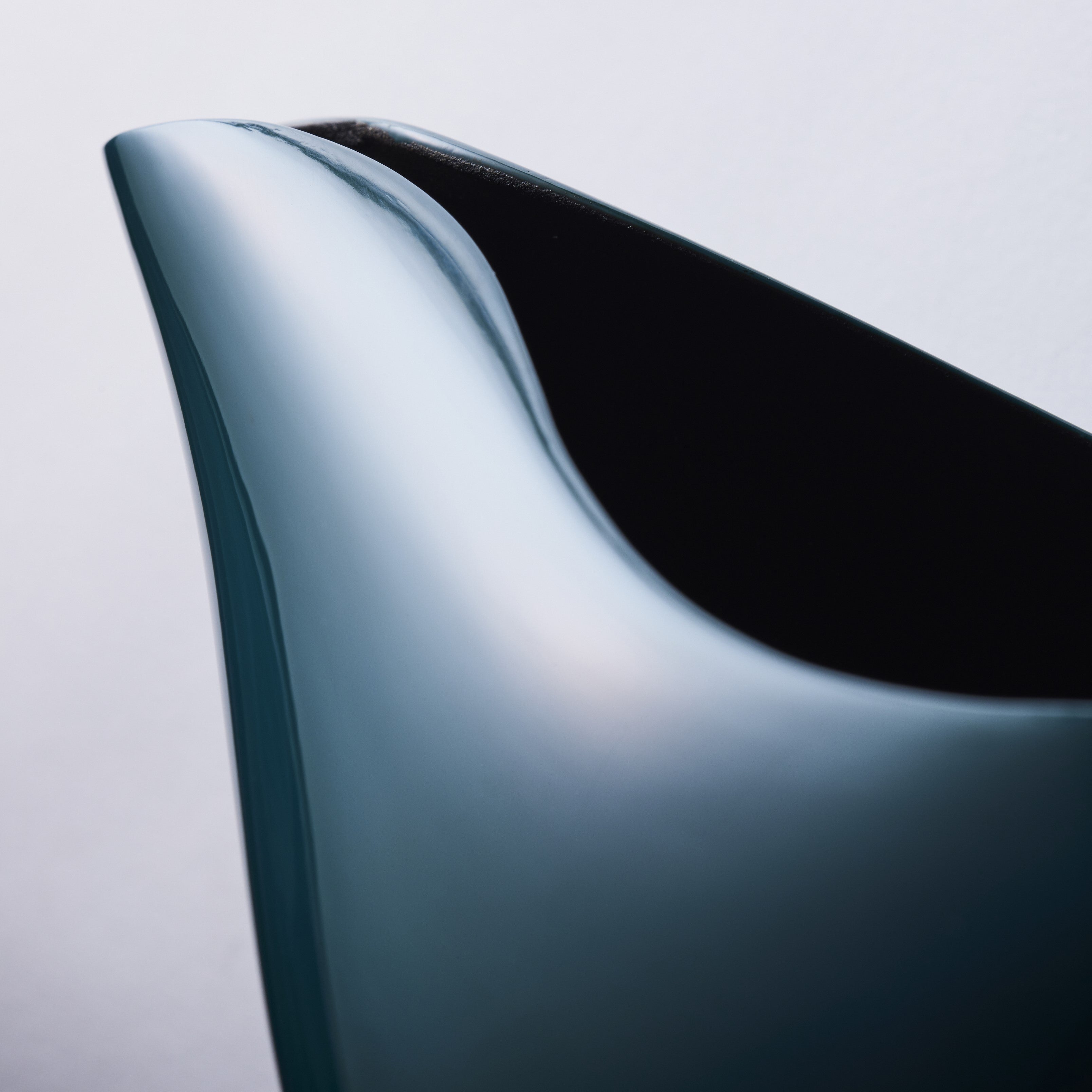
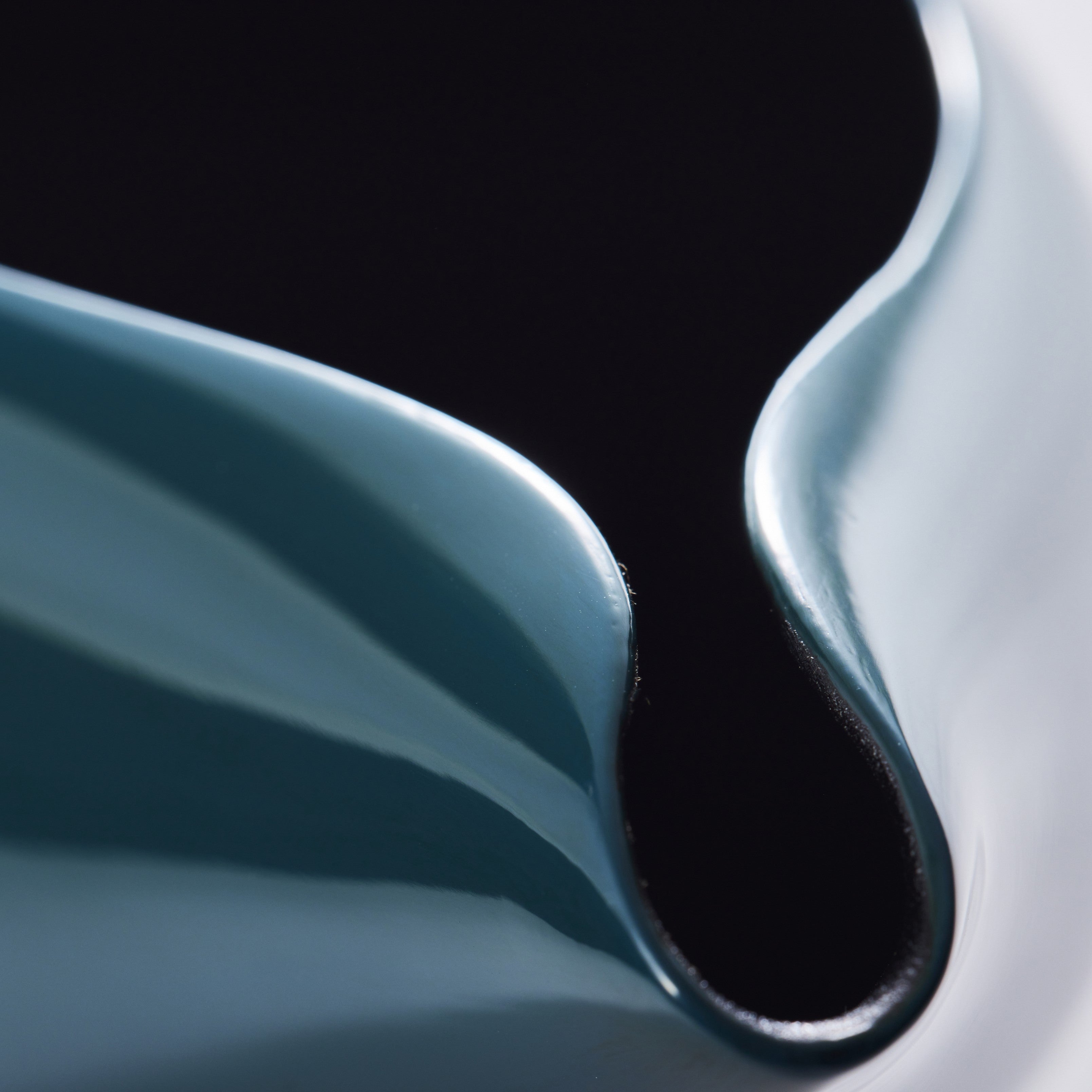
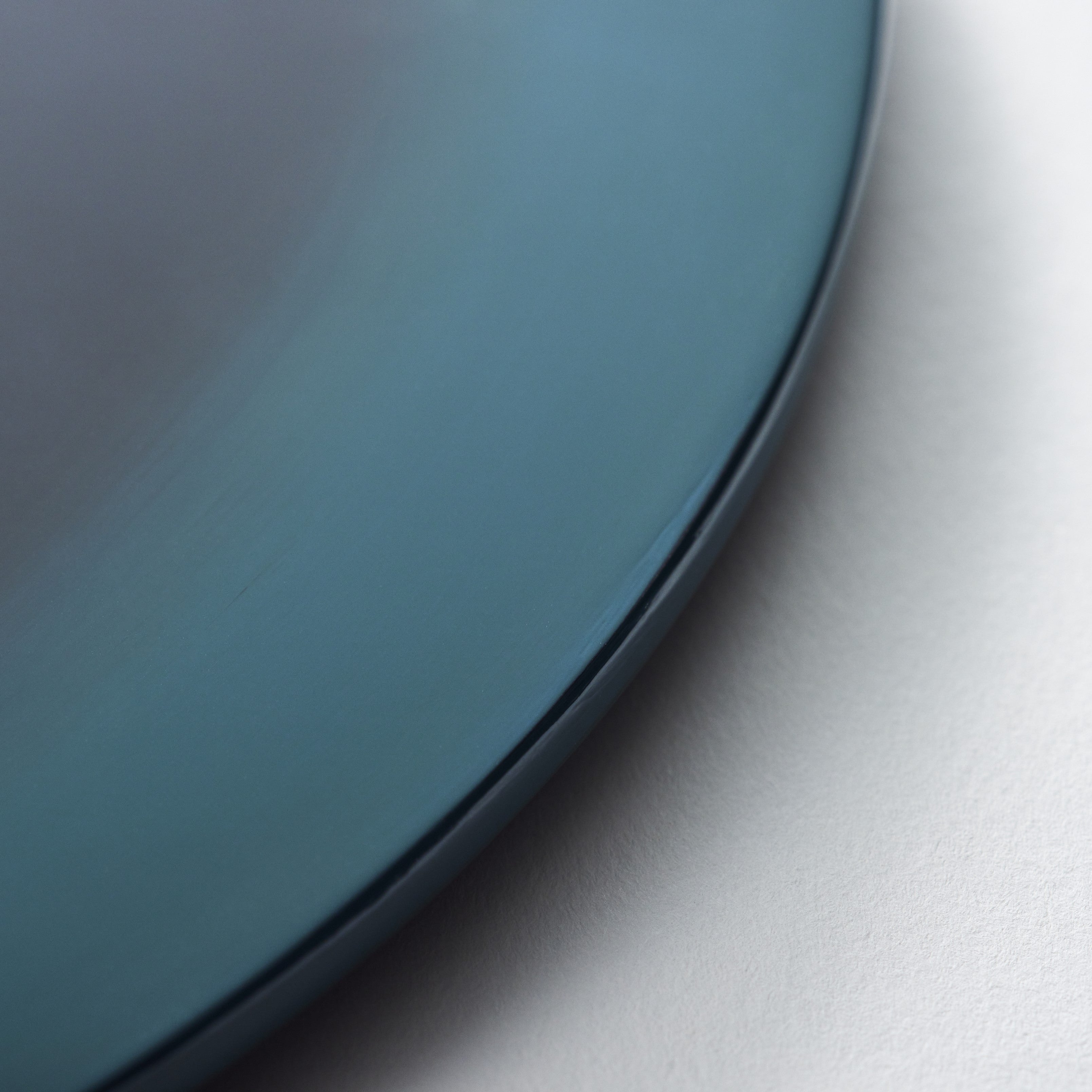
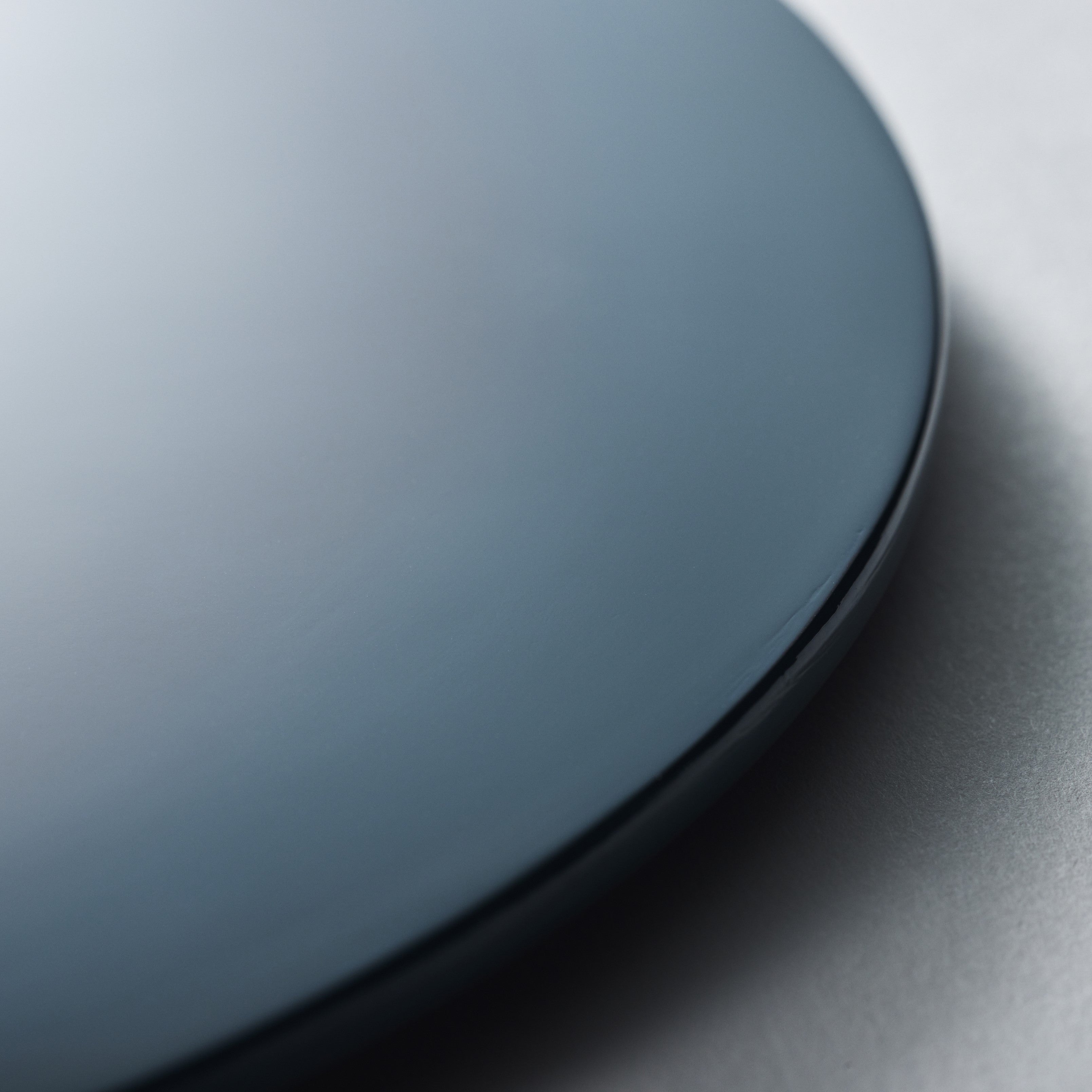
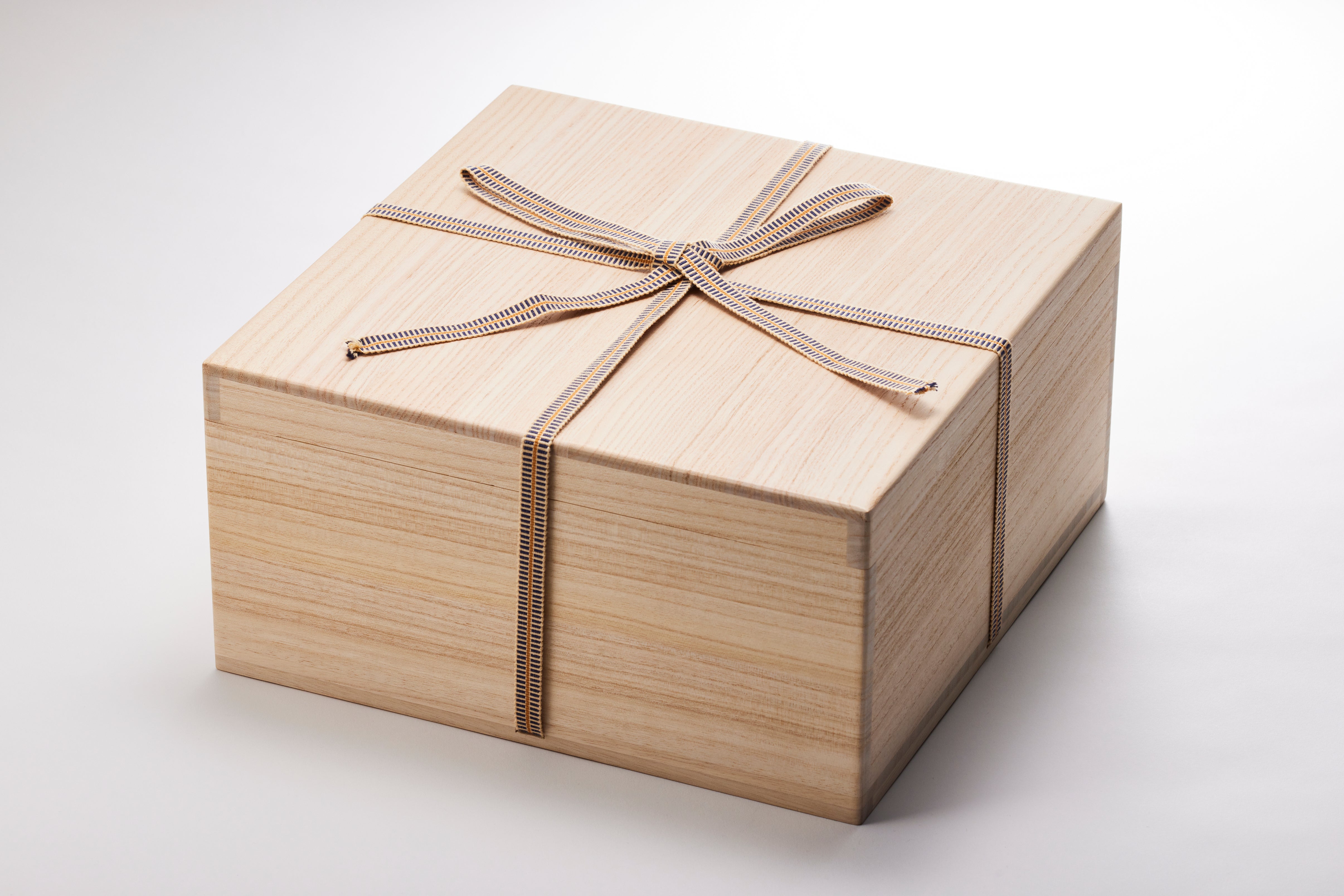
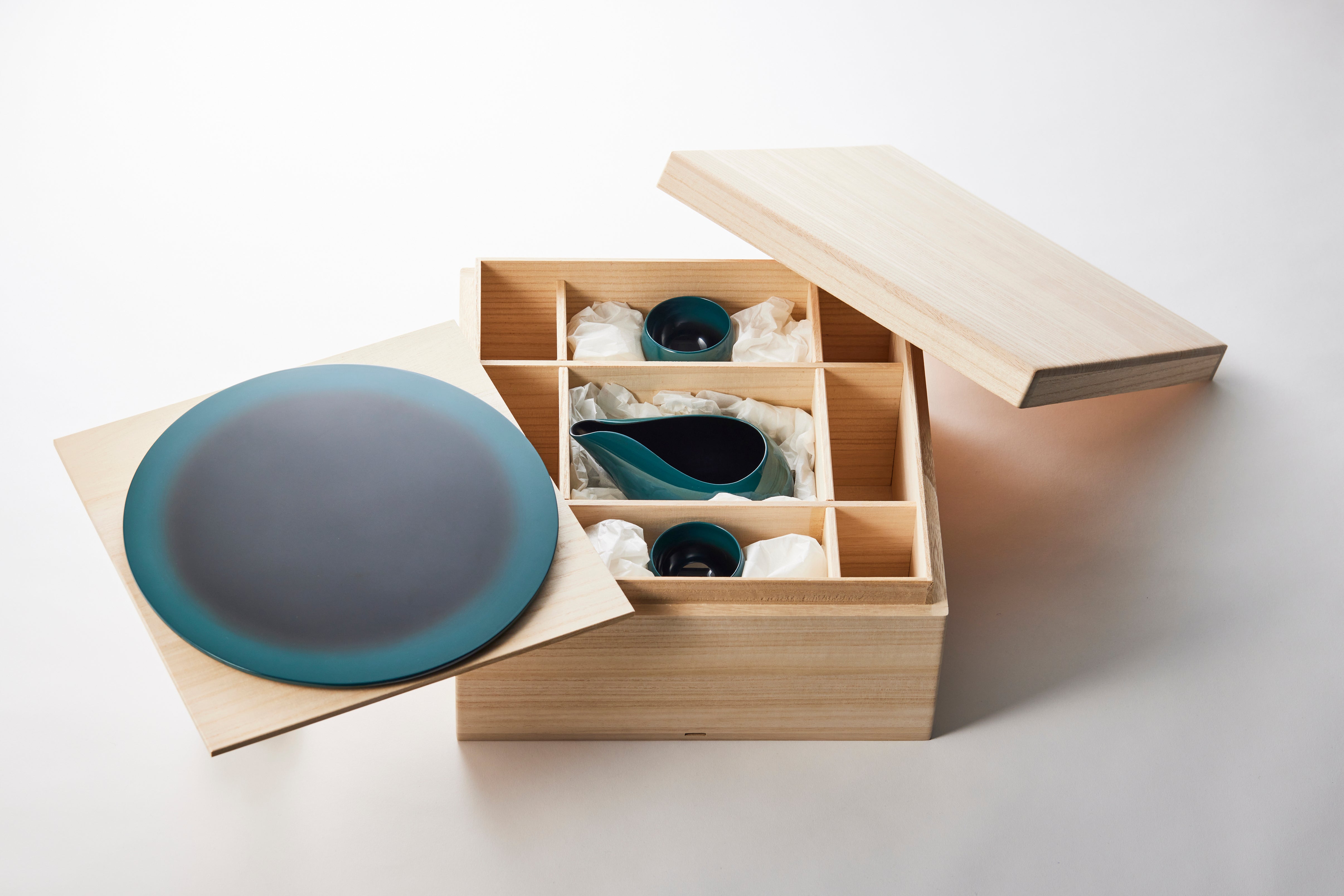
【Limited set of 5】Hiroshima Lacquerware Sake Set
Bevor Sie kaufen
Das Suigenkyo Online -Shop trägt handgefertigte Werke von Handwerkern aus ganz Japan.
Bitte beachten Sie, dass das Design usw. aufgrund der handgefertigten Art des Produkts geringfügig vom Foto abweist.
Bitte beachten Sie, dass es möglicherweise zu einer Verzögerung besteht, die Bestandsaufnahme einzigartiger Artikel widerzuspiegeln, da sie auch von den Handwerkern verkauft werden und möglicherweise nicht vorrätig sind. In solchen Fällen stornieren wir Ihre Bestellung.
Versand
- Bestellungen über 150 US -Dollar qualifizieren sich für den kostenlosen Versand.
- Bestellungen unter 150 USD ergeben eine Versandgebühr, die automatisch an der Kasse berechnet wird.
Zoll und Mehrwertsteuer
- Bitte beachten Sie, dass sich zum Zeitpunkt der Lieferung die Zollaufgaben und die Mehrwertsteuer bewerben können.
- Der Kunde ist für die Zahlung von Zollaufgaben und Mehrwertsteuer verantwortlich.
- Zollaufgaben und Mehrwertsteuer sind nicht erstattungsfähig.
※ Es wäre geschätzt, wenn Sie die Zollaufgaben im Voraus auf der Zollwebsite Ihres Landes überprüfen könnten.
Lieferservice
- Japan Post
- DHL
Lieferzeit
- Wenn der Artikel auf Lager ist, wird er innerhalb von ungefähr einer Woche versandt.
- Wenn der Artikel nicht vorrätig ist, variiert die Produktionszeit je nach Produkt. Bitte überprüfen Sie den Liefertermin im Abschnitt Material und Vorsicht der Produktbeschreibung.
Zuletzt aktualisiert: 9/3/2024
Product Description
Product Story
General Product Information
Unlike most lacquerware, which is created by applying layers of lacquer onto a wooden base (called kiji) made from trees such as horse chestnut, mizume, or zelkova, this sake set is crafted using the unique dry lacquer (kanshitsu) technique.
In this method, instead of wood, a mold made from plaster or styrofoam is used. Layers of cloth or Japanese paper are carefully applied with lacquer glue over a hardened lacquer undercoat, then the mold is removed to form the base. The shape can be built up by hand like pottery, allowing for natural, organic forms, or refined with tools like a potter’s wheel for a precise finish.
Because of this technique, dry lacquer lacquerware offers greater freedom of expression compared to traditional wood-based methods. While it requires much more time to complete, the result is a one-of-a-kind creation that radiates a strong sense of handcraft—truly a unique piece.
Product History
When did these crafts start to craft?:400 years ago / 1600AD / Edo period in Japan
Hiroshima has a long history of Buddhist propagation, beginning when disciples of Saint Shinran established temples such as Kōshōji and Shōrinbō. Under the protection of the Mōri clan, the number of followers grew, and the production of Buddhist altars flourished.
In 1619, Asano Nagaakira was transferred by order of the shogunate from Kii Province to Hiroshima. Skilled craftsmen accompanied him, bringing advanced techniques such as lacquerwork, which greatly enhanced the local production of Buddhist altars. Later, in 1716, a monk named Tontaka returned from Kyoto and Osaka with further refined skills in altar and ritual implement making, accelerating the craft’s development.
By the late Edo period, Hiroshima’s castle town had gathered specialized artisans—lacquerers who painted sword scabbards, and metal fittings craftsmen—whose skills were applied to Buddhist altar production.
During the Meiji era, the Seto Inland Sea’s shipping routes allowed large quantities of Hiroshima-made altars to be delivered to Kyoto and Osaka. Their exceptional quality was widely recognized, demand surged, and by the end of the Taishō era, Hiroshima had become the leading production center in Japan.
Although war and the atomic bombing drastically reduced both demand and the number of craftsmen, surviving artisans gradually revived the tradition. Thanks to their efforts, Hiroshima’s altar-making techniques have been faithfully preserved and passed on to the next generation, continuing into the present day.
Craftsman Story
Craftsman Profile
Naoya Takayama
Having studied the traditional art of Kyoto lacquerware, Naoya Takayama has refined his skills as a lacquer master while incorporating the roiro (polished black finish) technique to create highly distinctive works. He carries on the craftsmanship and spirit of the founder, Kiyoshi Takayama, and has received numerous awards for his artistry. His lacquerware, designed for everyday use, is crafted entirely from natural materials and expresses the refined texture unique to lacquer.

Craftsman Passion
The Vanishing Lacquerware: Rediscovering Its True Value
With the spread of plastic products, chemical paints, and changing lifestyles, lacquerware has lost many of its once-frequent roles. Yet the natural functionality it offers possesses qualities that man-made materials can never replicate. Born from living in harmony with nature, lacquerware has a long history and a proven record of being cherished by countless people. With proper repair, a single piece can be used for a lifetime and even passed down to the next generation.
Your Contribution to Craftsman
Customer Voice
Due to the market structure (link for full articles are attached bottom), craftsman have not known who the customer is and how customer reacts to their work. We made a “Message to Craftsman” box at purchase page. We will deliver all message to every craftsman. Our review will be also shared to craftsman so please leave your comment and evaluation on review section!
Income for Craftsman: Craftsman get only less than 10% of selling price?
As written above, craftsman have not controlled last phase of sales channel that resulting in selling price is set by third-party without craftsman’s recognition. There are some cases that only less than 10% of selling price is given to craftsman. We promise with our customer / craftsman that we offer the fair trade with craftsmen in our contract!
We made an article about above problem and our challenge. Please have a read from below link.
Current state of the Crafts Market / Benefits brought by Suigenkyo
Measurement
Tray :Width:30cm Height:0.8cm
Cup :Width:7.8cm Height:4.3cm
Sake pot :Width:10cm Depth :15 Height:10.5cm
Material & Caution
Materials
Dry lacquer
Lacquer
Caution
Individual Difference
Each piece is handmade, so there are individual differences even in the same series. We hope that you will understand the change by handmade.
Delivery Date
This product is limited to 5 sets. Sales will end once sold out.