

Momoyama Shoki / Kabuki
الوصف
التفاصيل
SIZE
MATERIAL
حِرَفِيّ
كوجي
تحذير
Momoyama Shoki / Kabuki
Precio de ofertaDhs. 5,395.00
Elige opciones
Momoyama Shoki / Kabuki
Precio de ofertaDhs. 5,395.00
País
Idioma
Cesta
La cesta está vacía
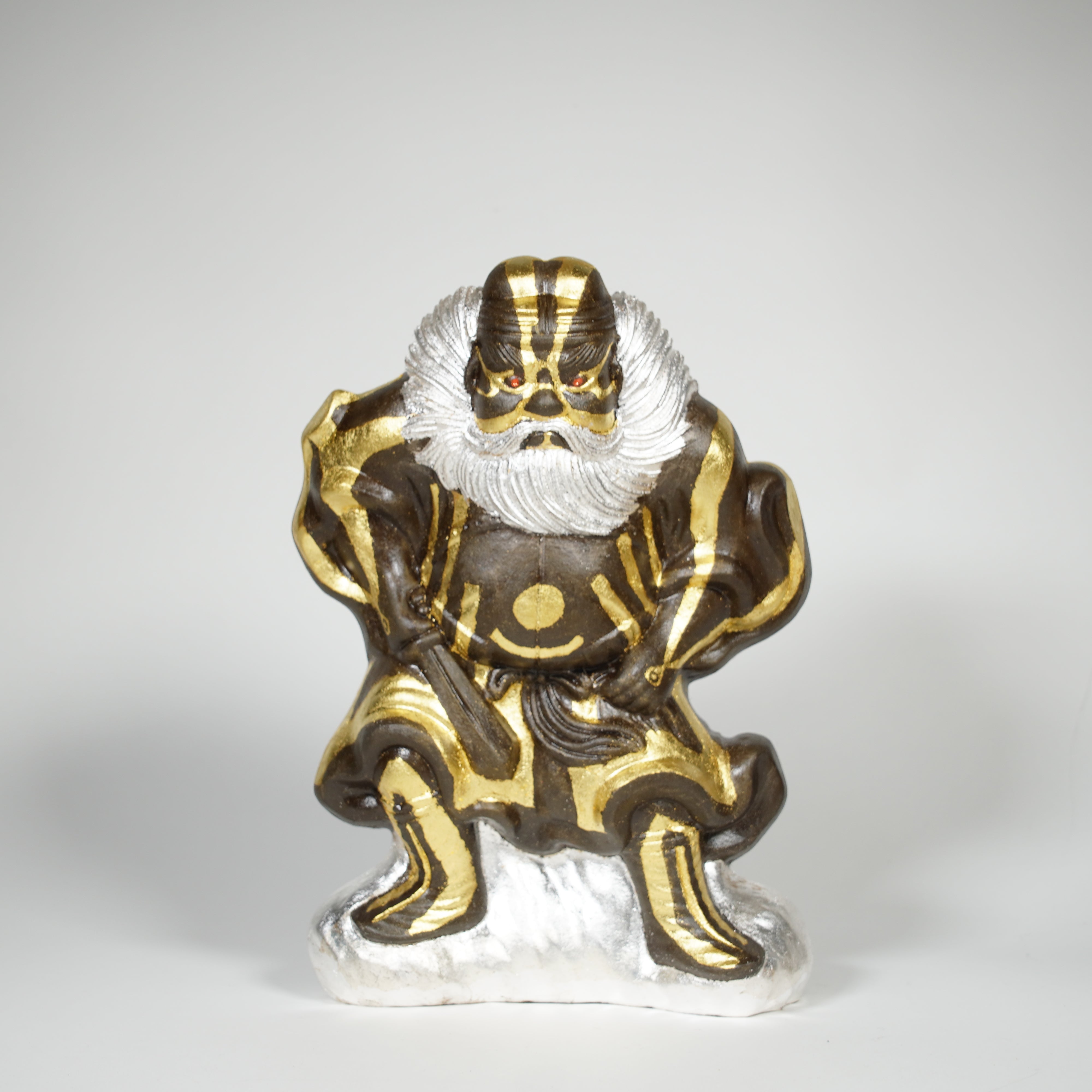
هذا منتج فريد من نوعه يجمع بين عناصر الإله الحارس شوكي وشخصيات الأنمي.
استلهم الفنان شو ساوانوي من شخصية الأنمي وطبق تقنية كيوتو التقليدية "الختم بالقصدير" على تمثال شوكي.
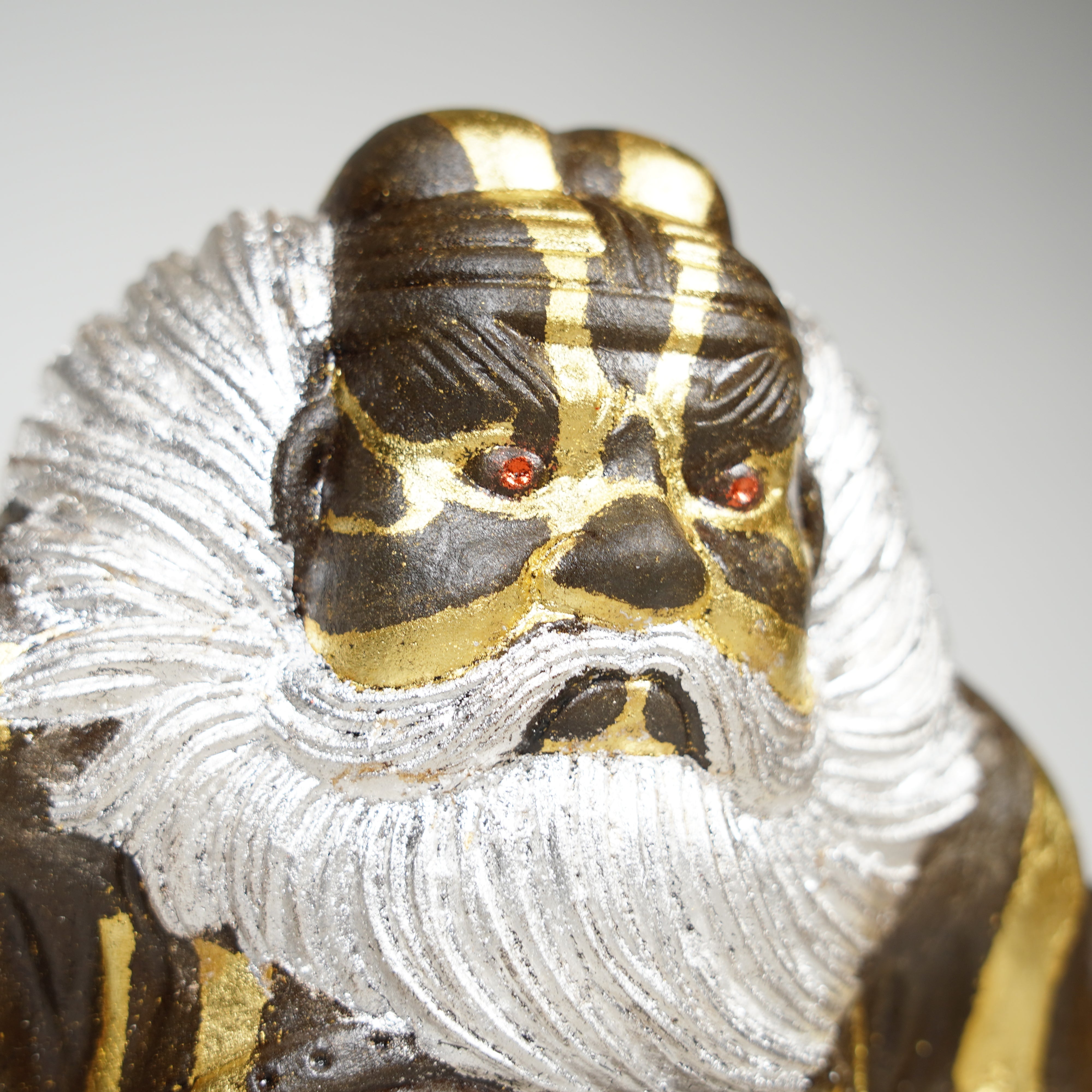
تم استخدام كمية كبيرة من رقائق الذهب والفضة لإعطاء التمثال مظهرًا رائعًا وجميلًا.
من هو شوكي؟
إله طاوستي من الصين ذو شوارب طويلة وعينين تبدوان وكأنهما تحدقان في شيء ما.
يُعتقد أن عرض شوكي فعال في درء الأمراض والشرور وتحقيق النجاح الأكاديمي.
نأمل أن تعرضه كإله حارس لمنزلك!
SIZE
العرض:20 سم
العمق:10 سم
الارتفاع:28 سم
الوزن:3,000 غ
MATERIAL
تربة
رقائق الذهب
رقائق الفضة
HAKUTONBO
"Tradition x Subculture"
I thought that even if I became a person who produces in the conventional way, I would not be able to catch up with my predecessors. So, I came up with the idea of using traditional industry techniques to produce products in a field where no one else has tried.
I have been working in an anime store for many years, and I use my knowledge of the field I love and my traditional handiwork I learned from master to create products every day.
I would like to work so that the technique of foil stamping can reach more people in general.
ARTISAN STORY
Hakutonbo / Sho Sawanoi
Sho Sawanoi is the third generation of Hakutonbo, which has been continuing the tradition of foil stamping in Kyoto for more than 80 years. After working at an anime store for two years after graduating from university, he became an apprentice at Hakutonbo in 2013 as its successor.
He started to combine his previous hobby of subculture and foil stamping, and has been recognized for the high quality of his work.
ACHIEVEMENTS
・Shin Godzilla with foil stamping
KYO BUTSUDAN / KYOTO BUDDHIST ALTARS
About 1,000 years ago / 1000s / Heian Period (794–1185)
Kyoto Buddhist altars developed after the Heian period as temple building concentrated sculptors, woodworkers, lacquerers, gilders and decorative metal specialists in the capital. During the Edo period, the growth of major Buddhist sects and household worship increased demand, turning Kyoto into a center for highly sophisticated altars and ritual fittings.
In Japan, a household altar is a place to address ancestors and remember the dead. Large traditional altars have become less common in compact urban homes, but smaller prayer spaces and furniture-like designs continue to adapt the practice to modern life.
A Kyoto altar is rarely the work of one craftsperson. Wood construction, carving, lacquer, gold leaf, maki-e, metal fittings and final assembly can be divided among numerous specialists. In a single cabinet, many of Kyoto’s most important craft traditions are brought together—almost like a miniature temple.
الاختلافات الفردية
نظرًا لأن كل قطعة تُصنع يدويًا بشكل مستقل، فقد تطرأ اختلافات طفيفة في اللون والنمط والشكل والملمس. وتُعد هذه الاختلافات الدقيقة من الخصائص الطبيعية للأعمال اليدوية، ما يجعل كل قطعة فريدة من نوعها حقًا. نأمل أن تستمتعوا بهذه الاختلافات الفردية كجزء من جمال الحرفية اليابانية وطابعها المميز.
مدة الإنتاج
إذا لم يكن المنتج متوفرًا في المخزون حاليًا، فقد يقوم الحرفي بتصنيعه حسب الطلب. ونظرًا إلى أن كل قطعة تُصنع يدويًا بعناية، فقد يستغرق الإنتاج عدة أشهر، وذلك حسب المنتج وجدول الحرفي. نقدر صبركم وتفهمكم.
Elige opciones