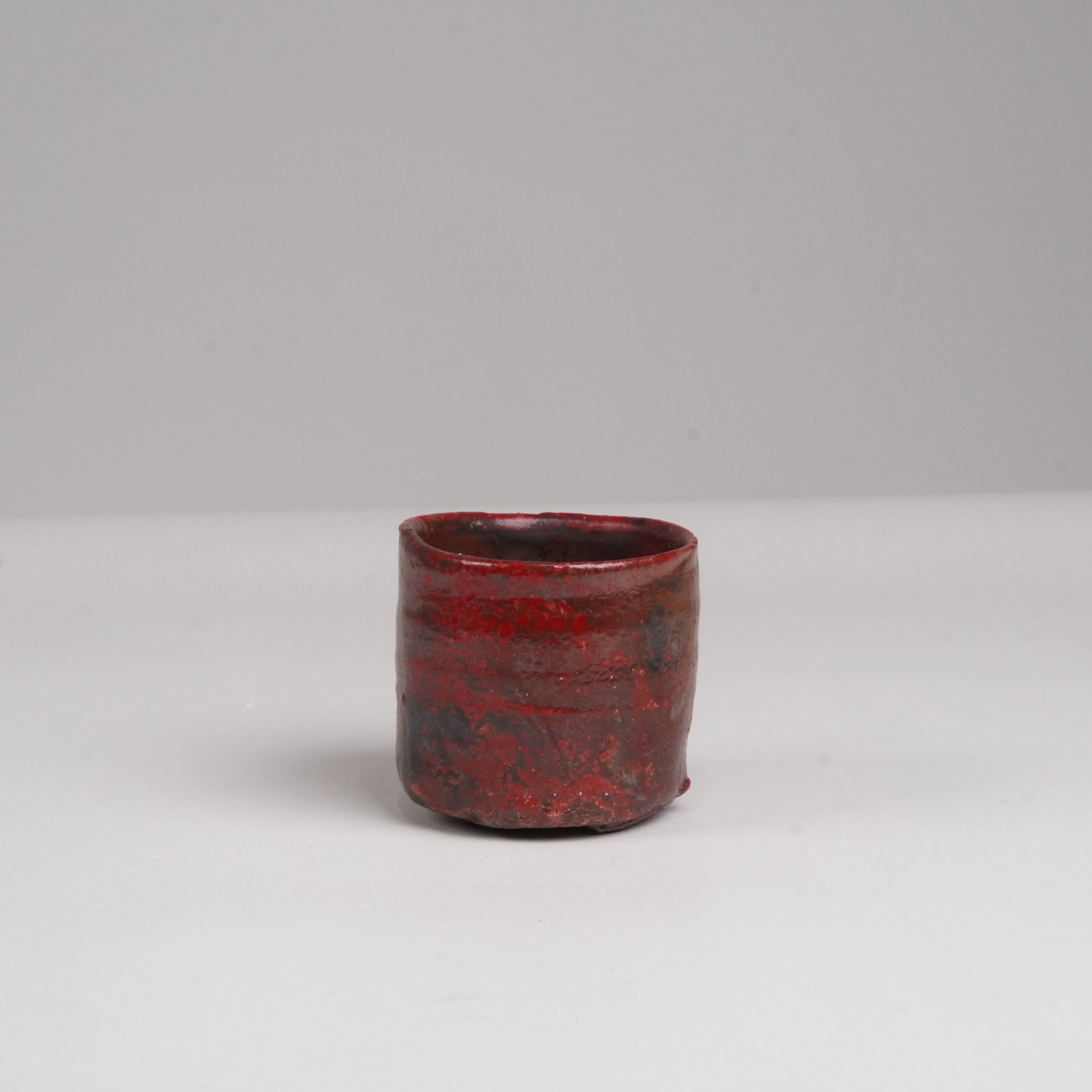
Tea Cup / Tanba Ware / Aka-Tanba Red Glaze
DESCRIPTION
DETAILS
SIZE
MATERIAL
ARTISAN
KOGEI
Caution
Elige opciones


Tea Cup / Tanba Ware / Aka-Tanba Red Glaze
Precio de ofertaCHF 83.00
País
Idioma
Cesta
La cesta está vacía


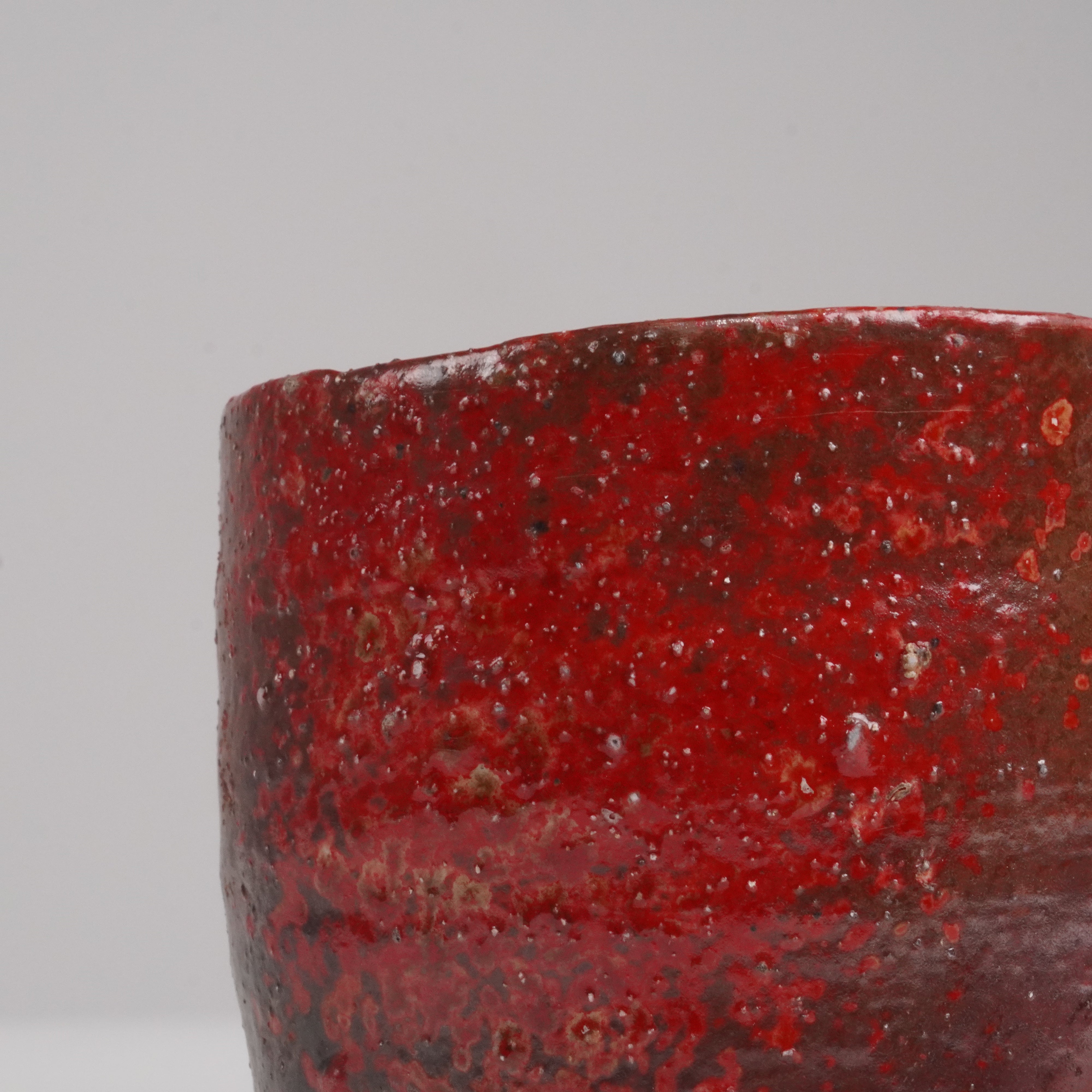
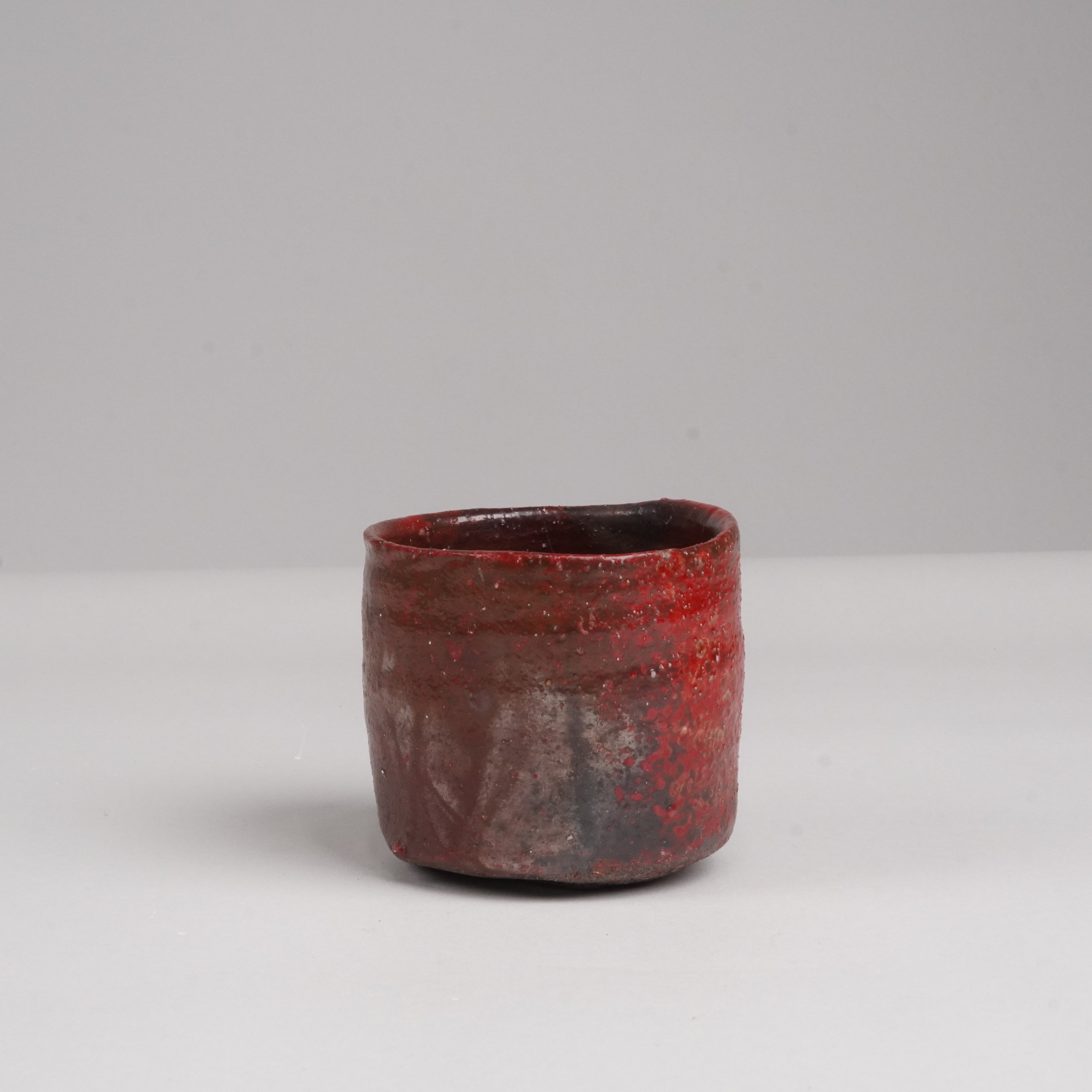
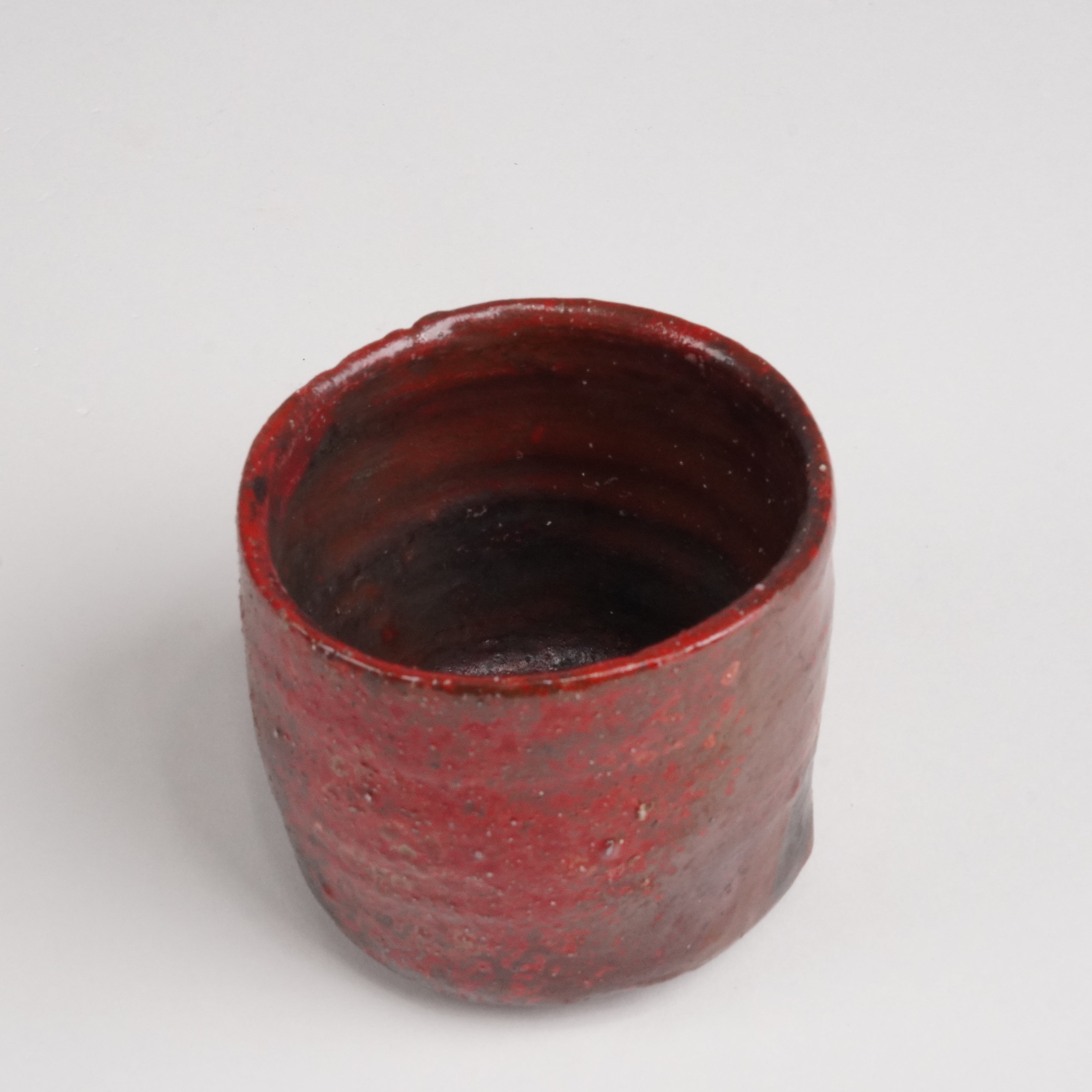
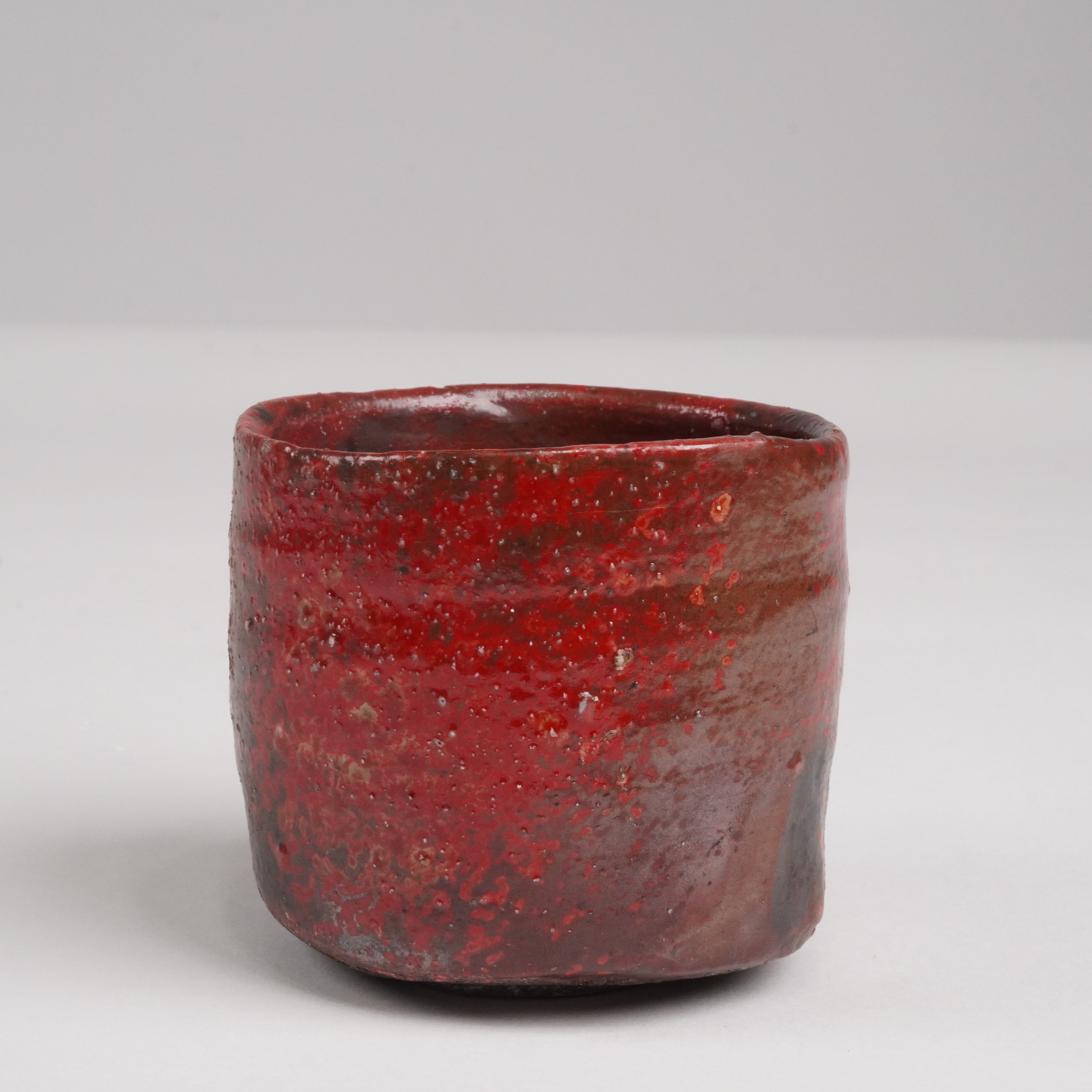
This cup showcases the hallmark of Tanba Ware—its unique patterns and colors created by hai-kaburi (natural ash glaze).
Fired in a climbing kiln for about 60 hours at temperatures reaching 1,300°C, the pine wood fuel turns to ash, which gently falls onto the surface. This ash fuses with the clay minerals and glaze, sparking chemical reactions that form distinctive natural patterns.
No two pieces are ever the same. Each cup embodies the harmony of nature and craftsmanship, transforming everyday tea moments into something truly special.
SIZE
Width:9cm
Depth : 9cm
Height:8cm
Weight:234g
MATERIAL
Ceramics
TANBUNGAMA
Bringing out the full strength of Tamba clay.
In the unique works created with clay and pigments, the spirit of Tamba’s nature and history is alive. Dynamic forms brought to life with vibrant modern reds, the rustic beauty of clay left in its natural state, and pieces that reveal different worlds on the front and back—all embody the challenge of artisans who honor the timeless tradition of Tamba ware while breathing new life into it.
ARTISAN STORY
Tanbungama
Tanbungama is a kiln that has been passed down through generations. Today, there are more than 60 Tamba ware kilns, but when the first generation began, there were only about 20 to 30, making Tanbungama one of the historic kilns in the Tachikui area. In its early days, the kiln mainly produced sake barrels, which were supplied to breweries in Nada. Nowadays, we focus on creating Japanese tableware and folk crafts that can be widely enjoyed in everyday life. Many of our works are fired in a traditional climbing kiln, which we use four to five times a year.
TAMBA TACHIKUI WARE
About 850 years ago / 1100s / Heian–Kamakura Period
Tamba Tachikui ware began around the end of the Heian or start of the Kamakura period and is one of Japan’s Six Ancient Kilns. Early jars and mortars were fired in anagama kilns; the introduction of climbing kilns in the Edo period increased production and expanded the range of glazes. Kilns remain concentrated around Tachikui in Hyogo.
In Japan, Tamba is loved as unpretentious pottery that lets clay and flame remain visible. Tableware, sake vessels and flower containers dominate, while younger potters continue to introduce contemporary forms and new glaze combinations.
A traditional climbing kiln stretches uphill through a sequence of connected chambers. Heat and flame move from one chamber to the next, so ash deposits and temperature vary dramatically by position. Even pieces with the same glaze can emerge completely different—the fire becomes the final painter.
Individual Differences
As each piece is individually handcrafted, slight variations in color, pattern, shape, and texture may occur. These subtle differences are a natural characteristic of handcrafted works, making each piece truly unique. We hope you will enjoy these individual variations as part of the beauty and character of Japanese craftsmanship.
Production Time
If an item is not currently in stock, it may be made to order by the artisan. As each piece is carefully handcrafted, production may take several months depending on the item and the artisan's schedule. We appreciate your patience and understanding.

Elige opciones