【Mizuhiki】The Traditional Japanese Art of Decorative Knots and Its Modern Evolution

Introduction of Mizuhiki
Mizuhiki is a centuries-old Japanese decorative art that transforms simple paper cords into powerful symbols of connection, respect, and celebration. Originating from Japan’s rich culture of gift-giving, mizuhiki is more than a craft—it is a communication of sentiment. For hundreds of years, paper cords tied around envelopes, gifts, and ceremonial items conveyed messages of good fortune, prosperity, or heartfelt condolences. By the Taisho era (early 20th century), a craftsman named Sōkichi Tsuda revolutionized the practice, introducing sculptural knots such as cranes, turtles, and auspicious motifs like pine, bamboo, and plum. Through his innovation, mizuhiki evolved from functional wrapping into an art form, and eventually became the foundation for Kaga Mizuhiki, now recognized as a traditional craft.
What makes mizuhiki truly unique is its combination of material and technique. The cords are made from tightly twisted rice paper, which is then starched and sometimes coated with thin strands of foil to achieve resilience and shine. Each cord can be bent and shaped into intricate three-dimensional forms, ranging from solemn ceremonial knots to artistic decorations. The “Awaji knot,” for example, is known for symbolizing human bonds and is often used in weddings. In contrast, elaborate designs like cranes or turtles express wishes for longevity and happiness. This blend of delicate material and symbolic knotting transforms mizuhiki into more than ornamentation; it embodies a cultural philosophy of tying together people, emotions, and occasions.
Geographical Feature
City & Prefecture: Kanazawa City, Ishikawa Prefecture
Population: Approximately 450,000
Special Products: Kanazawa gold leaf, Kaga Yuzen silk dyeing, Kutani ware porcelain, Kaga cuisine

History of Mizuhiki
Origins of Symbolic Ties
Mizuhiki traces its roots back over 1,000 years, when colored cords were used to tie offerings presented to the imperial court. These cords were not only decorative but also carried spiritual significance, symbolizing the bond between giver and recipient. Over centuries, the practice of tying with paper cords became a distinct cultural expression of gratitude, respect, and celebration in Japan’s gift-giving customs.

The Taisho Era Revolution
In the early 20th century, Sōkichi Tsuda of Kanazawa reimagined mizuhiki. Inspired by three-dimensional folding methods of washi paper, he devised innovative knotting techniques that gave rise to elaborate motifs like cranes, turtles, and the pine-bamboo-plum trio. Tsuda’s designs spread across Japan, turning mizuhiki into both an art form and a business. His dedication earned him the nickname “Tōkabō” (literally “Ten-Day Monk”), as he was often away from home spreading the craft across the country.

From Tradition to Recognition
Over the years, mizuhiki’s significance expanded beyond its ceremonial role. In Kanazawa, it became codified as Kaga Mizuhiki, earning recognition as a traditional craft. The Tsuda family studio has passed the art down through five generations, adapting its expressions for modern life while preserving its essence. Today, mizuhiki continues to symbolize human connection, while artisans innovate with accessories, artworks, and installations admired worldwide.

Features of Mizuhiki
The Symbolism of Knots
At the heart of mizuhiki lies the symbolism embedded within its knots. The “Awaji knot,” one of the most iconic, is crafted so it cannot be easily untied—representing strong, enduring relationships. Designs featuring cranes and turtles symbolize longevity, while pine, bamboo, and plum knots carry wishes for resilience and prosperity. Each knot is chosen carefully depending on the occasion, from joyous weddings to solemn memorials. This emphasis on meaning elevates mizuhiki beyond mere decoration; every twist and tie communicates heartfelt intention. The artistry of mizuhiki lies not only in its beauty but also in its power to silently convey wishes that words alone cannot capture.

The Beauty of Paper Transformed
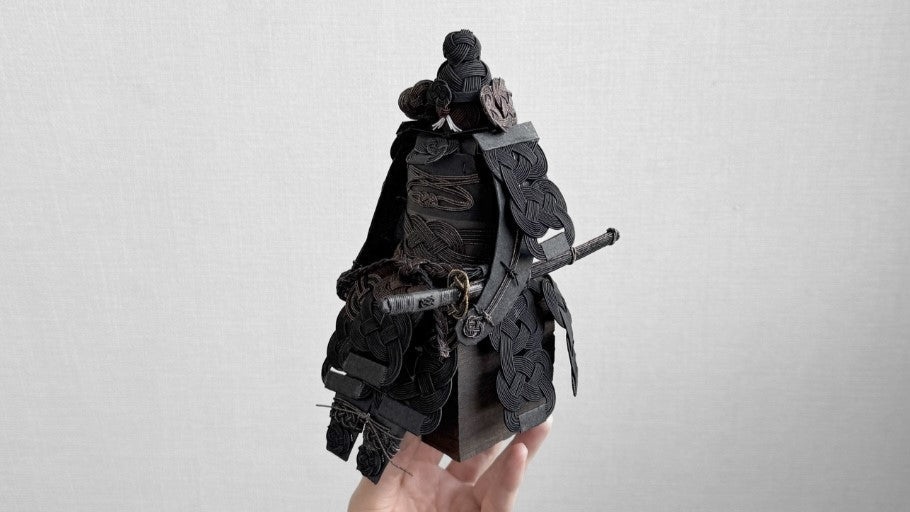
Mizuhiki cords are made from a humble material—rice paper—but their transformation is astonishing. The paper is twisted, starched, and sometimes adorned with metallic foils, producing cords that are both delicate and durable. These cords are pliable enough to create intricate three-dimensional sculptures yet strong enough to hold their form. Artisans skillfully bend and interlace them into complex patterns, achieving harmony between simplicity and elegance. The shimmering finishes of gold and silver cords add refinement, while colored cords express joy or solemnity depending on the shade. This metamorphosis of paper into lasting art highlights Japan’s ingenuity in elevating the everyday into something meaningful and enduring.

Modern Applications
Today, mizuhiki thrives as both tradition and trend. Beyond envelopes and ceremonial gifts, artisans now create jewelry, interior décor, and contemporary art installations that highlight its versatility. In Kanazawa and beyond, workshops invite visitors to experience knot-making firsthand, bridging heritage with global appreciation. By adapting to modern tastes while preserving its cultural essence, mizuhiki continues to connect people across generations and cultures, embodying timeless beauty in a modern world.