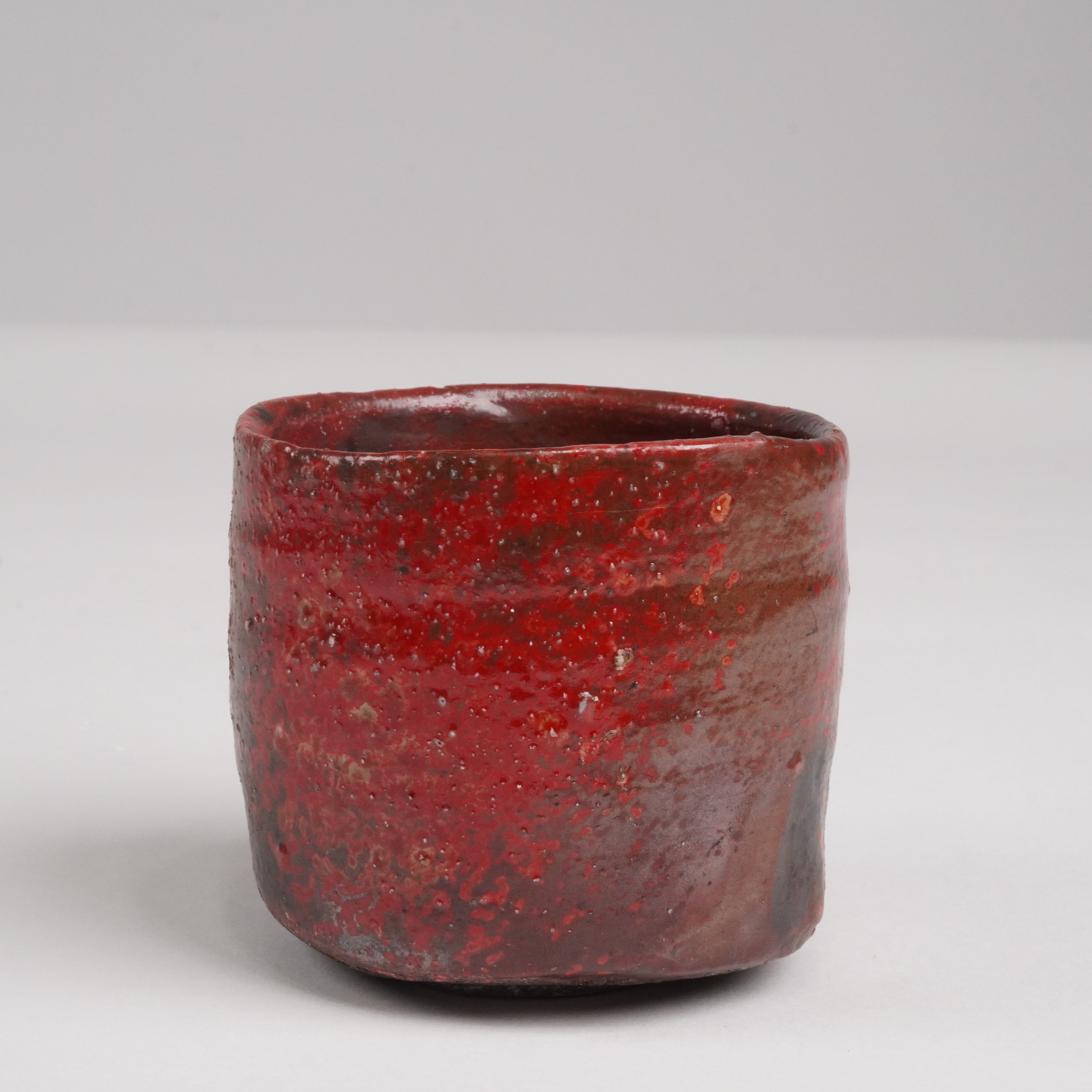
Tasse en céramique Tanba
Description du produit
Histoire du produit
Informations générales sur le produit
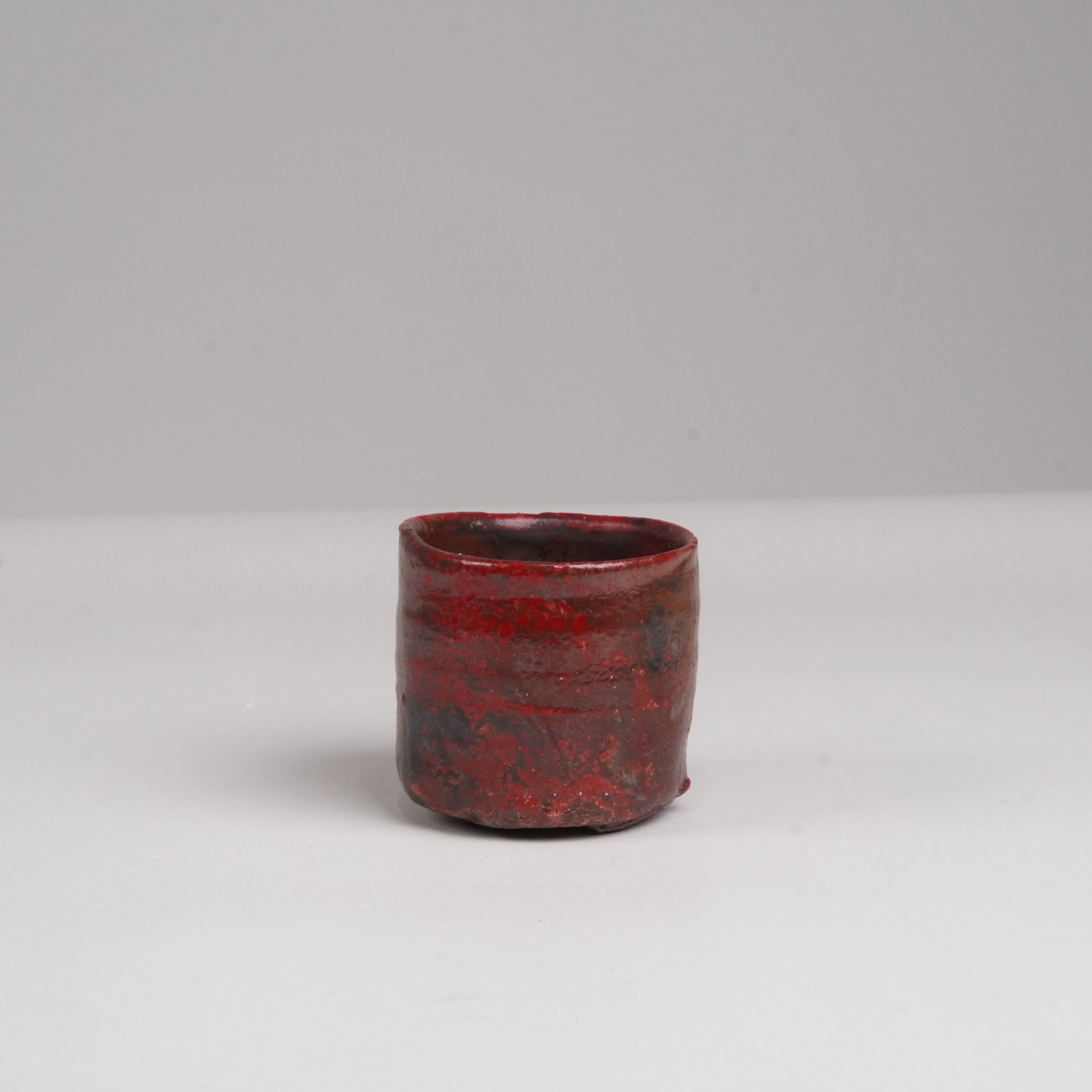
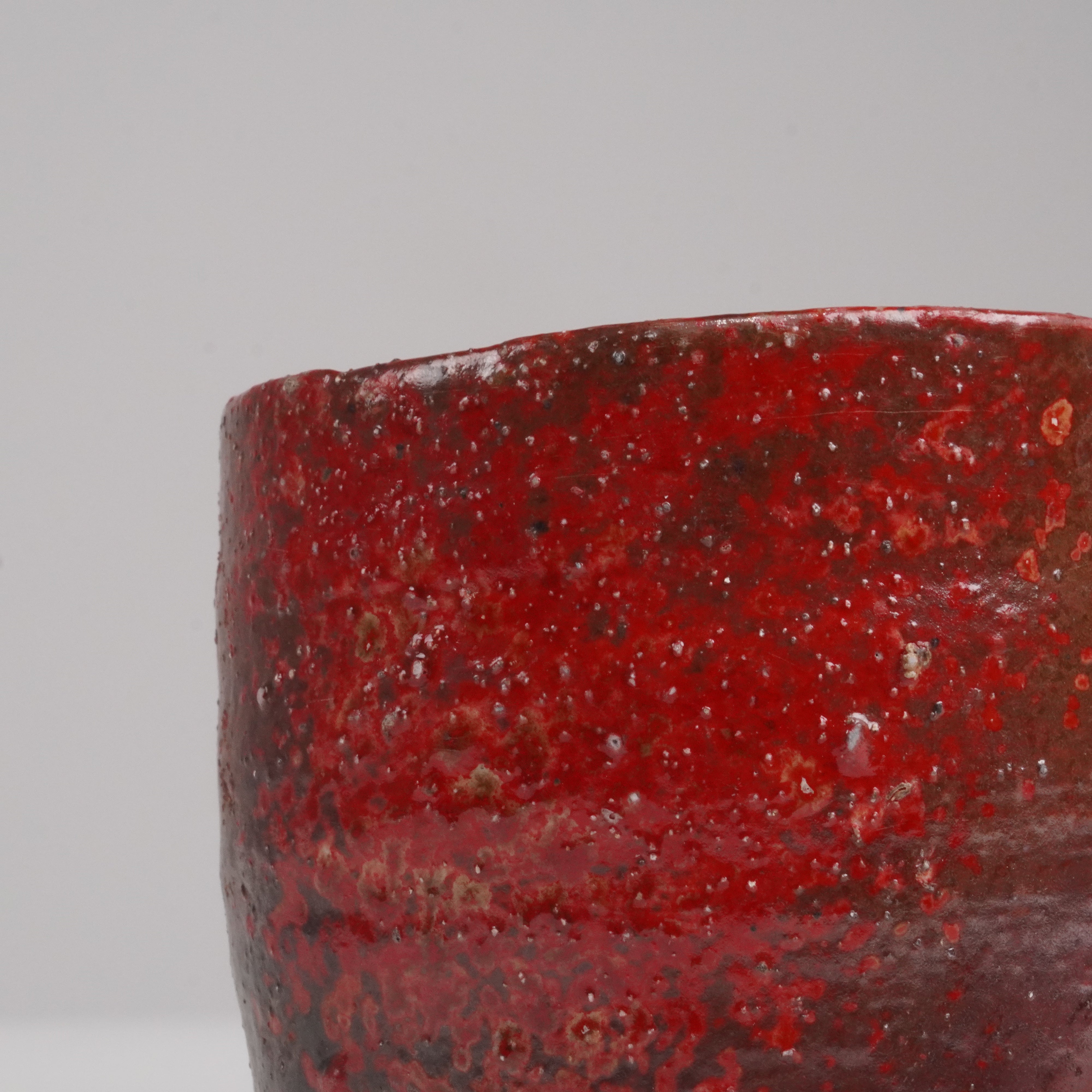
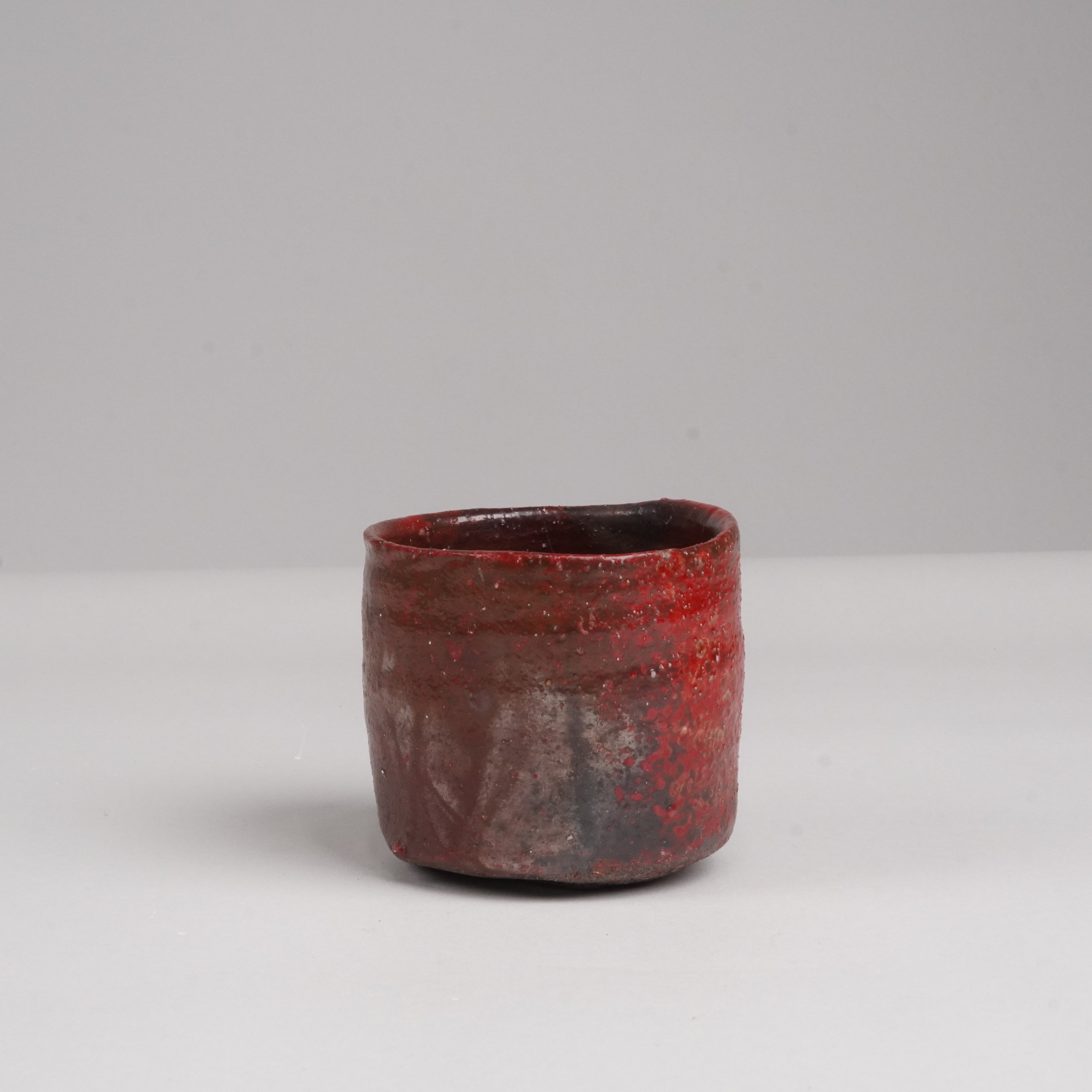
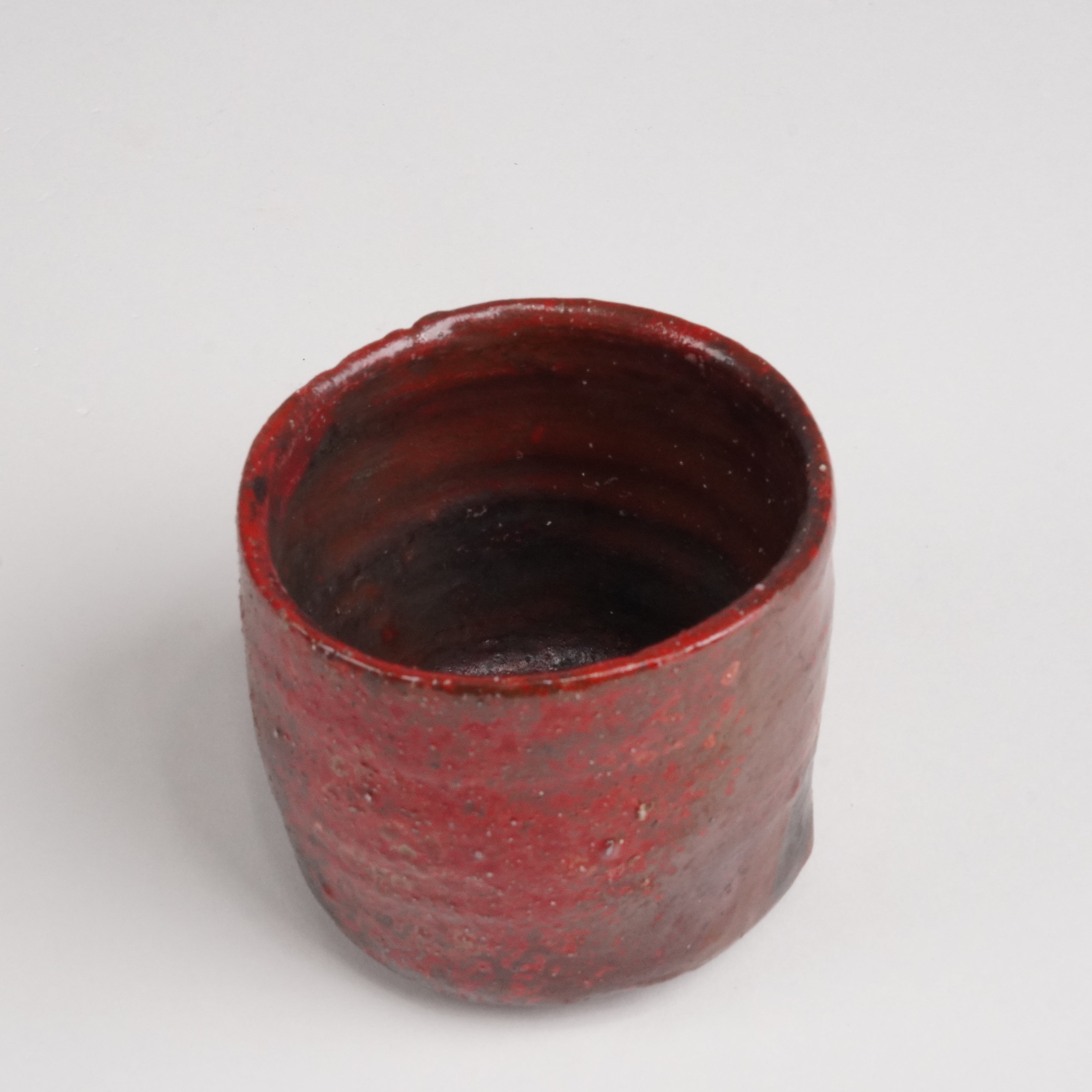
Cette tasse met en valeur la caractéristique de la céramique Tanba : ses motifs et couleurs uniques créés par le hai-kaburi (glaçure aux cendres naturelles).
Cuite pendant environ 60 heures dans un four à combustion verticale à des températures atteignant 1 300 °C, la pièce est transformée en cendres de pin qui se déposent délicatement à la surface. Ces cendres fusionnent avec les minéraux argileux et l’émail, déclenchant des réactions chimiques qui forment des motifs naturels uniques.
Chaque pièce est unique. Chaque tasse incarne l'harmonie entre la nature et le savoir-faire artisanal, transformant les pauses thé quotidiennes en un moment vraiment exceptionnel.
Historique du produit
Quand ces artisanats ont-ils commencé ? : Il y a 1200 ans / 800 après J.-C. / Période Heian au Japon
La céramique Tanba compte parmi les six fours anciens du Japon, aux côtés de Seto, Tokoname, Shigaraki, Bizen et Echizen. Ses origines remonteraient à la fin de l'époque Heian et au début de l'époque Kamakura. Jusqu'à l'époque Momoyama, on utilisait des anagama (fours tunnels à chambre unique), mais vers 1611 (Keichō 16), le noborigama (four vertical semi-enterré de style coréen) fit son apparition. À la même époque, le keri-rokuro (roue à pédale tournant dans le sens antihoraire, unique exemplaire conservé à Tachikui) fut également adopté, et ces techniques traditionnelles se transmettent encore aujourd'hui.
À ses débuts, la production principale était constituée de jarres, de pots et de mortiers. Cependant, sous l'égide de maîtres de thé tels que Kobori Enshū au début de l'époque d'Edo, de nombreux ustensiles à thé remarquables – notamment des boîtes à thé, des jarres à eau douce et des bols à thé – furent fabriqués. Plus tard, sous la protection et l'encouragement du domaine de Sasayama, au milieu et à la fin de l'époque d'Edo, des artisans renommés comme Naosaku, Ichifusa, Kayū et Ichikono rivalisèrent d'habileté, contribuant ainsi à rehausser le prestige de la céramique Tanba.
Transmise à travers les ères Meiji, Taishō et Shōwa, la poterie Tanba a surmonté les difficultés qui ont suivi la Seconde Guerre mondiale et s'est depuis consacrée à la production d'objets d'artisanat populaire, notamment de vaisselle et de vases à fleurs.
Quant à son nom, durant la période anagama, il était connu sous le nom de « Céramique d'Onogahara ». Avec l'introduction du noborigama, il prit le nom de « Céramique de Tanba » ou « Céramique de Tachikui ». En 1978 (Shōwa 53), il fut officiellement désigné Artisanat Traditionnel National sous le nom de « Céramique de Tanba Tachikui ». Aujourd'hui, cependant, l'association coopérative a unifié son nom en « Céramique de Tanba ».
Histoire d'un artisan
Profil d'artisan
Tanbungama
Le four de Tanbungama se transmet de génération en génération. Aujourd'hui, on compte plus de 60 fours de poterie Tamba, contre seulement une vingtaine ou une trentaine à l'origine, faisant de Tanbungama l'un des fours historiques de la région de Tachikui. À ses débuts, le four produisait principalement des tonneaux de saké destinés aux brasseries de Nada. De nos jours, nous nous consacrons à la création de vaisselle japonaise et d'objets d'artisanat traditionnel pour le quotidien. Nombre de nos pièces sont cuites dans un four traditionnel à étages, que nous utilisons quatre à cinq fois par an.

Passion pour l'artisanat
Exploiter toute la richesse de l'argile de Tamba.
Dans ces œuvres uniques, façonnées à partir d'argile et de pigments, l'esprit de la nature et de l'histoire de Tamba est palpable. Des formes dynamiques, animées par des rouges modernes et vibrants, la beauté rustique de l'argile laissée à l'état naturel, et des pièces révélant des univers différents sur leurs faces avant et arrière : autant d'exemples qui incarnent le défi relevé par les artisans qui, tout en honorant la tradition ancestrale de la céramique de Tamba, lui insufflent une nouvelle vie.
Votre contribution à l'artisanat
La voix du client
En raison de la structure du marché (les liens vers les articles complets se trouvent en bas de page), les artisans ne connaissaient pas l'identité de leurs clients ni leurs réactions. Nous avons donc créé un champ « Message à l'artisan » sur la page d'achat. Nous transmettrons tous les messages aux artisans. Notre avis sera également partagé avec eux ; n'hésitez donc pas à laisser vos commentaires et votre évaluation dans la section dédiée !
Revenus des artisans : Les artisans ne perçoivent que moins de 10 % du prix de vente ?
Comme indiqué précédemment, les artisans n'ont aucun contrôle sur la dernière étape du circuit de distribution, ce qui a pour conséquence que le prix de vente est fixé par un tiers sans leur accord. Dans certains cas, ils ne reçoivent même pas 10 % du prix de vente. Nous nous engageons auprès de nos clients et artisans à leur offrir des conditions commerciales équitables dans nos contrats !
Nous avons rédigé un article concernant ce problème et les défis que nous avons relevés. Veuillez le consulter en suivant le lien ci-dessous.
État actuel du marché artisanal / Avantages apportés par Suigenkyo
Mesures
Largeur : 9 cm
Profondeur : 9 cm
Hauteur : 8 cm
Poids : 234 g
Matériaux et précautions
Matériels
Céramique
Prudence
Différences individuelles
Chaque pièce étant faite à la main, il peut y avoir des différences individuelles, même au sein d'une même série. Nous espérons que vous comprendrez ces variations dues à la fabrication artisanale.
La date de livraison
Si le produit est en rupture de stock, veuillez prévoir environ trois mois pour la livraison.
Chaque article présente un motif unique, et il n'y a pas deux pièces exactement identiques.
Par conséquent, le motif de l'article que vous recevrez peut différer de celui de la photographie.
Veuillez en prendre connaissance à l'avance.
Choisir les options