【Lost-Wax Casting】Japan’s Timeless Metalworking Tradition

Introduction of Lost-Wax Casting
Lost-wax casting, known in Japan as Rōgata Chūzō, is an ancient metalworking technique that has been used for over a thousand years. The method originated in ancient civilizations and was introduced to Japan during the Asuka and Nara periods (6th–8th centuries). Traditionally used to create small gilt bronze Buddha statues, temple ornaments, and ritual instruments, this technique became an essential part of Japan’s spiritual and artistic heritage. Its ability to transform molten metal into delicate, expressive forms symbolizes both human ingenuity and reverence for nature’s elements—earth, fire, and air.
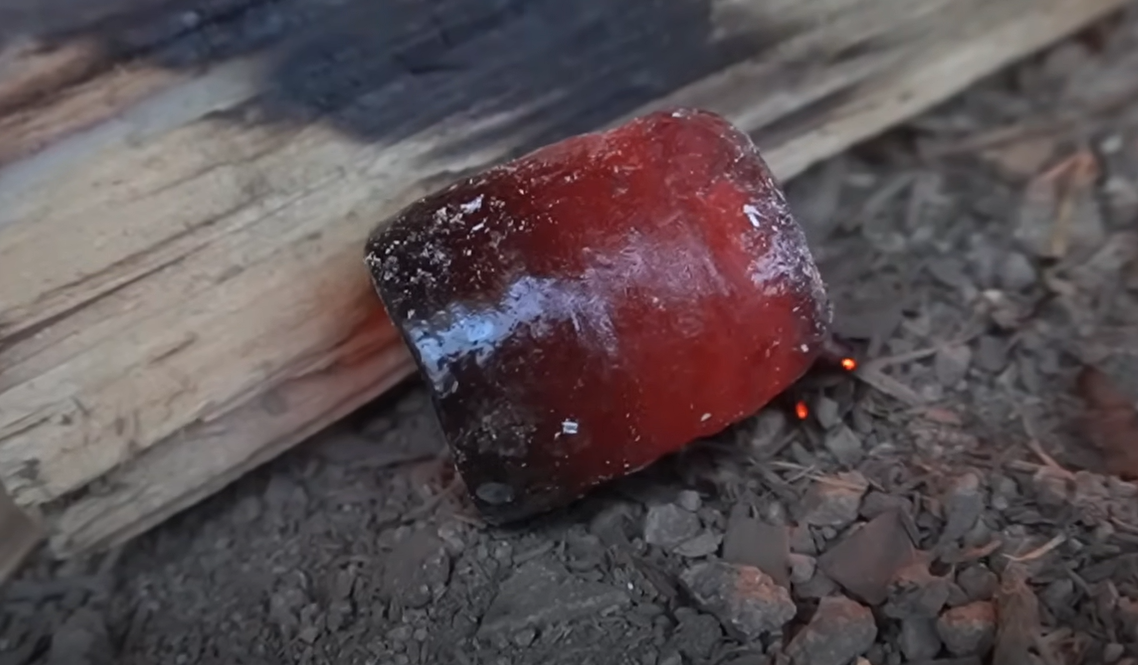
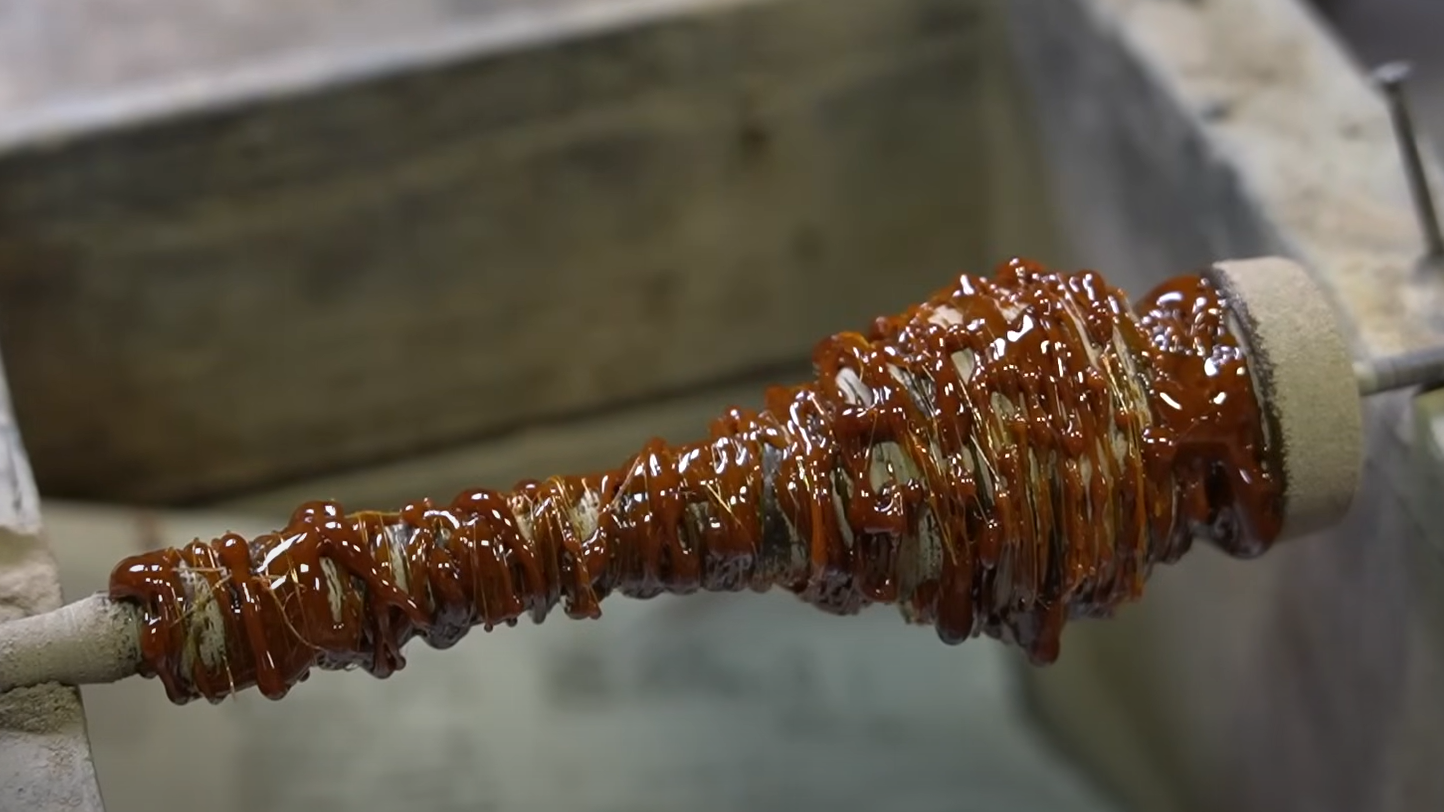
What makes Lost-wax casting unique is its combination of artistry and engineering. Craftsmen first sculpt a model from beeswax mixed with natural pine resin, which allows for intricate detailing. A clay mold is then formed around the wax, and once heated, the wax melts away—leaving a cavity that is filled with molten metal. The result is a piece with fluid, organic beauty and remarkable precision. The technique captures the softness of wax in solid metal, producing objects that embody both strength and grace.
Geographical Feature
- City and Prefecture : Kyoto, Kyoto Prefecture
- Population : Approximately 1.46 million people
- Special Products : Beyond Kiyomizu ware, Kyoto is renowned for its exquisite matcha (powdered green tea), the fragrant yuzu citrus, and an array of traditional crafts like Uji tea, Kyoto silk, and bamboo crafts.
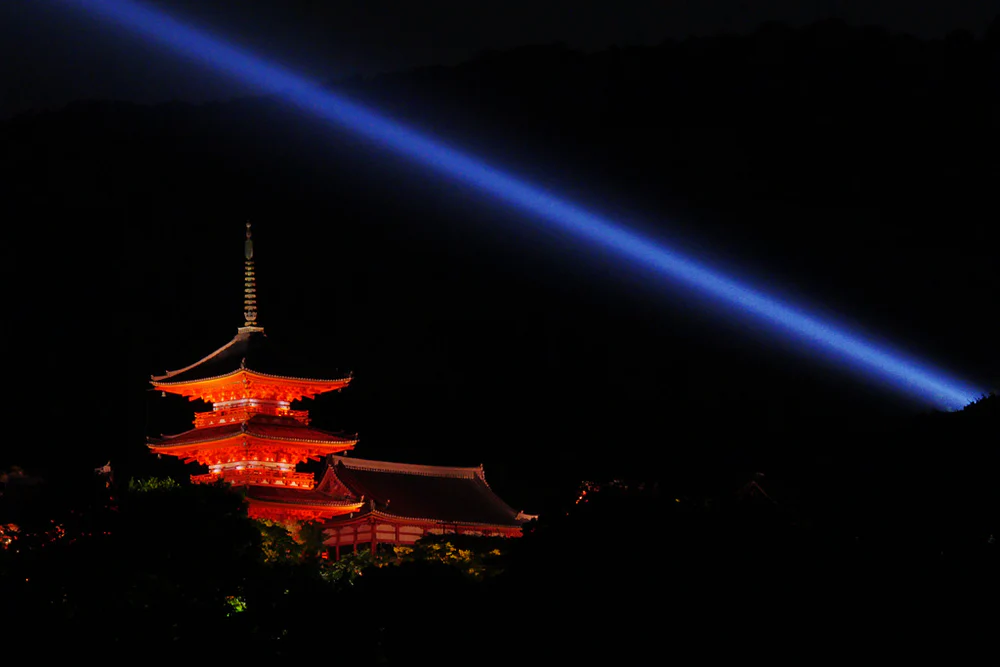
- Introduction : Kyoto, with its storied past as Japan's ancient capital, is a city where history and modernity converge in harmony. Famed for its breathtaking temples, traditional tea houses, and cultural festivals, Kyoto serves as a living museum of Japan's rich history, offering visitors and residents alike a profound sense of connection to the nation's heritage.
History of Lost-Wax Casting
Origins in Sacred Metalwork
Lost-wax casting arrived in Japan from the Asian continent during the Asuka and Nara periods. The technique was used to craft small gilt bronze Buddha statues and ritual implements for temples, symbolizing the rise of Buddhist culture. Early examples reveal astonishing detail, showing how artisans fused spirituality and craftsmanship.

Evolution and Mastery
By the early 17th century, Takaoka became Japan’s heart of metal casting under the patronage of the Maeda clan. Skilled artisans refined the wax-casting process, producing large-scale temple bells, incense burners, and decorative sculptures. The method allowed complex and delicate expressions impossible with other casting techniques, giving rise to the sophisticated aesthetics associated with Kaga and Takaoka metalworks.

Revival and Global Recognition
In the Meiji era (1868–1912), metal artisans such as Ōshima Joun and Suzuki Chokichi gained worldwide acclaim. Their masterpieces, exhibited at international expositions, demonstrated Japan’s mastery of metal art. Today, lost-wax casting continues to evolve—used in both traditional Buddhist crafts and contemporary sculpture.

Features of Lost-Wax Casting
Sculpting Fire: The Delicate Power of Wax
Lost-wax casting allows unparalleled artistic freedom. Wax can be carved, molded, and reshaped, enabling artisans to create fluid, intricate designs that would be impossible with harder materials. The natural elasticity of wax captures minute details—from gentle curves to sharp lines—preserving the artist’s vision with exceptional precision. This flexibility gives each finished piece a sense of organic life, as though it breathes within the metal itself.

The Warm Glow of Handcrafted Metal
Another defining feature of this craft is the transformation of texture and tone. Because the molten metal fills the space once occupied by wax, the resulting surface retains a soft, almost human warmth. Subtle irregularities—traces of the artist’s touch—become part of the final beauty. The contrast between the strength of bronze and the gentleness of its form embodies the Japanese aesthetic of wabi-sabi—finding perfection within imperfection.

Modern Applications
Today, lost-wax casting is still practiced by master metalworkers in Takaoka and other parts of Japan. It continues to be used for crafting Buddhist bells, art sculptures, jewelry, and interior design pieces. Modern artists combine traditional casting methods with contemporary aesthetics, ensuring that this ancient technique remains alive—bridging Japan’s cultural heritage with modern artistic expression.