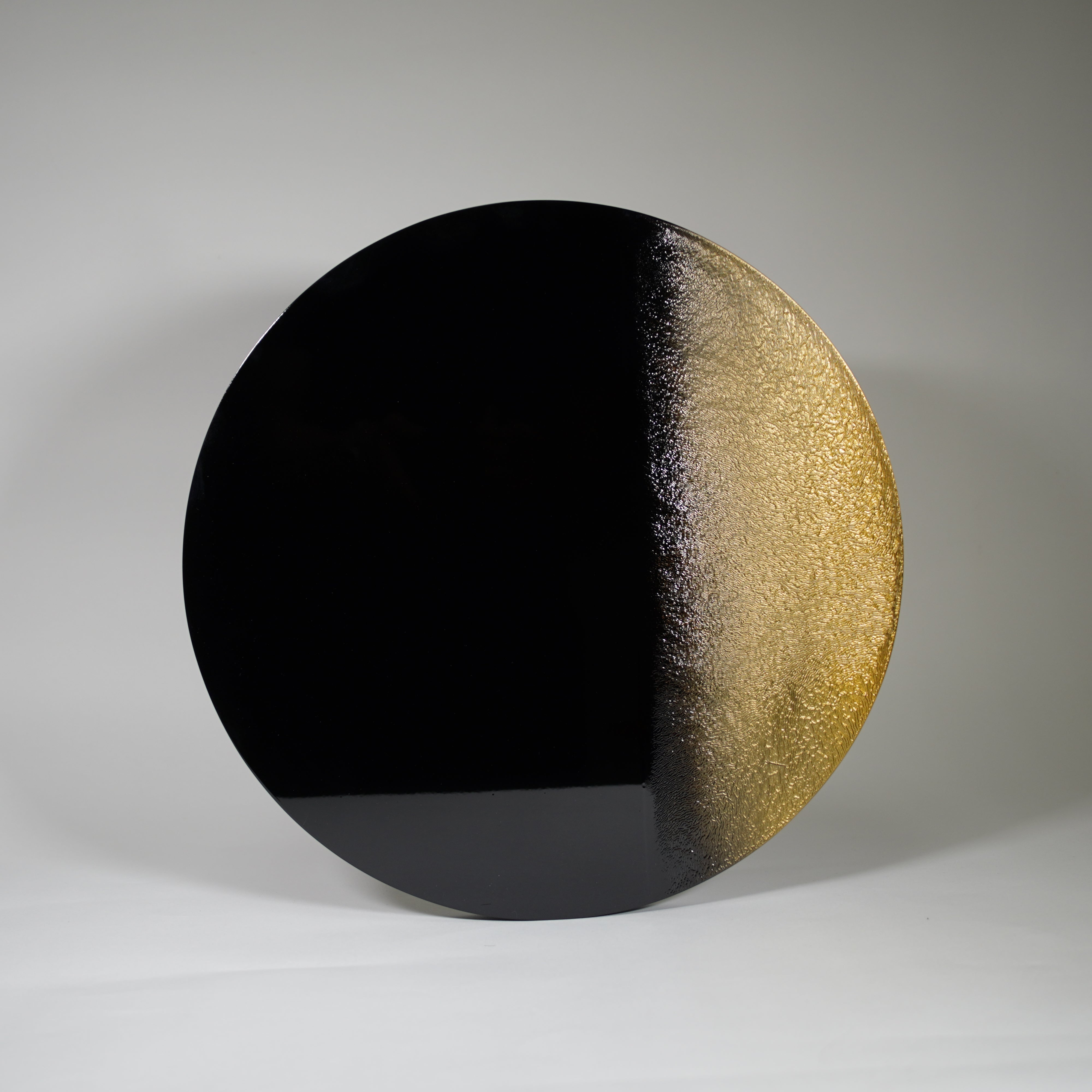
우루시 거울
할인 가격Dhs. 6,107.00
옵션 선택
국가
언어
장바구니
장바구니가 비어있습니다
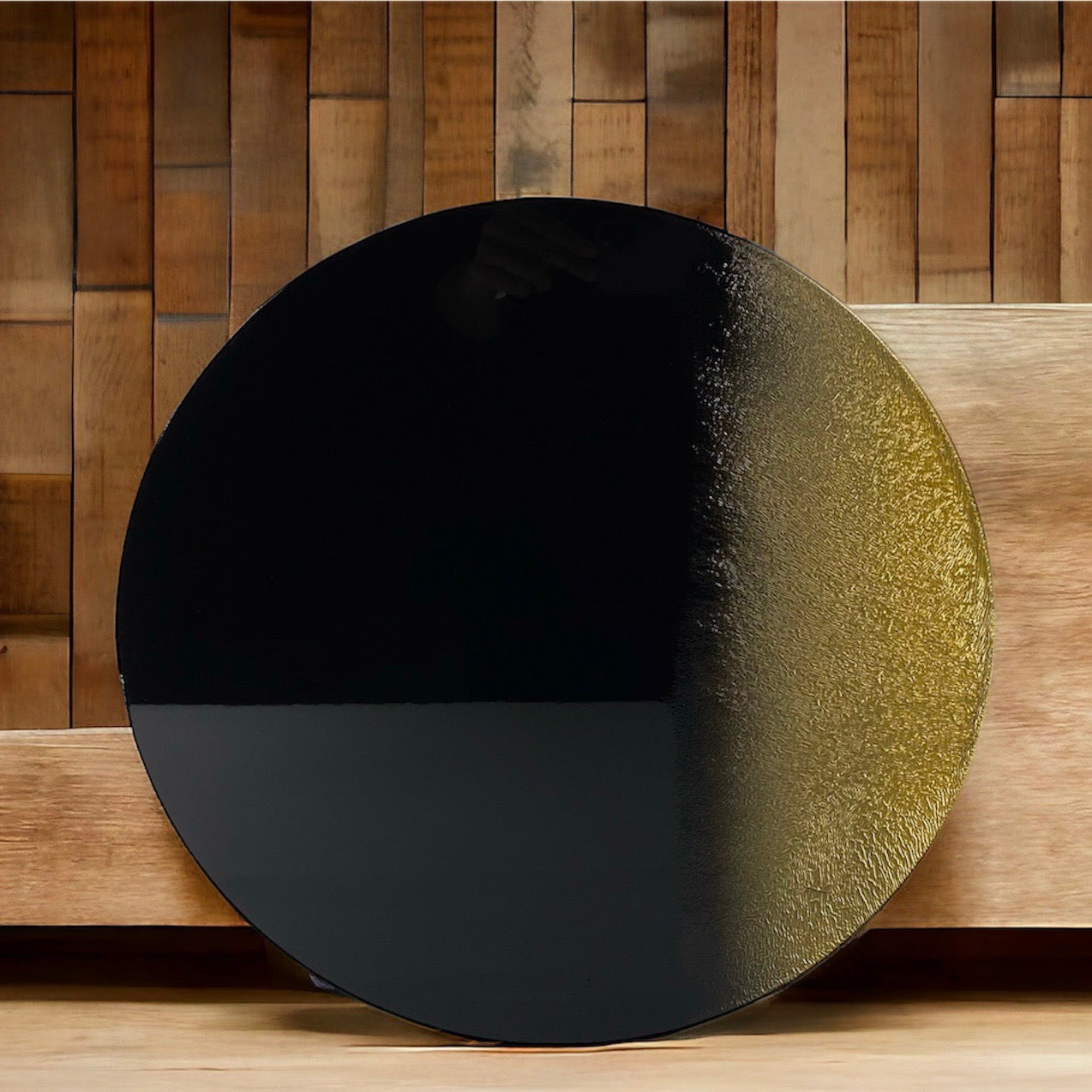
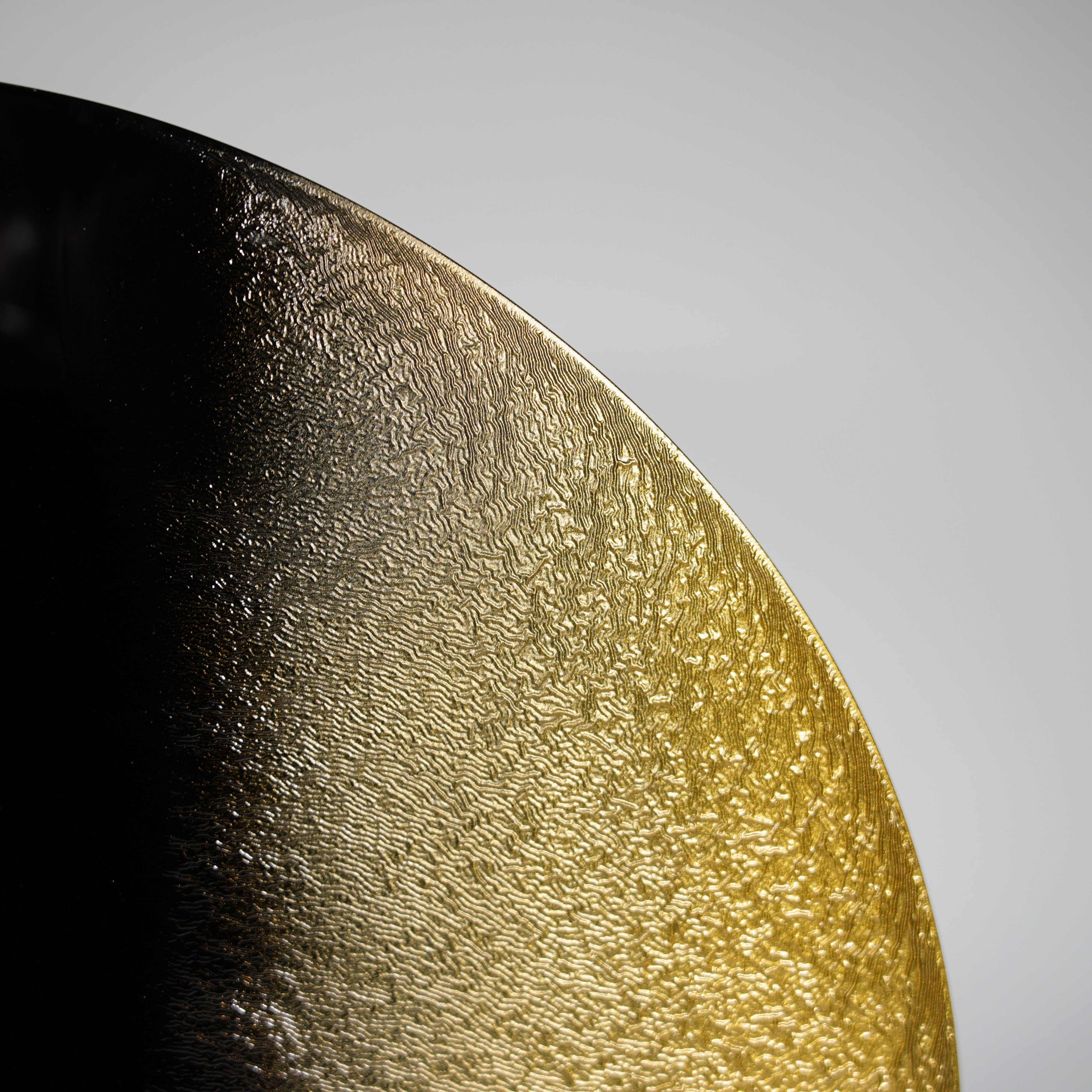
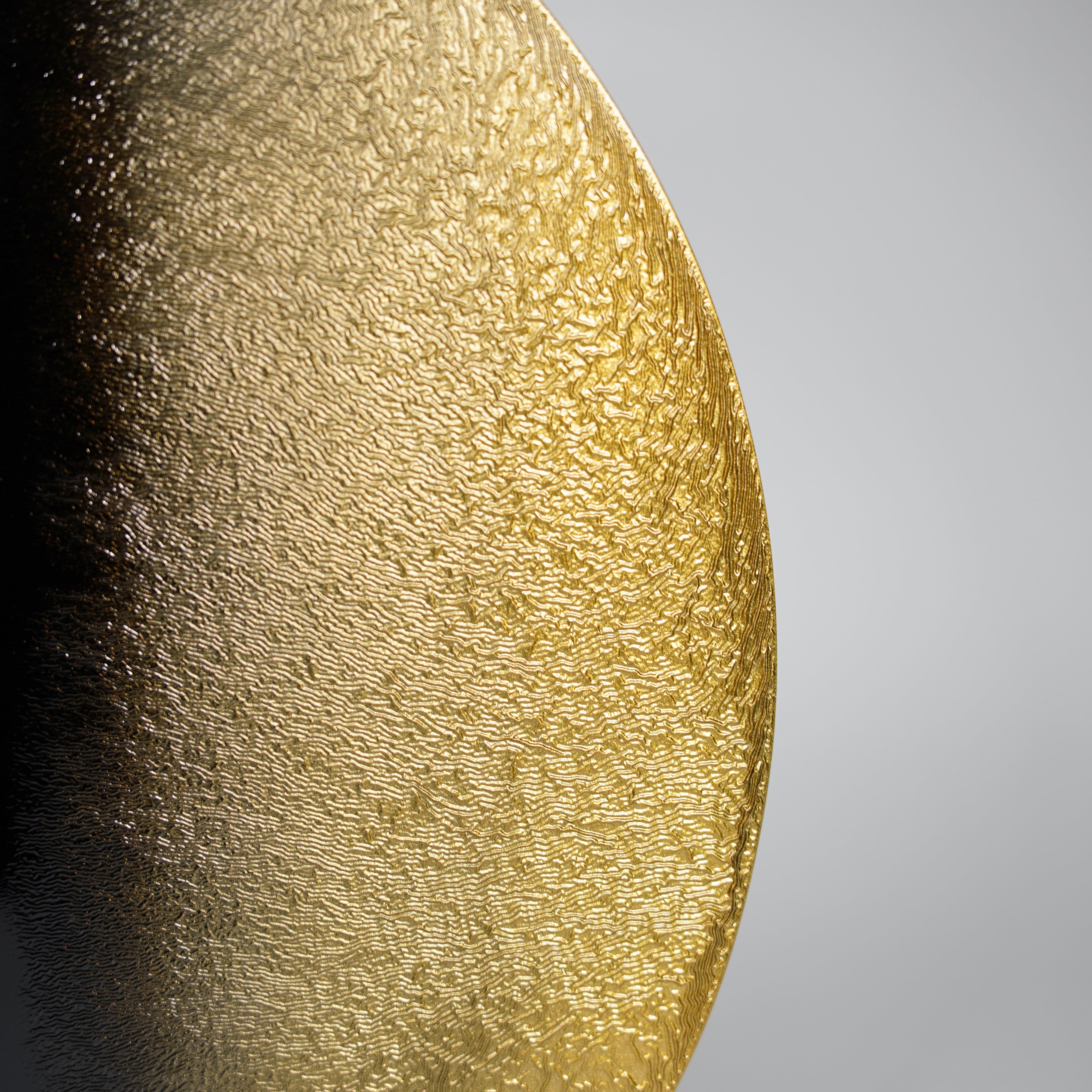
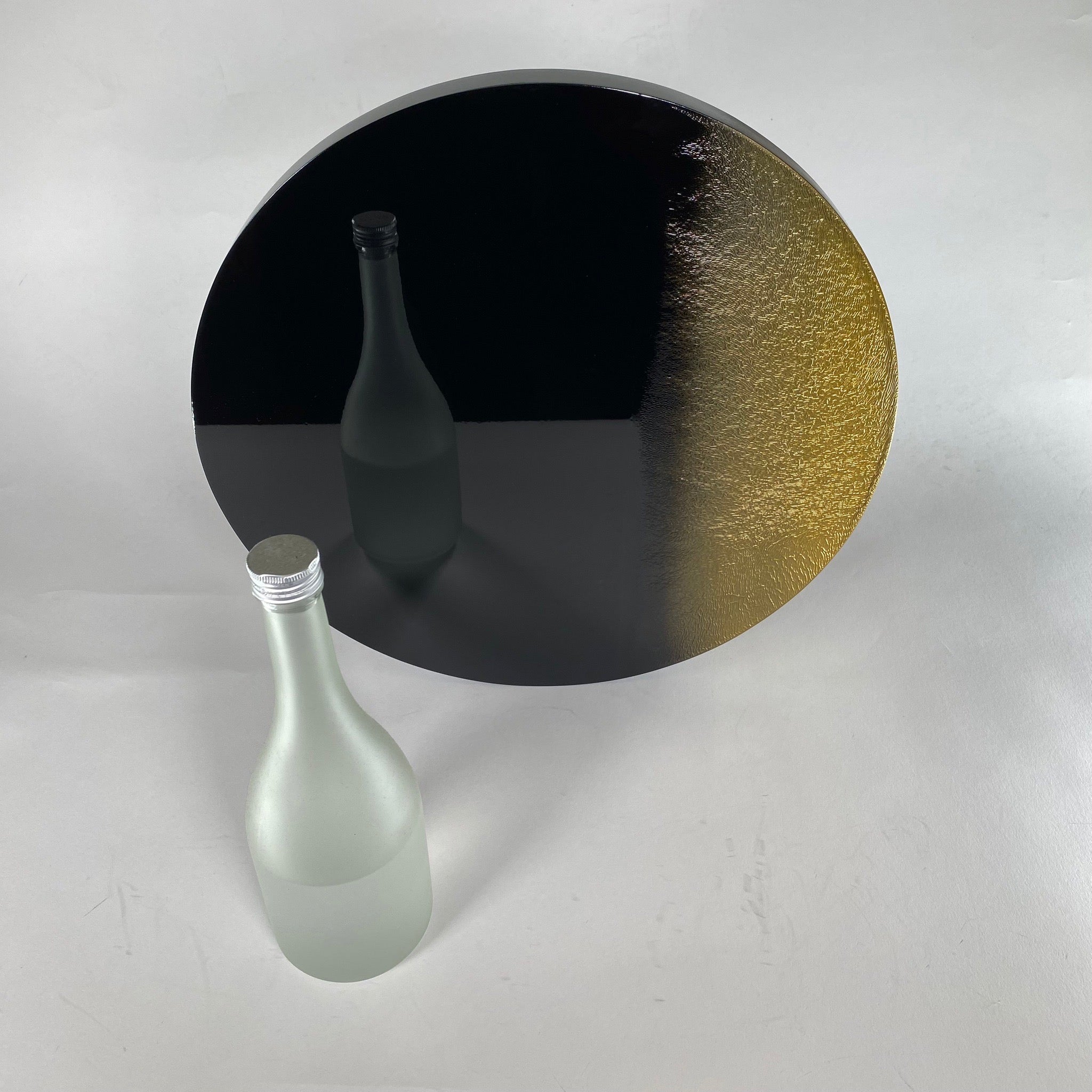
تُعد هذه القطعة تحفة فنية صاغها بدقة متناهية حرفيو اللاكيه المهرة في كيوتو. تبدأ بخشب مُنتَخَب بعناية، شُكِّل على هيئة دائرية، ثم طُبقت عليه طبقات متعددة من اللاكيه عالي الجودة. ويُصقل كلّ طبقة من اللاكيه يدوياً، لتكتسب القطعة ملمساً ناعماً وتشطيباً مصقولاً كالمرآة يعكس الضوء بجمال.
وهي ليست مجرد قطعة من الديكور الداخلي، إذ يتيح تشطيبها اللامع استخدامها كمرآة عملية. ويضفي جمالها الفريد لمسة من الرقي والسكينة على أي مساحة، فتأسر كل من يراها. وتجسّد هذه القطعة براعة الحرف اليدوية في كيوتو، إذ تمزج بين الجماليات اليابانية التقليدية وأنماط الحياة المعاصرة، ما يجعلها من القطع المفضلة الخالدة.
SIZE
العرض:40 سم
العمق:2.5 سم
الارتفاع:40 سم
الوزن:2,000 جم
MATERIAL
خشب
طلاء ورنيش
MAKINO URUSHI DESIGN
Combining traditional lacquering techniques with a new aesthetic sensibility
Lacquer has been incorporated into the daily life of the Japanese people since ancient times as one of the finest natural paints.
Its use has become more sophisticated with the development of Japanese culture, producing not only everyday utilitarian items but also outstanding crafts that are unique in the world.
Inheriting this cultural lineage of Japanese lacquer, the company is involved in the production of a wide range of objects in which lacquer is used, from shrines and temples to contemporary art.
ARTISAN STORY
Kohta Makino / Makino Urushi Design
Kohta Makino is the fourth generation of Makino Urushi Kogei, which has been in business for over 40 years.
He has been creating unprecedented lacquering techniques, saying, "I want to create a new look for lacquer by applying traditional techniques.
He is adapting to the changing needs of the times and opening up a new era of Urushi.
BUTSUDAN BUTSUGU / JAPANESE BUDDHIST ALTARS AND FITTINGS
About 1,200 years ago / 800s / Heian Period (794–1185)
Japanese Buddhist altars and fittings developed as shrine-like cabinets, incense burners, candlesticks, bells and other temple implements entered household worship. During the Edo period, the temple-registration system strengthened ties between families and Buddhist temples, encouraging household altars to spread nationwide in many regional styles.
In Japan, a butsudan is a compressed sacred space within the home, while its fittings support offerings of incense, light, flowers and sound. Large altars have become less common, but compact modern designs and simple ritual objects continue to adapt the tradition.
The interior is not merely shelving—it often reproduces temple architecture in miniature. Roofs, pillars, transoms, metal fittings, lacquer and gold leaf can all appear within one cabinet. Woodwork, carving, metalwork and lacquer converge inside a piece of household furniture.
الاختلافات الفردية
نظرًا لأن كل قطعة تُصنع يدويًا بشكل مستقل، فقد تطرأ اختلافات طفيفة في اللون والنمط والشكل والملمس. وتُعد هذه الاختلافات الدقيقة من الخصائص الطبيعية للأعمال اليدوية، ما يجعل كل قطعة فريدة من نوعها حقًا. نأمل أن تستمتعوا بهذه الاختلافات الفردية كجزء من جمال الحرفية اليابانية وطابعها المميز.
مدة الإنتاج
إذا لم يكن المنتج متوفرًا في المخزون حاليًا، فقد يقوم الحرفي بتصنيعه حسب الطلب. ونظرًا إلى أن كل قطعة تُصنع يدويًا بعناية، فقد يستغرق الإنتاج عدة أشهر، وذلك حسب المنتج وجدول الحرفي. نقدر صبركم وتفهمكم.
옵션 선택
Very beautiful