게시글: 【Akama Suzuri】Where Art and Function Meet in Japanese Calligraphy
【Akama Suzuri】Where Art and Function Meet in Japanese Calligraphy

Introduction of Akama Suzuri
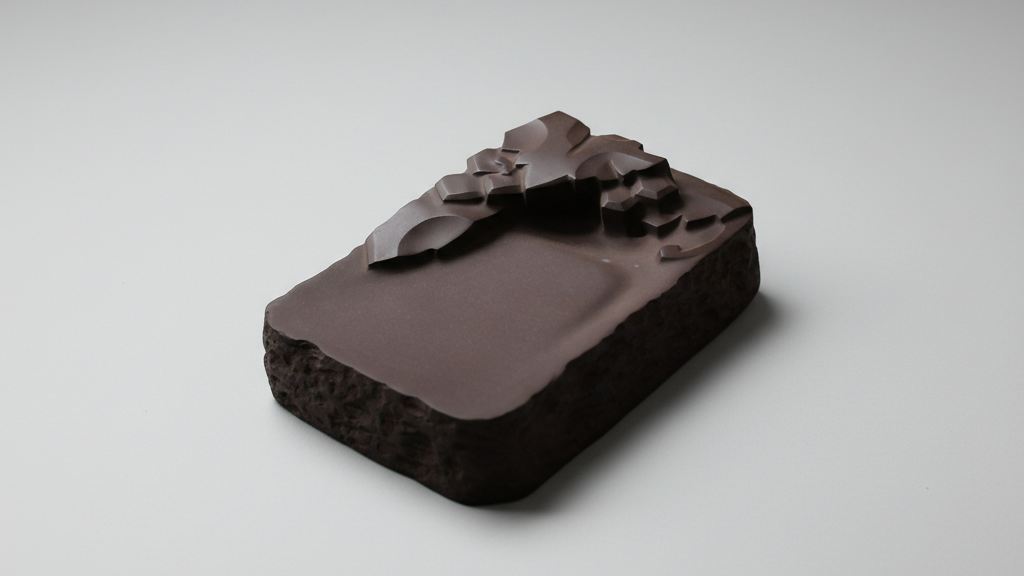
Akama Suzuri, or Akama Inkstone, is one of Japan’s most celebrated traditional crafts, cherished for over 600 years. Crafted in the Shimonoseki and Ube regions of Yamaguchi Prefecture, this inkstone holds a deep connection to the art of Japanese calligraphy. Since the Muromachi period, monks, scholars, and samurai alike have relied on it to grind ink and compose poetry or sutras. Its elegant simplicity and exceptional functionality make it more than a mere writing tool—it embodies Japan’s philosophy of harmony between beauty and practicality. Each Akama Suzuri carries centuries of cultural heritage, representing the quiet strength and meticulous artistry of those who dedicate their lives to transforming raw stone into instruments of thought and expression.
What distinguishes Akama Suzuri from other inkstones lies in its unique material and the rare craftsmanship behind it. It is made from Akama stone, a fine-grained rock containing abundant quartz and iron—minerals ideal for producing smooth, vividly colored ink. The stone’s strong yet pliable texture allows for both functional and decorative carving, from minimalist surfaces to ornate lidded designs. Remarkably, artisans mine the stones themselves, delving deep into underground tunnels to extract the delicate rock without exposing it to drying air. This requires not only carving expertise but also knowledge of geology and safe explosive use—skills that take over ten years to master. Each finished inkstone radiates a quiet dignity, polished by the patience, precision, and sincerity of its maker.
Geographical Feature
City: Shimonoseki City
Prefecture: Yamaguchi Prefecture
Population: Approximately 236,000 (as of 2026)
Famous Products: Fugu (blowfish), Kawara Soba (buckwheat noodles)and Akama Suzuri.
City Introduction
Located at the southwestern tip of Honshu, Shimonoseki City serves as a historic gateway between Japan and the Asian continent. Known for its scenic Kanmon Strait and rich seafood culture—especially its famous fugu—Shimonoseki also preserves deep artistic traditions such as Akama Suzuri. Surrounded by mountains and sea, its natural beauty and resources have nurtured generations of artisans who transform local stone into works of timeless refinement.

History of Akama Suzuri
Origins in the Muromachi Period
The roots of Akama Suzuri stretch back to the Muromachi period (1332–1573), a time when the spirit of Zen Buddhism became deeply ingrained in Japanese culture. It is said that Sesshu, the celebrated Zen monk and painter of that era, used an Akama inkstone to create his masterful ink wash paintings. Furthermore, the stone pillars supporting the Hira-butai (open-air platform) of Itsukushima Shrine in Miyajima are believed to be made of Akama stone, donated in 1571 by Mori Terumoto, the first feudal lord of the Hagi-Mori clan. These historical connections serve as enduring proof of the craft’s early prestige and high status. The name "Akama" originates from Akamaseki, the ancient name for the Shimonoseki area where production first began.

The Edo Era: A Symbol of Status
During the Edo period, the mining of Akama stone was strictly regulated by the Choshu Domain. Because extraction required official permission, Akama Suzuri became a luxury item, often presented as gifts to feudal lords and high-ranking officials. Its reddish-brown hue, graceful carvings, and superb ink quality established it as one of Japan’s finest inkstones, admired both for its practicality and refined beauty.

Rise of Literacy and Artistic Expansion
From the mid-Edo period onward, the proliferation of Terakoya (private elementary schools) led to a significant rise in literacy rates, which in turn caused a surge in the demand for writing tools. During this peak, more than 200 artisans were active, producing a vast variety of inkstones—ranging from purely utilitarian pieces for daily use to highly decorative works of art.

Features of Akama Suzuri
Stone of Precision and Beauty
Akama Suzuri is prized for its fine-grained stone, which allows ink to be ground into the smoothest possible consistency. The natural quartz particles provide gentle abrasion, producing rich, glossy ink ideal for calligraphy and painting. Its texture is both dense and elastic, giving it excellent durability while enabling delicate carving. Each stone is selected and cut with precision, forming the “hill” (oka) for grinding and the “sea” (umi) where ink collects. The resulting surface is perfectly balanced—neither too hard nor too soft—offering the ideal friction for beautiful ink flow.

The Artistry Behind the Stone
Beyond its practicality, Akama Suzuri is also a canvas for artistic expression. Skilled artisans carve intricate motifs such as dragons, waves, or floral patterns using traditional techniques like ukashi-bori (relief carving), ke-bori (fine line engraving), and tataki-bori (hammer texturing). The delicate curve known as hato, connecting the grinding hill and the ink pool, is considered the heart of the craft—requiring absolute precision. Every piece is then polished by hand and finished with a protective lacquer on non-inking areas. Each inkstone is a reflection of its maker’s spirit, uniting function and art in perfect harmony.

Why Masters Choose Akama Suzuri
While there are many inkstones available, Akama-ishi (Akama stone) stands in a league of its own. Here is why professional calligraphers and artists prize these stones:
Superior Density and Grain: The fine, hard texture allows for incredibly smooth ink grinding, producing a rich, lustrous black ink ($sumi$) that brings life to every stroke.
Exceptional Water Retention: Due to the unique mineral composition, the stone prevents the ink from drying too quickly, allowing for longer sessions of creative flow.
Exquisite Artistry: Each stone is hand-carved by certified traditional craftsmen, featuring motifs inspired by Japanese nature—making each piece a unique work of art for your desk.
Modern Applications
Today, Akama Suzuri continues to be cherished by calligraphers, collectors, and art enthusiasts worldwide. While mass production is impossible, workshops such as Gyokukodo, founded in 1896, maintain traditional methods while innovating new designs. Beyond practical use, Akama Suzuri is now appreciated as an art form—its graceful curves and serene texture symbolizing Japan’s enduring dedication to craftsmanship and cultural beauty.
Crafting Process of Akama Suzuri
A Masterpiece of Nature and History
Akama Suzuri is a harmony of 600 million years of history and elite skill. Carved from rare Yamaguchi stone, its unique density has been prized by artists since the Kamakura period. It is more than a tool; it is a piece of Japan’s geological soul.
Enhancing Your Creative Expression
Perfect for Shodo (calligraphy) and Sumi-e (ink painting), this stone produces rich, lustrous ink that transforms your work. It is a lifetime investment for any creator or collector, designed to make every brushstroke a meditative experience.
Preserving Traditional Craftsmanship
By choosing Akama Suzuri, you support master artisans and centuries of heritage. Each hand-carved piece is built to last generations, bringing sustainable, soul-filled Japanese craftsmanship into your modern creative space.
Do you offer worldwide shipping for these delicate masterpieces?
Yes. We provide Tracked Worldwide Shipping to ensure your treasures arrive safely. Every shipment is handled with the utmost care, reflecting the deep respect we have for the artisans' craftsmanship and your investment in Japanese heritage.
How long does it take to receive a handcrafted order?
For items in stock, shipping typically takes 2 to 4 weeks. If an item is currently out of stock, we will immediately consult with the artisan and provide you with a precise lead time. If you have a specific piece in mind and would like to check its availability, please feel free to reach out to us at contact@suigenkyo.com.
Are these products authentic "Traditional Crafts" of Japan?
Yes. Suigenkyo works directly with Certified Master Artisans and workshops that have preserved their specialized techniques for generations. Each piece comes with a story of its origin, guaranteeing that you are supporting a 1,000-year-old lineage of Japanese Artistry.