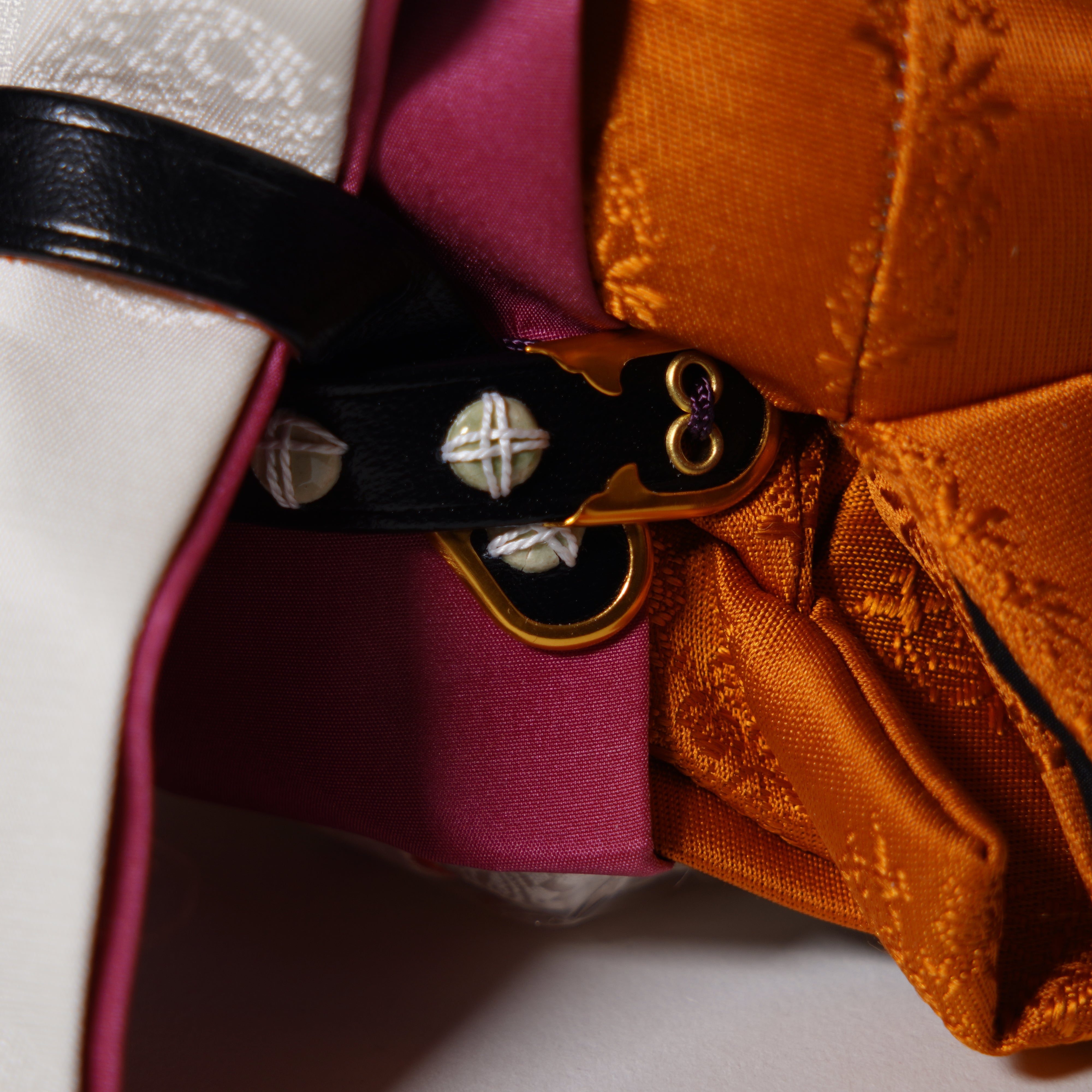
유소 쿠 히나 인형 / 1
DESCRIPTION
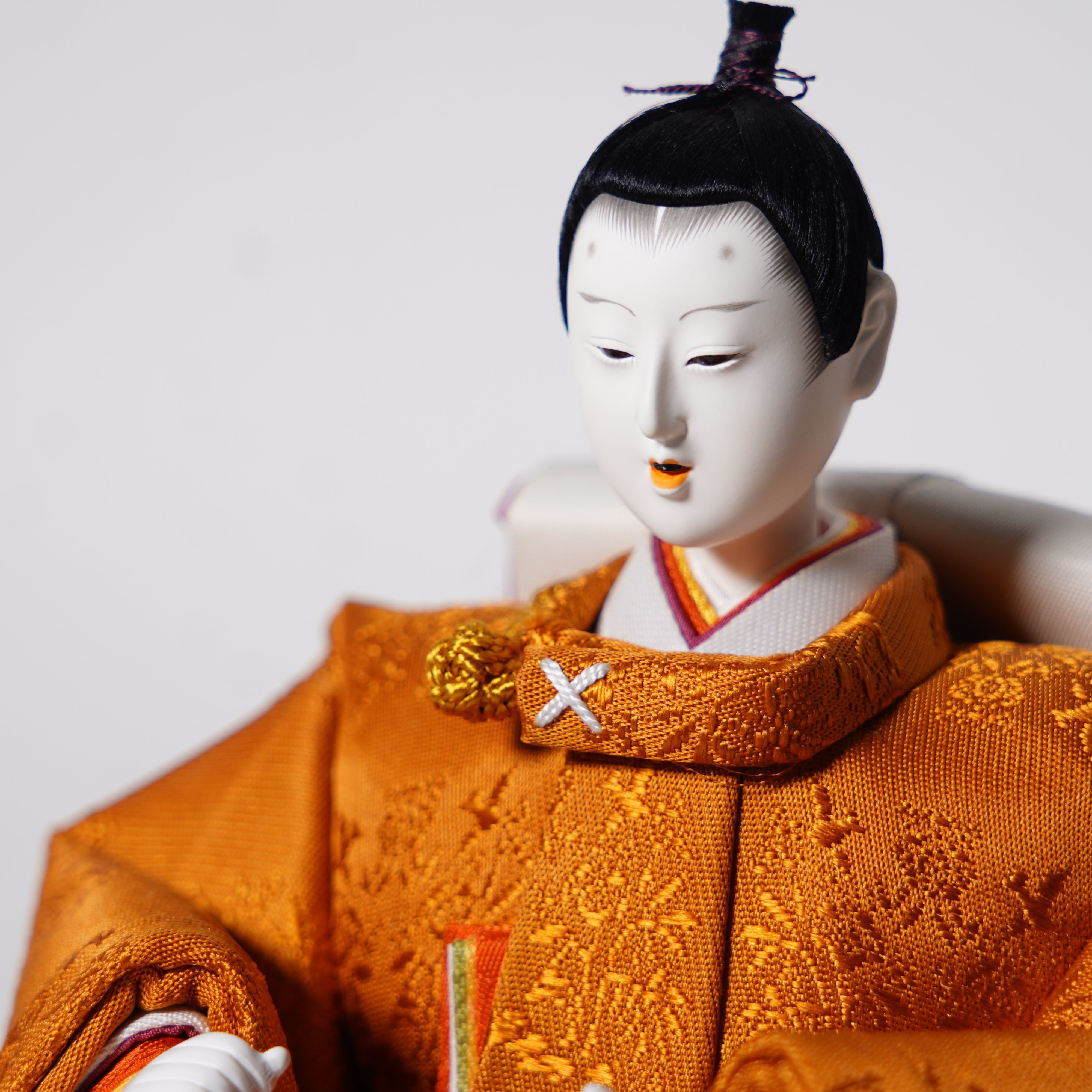
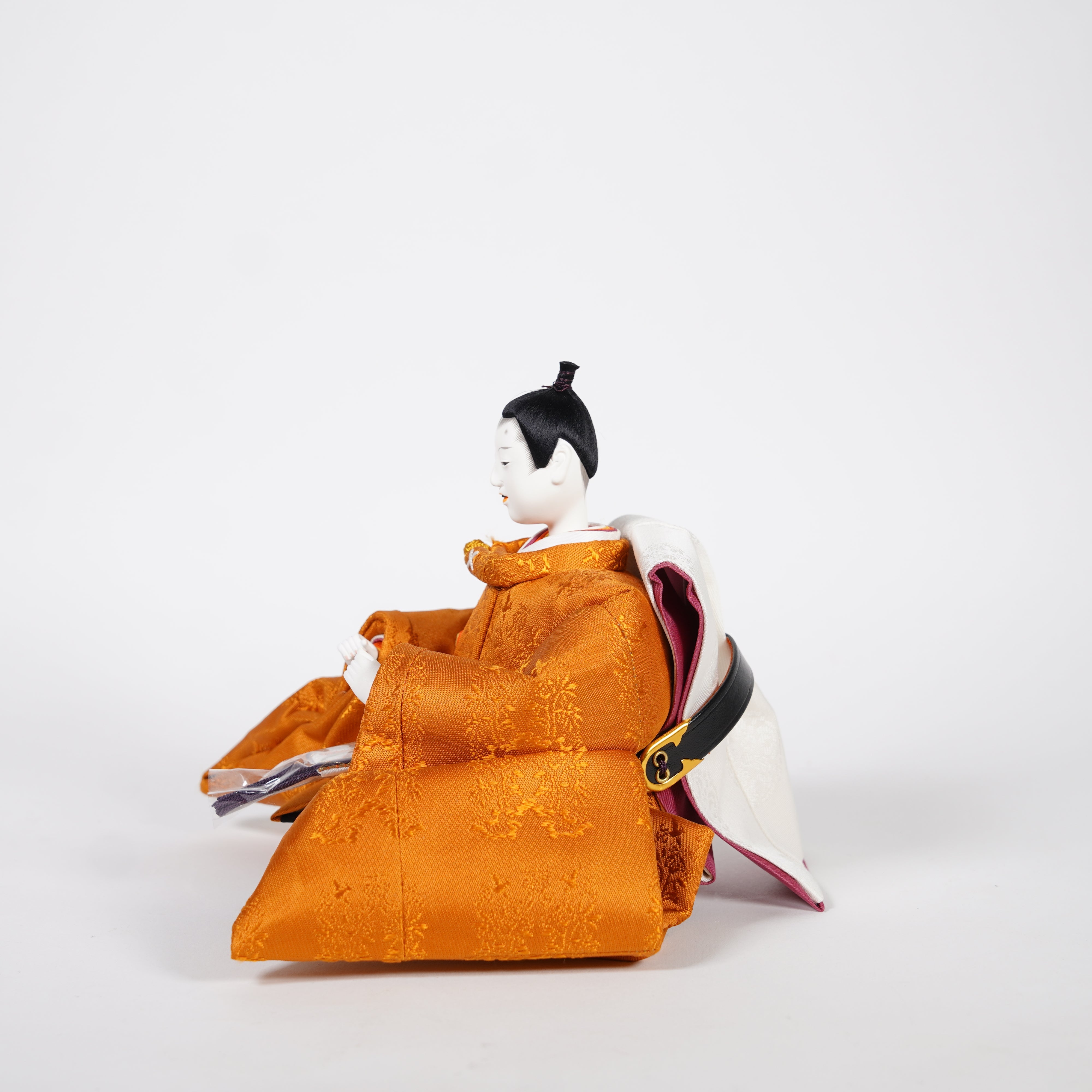
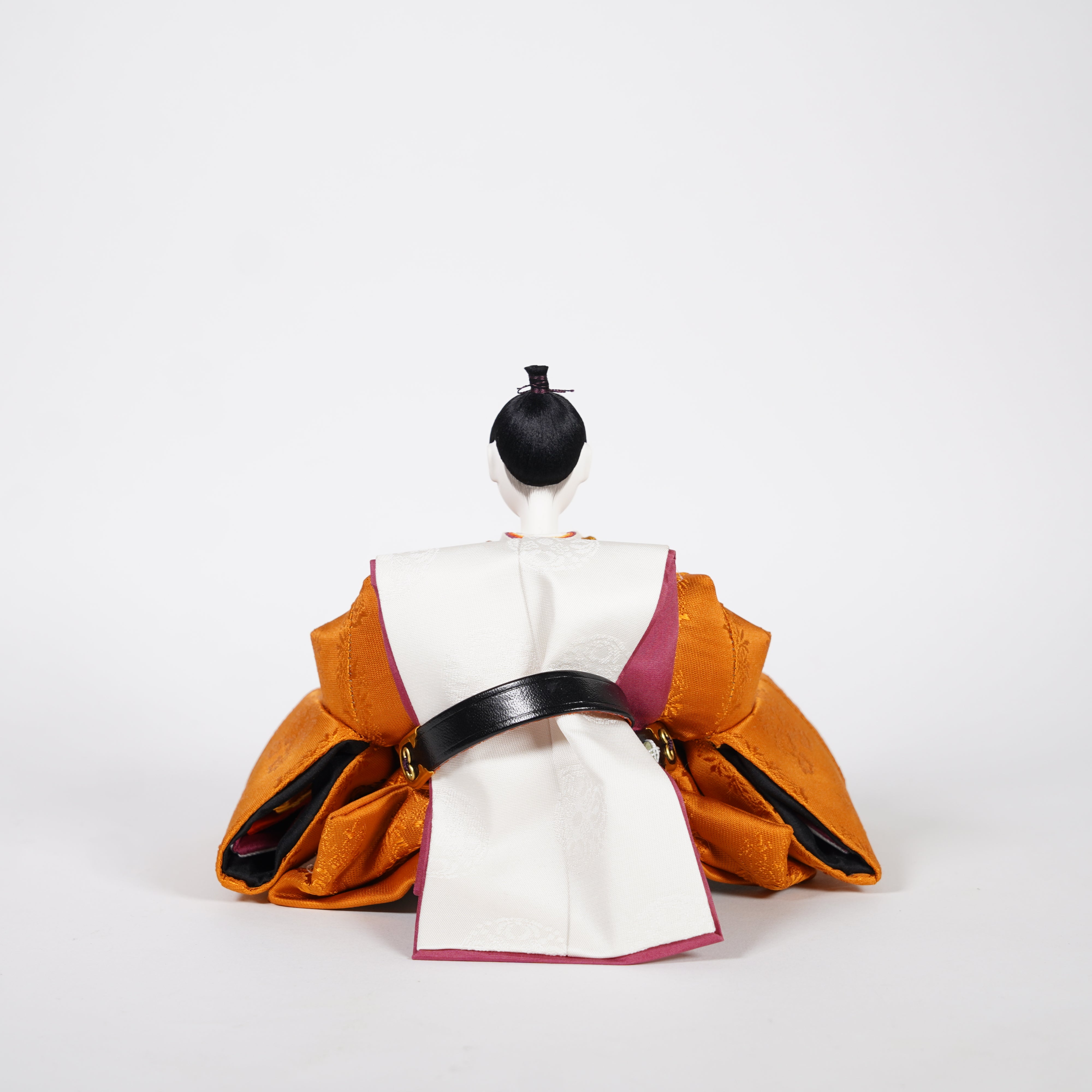
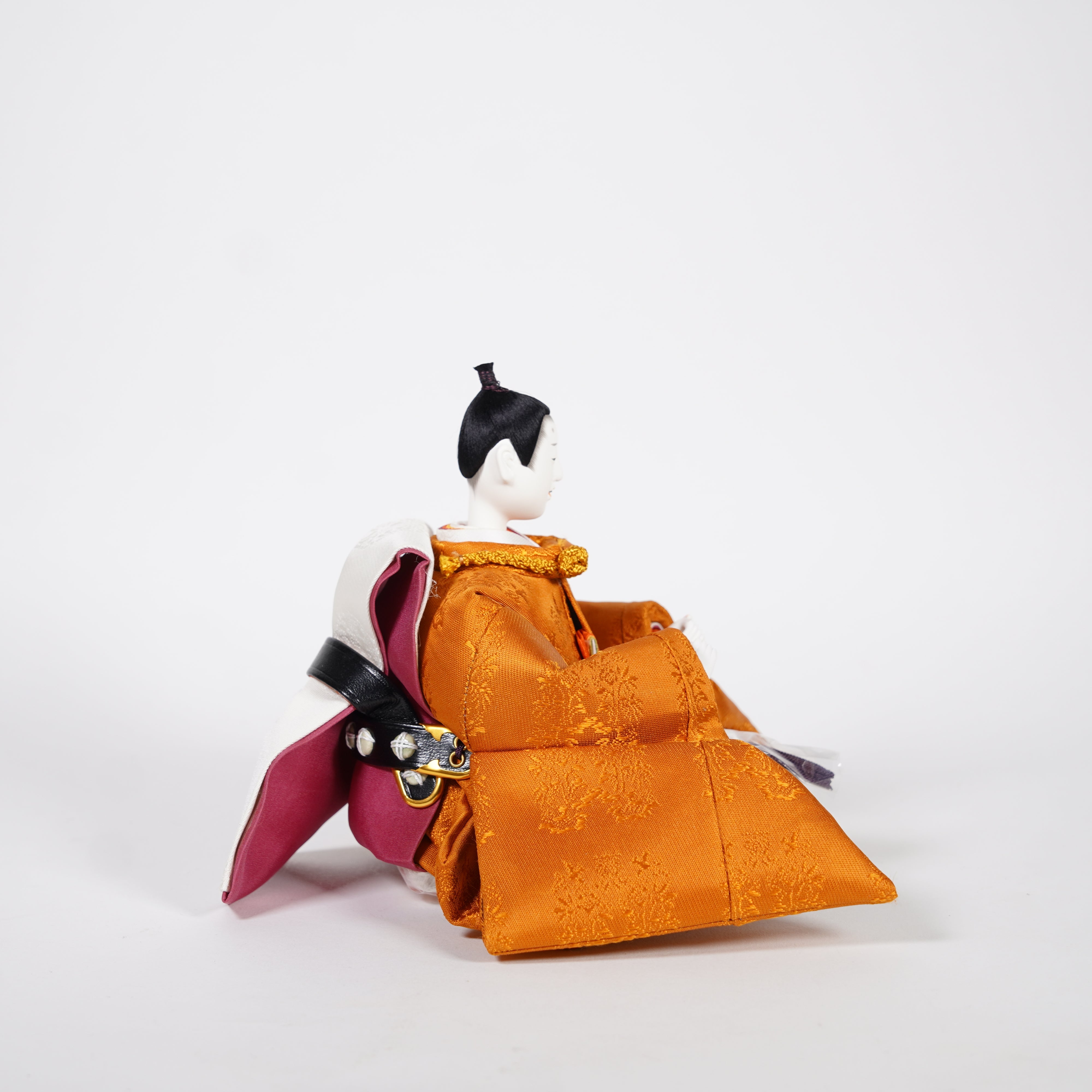
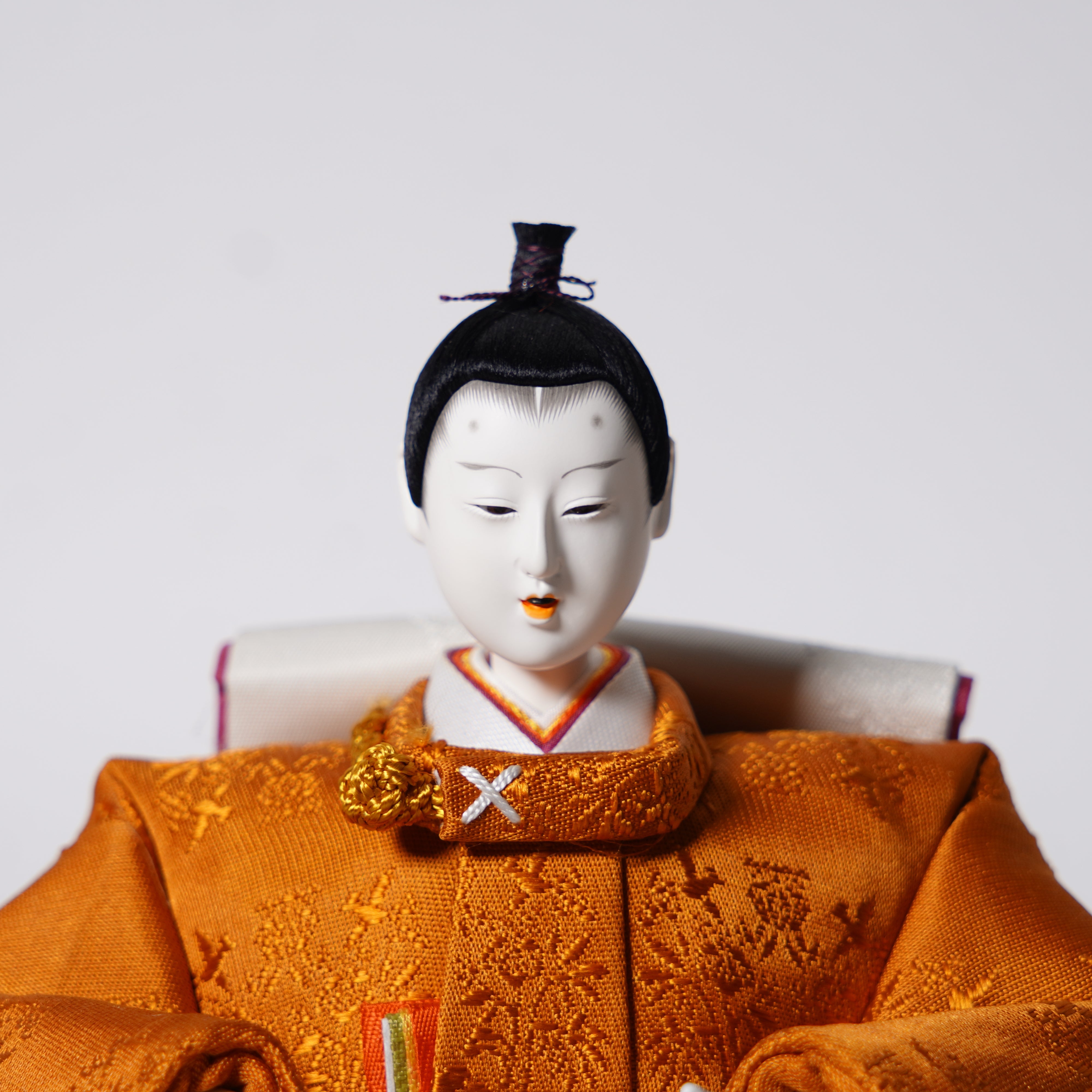
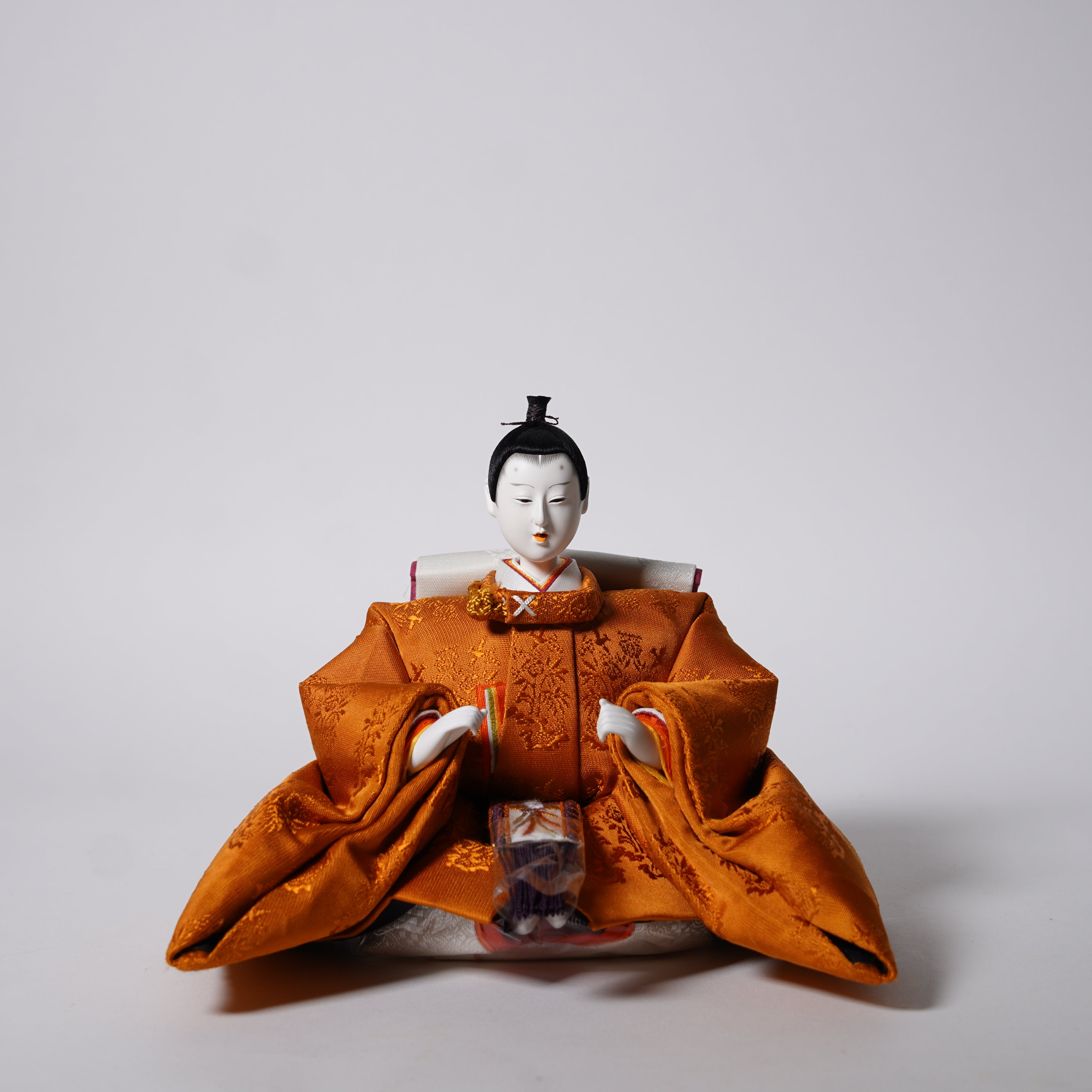
Costumed dolls are the most mass-produced type of dolls and are currently the mainstream of "Kyoto dolls".
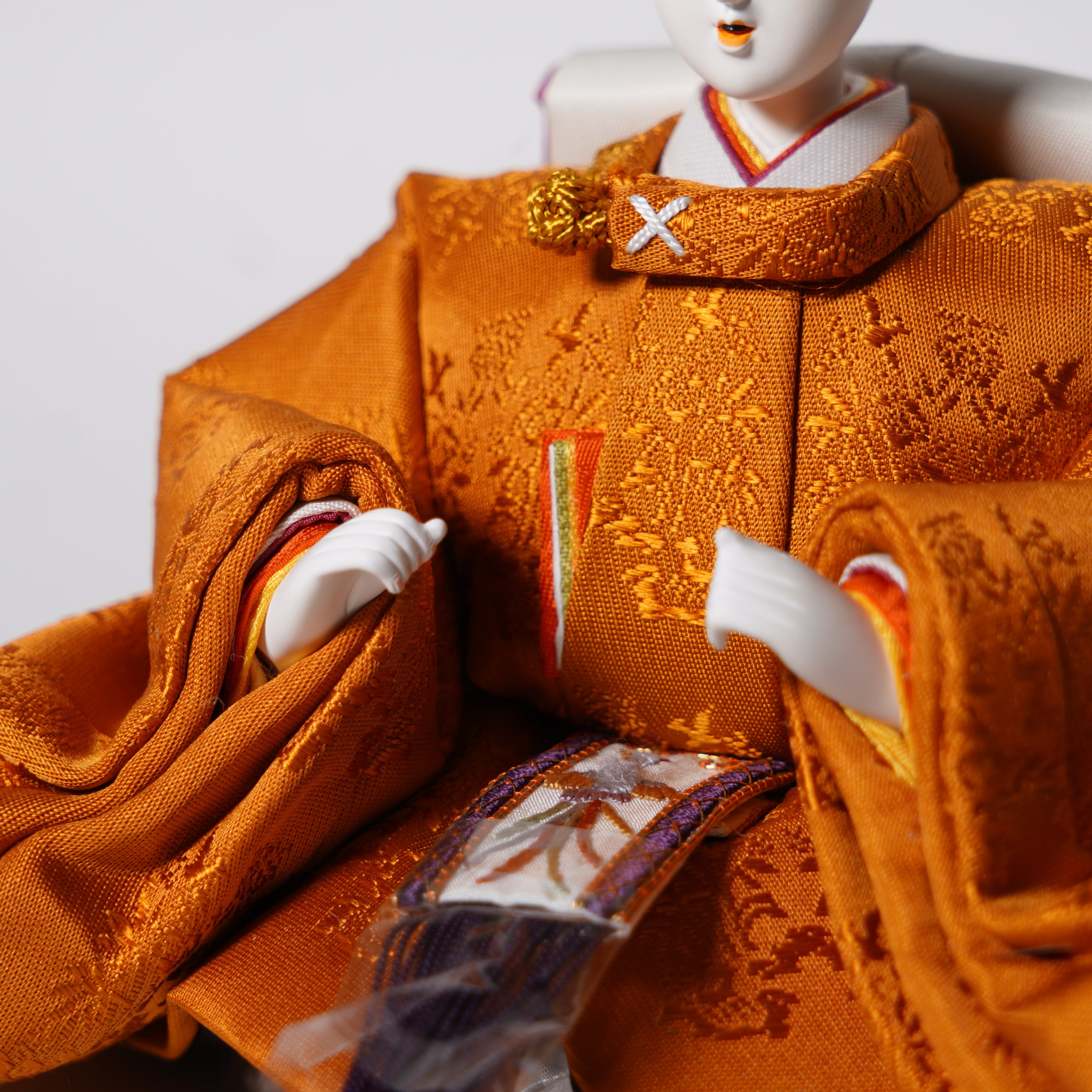
These dolls were made in the middle of the Edo period (1603-1867) and were dressed in the costumes of "Yusoku" (officials involved in ceremonies, events, government posts, etc.) of the Imperial Court and court nobles.
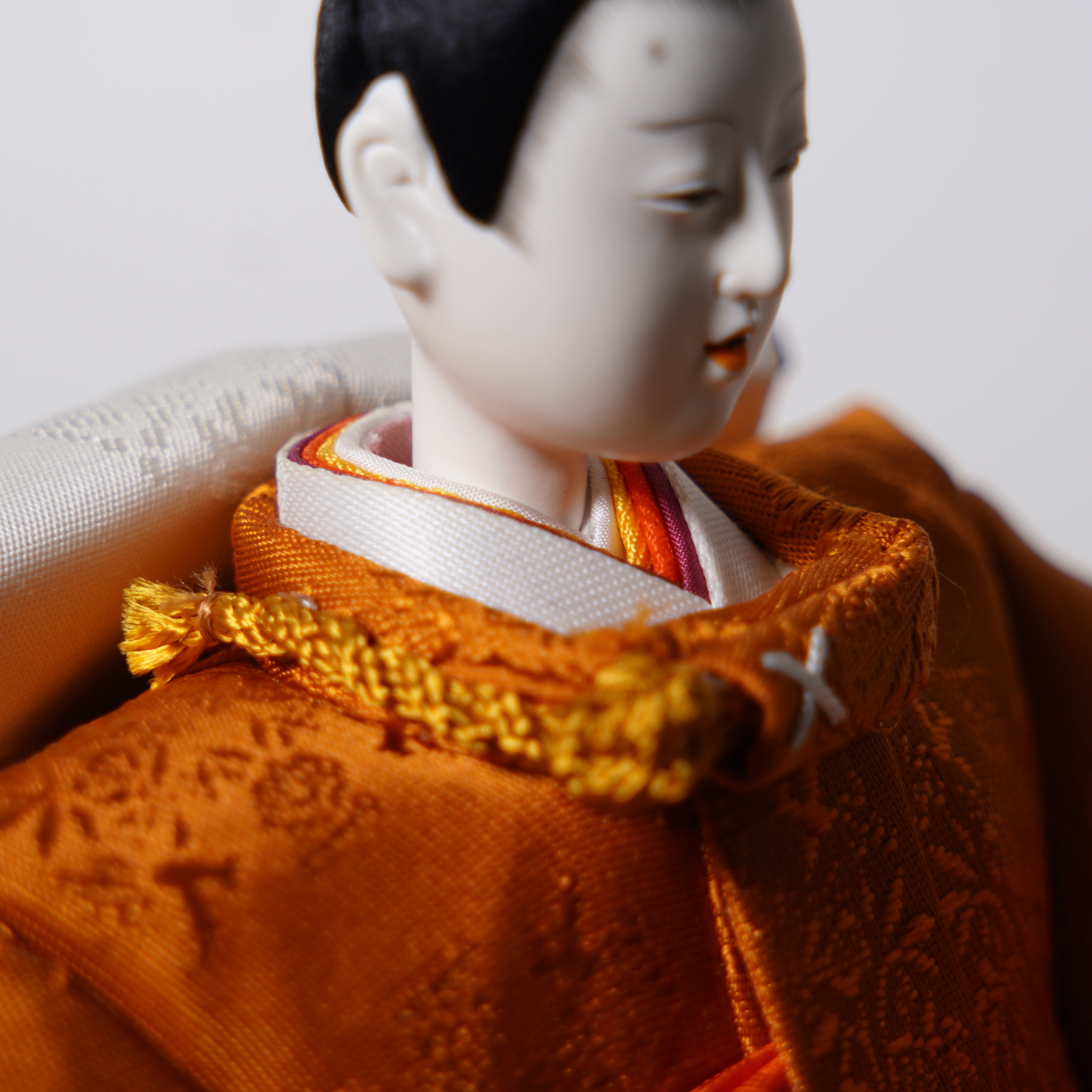
The costumes are small in size but as accurate as those of actual adults, and everything from the costume style to the hairstyle is a faithful reproduction of the court nobility's ceremonial style.
Dolls with Souls
In Japan, it has been said since ancient times that dolls have souls. It is believed that the wishes and thoughts of the doll's owner are transferred to the doll, and various wishes have been placed on the doll and handled.
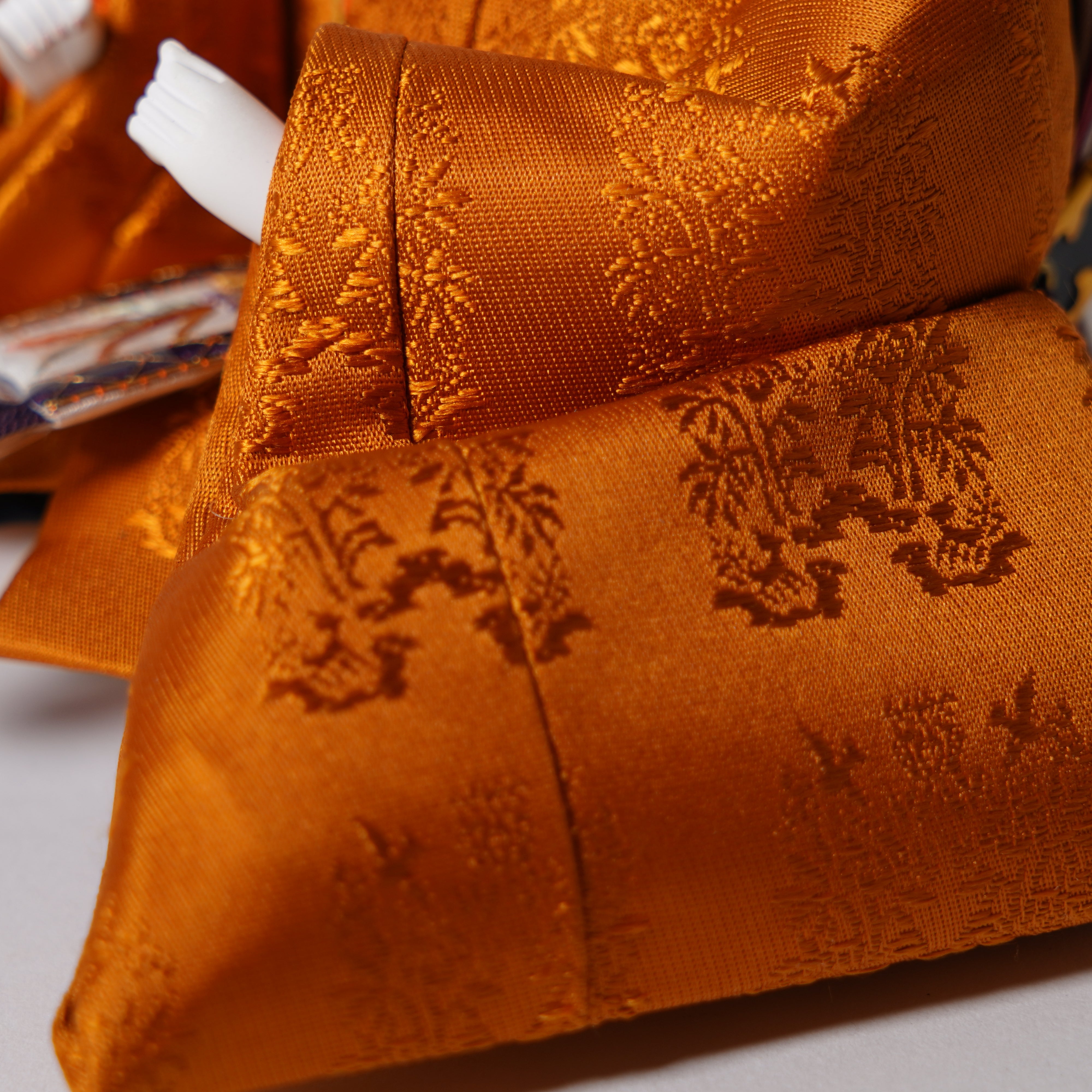
It is said to be the culmination of traditional craftsmanship, as each craftsman uses the same quality techniques and materials as those used for actual human beings.
Why don't you display in your room a masterpiece of "Japanese beauty" a condensed version of Kyoto's traditional crafts and their techniques?
DETAILS
SIZE
Width : 19.5cm
Height : 15.5cm
Depth : 19.5cm
Weight : 214g
MATERIAL
Silk
Wood
ARTISAN
DOLL STUDIO HASHIMOTO
"Quality Crafts are made from Quality Materials"
We make Kyo dolls, which are considered the culmination of traditional crafts, with great attention to detail, from the materials used to the finished product. We want people overseas to know what dolls are not only as products, but also the culture behind them!
ARTISAN STORY
Koji Hashimoto / Hashimoto Doll Store
Hashimoto Doll Store is a doll-making company that has been in business in Kyoto since 1751. He determined to take over his family's Kyoto doll store from an early age. He started making dolls at the age of 23, and has continued to preserve the beauty of yushoku, a craft that has been refined over 300 years and passed down from generation to generation. He has also been practicing calligraphy since childhood, and is said to be a professional-level calligrapher.
ACHIEVEMENTS
・Designated as a traditional craftsman in 2017
KOGEI
KYO NINGYO / KYOTO DOLLS
About 1,200 years ago / 800s / Heian Period (794–1185)
Kyoto doll culture reaches back to Heian-period court customs, including ritual figures used to transfer misfortune and small hina dolls used in play. As seasonal festivals spread among townspeople in the Edo period, many forms developed—Hina dolls, Gosho dolls, Ichimatsu dolls and more—supported by an increasingly specialized production network.
In Japan, Kyoto dolls remain closely connected with family milestones: the Girls’ Festival in March, the Boys’ Festival in May and gifts celebrating children. They are also appreciated as fine-art figures depicting Noh, Kabuki and historical personalities.
A single doll may involve many independent specialists. One artisan carves the head, another attaches the hair, others make hands and feet, sew costumes and dress the figure. Sculpture, textile, metalwork and hairdressing are therefore condensed into one object—an unusually collaborative form of craftsmanship.
Caution
Individual Differences
As each piece is individually handcrafted, slight variations in color, pattern, shape, and texture may occur. These subtle differences are a natural characteristic of handcrafted works, making each piece truly unique. We hope you will enjoy these individual variations as part of the beauty and character of Japanese craftsmanship.
Production Time
If an item is not currently in stock, it may be made to order by the artisan. As each piece is carefully handcrafted, production may take several months depending on the item and the artisan's schedule. We appreciate your patience and understanding.

옵션 선택