铁壶 /山
DESCRIPTION
Each casting is handmade by skilled craftsmen.
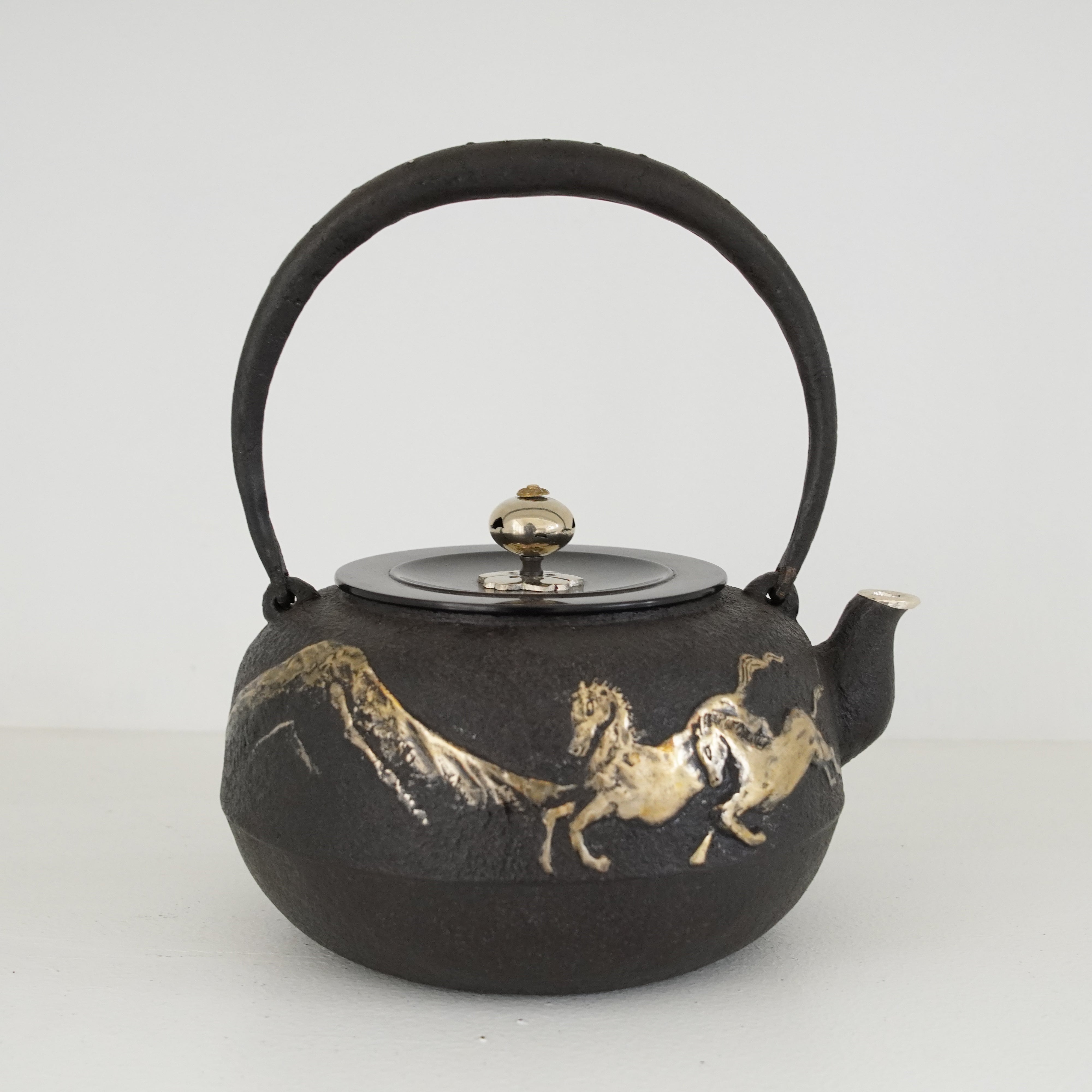
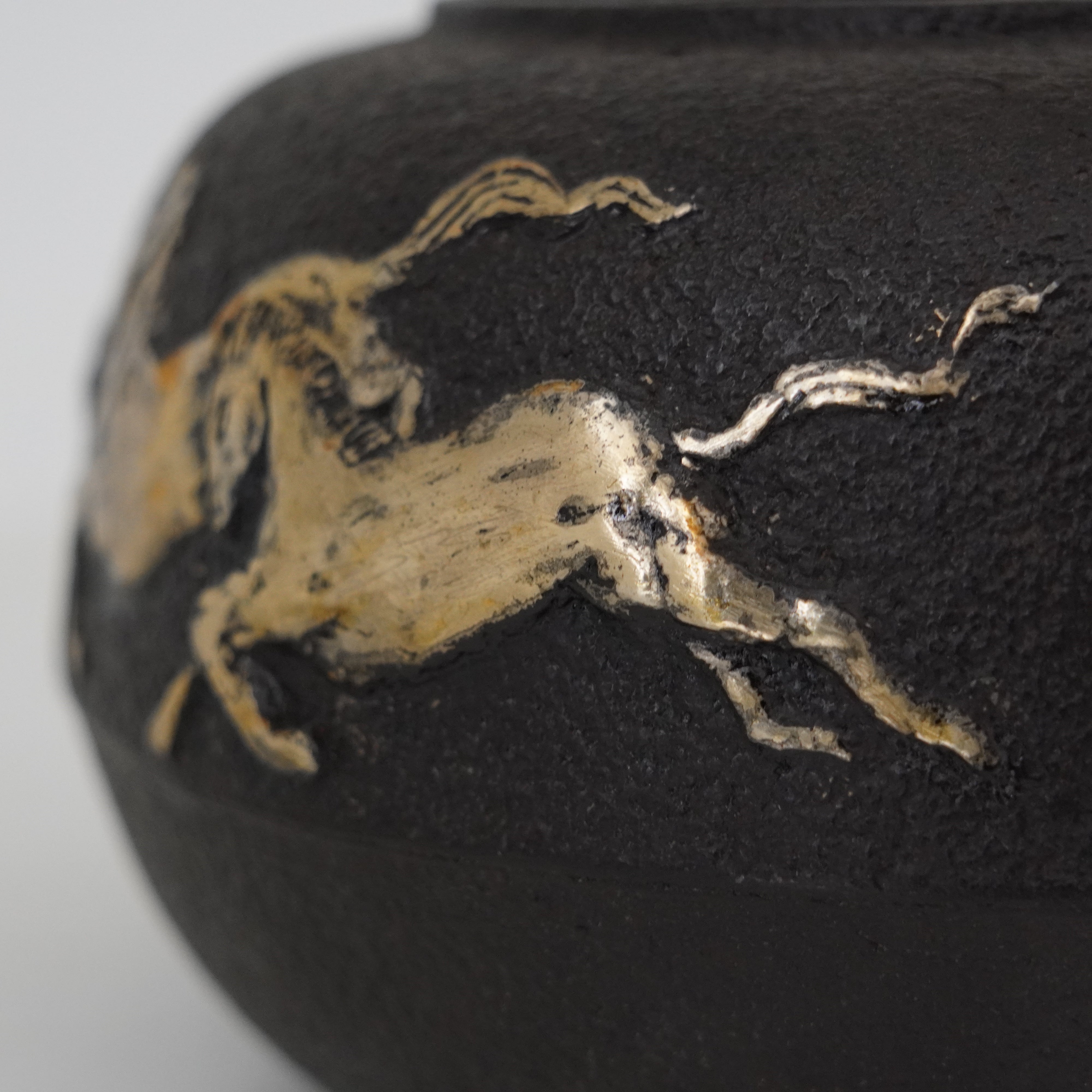
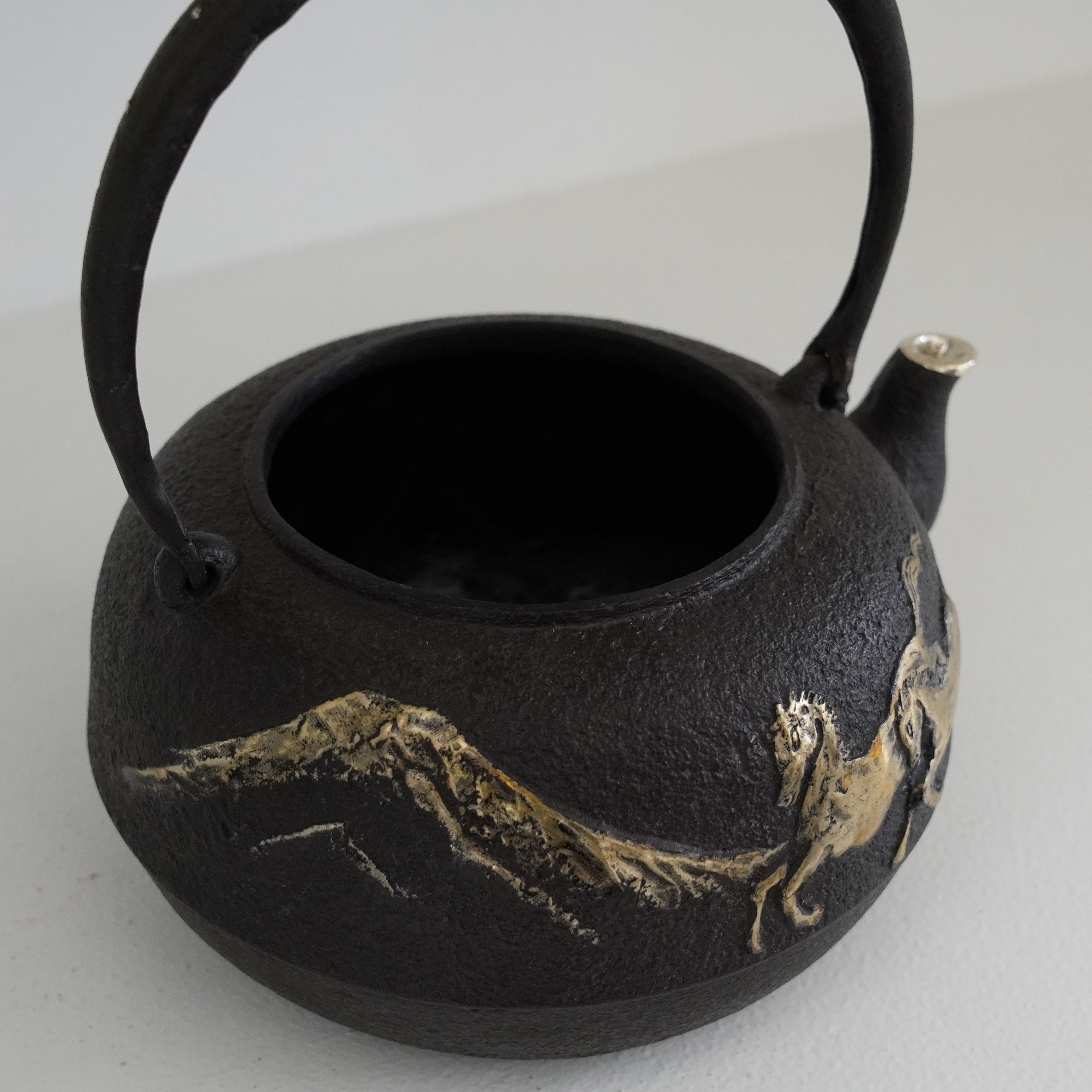
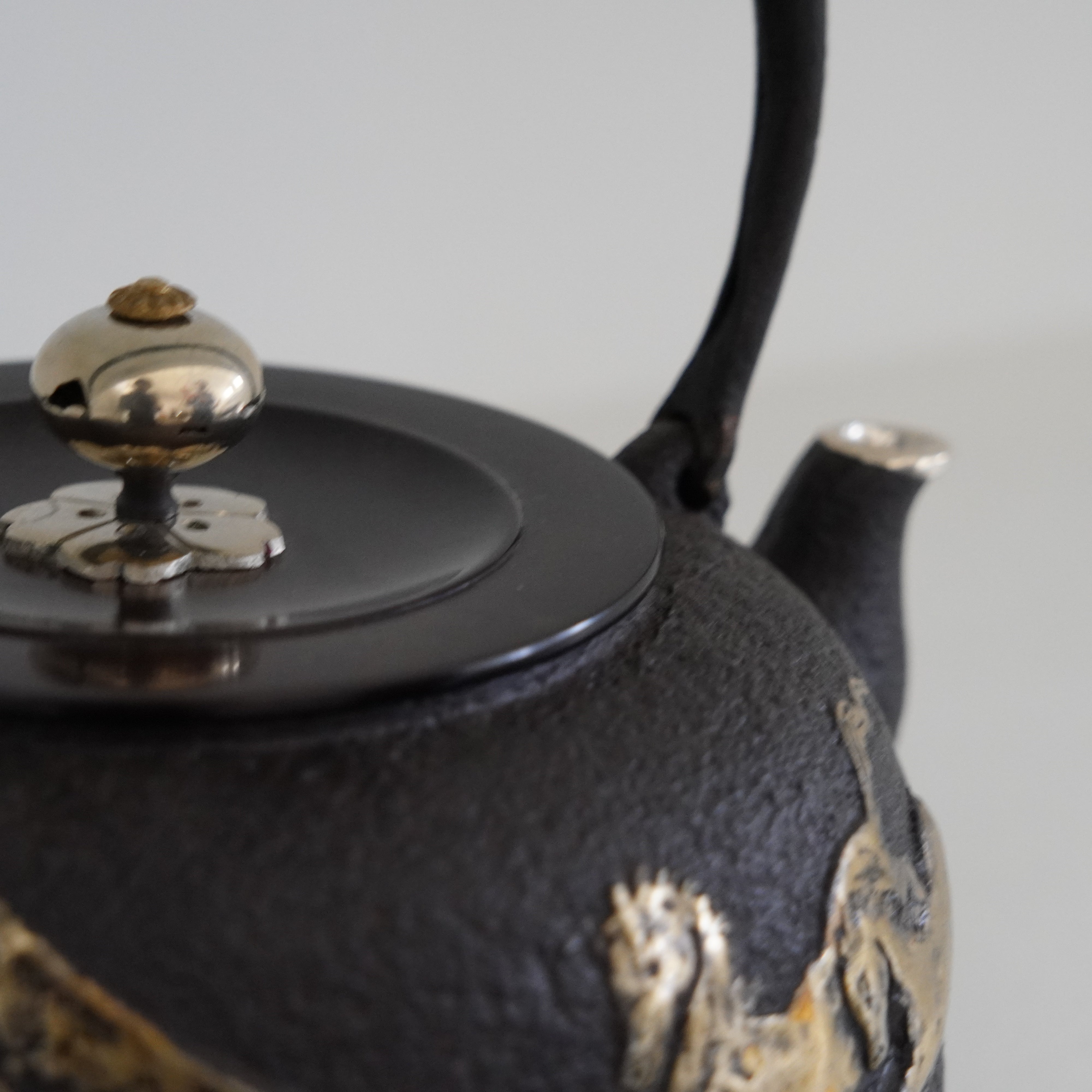
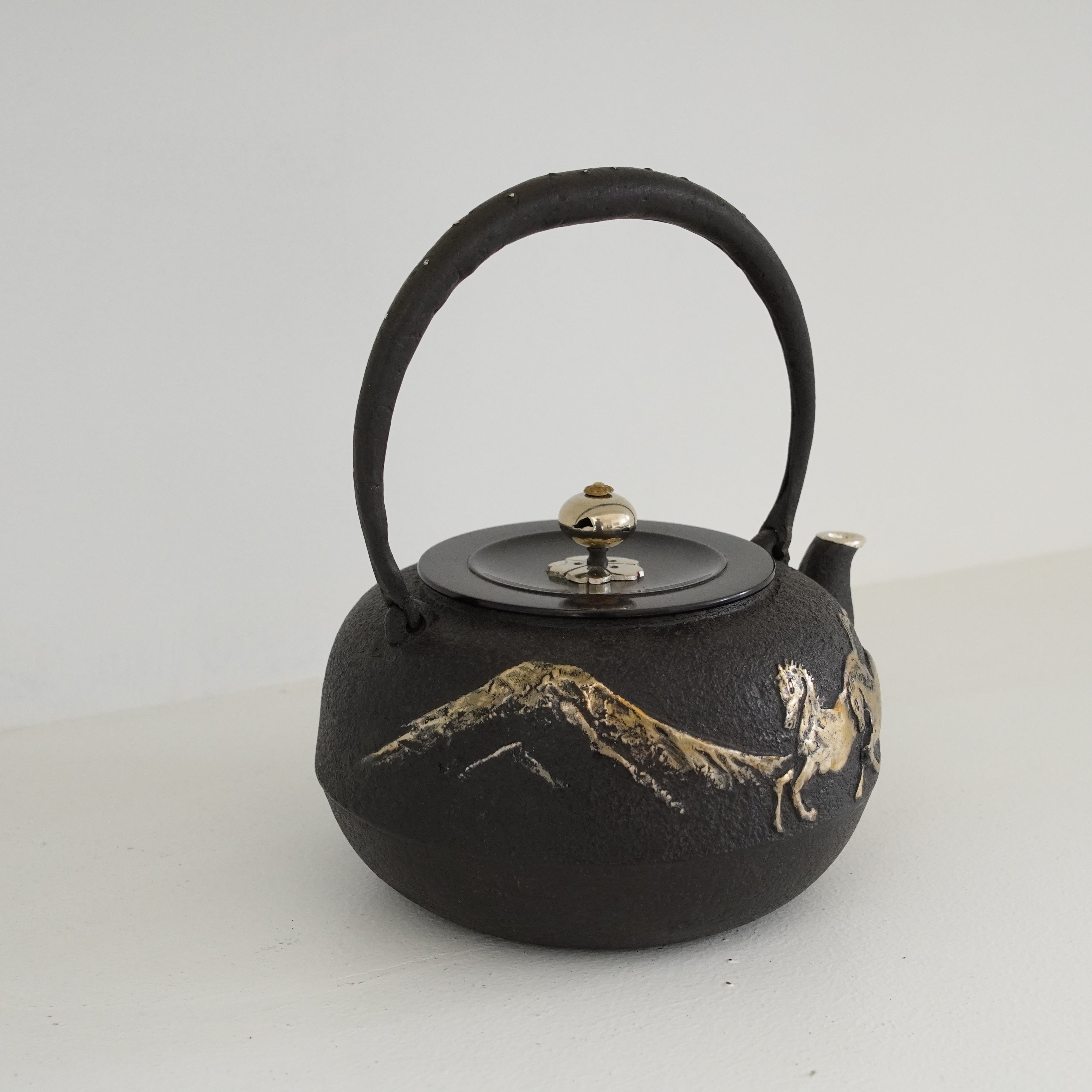
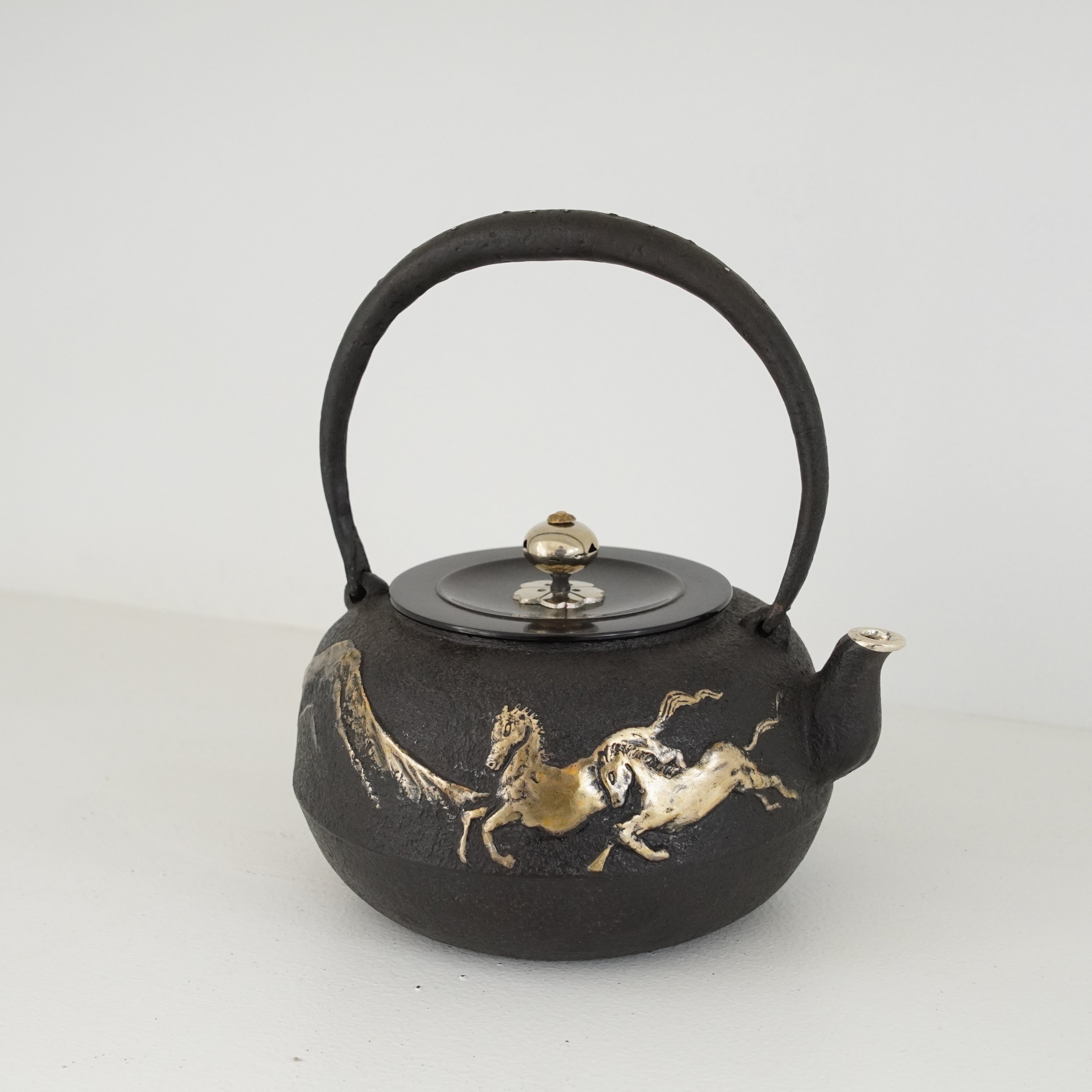
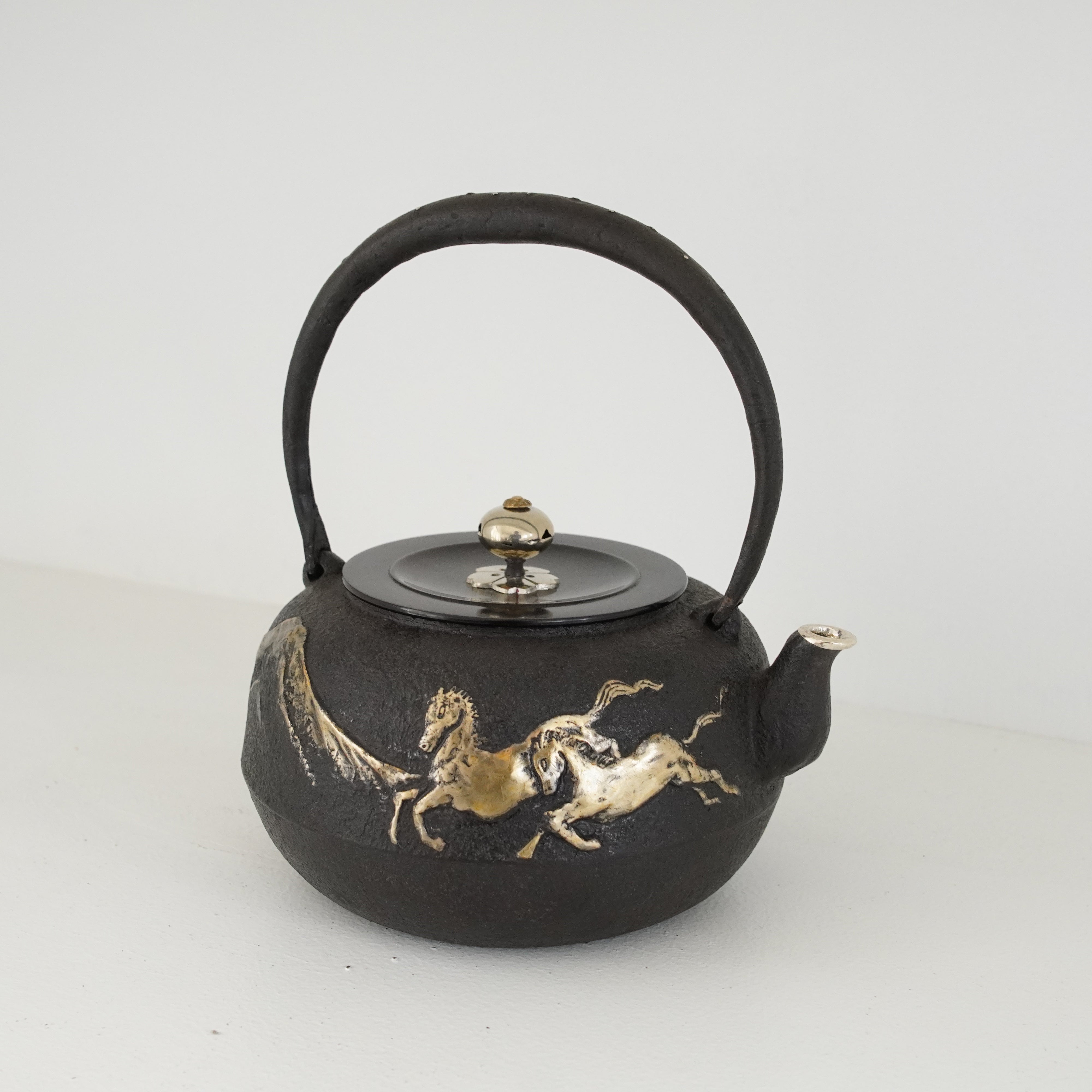
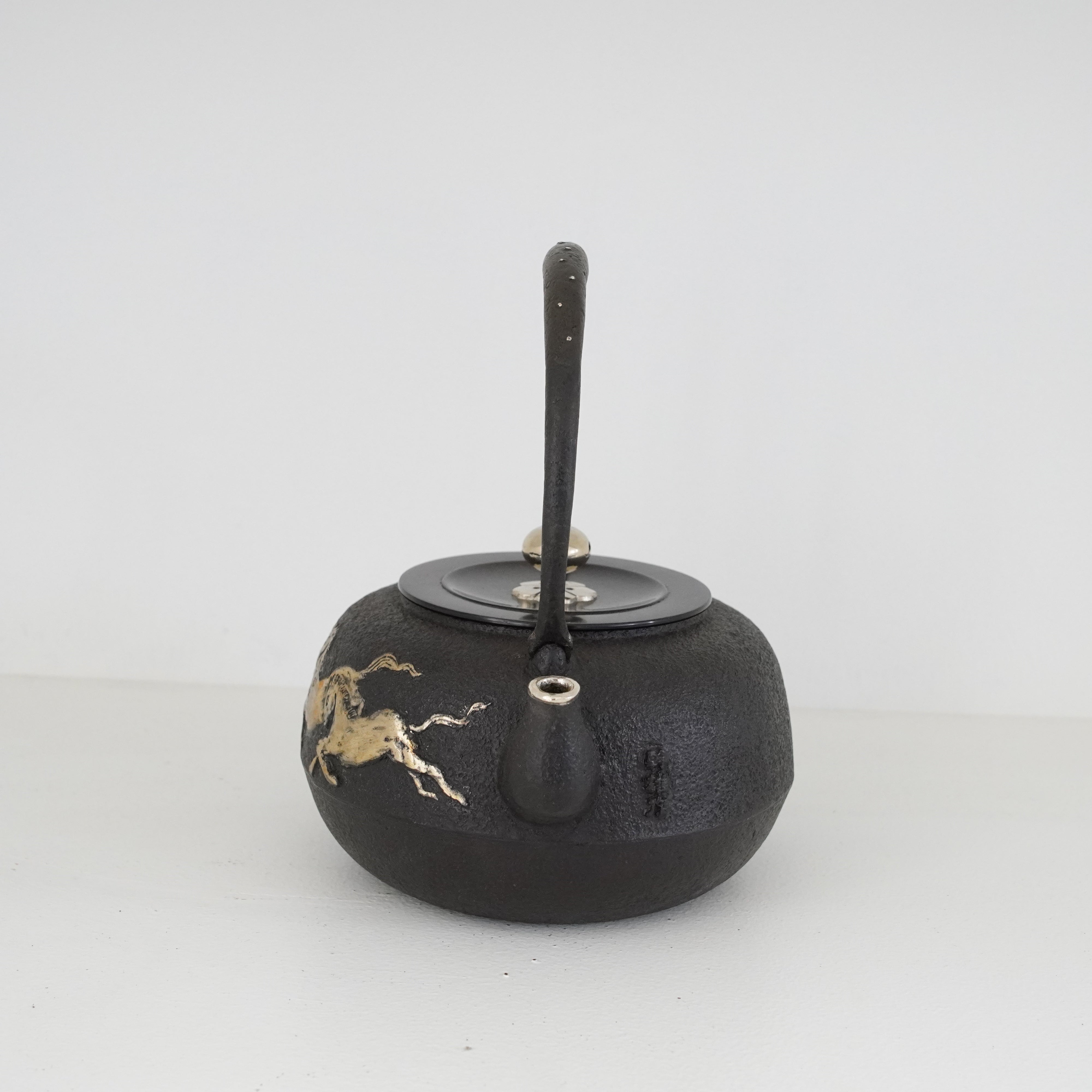
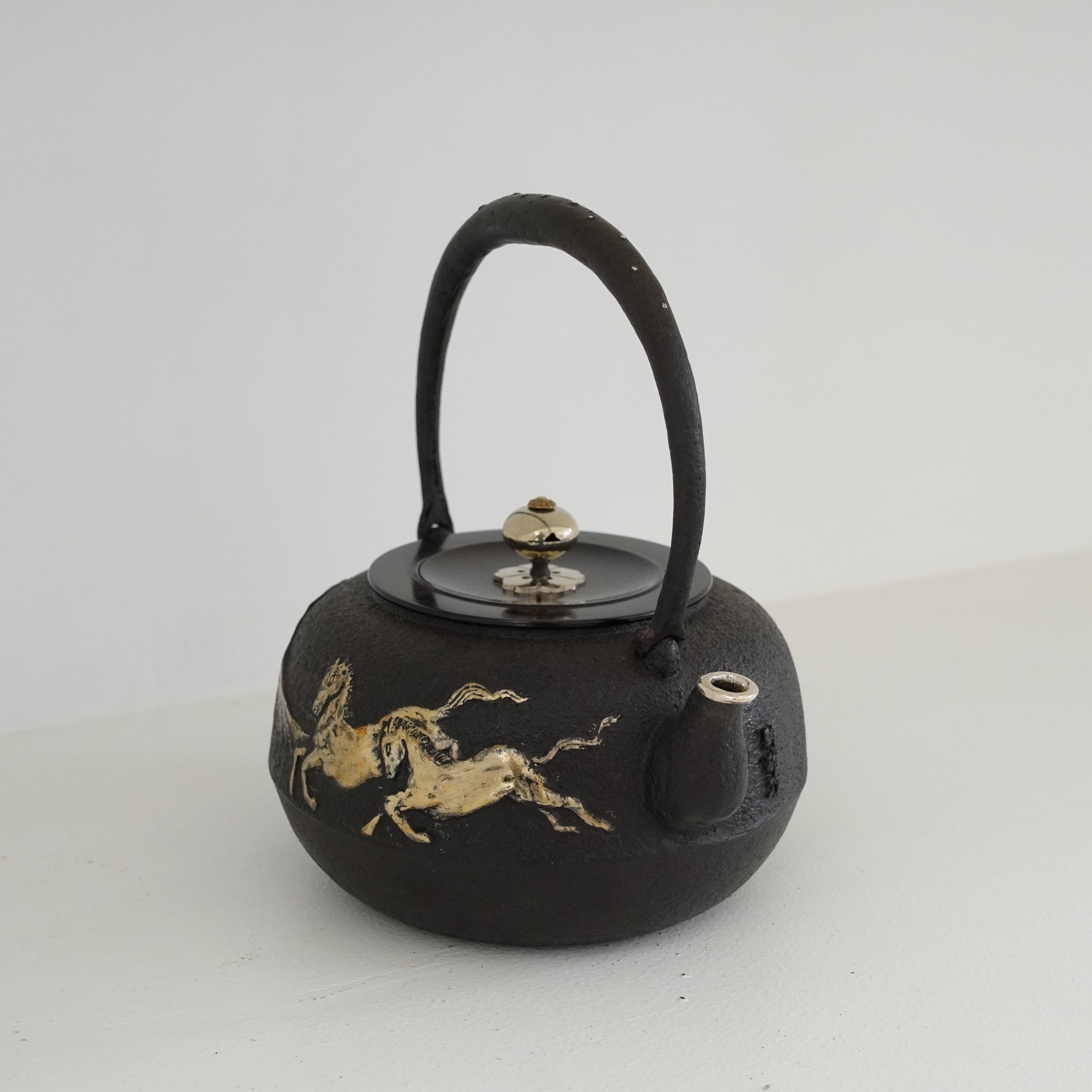
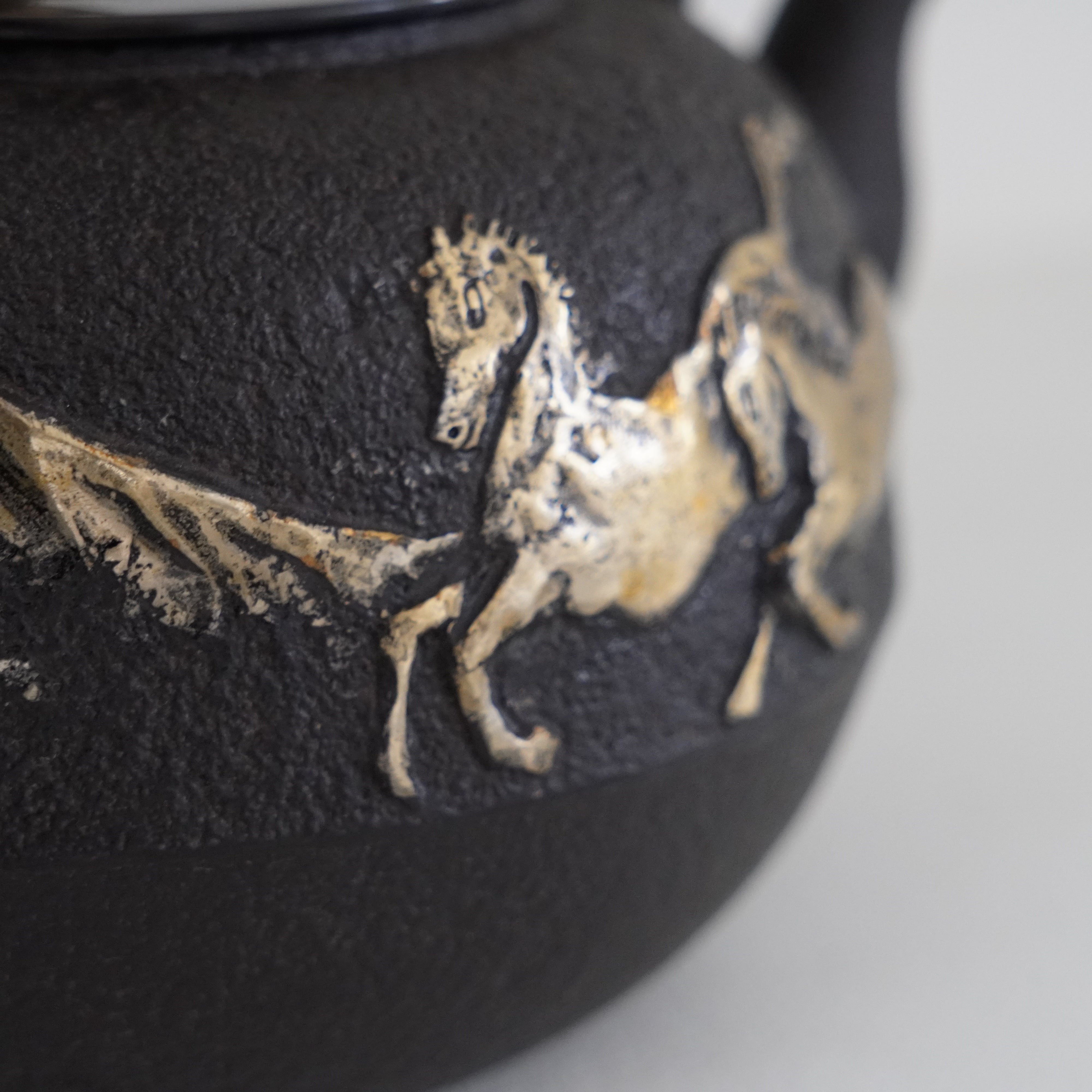
Fuji and a horse are depicted on this gem with a uniquely Japanese design.
In Japan, there is a long-held belief that gods reside in things and nature. Many high mountains have become objects of worship, and Mt. Fuji, the tallest and most beautiful mountain in Japan, is the best example of this belief. Horses have also historically been known as vehicles for people of high status and gods. In warfare, people built a relationship of trust with horses and fought together with them on a daily basis. Horses were thought of as beings that brought "good things" such as victory, benefits, and income to people. This casting depicts such auspicious Mount Fuji and two horses.
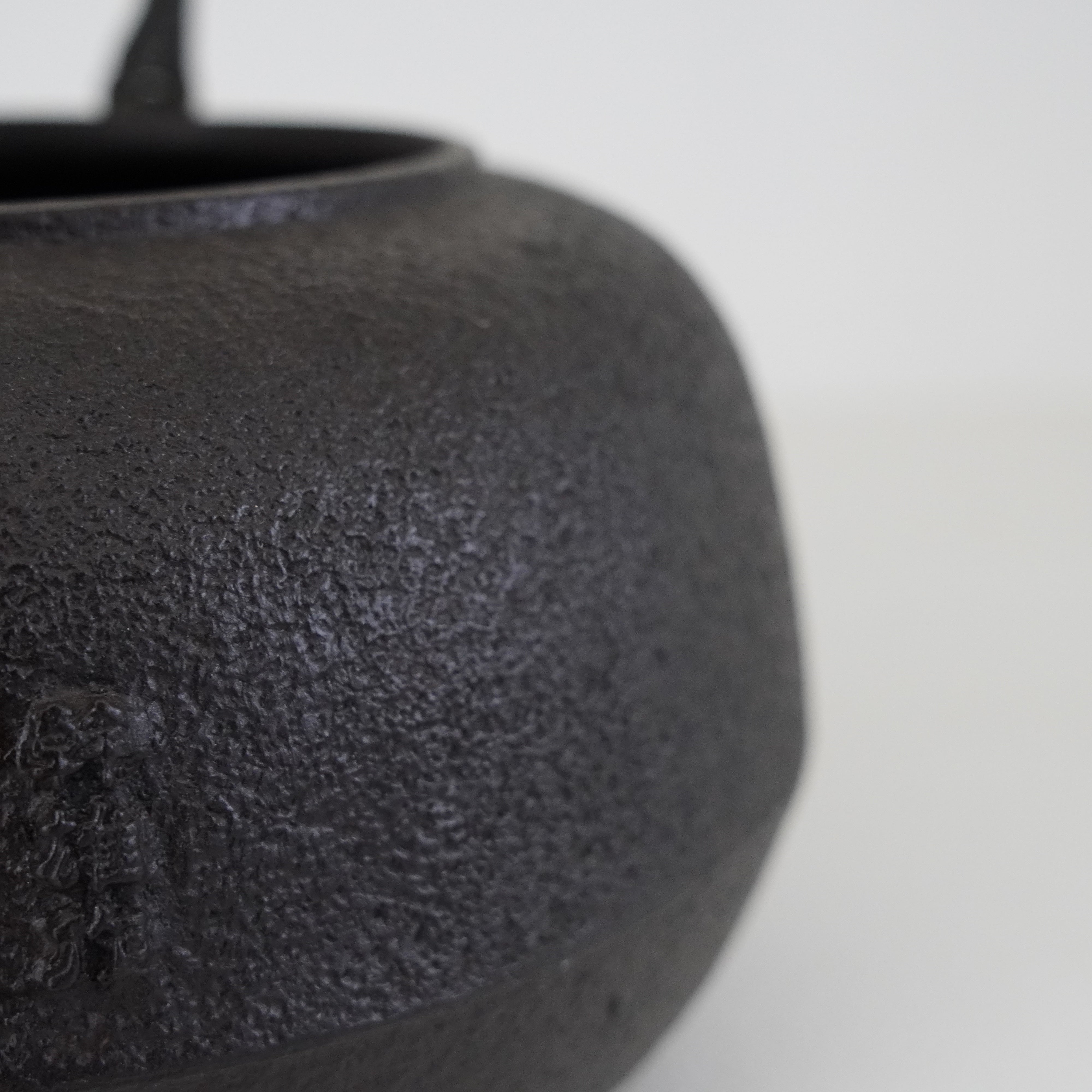
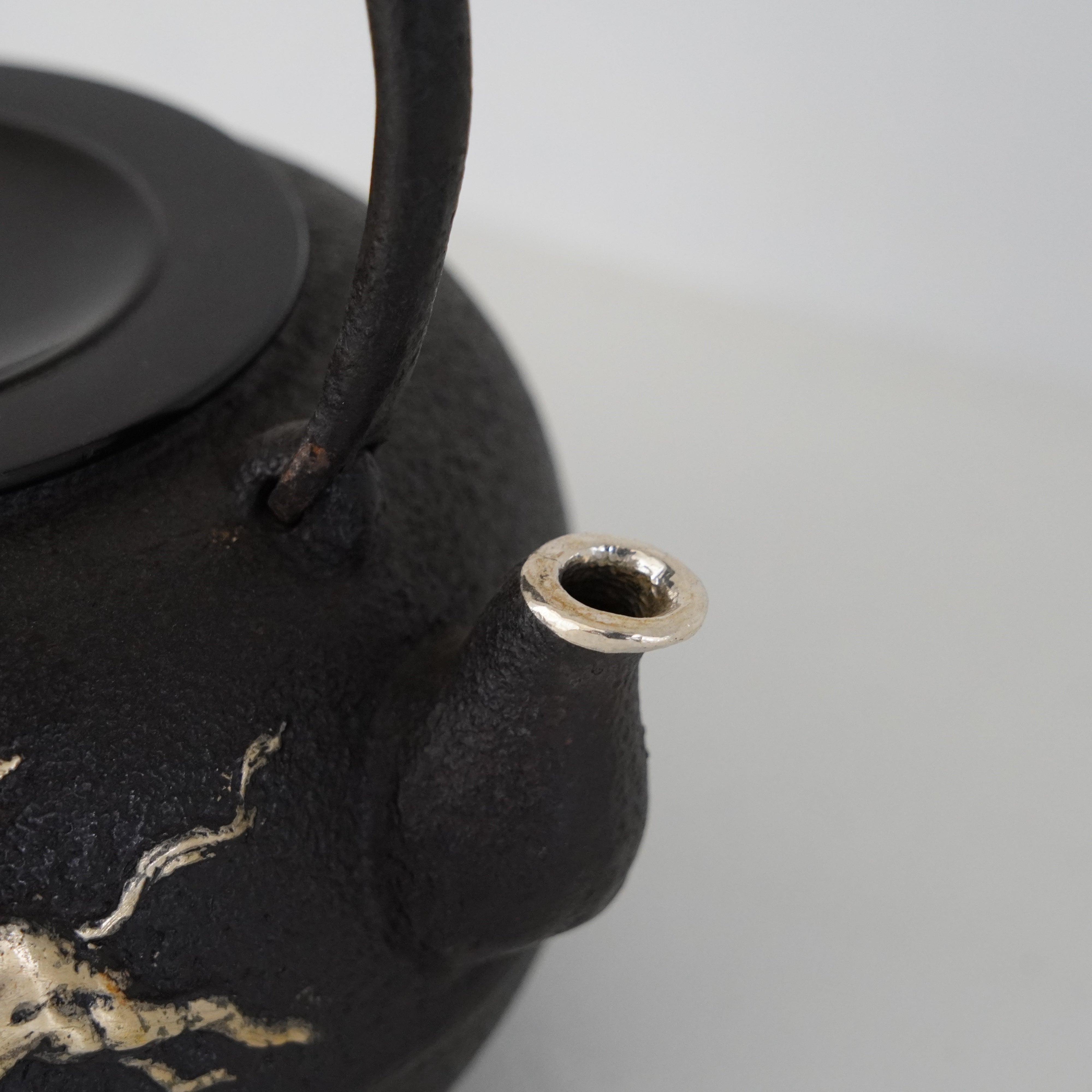
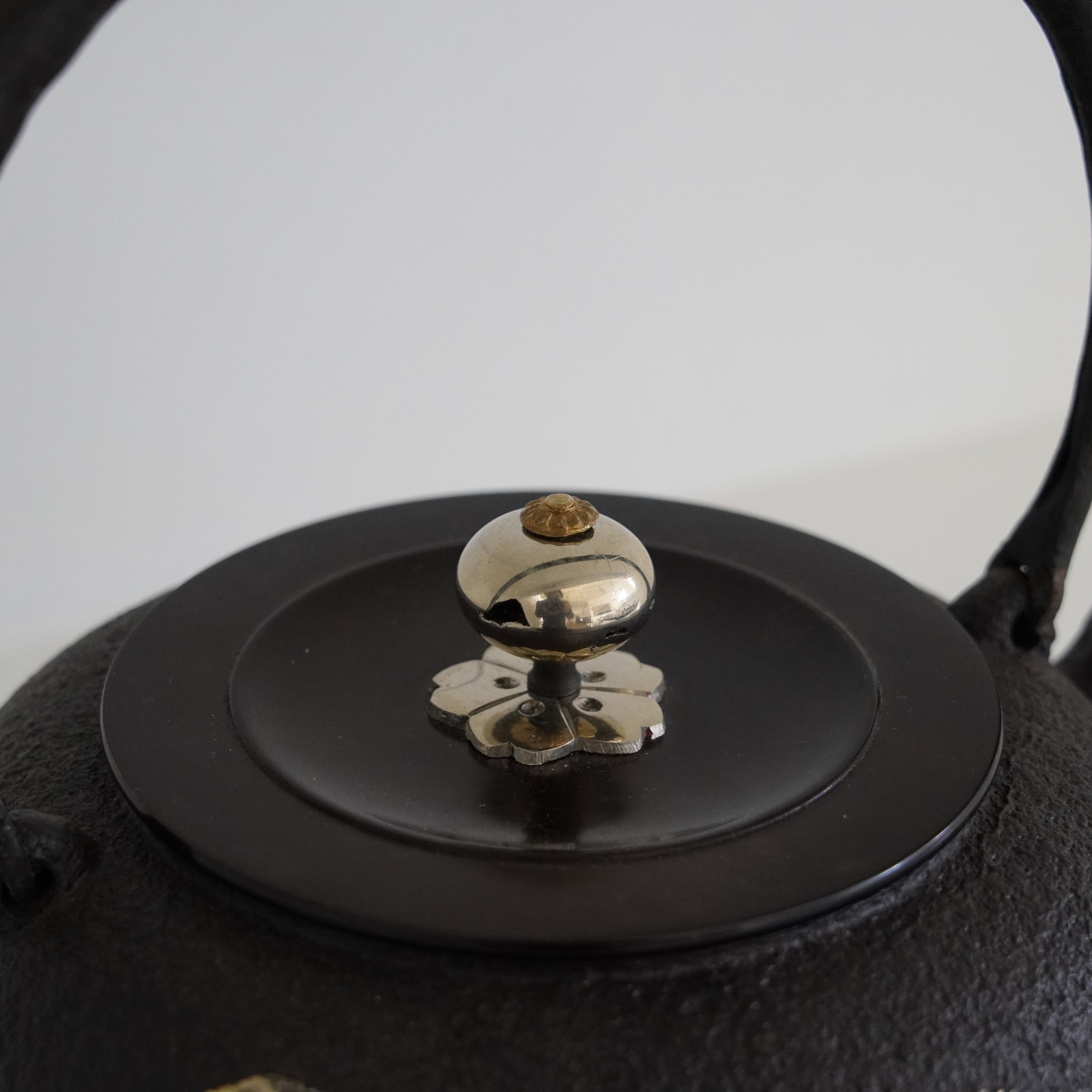
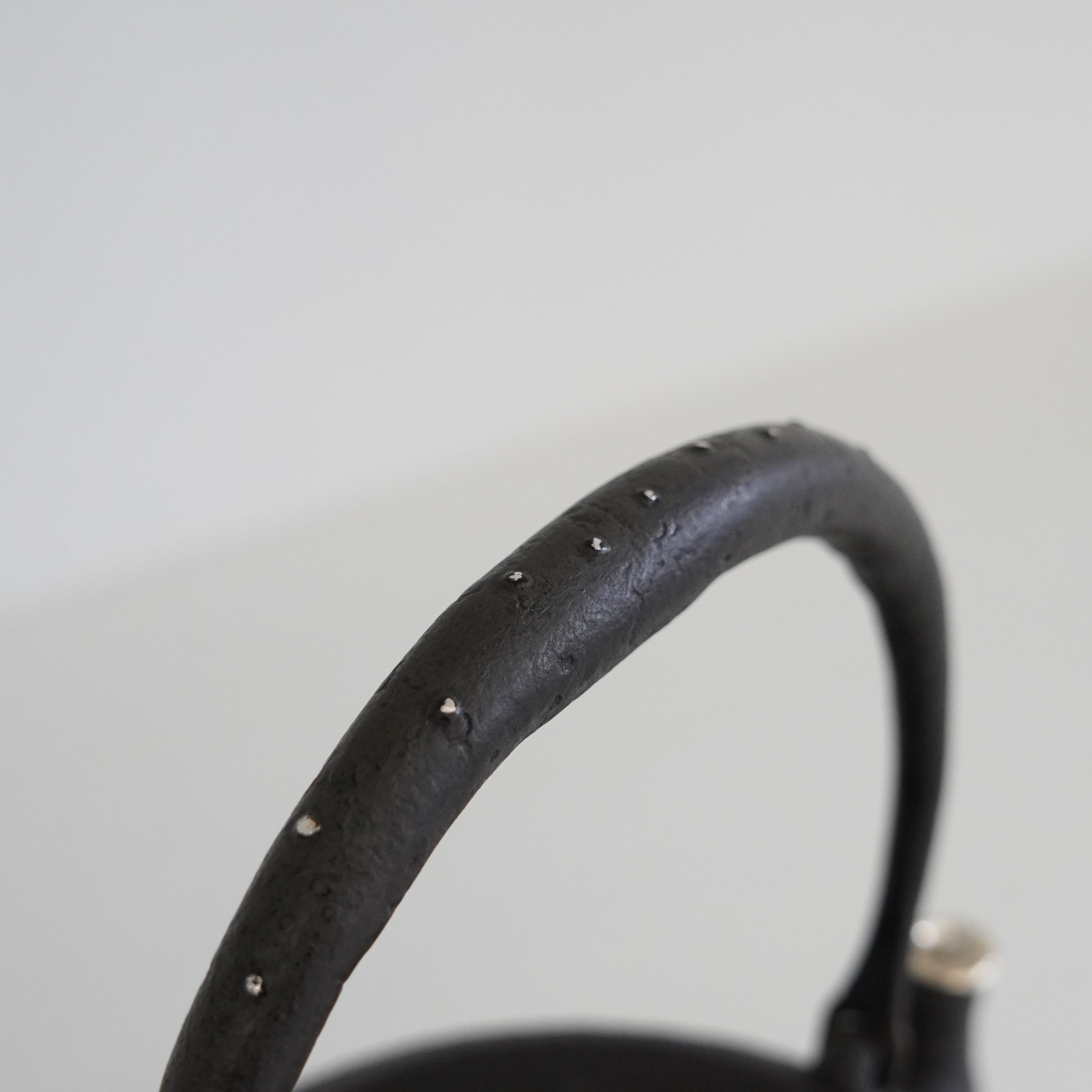
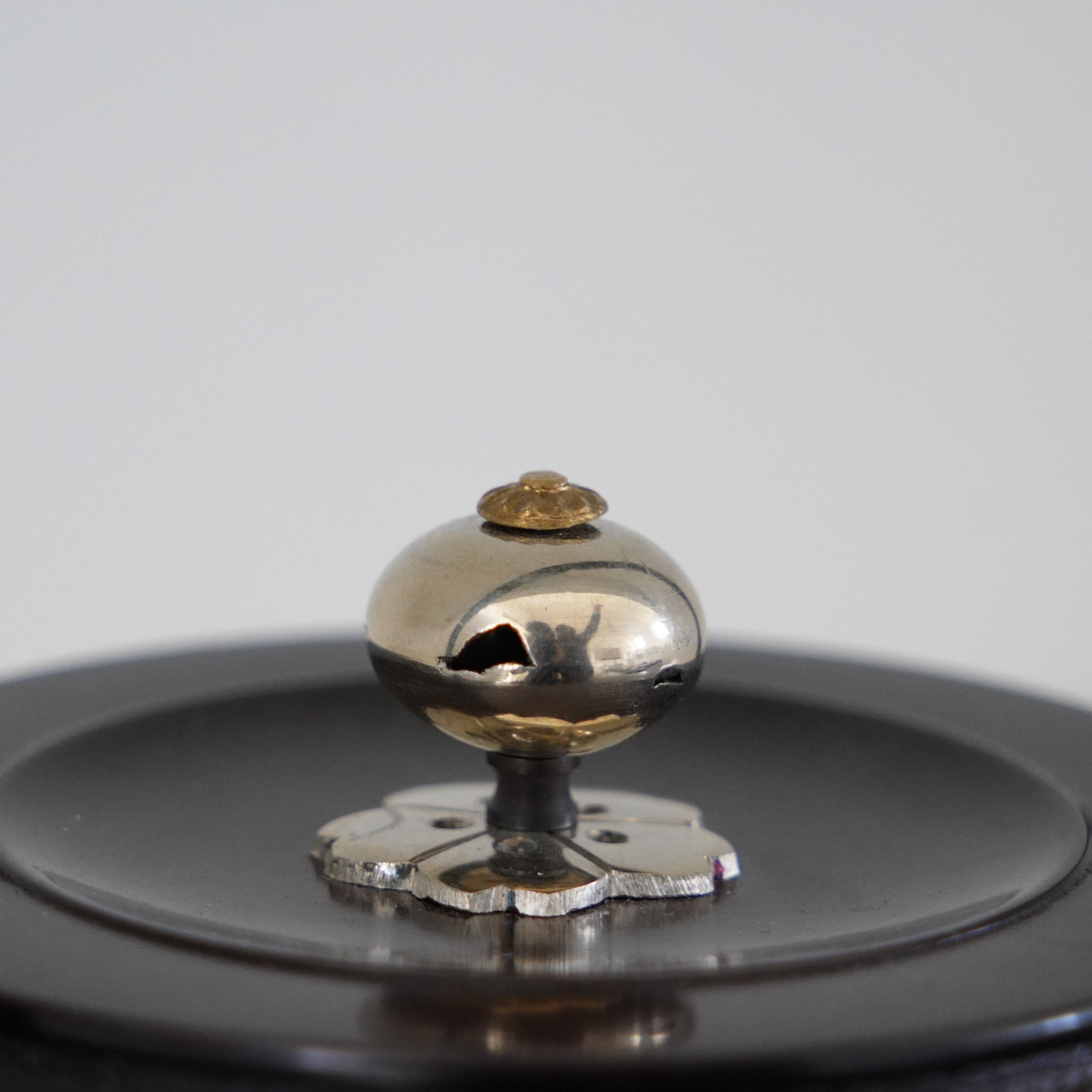
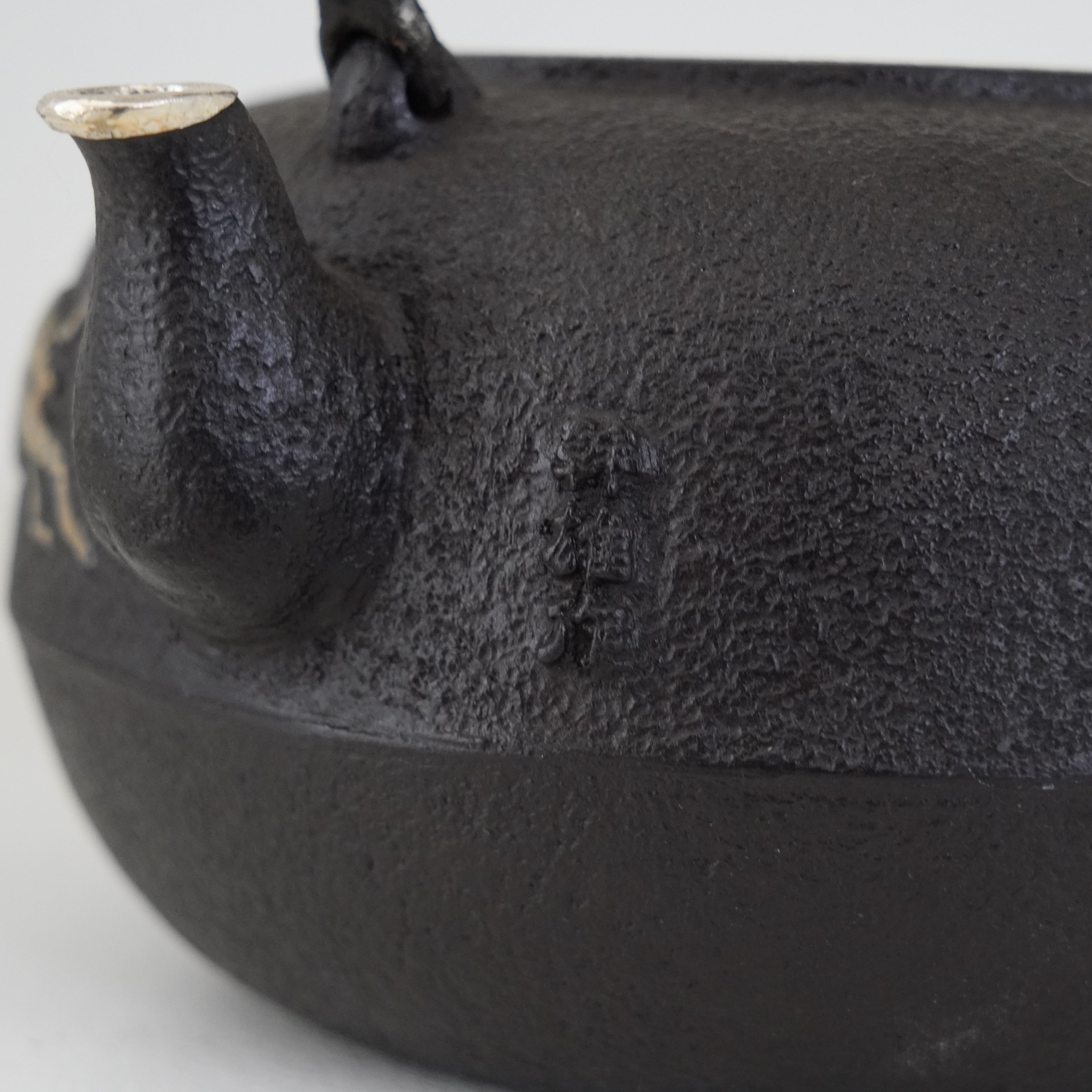
It features a clean form with thin fabric and a beautiful sand grain cast surface, and is highly regarded visually and functionally for its good heat conductivity. The simple, lean design has a universal beauty that is at home at any dining table, while inheriting the spirit of chanoyu. Inheriting the items used by grandparents and parents and using them for a long time will bring memories of those who have used them. Because of its longevity, one of the characteristics of cast metal is that you can cherish things and enjoy their background.
It is recommended not only for daily use but also for interior decoration.
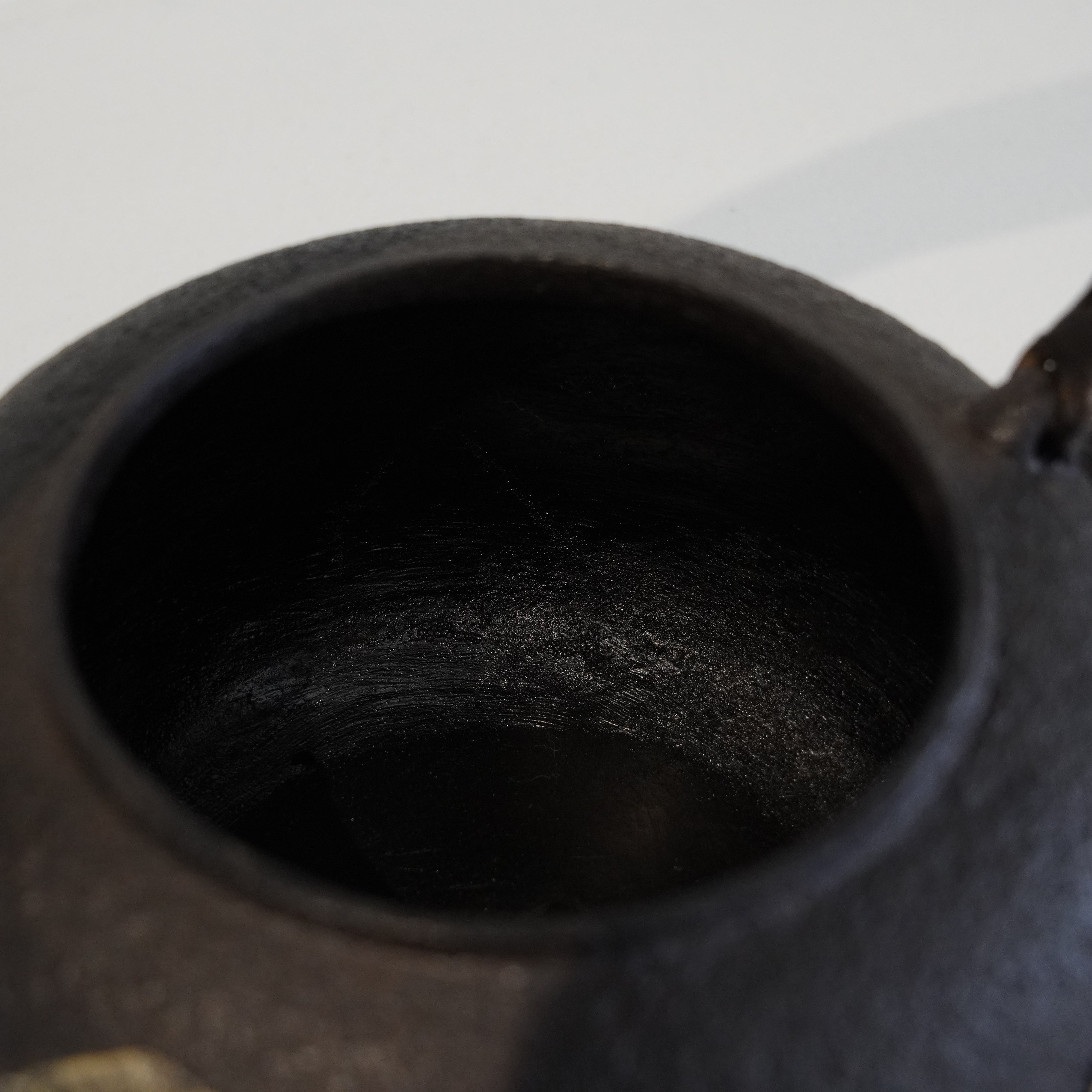
Water boiled in an iron kettle has a mild taste and is very tasty, and you can also consume iron with a high absorption rate.
We hope you will use it to build a healthy body.
DETAILS
SIZE
Width:17.5cm
Depth:15.5cm
Height:21cm
Weight:1,932g
MATERIAL
Iron
ARTISAN
STUDIO ARAI
"A traditional craft that is different from mass-produced products"
While each part of a casting is made by a division of labor, our workshop adopts an integrated manufacturing process that makes everything. We make everything from the materials to the design to create a work of art that we are satisfied with. This approach is very rare, and we produce casting every day with the desire to keep traditional crafts alive.
ARTISAN STORY
Mikio Arai / Arai Koubou
They have started business in 1972. The business began with the casting of machine parts by the previous generation and the production of crafts by his wife, Fumiko Arai, and has continued to the present day with a focus on handmade small-lot production. In the Heisei Era (1990s), members of the royal family visited the workshop privately and created bronze works. The quality of our work is one of the best in Japan, and we have delivered several pieces to the Imperial Household as gifts.
ACHIEVEMENTS
・Received the International Prize for Culture and the Arts
・Multiple deliveries of imperial gifts
KOGEI
YAMAGATA IMONO / YAMAGATA CAST METALWARE
About 950 years ago / 1000s / Heian Period
Yamagata casting is traditionally traced back roughly nine to ten centuries, when metalworkers traveling with the forces of Minamoto no Yoriyoshi discovered that sand and earth around the Mamigasaki River were ideal for molds and settled in the area. In the early Edo period, Mogami Yoshiaki concentrated foundries in the district now known as Domachi.
In Japan, Yamagata casting is known for thin walls and refined surfaces on kettles, tea-ceremony cauldrons, vases and temple bells. The same region also produces industrial castings, so traditional craft and modern manufacturing exist literally side by side.
The mold itself is made from sand rather than metal. Fine sand is compacted and patterned with tools before molten metal above 1,000°C is poured in. Because the mold must be broken to remove the finished object, the carefully prepared negative form is normally used only once.
选择选项