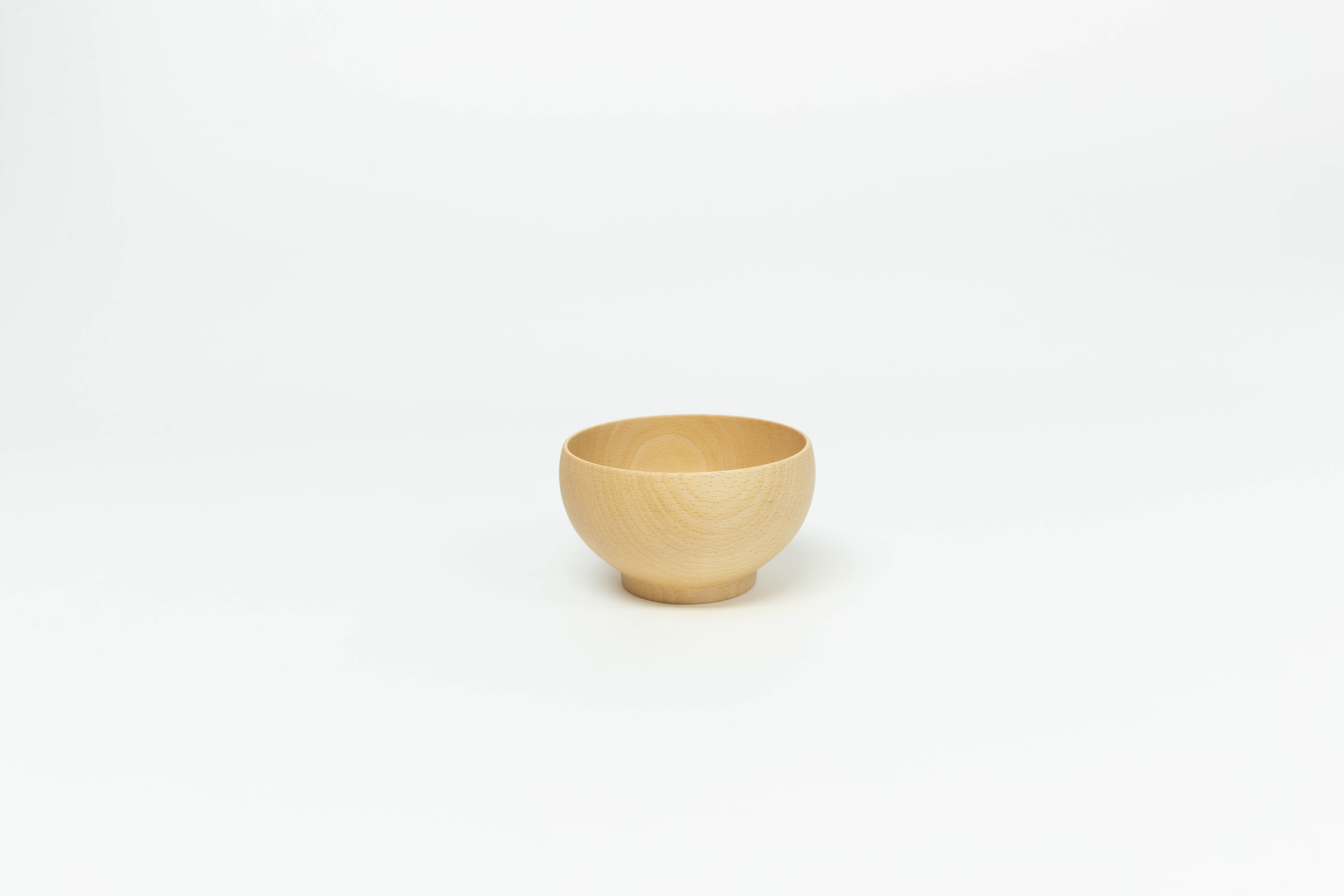
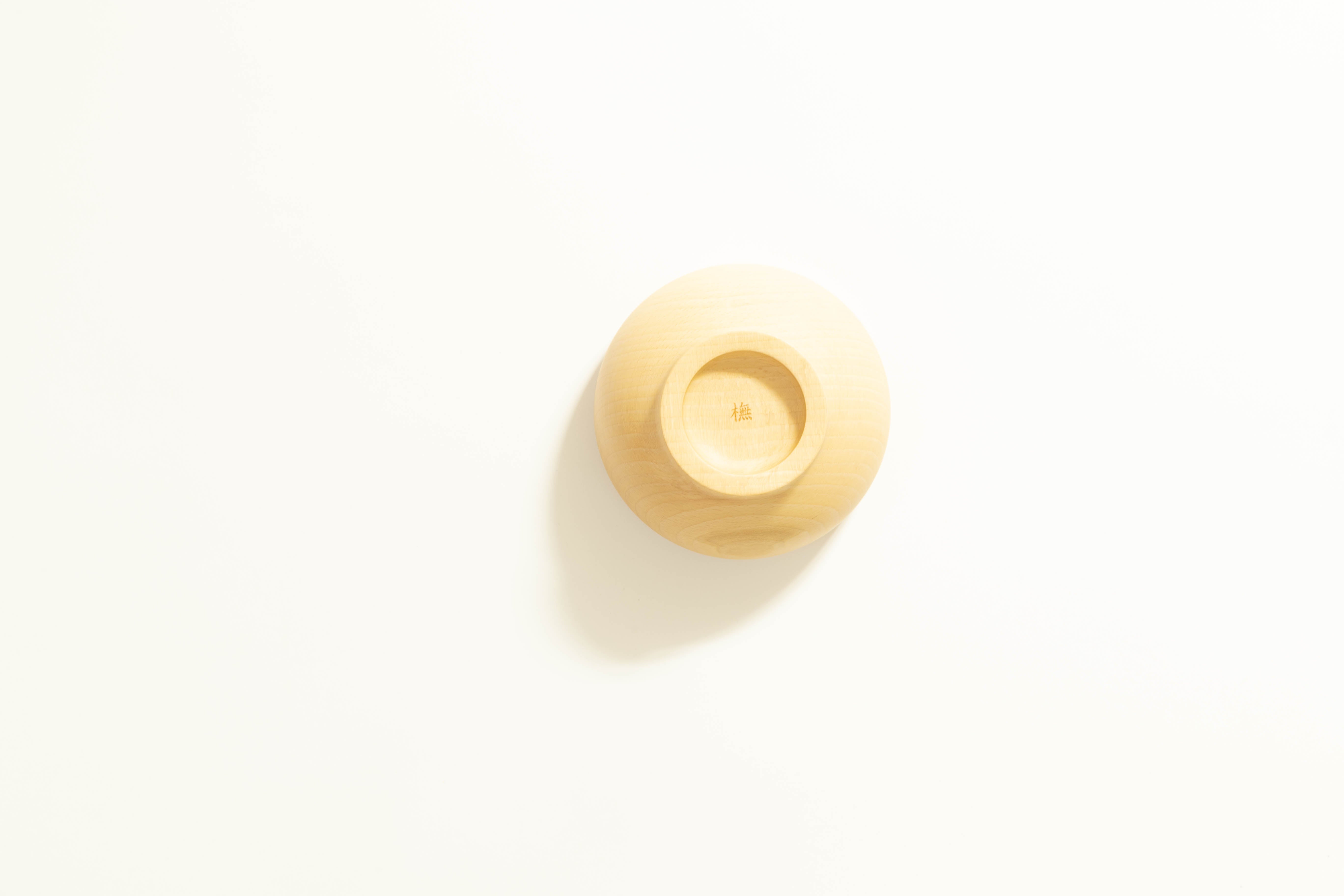
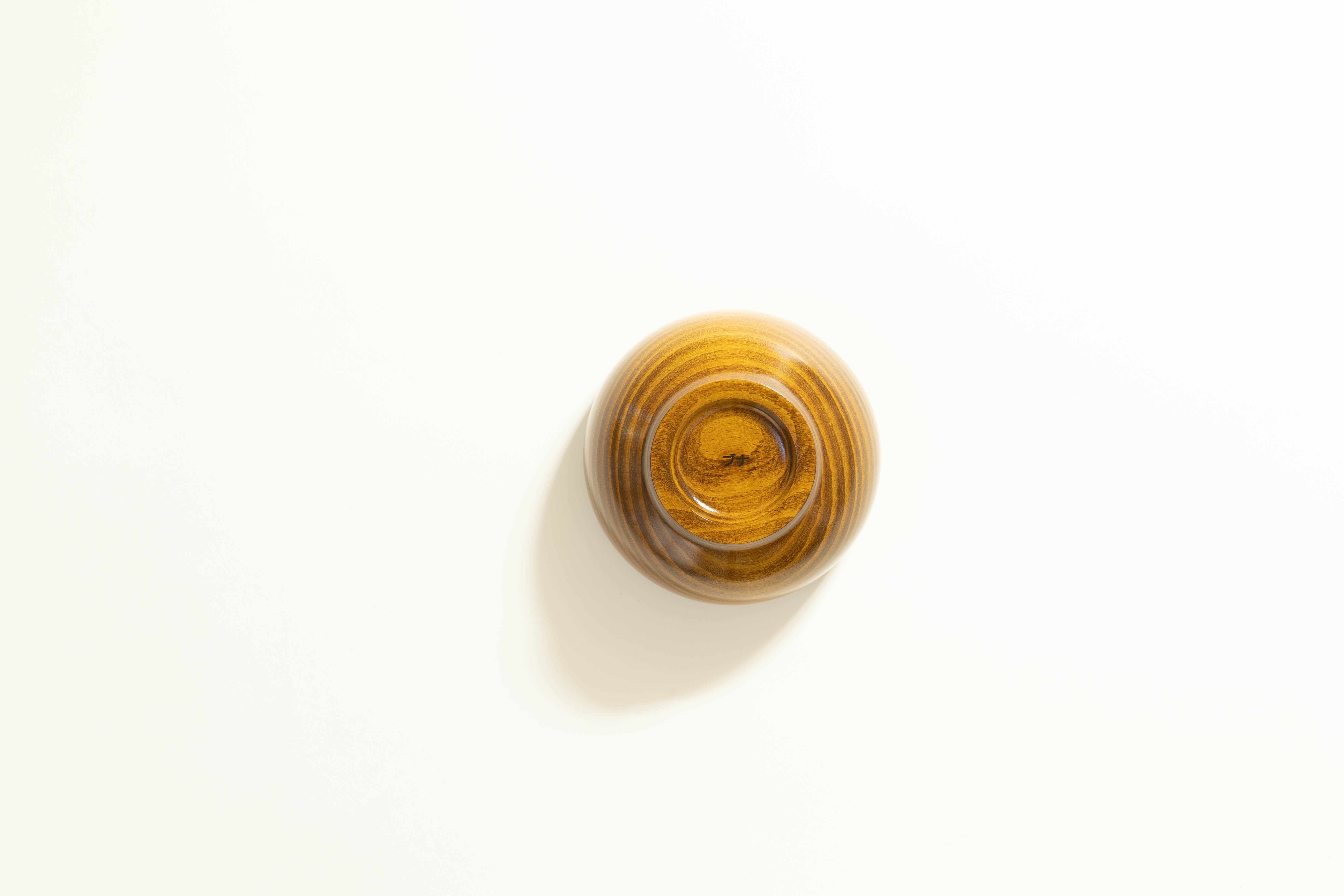
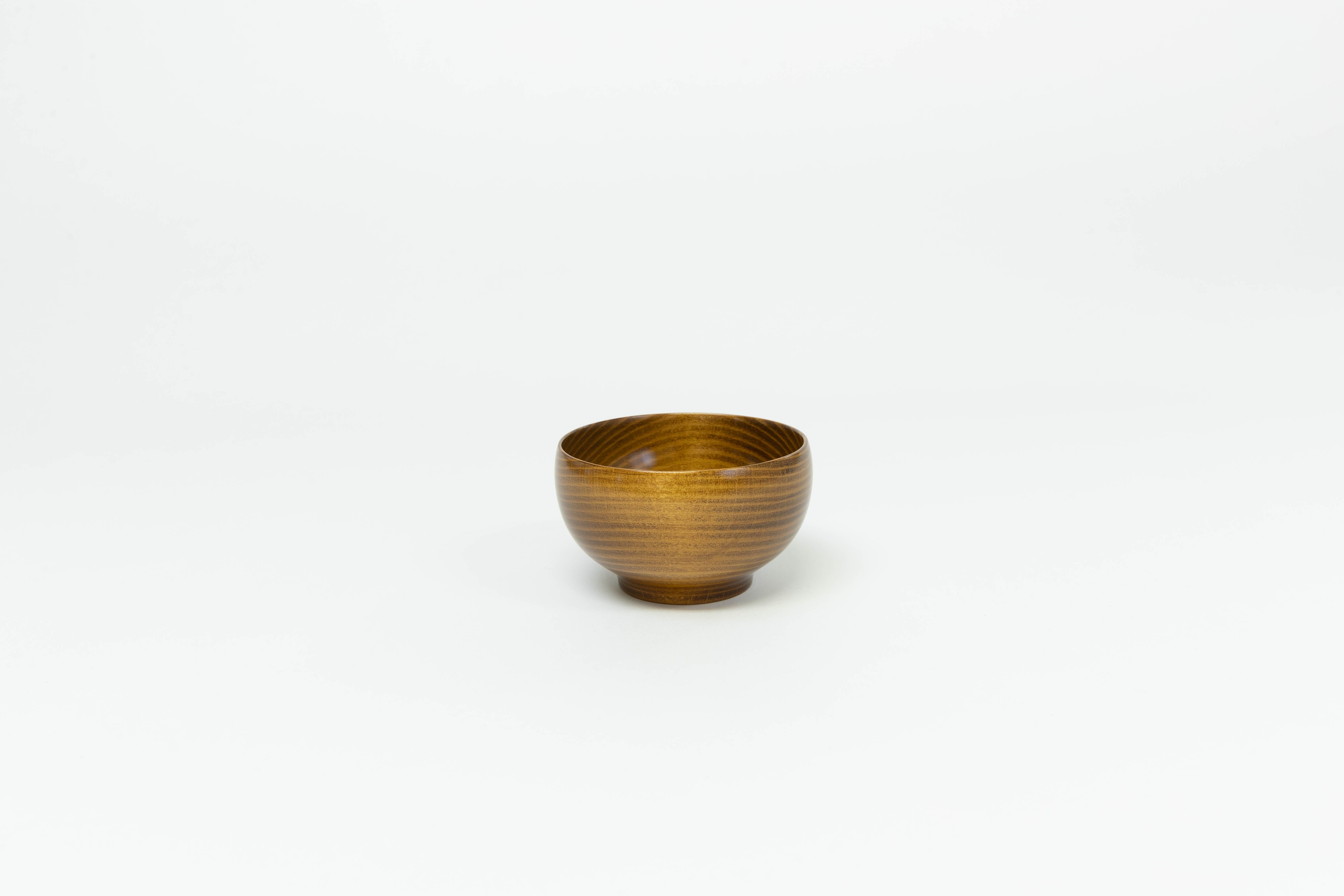
Meiboku Bowl / Medium / Beech
قبل الشراء
يحمل متجر Suigenkyo عبر الإنترنت أعمالًا مصنوعة يدويًا من قبل الحرفيين من جميع أنحاء اليابان.
يرجى ملاحظة أن التصميم ، وما إلى ذلك قد يختلف قليلاً عن الصورة بسبب الطبيعة المصنوعة يدويًا للمنتج.
يرجى العلم أنه قد يكون هناك تأخير في عكس مخزون العناصر الفريدة من نوعها لأنها تباع أيضًا من قبل الحرفيين ، وقد تكون غير مخزنة. في مثل هذه الحالات ، سنقوم بإلغاء طلبك.
شحن
- أوامر أكثر من 150 دولار مؤهلة للشحن المجاني.
- ستتحمل الطلبات التي تقل عن 150 دولارًا رسوم شحن ، يتم حسابها تلقائيًا عند الخروج.
الجمارك وضريبة القيمة المضافة
- يرجى العلم أن الواجبات الجمركية وضريبة القيمة المضافة قد تنطبق في وقت التسليم.
- العميل مسؤول عن دفع أي واجبات جمركية وضريبة القيمة المضافة.
- الواجبات الجمركية وضريبة القيمة المضافة غير قابلة للاسترداد.
※ سيكون موضع تقدير إذا تمكنت من التحقق من الواجبات الجمركية مقدمًا على موقع الجمارك في بلدك.
خدمات التوصيل
- بوست اليابان
- DHL
موعد التسليم
- إذا كان العنصر في المخزون ، فسيتم إرساله في غضون أسبوع تقريبًا.
- إذا كان العنصر خارج المخزون ، فإن وقت الإنتاج يختلف حسب المنتج. يرجى التحقق من تاريخ التسليم في قسم المواد والحذر من وصف المنتج.
آخر تحديث: 9/3/2024
Product Description
Product Story
General Product Information
Artisan-made vessels, crafted from Japanese Beech (Buna) wood sourced from natural domestic forests. After being seasoned and dried for approximately six months, each piece is meticulously hand-carved by skilled craftsmen in Odawara.
The artisans even hand-forge the very blades they use for carving, ensuring that every product is infused with their heart and soul, without compromise.
Slightly larger than a standard miso soup bowl, these generous vessels are perfect not only for Japanese soups but also for Western-style soups. Their ample design beautifully complements any dish, including Western cuisine.
With this slightly oversized feel, they are incredibly versatile—ideal for miso soup, Tonjiru (hearty pork and vegetable soup), stews, or even as individual serving bowls for hot pot dishes.
Product History
When did these crafts start to craft?:500 years ago / 1500AD / Sengoku period in Japan
The origins of Odawara Lacquerware date back to the mid-Muromachi period, born from the marriage of premium timber from the Hakone and Izu forests and the masterful technique of woodturning (rokuro-biki). The craft evolved significantly as lacquer masters gathered for the construction of Odawara Castle, and further flourished under the patronage of the Sengoku warlord Hojo Ujiyasu, who pioneered the vibrant "Iro-Urushi nuri" (colored lacquer) technique.
By the Edo period, Odawara’s strategic position as a prominent castle town and a major post town along the Tokaido road allowed the craft to thrive. From durable daily necessities like bowls and trays to ornate military equipment, the lacquerware gained immense popularity even in the capital of Edo. Today, this tradition of "sturdy and graceful beauty" continues to breathe and evolve in the heart of Odawara.
Craftsman Story
Craftsman Profile
Studio Sonobe
At Studio Sonobe, the art of creation begins with "patience." Each piece of wood is seasoned naturally for over eight months, allowing it to settle before the transformation begins. Under the skilled hands of veteran artisans, life is breathed into the timber as it is meticulously shaped, moistened by the pure spring waters of the local Sakawa River.
"We refuse to waste a single sliver of wood that took decades to grow."
This philosophy is the heartbeat of their workshop. From the finished vessel to the smallest wood chip repurposed as fuel, their commitment to a zero-waste, circular process reflects a profound respect for the forest.
With the motto "Making a delightful table even more delightful," Studio Sonobe creates original designs that bridge tradition and modern life. These are more than just utensils; they are soulful companions that bring the gentle warmth of nature into your hands, staying close to your heart for a lifetime.
Craftsman Passion
"A true master is born only when they can craft their own tools."
Inside the Sonobe Sangyo workshop, there are as many "unique, singular tools" as there are artisans—instruments shaped to fit one hand and one hand only. Before they ever touch the wood, they forge the steel and hone the blades of the tools they will use.

Your Contribution to Craftsman
Customer Voice
Due to the market structure (link for full articles are attached bottom), craftsman have not known who the customer is and how customer reacts to their work. We made a “Message to Craftsman” box at purchase page. We will deliver all message to every craftsman. Our review will be also shared to craftsman so please leave your comment and evaluation on review section!
Income for Craftsman: Craftsman get only less than 10% of selling price?
As written above, craftsman have not controlled last phase of sales channel that resulting in selling price is set by third-party without craftsman’s recognition. There are some cases that only less than 10% of selling price is given to craftsman. We promise with our customer / craftsman that we offer the fair trade with craftsmen in our contract!
We made an article about above problem and our challenge. Please have a read from below link.
Current state of the Crafts Market / Benefits brought by Suigenkyo
Measurement
Width 11.5cm
Depth 11.5cm
Height 6.8cm
Weight 165g
Material & Caution
Materials
Beech
Caution
Individual Difference
Each piece is handmade, so there are individual differences even in the same series. We hope that you will understand the change by handmade.
Delivery Date
Please note that it will take about a month for delivery if we do not have the item in stock.