مرآة اليد / جيكيوكا
الوصف
التفاصيل
SIZE
MATERIAL
حِرَفِيّ
كوجي
تحذير
مرآة اليد / جيكيوكا
السعر بعد الخصم$2,738.00
حدِّد الخيارات
مرآة اليد / جيكيوكا
السعر بعد الخصم$2,738.00
البلد
اللغة
سلة المشتريات
سلة مشترياتك فارغة
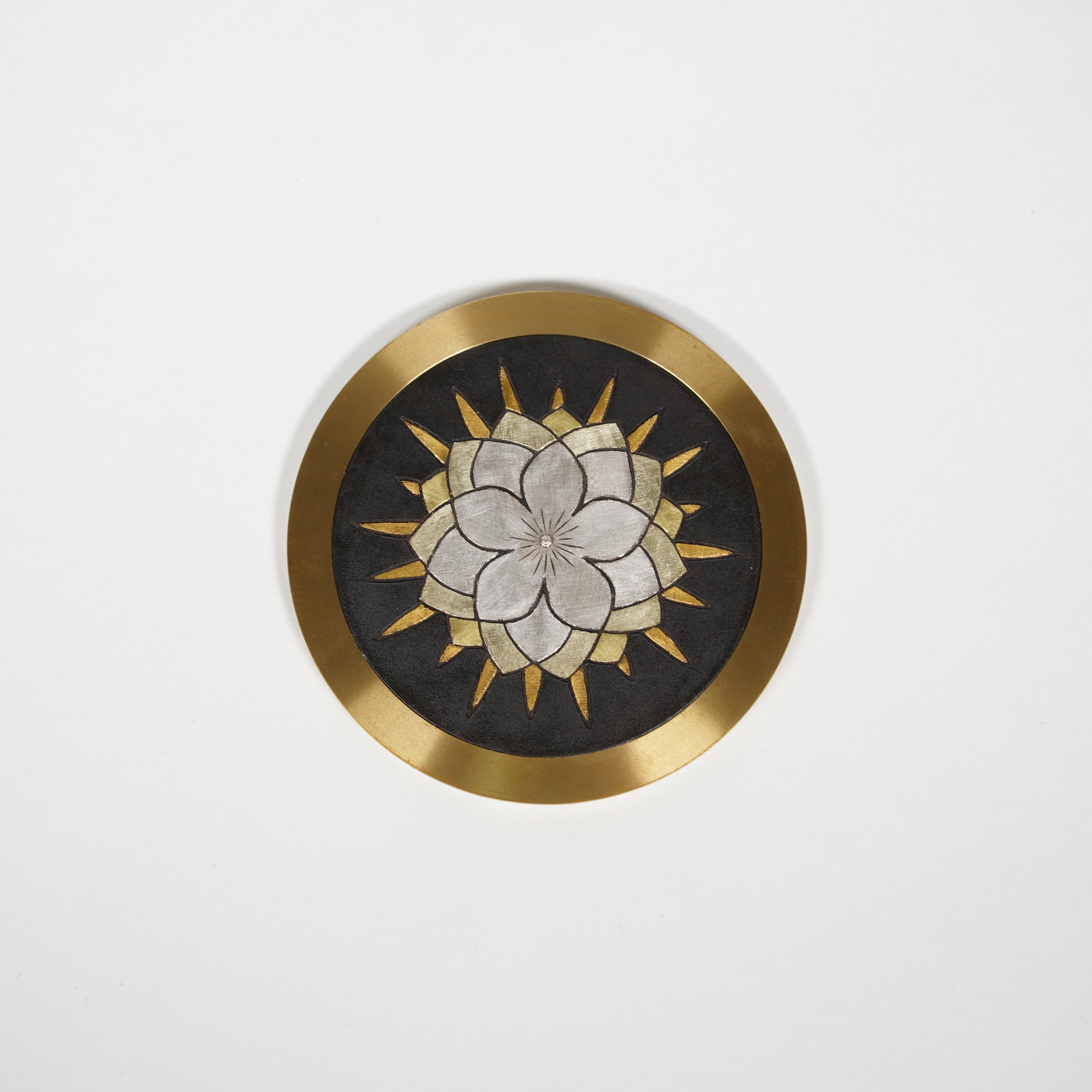
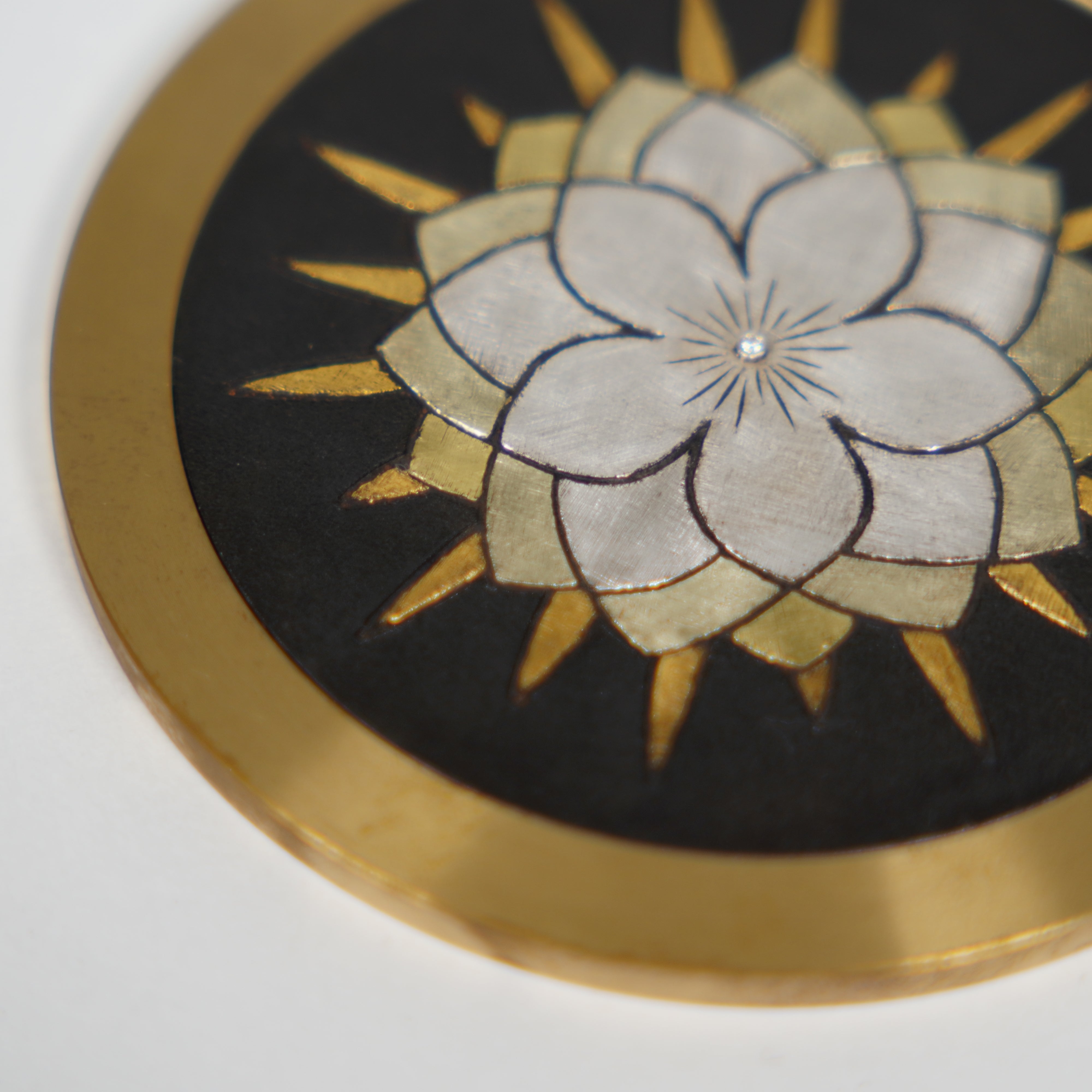
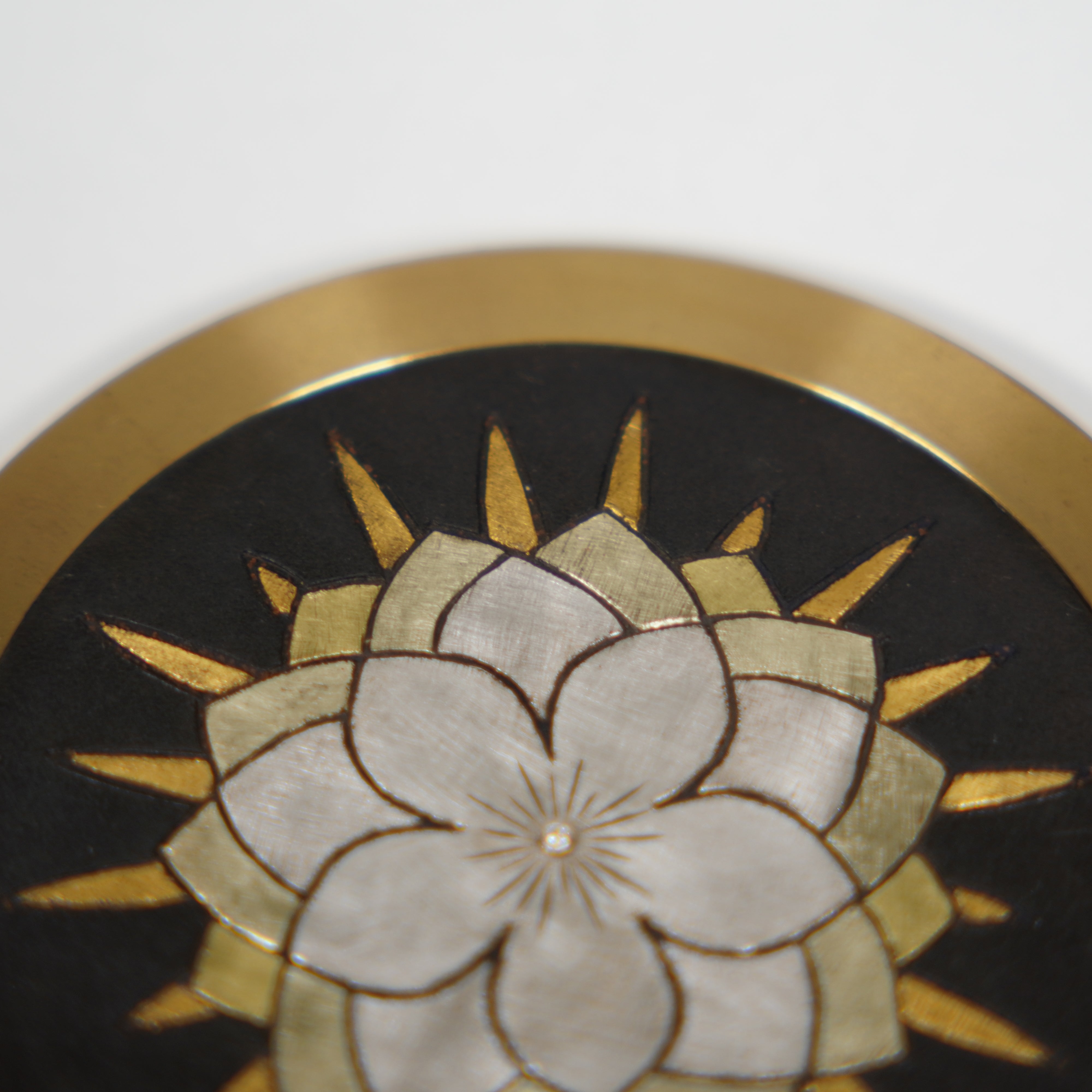
صممت ناووكو تامورا المرآة اليدوية "غيكيوكا" باستخدام تقنية النقش، التي تناقلتها الأجيال كحرفة تقليدية.
لقد تجسد أخيراً طموحها في "صنع مقتنيات للنساء تجعلهن يشعرن بالألفة مع الحرف التقليدية".
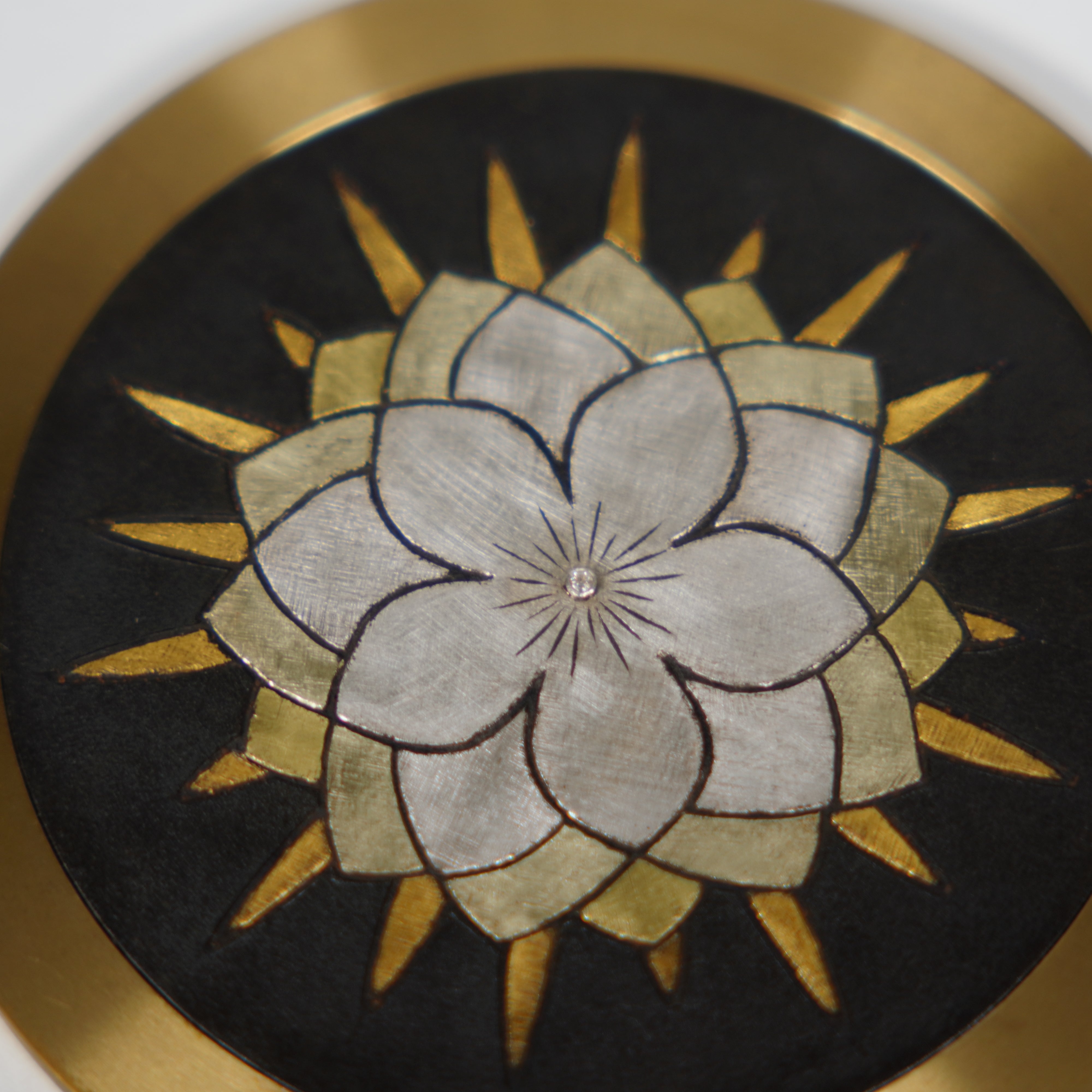
موضوع هذه المرآة اليدوية هو القمر. ويُقال إن تقنية النقش قد أُدخلت إلى اليابان في أواخر فترة كوفون، وقد أُخفي القمر، الذي أحبه البشر منذ العصور القديمة، داخل المرآة.
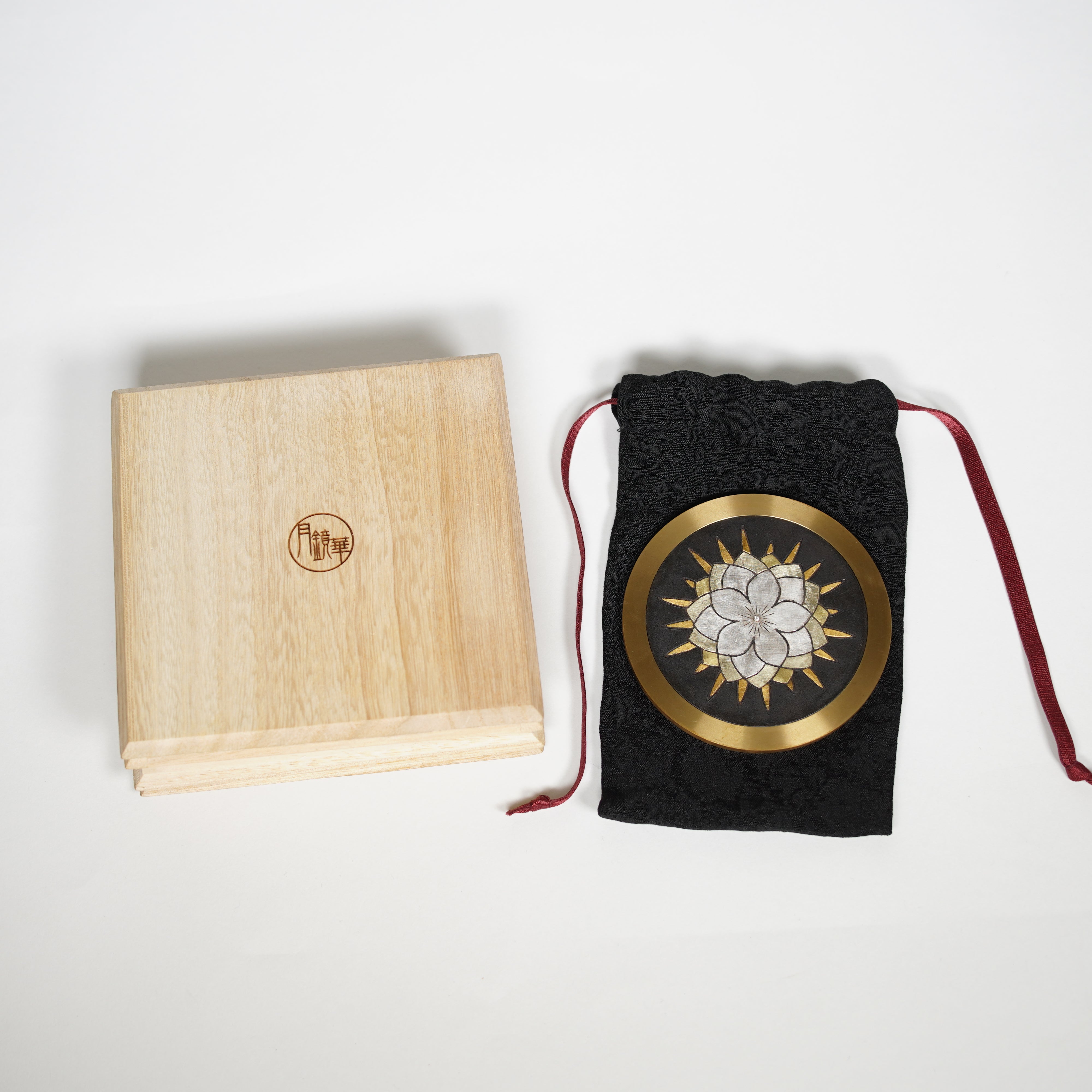
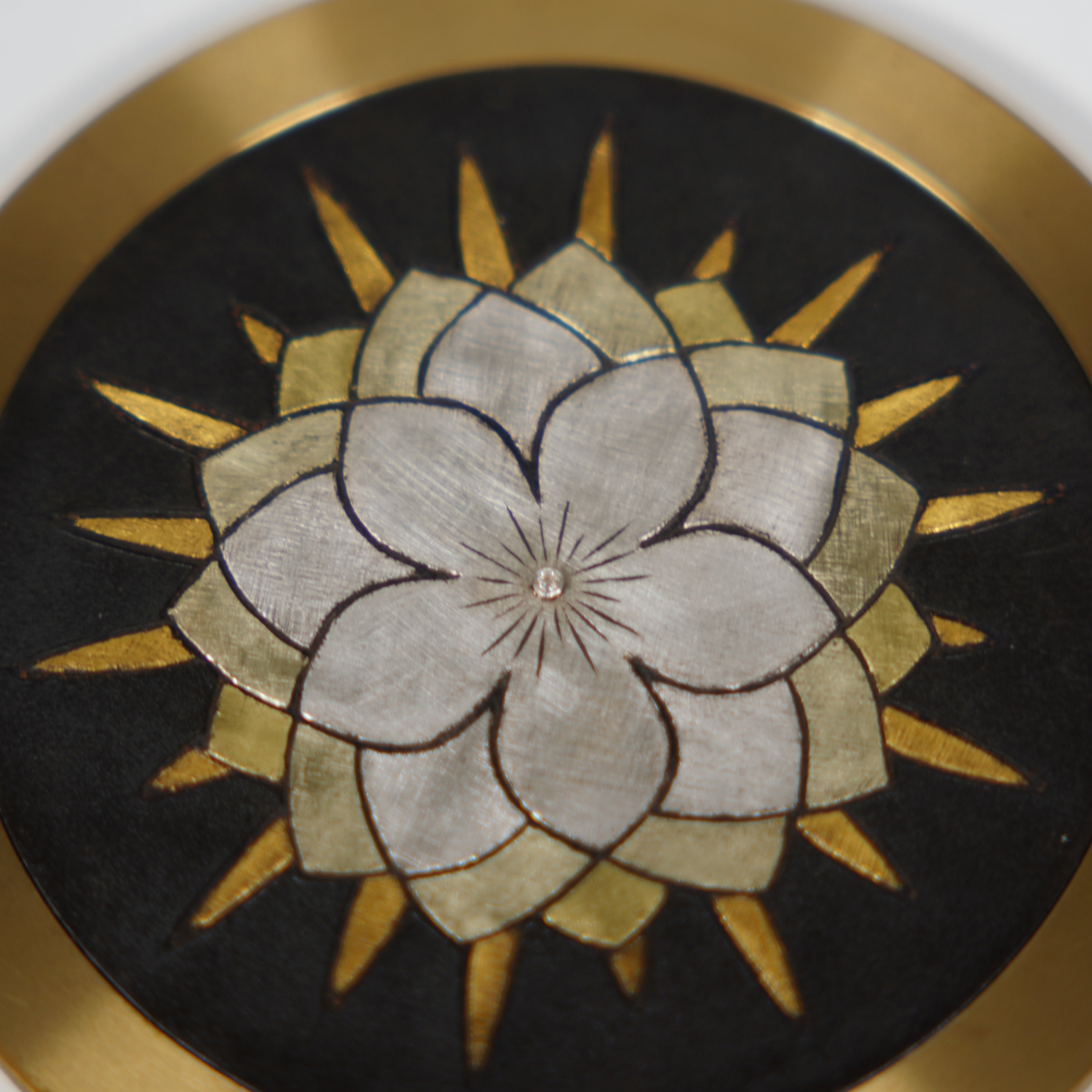
وعلى الجانب الخلفي من المرآة اليدوية الدائرية التي تحمل صورة قمر مكتمل، نُقشت إلهة القمر، وأُنجزت باستخدام تقنيات النقش التقليدية من خلال طرق رقائق الذهب والفضة.
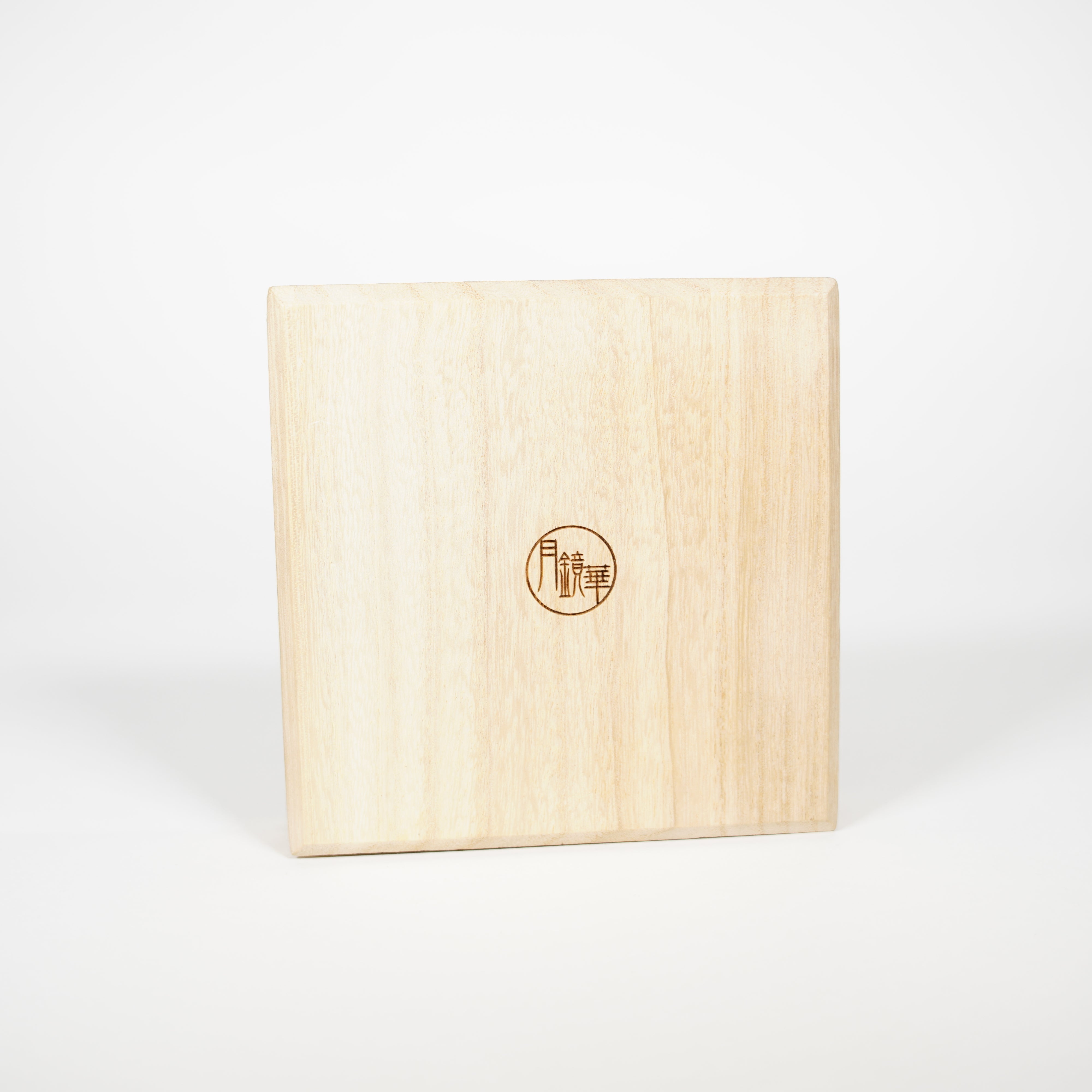
يمكن استخدام علبة خشب الباولونيا الخاصة بالتغليف كحامل، لذا يمكن استخدامها كمرآة أو عرضها كقطعة فنية.
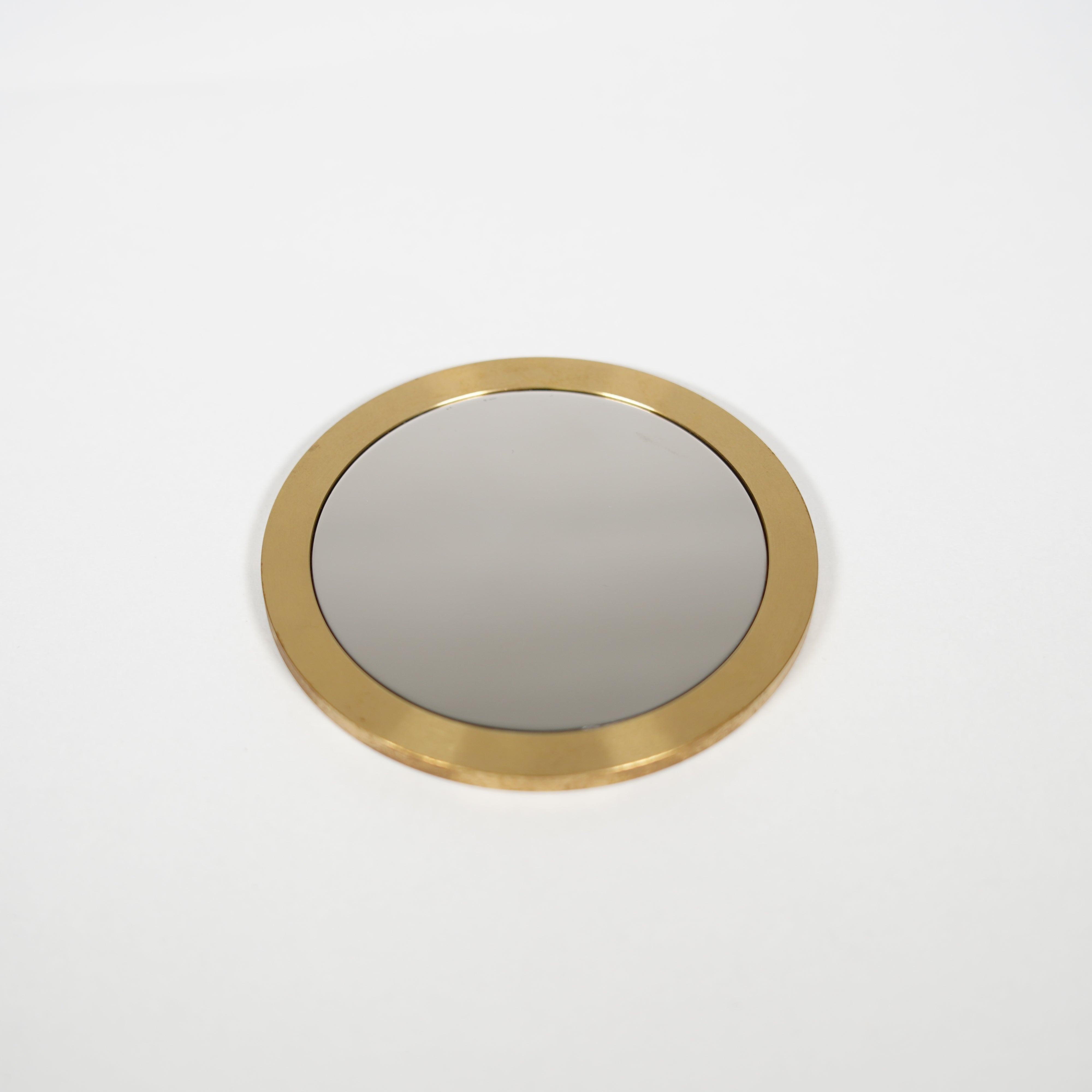
تتناسب المرآة المستديرة مع راحة يدك، مما يمنحك شعوراً بأنك تحمل القمر معك.
منتج فني يجمع بين الغموض والأناقة.
SIZE
العرض:8.5 سم
الارتفاع:0.3 سم
الوزن:114 جم
MATERIAL
ذهب
فضة
حديد
فولاذ مقاوم للصدأ
نحاس
ألماس
METAL HEARTS
Japanese Techniques to be Proud of in the World
I specialize in incorporating techniques such as carving, cloisonne enamel, and lacquer ware into jewelry and crafts. I would like to share these world-class Japanese techniques with as many people as possible through my work. Please take this opportunity to experience traditional Japanese techniques.
ARTISAN STORY
Naoko Tamura / Metal Hearts
She studied under Mr. Morihito Katsura, the 12th Living National Treasure, who has handed down the techniques of the Yanagawa school to the present day, which originated from a carver who was a close confidant of Ashikaga Takauji.
He produces crafts and ornaments that make modern use of traditional Japanese techniques introduced with Buddhism during the Asuka Period via the Silk Road and the Mokumegane technique that emerged during the Muromachi Period.
ACHIEVEMENTS
・Selected, 51st Japan Traditional Crafts Exhibition
・Selected, 31st Japan Traditional Crafts Metalwork Exhibition
・Selected, 41st Japan Traditional Crafts New Works Exhibition
TOKYO GINKI / TOKYO SILVERWARE
About 300 years ago / 1700s / Edo Period (1603–1868)
Silversmithing in Edo grew through demand from samurai households, wealthy townspeople and religious institutions for sake vessels, smoking accessories, ornaments and ritual objects. After the Meiji Restoration, Western tableware entered the market and Tokyo smiths increasingly produced both Japanese and Western forms.
In Japan, Tokyo silverware is valued as metalware that develops through use—teapots, sake vessels and cutlery change color as silver reacts with sulfur compounds in the air. Polishing away tarnish becomes part of the long relationship between owner and object.
In hammer raising, a flat sheet of silver is struck thousands of times and periodically annealed to soften the metal after work-hardening. The process alternates force and rest: hammer, heat, hammer again. The finished vessel is literally shaped by a history of countless impacts.
الاختلافات الفردية
نظرًا لأن كل قطعة تُصنع يدويًا بشكل مستقل، فقد تطرأ اختلافات طفيفة في اللون والنمط والشكل والملمس. وتُعد هذه الاختلافات الدقيقة من الخصائص الطبيعية للأعمال اليدوية، ما يجعل كل قطعة فريدة من نوعها حقًا. نأمل أن تستمتعوا بهذه الاختلافات الفردية كجزء من جمال الحرفية اليابانية وطابعها المميز.
مدة الإنتاج
إذا لم يكن المنتج متوفرًا في المخزون حاليًا، فقد يقوم الحرفي بتصنيعه حسب الطلب. ونظرًا إلى أن كل قطعة تُصنع يدويًا بعناية، فقد يستغرق الإنتاج عدة أشهر، وذلك حسب المنتج وجدول الحرفي. نقدر صبركم وتفهمكم.
حدِّد الخيارات