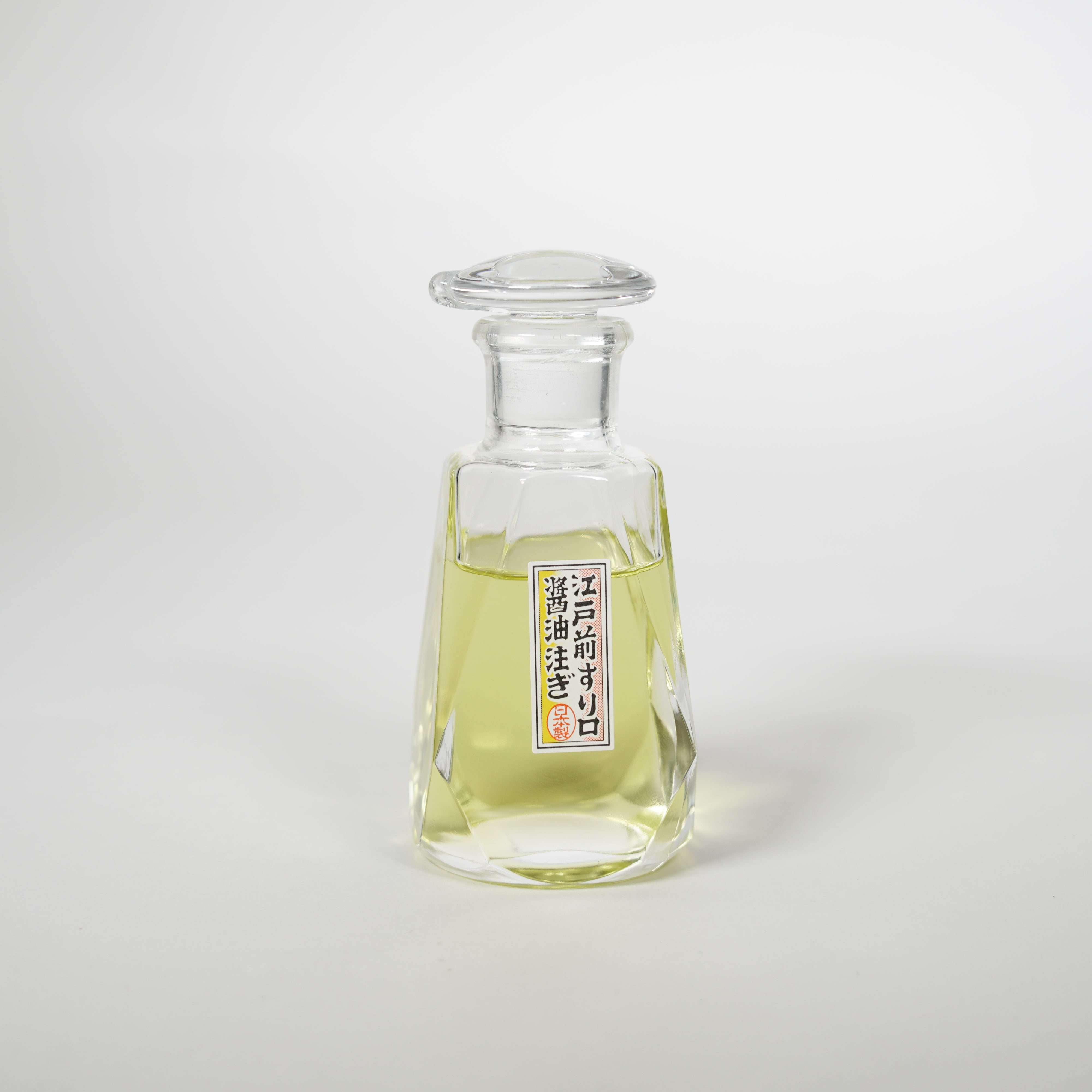
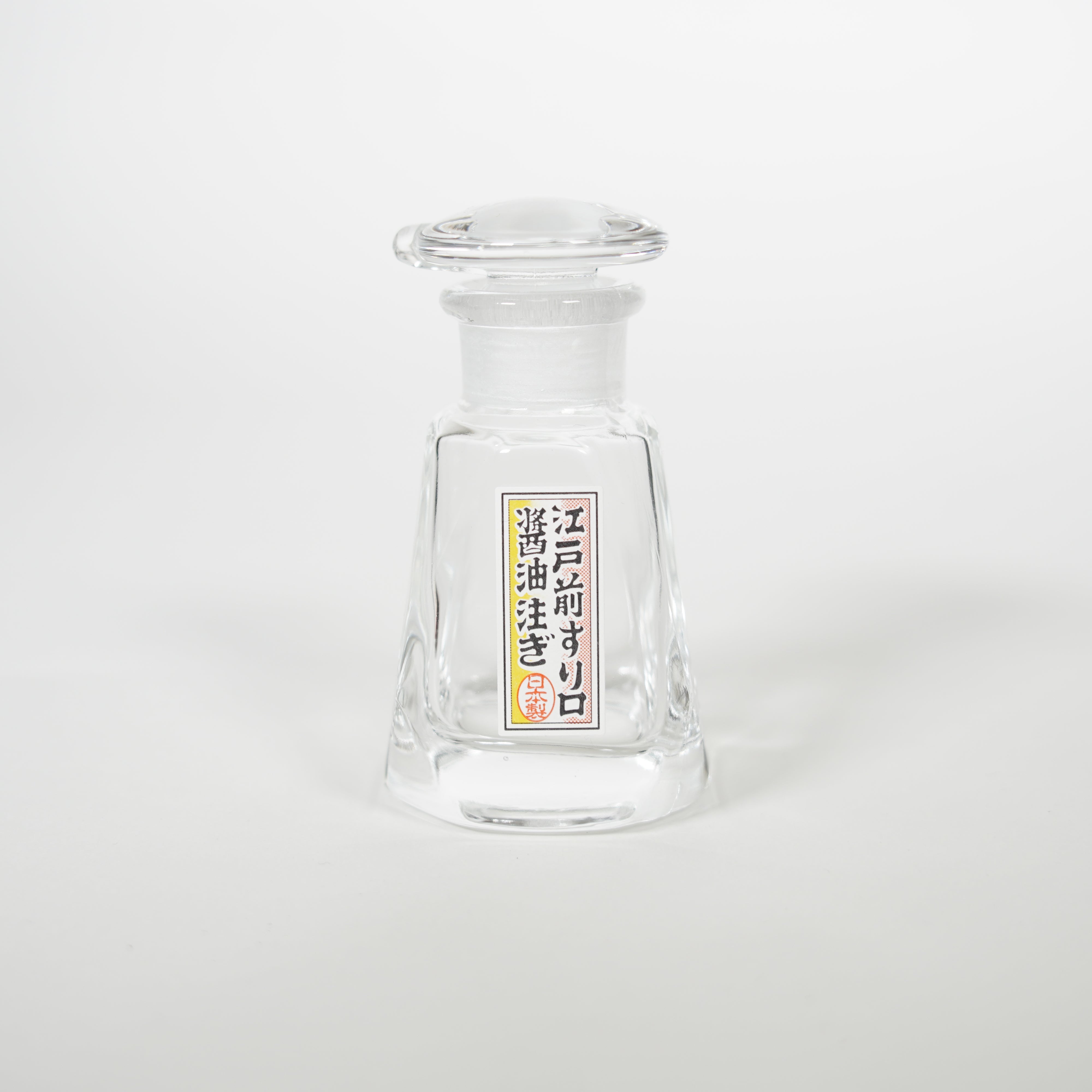
موزع صلصة الصويا / زيت الزيتون بدون تنقيط / صغير الحجم
الوصف
التفاصيل
SIZE
MATERIAL
حِرَفِيّ
كوجي
تحذير
حدِّد الخيارات


موزع صلصة الصويا / زيت الزيتون بدون تنقيط / صغير الحجم
السعر بعد الخصم$58.00
البلد
اللغة
سلة المشتريات
سلة مشترياتك فارغة


إبريق صلصة الصويا الذي لا يقطر.
صُنع إبريق صلصة الصويا هذا باستخدام طريقة إيدو التقليدية في صناعة الزجاج.
يقوم الحرفيون بفرك السدادة والجسم معًا بعناية واحدة تلو الأخرى بأيديهم.
السر يكمن في «فتحة المدق»
تسمح الخاصية الشعرية للشفاه المحززة بإحكام بعودة أي بقايا سائلة تخرج من خلال السدادة إلى الجسم الرئيسي.
الملصق مثبت، ولكن يمكن إزالته بسهولة.
بدأنا نتلقى طلبات بكميات كبيرة لمنتجاتنا الحرفية المعروضة على قناتنا على يوتيوب.
إذا أخبرتنا بعدد الدفعات، على سبيل المثال 20 أو 100 أو 1000 قطعة، فسوف نقدم لك سعر الجملة.
إذا كنت مهتمًا، فيرجى الاتصال بنا على عنوان البريد الإلكتروني أدناه.
SIZE
العرض:4.5 سم
الارتفاع:9.5 سم
الوزن:146 غ
MATERIAL
زجاج
IWASAWA GLASS
Passing on the Craftsmanship
Glass manufacturing is an industry in which production cannot be resumed once the fire stops and has no choice but to cease. In addition to being costly, kiln maintenance involves dangerous work, and there are many tasks where skill, intuition, and experience are important.
Because this is an industry that is difficult to maintain, we value each and every one of our craftsmen and focus on passing on their skills on a daily basis to deliver our products to our customers.
ARTISAN STORY
Iwasawa Glass
Founded in 1931, Iwasawa Glass is a valuable glass manufacturer that still makes glass by hand, even though its factory is located in Tokyo.
The company specializes in the “mold process,” in which molten glass is poured into molds and formed by pressing, spindles, and squeezing, and its main products are thick glass tableware.
There are only a few glass factories in Japan that are capable of this process.
EDO GLASS / EDO GLASSWARE
About 300 years ago / 1700s / Edo Period (1603–1868)
Glassmaking in Edo developed as blowing techniques that had entered Japan through Nagasaki spread to the shogun’s capital in the eighteenth century. Objects called bidoro or giyaman—vessels, wind chimes and hair ornaments—became part of urban culture, and Western equipment introduced in the modern era helped build Tokyo’s glass industry.
In Japan, Edo glass is appreciated for the subtle irregularities created by mold-blowing and free-blowing: tiny bubbles, gentle waviness and variations in thickness. Today it remains everyday tableware and flowerware, valued precisely because it feels softer and less uniform than machine production.
A hand-blown glass may not be perfectly circular or equally thick, yet these differences are part of its appeal. When light passes through, small changes in thickness bend the view like a lens. In a transparent material, the breath and hand movement of the maker remain visible.
الاختلافات الفردية
نظرًا لأن كل قطعة تُصنع يدويًا بشكل مستقل، فقد تطرأ اختلافات طفيفة في اللون والنمط والشكل والملمس. وتُعد هذه الاختلافات الدقيقة من الخصائص الطبيعية للأعمال اليدوية، ما يجعل كل قطعة فريدة من نوعها حقًا. نأمل أن تستمتعوا بهذه الاختلافات الفردية كجزء من جمال الحرفية اليابانية وطابعها المميز.
مدة الإنتاج
إذا لم يكن المنتج متوفرًا في المخزون حاليًا، فقد يقوم الحرفي بتصنيعه حسب الطلب. ونظرًا إلى أن كل قطعة تُصنع يدويًا بعناية، فقد يستغرق الإنتاج عدة أشهر، وذلك حسب المنتج وجدول الحرفي. نقدر صبركم وتفهمكم.

حدِّد الخيارات