

هانا فوري / سكين الورق
الوصف
التفاصيل
SIZE
MATERIAL
حِرَفِيّ
كوجي
تحذير
هانا فوري / سكين الورق
السعر بعد الخصم£115.00
حدِّد الخيارات
هانا فوري / سكين الورق
السعر بعد الخصم£115.00
البلد
اللغة
سلة المشتريات
سلة مشترياتك فارغة
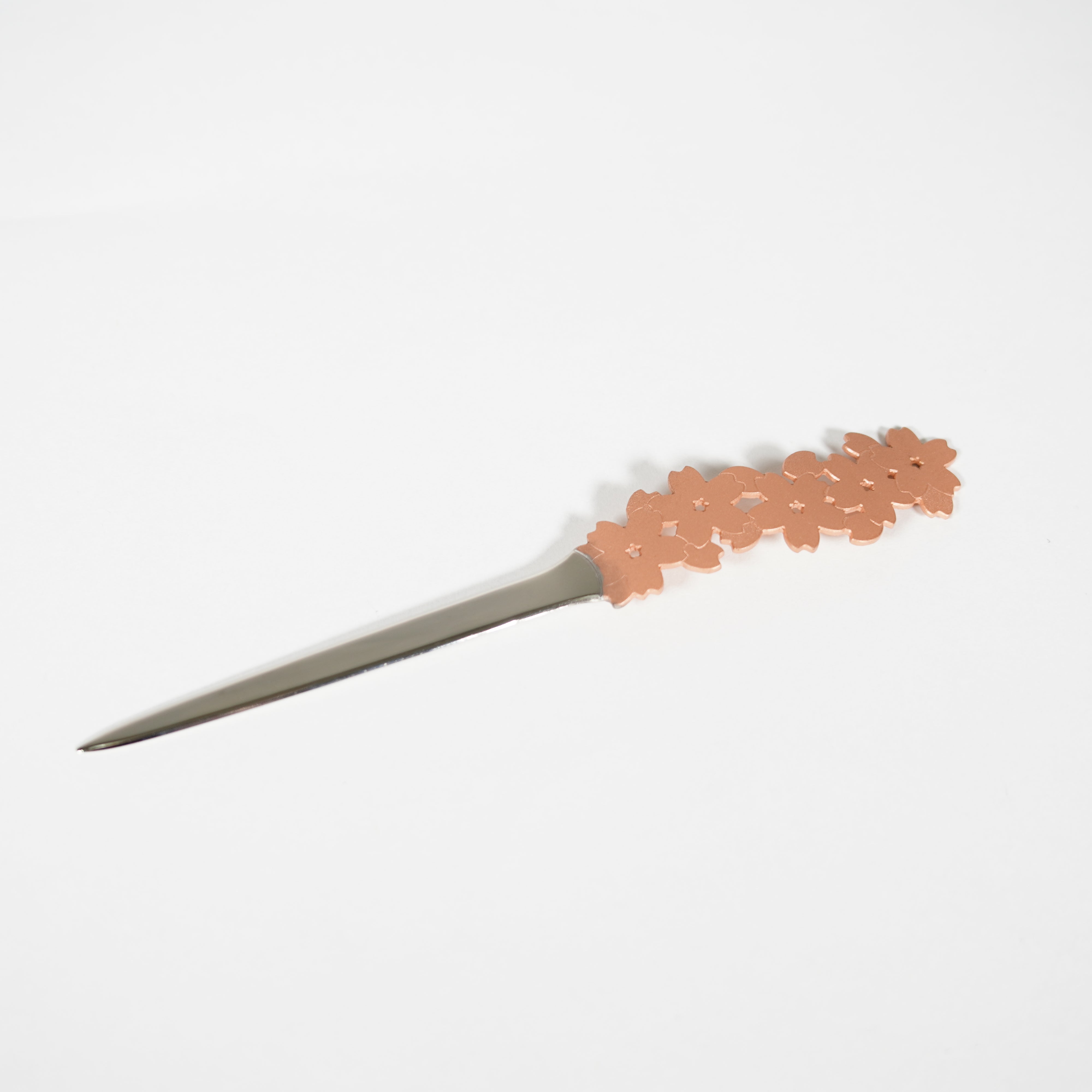
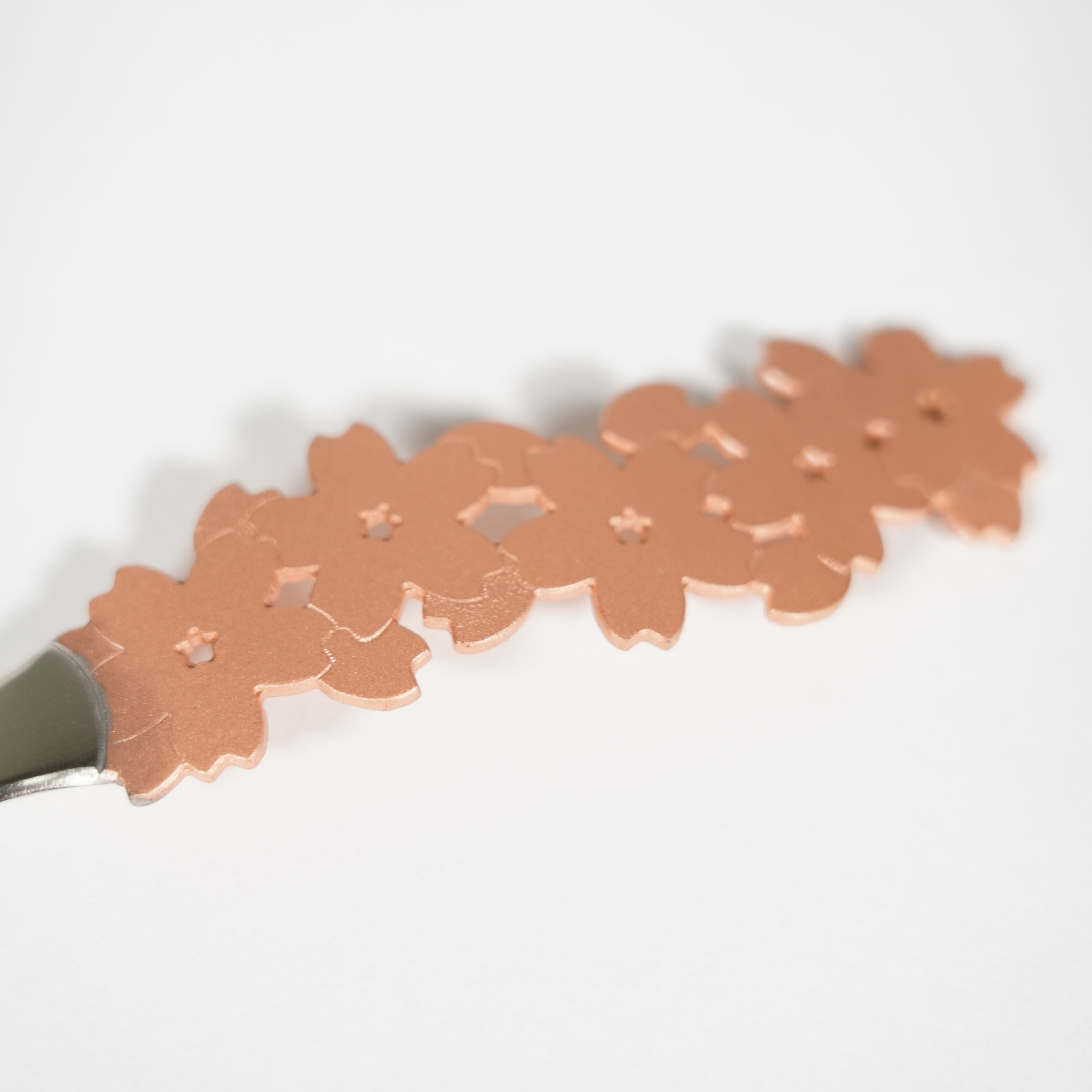
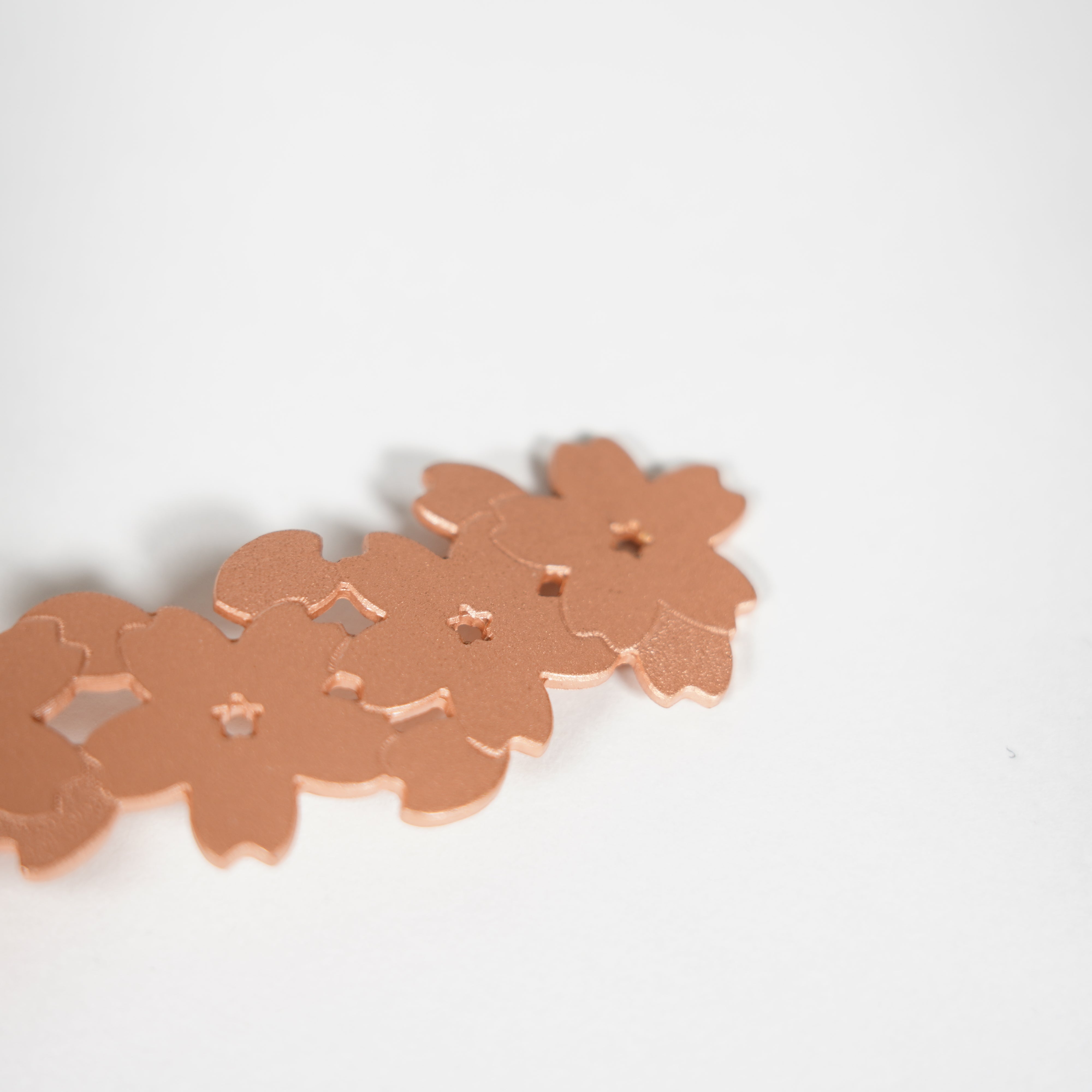
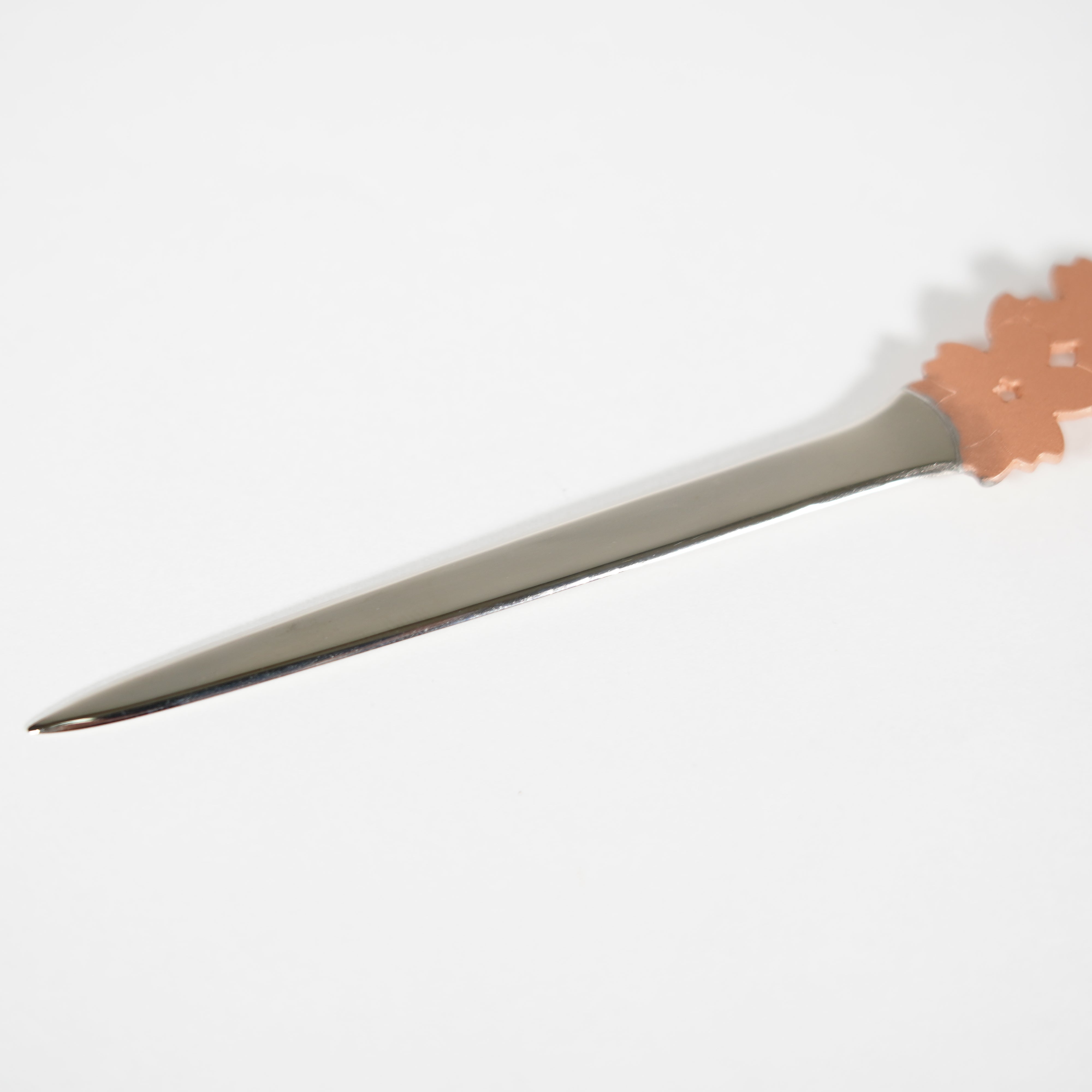
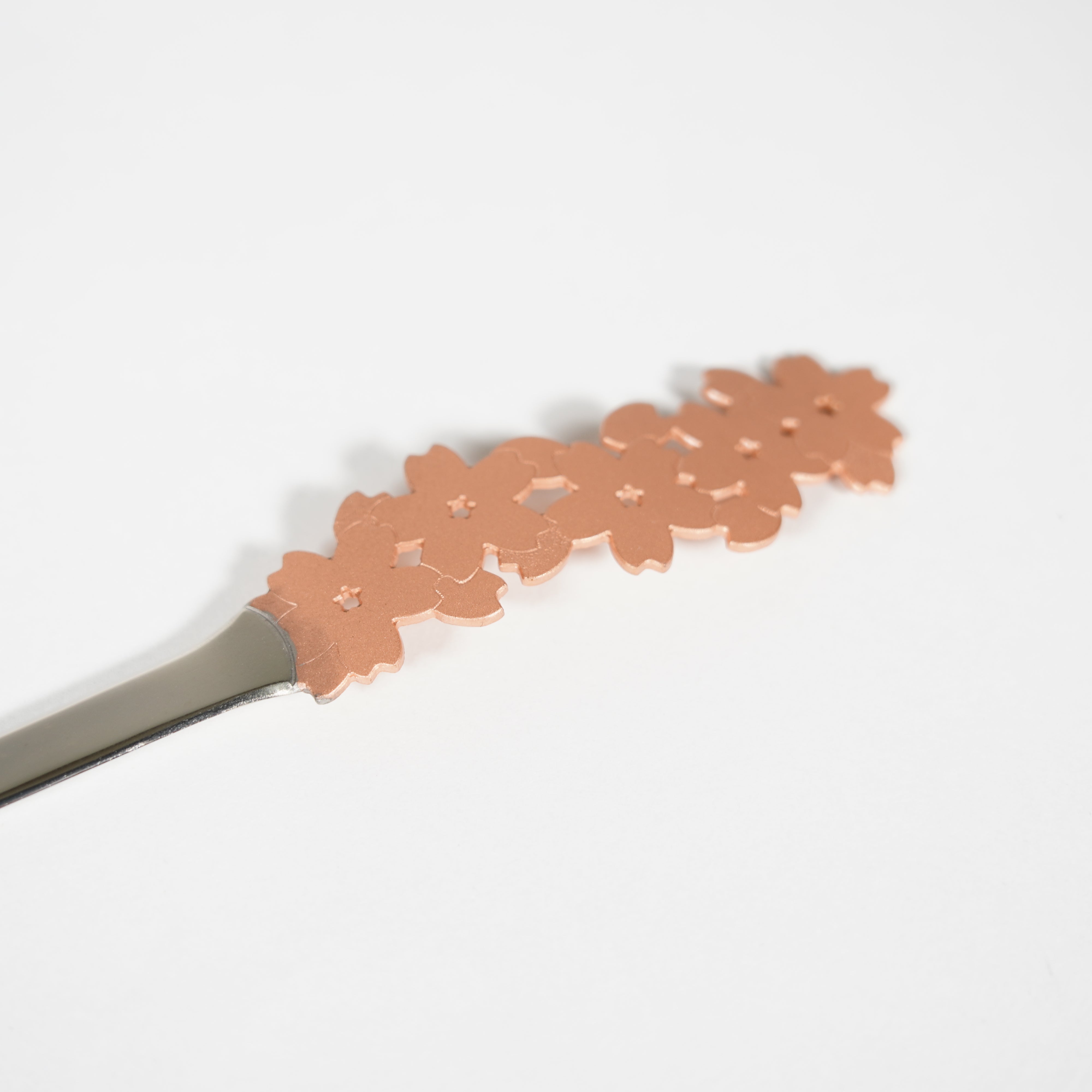
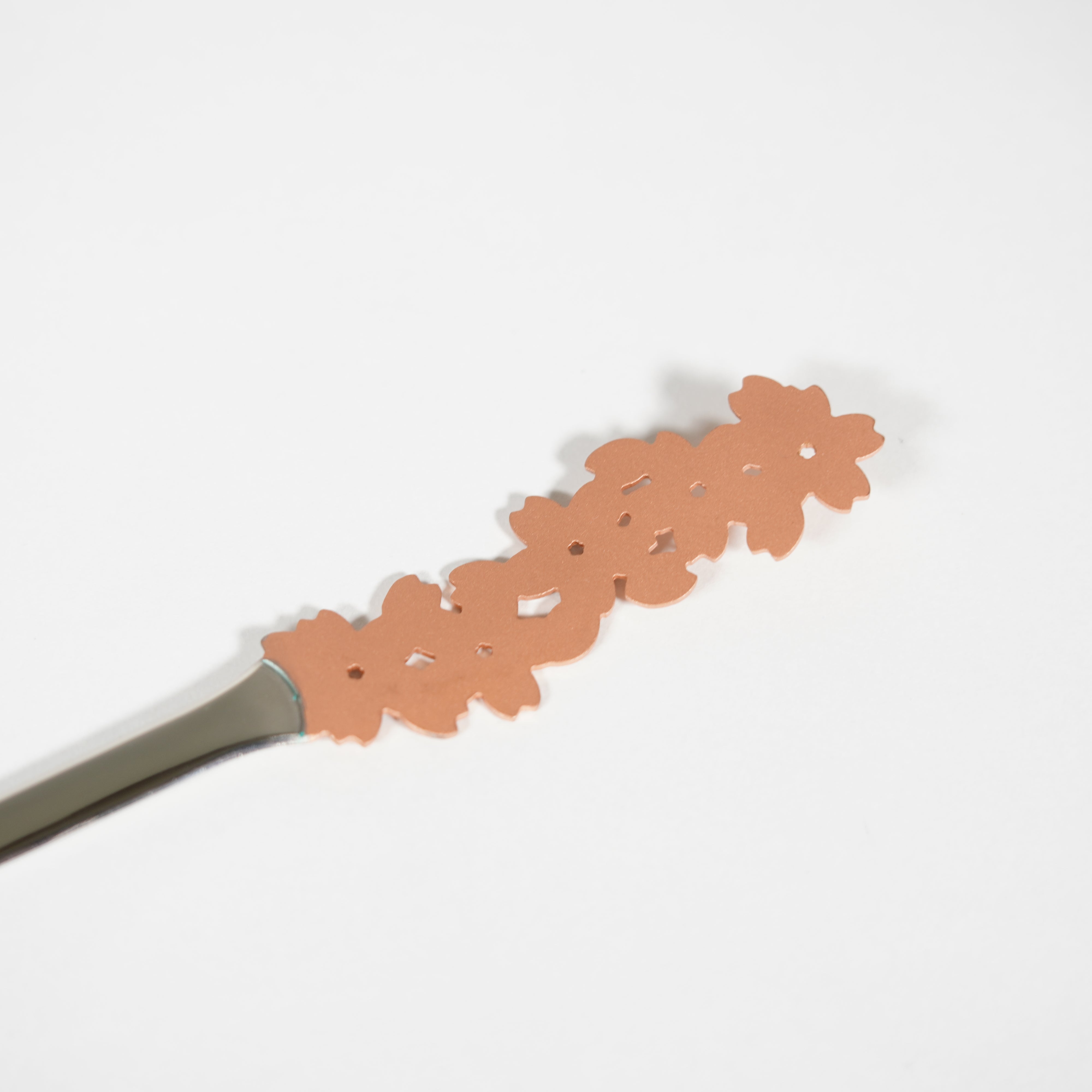
سكين للورق بقوام رقيق يجسّد مشهداً لأزهار الكرز وهي تتفتّق وتزدهر وتتناثر بتلاتها، معبّراً عن ذلك بتدرّجٍ عبر تقنيتي الحفر والتخريم.
تُعد أزهار الكرز رمزاً يابانياً بامتياز، محلياً ودولياً.
صُممت البتلات كوحدات متكررة لخلق انطباع بصري متناغم، يمتزج بعفوية ويندمج بسلاسة في المساحات البسيطة.
يرتبط اللون الوردي الباهت للنحاس بأزهار الكرز، ليضفي انطباعاً ناعماً ودافئاً رغم كونه مصنوعاً من المعدن.
SIZE
العرض:19.5 سم
العمق:3 سم
الارتفاع:1 سم
الوزن:31 غ
MATERIAL
سيبر
NOYORI
"Ornamental metal fittings demanding traditionally cultivated beauty and high levels of skill"
The ornamental metal fittings used in Buddhist and Shinto altar implements and festival implements are called “kazari-kanagu.” The nuance communicated by the special Chinese character used to write this Japanese word is “more ornate and magnificent,” and as befits this weighty word, we diligently apply ourselves with pride and positive self-regard, day in and day out.
ARTISAN STORY
Katsuhiko Noyori / NOYORI
This company began in 1970, when the founder, Minoru Noyori, established the Noyori Shin-Butsugu Kazari-kanagu Shop on his own in Tachibana-cho, Naka-ku, Nagoya, Aichi Prefecture, a location that is center for the production of Owari Buddhist altar implements. The company hand-fashions ornamental metal fittings for shrines, temples, Buddhist altar implements, festival implements, and other such applications. In 1988, the second proprietor, Katsuhiko Noyori, took over operation and renamed the business “Noyori Co., Ltd.” He is a traditional craftsman who carries on the skills and techniques of Owari Buddhist altar implements, a traditional handicraft that has been continued since Japan’s feudal Edo period (approximately the year 1600).
NAGOYA BUTSUDAN / NAGOYA BUDDHIST ALTARS
About 400 years ago / 1600s / Edo Period (1603–1868)
Nagoya Buddhist altars developed in the Edo period within the Owari Tokugawa castle town and a region where Jodo Shinshu faith was widespread. Strong wooden construction suited the humid Nobi plain, while gold leaf, lacquer, carving and decorative metal created the elaborate gilded style.
In Japan, the altar is both a family prayer space and a synthesis of local woodworking, lacquer and metal craft. Contemporary versions have become smaller for modern homes while selectively retaining traditional gold and carving.
Inside is often a miniature architectural sanctuary called a kuguden, with pillars and roofs assembled like a real temple. Some historical Nagoya designs also considered how an altar might be lifted during floods, showing how regional disaster experience could shape even an object of great religious splendor.
الاختلافات الفردية
نظرًا لأن كل قطعة تُصنع يدويًا بشكل مستقل، فقد تطرأ اختلافات طفيفة في اللون والنمط والشكل والملمس. وتُعد هذه الاختلافات الدقيقة من الخصائص الطبيعية للأعمال اليدوية، ما يجعل كل قطعة فريدة من نوعها حقًا. نأمل أن تستمتعوا بهذه الاختلافات الفردية كجزء من جمال الحرفية اليابانية وطابعها المميز.
مدة الإنتاج
إذا لم يكن المنتج متوفرًا في المخزون حاليًا، فقد يقوم الحرفي بتصنيعه حسب الطلب. ونظرًا إلى أن كل قطعة تُصنع يدويًا بعناية، فقد يستغرق الإنتاج عدة أشهر، وذلك حسب المنتج وجدول الحرفي. نقدر صبركم وتفهمكم.
حدِّد الخيارات