

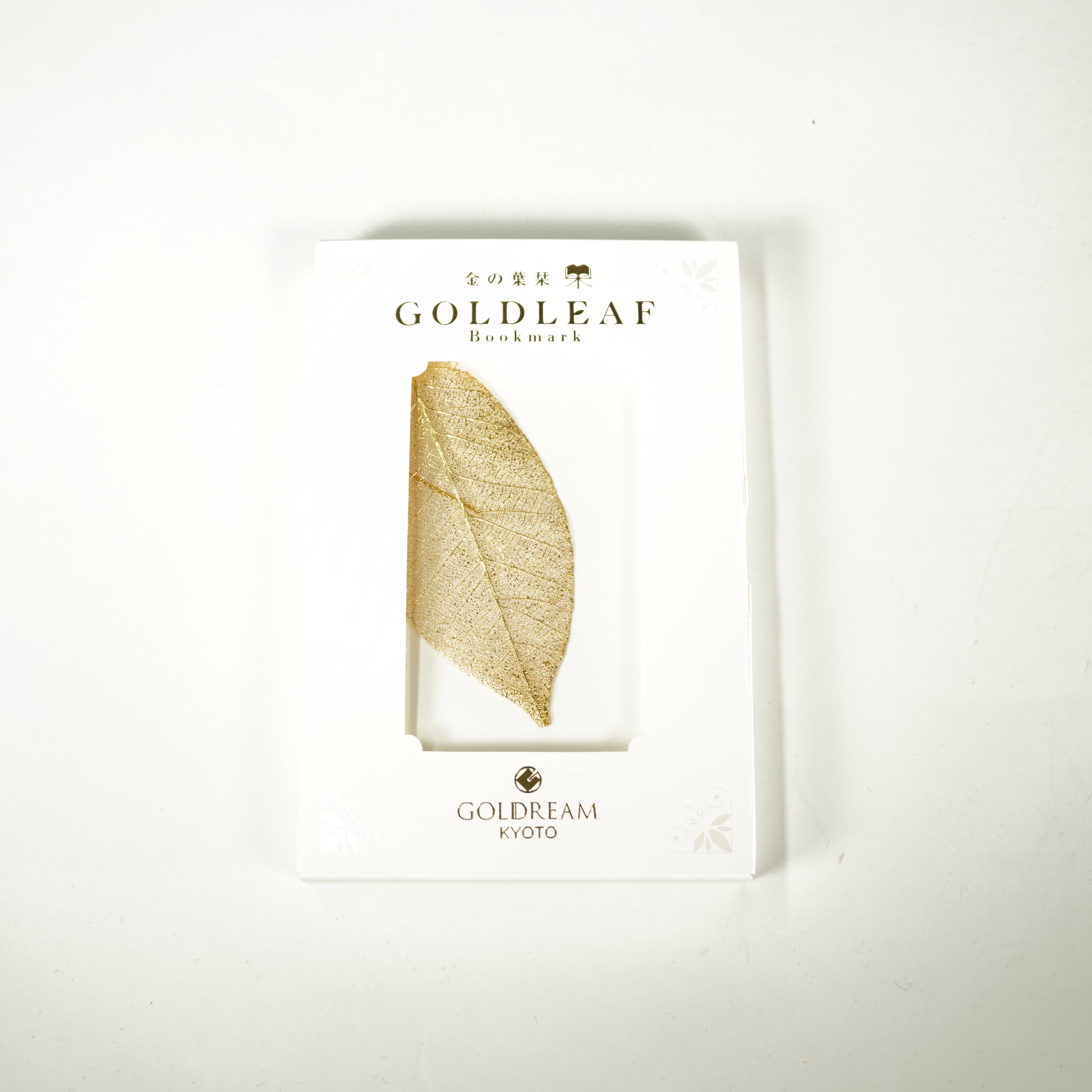
إشارة مراقبة أوراق الذهب
الوصف
التفاصيل
SIZE
MATERIAL
حِرَفِيّ
كوجي
تحذير
إشارة مراقبة أوراق الذهب
السعر بعد الخصم$561.00
حدِّد الخيارات
إشارة مراقبة أوراق الذهب
السعر بعد الخصم$561.00
البلد
اللغة
سلة المشتريات
سلة مشترياتك فارغة
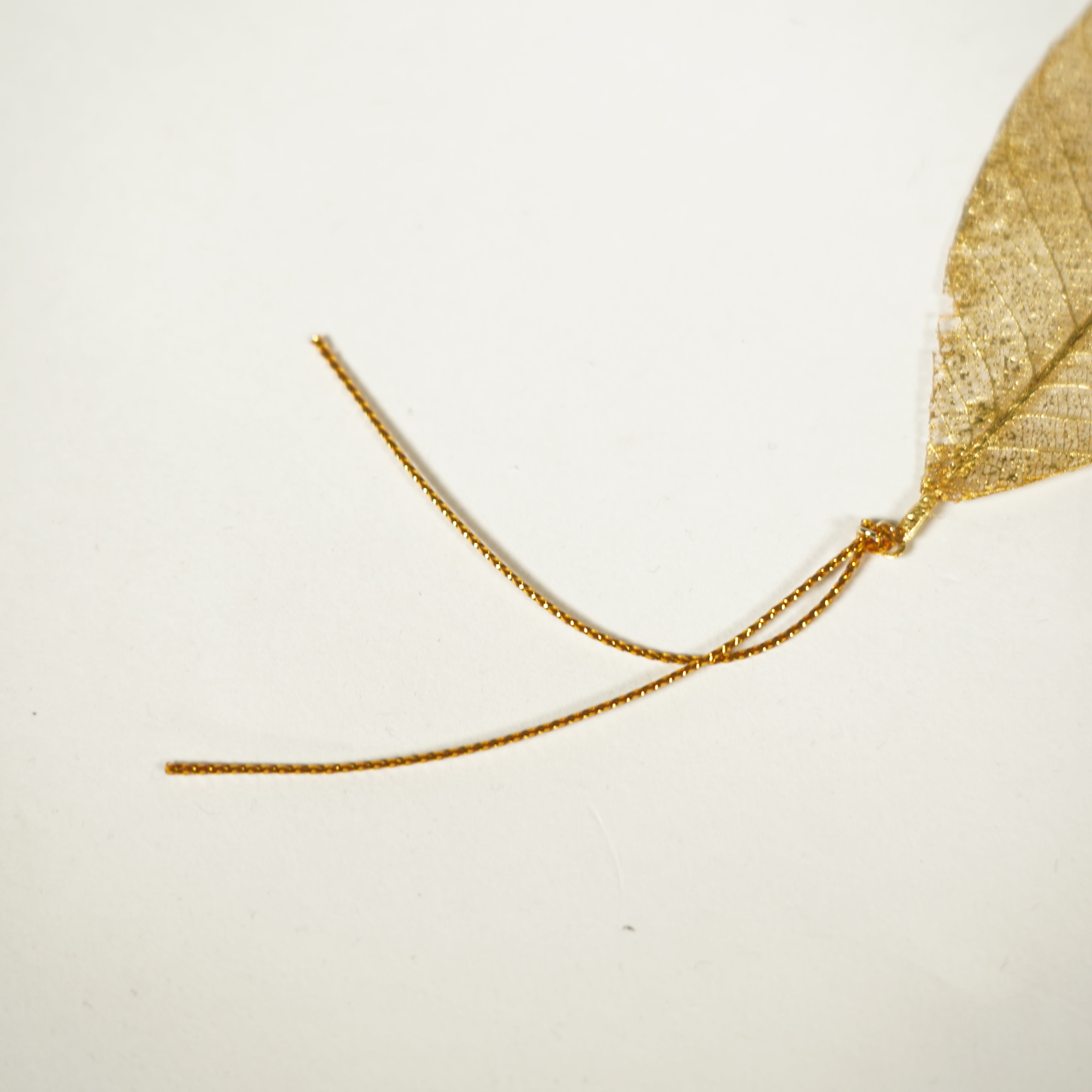
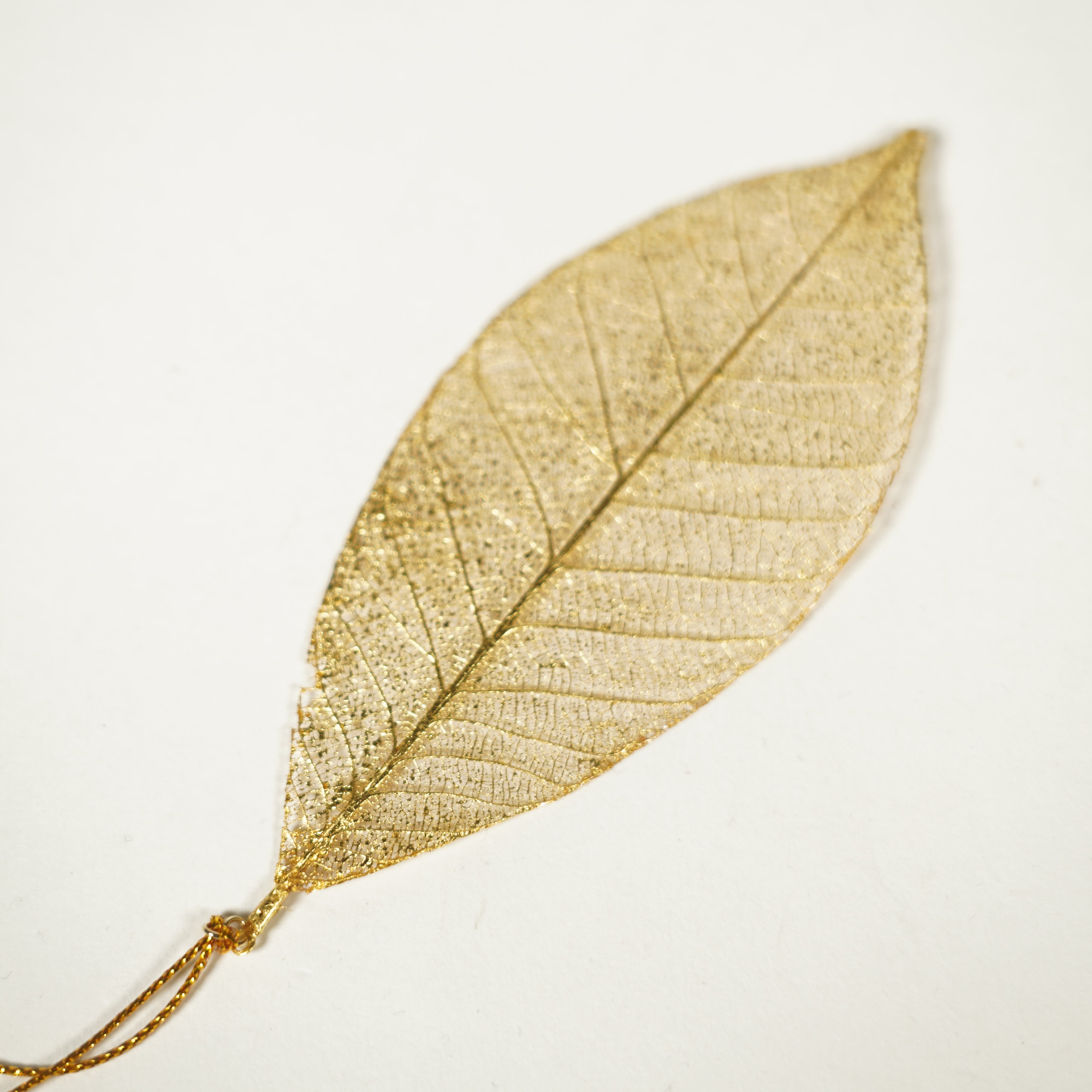
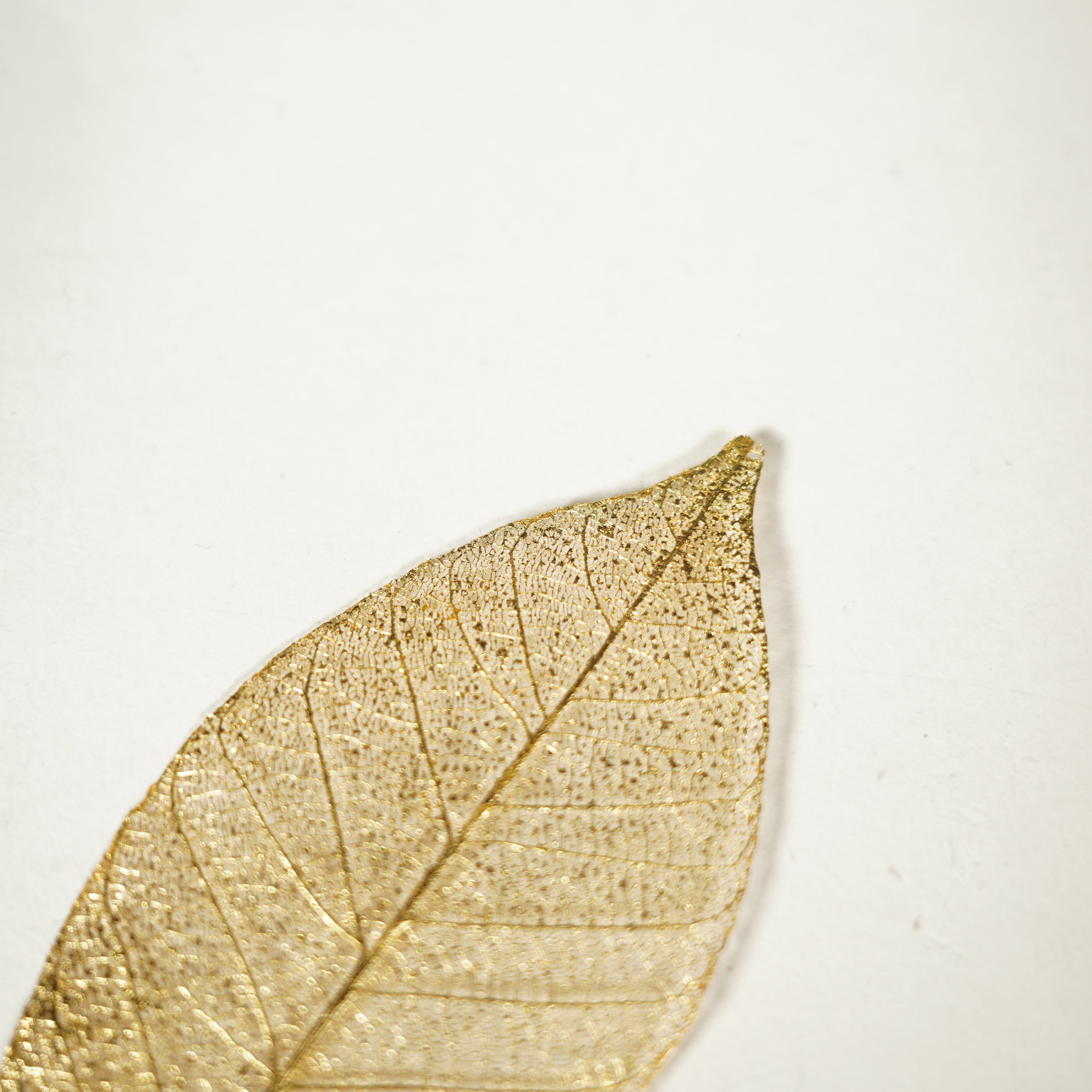
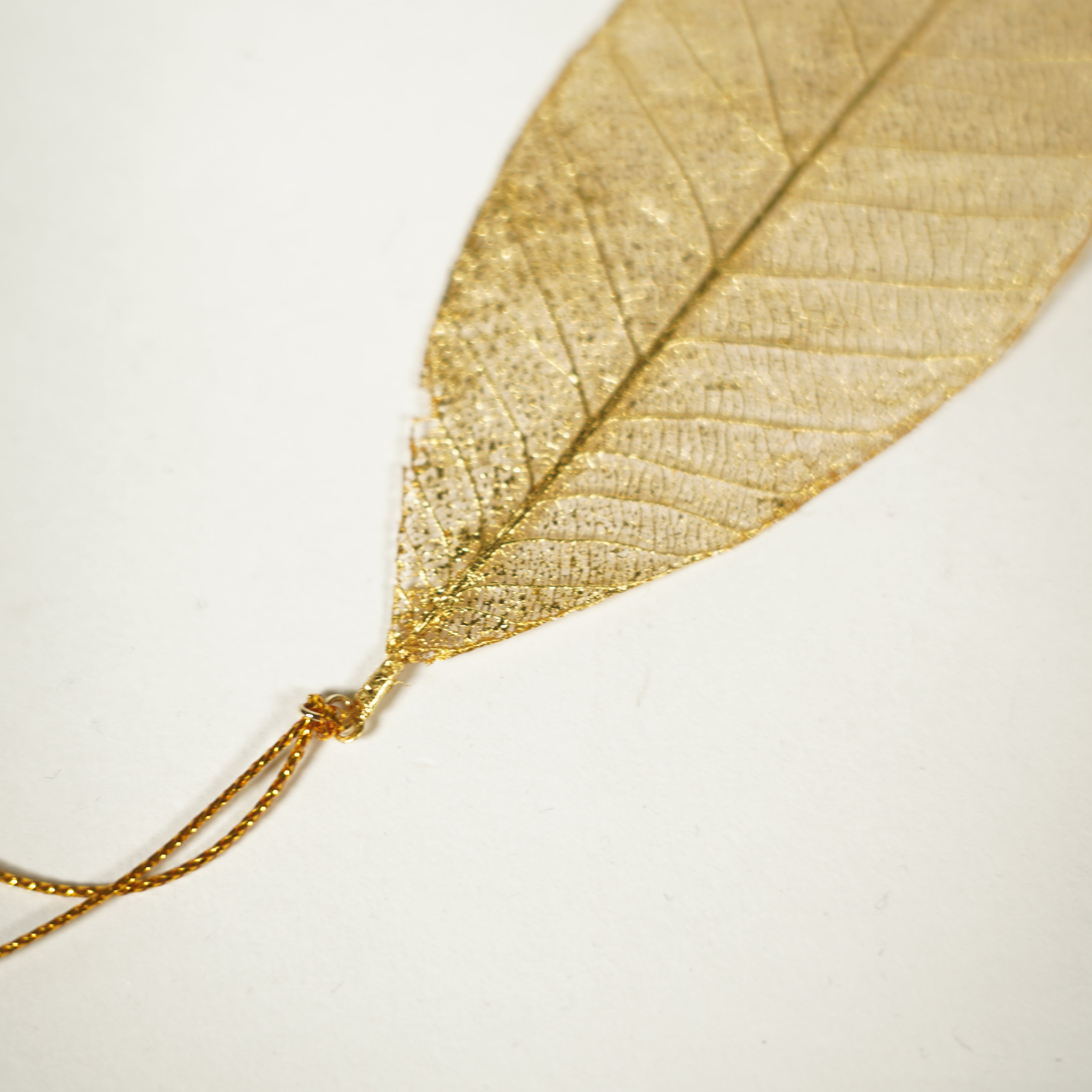
رقيق وجميل، يَعِدُ هذا المنتج بتعزيز متعة القراءة ومنحك تجربة مريحة. صُنع كل قطعة بعناية يدوية على يد حرفيين مهرة في كيوتو، وزُيّنت بدقة بورق الذهب على أوراق طبيعية أصلية جُمعت من الطبيعة، لتنبض من جديد بالحياة. إنَّ مزيج الأناقة الطبيعية والبريق الرفيع يجعل هذه القطعة الفنية إضافة مميزة إلى لحظات قراءتك. كما يُوصى بها بشدة كهدية.
صُنعت كل قطعة من مواد طبيعية وبشكل يدوي بالكامل، لذا فهي فريدة من نوعها.
نظرًا إلى تكوينها الرقيق، يُرجى الامتناع عن استخدامها في أي غرض غير الغرض المخصص لها.
من المؤكد أن هذه العلامة المرجعية الرائعة ستكون محل تقدير لدى محبي الكتب وعشاق الفن على حد سواء. فلماذا لا تفكر في هذا المزيج من الطبيعة والحرفية كهدية مدروسة لشخص مميز؟
SIZE
العرض: 5 سم
الارتفاع: 10 سم
*مصنوعة من مواد طبيعية وبالكامل يدوياً، كل قطعة فريدة من نوعها.
MATERIAL
ورقة
ذهبية
GOLD LEAF STUDIO YAMAMURA
"Passing on craftsmanship to the next generation"
Kyoto gold leaf gilding has been handed down over time.
While maintaining reliable skill,we carefully advance and connect it to the next generations.
Intricate craftsmanship is handed down through years of training.
We have provided surprise, healing, and excitement, with the graceful brilliance of goldleaf.
We will evolve while preserving this to pass it on to the next generation with care.
ARTISAN STORY
Yamamura Gold Leaf Gilding Studio
It has belonged to the traditional industry of Kyoto since its founding.Our business is gold leaf gilding of Kyoto Buddhist alters and Kyoto Buddhist alter fittings.
Furthermore, we are involved in renovation and restoration of cultural assets all over the country. Especially, we are particular about Kyoto’s unique technique such as “omo-ashi and ‘suri-urushi’ We have handed down the highest level of craftsmanship in Japan.
KINPAKU / JAPANESE GOLD LEAF
About 430 years ago / 1590s / Azuchi–Momoyama Period
Gold leaf has long decorated temples, Buddhist images, screens and lacquerware in Japan. In Kanazawa, production expanded with the Maeda clan’s castle town from the late sixteenth century. Skills accumulated despite Edo-period controls, and after the Meiji Restoration Kanazawa grew into Japan’s dominant center of gold-leaf production.
For Japanese people, gold leaf still conveys the grandeur of Buddhist altars and maki-e, yet it has also become surprisingly familiar in bowls, jewelry, cosmetics, sweets and sake. In Kanazawa it symbolizes both traditional craft and contemporary tourism.
The leaf can be beaten to around one ten-thousandth of a millimeter thick—so light that breath or static electricity can move it. The craft is not only about hammering gold; enormous care goes into preparing the special papers placed between sheets. To make ultra-thin metal, the artisan must first “cultivate” the paper.
الاختلافات الفردية
نظرًا لأن كل قطعة تُصنع يدويًا بشكل مستقل، فقد تطرأ اختلافات طفيفة في اللون والنمط والشكل والملمس. وتُعد هذه الاختلافات الدقيقة من الخصائص الطبيعية للأعمال اليدوية، ما يجعل كل قطعة فريدة من نوعها حقًا. نأمل أن تستمتعوا بهذه الاختلافات الفردية كجزء من جمال الحرفية اليابانية وطابعها المميز.
مدة الإنتاج
إذا لم تكن القطعة متوفرة في المخزون حاليًا، فقد يقوم الحرفي بصنعها حسب الطلب. ونظرًا إلى أن كل قطعة تُصنع يدويًا بعناية، فقد يستغرق الإنتاج عدة أشهر، وذلك حسب القطعة والجدول الزمني للحرفي. نقدر صبركم وتفهمكم.
حدِّد الخيارات