كيوميزو وير / كوب القهوة تنقيط
الوصف
التفاصيل
SIZE
MATERIAL
حِرَفِيّ
كوجي
تحذير
حدِّد الخيارات


كيوميزو وير / كوب القهوة تنقيط
السعر بعد الخصمRp 3.516.000,00
البلد
اللغة
سلة المشتريات
سلة مشترياتك فارغة


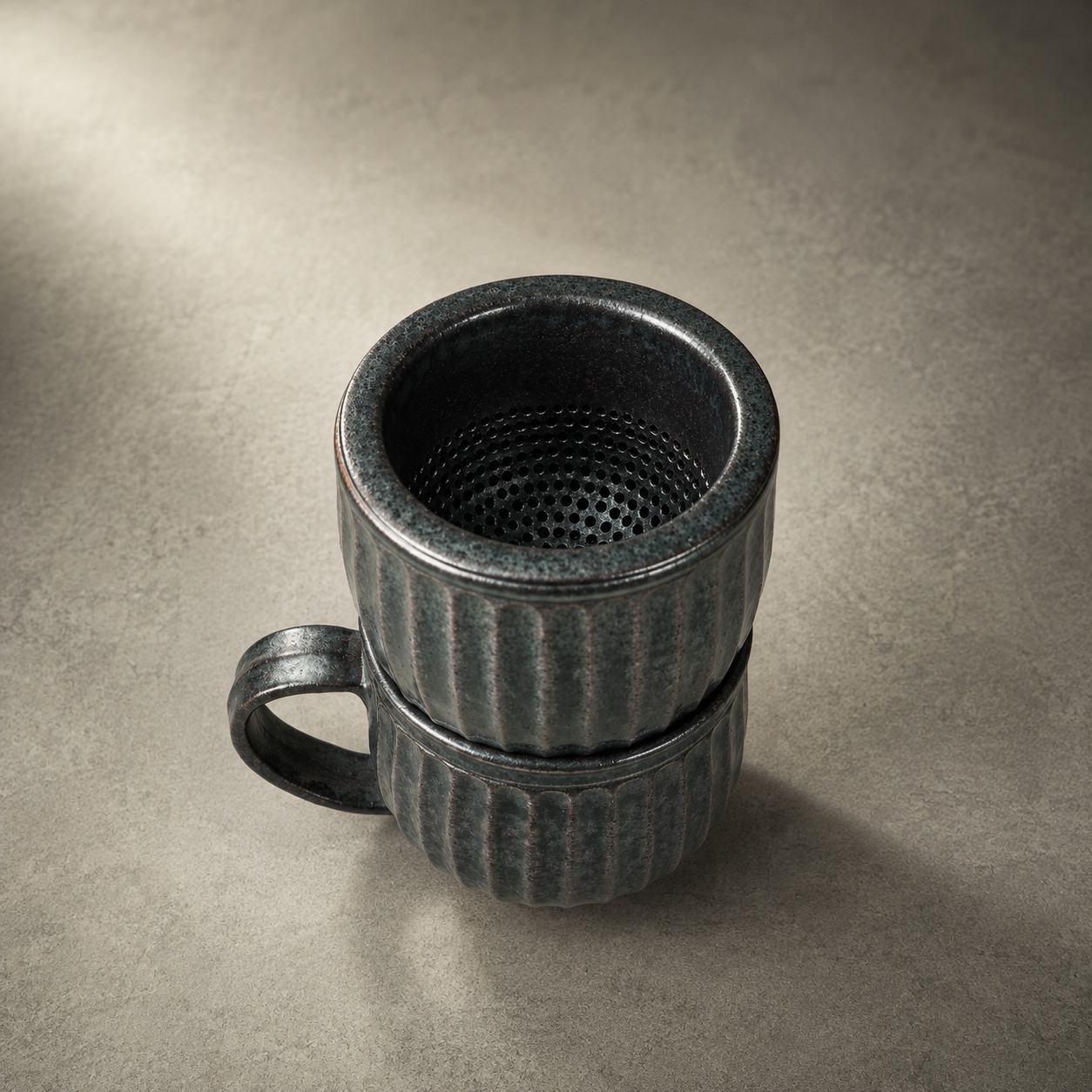
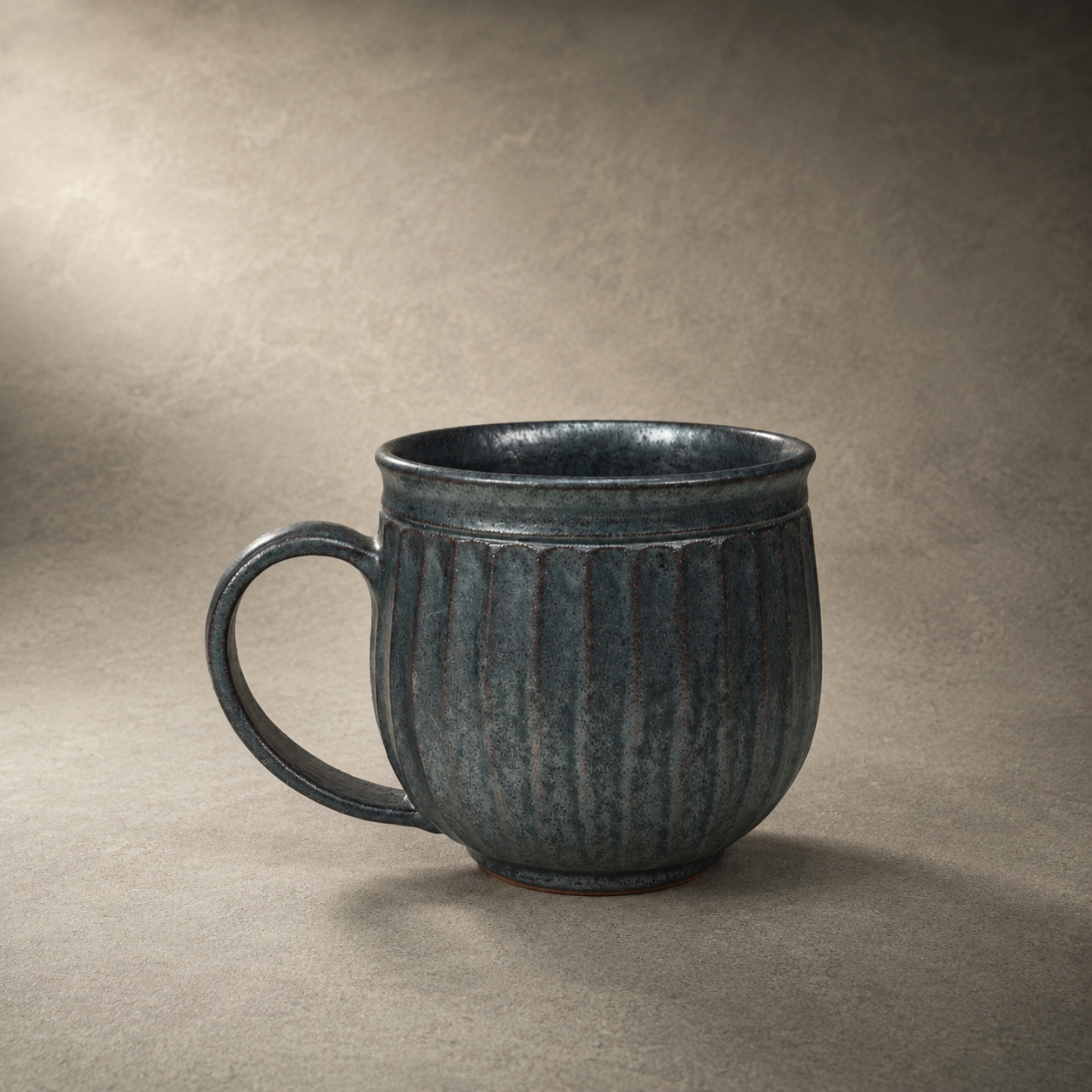
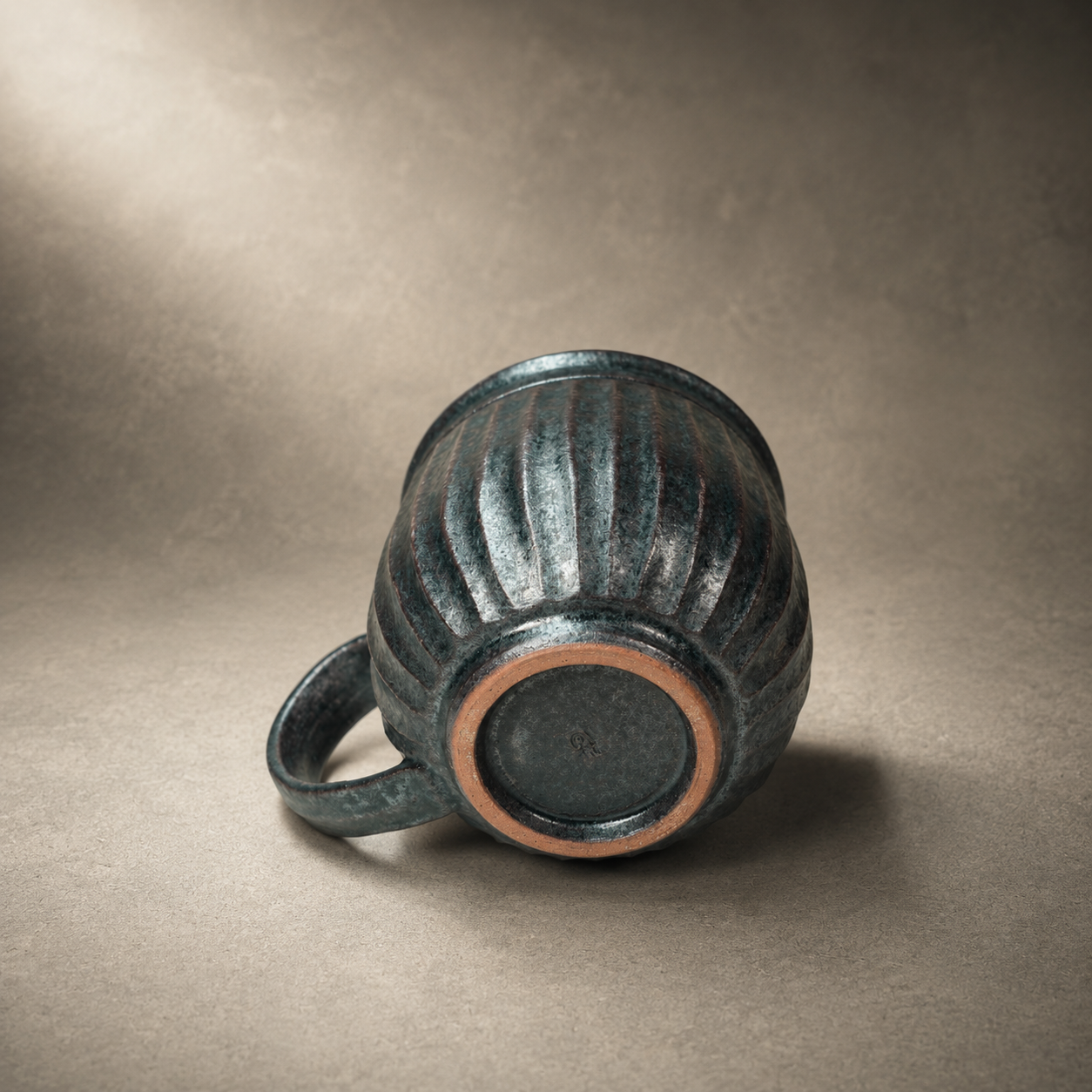
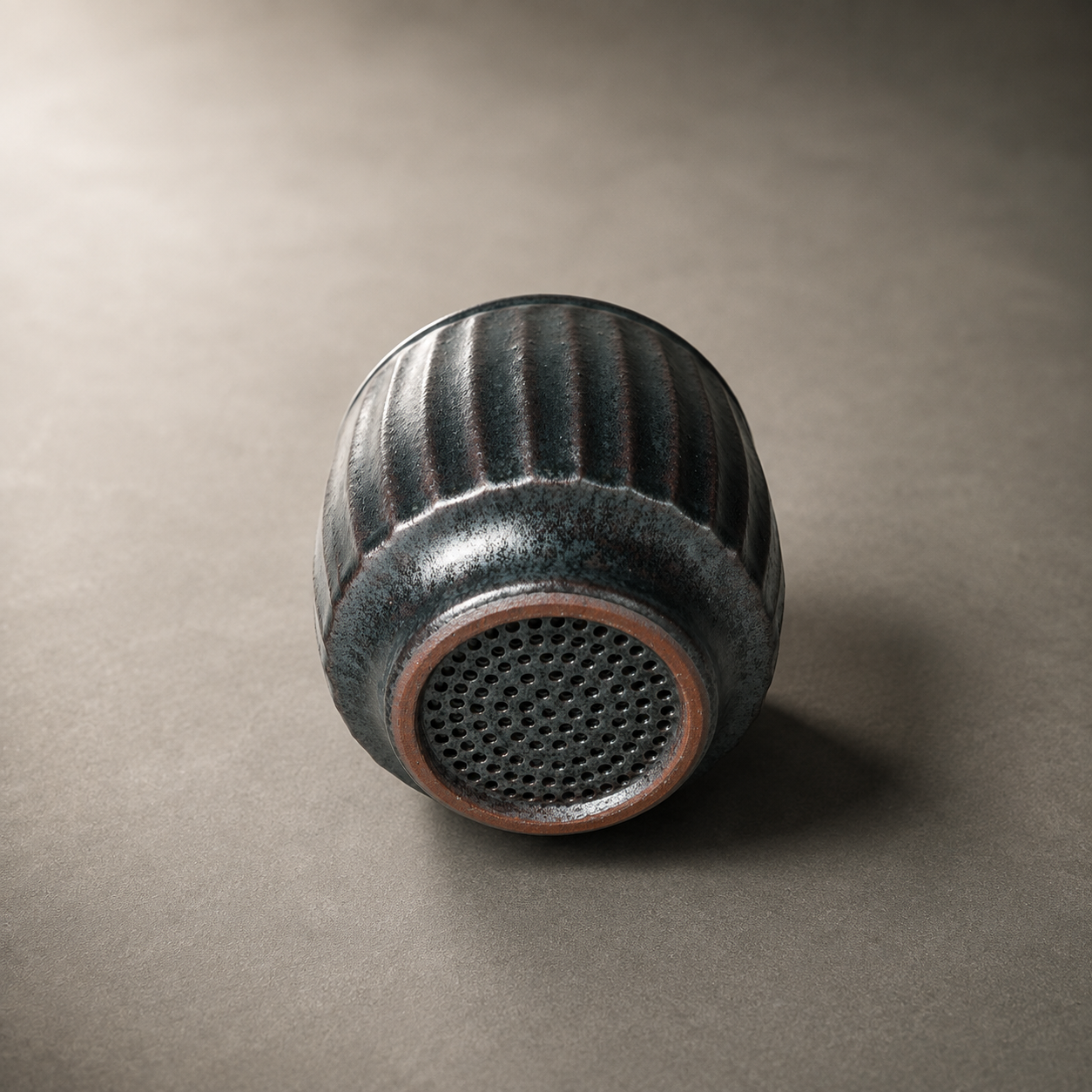
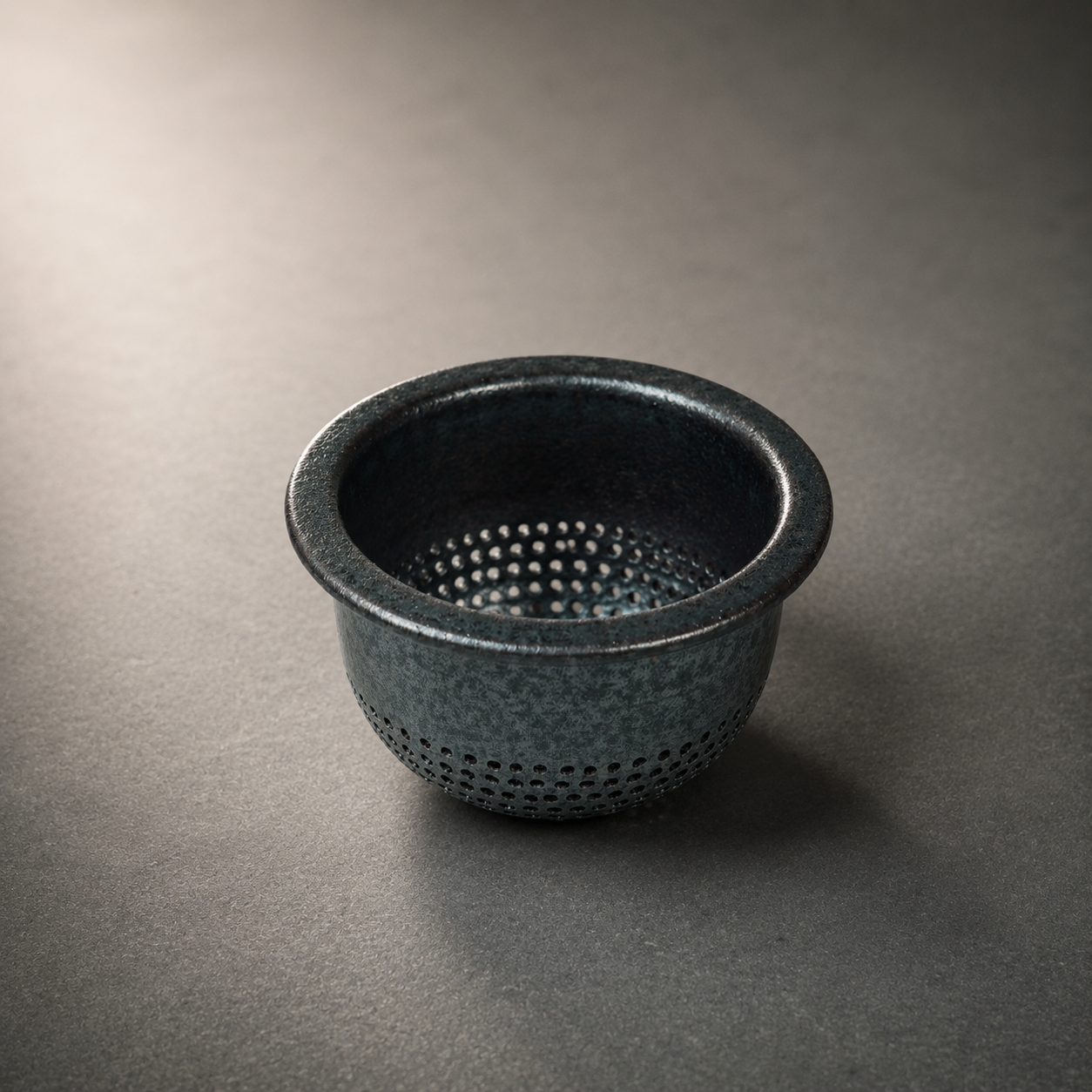
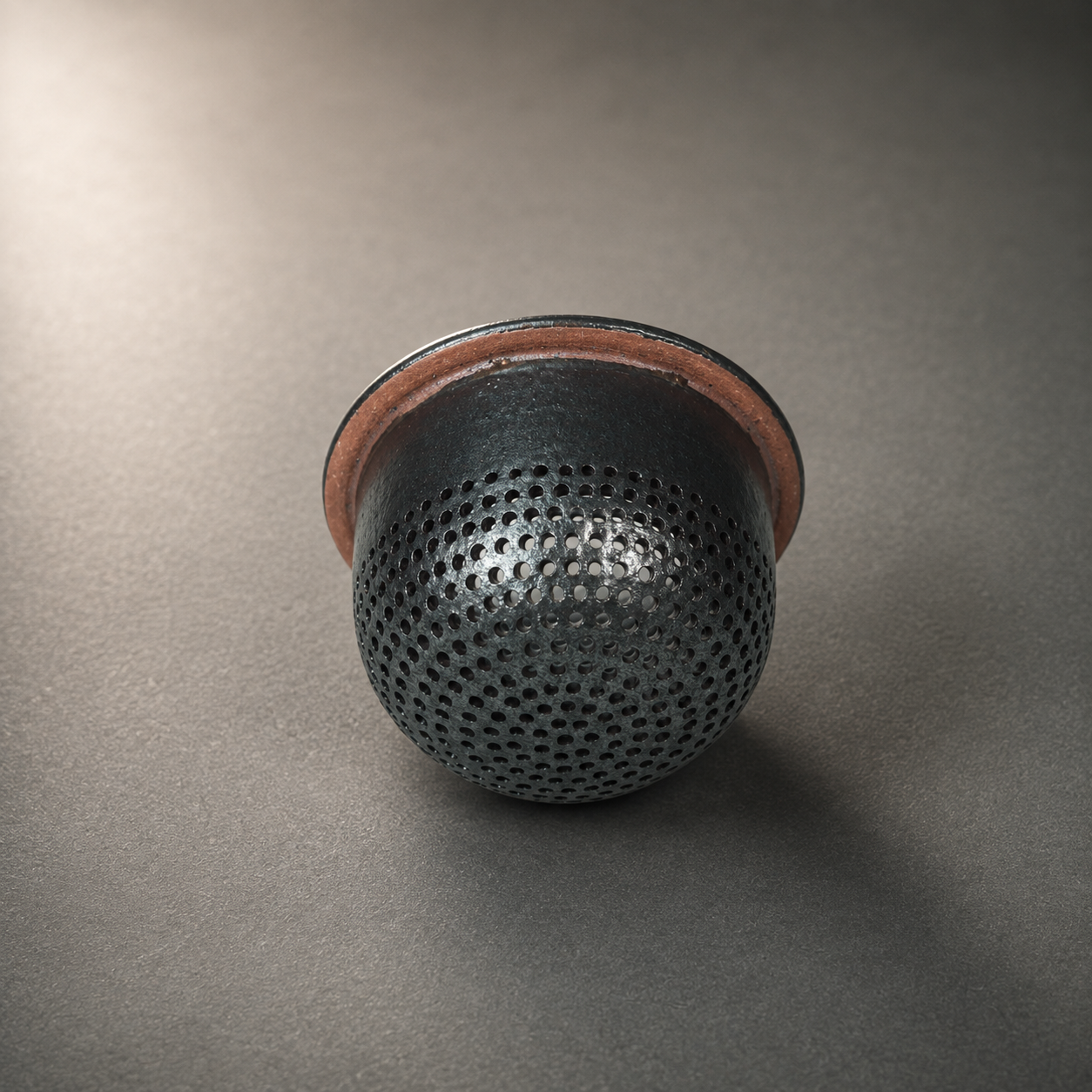
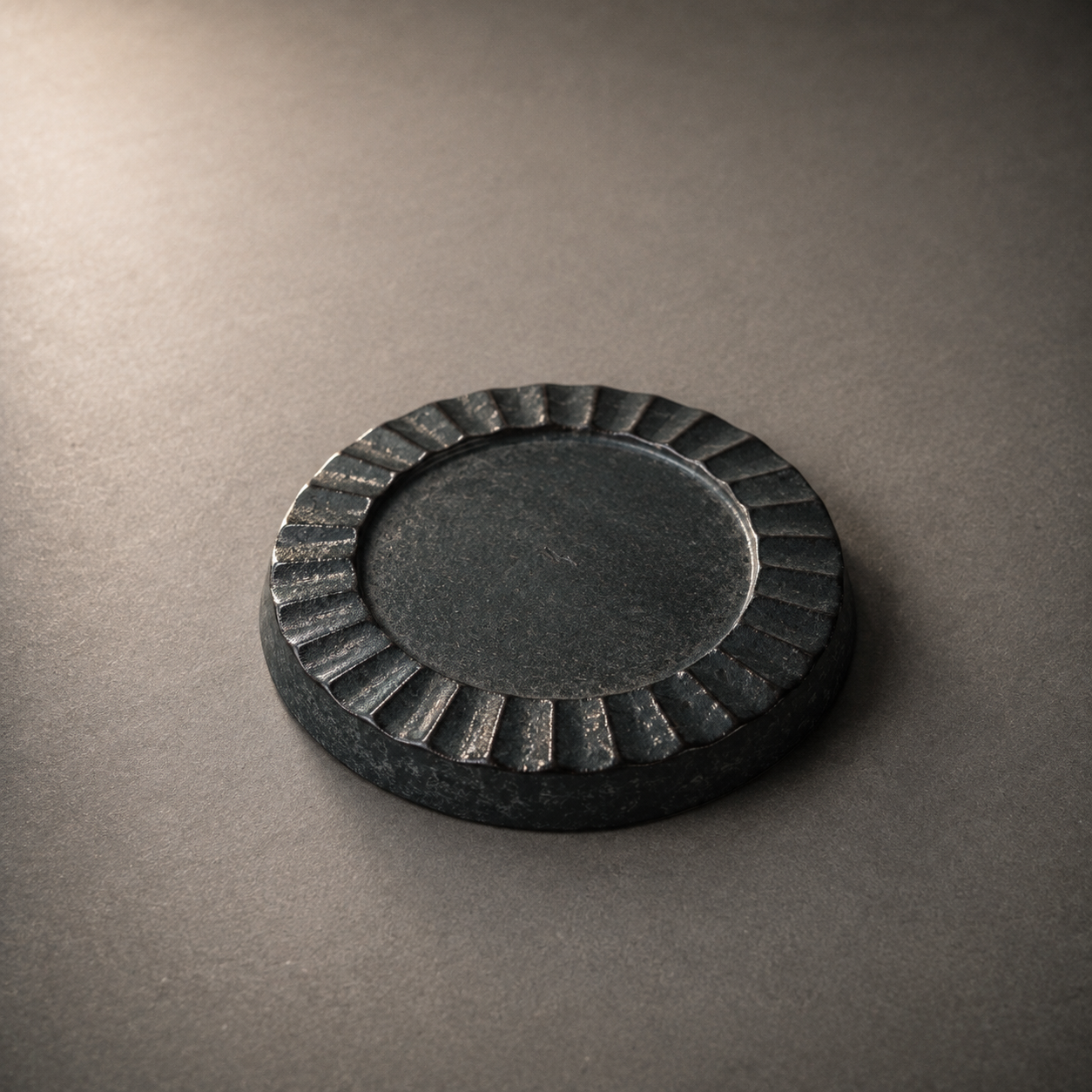
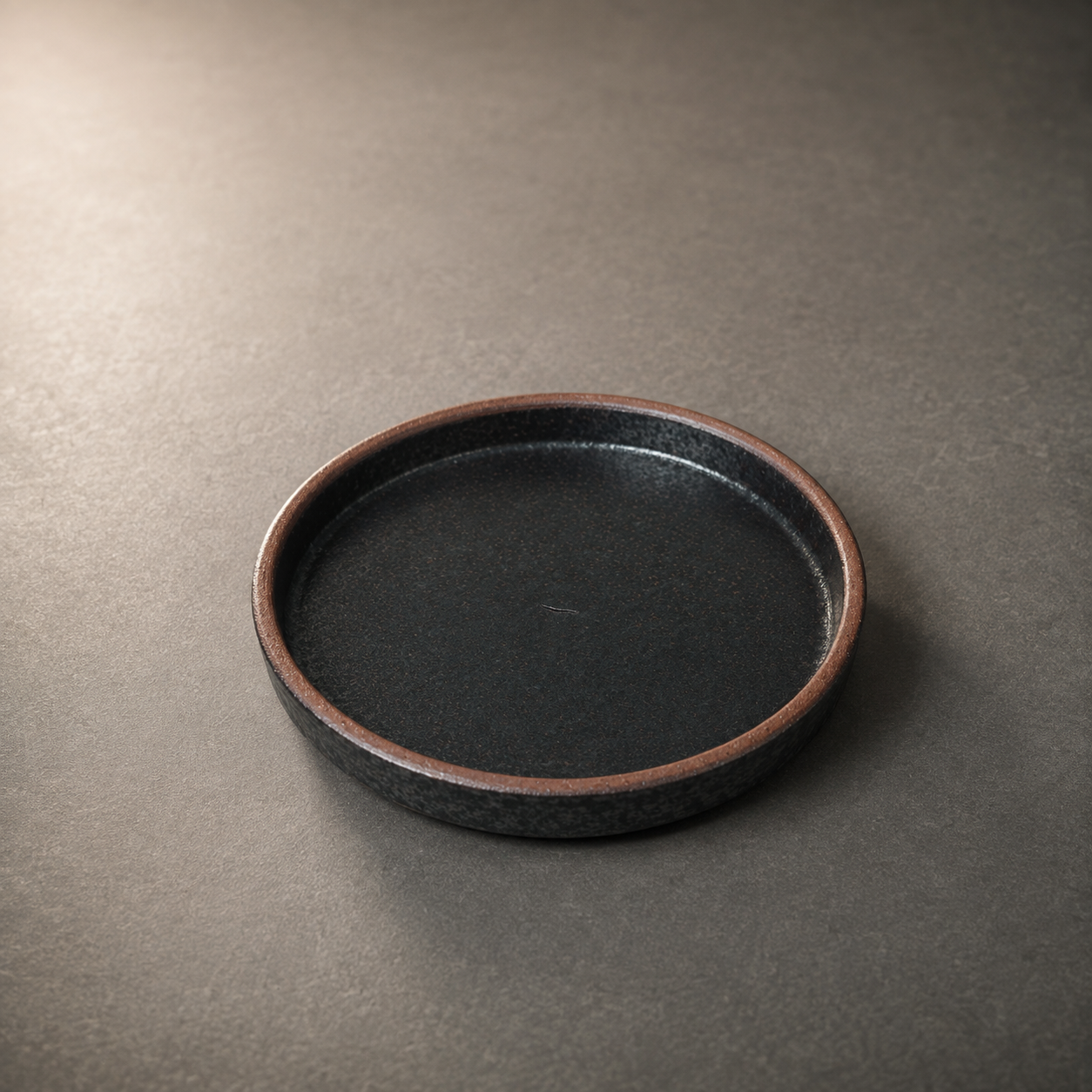
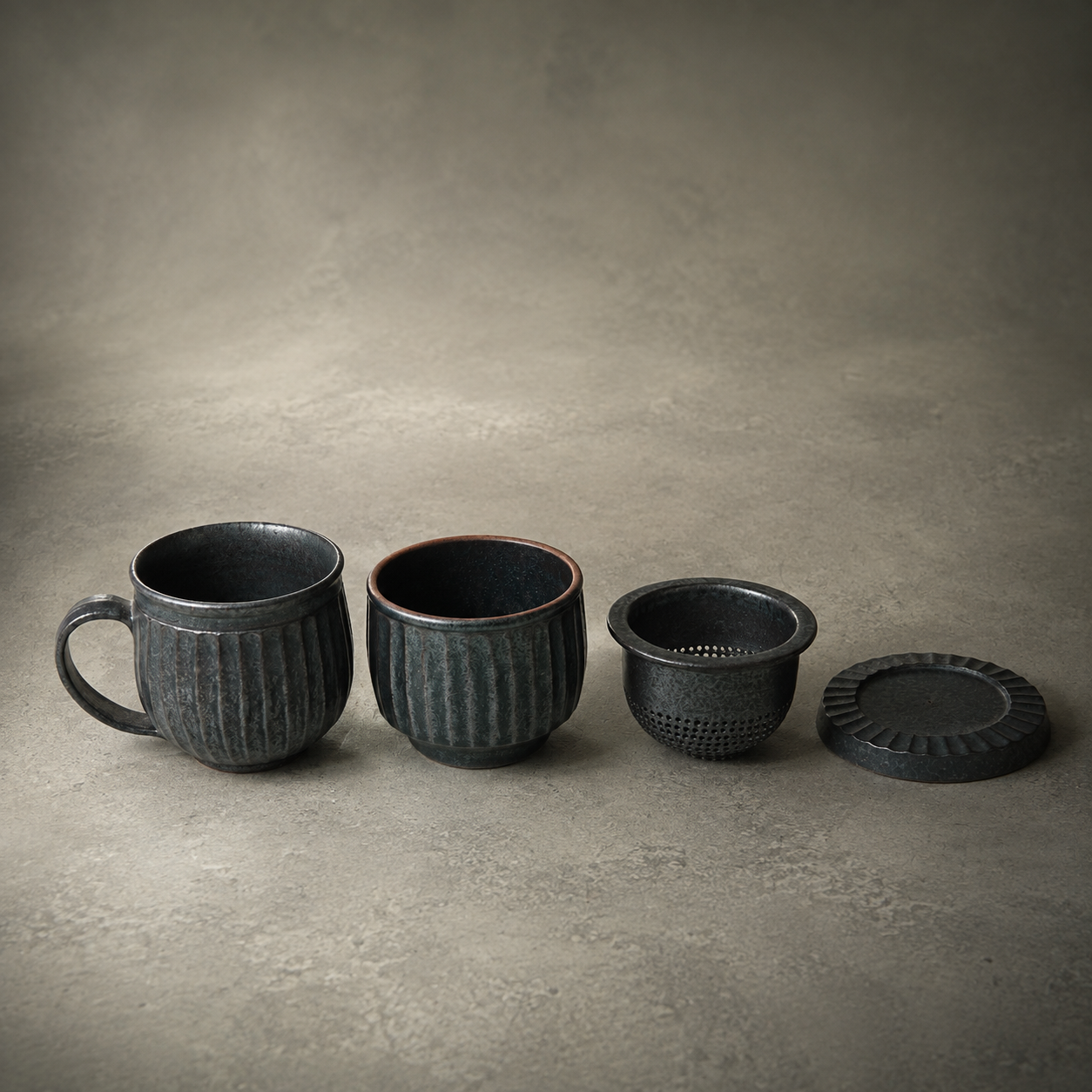
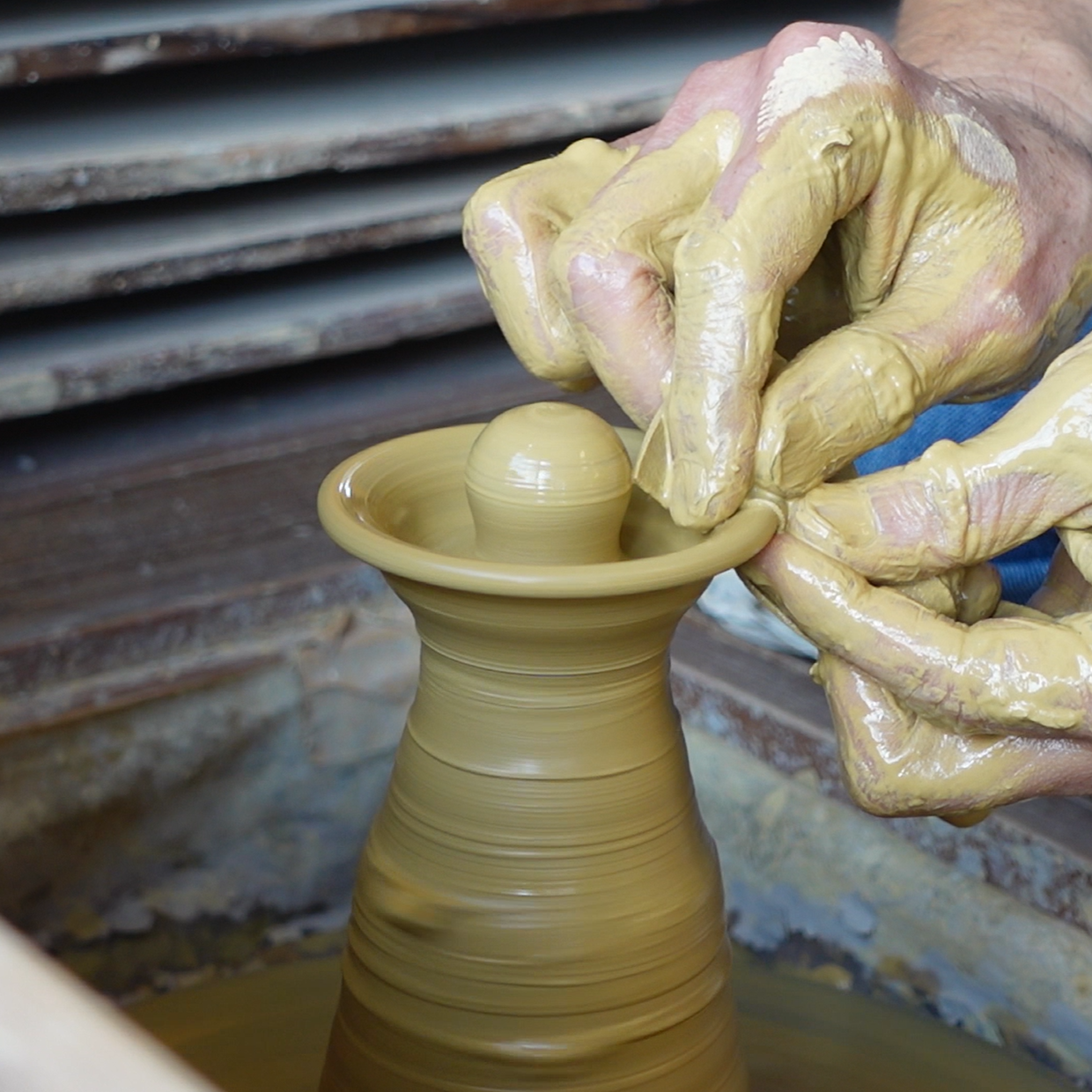
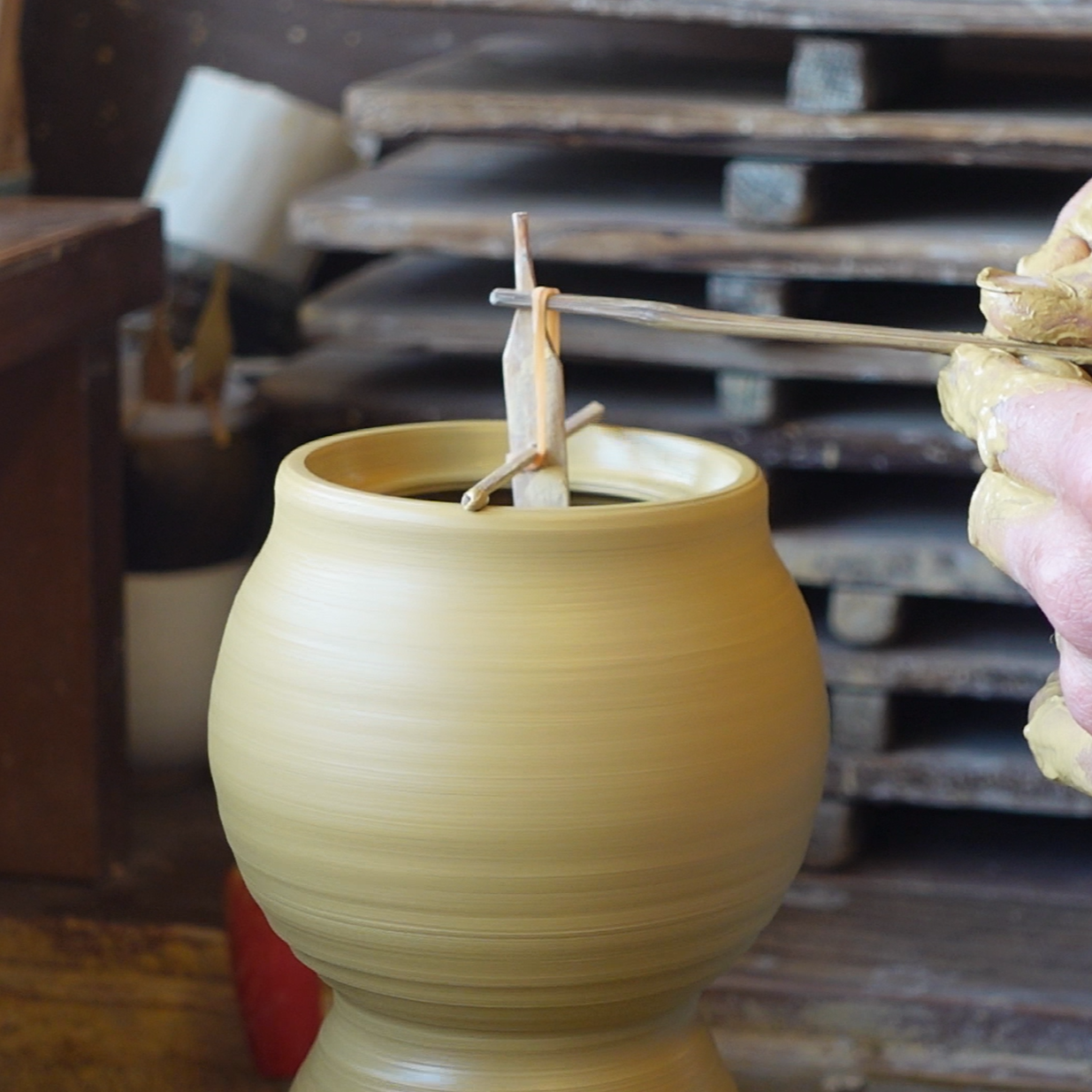
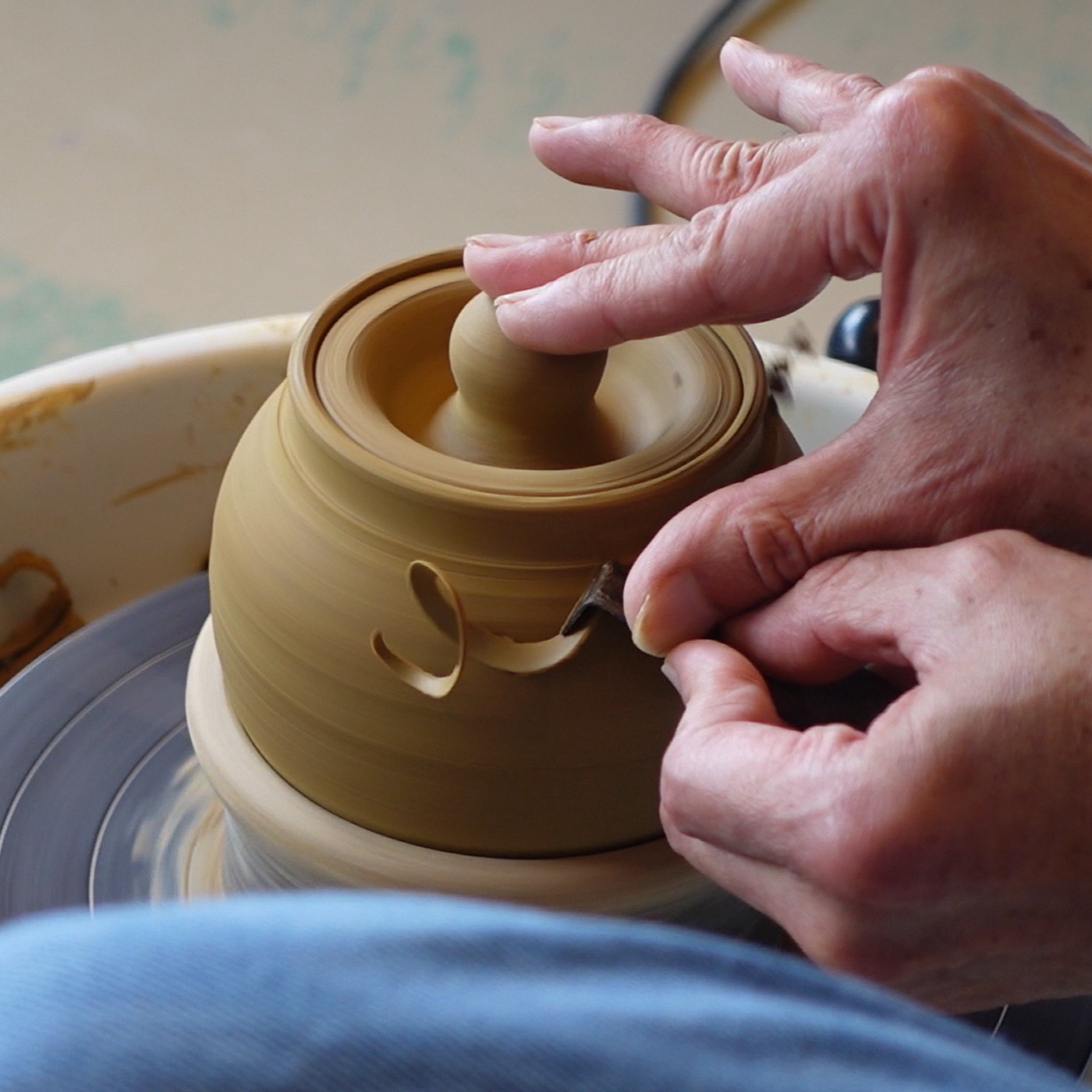
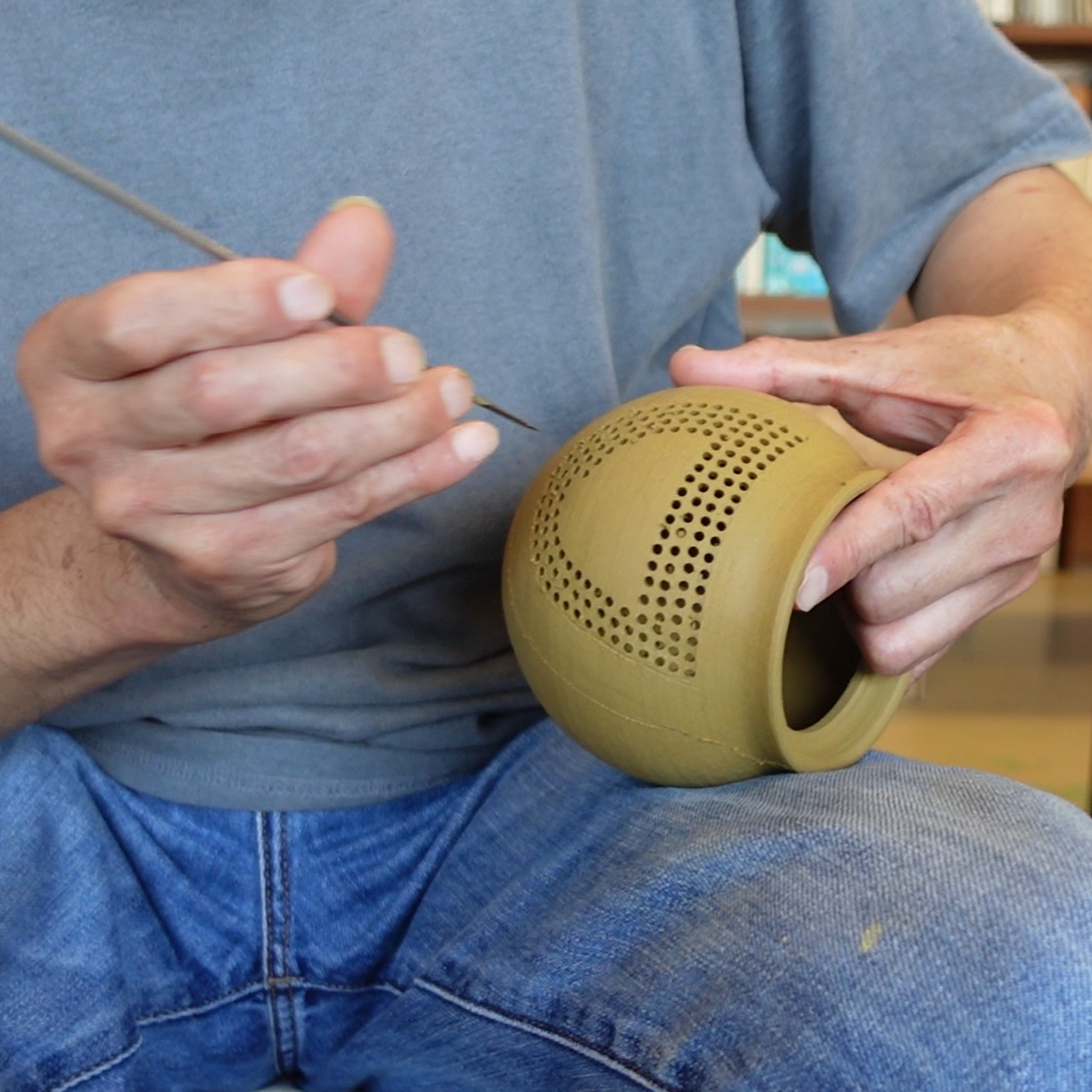
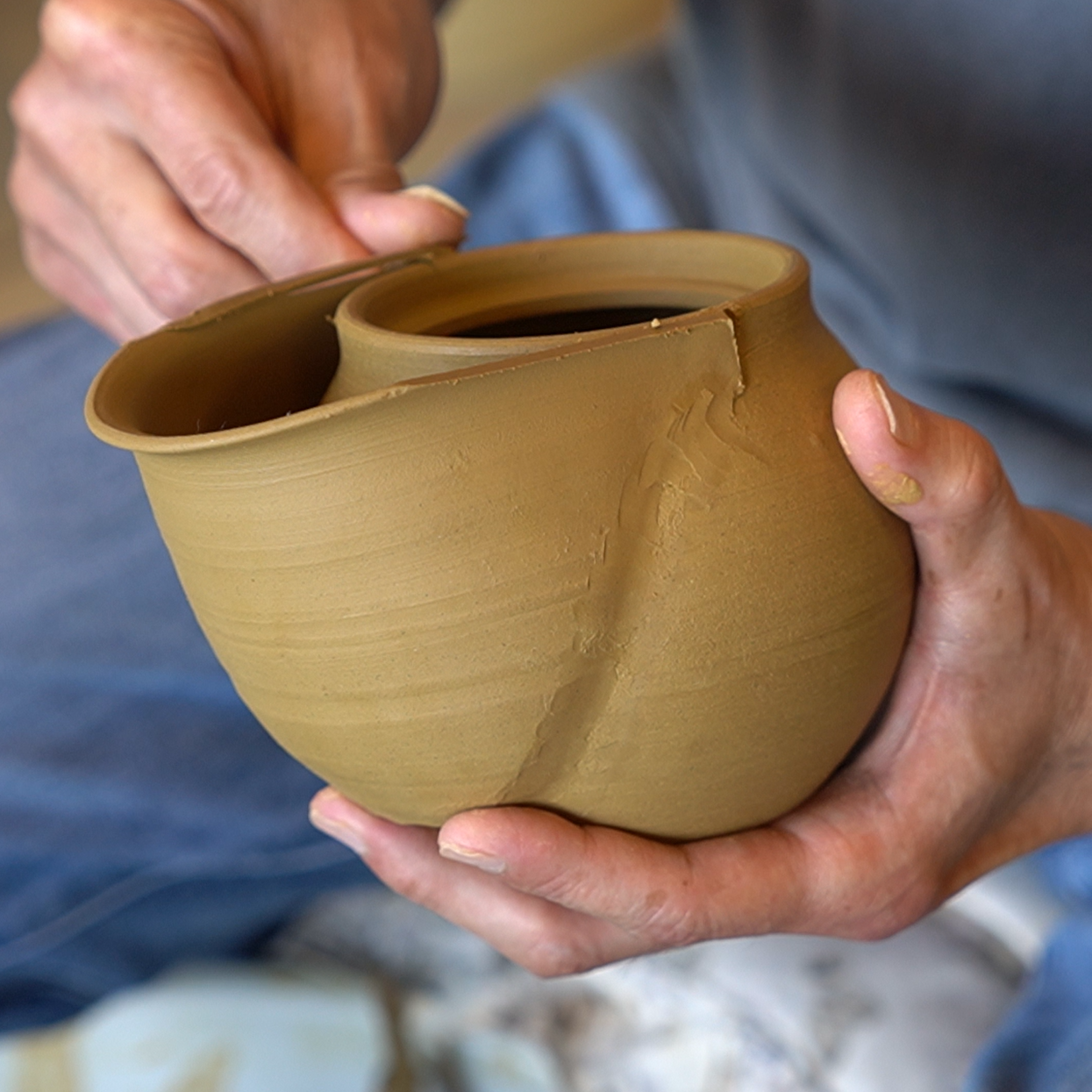
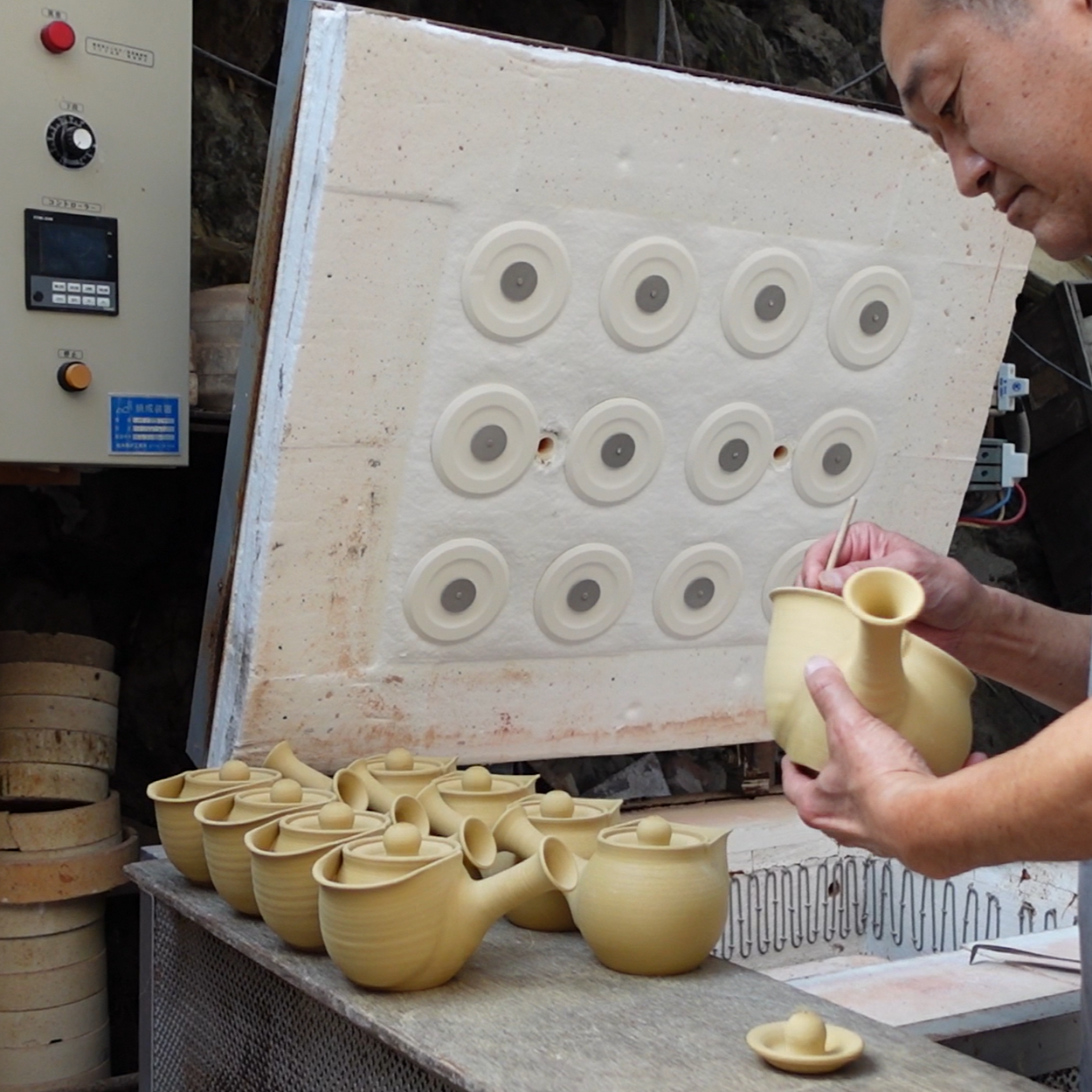
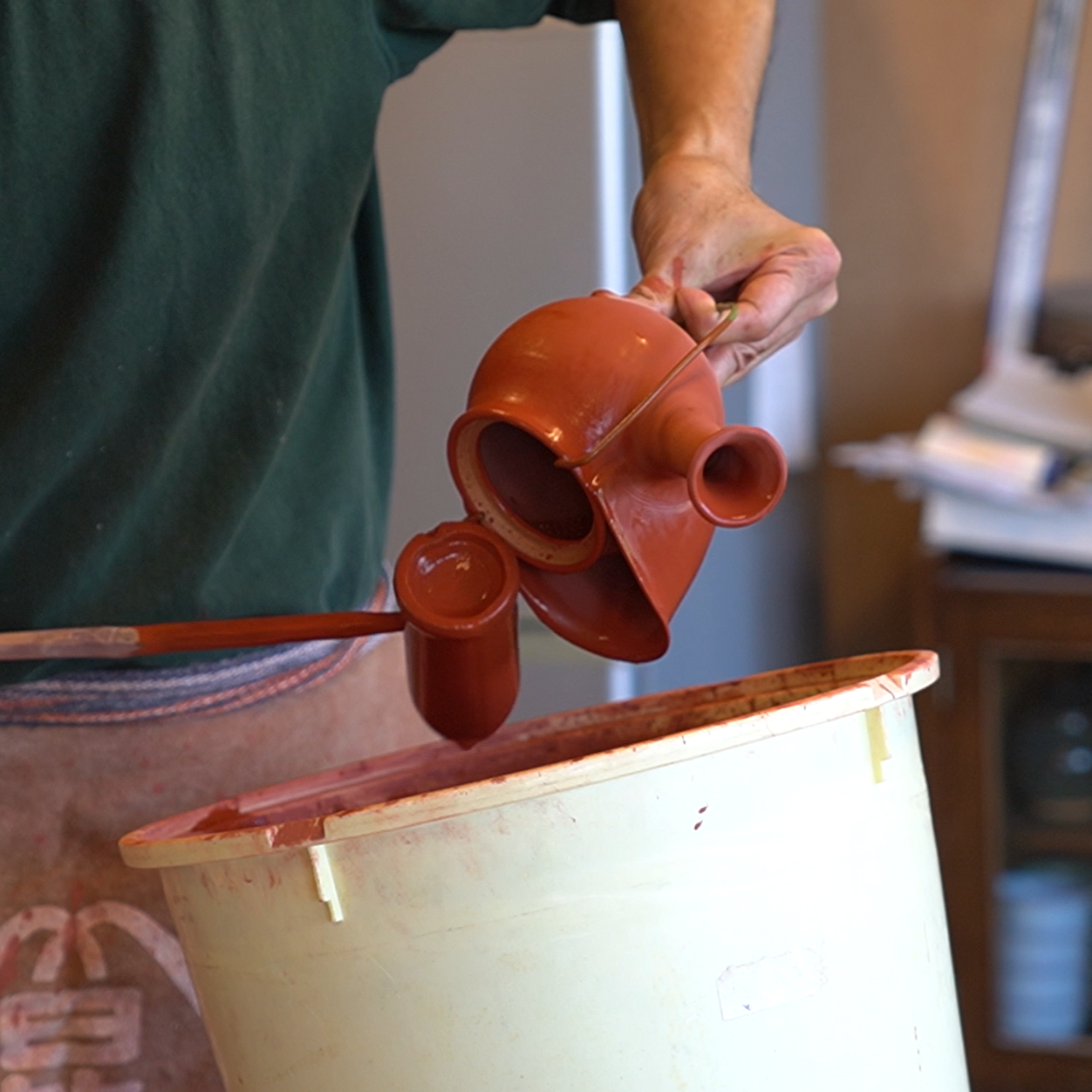
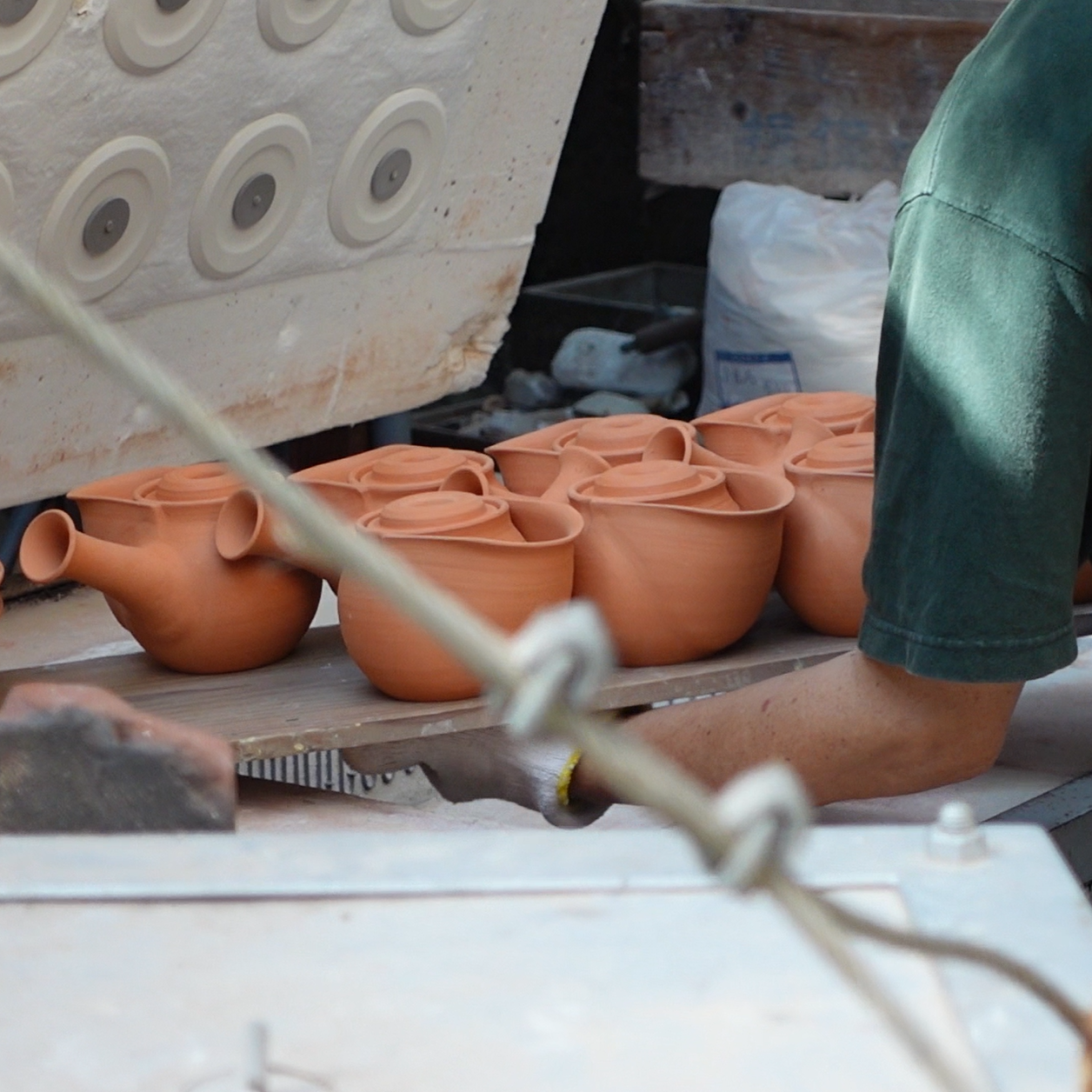
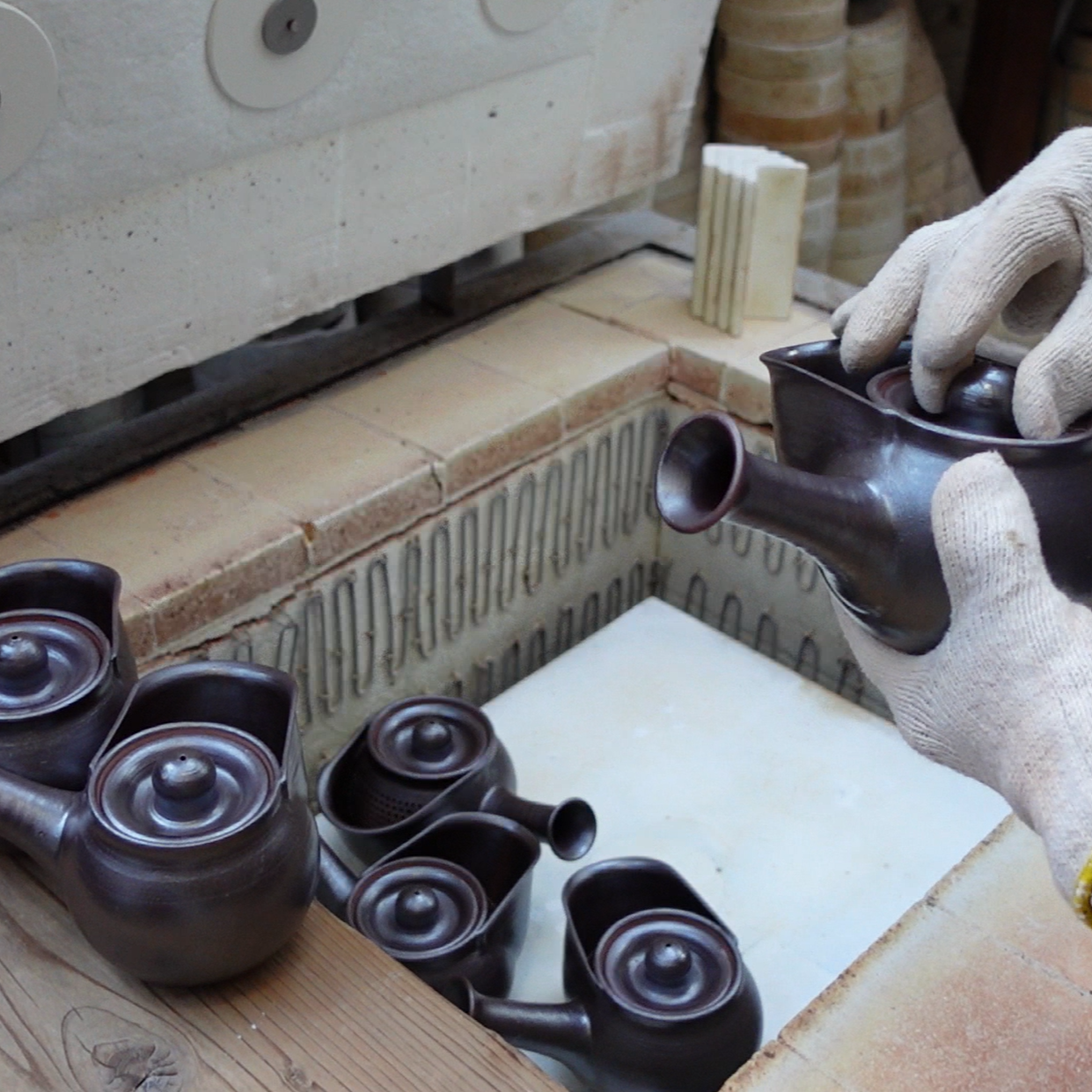
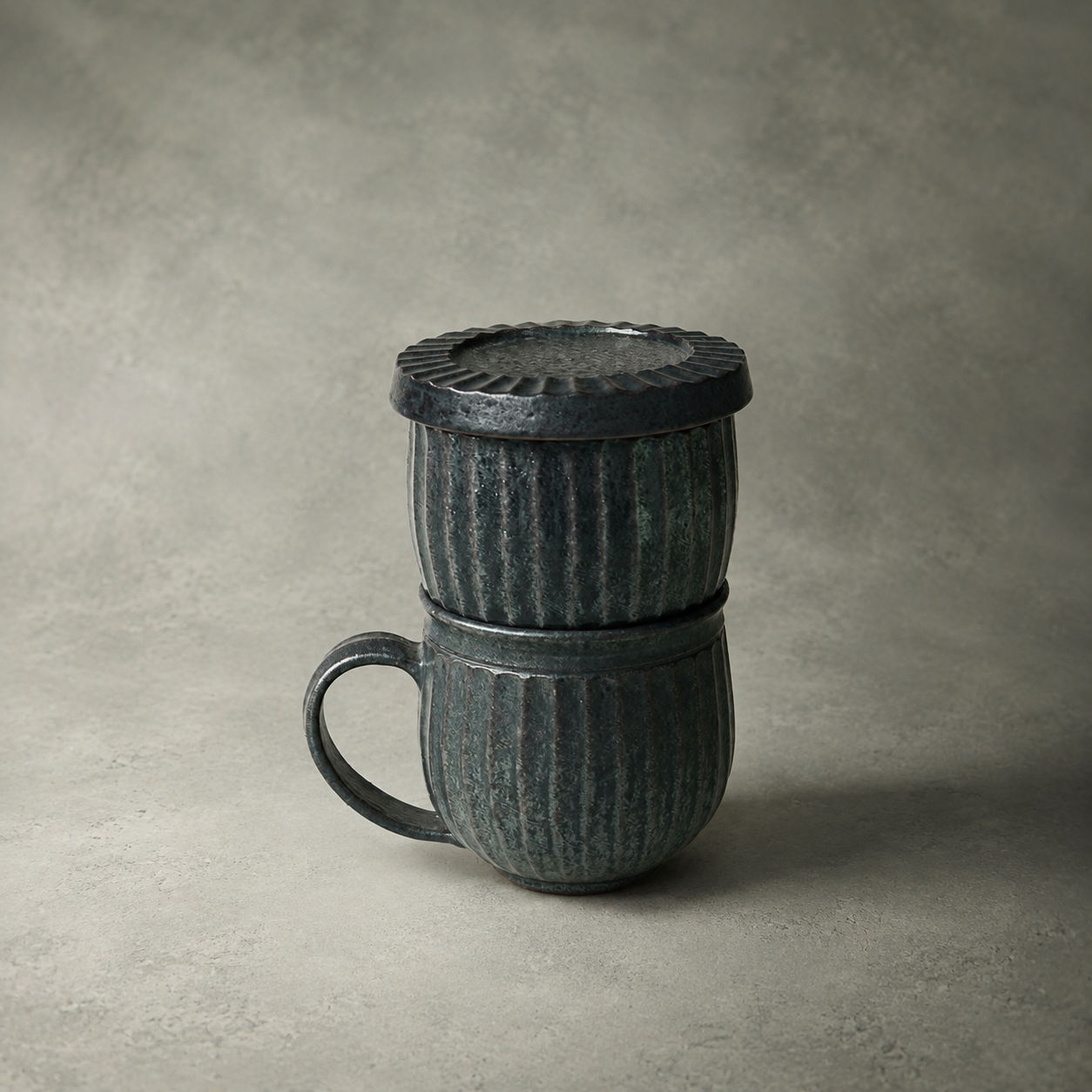
يُصنع كل كوب تقطير للقهوة يدويًا بعناية فائقة على يد حرفيين.
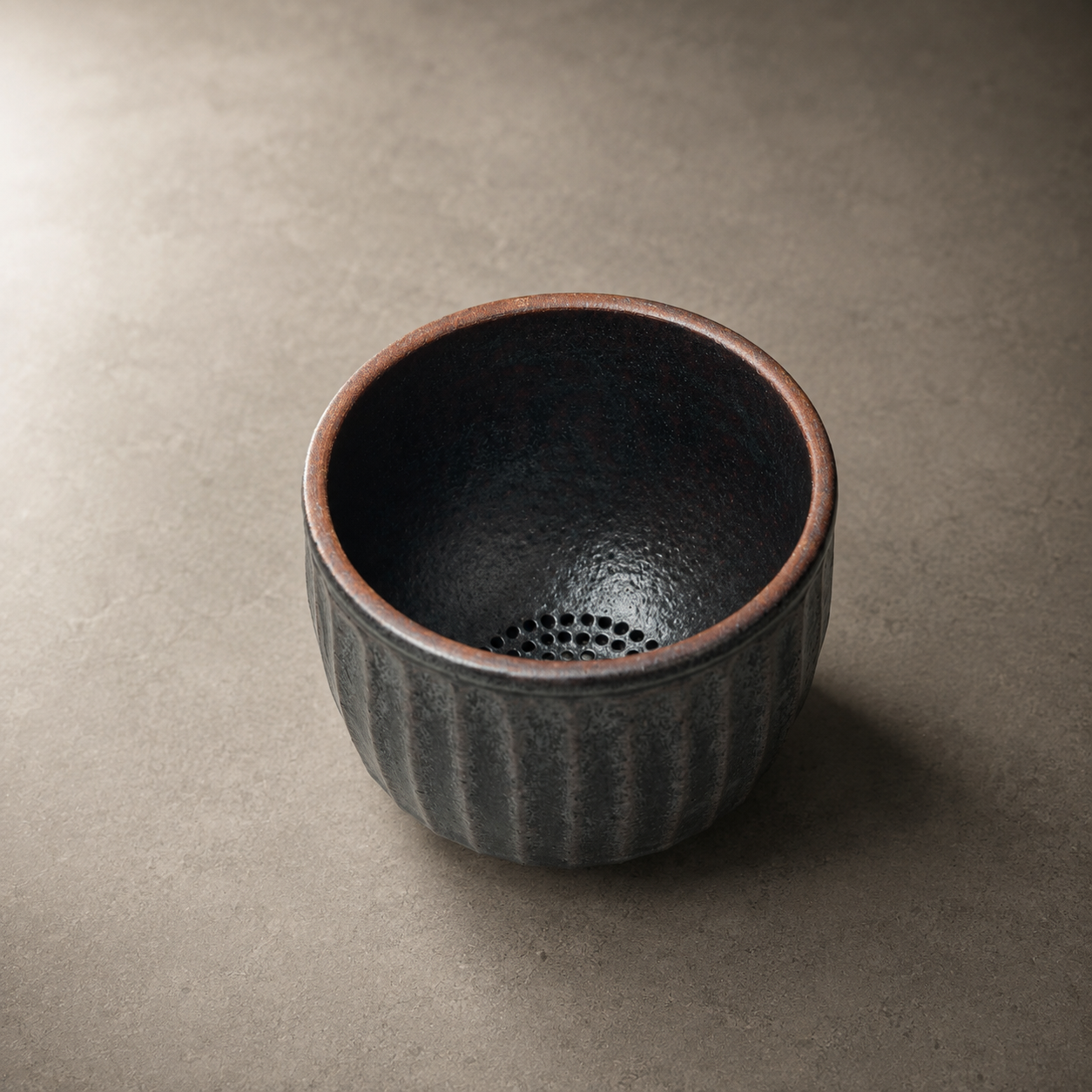
بالإضافة إلى القهوة، يمكن أيضًا تحضير الشاي مباشرةً بوضع أداة التقطير فوق كوب وملئها بأوراق الشاي.
ابتُكرت طريقة التقطير هذه في الأصل «لتحضير أوراق الشاي الكبيرة دون انسدادها»، وهي مفيدة أيضًا لتقطير القهوة ببطء.
يُوصى باستخدامها في المنزل أو أثناء التخييم.
SIZE
عرض الكوب:8.5 سمالارتفاع:8.3 سمالوزن:215 جم
الحجم الإجماليالعرض:8.5 سمالارتفاع:14 سمالوزن:530 جم
MATERIAL
طين
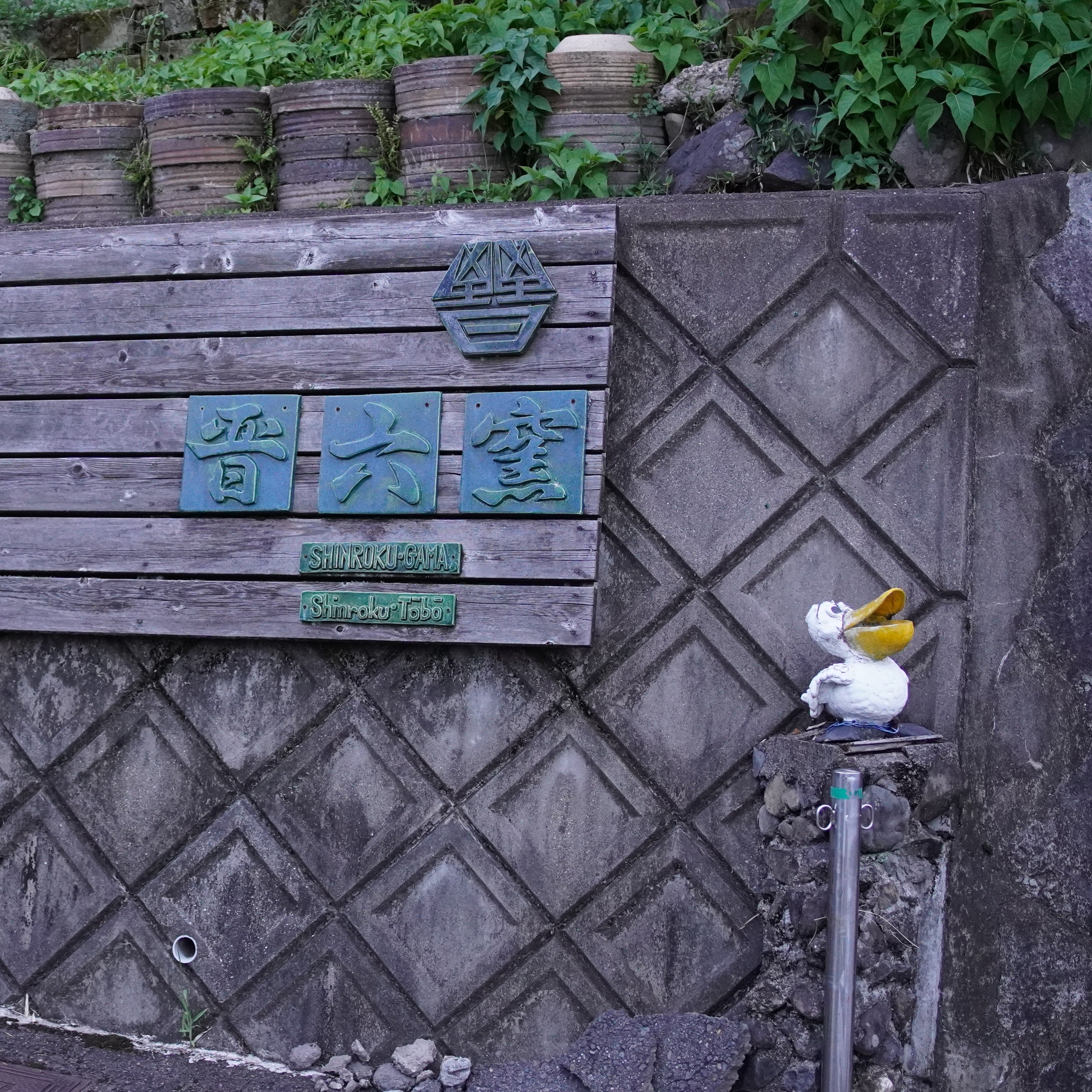
SHINROKUGAMA
"The plate is the clothing of the dish"
I believe that a dish is not finished when it is baked, but only when all of the food preparation and accompanying decorations are in place. We hope that the creator and the user will work together to nurture the "plate".
ARTISAN STORY
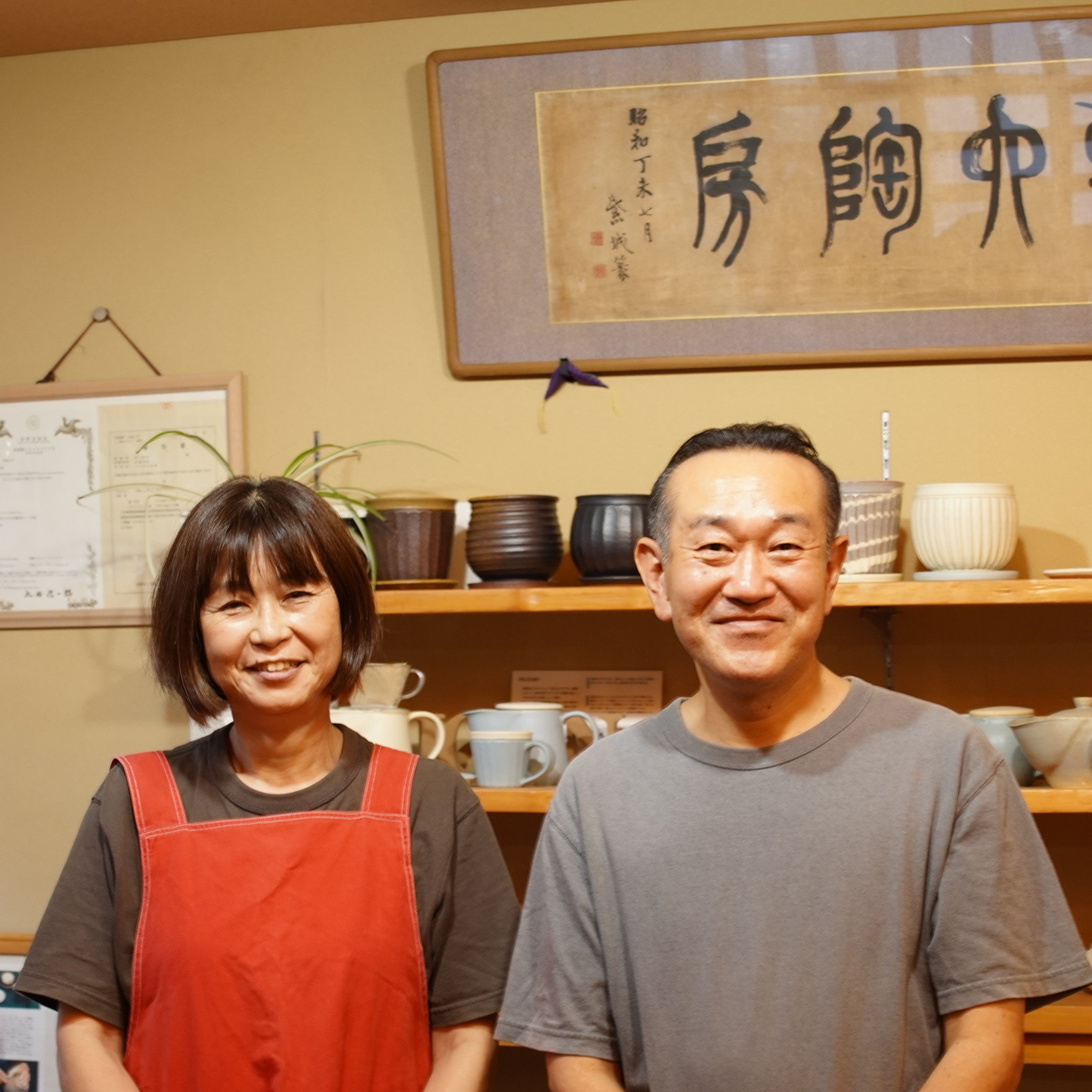
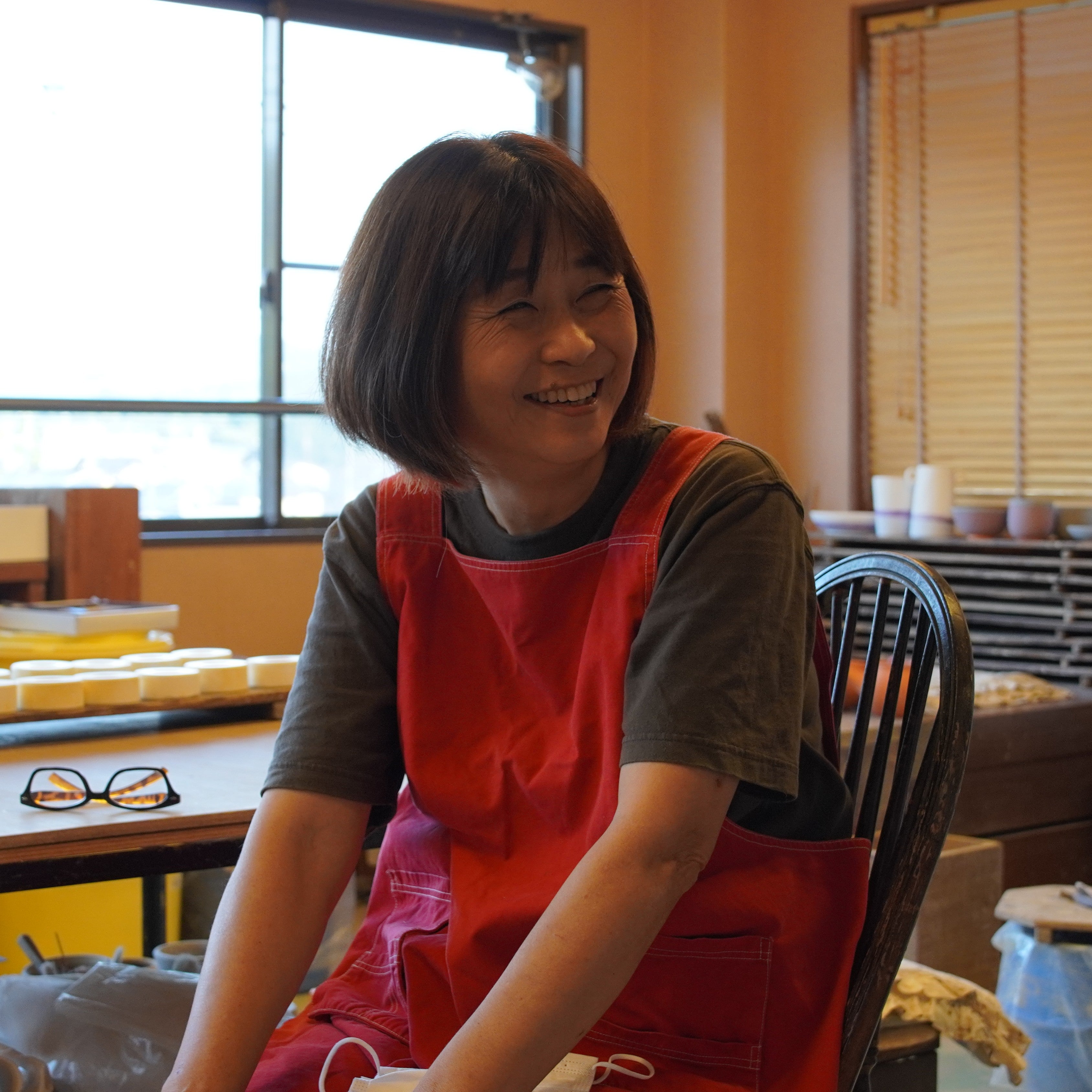
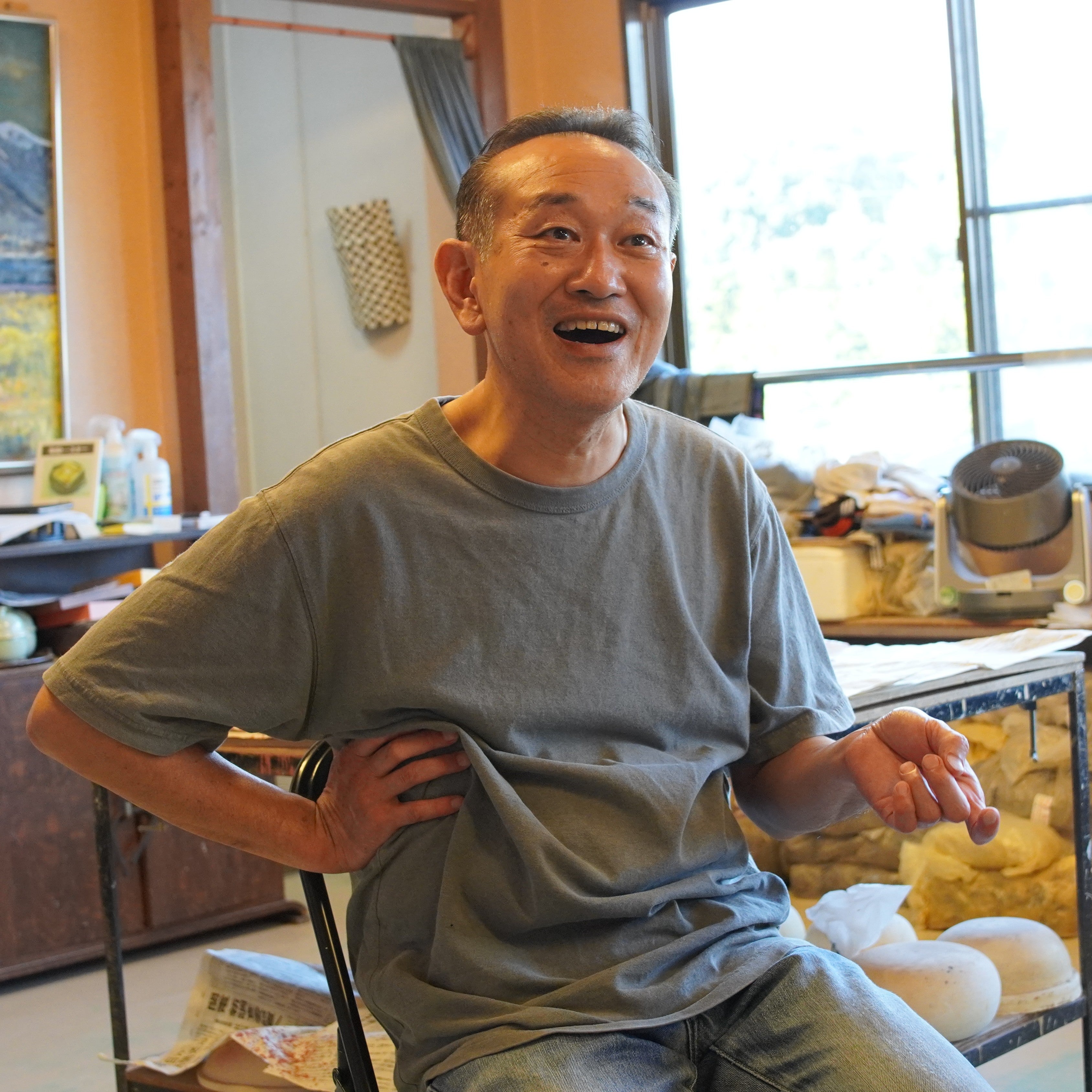
Hirotomo Kyotani & Mika Kyotani / Shinrokugama
He has been making Kyo pottery in Kyoto since 1955 and is now the third generation of craftsmen. "Shinroku" is the name of his grandfather, and he will continue to embody in the products the simplicity of folk art that I inherited from my grandfather. They would like to make pastel-colored tea utensils that fit in with modern life, as well as products that fit the lifestyles of our overseas customers.
ACHIEVEMENTS
・Selected for the 50th Anniversary Himeji City Art Exhibition
・Designated as a traditional craftsman in 2014
・They have received many other awards for their work.
KYO WARE & KIYOMIZU WARE
About 1,200 years ago / 800s / Heian Period (794–1185)
Kyoto ceramics reach back to kilns operating before and during the Heian period, then expanded with tea culture in the Muromachi and Momoyama eras. In the seventeenth century, Nonomura Ninsei perfected brilliant overglaze decoration, followed by innovators such as Ogata Kenzan, Okuda Eisen and Aoki Mokubei, whose diverse approaches shaped today’s Kyo and Kiyomizu ware.
In Japan, these ceramics are famous precisely because there is no single fixed style. Tea bowls, kaiseki dishes and everyday tableware may use overglaze painting, blue-and-white decoration, gold, sancai-inspired color and many other techniques. The craft sits at the heart of Kyoto’s culture of pairing vessels with cuisine and tea.
The surprising point is that Kyoto was never defined by a single major clay deposit. Potters drew on materials such as Amakusa porcelain stone, techniques arriving from other regions, and the tastes of artists and patrons gathered in the capital. Freedom from one local material helped make Kyoto ceramics unusually hybrid and stylistically diverse.
الاختلافات الفردية
نظرًا لأن كل قطعة تُصنع يدويًا بشكل مستقل، فقد تطرأ اختلافات طفيفة في اللون والنمط والشكل والملمس. وتُعد هذه الاختلافات الدقيقة من الخصائص الطبيعية للأعمال اليدوية، ما يجعل كل قطعة فريدة من نوعها حقًا. نأمل أن تستمتعوا بهذه الاختلافات الفردية كجزء من جمال الحرفية اليابانية وطابعها المميز.
مدة الإنتاج
إذا لم تكن القطعة متوفرة في المخزون حاليًا، فقد يقوم الحرفي بصنعها حسب الطلب. ونظرًا إلى أن كل قطعة تُصنع يدويًا بعناية، فقد يستغرق الإنتاج عدة أشهر، وذلك حسب القطعة والجدول الزمني للحرفي. نقدر صبركم وتفهمكم.

حدِّد الخيارات