ROKURO KOGEI / JAPANESE WOODTURNING CRAFT
About 1,200 years ago / 800s / Heian Period (794–1185)
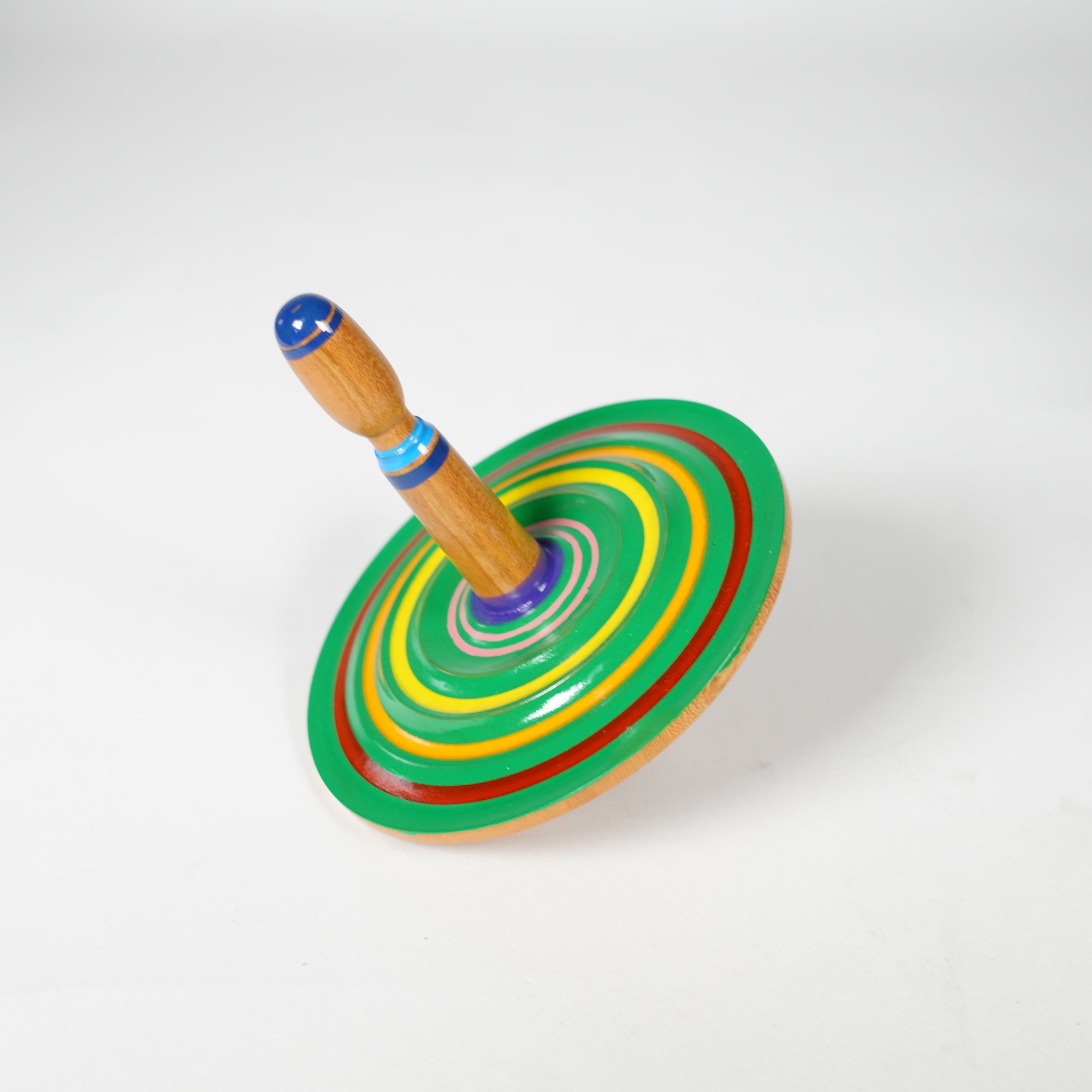
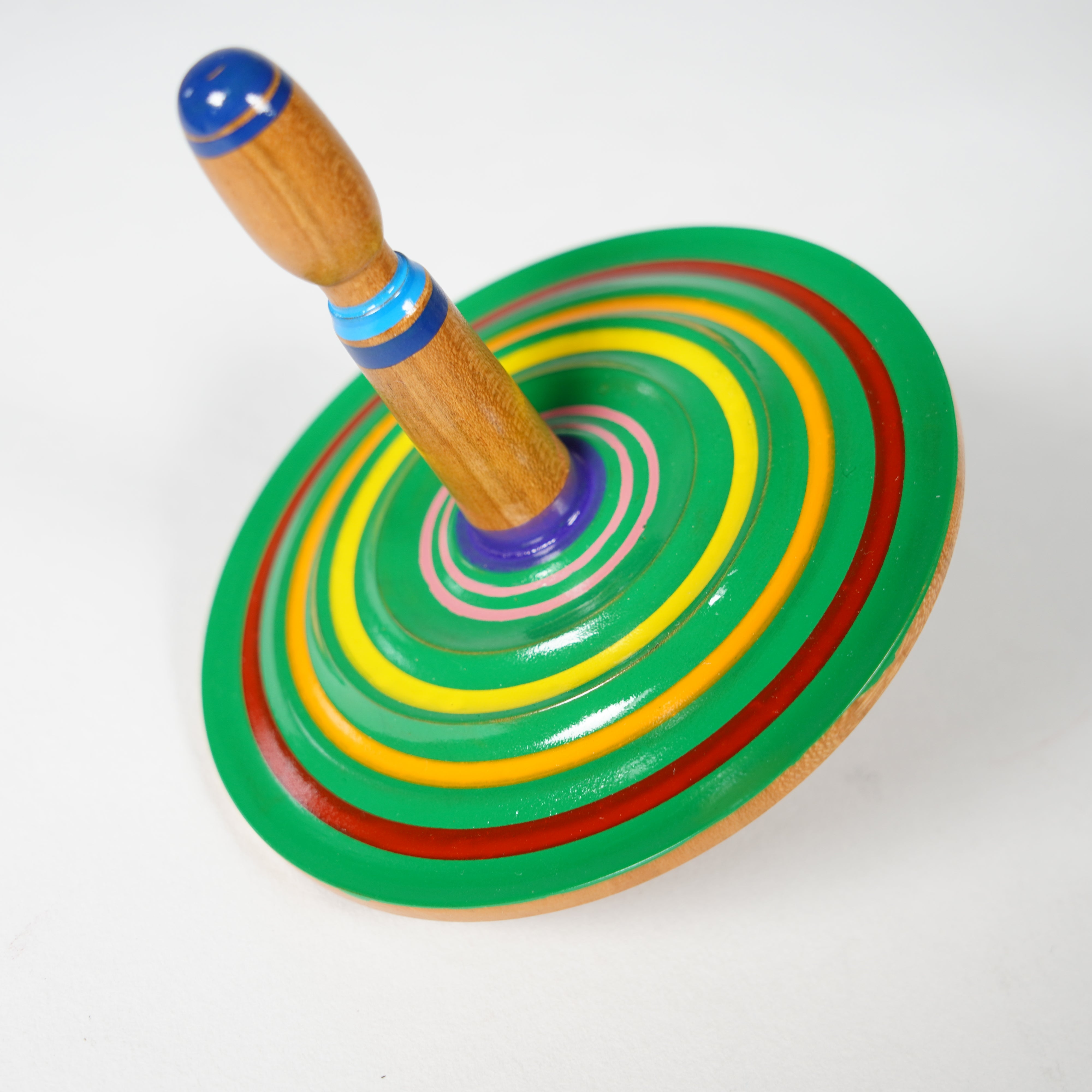
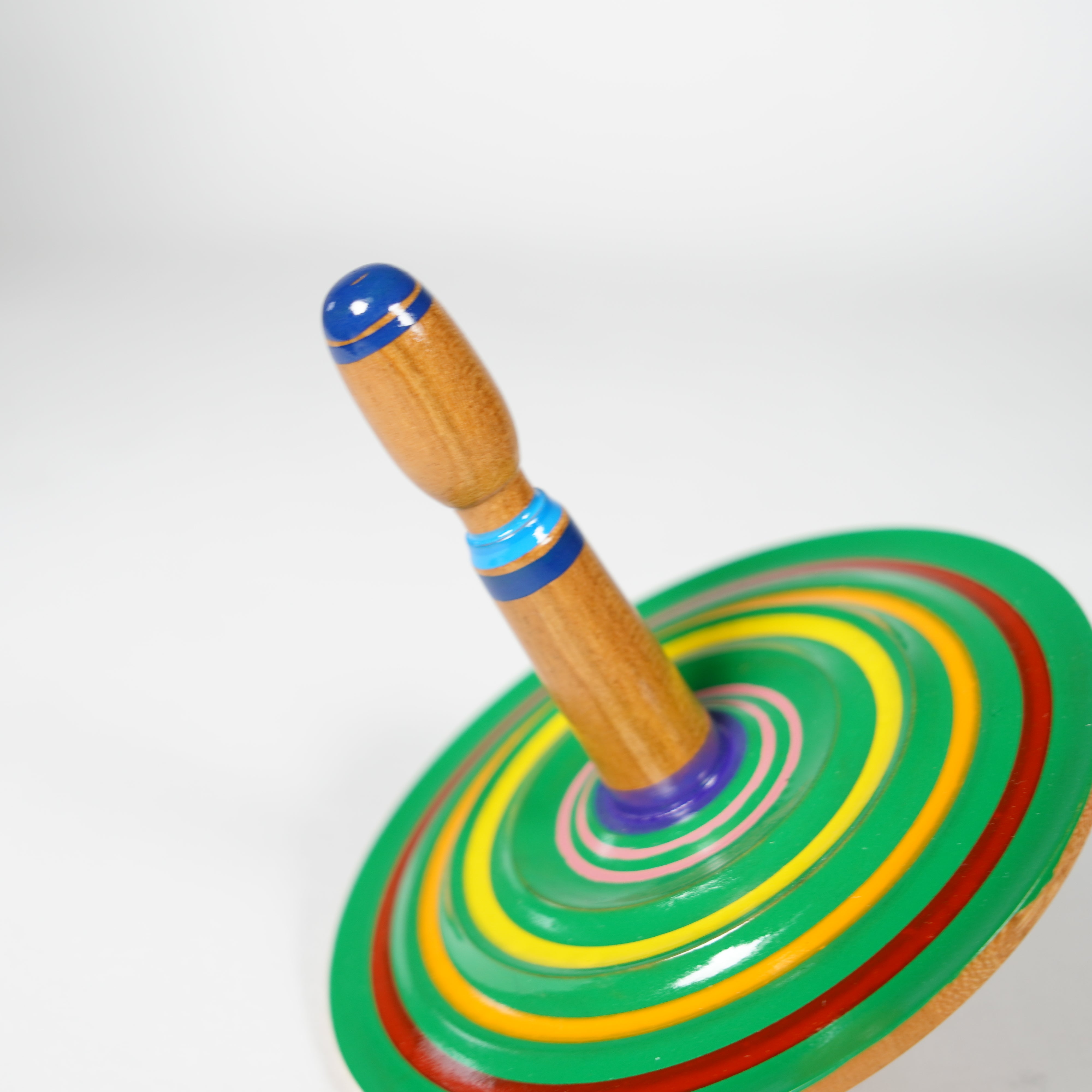
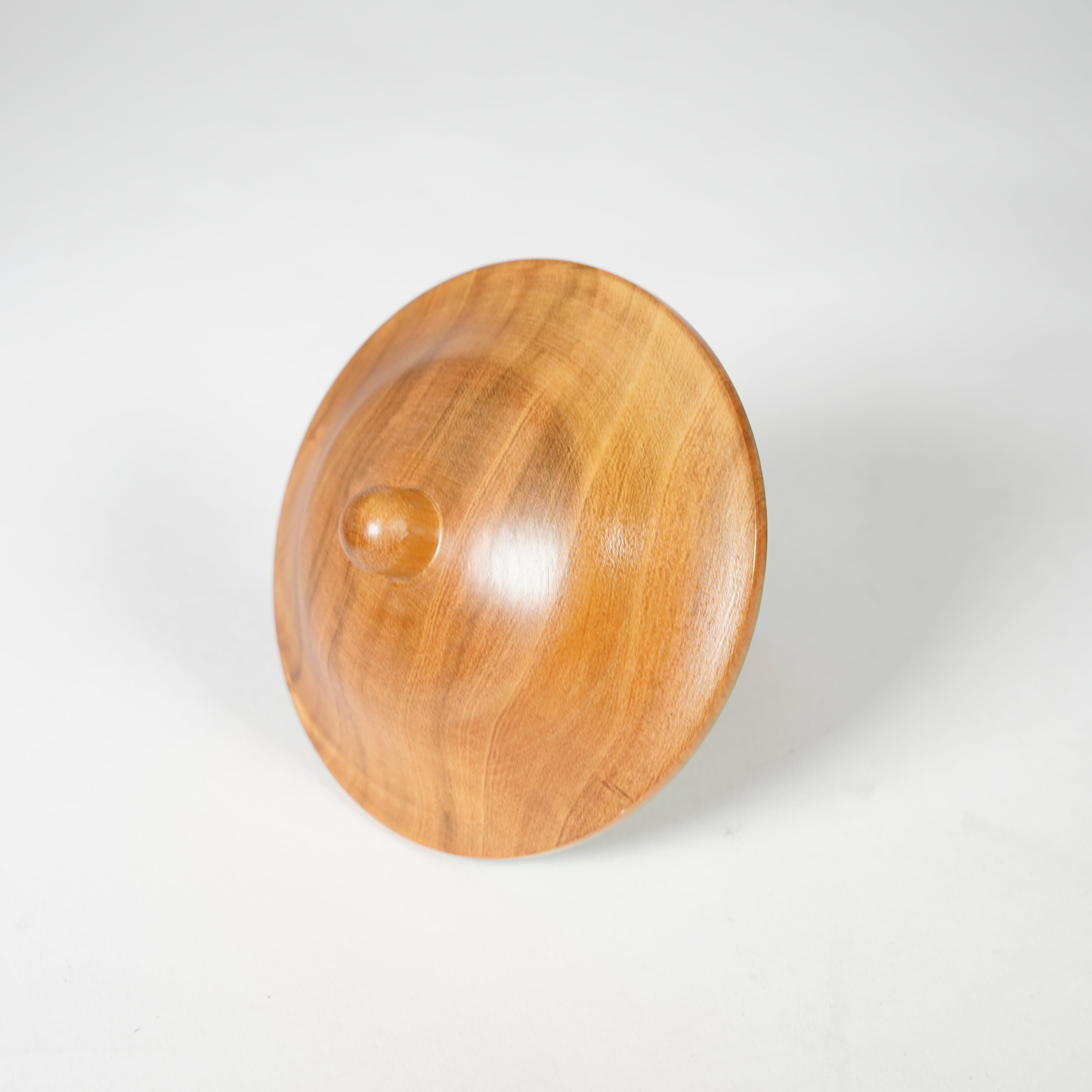
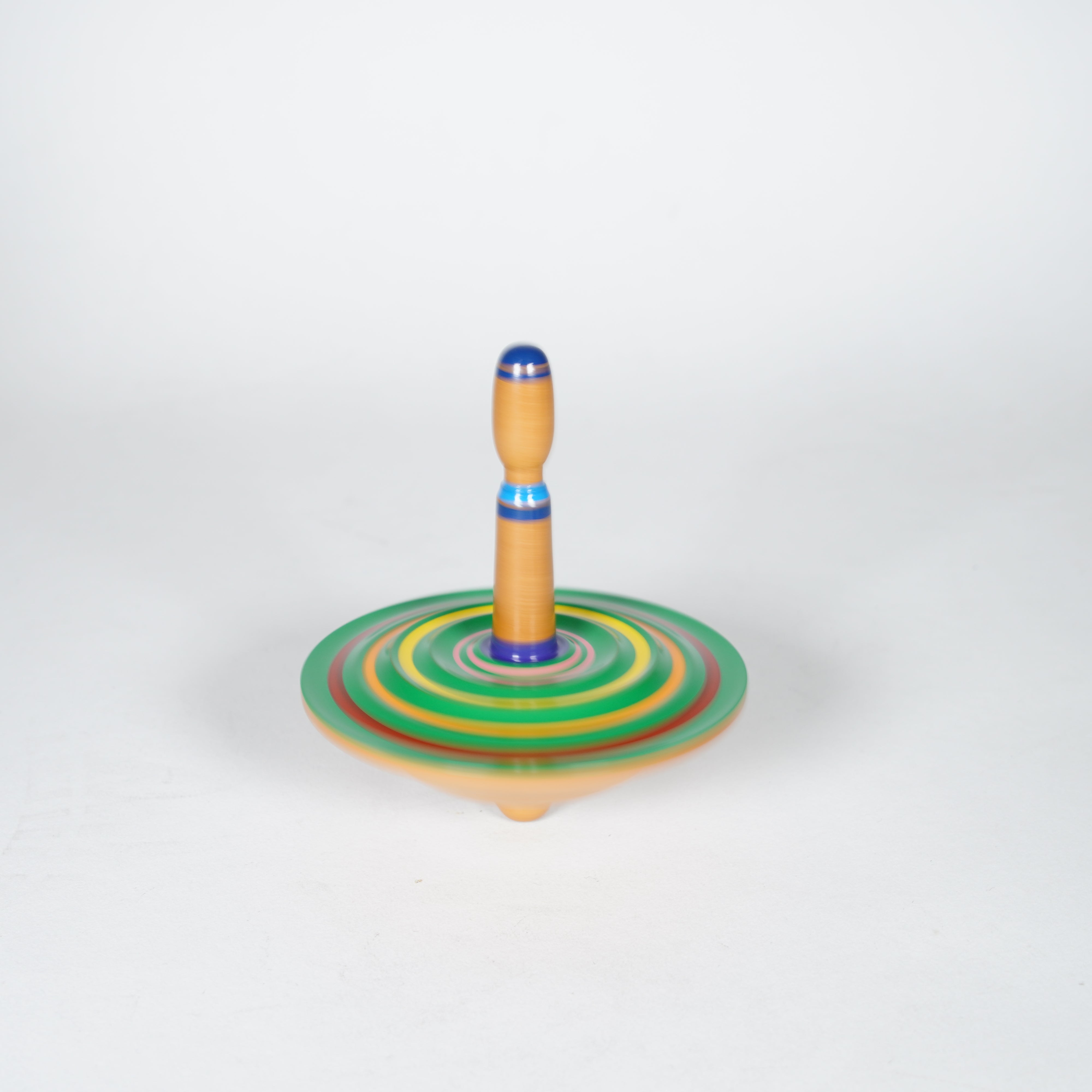
Japanese wooden spinning tops developed from toys introduced from continental Asia and are recorded as courtly and children’s amusements by the Heian period. During the Edo period, woodturning skills spread widely, and craftspeople learned to shape extremely precise centers of gravity for toys, competitions and street performances.
In Japan, tops are closely associated with New Year celebrations. Because a smoothly spinning top suggests that things will “turn well,” it can also carry auspicious meaning. Today they survive as toys, educational objects, interior pieces and compact demonstrations of a woodturner’s skill.
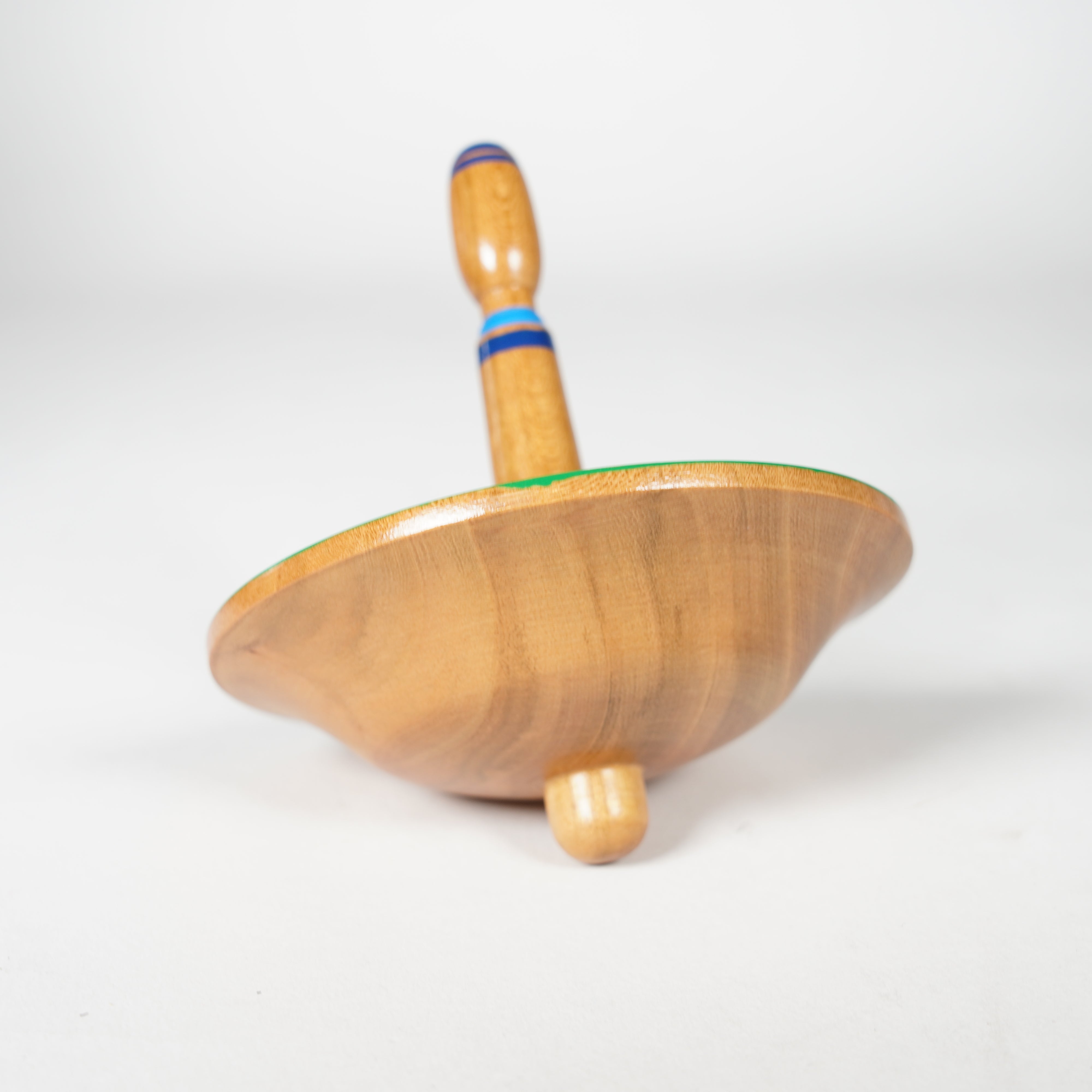
Top-making is far more scientific than it appears. Even a tiny shift away from the true center makes a top wobble, so craftspeople read the grain and density of the wood as they cut. A top that spins for a remarkably long time makes the accuracy of the maker visible in real time.