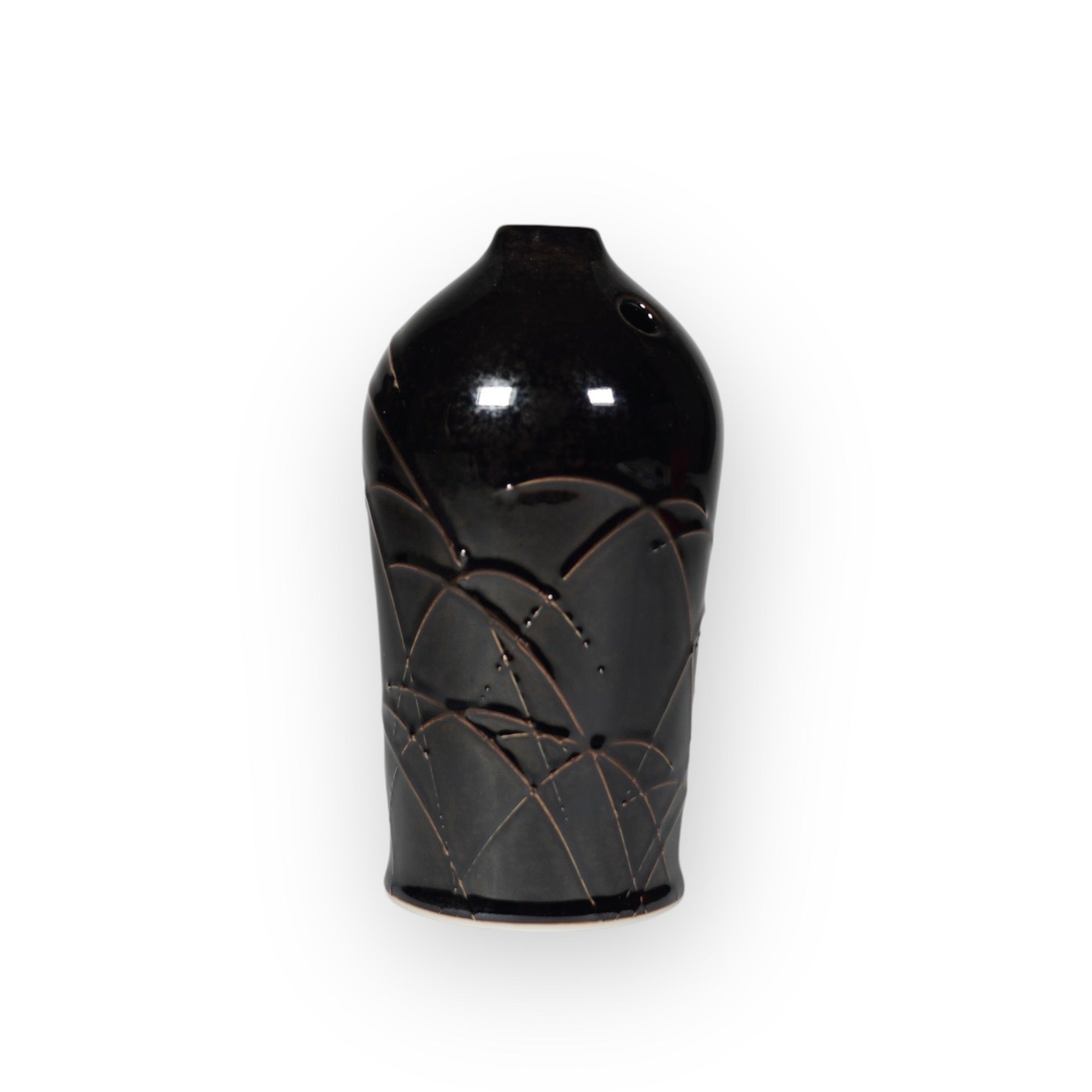
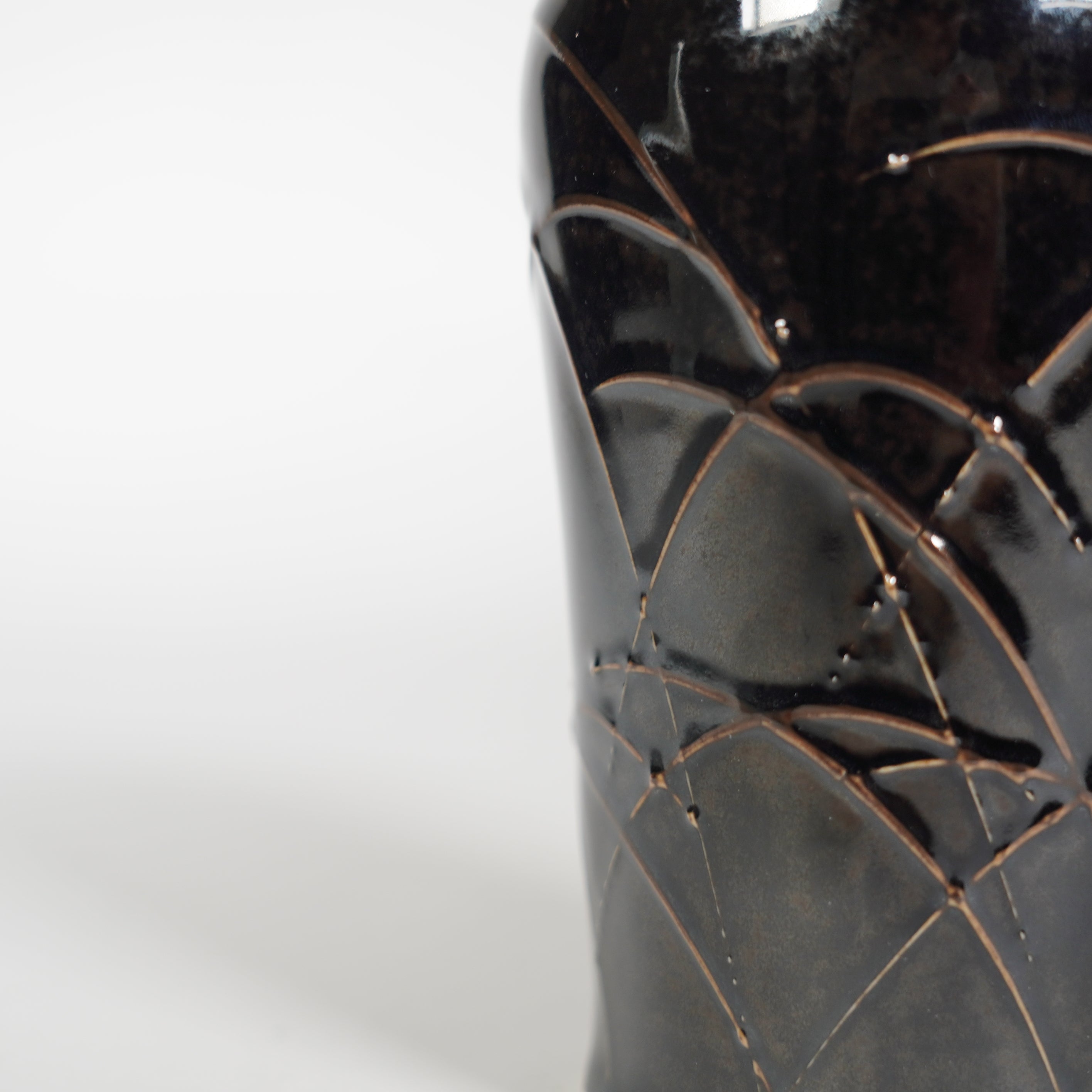
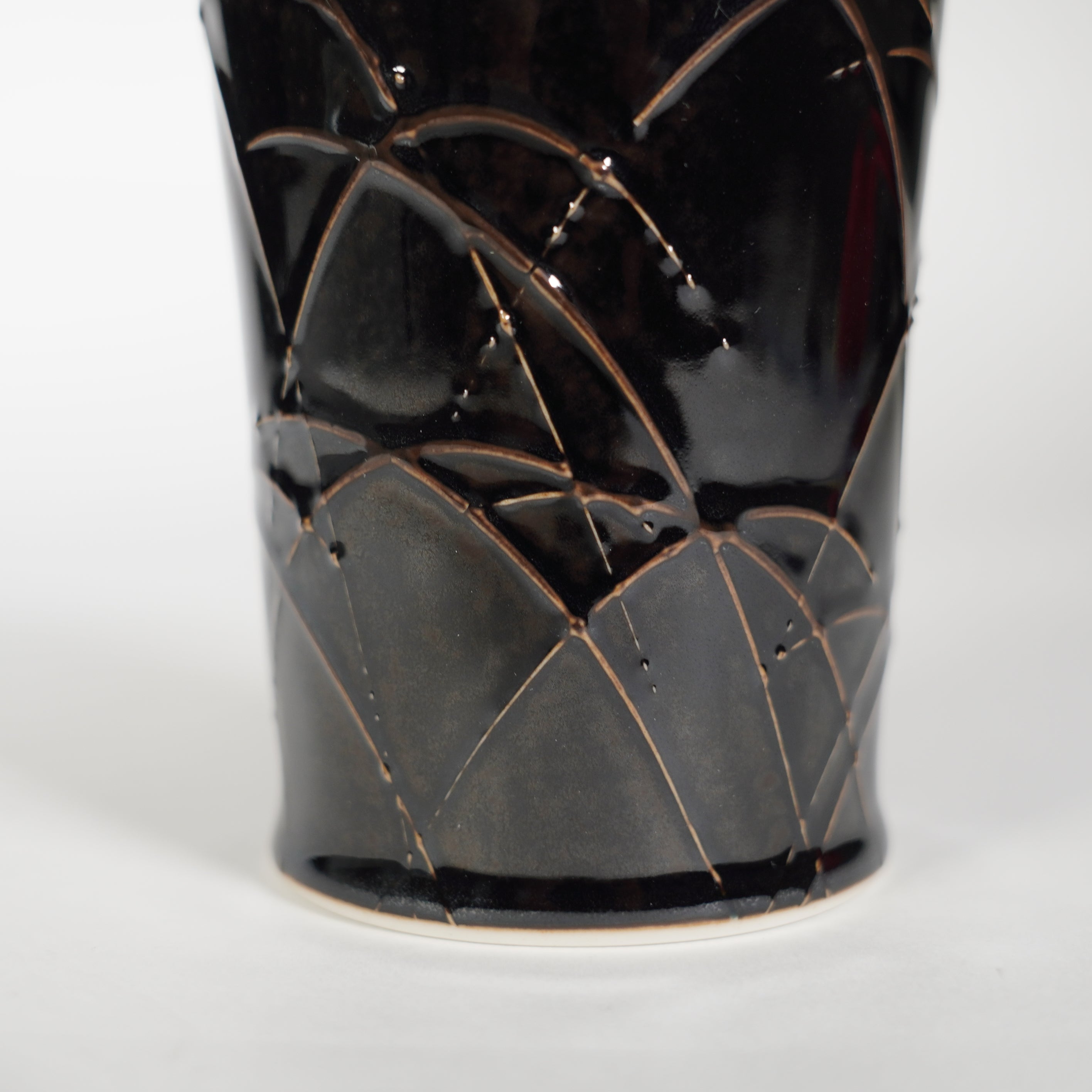
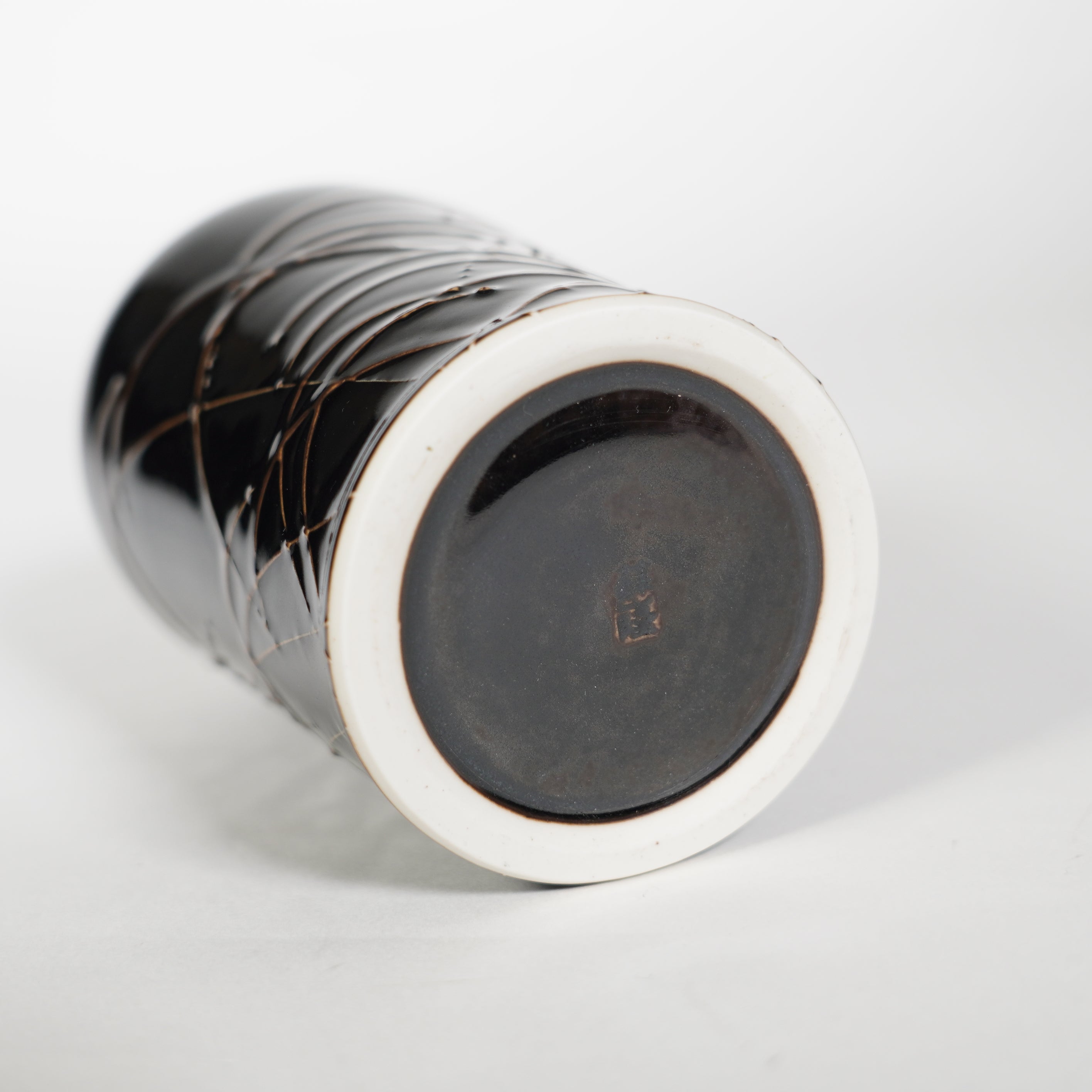
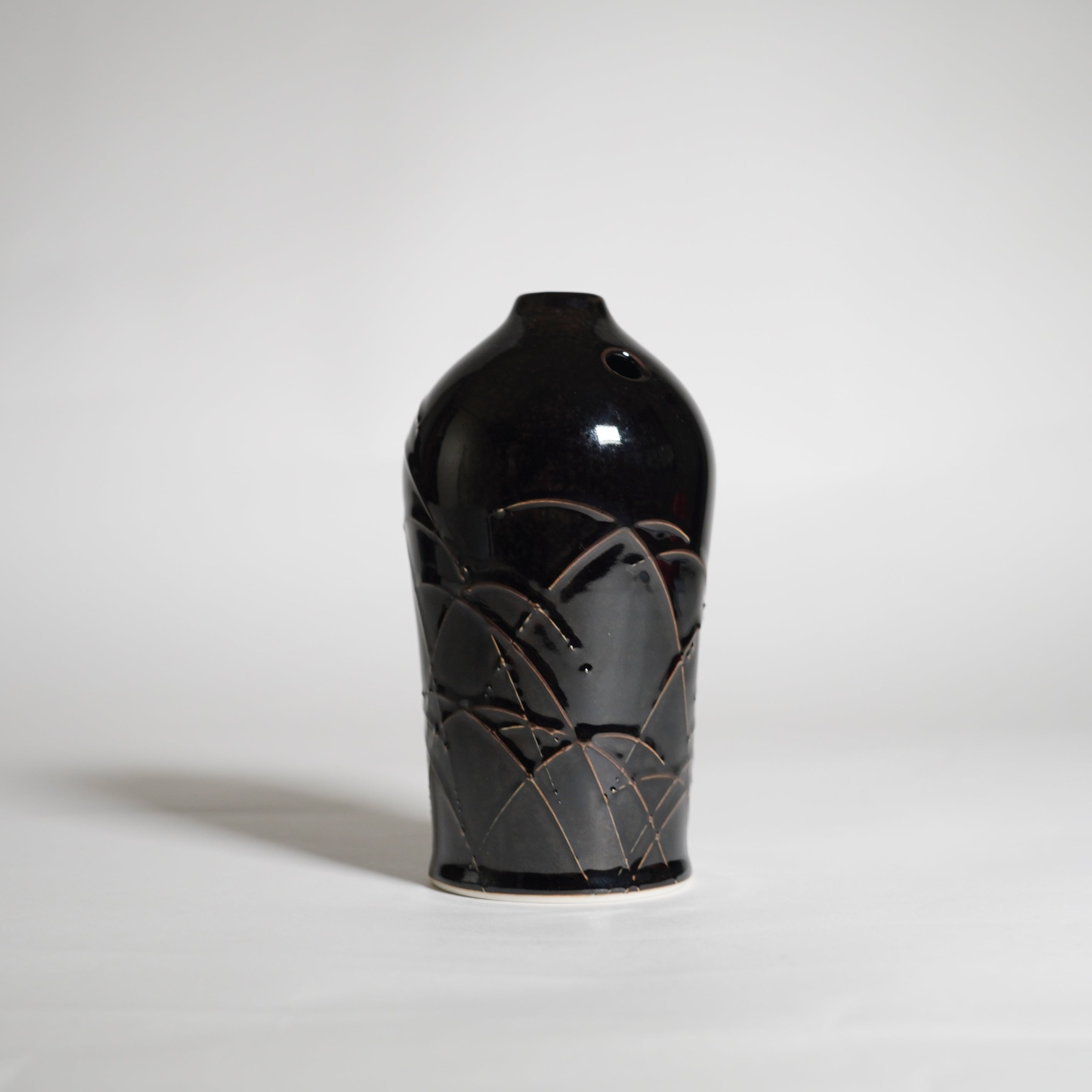
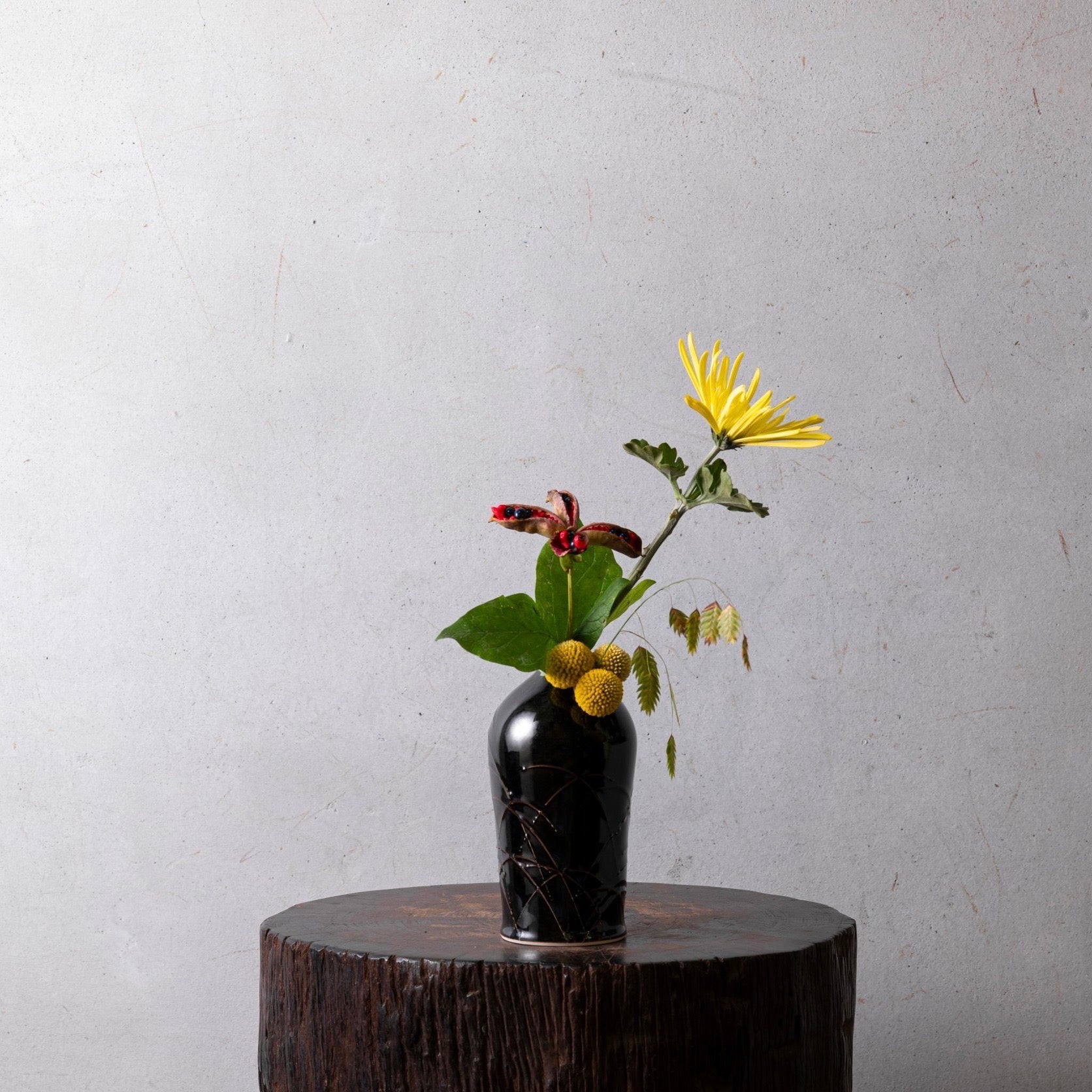
كيو وير إناء / أسود / متوسط
الوصف
التفاصيل
SIZE
MATERIAL
حِرَفِيّ
كوجي
تحذير
حدِّد الخيارات


كيو وير إناء / أسود / متوسط
السعر بعد الخصمK822,000.00
البلد
اللغة
سلة المشتريات
سلة مشترياتك فارغة


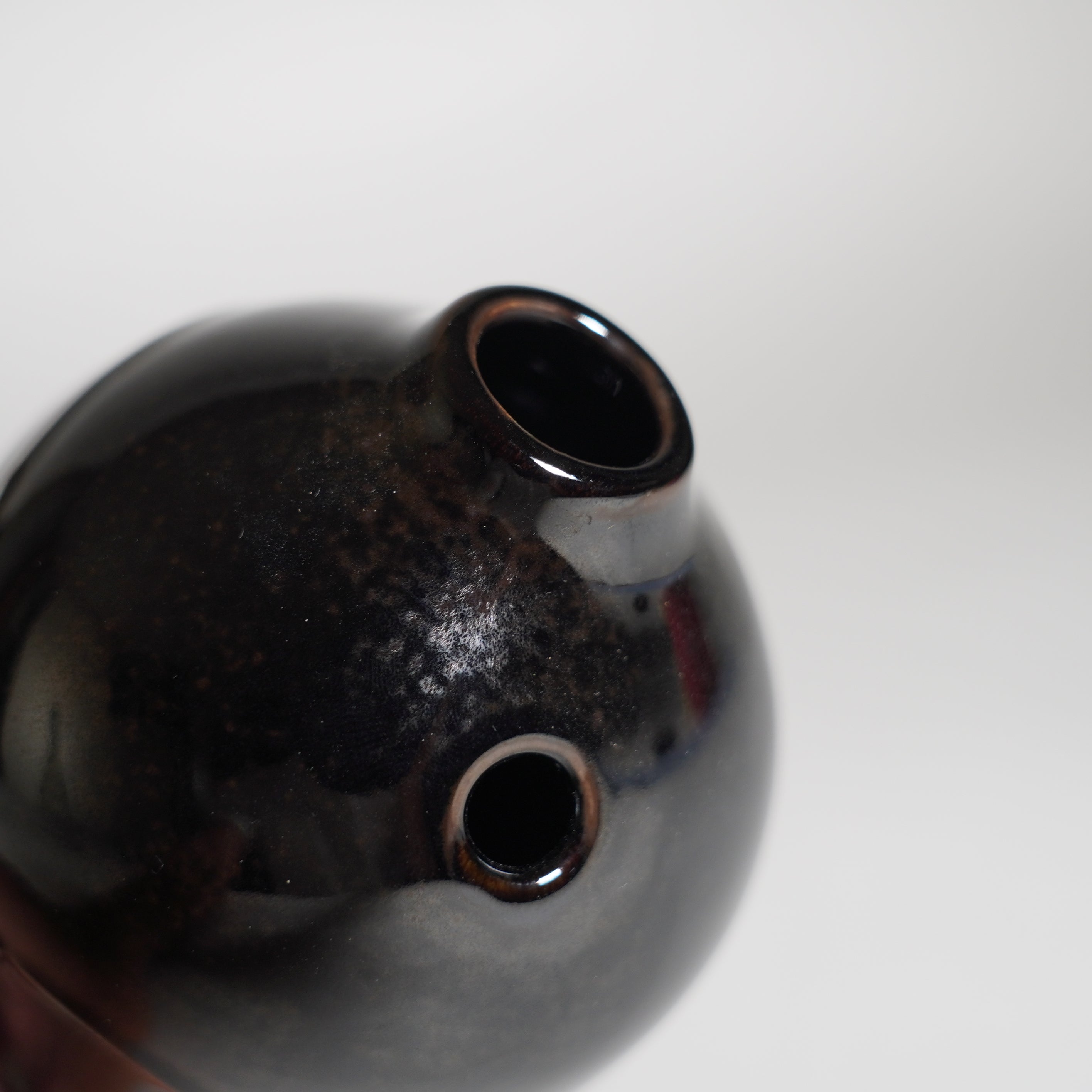
تتميز هذه المزهرية بكونها تحتوي على فتحتين للإدخال.
تُستخدم الفتحة العلوية للنباتات ذات الأغصان أو النباتات الكثيفة الأخرى، بينما تُستخدم الفتحة الجانبية للزهور الأكبر حجمًا التي تبرز جمال الزهور وتضفي إيقاعًا وتعبيرًا.
يمكن استخدام هذه المزهرية مع كمية صغيرة من الزهور لإبراز جمالها بطرق متنوعة، بما في ذلك الزهور التي لا تُختار عادةً لهذا النوع من المزهريات.
يتيح التنوع الكبير في التنسيقات الاستمتاع بهذه المزهرية من زوايا مختلفة.
SIZE
العرض : 9 سم
الارتفاع : 16.5 سم
الوزن : 310 غ
MATERIAL
سيراميك
SORYUGAMA
From Kyoto to the World
For four generations, the Wakunami family has preserved traditional techniques and continued creating pottery in the Kiyomizu area of Kyoto. While inheriting time-honored methods, they also produce products that align with modern tastes.
As artisans supporting Kyoto's traditional industries, they aspire to share Japan's unique craftsmanship and artistic expression with people in more countries and regions around the world.
ARTISAN STORY
Wakunami Family / Soryugama
The first generation of the Wakunami family studied under a leading figure in Kyo-yaki celadon during the Meiji and Taisho periods, inheriting their techniques. Since then, the Okenami family has preserved this traditional craft and continued creating pottery in the Kiyomizu area of Kyoto for four generations.
Upon marrying the wife of a kiln master from Koishiwara-yaki in Fukuoka, two distinct ceramic traditions merged. Together, they established the brand "Studio Soryu," where they explore new expressions of celadon. The couple works side by side at the pottery wheel daily, striving to create pieces that are cherished by many.
KIYOMIZU WARE
About 400 years ago / 1600s / Edo Period (1603–1868)
Kiyomizu ware takes its name from ceramics historically produced around Kiyomizu-dera and Kyoto’s eastern hills. It grew during the Edo period with tea culture and temple pilgrimage, absorbing the brilliant decoration associated with Ninsei and Kenzan as well as porcelain, blue-and-white and many other techniques.
In Japan, the name suggests refined Kyoto tableware, ranging from formal tea and kaiseki vessels to everyday dishes. Even after many kilns moved to districts such as Yamashina, the tradition retained an unusual stylistic diversity: each workshop may look completely different from the next.
Despite the name, many contemporary Kiyomizu workshops are no longer located near Kiyomizu-dera. Urban development and environmental concerns led to relocation, while the old place-name remained as a brand remembering the craft’s origin. Geography moved, but the name stayed.
الاختلافات الفردية
نظرًا لأن كل قطعة تُصنع يدويًا بشكل مستقل، فقد تطرأ اختلافات طفيفة في اللون والنمط والشكل والملمس. وتُعد هذه الاختلافات الدقيقة من الخصائص الطبيعية للأعمال اليدوية، ما يجعل كل قطعة فريدة من نوعها حقًا. نأمل أن تستمتعوا بهذه الاختلافات الفردية كجزء من جمال الحرفية اليابانية وطابعها المميز.
مدة الإنتاج
إذا لم يكن المنتج متوفرًا في المخزون حاليًا، فقد يقوم الحرفي بتصنيعه حسب الطلب. ونظرًا إلى أن كل قطعة تُصنع يدويًا بعناية، فقد يستغرق الإنتاج عدة أشهر، وذلك حسب المنتج وجدول الحرفي. نقدر صبركم وتفهمكم.

حدِّد الخيارات