

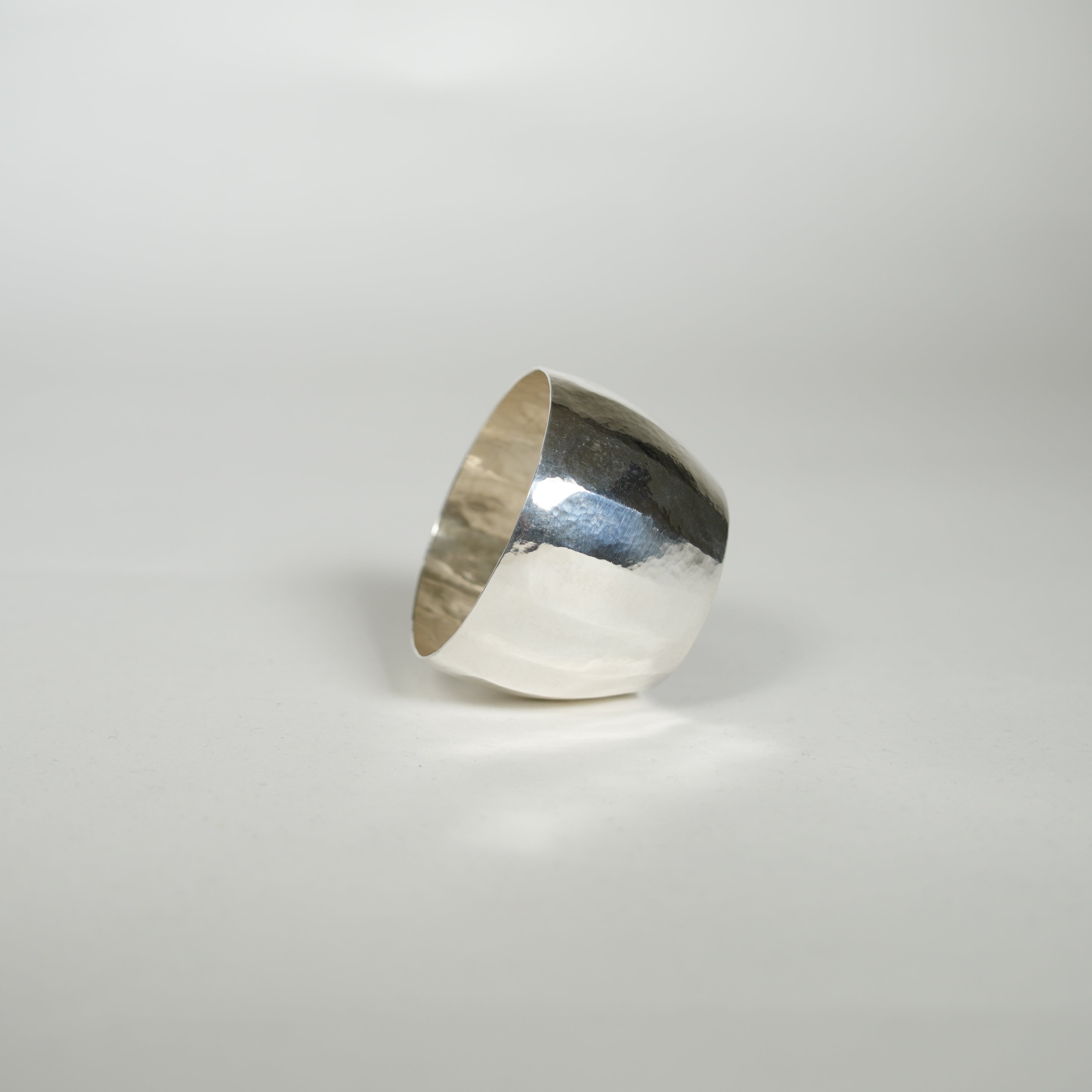
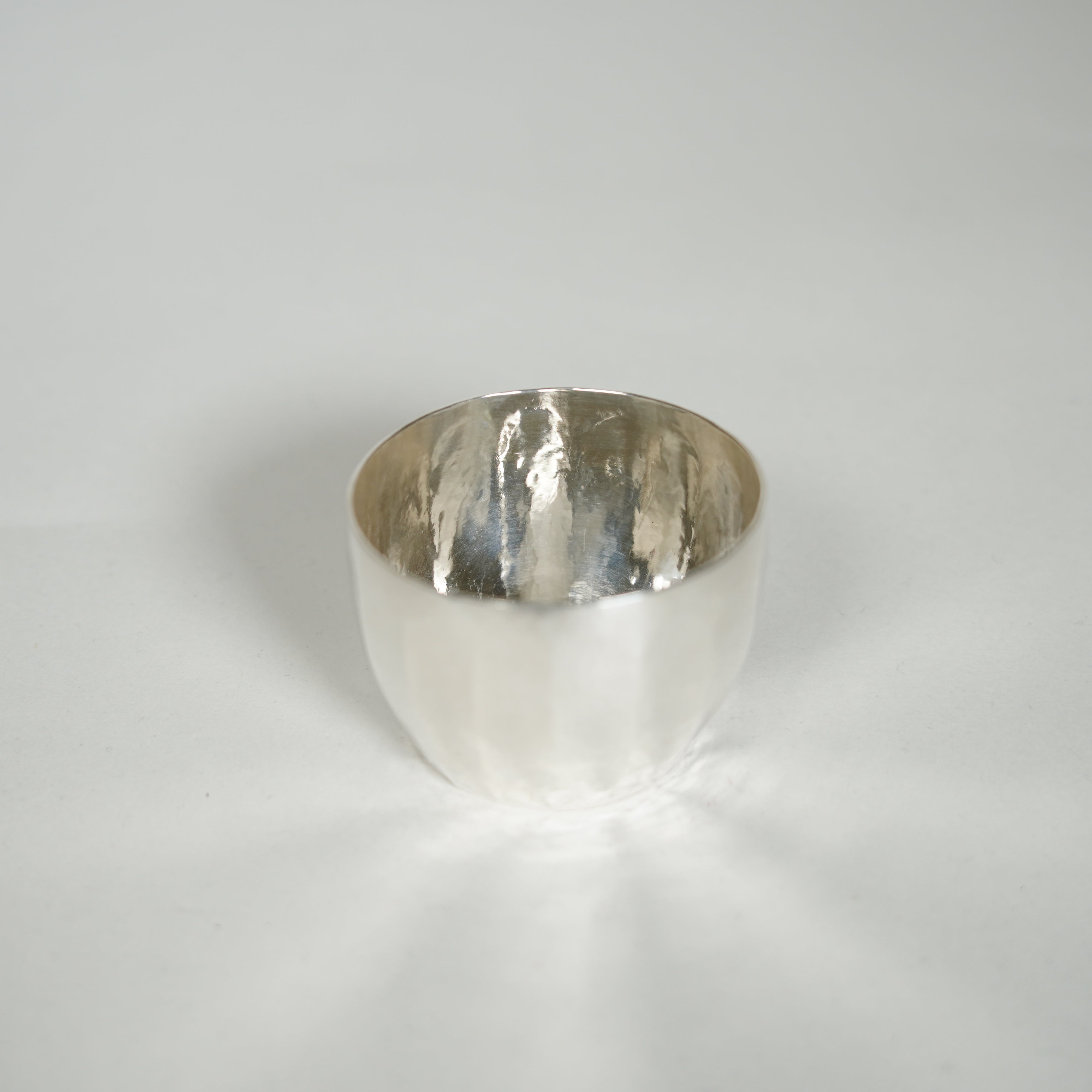
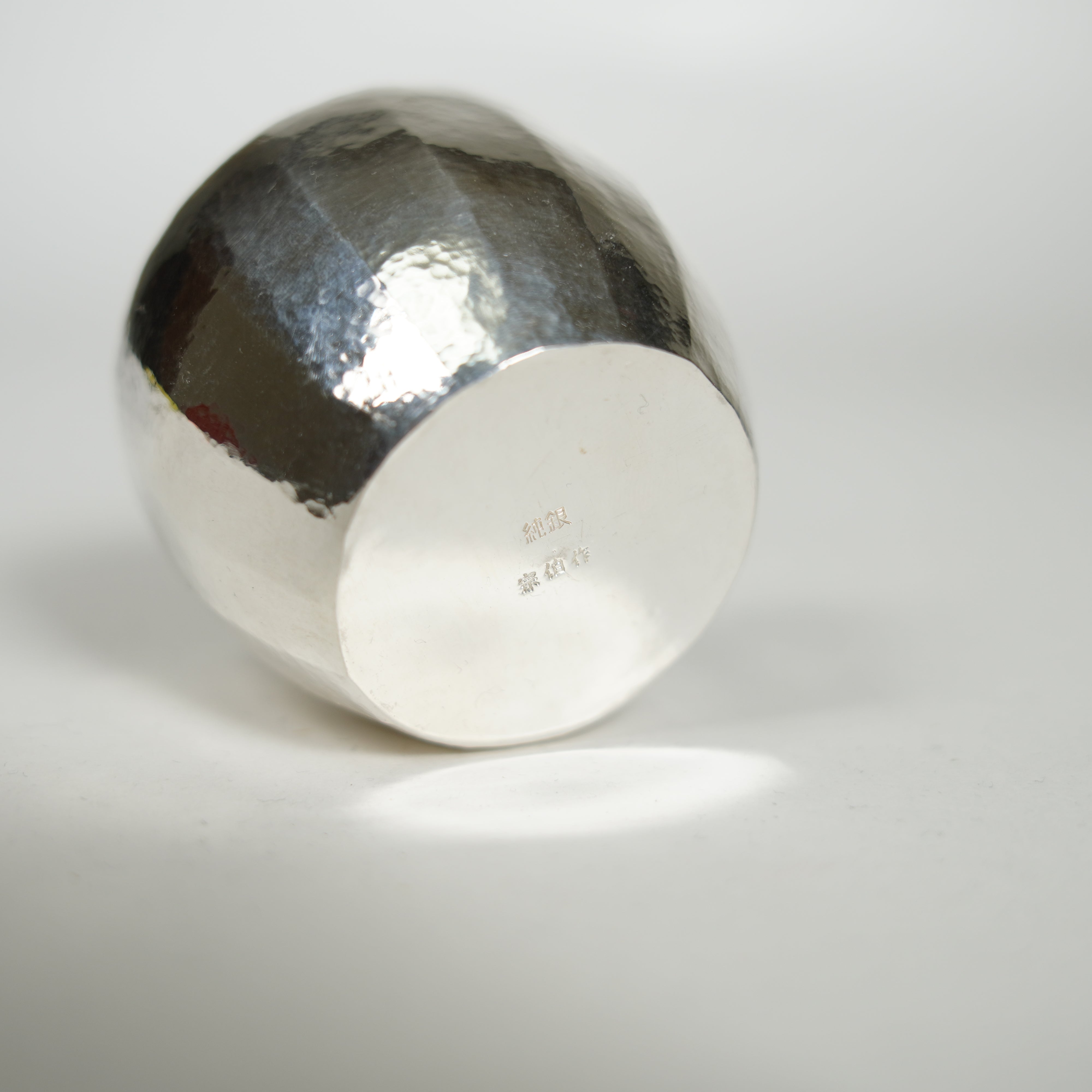
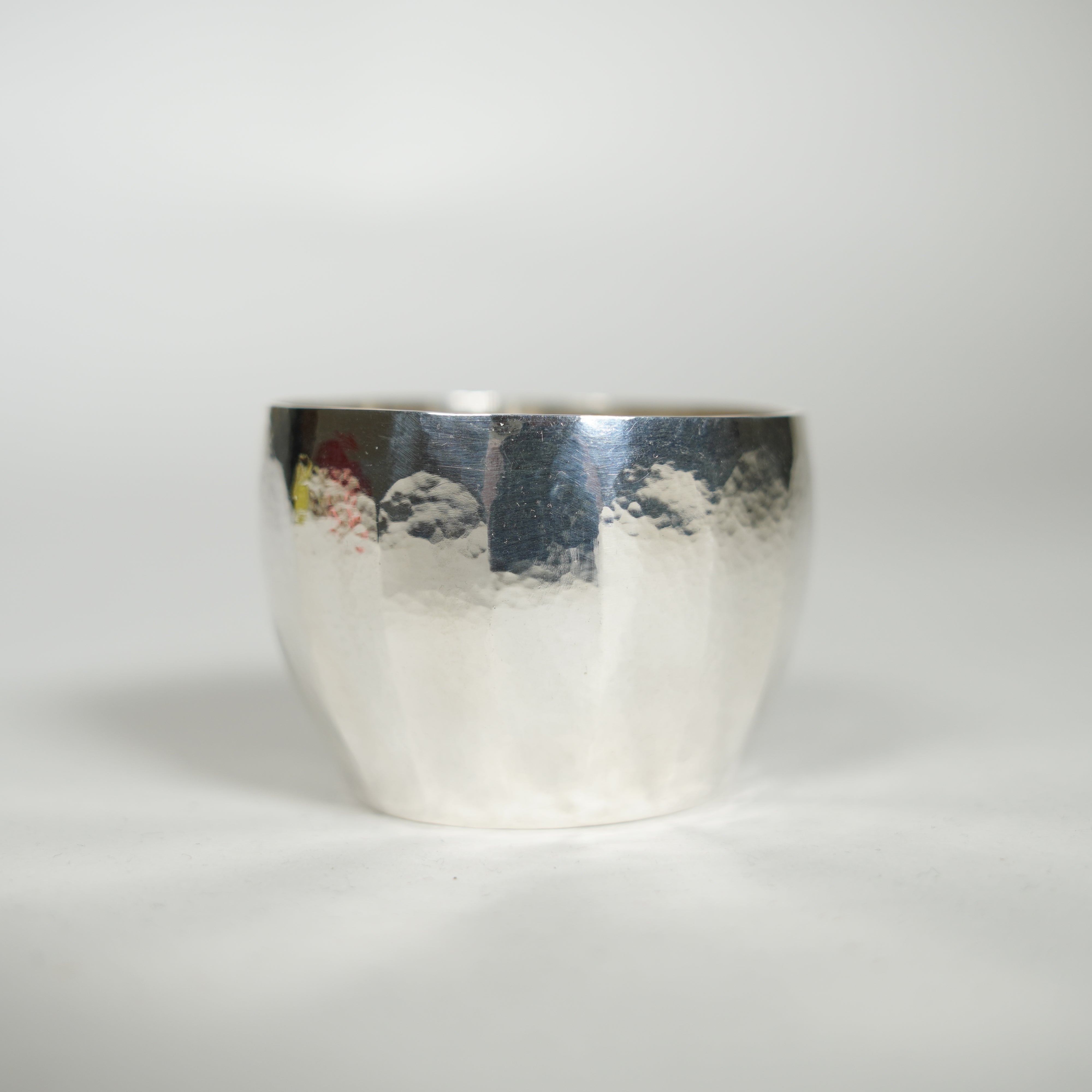
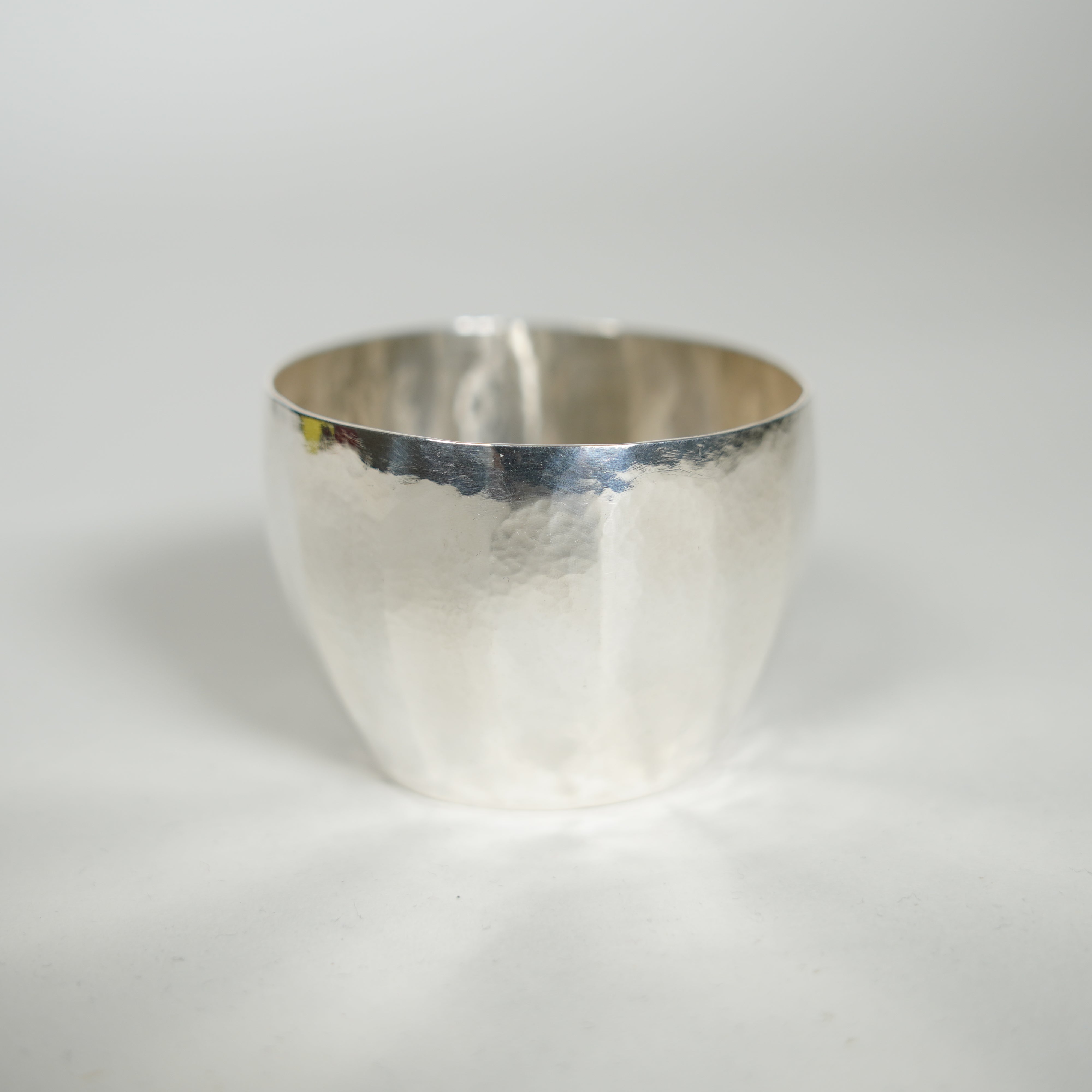
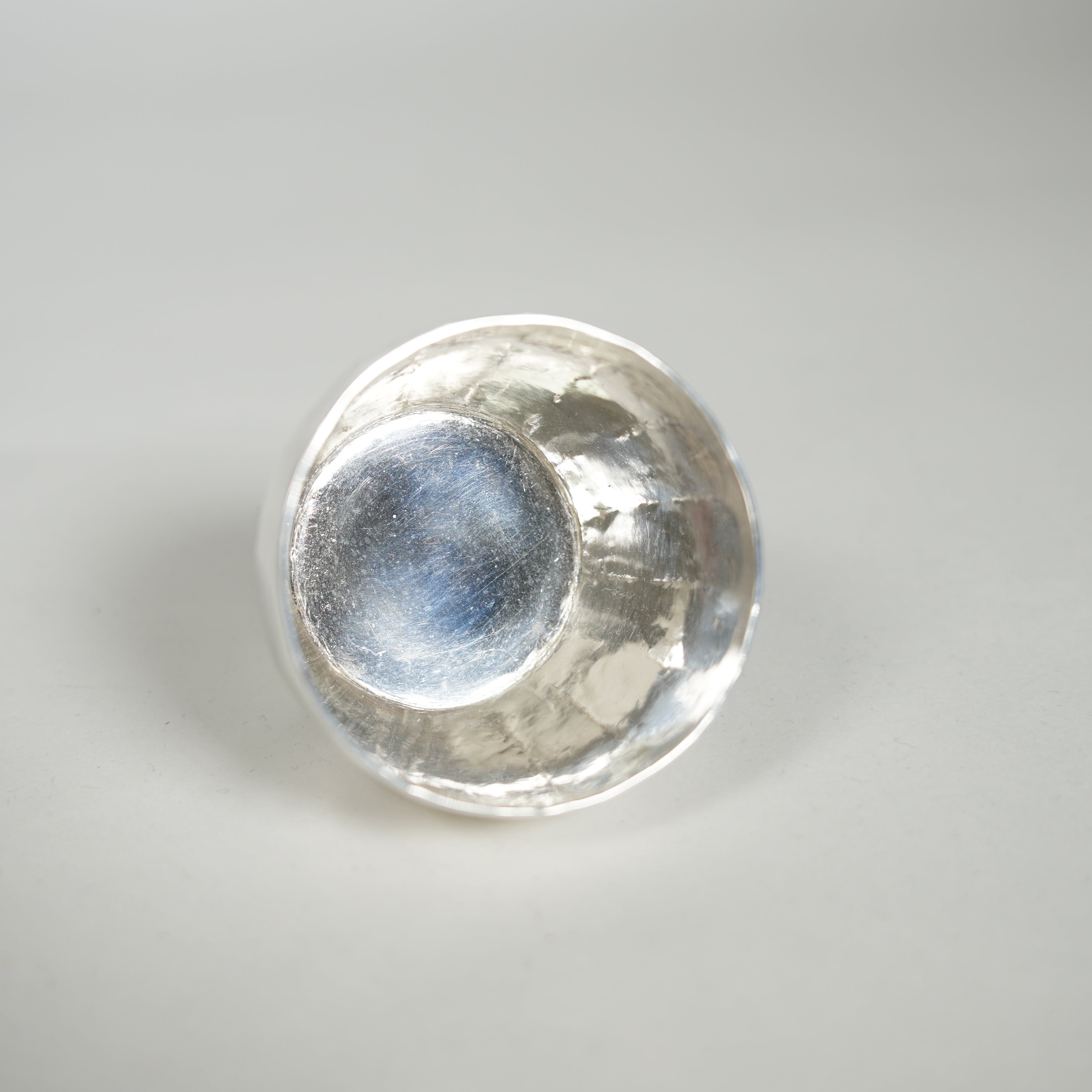
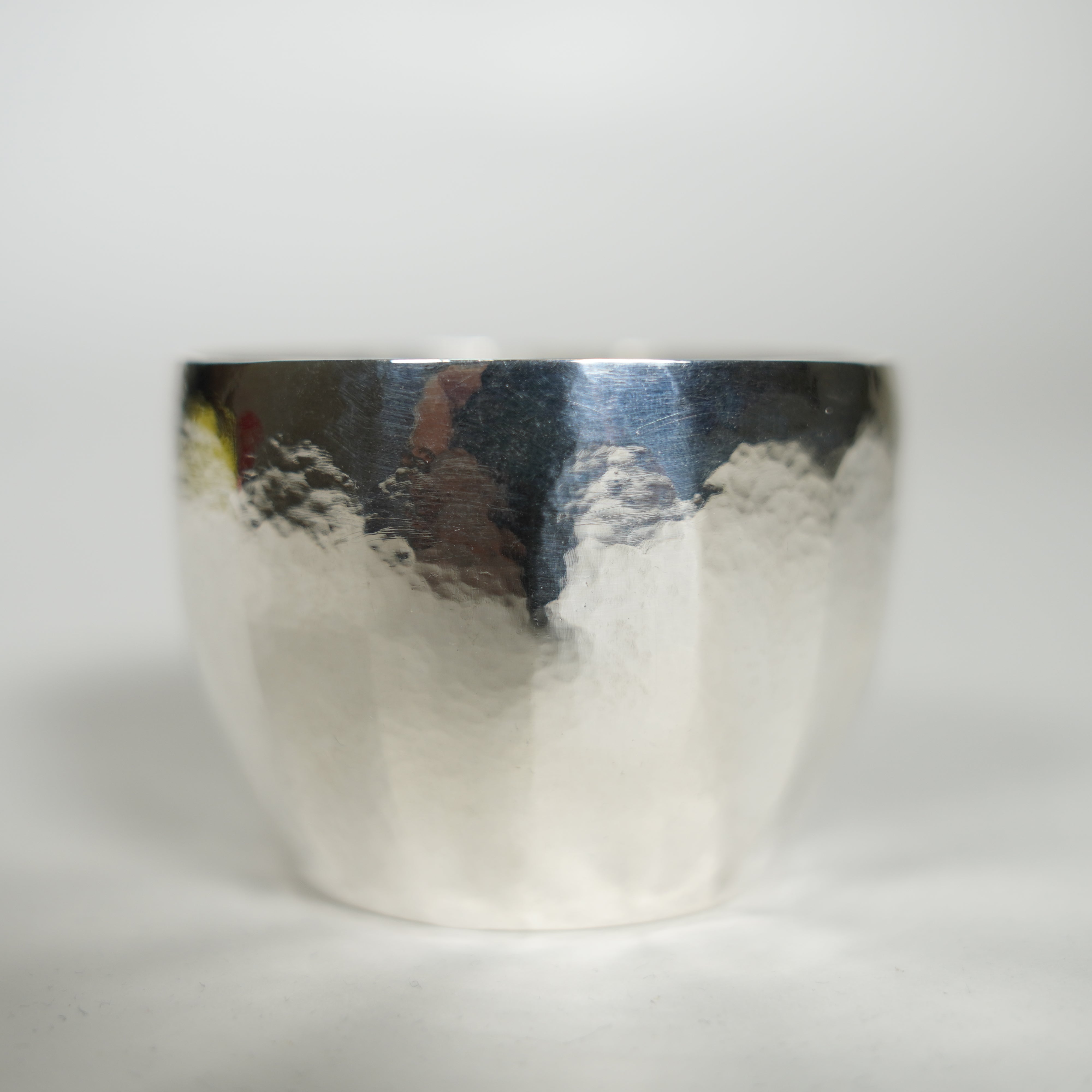
كأس فضي / نقش مطروق
الوصف
التفاصيل
SIZE
MATERIAL
حِرَفِيّ
كوجي
تحذير
كأس فضي / نقش مطروق
السعر بعد الخصمMOP$5,691.00
حدِّد الخيارات
كأس فضي / نقش مطروق
السعر بعد الخصمMOP$5,691.00
البلد
اللغة
سلة المشتريات
سلة مشترياتك فارغة
هذا كوب ساكي مصنوع من الفضة.
يستخدم الحرفيون المهرة المطارق لإنشاء الأنماط الفريدة.
سيكون بالتأكيد تجربة شرب مسائية رائعة إذا تمكنت من مشاركة كوب ساكي مميز كهذا مع مشروبك المسائي اليومي!
لماذا لا تشتريه هدية لشخص يحب الشرب؟
SIZE
العرض: 6 سم الارتفاع: 4.5 سم الوزن: 60 غ
MATERIAL
فضة
NISSHIN KIKINZOKU
"We are conscious of the simple beauty of handcrafted forms, and we pay high attention on the user's comfort while crafting our products"
We deliver the warmth that can be felt only by handmade silverware. In a word, "striking silver" is an act, but every stroke is made in pursuit of the user's comfort. We swear that our silverware, which combines practicality and beauty, is the world-class.
ARTISAN STORY
Souhaku Kamikawa / Nisshin Kikinzoku
A family of traditional craftsmen has been making Tokyo silverware in Tokyo for 12 generations since the late Edo period (1800s). He aspired to become a craftsman after experiencing the gentle rhythm of hammering and numerous gestures on his grandfather's knee for as long as he can remember. He has been making products that are popular among men and women of all ages by thoroughly creating products that become beautiful when used.
ACHIEVEMENTS
・Selected for the 3rd All Japan Gold and Silver Creation Exhibition
・Received the Tokyo Governor's Award for Successors to the Traditional Craft Industries
・He has received more awards for their work.
TOKYO GINKI / TOKYO SILVERWARE
About 300 years ago / 1700s / Edo Period (1603–1868)
Silversmithing in Edo grew through demand from samurai households, wealthy townspeople and religious institutions for sake vessels, smoking accessories, ornaments and ritual objects. After the Meiji Restoration, Western tableware entered the market and Tokyo smiths increasingly produced both Japanese and Western forms.
In Japan, Tokyo silverware is valued as metalware that develops through use—teapots, sake vessels and cutlery change color as silver reacts with sulfur compounds in the air. Polishing away tarnish becomes part of the long relationship between owner and object.
In hammer raising, a flat sheet of silver is struck thousands of times and periodically annealed to soften the metal after work-hardening. The process alternates force and rest: hammer, heat, hammer again. The finished vessel is literally shaped by a history of countless impacts.
الاختلافات الفردية
نظرًا لأن كل قطعة تُصنع يدويًا بشكل مستقل، فقد تطرأ اختلافات طفيفة في اللون والنمط والشكل والملمس. وتُعد هذه الاختلافات الدقيقة من الخصائص الطبيعية للأعمال اليدوية، ما يجعل كل قطعة فريدة من نوعها حقًا. نأمل أن تستمتعوا بهذه الاختلافات الفردية كجزء من جمال الحرفية اليابانية وطابعها المميز.
مدة الإنتاج
إذا لم يكن المنتج متوفرًا في المخزون حاليًا، فقد يقوم الحرفي بتصنيعه حسب الطلب. ونظرًا إلى أن كل قطعة تُصنع يدويًا بعناية، فقد يستغرق الإنتاج عدة أشهر، حسب المنتج وجدول الحرفي. نقدر صبركم وتفهمكم.
حدِّد الخيارات