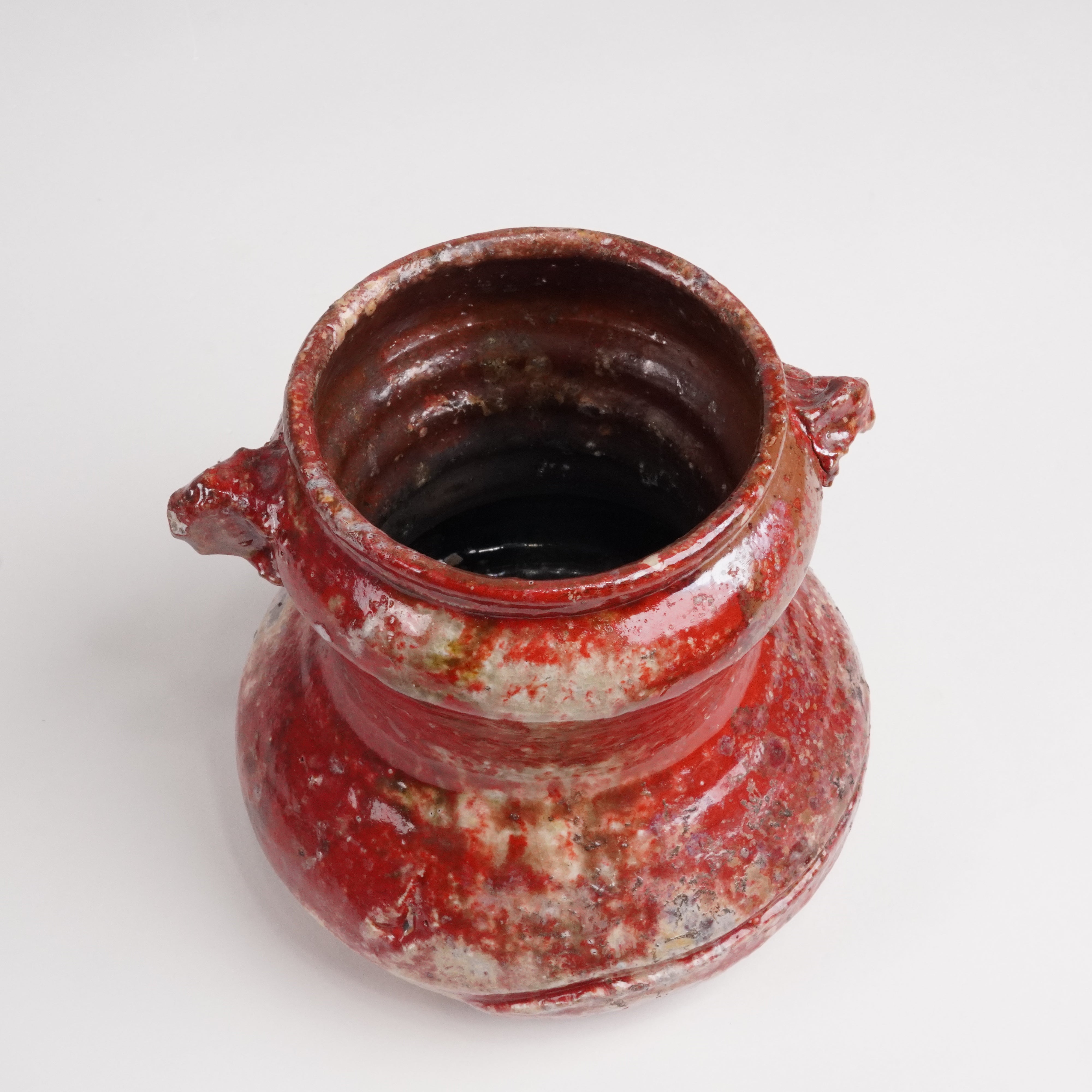
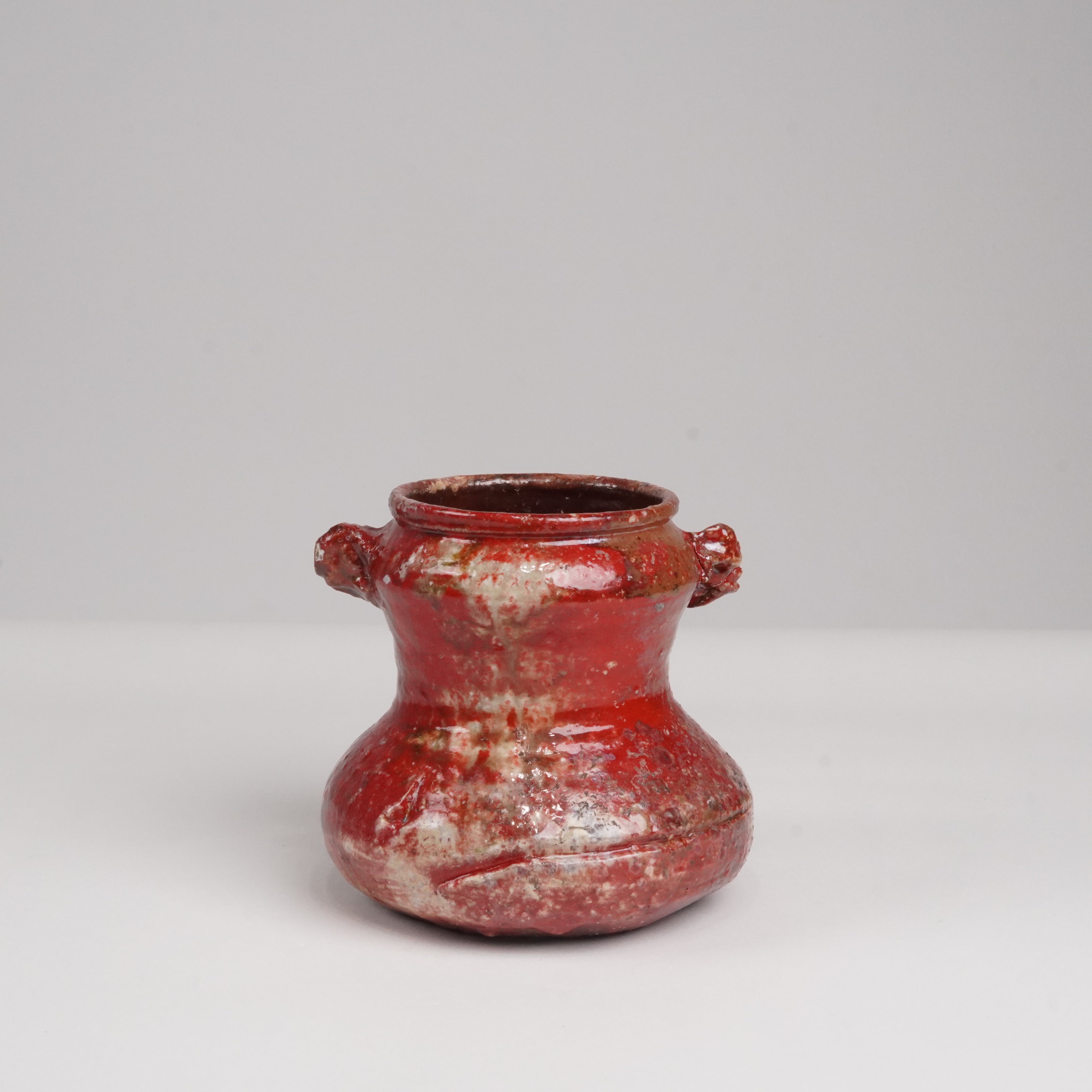
مزهرية / خزف تانبا / أكا-تانبا الأحمر / بمقبض
الوصف
التفاصيل
SIZE
MATERIAL
حِرَفِيّ
كوجي
تحذير
حدِّد الخيارات


مزهرية / خزف تانبا / أكا-تانبا الأحمر / بمقبض
السعر بعد الخصمRM2,503.00 MYR
البلد
اللغة
سلة المشتريات
سلة مشترياتك فارغة


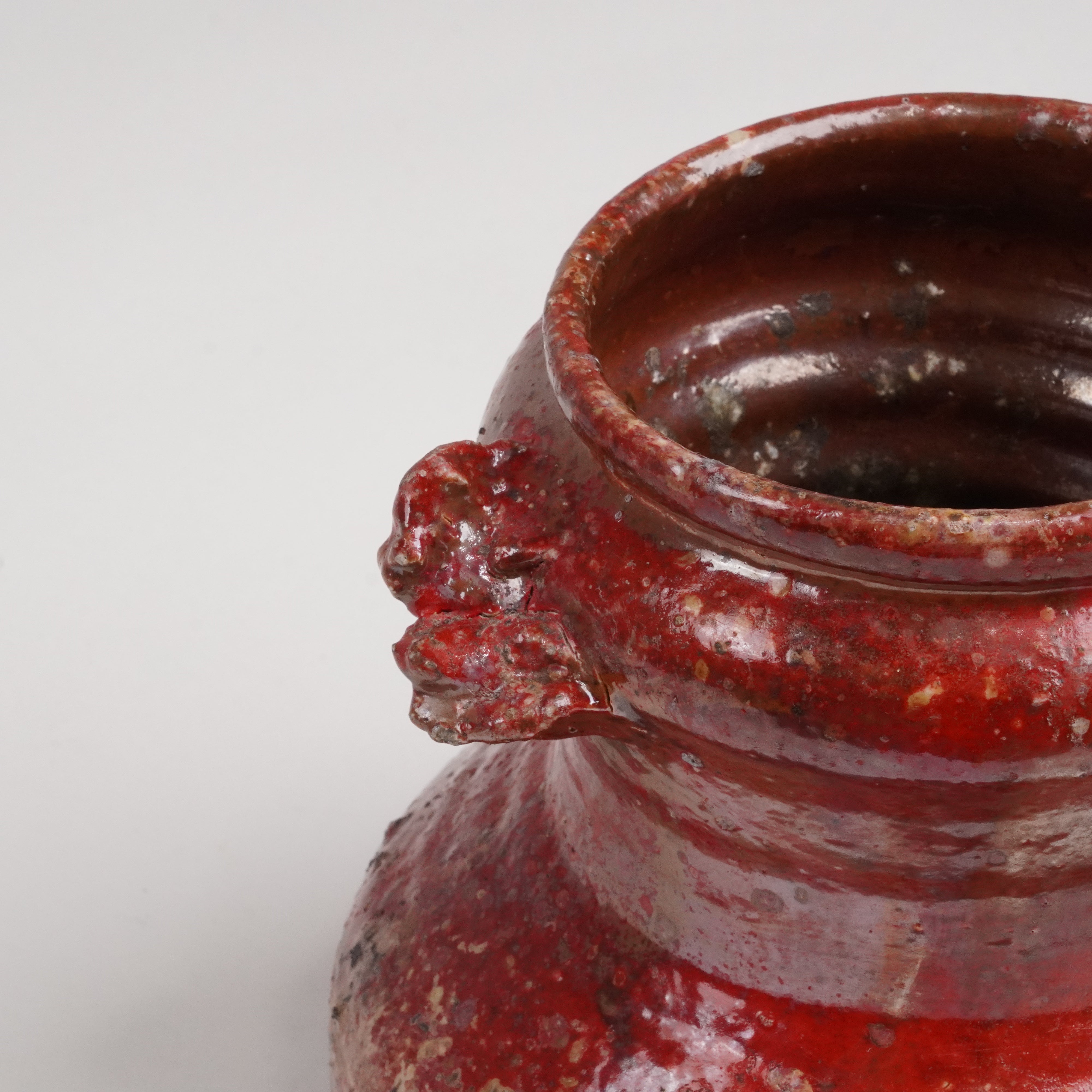
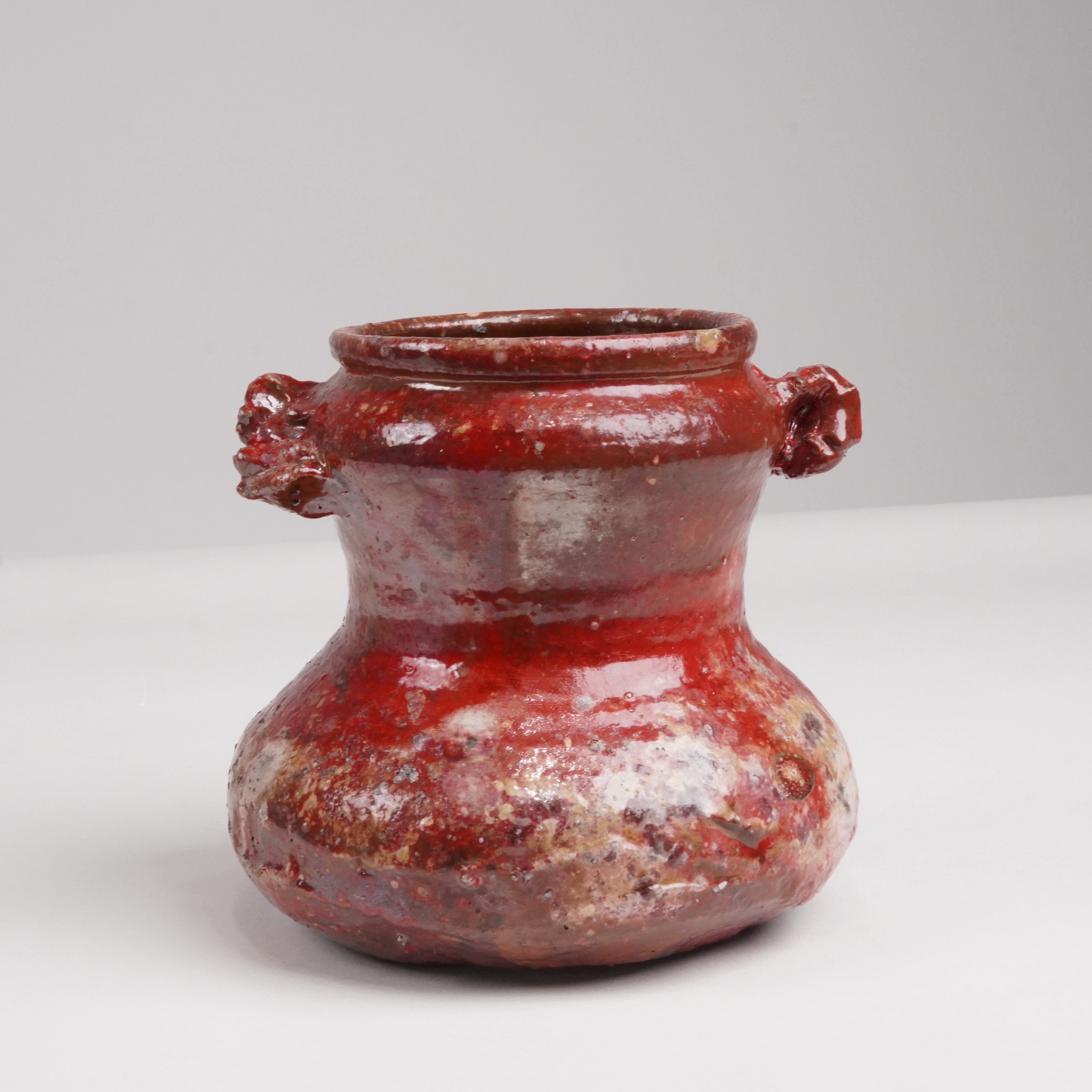
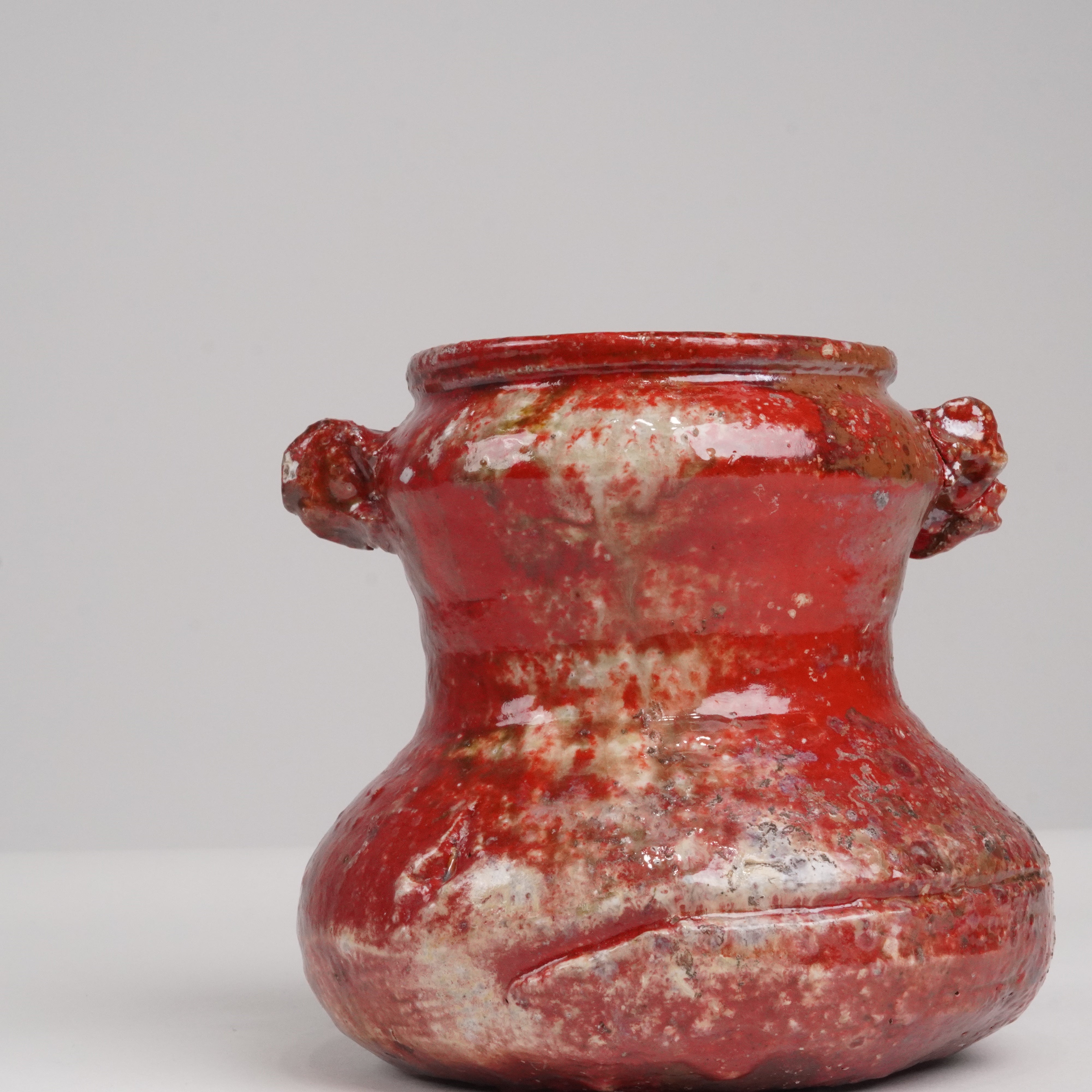
تُبرز هذه المزهرية، بحضورها البسيط والقوي في آنٍ واحد، جمال طلاء «هاي-كابوري» (رمادي الأشجار الطبيعي) الذي يميز خزف تانبا.
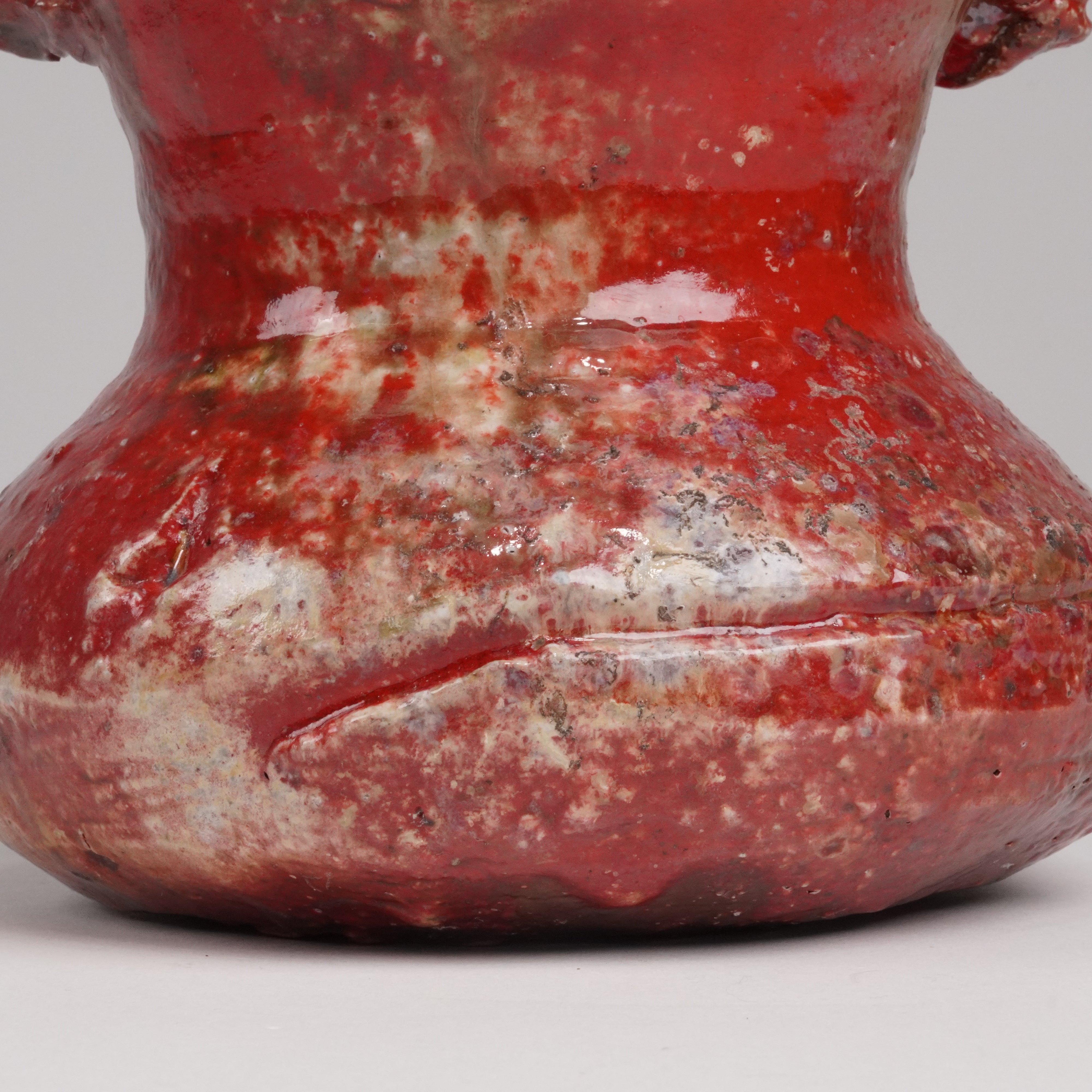
خلال أكثر من 60 ساعة من الحرق بدرجات حرارة عالية في الفرن المتسلق، يشكّل الرماد المتساقط واللهب المتراقص أنماطاً عضوية ودرجات لونية دقيقة يستحيل تكرارها. وبينما توحي ألوانها الترابية بالسكينة، فإن حضورها المهيب يجعلها قطعة مركزية لافتة تعزز جمال الزهور بداخلها والأجواء المحيطة بها.
تحمل كل مزهرية تعبيراً فريداً من نوعه—إبداعاً لا يُعوض وُلد من النار والرماد والزمن.
SIZE
العرض: 16 سم العمق: 16 سمالارتفاع: 15 سمالوزن: 2,000 غ
MATERIAL
السيراميك
TANBUNGAMA
Bringing out the full strength of Tamba clay.
In the unique works created with clay and pigments, the spirit of Tamba’s nature and history is alive. Dynamic forms brought to life with vibrant modern reds, the rustic beauty of clay left in its natural state, and pieces that reveal different worlds on the front and back—all embody the challenge of artisans who honor the timeless tradition of Tamba ware while breathing new life into it.
ARTISAN STORY
Tanbungama
Tanbungama is a kiln that has been passed down through generations. Today, there are more than 60 Tamba ware kilns, but when the first generation began, there were only about 20 to 30, making Tanbungama one of the historic kilns in the Tachikui area. In its early days, the kiln mainly produced sake barrels, which were supplied to breweries in Nada. Nowadays, we focus on creating Japanese tableware and folk crafts that can be widely enjoyed in everyday life. Many of our works are fired in a traditional climbing kiln, which we use four to five times a year.
TAMBA TACHIKUI WARE
About 850 years ago / 1100s / Heian–Kamakura Period
Tamba Tachikui ware began around the end of the Heian or start of the Kamakura period and is one of Japan’s Six Ancient Kilns. Early jars and mortars were fired in anagama kilns; the introduction of climbing kilns in the Edo period increased production and expanded the range of glazes. Kilns remain concentrated around Tachikui in Hyogo.
In Japan, Tamba is loved as unpretentious pottery that lets clay and flame remain visible. Tableware, sake vessels and flower containers dominate, while younger potters continue to introduce contemporary forms and new glaze combinations.
A traditional climbing kiln stretches uphill through a sequence of connected chambers. Heat and flame move from one chamber to the next, so ash deposits and temperature vary dramatically by position. Even pieces with the same glaze can emerge completely different—the fire becomes the final painter.
الاختلافات الفردية
نظرًا لأن كل قطعة تُصنع يدويًا بشكل مستقل، فقد تطرأ اختلافات طفيفة في اللون والنمط والشكل والملمس. وتُعد هذه الاختلافات الدقيقة من الخصائص الطبيعية للأعمال اليدوية، ما يجعل كل قطعة فريدة من نوعها حقًا. نأمل أن تستمتعوا بهذه الاختلافات الفردية كجزء من جمال الحرفية اليابانية وطابعها المميز.
مدة الإنتاج
إذا لم يكن المنتج متوفرًا في المخزون حاليًا، فقد يقوم الحرفي بتصنيعه حسب الطلب. ونظرًا إلى أن كل قطعة تُصنع يدويًا بعناية، فقد يستغرق الإنتاج عدة أشهر، حسب المنتج وجدول الحرفي. نقدر صبركم وتفهمكم.

حدِّد الخيارات