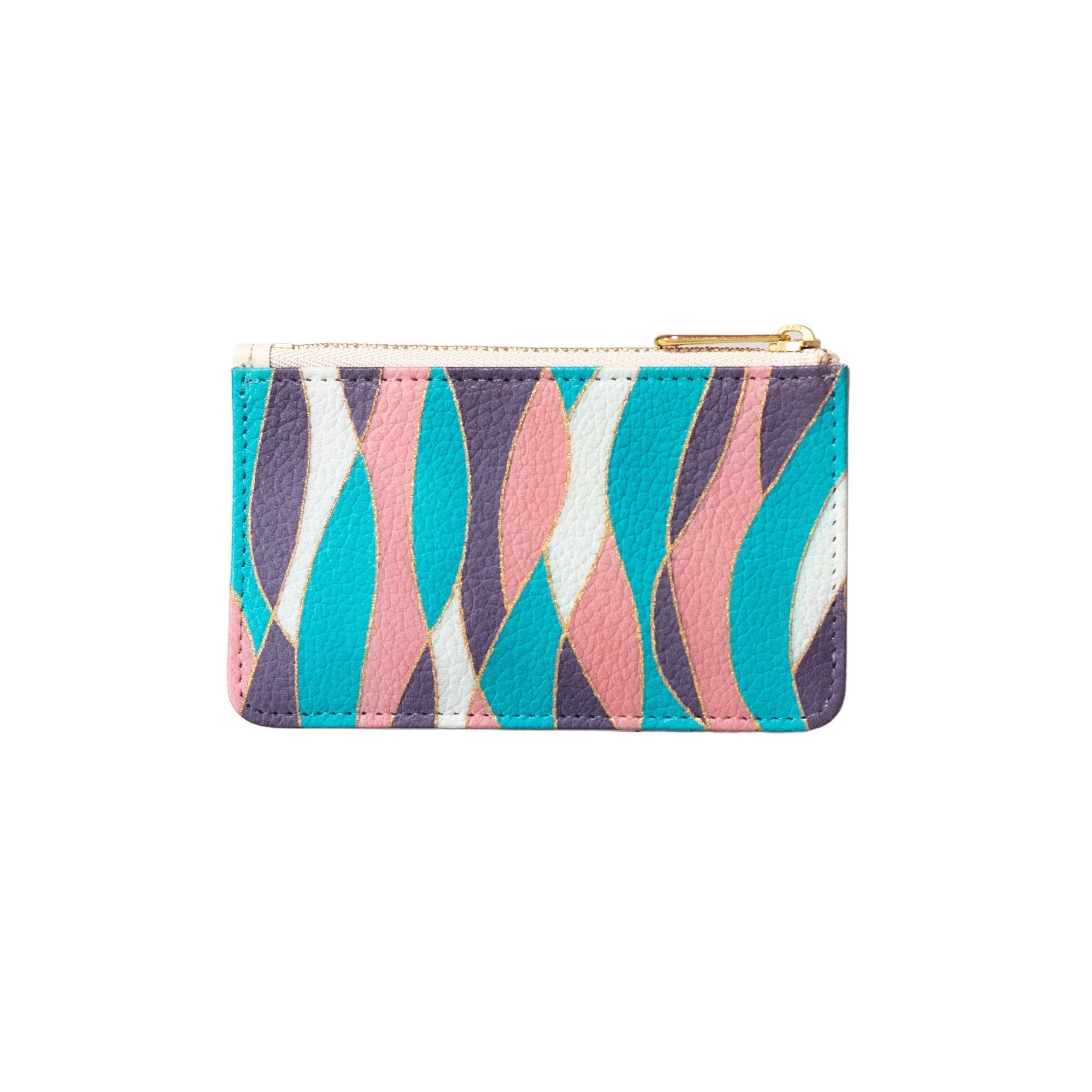
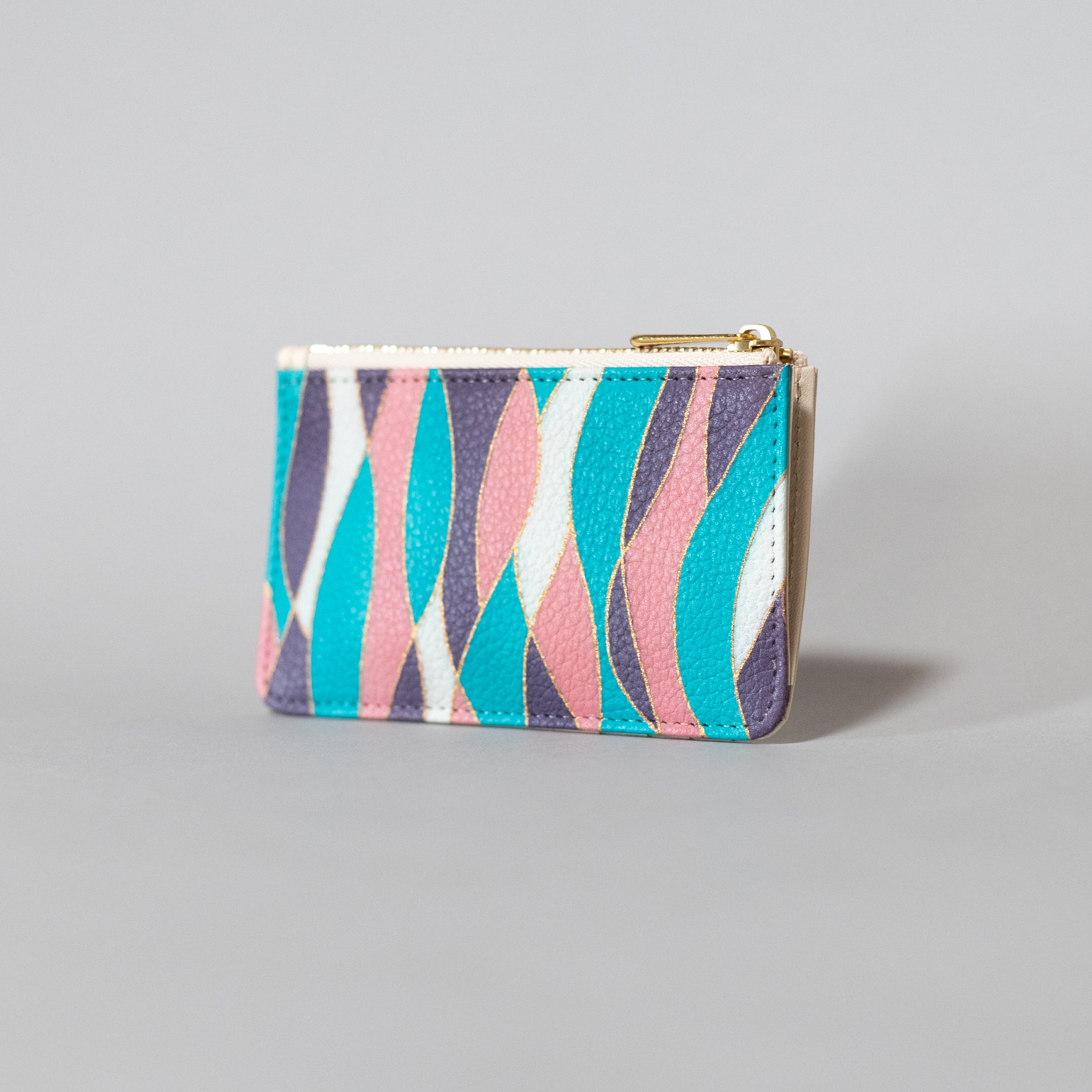

حالات شظايا كيو- يوزين/شيون
الوصف
التفاصيل
SIZE
MATERIAL
حِرَفِيّ
كوجي
تحذير
حالات شظايا كيو- يوزين/شيون
السعر بعد الخصم4,813.00 ฿
حدِّد الخيارات
حالات شظايا كيو- يوزين/شيون
السعر بعد الخصم4,813.00 ฿
البلد
اللغة
سلة المشتريات
سلة مشترياتك فارغة
حافظة البطاقات المثالية لعصر الدفع غير النقدي.
حافظة بطاقات مزودة بجيوب بسحّاب، من الملائم اقتناء واحدة في عصر الدفع غير النقدي.
إنها مدمجة ولا تعلق في الحقائب الصغيرة.
يمكن استخدام الجيوب ذات السحّاب للعملات المعدنية أو المفاتيح أو لأغراض أخرى متنوعة.
يمكنها أن تؤدي أدوارًا عديدة في حقيبة واحدة. السحّاب مزوّد بطيّة جانبية، لذا لا توجد أي صعوبة عند إدخال الأشياء وإخراجها.
إن الحد من الهدر والتعامل بذكاء مع الأموال التي تحملها معك سيقودك إلى حظ أفضل في الأمور المالية.
طراز جلدي
هذا طراز جلدي بالكامل، حيث أن القماش الخارجي من الجلد وليس الحرير.
الجلد غير مطبوع، بل مصبوغ قطعة تلو الأخرى باستخدام تقنية اليوزن.
لقد قمنا بتطوير جلد مناسب للتلوين بالتعاون مع دباغ في هيميجي، ونستخدم أصباغنا الخاصة،
مما يتيح لنا صبغ أنماط مختلفة بحرية على الجلد.
SIZE
العرض:12 سم
العمق : 0.9 سم
الارتفاع : 7.5 سم
الوزن:36 جم
MATERIAL
جلد البقر
IKEUCHI YUZEN
"Creating New Beauty with Traditional Techniques"
In an industry where division of labor is the norm, our studio is one of the few that handles everything from design to production. With the philosophy of "conveying the beautiful spirit of Japan through Yuzen dyeing," we cherish classical traditions while actively engaging in new initiatives that connect these traditions to the future.
ARTISAN STORY
Masahiro Ikeuchi
Masahiro Ikeuchi was born in Kyoto City in 1981. While attending university, he was inspired by the works of his father, a Yuzen artist, and decided to join the family business of hand-painted Yuzen dyeing. He studied design under the katazome artist Kazuko Shibuya while in university. Later, he apprenticed under his father to learn the techniques of hand-painted Yuzen dyeing. Alongside creating kimonos as part of the family business, he also challenges himself by combining traditional techniques with modern sensibilities to create new values, such as scarves and fashion accessories that bridge the past and future.
KYO YUZEN / KYOTO SILK DYEING
About 340 years ago / 1680s / Edo Period (1603–1868)
Kyo Yuzen took a decisive form in Kyoto’s Genroku era, when designs by the celebrated fan painter Miyazaki Yuzensai were applied to kimono. Fine paste-resist lines allowed many colors to be painted next to one another like a picture, establishing hand-painted Yuzen. In the Meiji period, stencil-based Yuzen greatly expanded production.
In Japan, Kyo Yuzen represents formal celebratory kimono worn for coming-of-age ceremonies, weddings and other important occasions. Brilliant dyeing may be combined with gold and embroidery, while the same techniques now appear on bags, scarves and interiors.
A single kimono can pass through more than twenty stages—design, underdrawing, resist application, coloring, steaming, washing, gold decoration and more. Different specialists often handle each stage, making Kyo Yuzen less the product of one maker than a collaborative artwork created by Kyoto’s craft network.
الاختلافات الفردية
نظرًا لأن كل قطعة تُصنع يدويًا بشكل مستقل، فقد تطرأ اختلافات طفيفة في اللون والنمط والشكل والملمس. وتُعد هذه الاختلافات الدقيقة من الخصائص الطبيعية للأعمال اليدوية، ما يجعل كل قطعة فريدة من نوعها حقًا. نأمل أن تستمتعوا بهذه الاختلافات الفردية كجزء من جمال الحرفية اليابانية وطابعها المميز.
مدة الإنتاج
إذا لم يكن المنتج متوفرًا في المخزون حاليًا، فقد يقوم الحرفي بتصنيعه حسب الطلب. ونظرًا إلى أن كل قطعة تُصنع يدويًا بعناية، فقد يستغرق الإنتاج عدة أشهر، حسب المنتج وجدول الحرفي. نقدر صبركم وتفهمكم.
حدِّد الخيارات