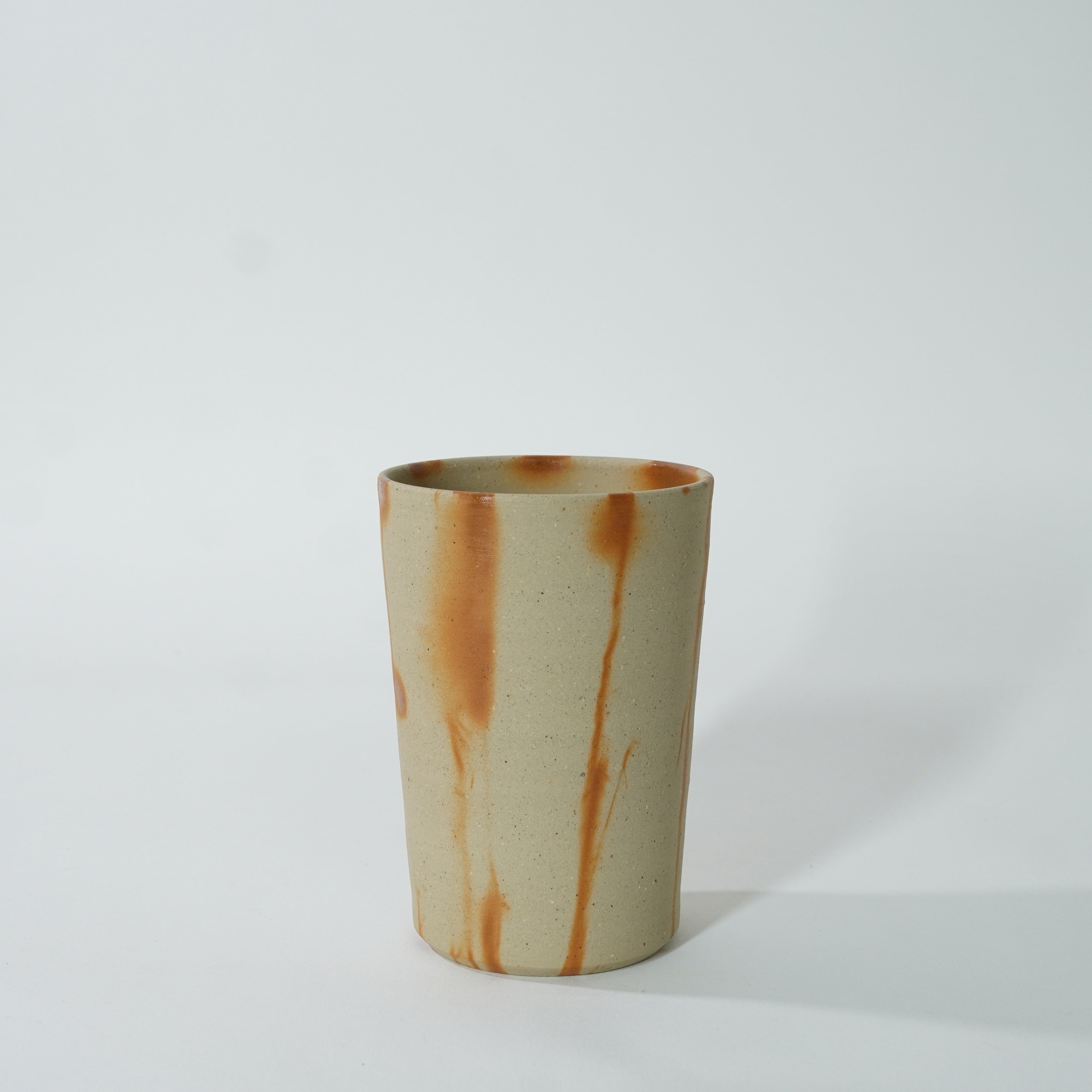
Biergetränk (Bierbecher / Scharlach)
الوصف
التفاصيل
SIZE
MATERIAL
حِرَفِيّ
كوجي
تحذير
Optionen auswählen


Biergetränk (Bierbecher / Scharlach)
AngebotDhs. 188.00
Land
Sprache
Warenkorb
Dein Warenkorb ist leer


يتميز هذا الكوب البير بـتصميم بسيط. وسيجعل مذاق البير بالتأكيد أفضل من المعتاد. يرجى الاستمتاع باللون الفريد لخزف بيزن.
هذه القطعة مليئة بالتقنيات التقليدية التي تناقلتها الأجيال جيلاً بعد جيل لأكثر من 1000 عام.
بما أن لون الخزف وسطحه يتغيران مع كل عملية حرق، فلن تتشابه قطعتان، مما يجعلها قطعتك الوحيدة من نوعها في العالم!
SIZE
العرض:8 سم
الارتفاع:12 سم
العمق:8 سم
الوزن:200 جم
MATERIAL
طين
HOZANGAMA
"Bringing the delicate and simple beauty of Japanese modeling to the other side of the ocean"
In addition to his activities in Japan, he has been actively exhibiting his work outside of Japan and has been active in the United States, England, and other parts of the world. His craftsmanship, which utilizes earth colors, has a quality that convinces everyone who uses it and makes them aficionados.
ARTISAN STORY
Toshiaki Mori / Hozangama
The fan-shaped ceramic seal on the bottom of ceramics used in the kiln today is said to have been in use since the Muromachi period (AD 1500). The kiln has been making high-quality ceramics including tea ware, sake cup and so on since 500 years ago.
ACHIEVEMENTS
・Commemorative items for the 100th Anniversary of the Establishment of Diplomatic Relations between Japan and Ecuador were produced and presented to the governments of both countries.
・Selected multiple times for the Japan Traditional Crafts China Branch Exhibition.
・He has received many other awards for their work.
BIZEN WARE
About 1,000 years ago / 1100s / Heian–Kamakura Period
Bizen ware developed around Imbe in Okayama from the late Heian into the Kamakura period and is one of Japan’s Six Ancient Kilns. Iron-rich clay is fired for long periods at high temperature without applied glaze, producing durable jars and mortars and later highly valued tea ceramics.
In Japan, Bizen is the classic example of yakishime pottery in which clay and fire create the decoration. Sake vessels, flowerware and tableware are appreciated for one-of-a-kind firing effects such as goma ash marks, hidasuki red lines and sangiri.
Hidasuki began as an accident. Straw was originally placed between pieces to stop them sticking together in the kiln; chemical reactions between the straw and iron in the clay left dramatic red lines. A practical firing aid eventually became one of the most deliberately sought-after beauties in Japanese ceramics.
الاختلافات الفردية
نظرًا لأن كل قطعة تُصنع يدويًا بشكل مستقل، فقد تطرأ اختلافات طفيفة في اللون والنمط والشكل والملمس. وتُعد هذه الاختلافات الدقيقة من الخصائص الطبيعية للأعمال اليدوية، ما يجعل كل قطعة فريدة من نوعها حقًا. نأمل أن تستمتعوا بهذه الاختلافات الفردية كجزء من جمال الحرفية اليابانية وطابعها المميز.
مدة الإنتاج
إذا لم يكن المنتج متوفرًا في المخزون حاليًا، فقد يقوم الحرفي بتصنيعه حسب الطلب. ونظرًا إلى أن كل قطعة تُصنع يدويًا بعناية، فقد يستغرق الإنتاج عدة أشهر، وذلك حسب المنتج وجدول الحرفي. نقدر صبركم وتفهمكم.

Optionen auswählen