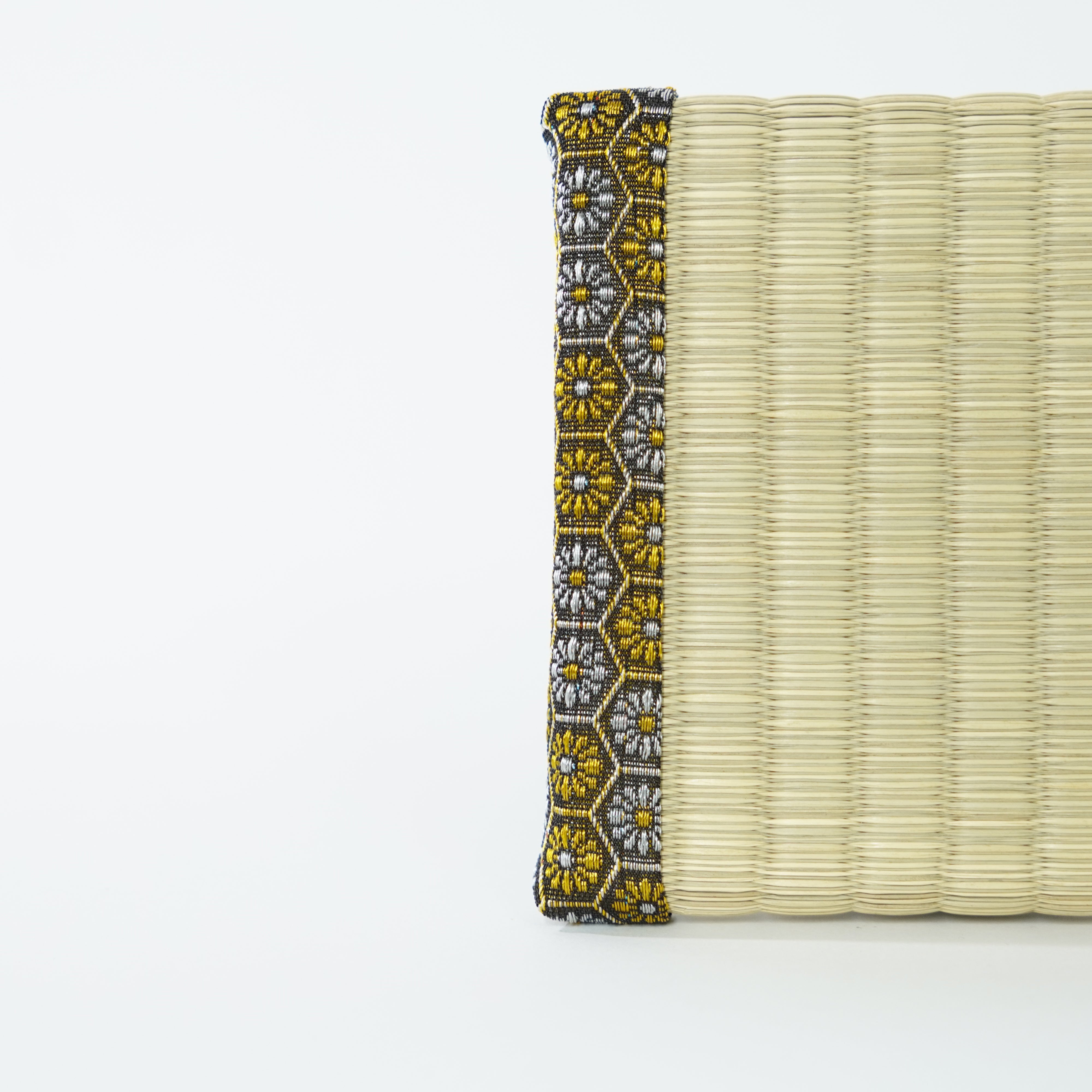
Dekorative Tatami mat Chrysantheme groß
الوصف
التفاصيل
SIZE
MATERIAL
حِرَفِيّ
كوجي
تحذير
Optionen auswählen


Dekorative Tatami mat Chrysantheme groß
AngebotDhs. 113.00
Land
Sprache
Warenkorb
Dein Warenkorb ist leer


تُصنع حصائر التاتامي الصغيرة يدويًا على يد حرفيي تاتامي مهرة في كيوتو. لرائحة التاتامي الفريدة تأثيرات متعددة مثل الاسترخاء وتخفيف التوتر، ويمكنك الشعور بالراحة بمجرد شمّها!
يمكن استخدامها لأغراض مختلفة، مثل مكان للأشياء الصغيرة في غرفة المعيشة، أو كمنصة زخرفية للديكورات الداخلية، أو مكان للمفاتيح عند المدخل.
لماذا لا تشعر بالراحة مع حصائر التاتامي الصغيرة؟
SIZE
الطول:13.5 سم
العرض:13 سم
الوزن:78 غ
MATERIAL
راش
بوليستر
FUJII TATAMI
"There is nothing more important than doing a careful job."
I feel most gratified and rewarded when customers say "Thank you for making / cleaning my tatami mats" after doing a careful job with the customer's best interest in mind.
ARTISAN STORY
Yoshihisa Fujii / Fujii Tatami
A craftsman who has been making Kyoto tatami since 1868 in Kyoto Prefecture. It has been 17 years since he took over the business as the 6th generation and he put his efforts to promote tatami culture. In addition to the tatami used in Japanese houses, the company also produces mini-tatami mats, bags, and other products that fit easily into modern lifestyles.
KYO TATAMI / KYOTO TATAMI MATS
About 1,200 years ago / 800s / Heian Period (794–1185)
Tatami began as portable mats used by aristocrats and were placed only where needed in the Heian period. From the Muromachi era onward, entire rooms came to be covered. In Kyoto, dimensions, edging and laying patterns became highly specialized for tea rooms, temples, palaces and residences.
For Japanese people, tatami is more than flooring—it is a unit of life. Room size is still described as “six mats” or “eight mats,” and activities such as sitting, sleeping and serving tea are shaped by the surface. Tatami remains a defining material in traditional rooms, inns and tea spaces.
The size is not uniform across Japan. Kyoto’s kyoma mats are larger than standard Edo-style mats, meaning regional architecture itself was based on different modules. In tea rooms, even the direction of the woven surface and the position of the hearth affect etiquette, making tatami part of the choreography of space.
الاختلافات الفردية
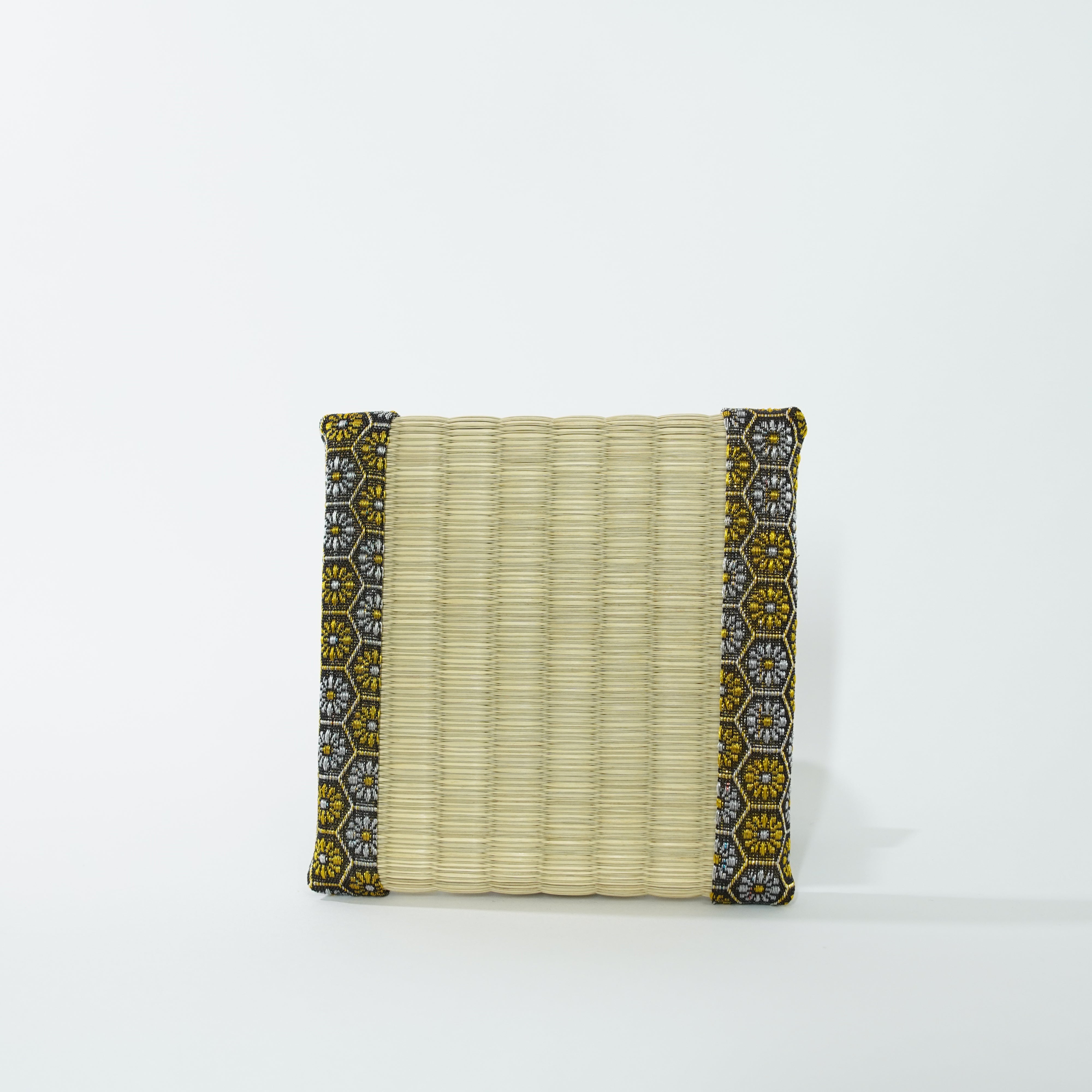
نظرًا لأن كل قطعة تُصنع يدويًا بشكل مستقل، فقد تطرأ اختلافات طفيفة في اللون والنمط والشكل والملمس. وتُعد هذه الاختلافات الدقيقة من الخصائص الطبيعية للأعمال اليدوية، ما يجعل كل قطعة فريدة من نوعها حقًا. نأمل أن تستمتعوا بهذه الاختلافات الفردية كجزء من جمال الحرفية اليابانية وطابعها المميز.
مدة الإنتاج
إذا لم يكن المنتج متوفرًا في المخزون حاليًا، فقد يقوم الحرفي بتصنيعه حسب الطلب. ونظرًا إلى أن كل قطعة تُصنع يدويًا بعناية، فقد يستغرق الإنتاج عدة أشهر، وذلك حسب المنتج وجدول الحرفي. نقدر صبركم وتفهمكم.

Optionen auswählen