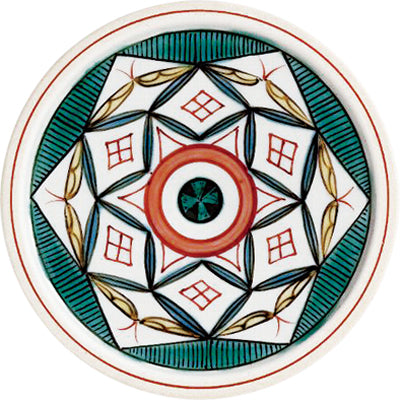
Kutani Japanisches Steinglas / altes Muster 2
الوصف
التفاصيل
SIZE
MATERIAL
حِرَفِيّ
كوجي
تحذير
Optionen auswählen


Kutani Japanisches Steinglas / altes Muster 2
AngebotDhs. 750.00
Land
Sprache
Warenkorb
Dein Warenkorb ist leer


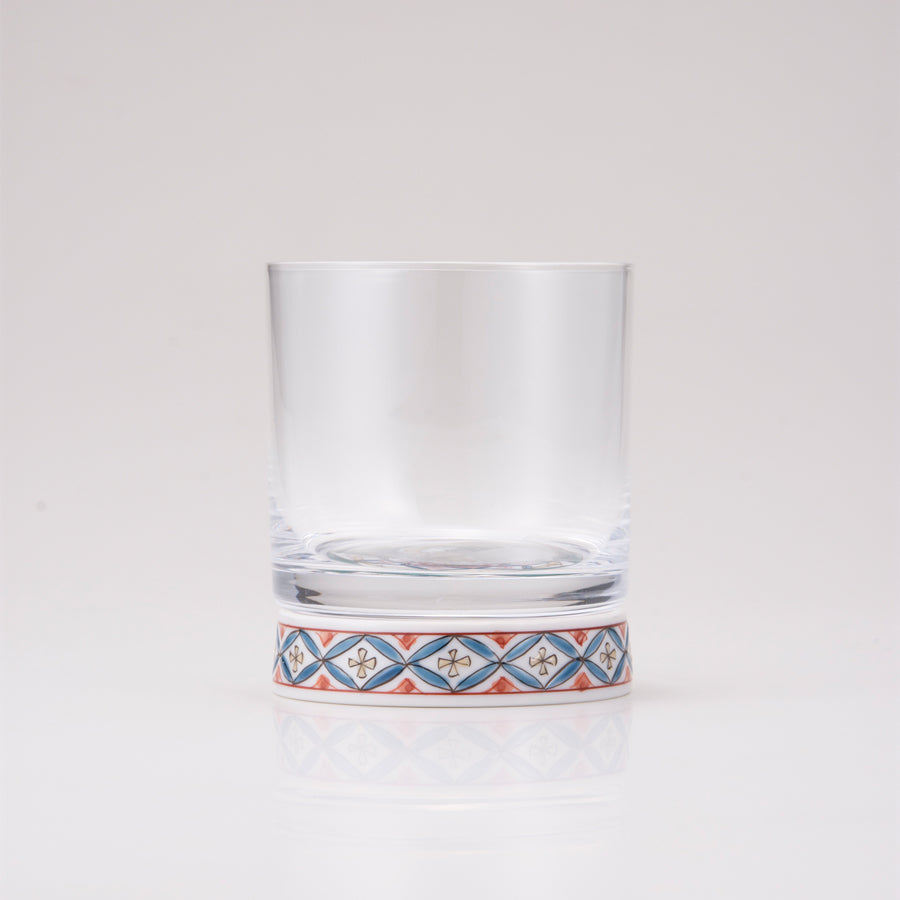
تُعد أكواب الويسكِي من «كوتاني وا غلاس» مزيجًا بين خزف كوتاني والزجاج المنفوخ يدويًا.
يجمع التصميم بين الأسلوبين الياباني والغربي ليتناسب بسهولة مع نمط الحياة المعاصر. ويتميز الكريستال الفاخر للزجاج ببريق وشفافية عالميين، فضلاً عن صلابته ومقاومته للخدش. يمكنك الاختيار من بين 32 تصميمًا مختلفًا، ومن المؤكد أنك ستجد تصميمك المفضل!
SIZE
العرض:7.7 سم
العمق:7.7 سم
الارتفاع:9 سم
الوزن:240 جم
السعة:300 مل
MATERIAL
فخار حجر طين زجاج: كريستال نقي
SEIHODO
"Fusion of Tradition and Modernity"
We believe that rather than preserving tradition, collaboration with areas that have never crossed paths will create a chemical reaction. In the midst of changing lifestyles, both Japanese and Western, we will build a new era by creating products that blend into modern life.
ARTISAN STORY
Seihodo
A company that has been making Kutani pottery in Ishikawa Prefecture since 1964. In addition to normal Kutani pottery, the company specializes in developing products that fuse handmade craftsmanship, such as Kutani Wa Glass, which is a combination of Kutani pottery and Edo glass. The company has many products that reveal new possibilities of traditional craftsmanship that harmonize with living spaces in both Japanese and Western styles.
ACHIEVEMENTS
・Received Good Deisgn Award
KUTANI WARE
About 370 years ago / 1650s / Edo Period (1603–1868)
Kutani ware is traditionally traced to a kiln established in Kutani village around 1655 under the Daishoji domain. The first Ko-Kutani production ended after only several decades, but a nineteenth-century revival created a series of influential kilns—Kasugayama, Yoshidaya, Miyamotoya and others—and established the broad family of styles known today.
In Japan, Kutani is immediately associated with bold overglaze color, often covering much of the vessel. It remains popular for gifts and display pieces, while contemporary artists work in very different traditions, including aka-e red painting, aode green-dominant decoration and extensive gold.
The classic palette is known as the Kutani Five Colors: deep blue, green, yellow, purple and red. Aode pieces can almost eliminate red and saturate the surface with green and yellow. Few ceramic traditions contain so many distinct “schools” of painting under a single regional name.
الاختلافات الفردية
نظرًا لأن كل قطعة تُصنع يدويًا بشكل مستقل، فقد تطرأ اختلافات طفيفة في اللون والنمط والشكل والملمس. وتُعد هذه الاختلافات الدقيقة من الخصائص الطبيعية للأعمال اليدوية، ما يجعل كل قطعة فريدة من نوعها حقًا. نأمل أن تستمتعوا بهذه الاختلافات الفردية كجزء من جمال الحرفية اليابانية وطابعها المميز.
مدة الإنتاج
إذا لم يكن المنتج متوفرًا في المخزون حاليًا، فقد يقوم الحرفي بتصنيعه حسب الطلب. ونظرًا إلى أن كل قطعة تُصنع يدويًا بعناية، فقد يستغرق الإنتاج عدة أشهر، وذلك حسب المنتج وجدول الحرفي. نقدر صبركم وتفهمكم.

Optionen auswählen