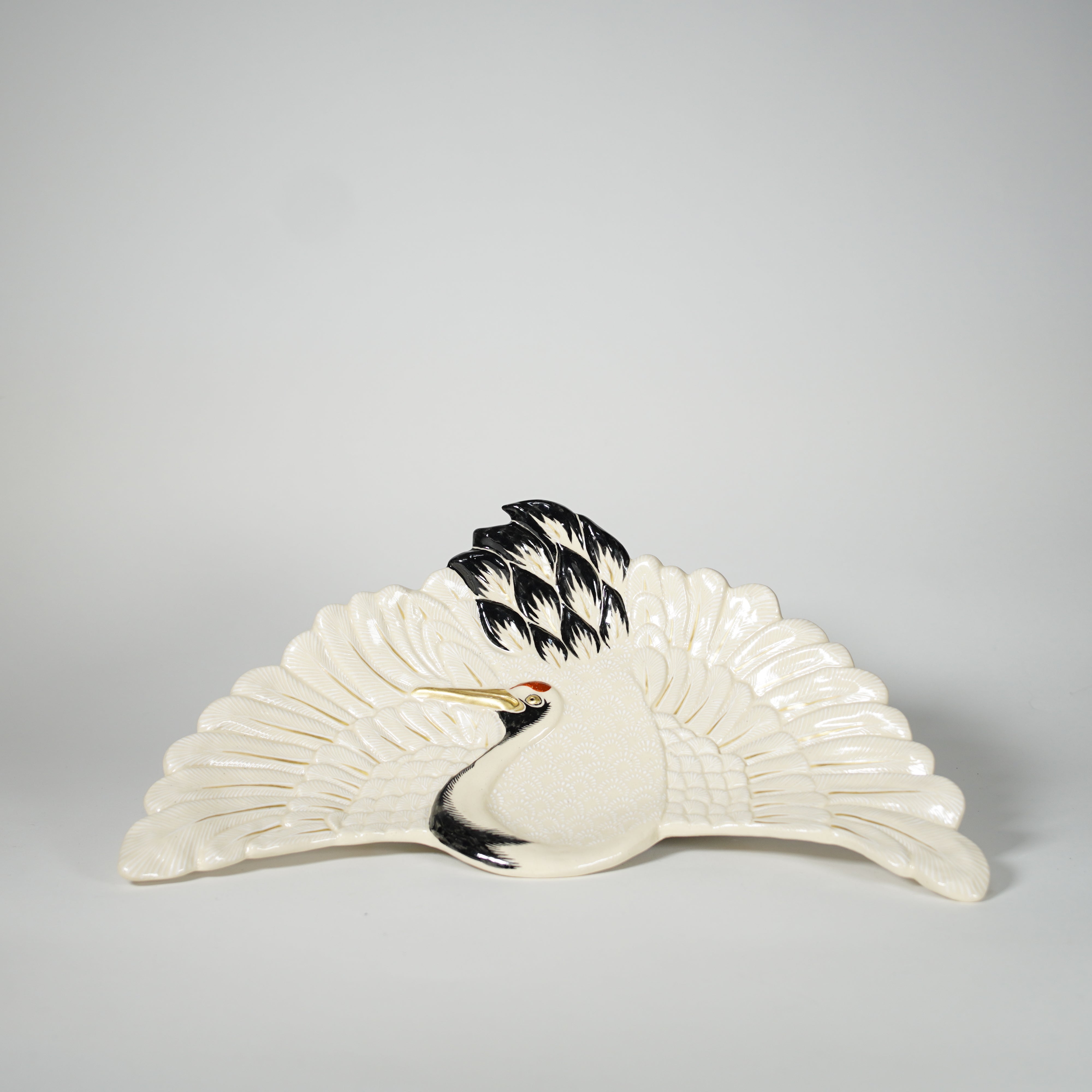
Platte / Kran
AngebotDhs. 6,444.00
Optionen auswählen
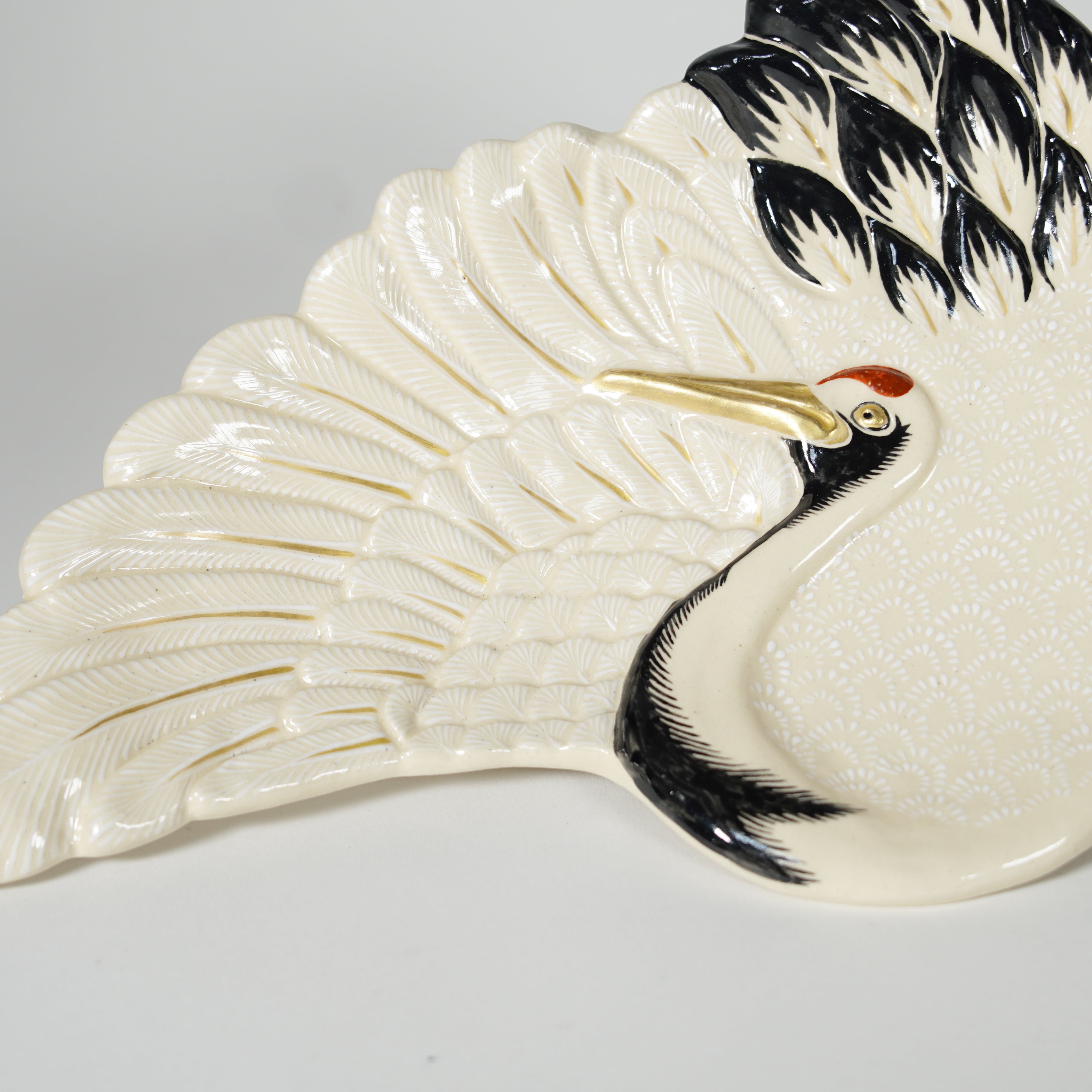
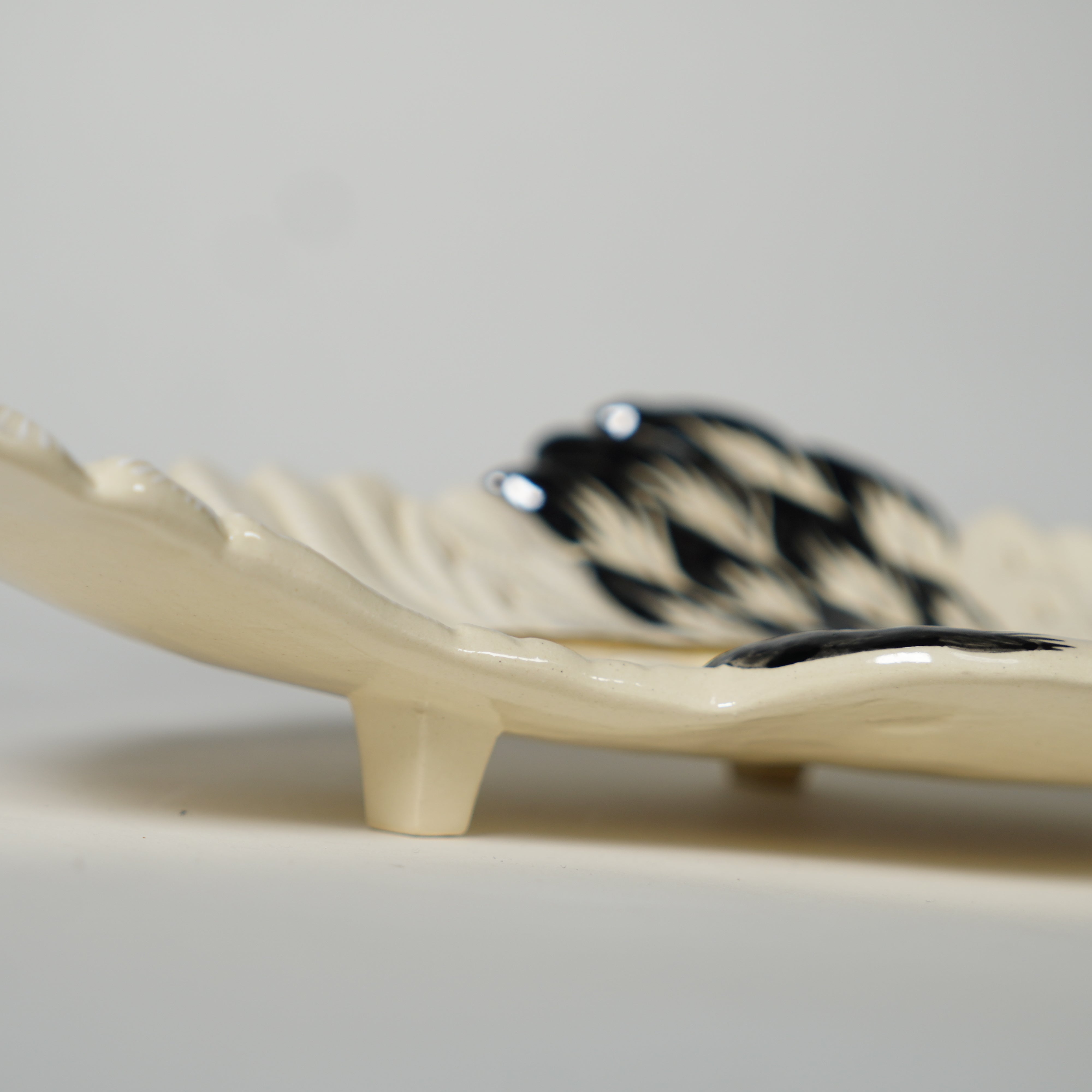
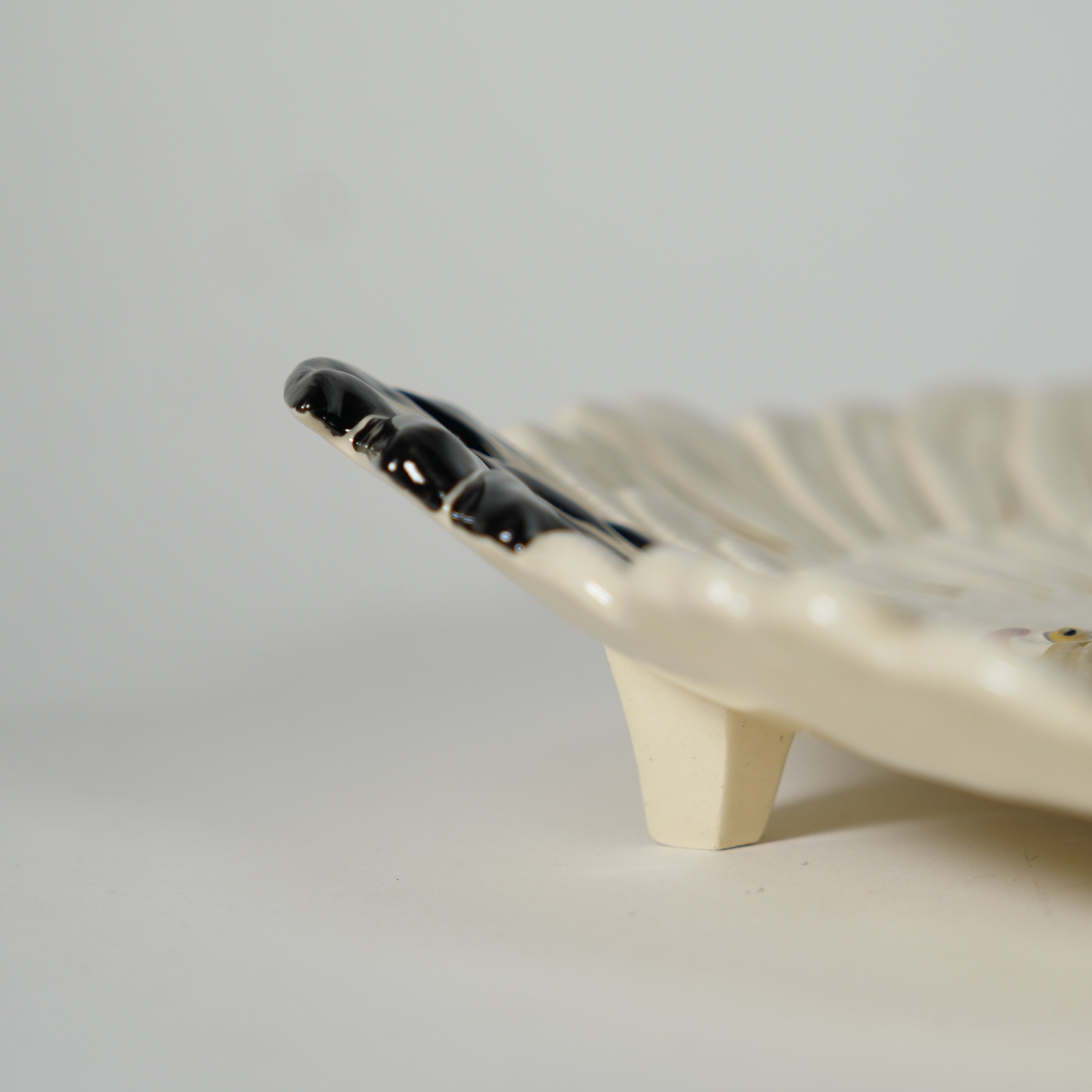
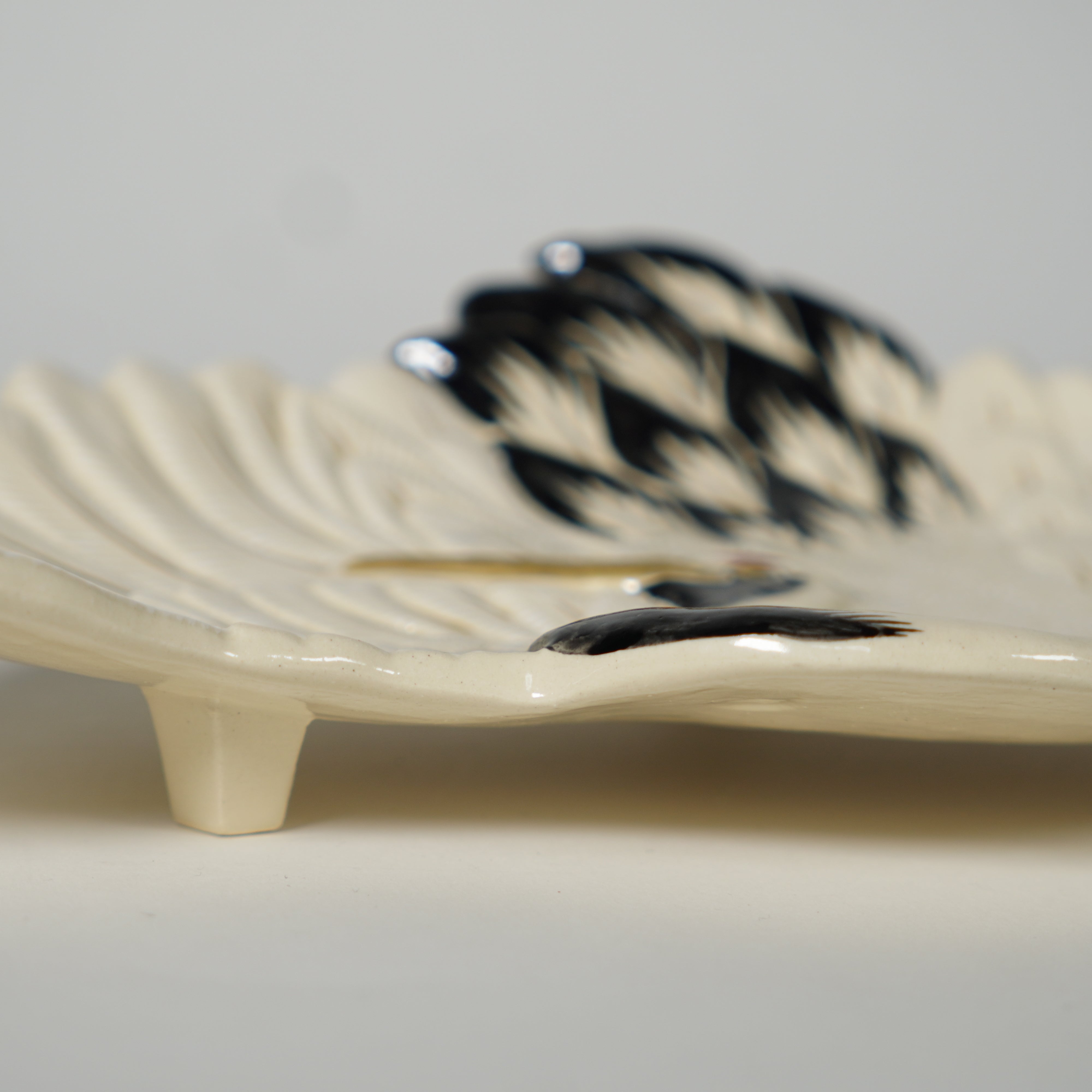
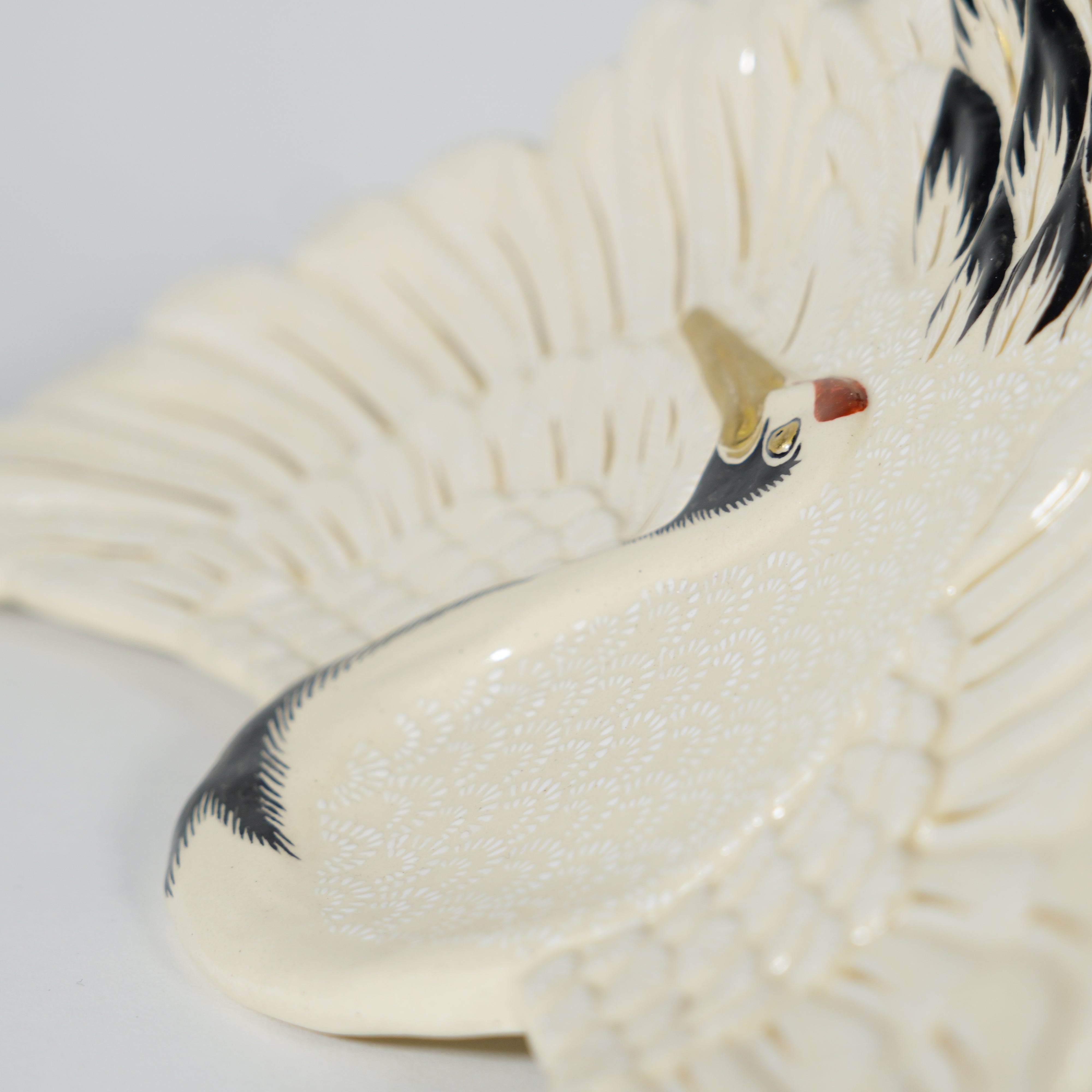
Platte / Kran
AngebotDhs. 6,444.00
Land
Sprache
Warenkorb
Dein Warenkorb ist leer
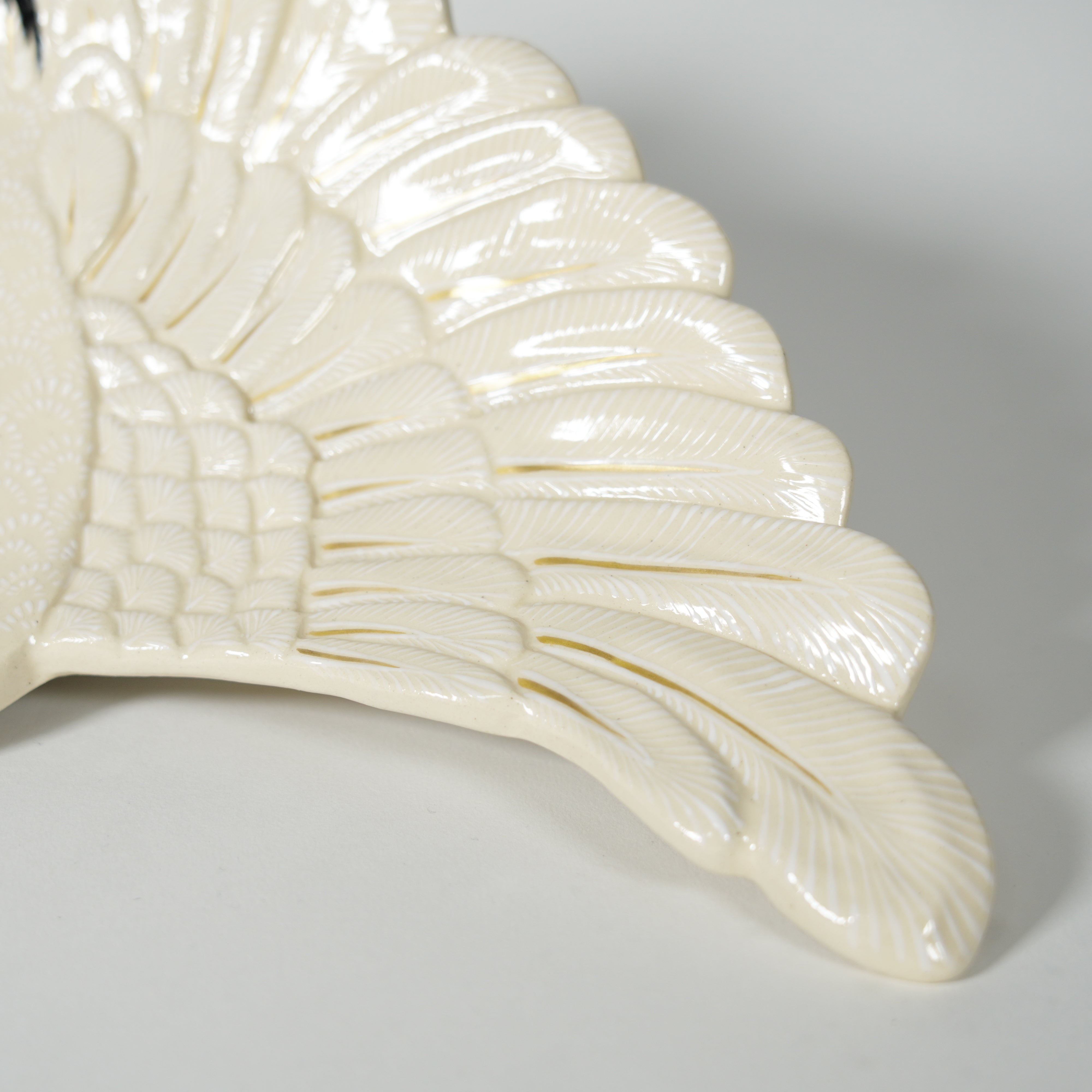
هذا طبق تقديم على شكل رافعة لا يمكن رؤيته في أي مكان آخر.
في اليابان، هناك مثل يقول إن الرافعات تعيش ألف عام والسلاحف تعيش عشرة آلاف عام، وتجسد هذه الأواني رمزية طول العمر. يمكن الاستمتاع بها ليس فقط لتقديم الطعام، بل أيضًا لغرض التقدير. ما رأيك في منتج يتيح لك الاستمتاع باليابان في أي وقت من خلال جلب الرافعة، التي اختيرت أيضًا كطائر وطني لليابان، إلى غرفتك؟
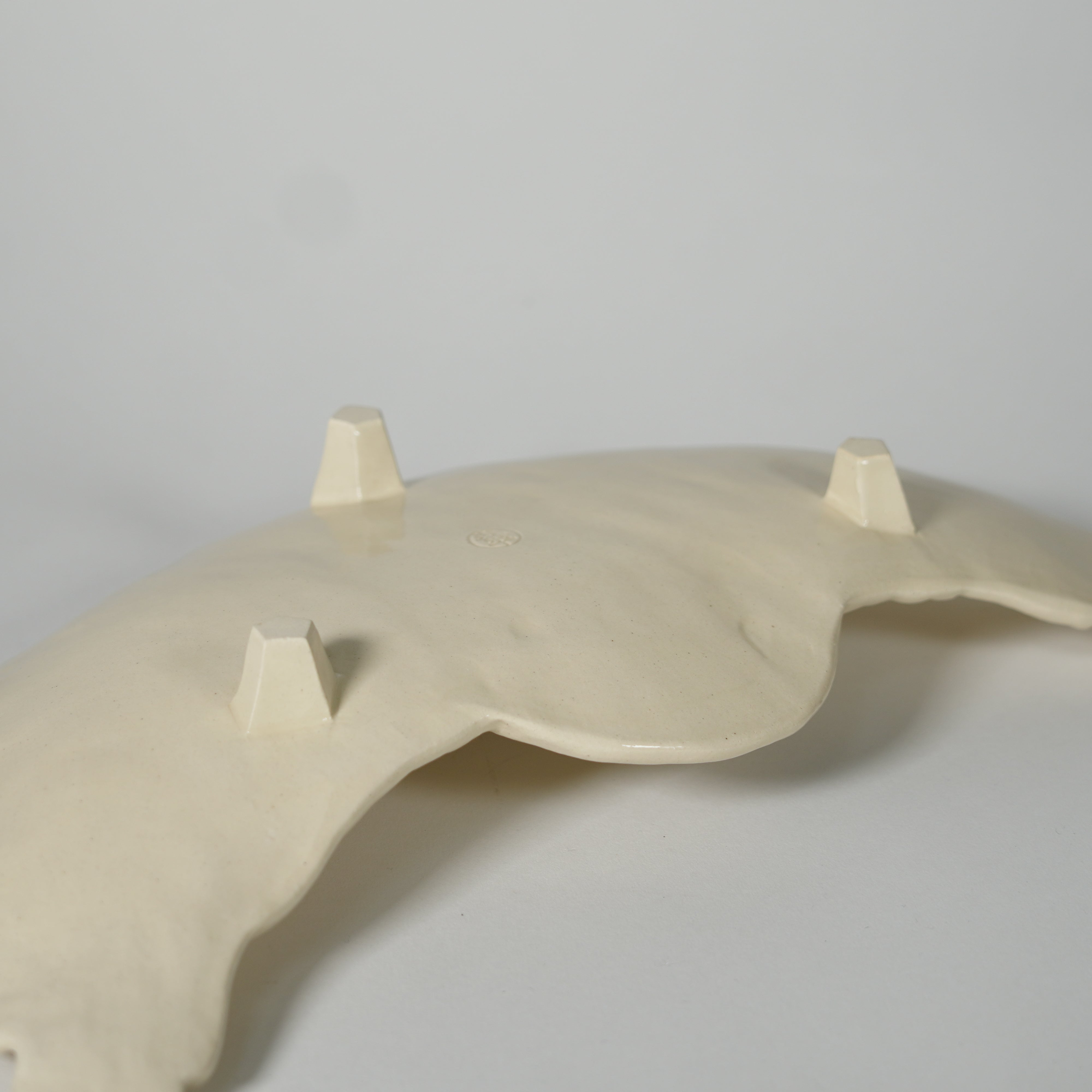
SIZE
العرض:41 سم
العمق:25 سم
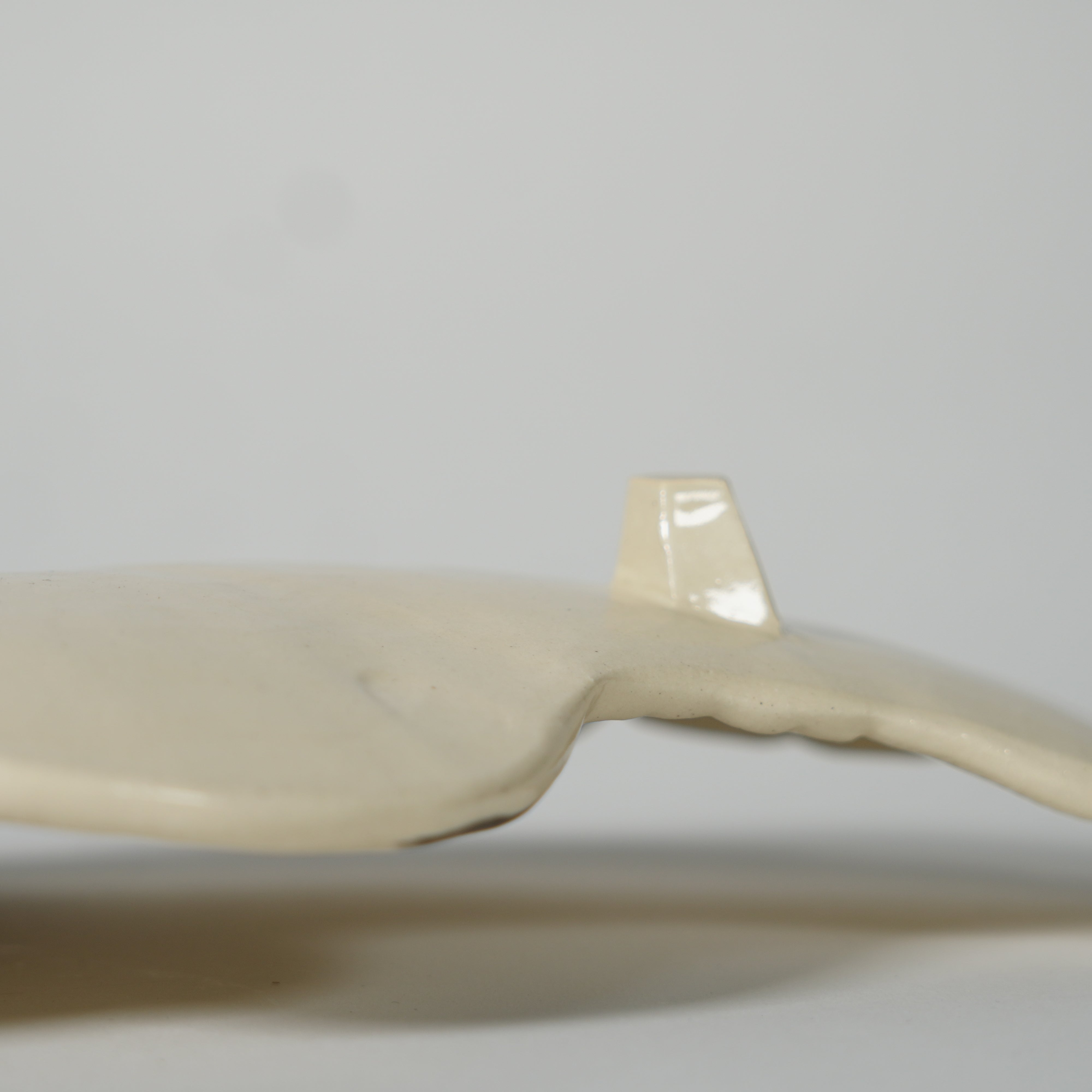
الارتفاع:6 سم
الوزن:980 جم
MATERIAL
طين
STUDIO HIRANO
ARTISAN STORY
Taizo Hirano / Pottery Studio HIRANO
An independent Kiyomizu ware potter working in Kyoto since 2002. He creates vessels with traditional seasonal motifs and forms for long-established Kyoto restaurants and ryokan, while also responding to the ideas of emerging chefs with pieces that are not bound by convention.
KYO WARE & KIYOMIZU WARE
About 1,200 years ago / 800s / Heian Period (794–1185)
Kyoto ceramics reach back to kilns operating before and during the Heian period, then expanded with tea culture in the Muromachi and Momoyama eras. In the seventeenth century, Nonomura Ninsei perfected brilliant overglaze decoration, followed by innovators such as Ogata Kenzan, Okuda Eisen and Aoki Mokubei, whose diverse approaches shaped today’s Kyo and Kiyomizu ware.
In Japan, these ceramics are famous precisely because there is no single fixed style. Tea bowls, kaiseki dishes and everyday tableware may use overglaze painting, blue-and-white decoration, gold, sancai-inspired color and many other techniques. The craft sits at the heart of Kyoto’s culture of pairing vessels with cuisine and tea.
The surprising point is that Kyoto was never defined by a single major clay deposit. Potters drew on materials such as Amakusa porcelain stone, techniques arriving from other regions, and the tastes of artists and patrons gathered in the capital. Freedom from one local material helped make Kyoto ceramics unusually hybrid and stylistically diverse.
الاختلافات الفردية
نظرًا لأن كل قطعة تُصنع يدويًا بشكل مستقل، فقد تطرأ اختلافات طفيفة في اللون والنمط والشكل والملمس. وتُعد هذه الاختلافات الدقيقة من الخصائص الطبيعية للأعمال اليدوية، ما يجعل كل قطعة فريدة من نوعها حقًا. نأمل أن تستمتعوا بهذه الاختلافات الفردية كجزء من جمال الحرفية اليابانية وطابعها المميز.
مدة الإنتاج
إذا لم يكن المنتج متوفرًا في المخزون حاليًا، فقد يقوم الحرفي بتصنيعه حسب الطلب. ونظرًا إلى أن كل قطعة تُصنع يدويًا بعناية، فقد يستغرق الإنتاج عدة أشهر، وذلك حسب المنتج وجدول الحرفي. نقدر صبركم وتفهمكم.
Optionen auswählen