Raku -Keramik / Teeschale / schwarze Glasur
الوصف
التفاصيل
SIZE
MATERIAL
حِرَفِيّ
كوجي
تحذير
Optionen auswählen


Raku -Keramik / Teeschale / schwarze Glasur
AngebotDhs. 7,155.00
Land
Sprache
Warenkorb
Dein Warenkorb ist leer


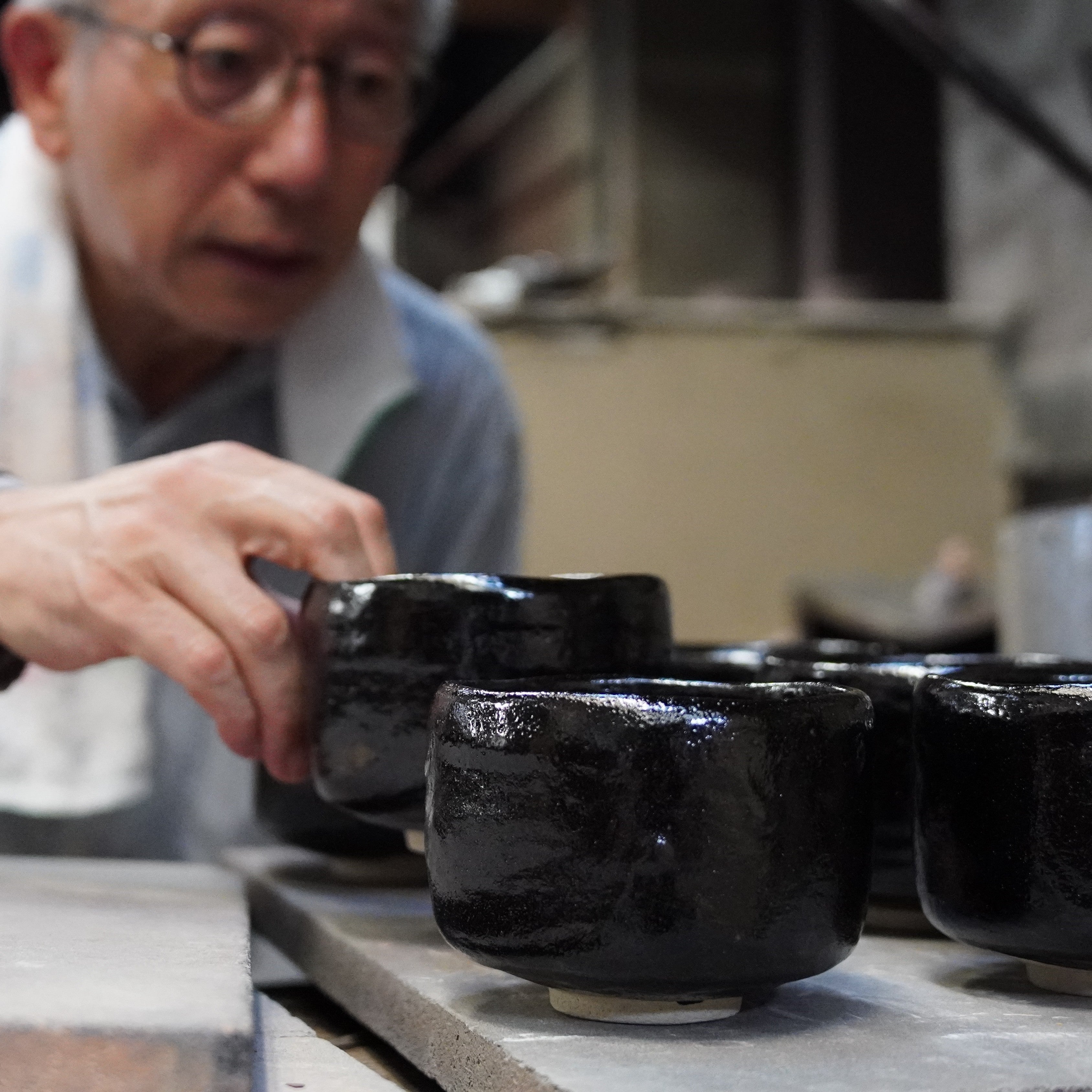
يُحرق وعاء الشاي راكو الأسود هذا بطلاء راكو الأسود المصنوع من الأحجار التي جُمعت من نهر كامو في كيوتو، مع لون قرمزي. وعاء الشاي هو وعاء مصمم لمراسم الشاي. يتميز وعاء الشاي بقاع عريض يُسمى "تشاسينزوري"، مما يسهل تحريك مخفقة الشاي وتقديم الشاي. كما ينحني الكوب نفسه قليلاً إلى الداخل عند الحافة، مما يمنع الشاي من التقطر من الوعاء عند الشرب ويجعل شرب الشاي أنيقًا.
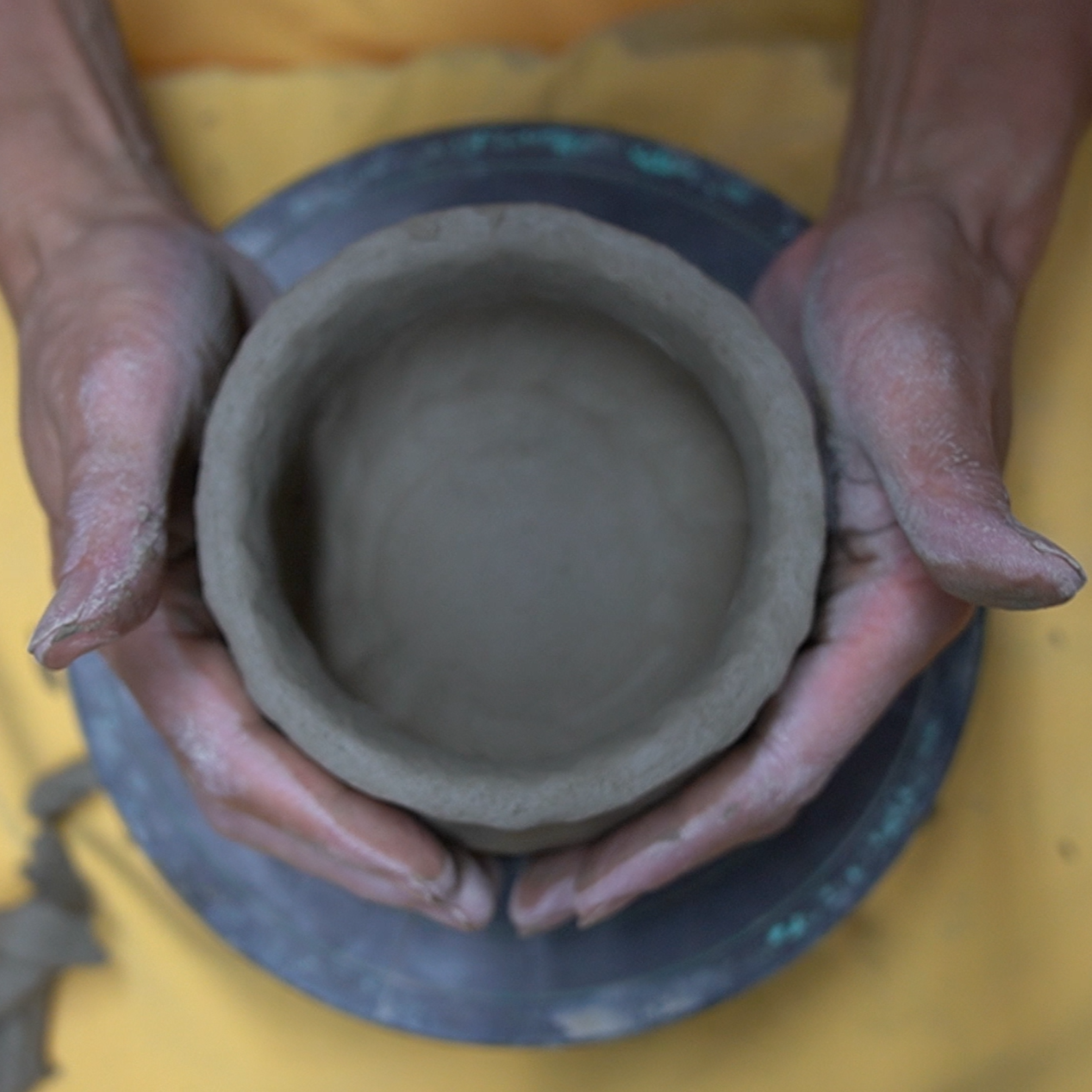
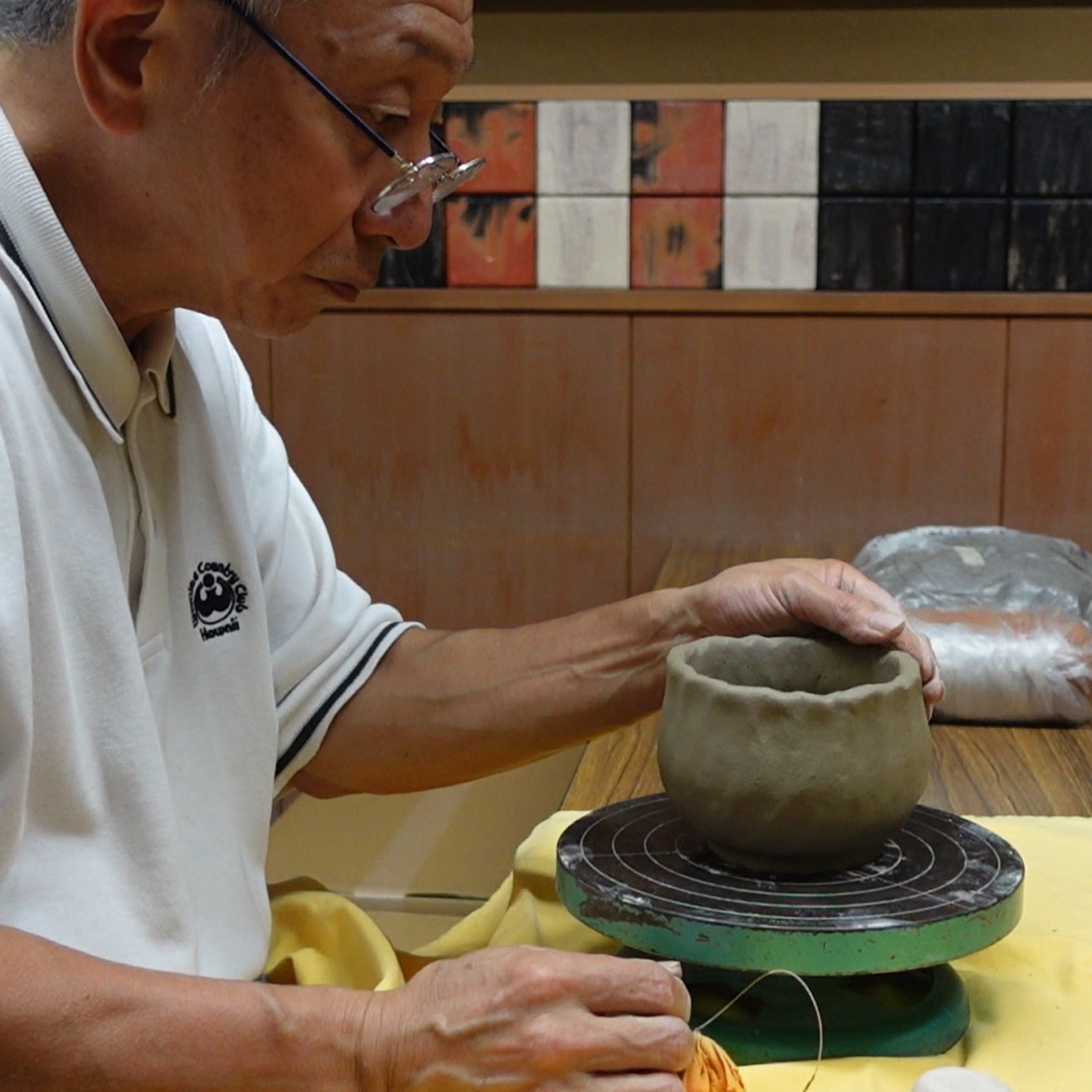
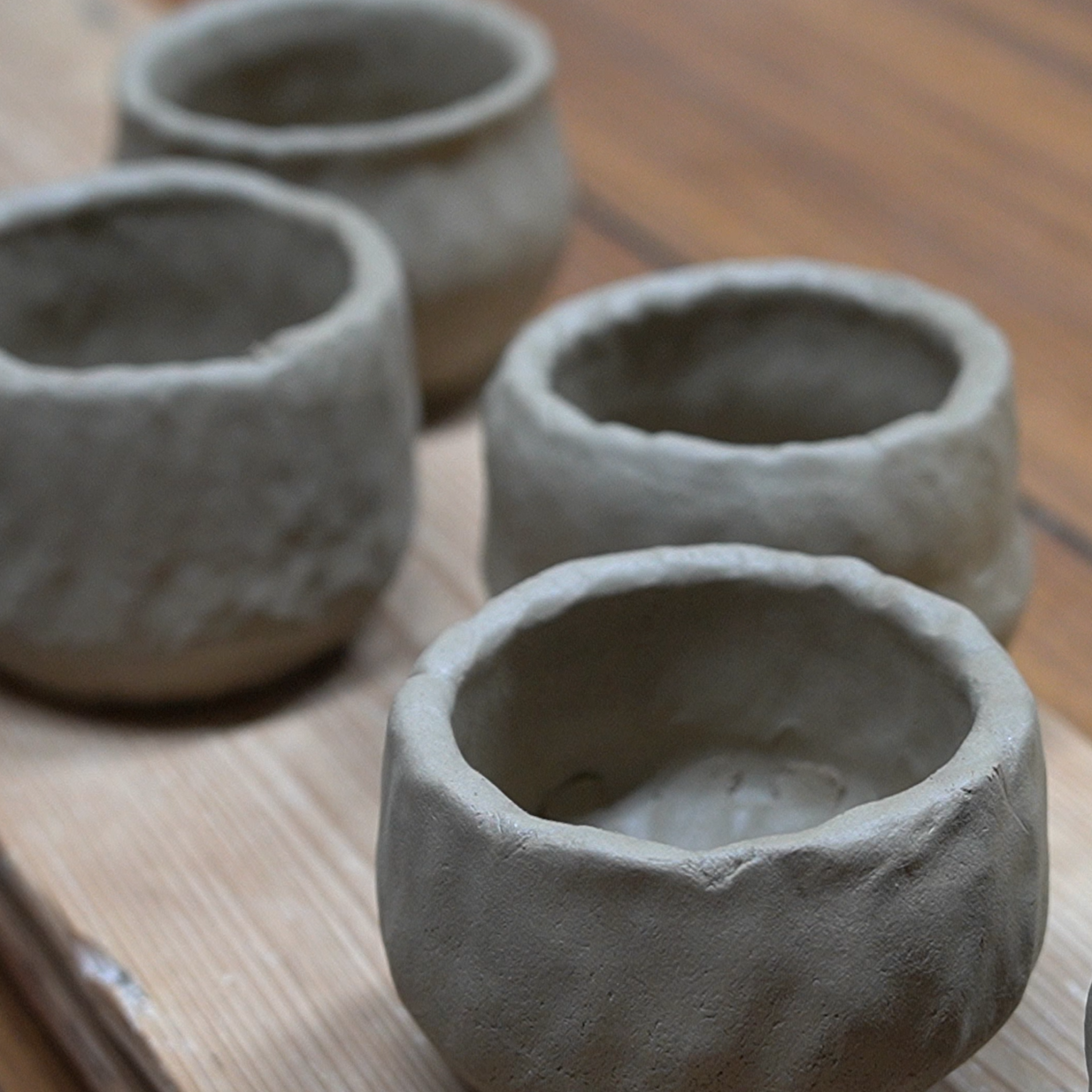
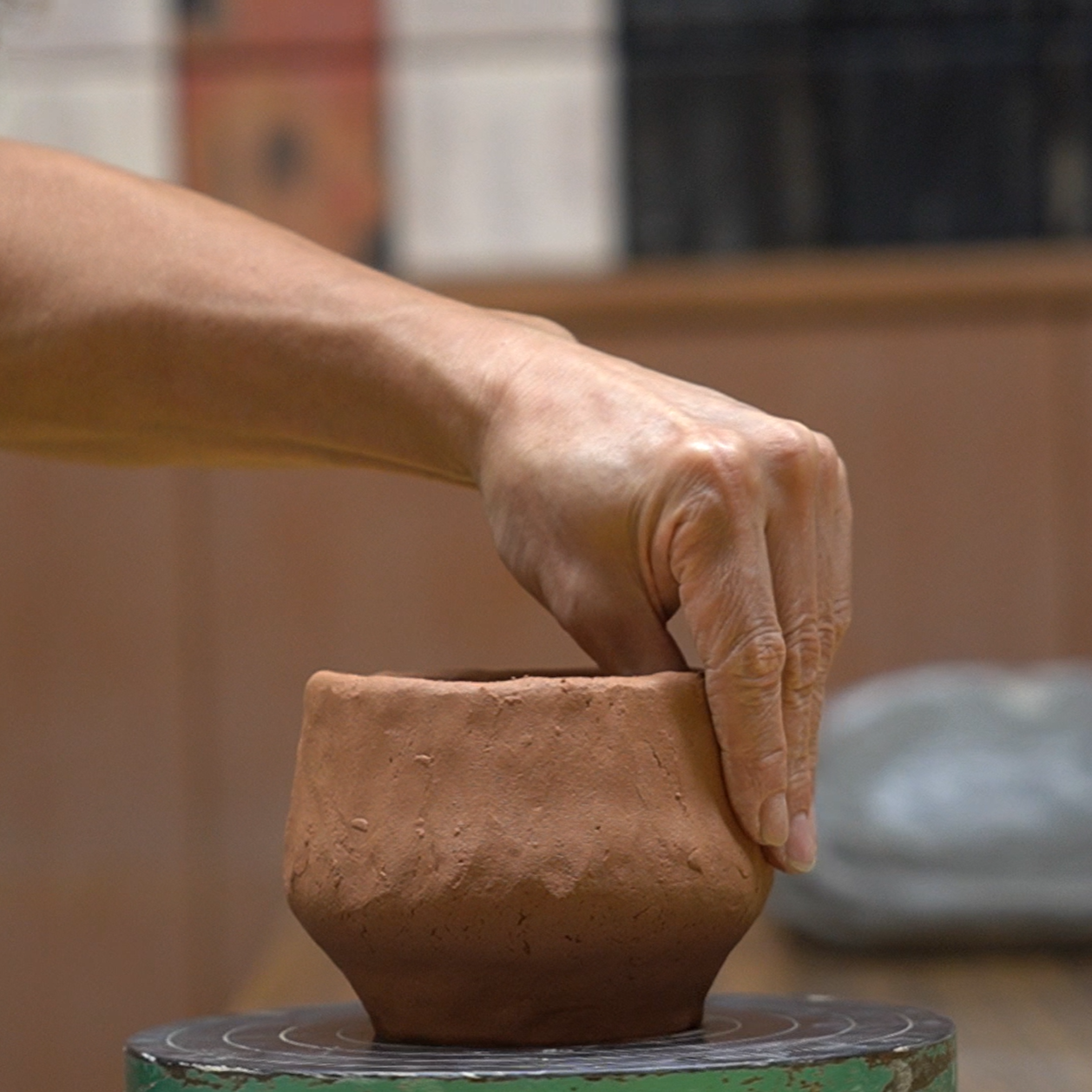
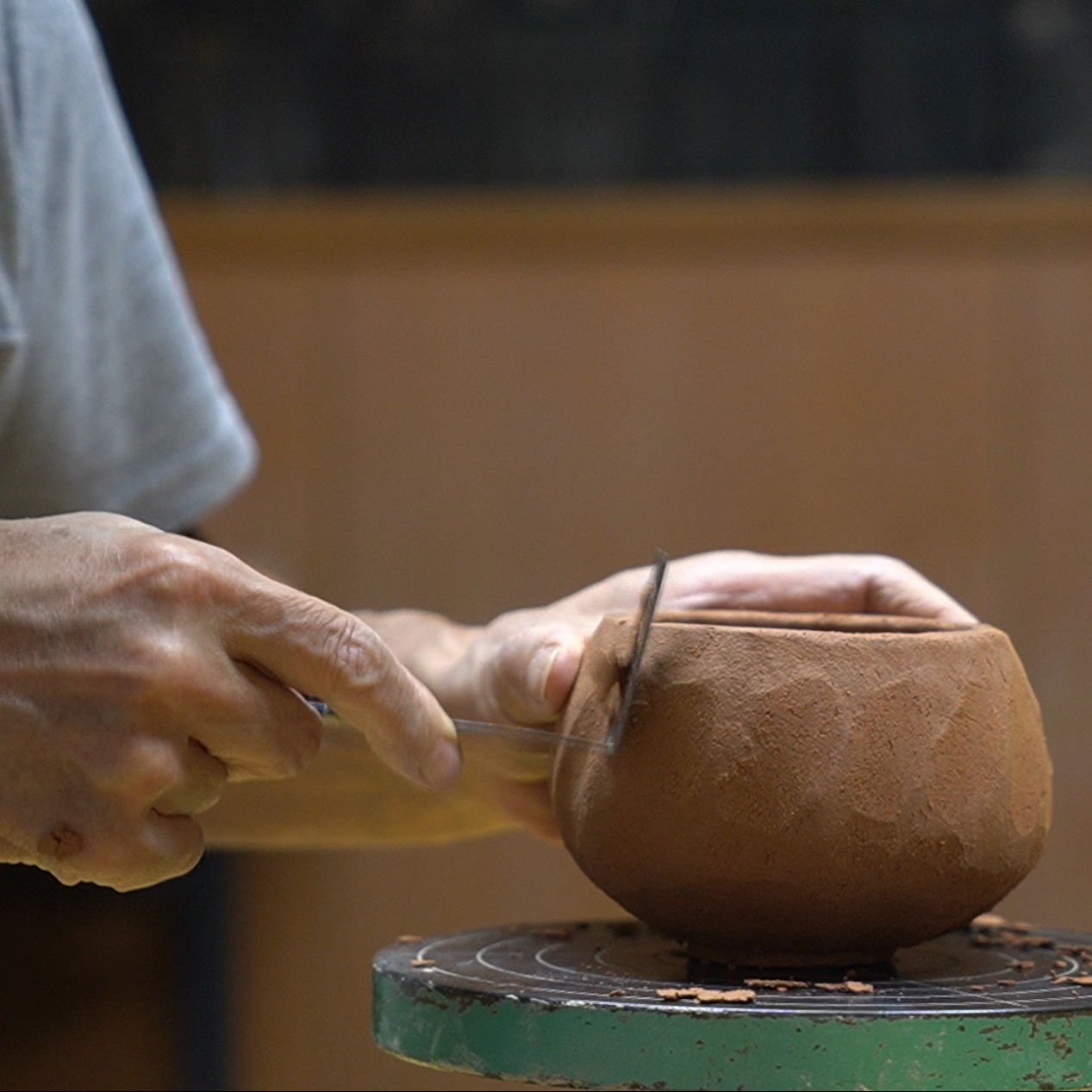
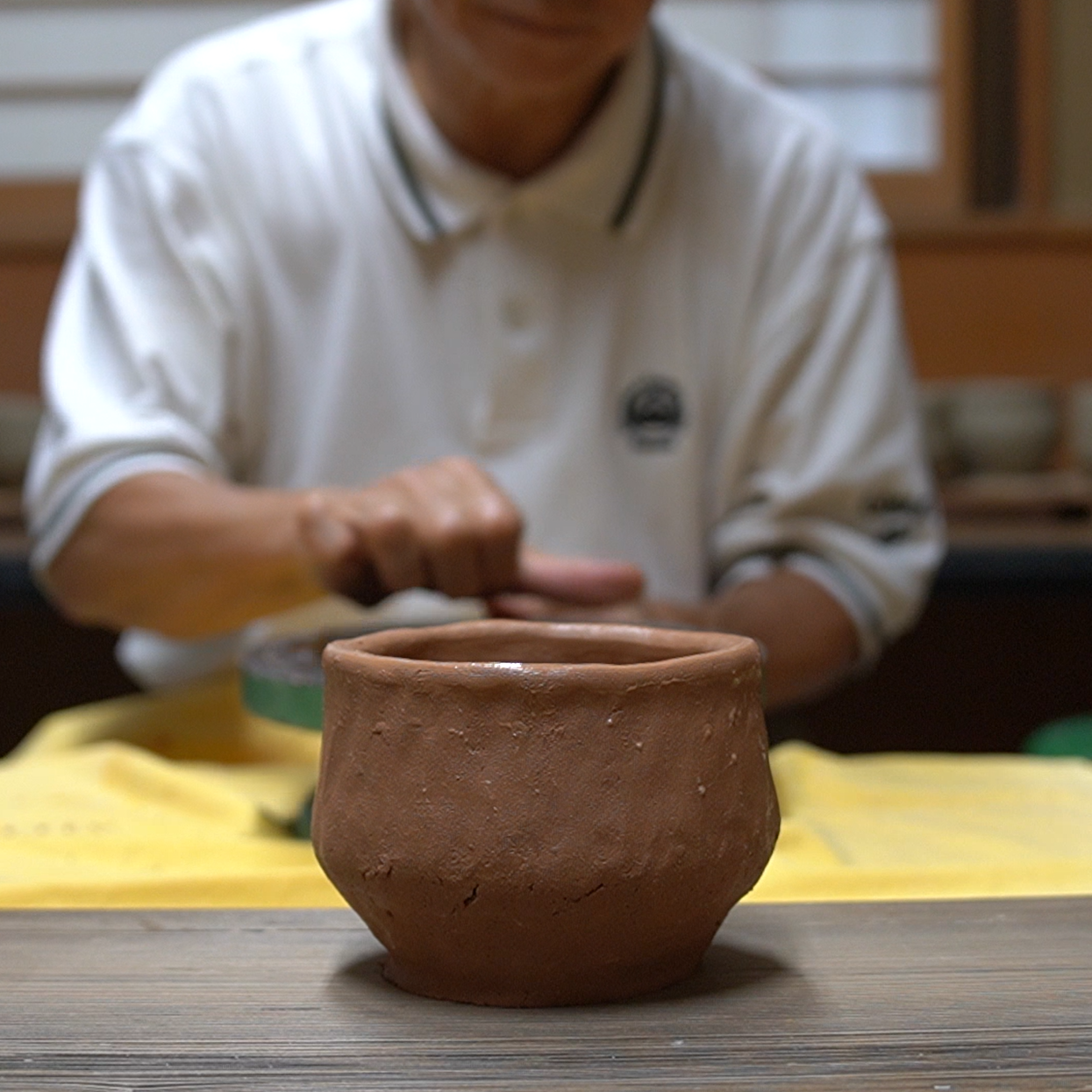
يتم تشكيله عن طريق اللف اليدوي أو العجن اليدوي، باستخدام اليدين والملاعق فقط، ويتميز بتشوهات طفيفة وأشكال سميكة. يعبر الشكل بأكمله، الذي ليس مثاليًا من جانب إلى آخر، عن "جمال عدم الكمال". هناك أيضًا نظام تصنيف لأوعية الماتشا، "إيتشي-راكو، ني-هاجي، وسان-كاراتسو"، (بمعنى المرتبة الأولى، والثانية والثالثة) حيث يُعد وعاء راكو أكثر أوعية الماتشا هيبة.
SIZE
العرض:12.5 سم
العمق:12.5 سم
الارتفاع:8 سم
الوزن:395 غ
MATERIAL
كراي
RAKUNYU
“Developing Traditional Techniques”
We are working hard to produce "painted tea bowls," which are rare in Raku ware, and are challenging the development of unique Raku ware. We are not only preserving tradition, but also developing our techniques without being bound by them to produce products that will please our customers in the modern age.
ARTISAN STORY
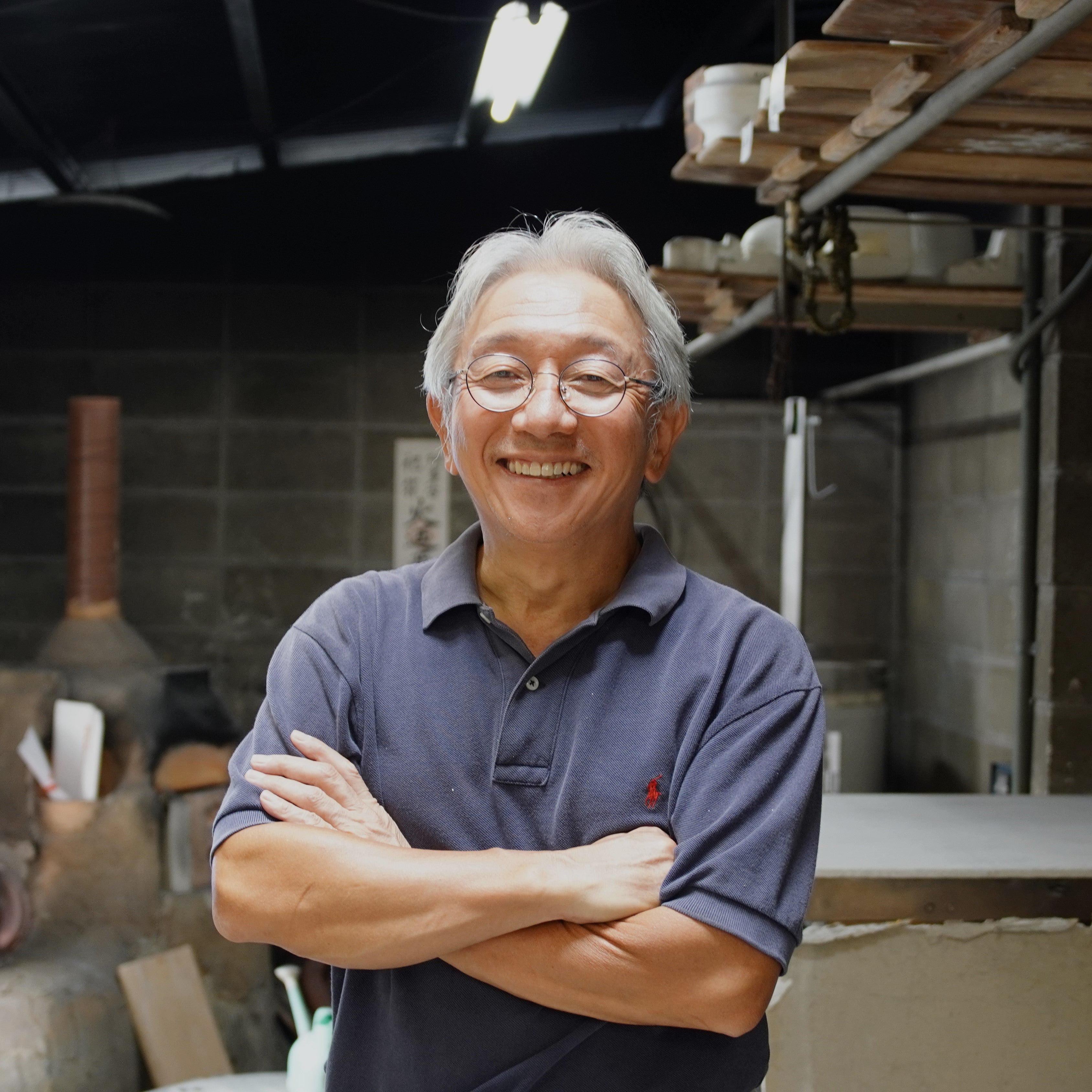
Yoshimura Rakunyu is a kiln specializing in Raku ware, which is a unique type of Kiyomizu ware. They create traditional and innovative items every day, ranging from black and red Raku tea bowls, which have been valued in the world of tea ceremony since the time of Sen no Rikyu, to gorgeous painted tea bowls, daily tableware, and indoor tiles called Raku Tile.
The Yoshimura family has been making pottery in Kyoto since the Meiji era (1868-1912), but since Rakunyu, the first generation, the family has made pottery its main business, creating tea ceremony utensils such as matcha bowls and figurines. The name "Rakunyu" has been passed down from generation to generation, and Mr. Yoshimura is the third generation.
ACHIEVEMENTS
・Selected to exhibit at the Kyoto Kiyomizuyaki Paris Exhibition
・Recognized by the City of Kyoto as a "Future Master Craftsman
RAKU WARE
About 440 years ago / 1580s / Azuchi–Momoyama Period (1573–1603)
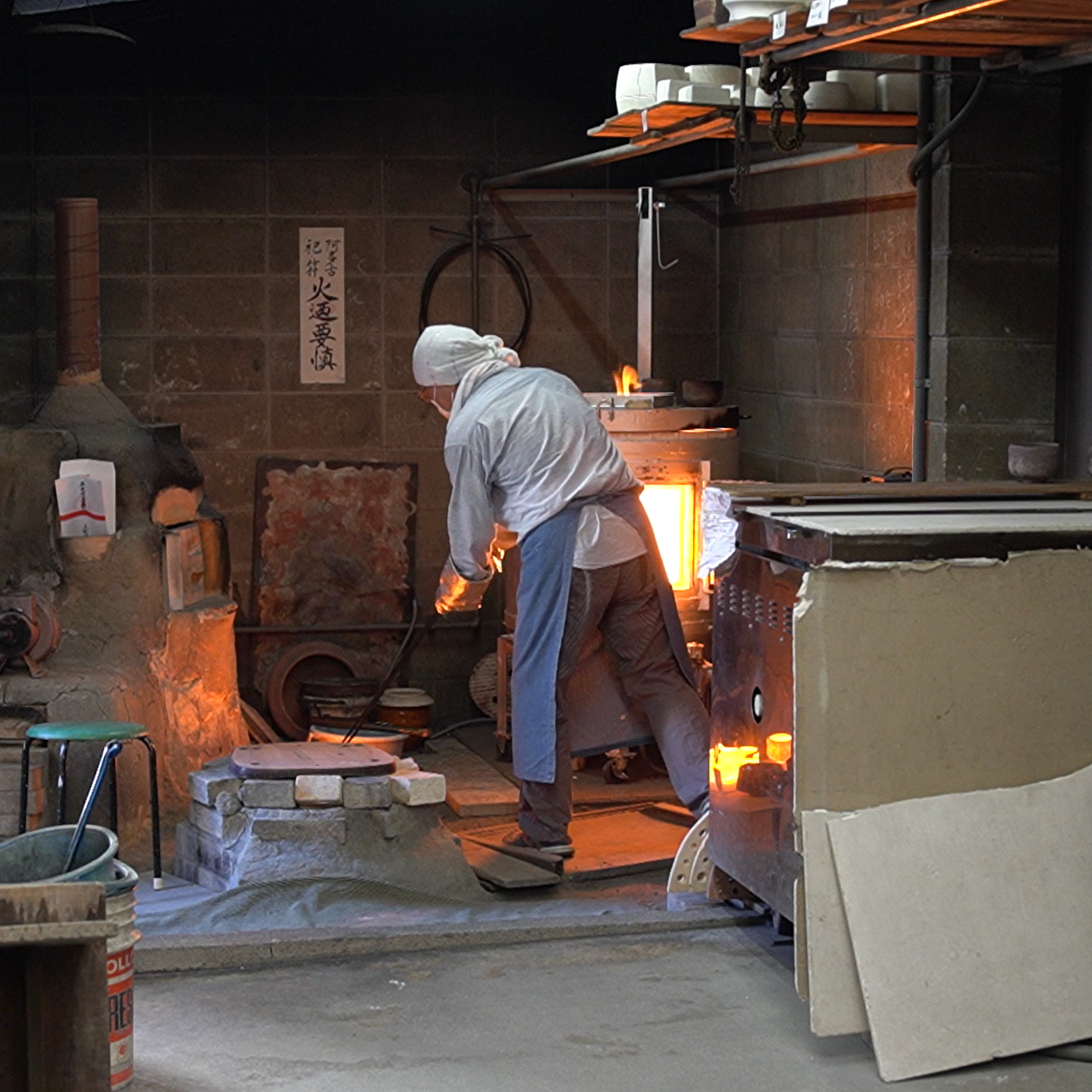
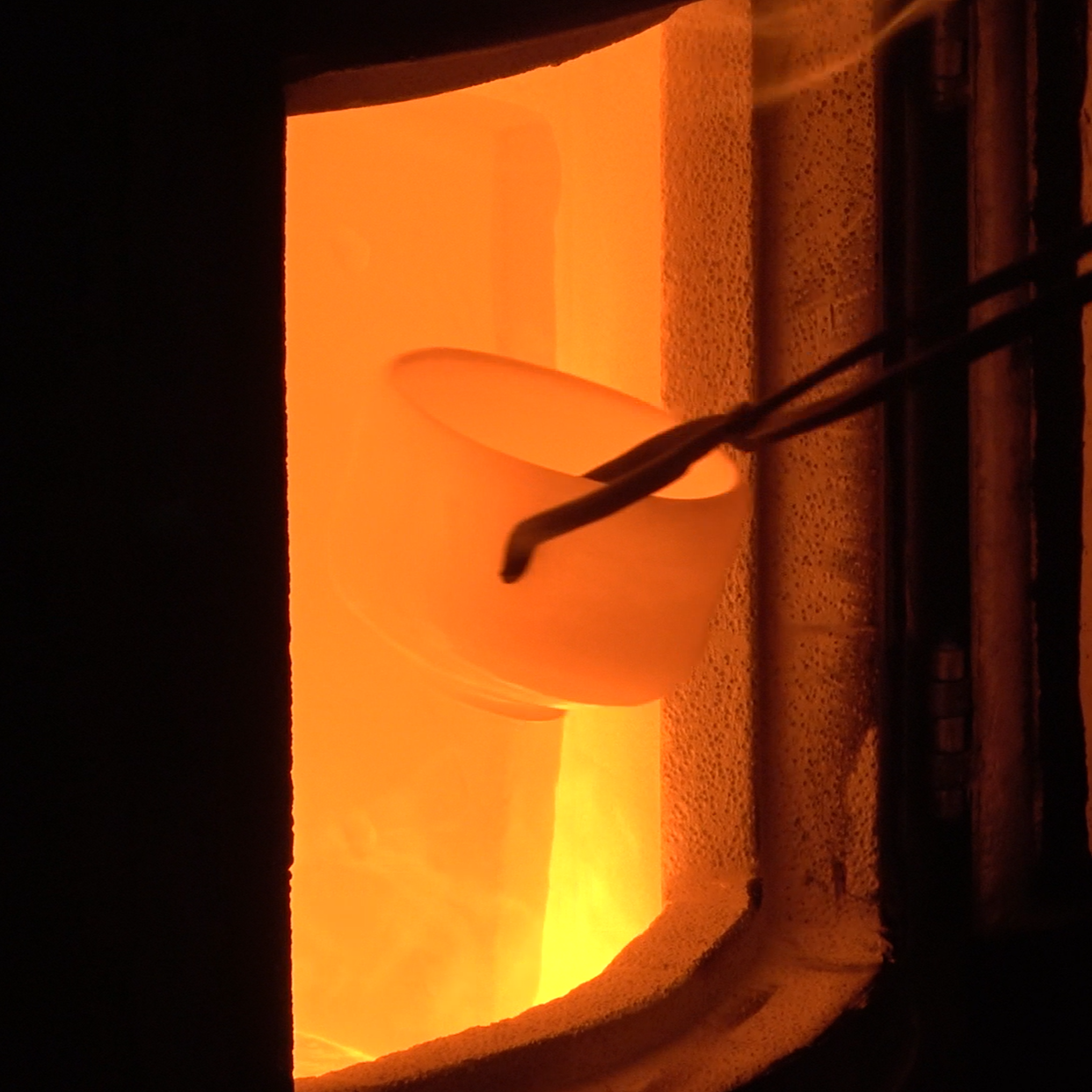
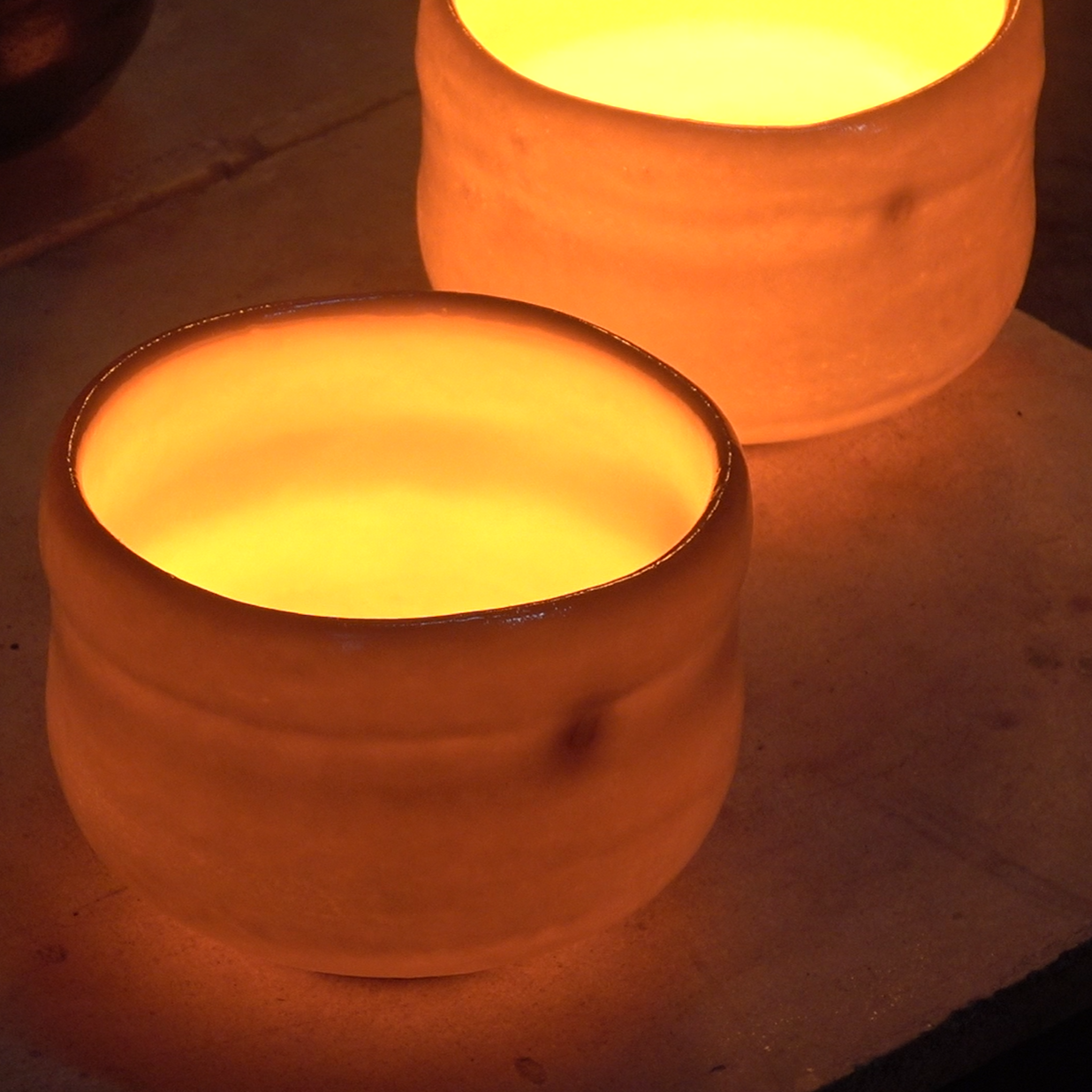
Raku ware is traditionally traced to the late sixteenth century, when the potter Chojiro created tea bowls responding to the aesthetic of tea master Sen no Rikyu. The vessels were hand-built rather than wheel-thrown, fired at relatively low temperatures and removed individually from the kiln, creating forms intimately connected with the quiet ideals of wabi tea.
In Japan, a Raku bowl is valued as much through touch as sight. The soft contours of black and red Raku are meant to be held in both hands, so weight, lip, texture and warmth become part of the aesthetic experience. The Raku family lineage and many other potters continue the tradition today.
A useful surprise for overseas audiences is that Western “raku firing” is not identical to traditional Japanese Raku. The dramatic post-firing reduction and smoke effects popularized abroad in the twentieth century belong to a different development. Traditional Raku remains fundamentally tied to tea and to a much quieter visual language.
الاختلافات الفردية
نظرًا لأن كل قطعة تُصنع يدويًا بشكل مستقل، فقد تطرأ اختلافات طفيفة في اللون والنمط والشكل والملمس. وتُعد هذه الاختلافات الدقيقة من الخصائص الطبيعية للأعمال اليدوية، ما يجعل كل قطعة فريدة من نوعها حقًا. نأمل أن تستمتعوا بهذه الاختلافات الفردية كجزء من جمال الحرفية اليابانية وطابعها المميز.
مدة الإنتاج
إذا لم يكن المنتج متوفرًا في المخزون حاليًا، فقد يقوم الحرفي بتصنيعه حسب الطلب. ونظرًا إلى أن كل قطعة تُصنع يدويًا بعناية، فقد يستغرق الإنتاج عدة أشهر، وذلك حسب المنتج وجدول الحرفي. نقدر صبركم وتفهمكم.

Optionen auswählen