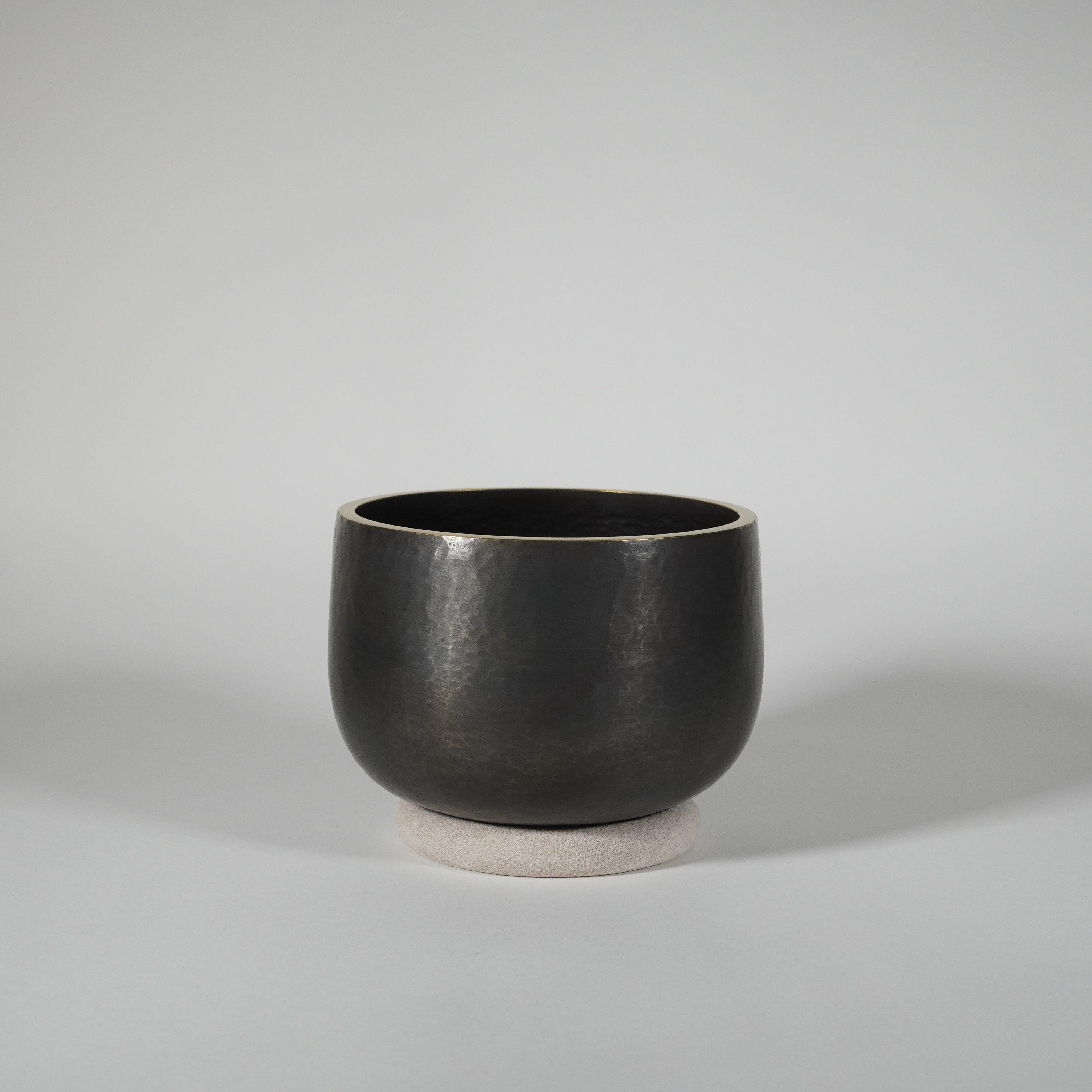
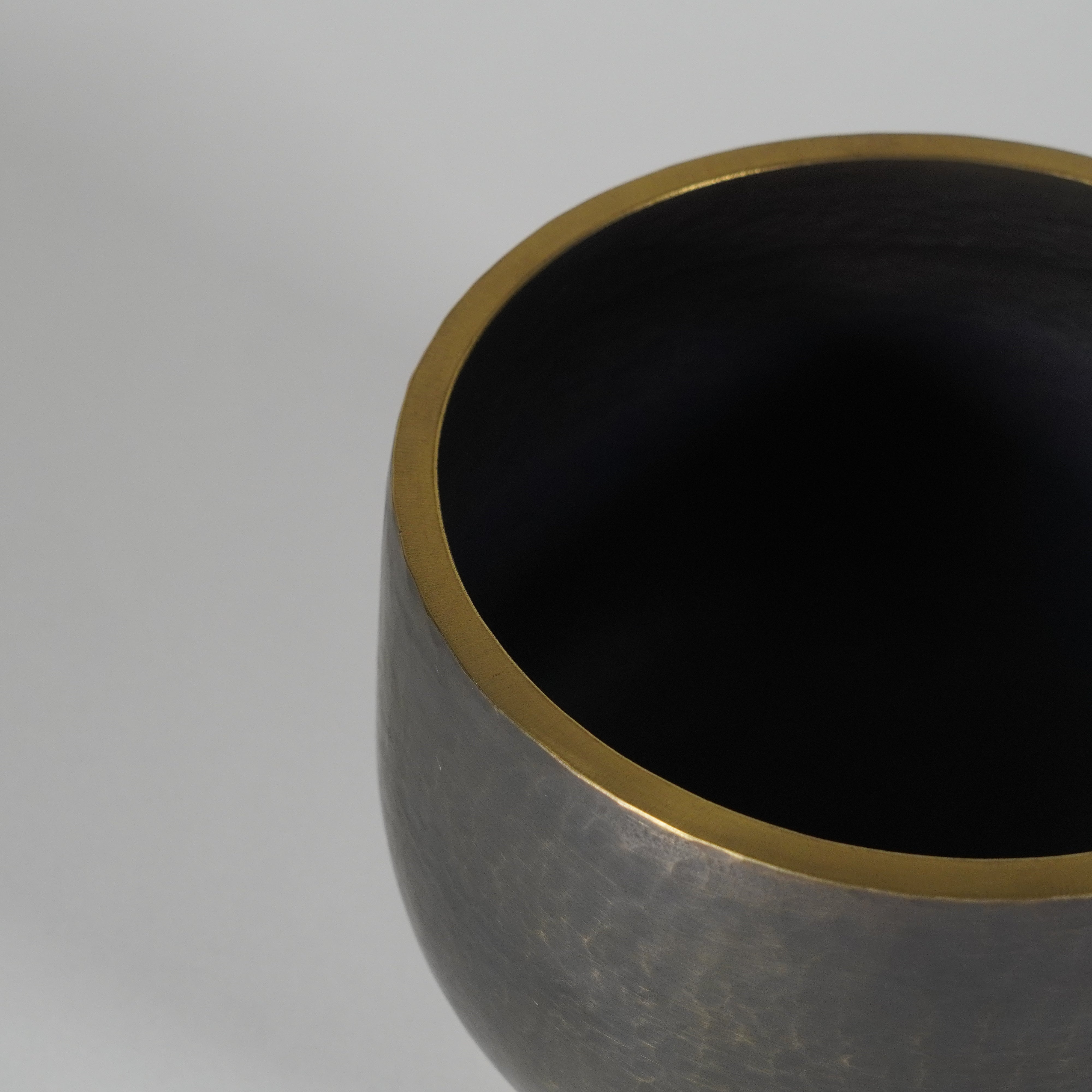
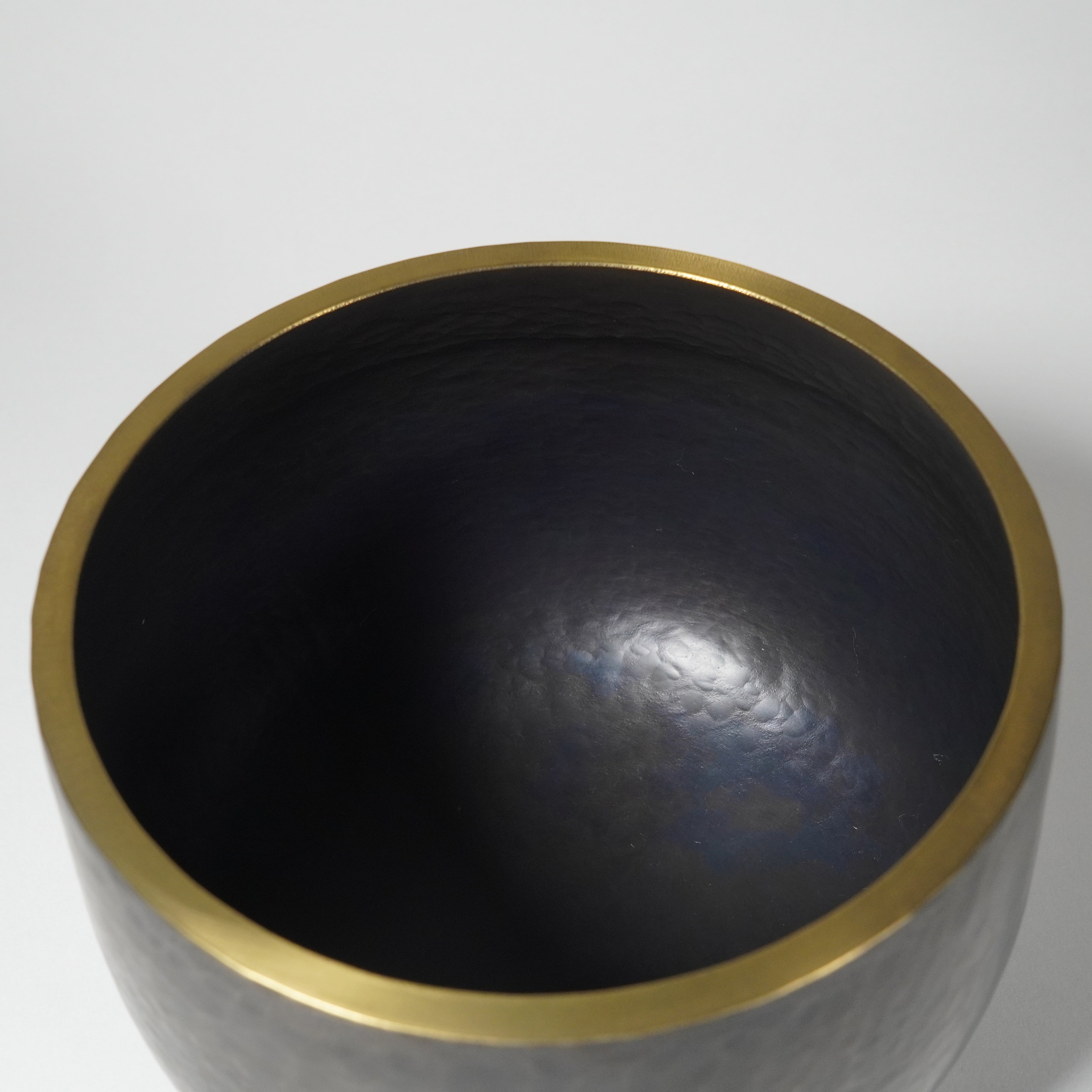

شورييو أورين / أسود
الوصف
التفاصيل
SIZE
MATERIAL
حِرَفِيّ
كوجي
تحذير
شورييو أورين / أسود
AngebotDhs. 2,960.00
Optionen auswählen
شورييو أورين / أسود
AngebotDhs. 2,960.00
Land
Sprache
Warenkorb
Dein Warenkorb ist leer
يُصاغ كل جرس على حدة من لوح معدني واحد ويُضبط ضبطاً دقيقاً.
تنتج الأجراس الأصغر نغمات أعلى. وكلما كبر حجم الجرس، أصبح صوته أكثر انخفاضاً مع رنين أطول ومتموج.
يُحقق الطلاء الأسود من خلال «كروزومي»، وهي تقنية تقليدية لتلوين النحاس الأصفر.
يتضمن ذلك معالجة النحاس الأصفر كيميائياً للحصول على طلاء أسود.
بينما يمكن لعمليات التشطيب مثل الطلاء أو الطلاء الكهربائي أن تخفف من حدة النغمة أحياناً، فإن «كروزومي» عملية كيميائية، مما يتيح لك الاستمتاع بالرنين الطبيعي الكامل للجرس.
-الملحقات-
・أورين
・عصا الجرس
・وسادة
・حقيبة أورين
・حقيبة عصا الجرس
SIZE
المقاس 1 :【العرض:10 سم الارتفاع:7 سم】
المقاس 2 :【العرض:11.5 سم الارتفاع:8 سم】
المقاس 3 :【العرض:13 سم الارتفاع:9 سم】
المقاس 4 :【العرض:14.5 سم الارتفاع:10 سم】
المقاس 5 :【العرض:16.5 سم الارتفاع:11.5 سم】
المقاس 6 :【العرض:19 سم الارتفاع:15 سم】
المقاس 7 :【العرض:23 سم الارتفاع:17 سم】
المقاس 8 :【العرض:26 سم الارتفاع:20 سم】
المقاس 9 :【العرض:30 سم الارتفاع:23 سم】
MATERIAL
نحاس
SYOURYU SHIMATANI
Adapting to changing needs
Now, in response to the demands of the times, "Syouryu" transcends the framework of Buddhist instruments and even crosses cultural differences, reaching the hands of diverse people around the world.
Adapting to the changing needs of individuals and society, numerous innovations and creations have been accumulated. While the techniques and designs undergo evolution, the profound secrets that resonate with all things in universe are faithfully preserved.
ARTISAN STORY
x
ORIN / JAPANESE SINGING BOWL
About 1,400 years ago / 600s / Asuka Period (592–710)
Japanese singing bowls trace their roots to metal ritual instruments that arrived in Japan with Buddhism. They became established in temples as signals for chanting and worship, later spreading to household Buddhist altars. Through refinements in casting, hammering and alloy composition, Japanese makers developed bowls prized for long, clear resonance.
For many Japanese people, the sound of a singing bowl marks more than a religious ritual: it creates a moment to remember the deceased and settle the mind. Today the bowls remain important Buddhist implements, while also being rediscovered for meditation, relaxation and contemporary interiors.
A fascinating point is that two bowls of almost identical appearance can sound completely different. Alloy composition, wall thickness, finishing, temperature and humidity can all affect resonance, and craftspeople ultimately tune the sound by ear. In that sense, this is not only a craft of shaping metal, but a craft of shaping sound.
الاختلافات الفردية
نظرًا لأن كل قطعة تُصنع يدويًا بشكل مستقل، فقد تطرأ اختلافات طفيفة في اللون والنمط والشكل والملمس. وتُعد هذه الاختلافات الدقيقة من الخصائص الطبيعية للأعمال اليدوية، ما يجعل كل قطعة فريدة من نوعها حقًا. نأمل أن تستمتعوا بهذه الاختلافات الفردية كجزء من جمال الحرفية اليابانية وطابعها المميز.
مدة الإنتاج
إذا لم يكن المنتج متوفرًا في المخزون حاليًا، فقد يقوم الحرفي بتصنيعه حسب الطلب. ونظرًا إلى أن كل قطعة تُصنع يدويًا بعناية، فقد يستغرق الإنتاج عدة أشهر، وذلك حسب المنتج وجدول الحرفي. نقدر صبركم وتفهمكم.
Optionen auswählen