Weihrauchbrenner / Vogel und Biest
الوصف
التفاصيل
SIZE
MATERIAL
حِرَفِيّ
كوجي
تحذير
Optionen auswählen


Weihrauchbrenner / Vogel und Biest
AngebotDhs. 1,536.00
Land
Sprache
Warenkorb
Dein Warenkorb ist leer


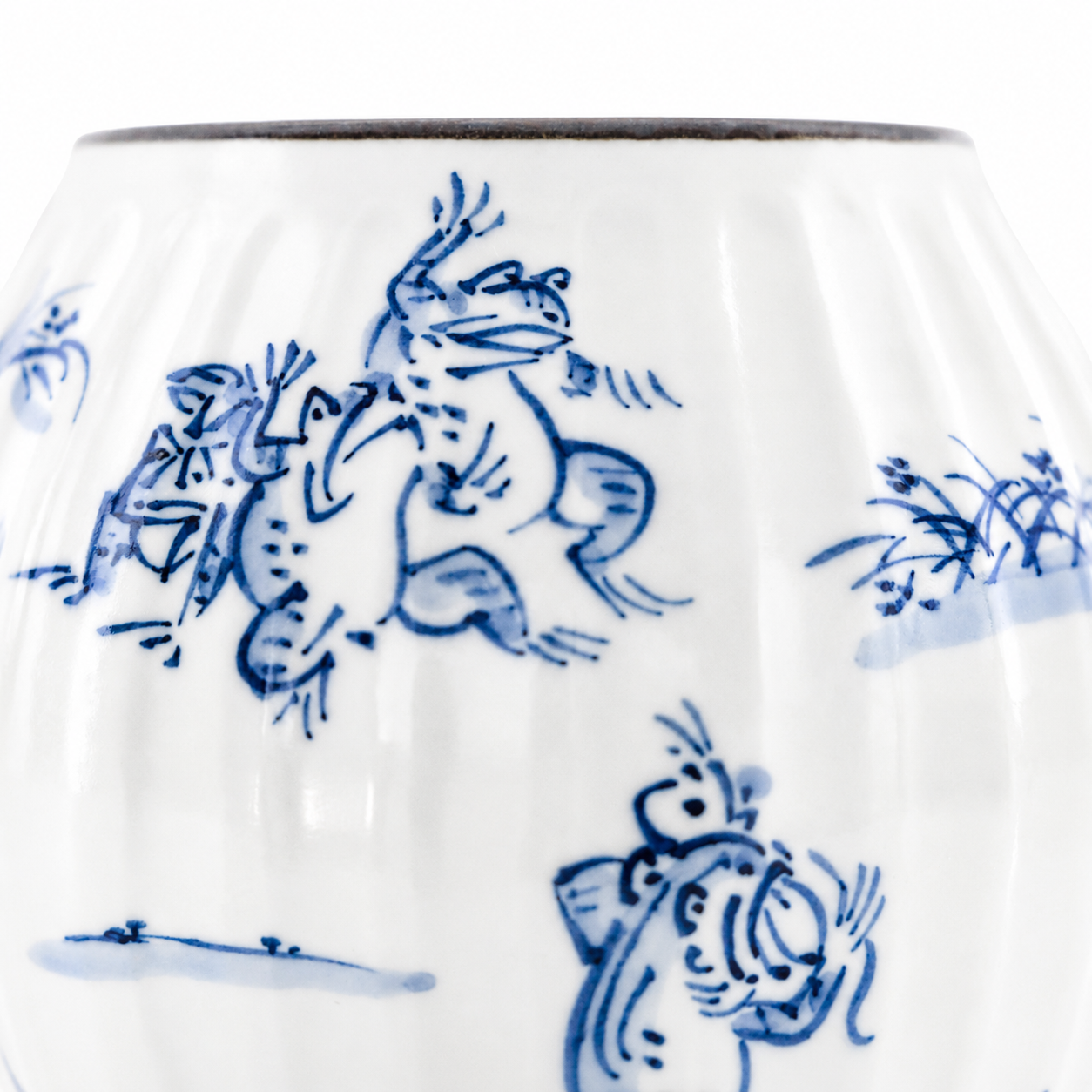
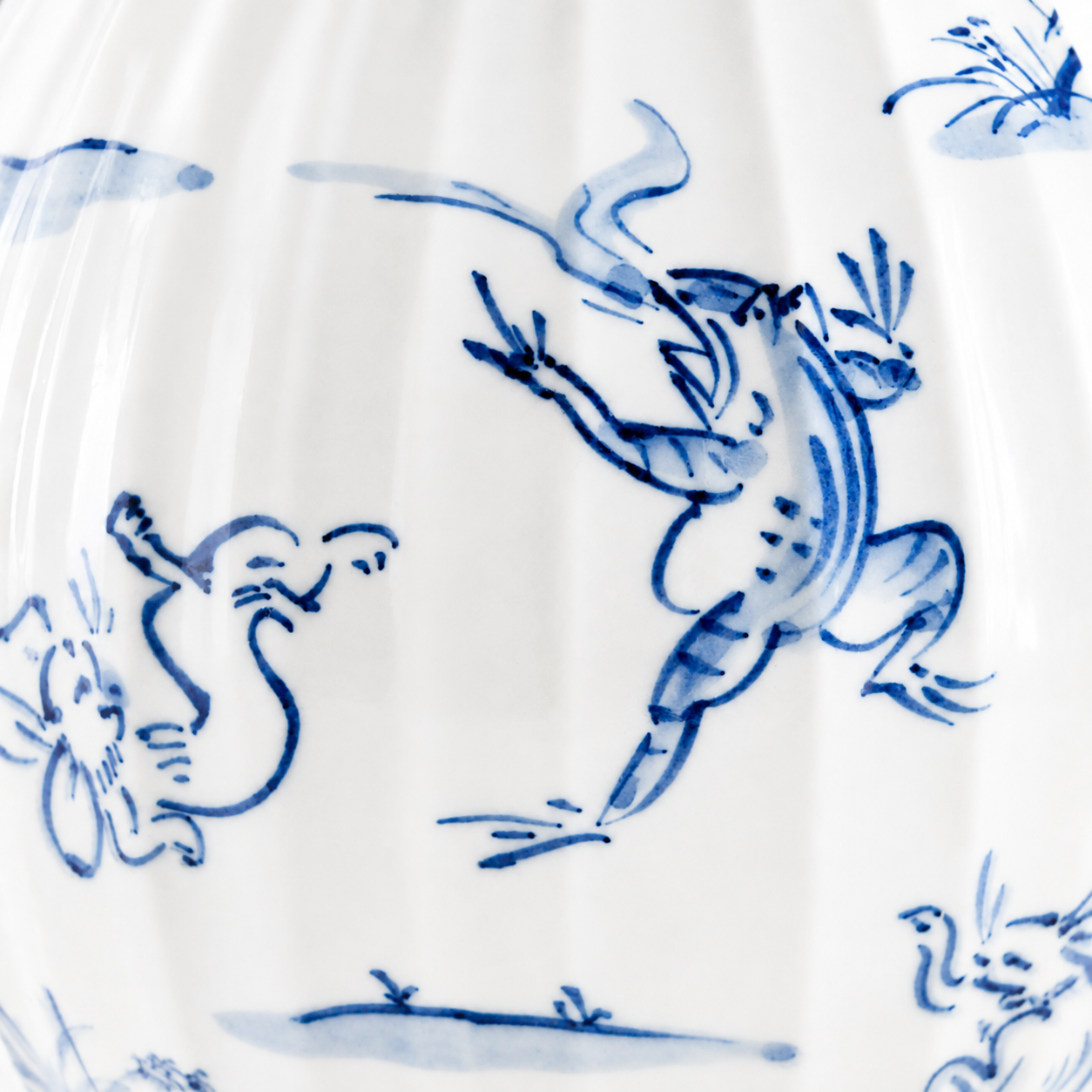
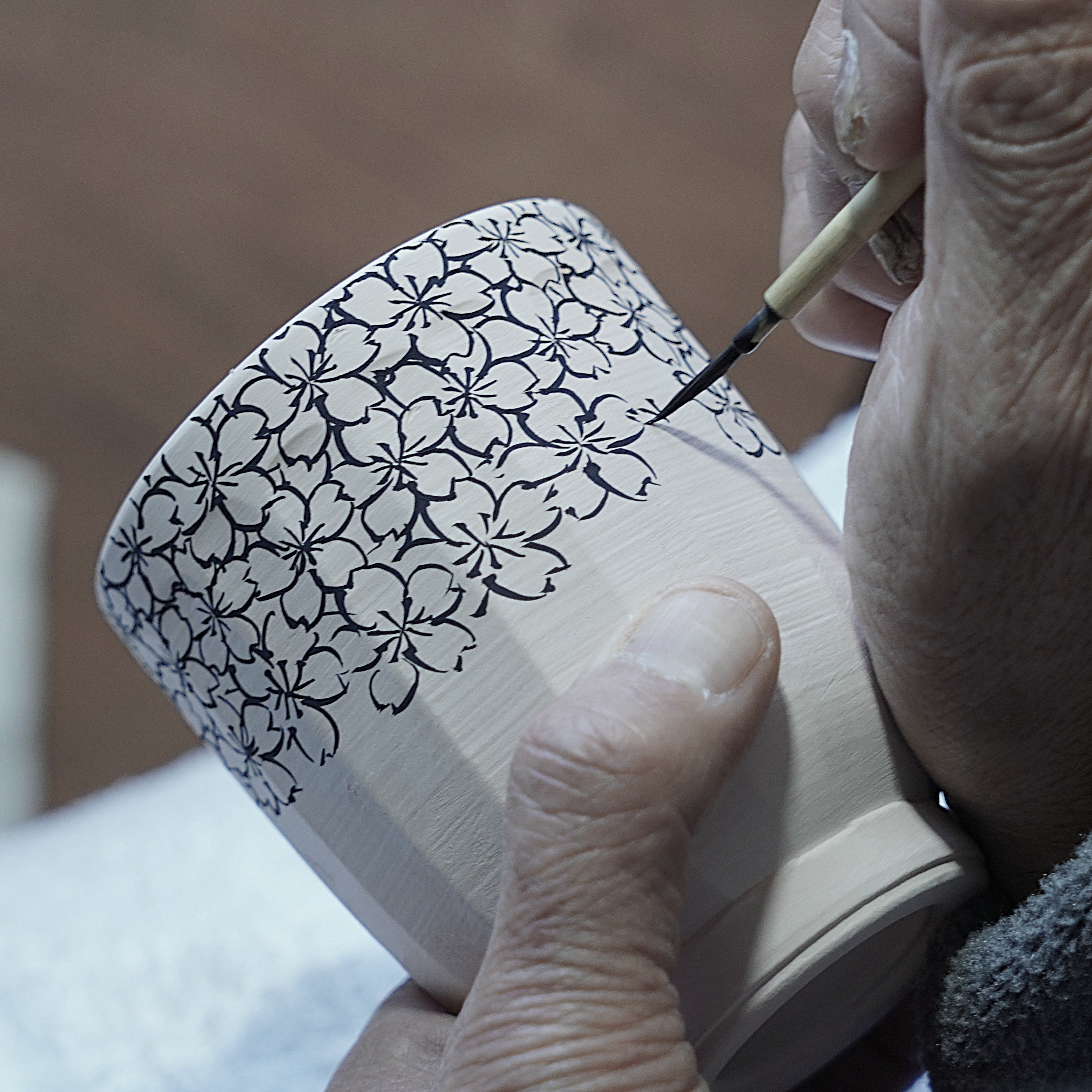
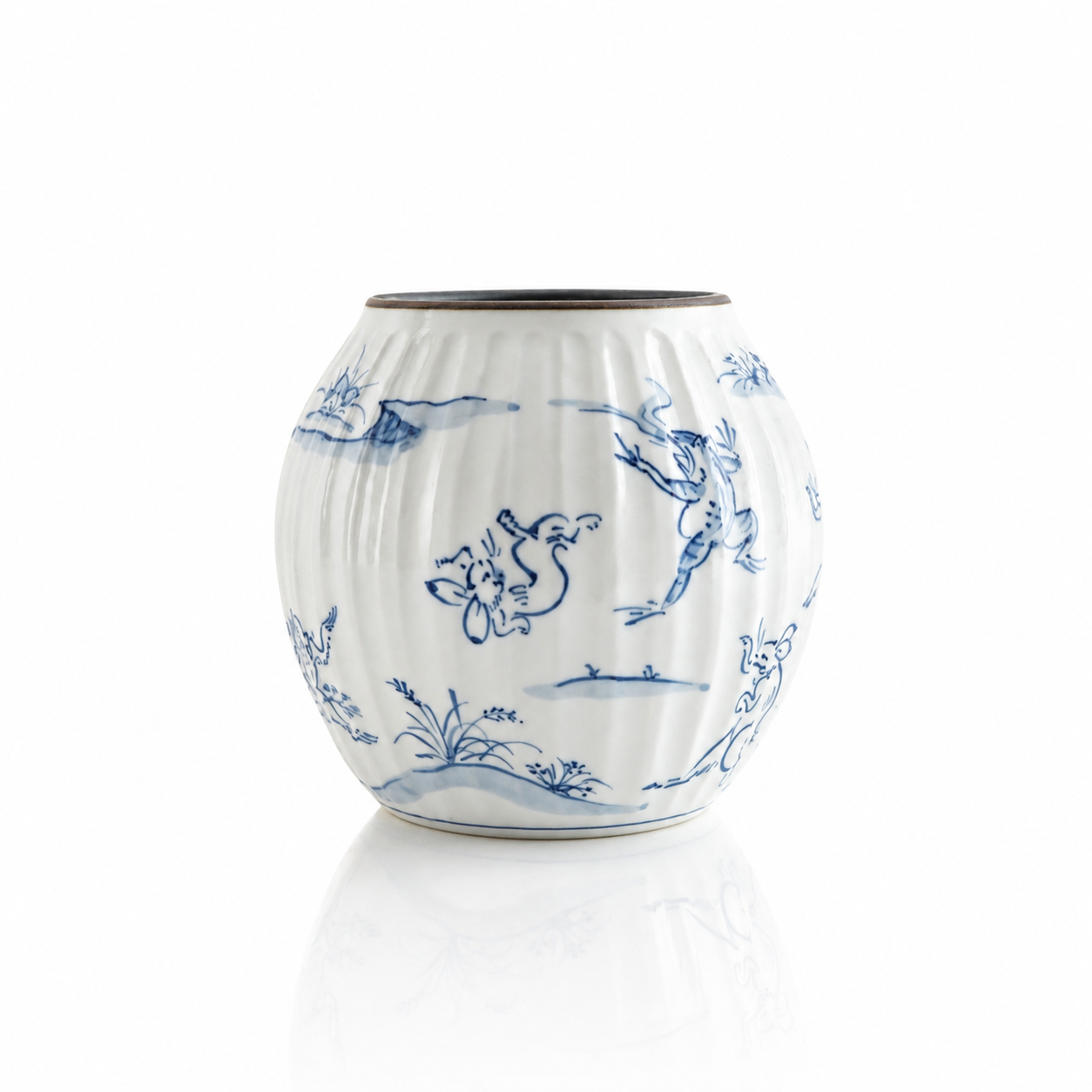
تتميز هذه المزهرية بقاعدة بيضاء مزينة بنقوش زرقاء مرسومة عليها.
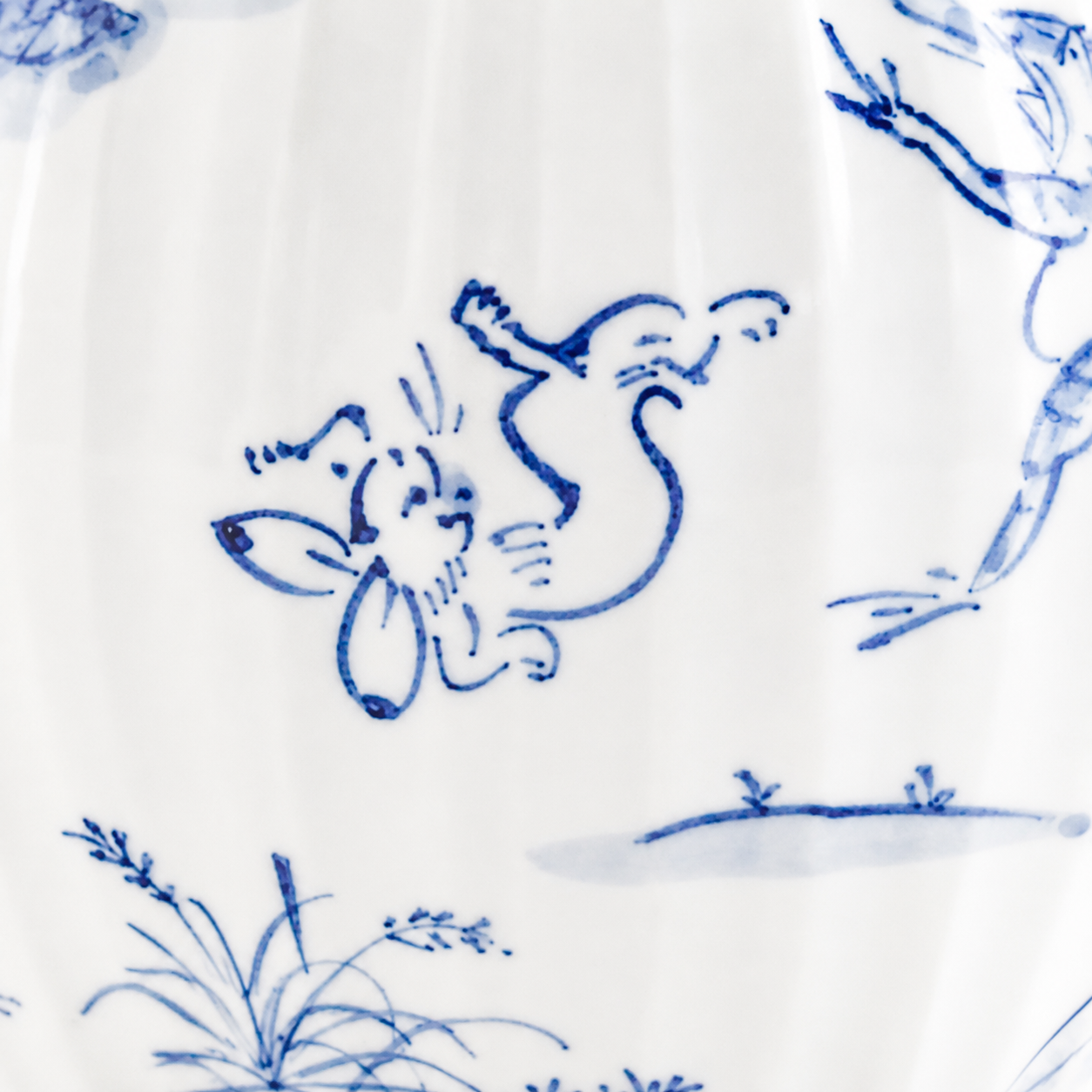
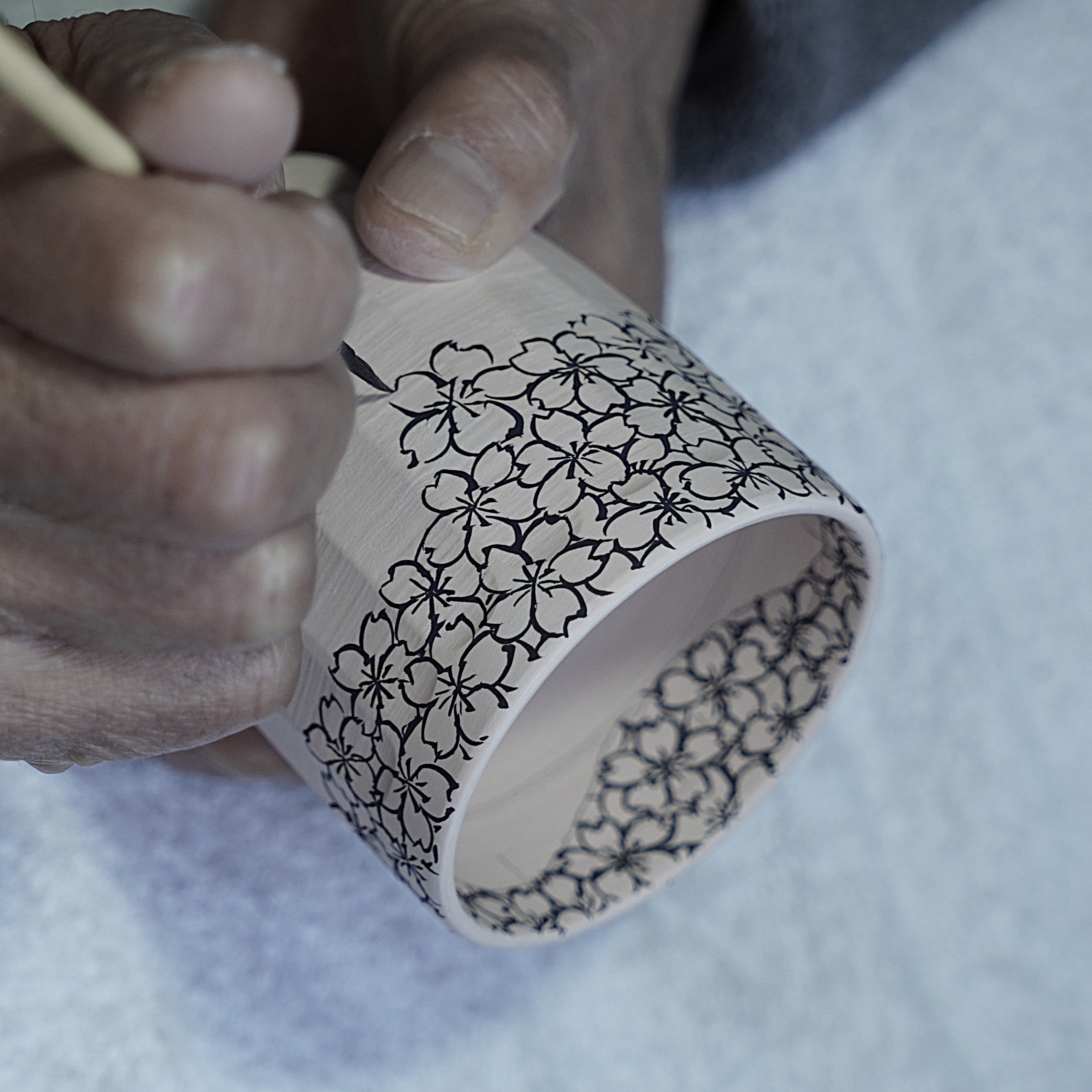
يعتمد تصميم هذه المزهرية على لوحة تمثيلية لـ "رسومات الطيور والحيوانات والبشر الساخرة"، وهي كنز وطني من معبد كوزانجي في كيوتو، وقد رسمها الحرفيون يدويًا بالكامل. ويجعلها اللون الأبيض الأساسي مناسبة لأي غرفة.
لماذا لا تستمتع بعمل فني لأحد الكنوز الوطنية الحية في منزلك؟
SIZE
العرض:19 سم
العمق:19 سم
الارتفاع:16.5 سم
الوزن:1,296 جم
MATERIAL
طين
ICHIRAKUGAMA
"Not focusing on making right choice, but make it right after the decision"
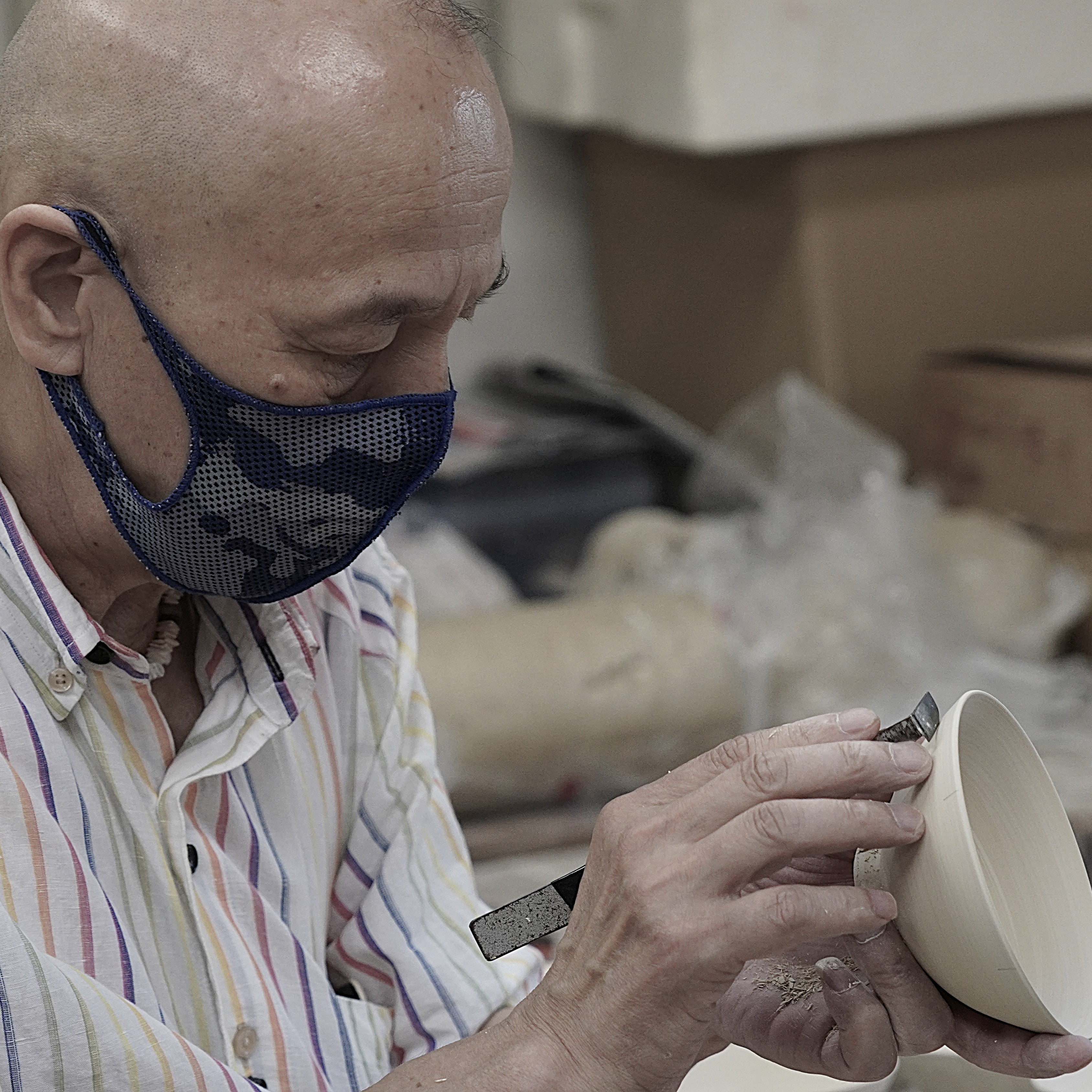
Once I take my first step onto the path of craftsmanship, I intend to put forth the utmost effort I have and get down to work on production. I want to establish my own style while preserving the techniques that have been passed down from my family, and I want to grow so that I can be proud of myself for having become a craftsman.
ARTISAN STORY
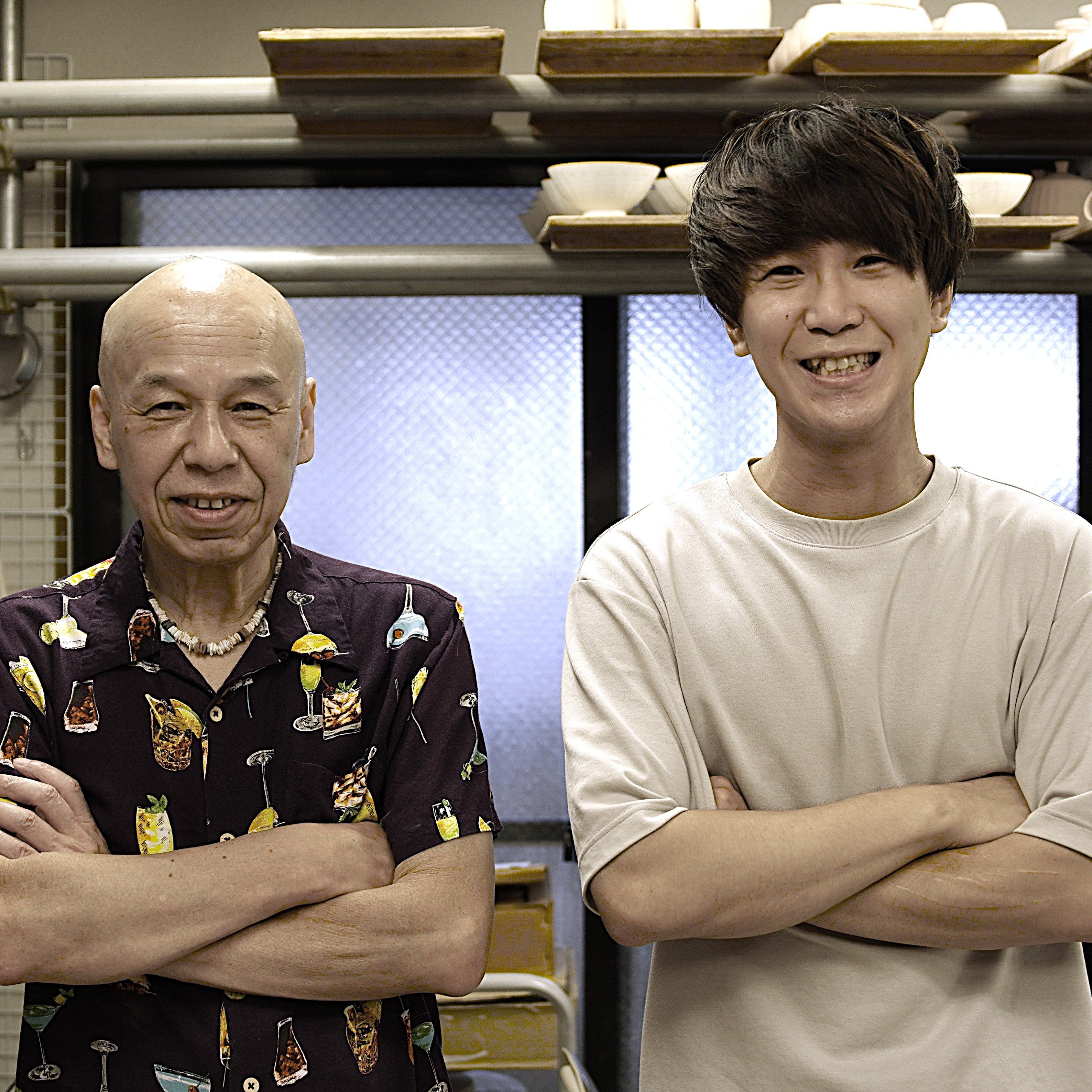
Yuya Yamamoto / Ichirakugama
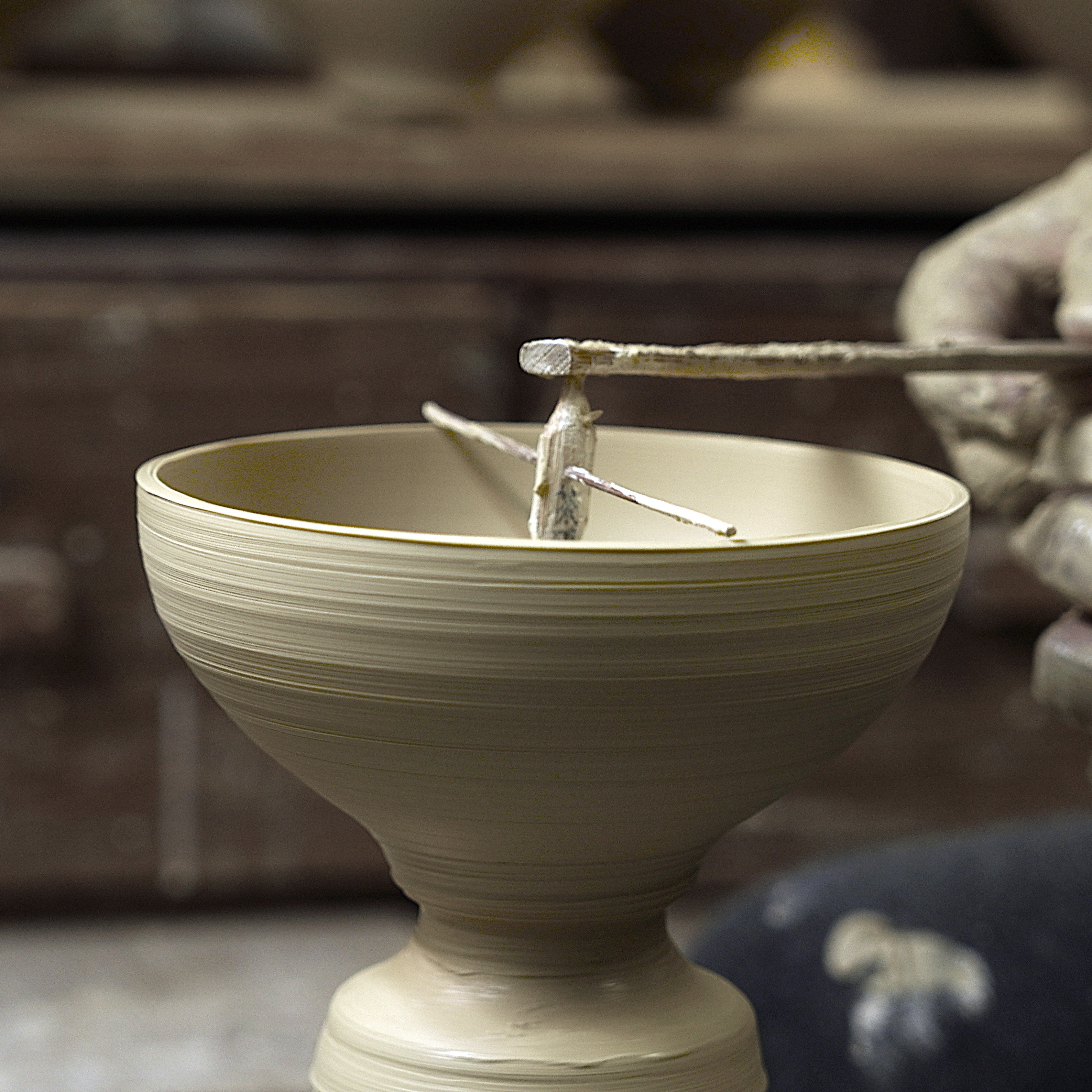
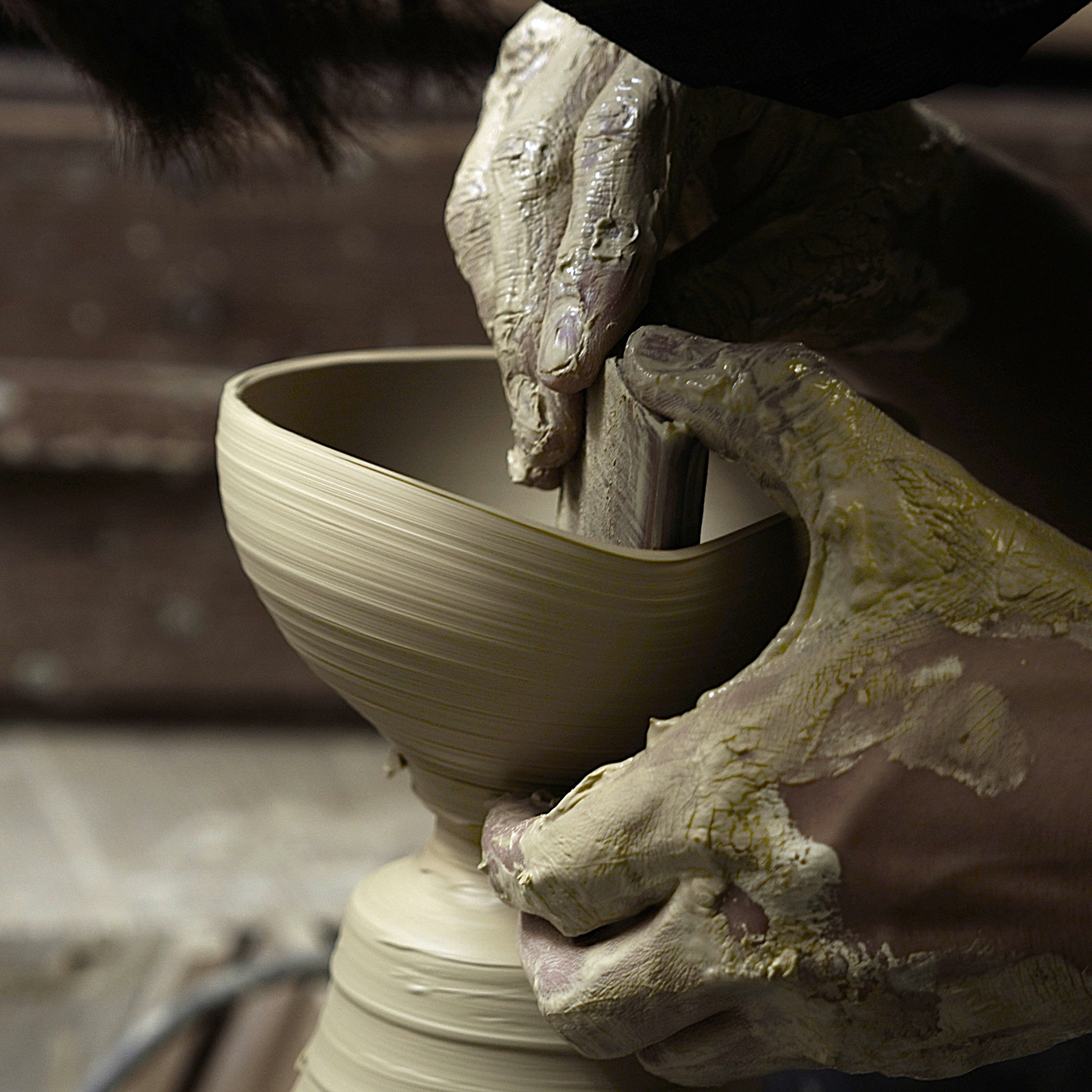
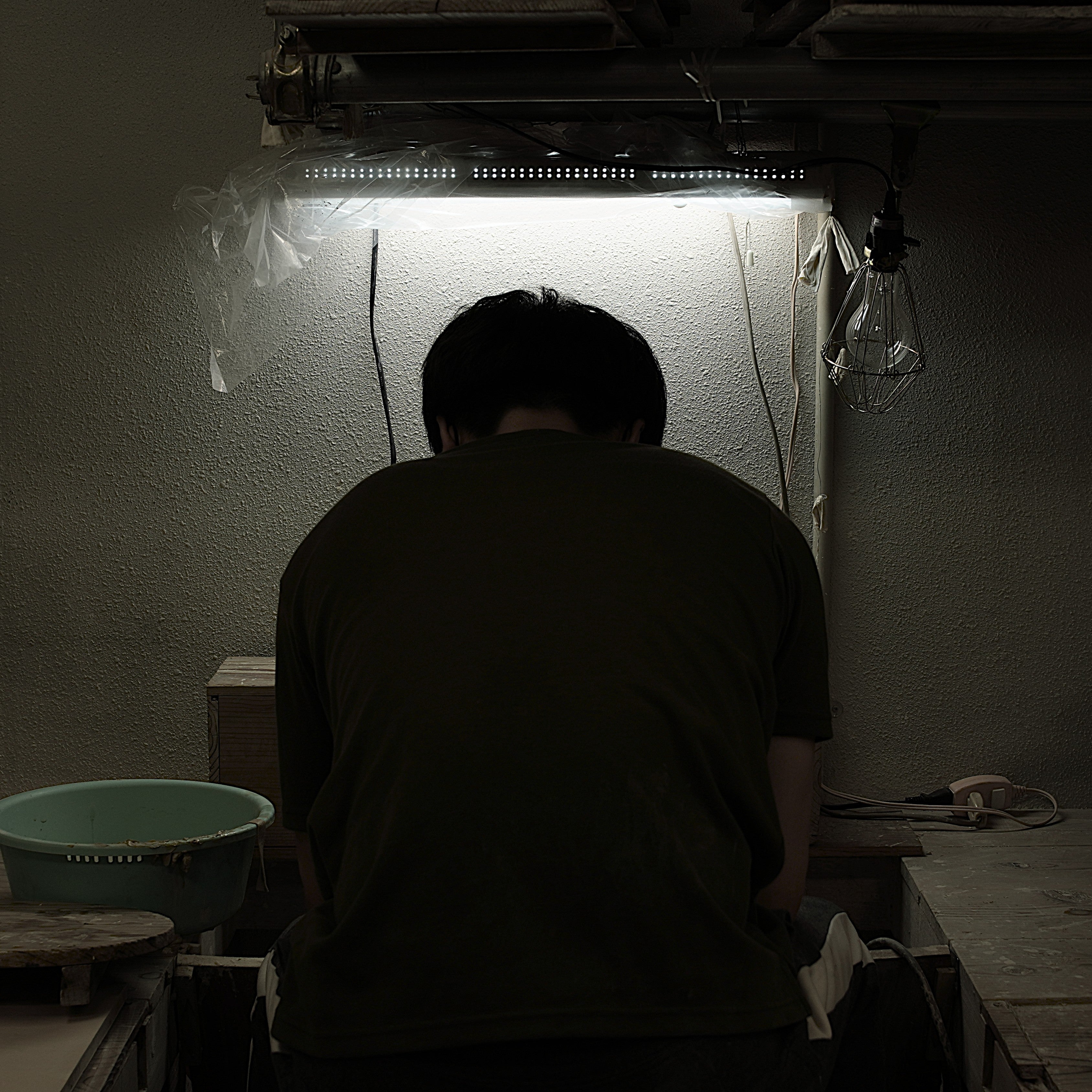
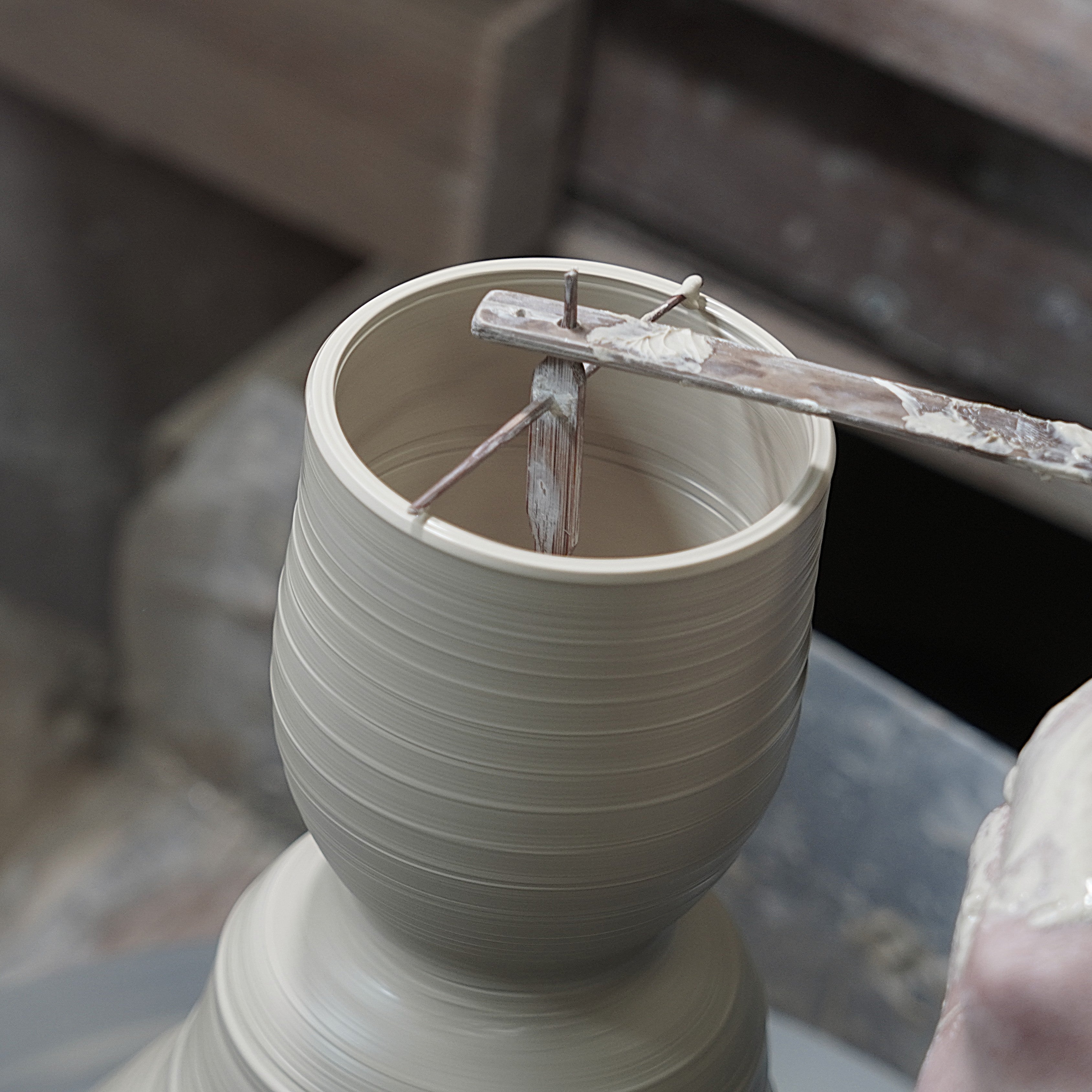
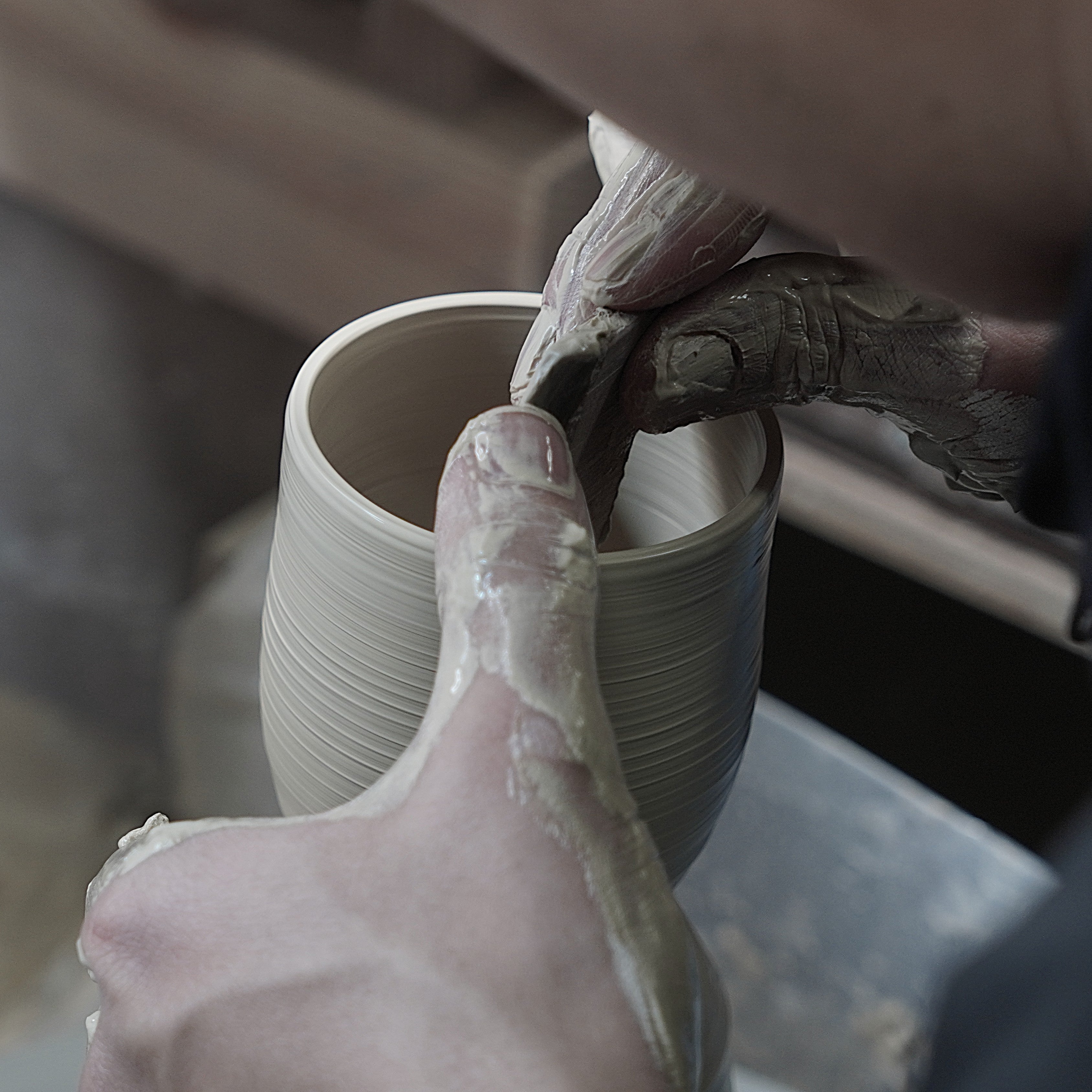
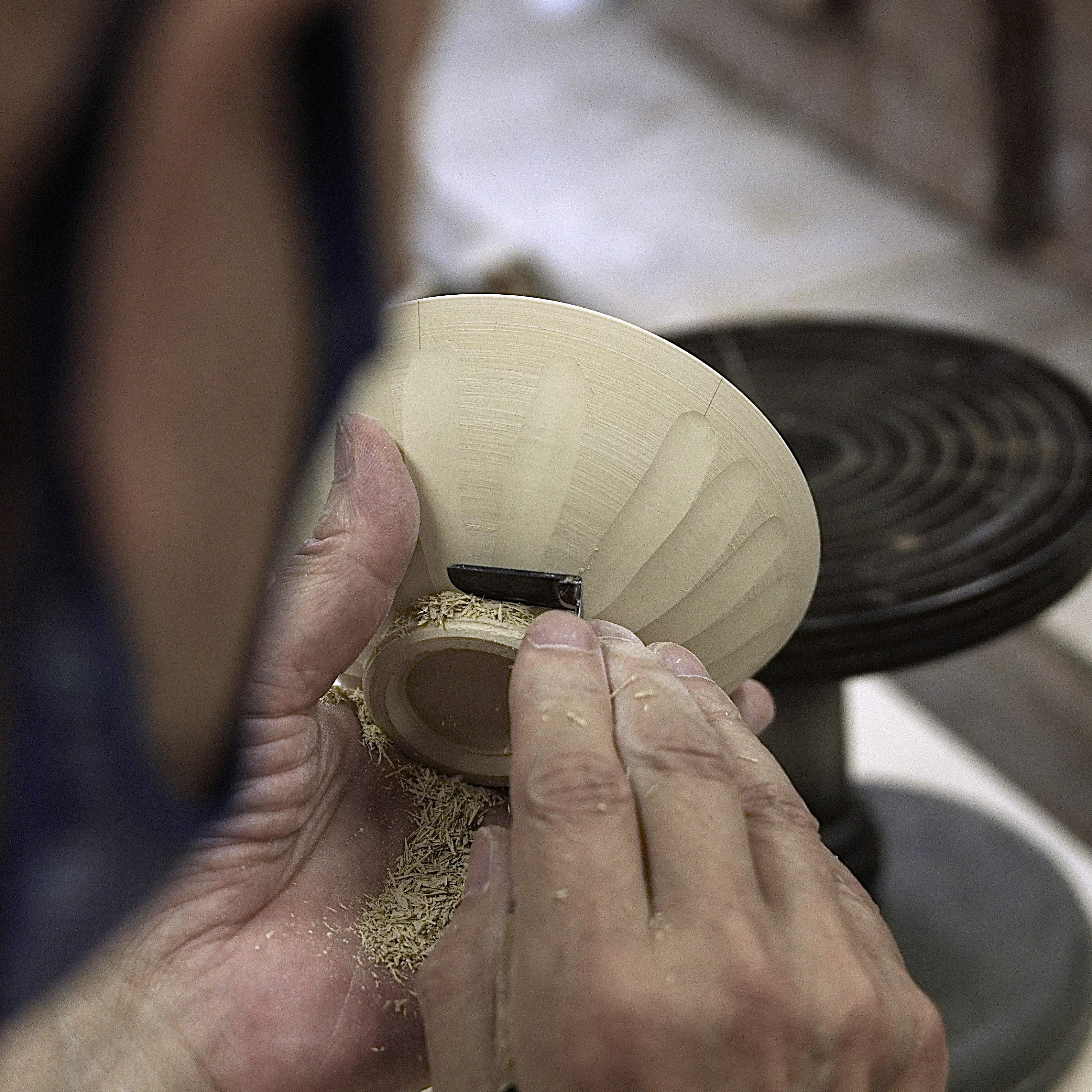
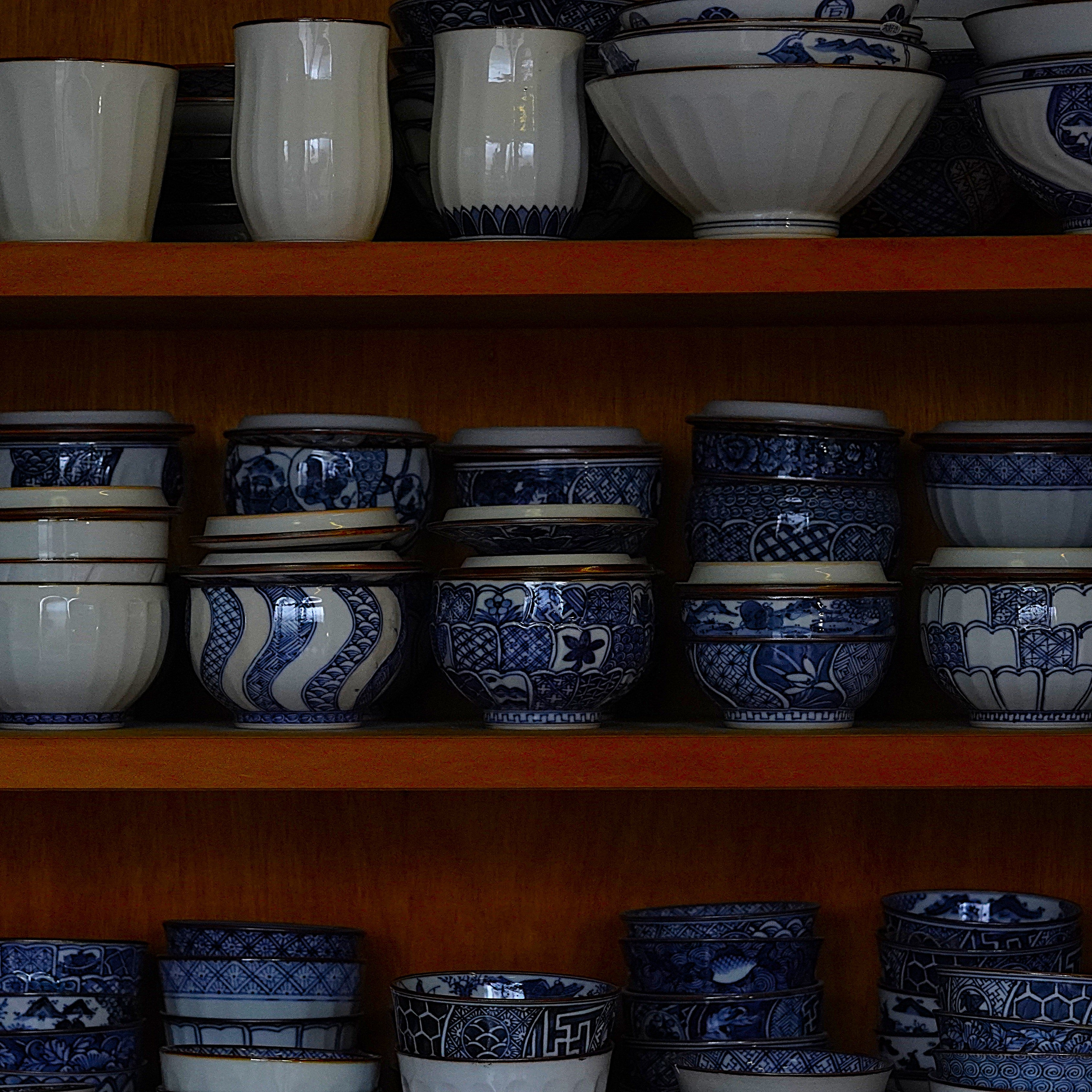
The third generation of Ichirakugama potters has been studying Kyo ware & Kiyomizu ware pottery under the second generation of Ichirakugama potters, who took over the name "Ichirakugama" in Kyoto in 1990. He is a hardworking individual who studies glazes at a research center in addition to his daily work. He mainly produces tableware used in prestigious Japanese restaurants and has an established reputation among many of his clients. His works are characterized by blue and white tones.
KYO WARE & KIYOMIZU WARE
About 1,200 years ago / 800s / Heian Period (794–1185)
Kyoto ceramics reach back to kilns operating before and during the Heian period, then expanded with tea culture in the Muromachi and Momoyama eras. In the seventeenth century, Nonomura Ninsei perfected brilliant overglaze decoration, followed by innovators such as Ogata Kenzan, Okuda Eisen and Aoki Mokubei, whose diverse approaches shaped today’s Kyo and Kiyomizu ware.
In Japan, these ceramics are famous precisely because there is no single fixed style. Tea bowls, kaiseki dishes and everyday tableware may use overglaze painting, blue-and-white decoration, gold, sancai-inspired color and many other techniques. The craft sits at the heart of Kyoto’s culture of pairing vessels with cuisine and tea.
The surprising point is that Kyoto was never defined by a single major clay deposit. Potters drew on materials such as Amakusa porcelain stone, techniques arriving from other regions, and the tastes of artists and patrons gathered in the capital. Freedom from one local material helped make Kyoto ceramics unusually hybrid and stylistically diverse.
الاختلافات الفردية
نظرًا لأن كل قطعة تُصنع يدويًا بشكل مستقل، فقد تطرأ اختلافات طفيفة في اللون والنمط والشكل والملمس. وتُعد هذه الاختلافات الدقيقة من الخصائص الطبيعية للأعمال اليدوية، ما يجعل كل قطعة فريدة من نوعها حقًا. نأمل أن تستمتعوا بهذه الاختلافات الفردية كجزء من جمال الحرفية اليابانية وطابعها المميز.
مدة الإنتاج
إذا لم يكن المنتج متوفرًا في المخزون حاليًا، فقد يقوم الحرفي بتصنيعه حسب الطلب. ونظرًا إلى أن كل قطعة تُصنع يدويًا بعناية، فقد يستغرق الإنتاج عدة أشهر، وذلك حسب المنتج وجدول الحرفي. نقدر صبركم وتفهمكم.

Optionen auswählen