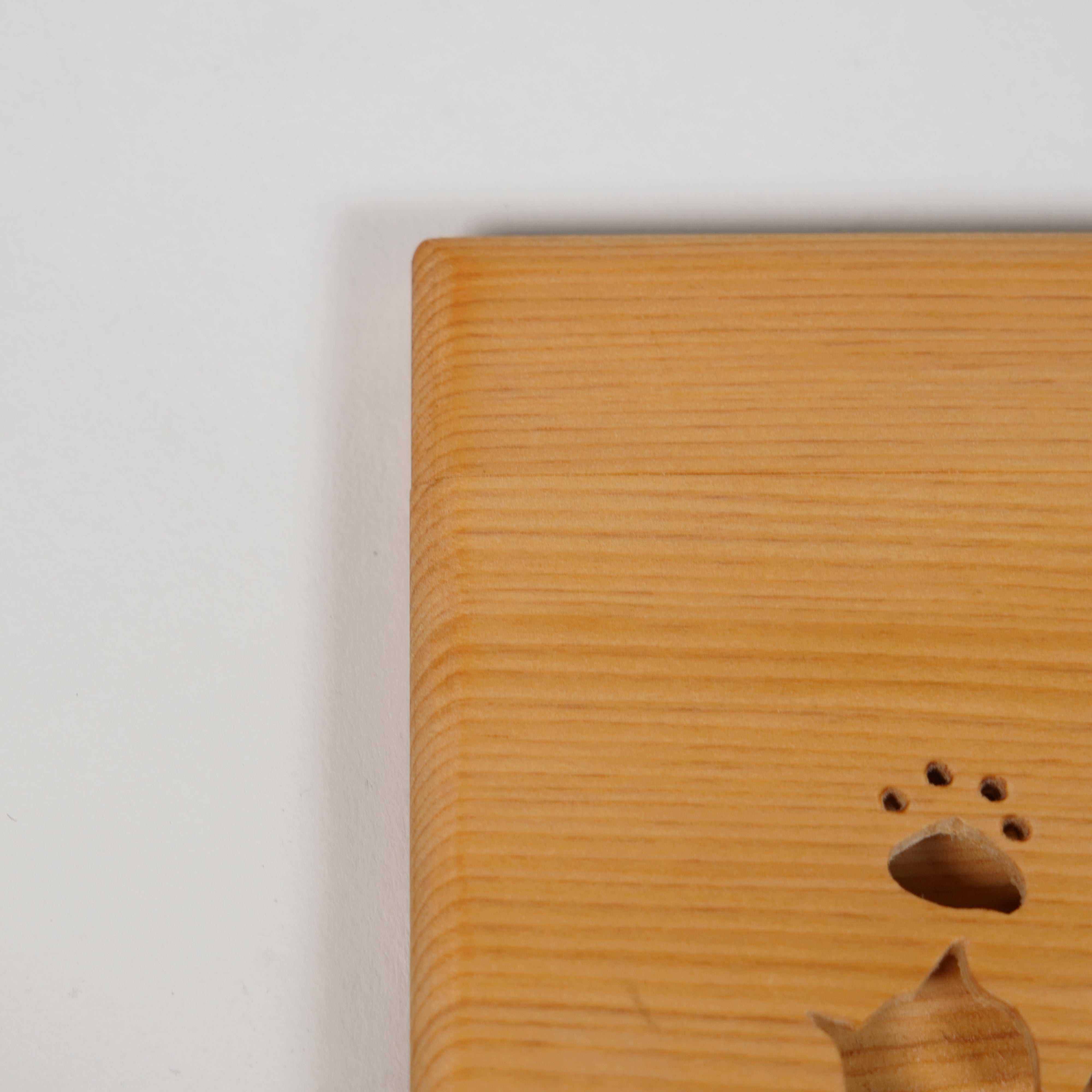
Kartenkoffer / Katze
DESCRIPTION
DETAILS
SIZE
MATERIAL
ARTISAN
KOGEI
Caution
Kartenkoffer / Katze
Angebot$102.00
Optionen auswählen
Kartenkoffer / Katze
Angebot$102.00
Land
Sprache
Warenkorb
Dein Warenkorb ist leer
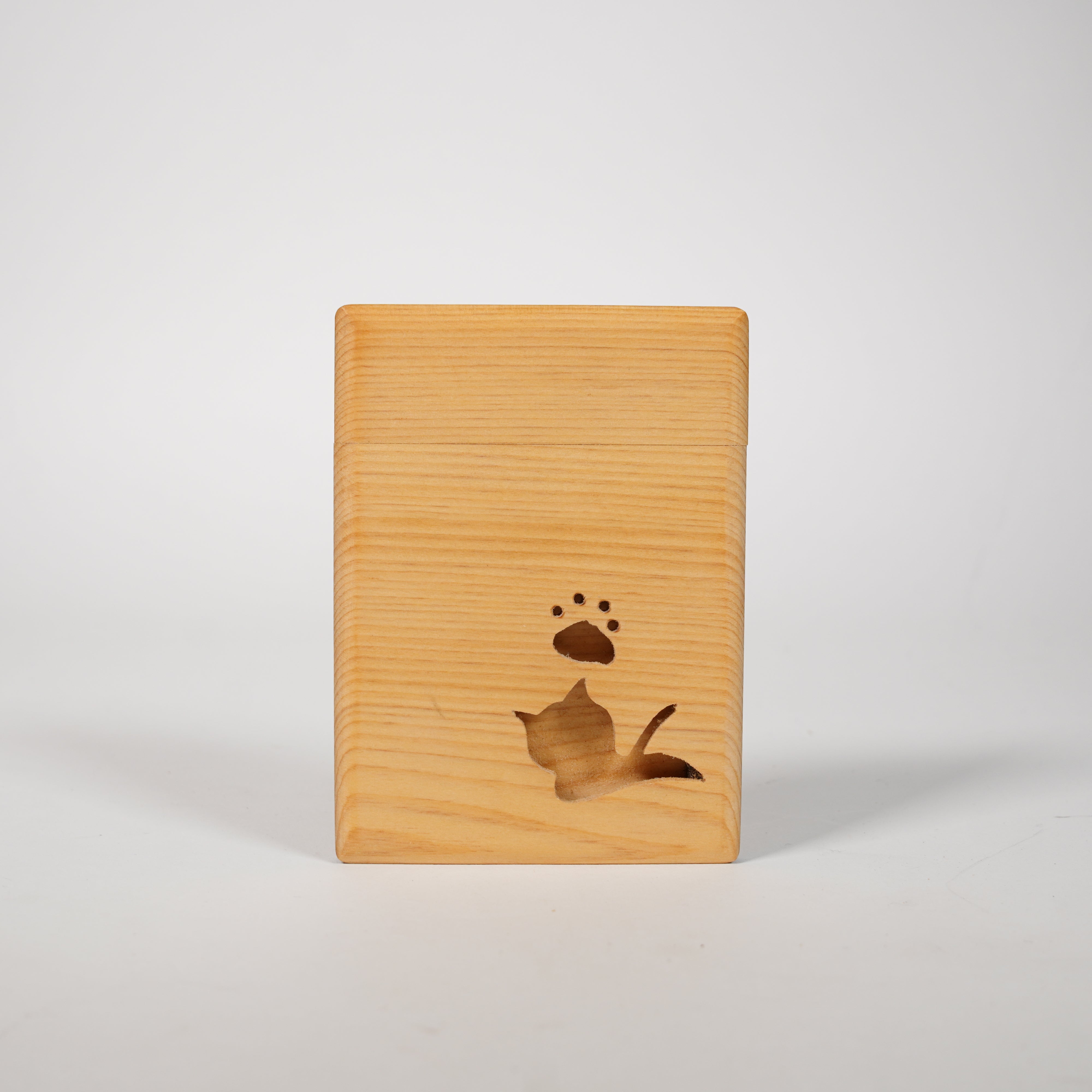
This card case is made using the technique of Kyo Sashimono. It expresses a cute cat.
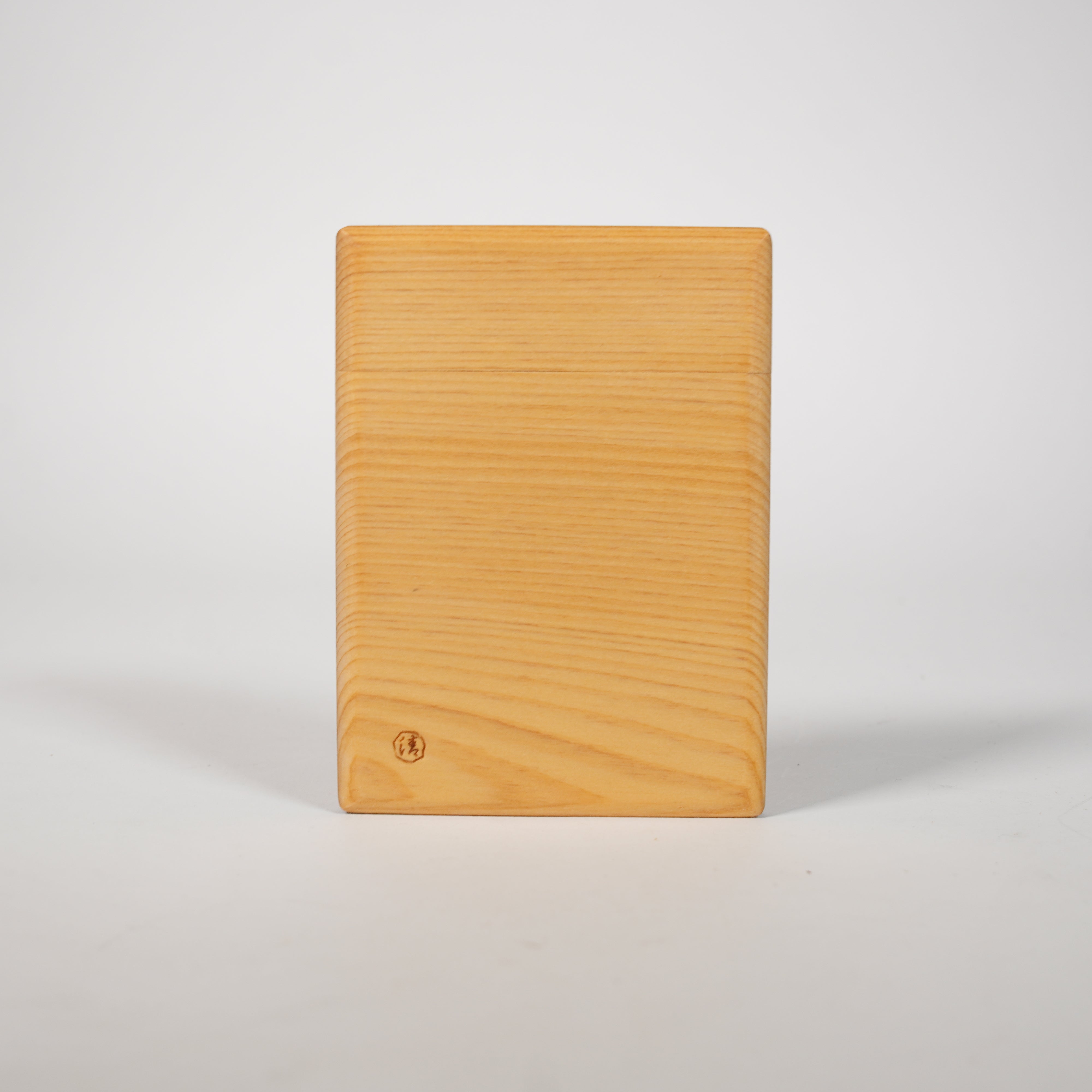
There is no two pieces of wood that have exactly the same grain, which making it a one-of-a-kind product.
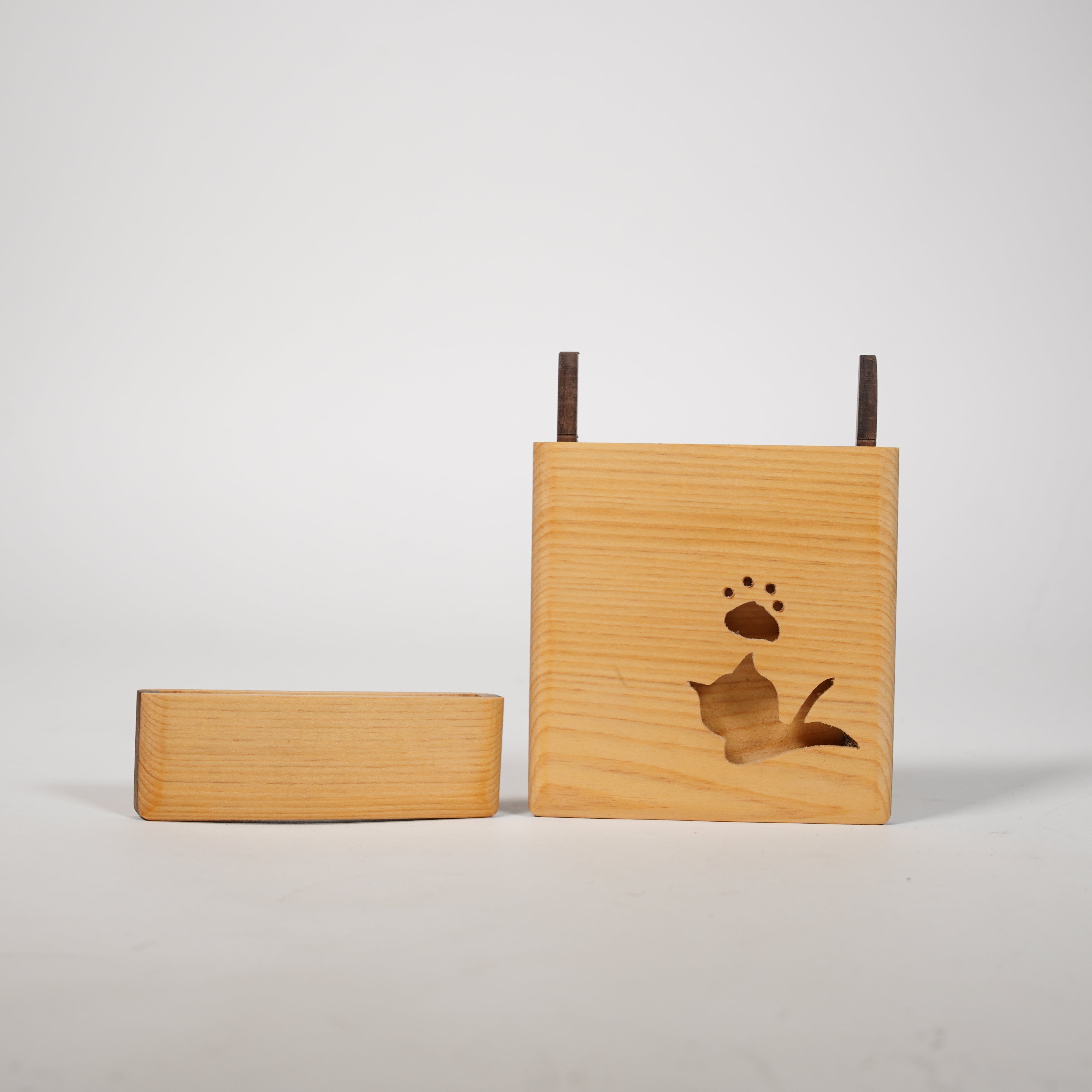
It is precisely made, and the lid closes so snugly. Please take it in your hand and experience the art of Kyo Sashimono.
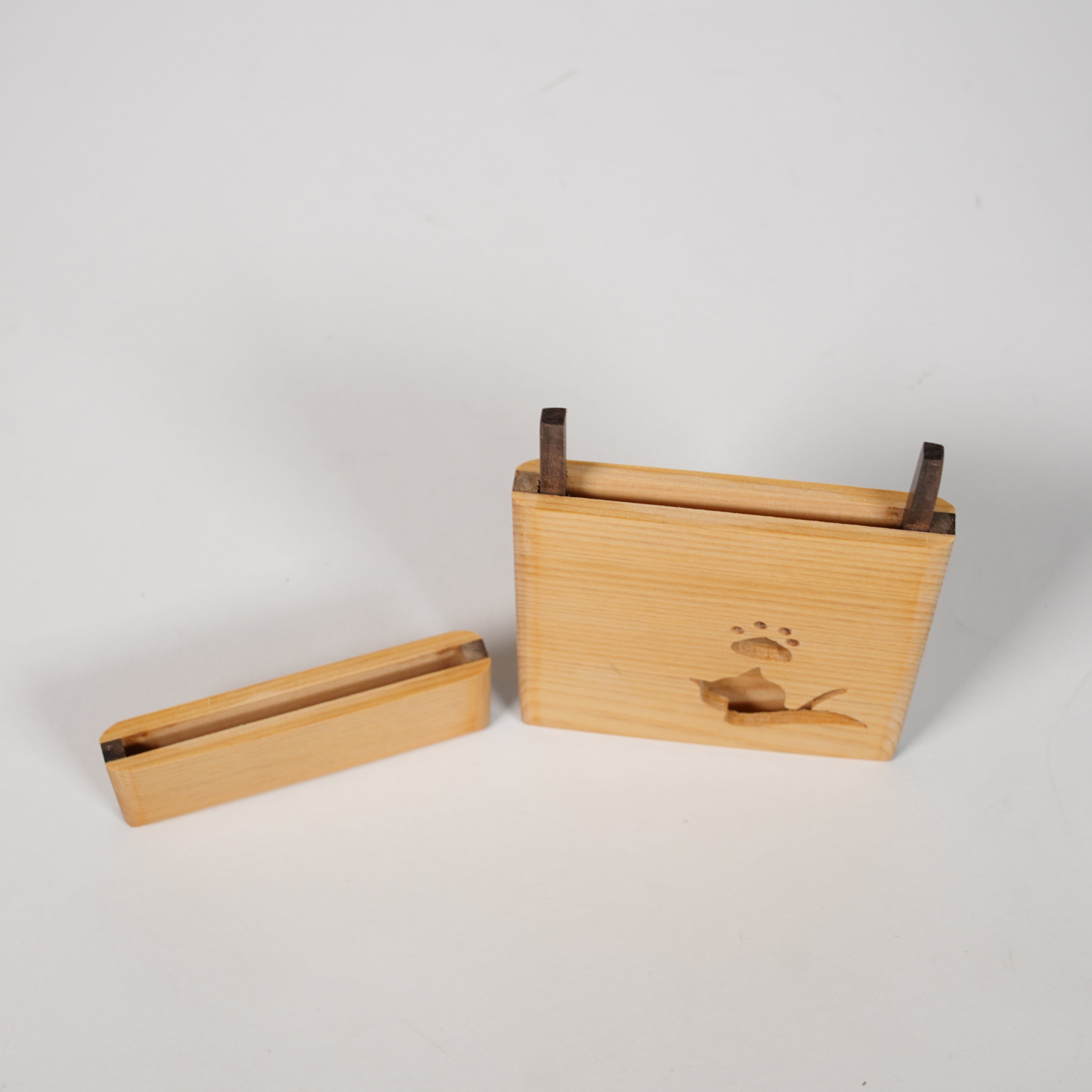
It can hold about 15 business cards, depending on the thickness of the paper.
No nails is used!?
The wooden parts are made without using any nails, and are made by making uneven surfaces on the wooden parts and combining them elaborately.
Even though no nails are used, it is strong and can be used for decades.
SIZE
Width:7.5cm
Depth:1.3cm
Height:10.5cm
Weight:31g
MATERIAL
Wood
HAKOSHICH KOUBOU
"Learn Something New Everyday"
I am never conceited that I am skillful craftsman, and I think that every day is a learning experience.
Even though I keep making mistakes, I want to make better products to please my customers.
I am making my work every day in order to convey the charm of Kyo-Shinamono to many people and to protect traditional techniques.
ARTISAN STORY
Takashi Shimizu
He was born in Kyoto and entered the world of Kyoto wood joinery (Cabinetwork) when he was 10 years old. His father gave him a Kanna (A plane) for his birthday which made him interested in this crafts.
He is a craftsman who mainly produces Kyoto wood joinery (Cabinetwork), especially tea ceremony utensils and box-shaped utensils.
ACHIEVEMENTS
・Won a prize at the Tea Ceremony Art Contest
・Kyoto Wooden Crafts Exhibition - Mayor of Kyoto Award
・Honorable Mention, Kyoto Wood Craft Exhibition
・Kyoto Wood Craft Exhibition, Kyoto Governor Prize
KYO SASHIMONO / KYOTO WOOD JOINERY
About 1,200 years ago / 800s / Heian Period (794–1185)
Kyo sashimono grew from wooden furnishings made for the Heian court and temples. Specialist joiners emerged by the Muromachi period, while the rise of tea culture created demand for precise shelves, boxes and incense utensils. During the Edo period, the same skills expanded into furniture for prosperous townspeople.
In Japan, the craft is respected less for showy carpentry than for understanding the behavior of wood and building structures meant to last. Joints rather than metal nails do much of the work, and materials such as paulownia, cedar and mulberry are selected and finished according to purpose.
A particularly Kyoto-like feature is that sashimono often becomes a collaborative art. Lacquerers, mother-of-pearl specialists, decorative metalworkers and even celebrated painters may contribute to a single piece. The furniture becomes a synthesis of many crafts, reflecting Kyoto’s long role as a crossroads of specialized makers.
Individual Differences
As each piece is individually handcrafted, slight variations in color, pattern, shape, and texture may occur. These subtle differences are a natural characteristic of handcrafted works, making each piece truly unique. We hope you will enjoy these individual variations as part of the beauty and character of Japanese craftsmanship.
Production Time
If an item is not currently in stock, it may be made to order by the artisan. As each piece is carefully handcrafted, production may take several months depending on the item and the artisan's schedule. We appreciate your patience and understanding.
Optionen auswählen