KUTANI WARE
About 370 years ago / 1650s / Edo Period (1603–1868)
Kutani ware is traditionally traced to a kiln established in Kutani village around 1655 under the Daishoji domain. The first Ko-Kutani production ended after only several decades, but a nineteenth-century revival created a series of influential kilns—Kasugayama, Yoshidaya, Miyamotoya and others—and established the broad family of styles known today.
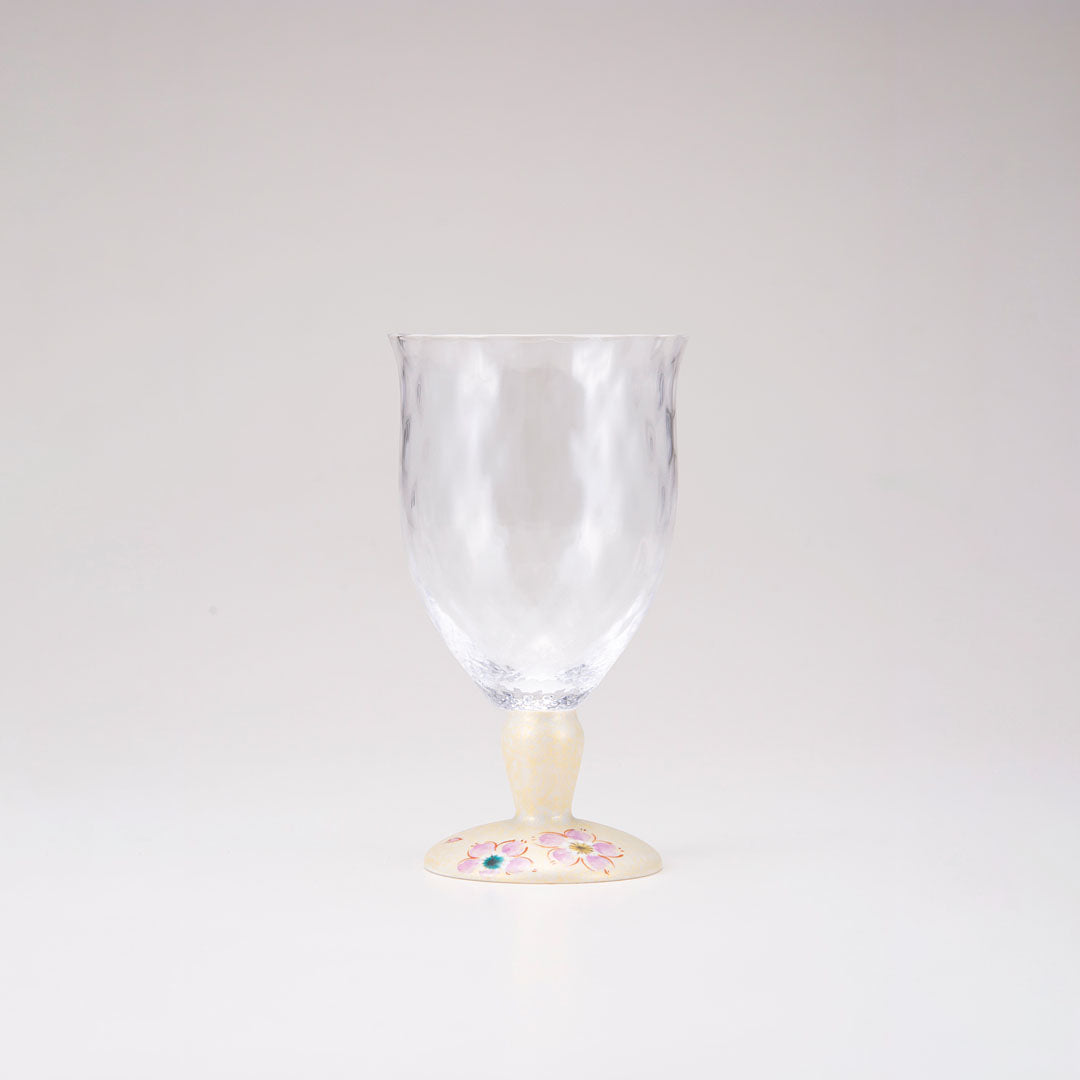
In Japan, Kutani is immediately associated with bold overglaze color, often covering much of the vessel. It remains popular for gifts and display pieces, while contemporary artists work in very different traditions, including aka-e red painting, aode green-dominant decoration and extensive gold.
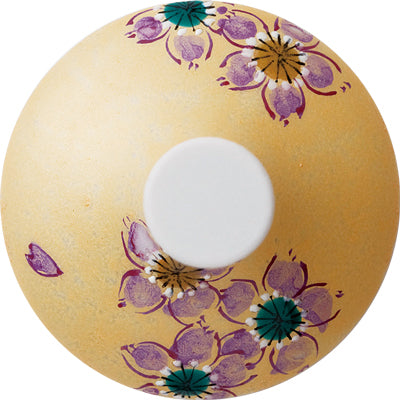
The classic palette is known as the Kutani Five Colors: deep blue, green, yellow, purple and red. Aode pieces can almost eliminate red and saturate the surface with green and yellow. Few ceramic traditions contain so many distinct “schools” of painting under a single regional name.