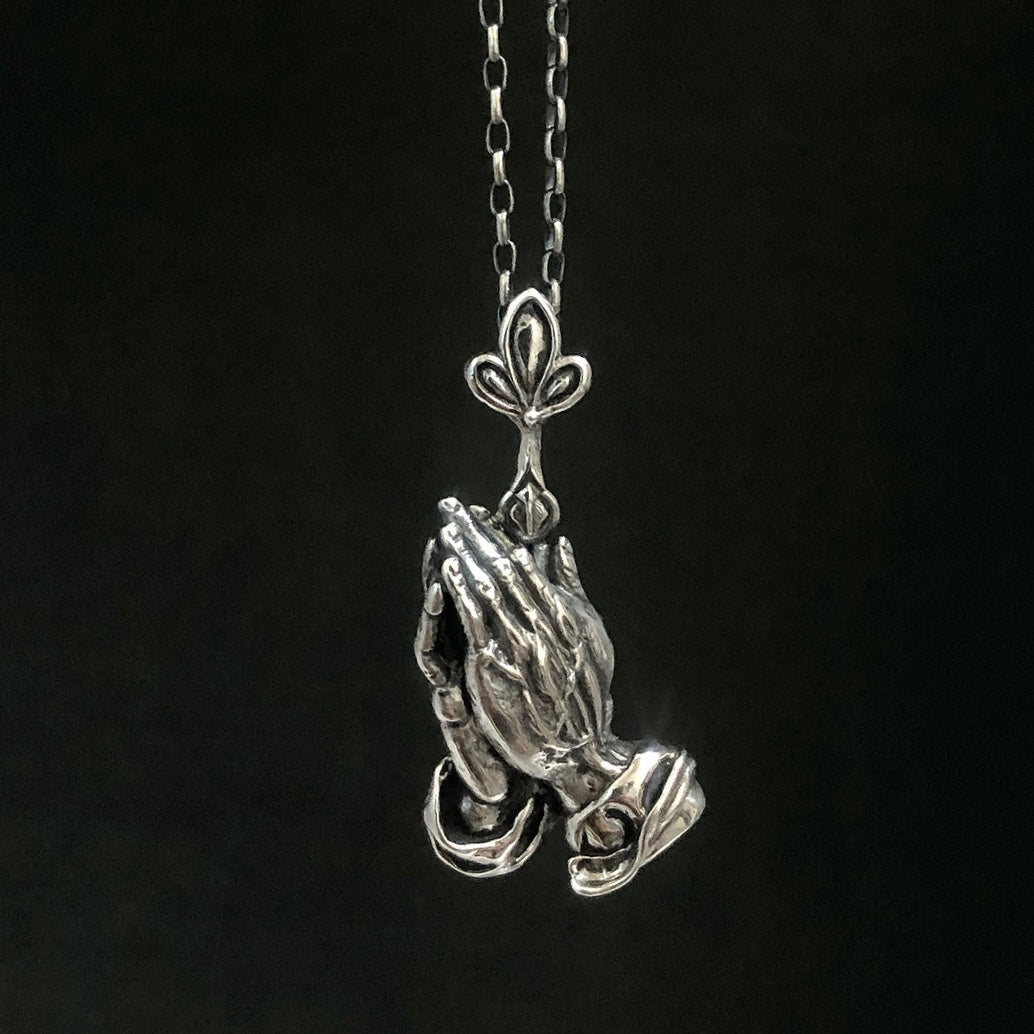
TOKYO CHOKIN / TOKYO METAL ENGRAVING
About 400 years ago / 1600s / Edo Period (1603–1868)
Tokyo metal engraving grew from the sword-fitting specialists concentrated in Edo, who carved and inlaid tsuba, menuki and other small components with extraordinary precision. After the Meiji sword ban, many redirected their abilities toward tobacco accessories, vases, jewelry and Western-style metalware.
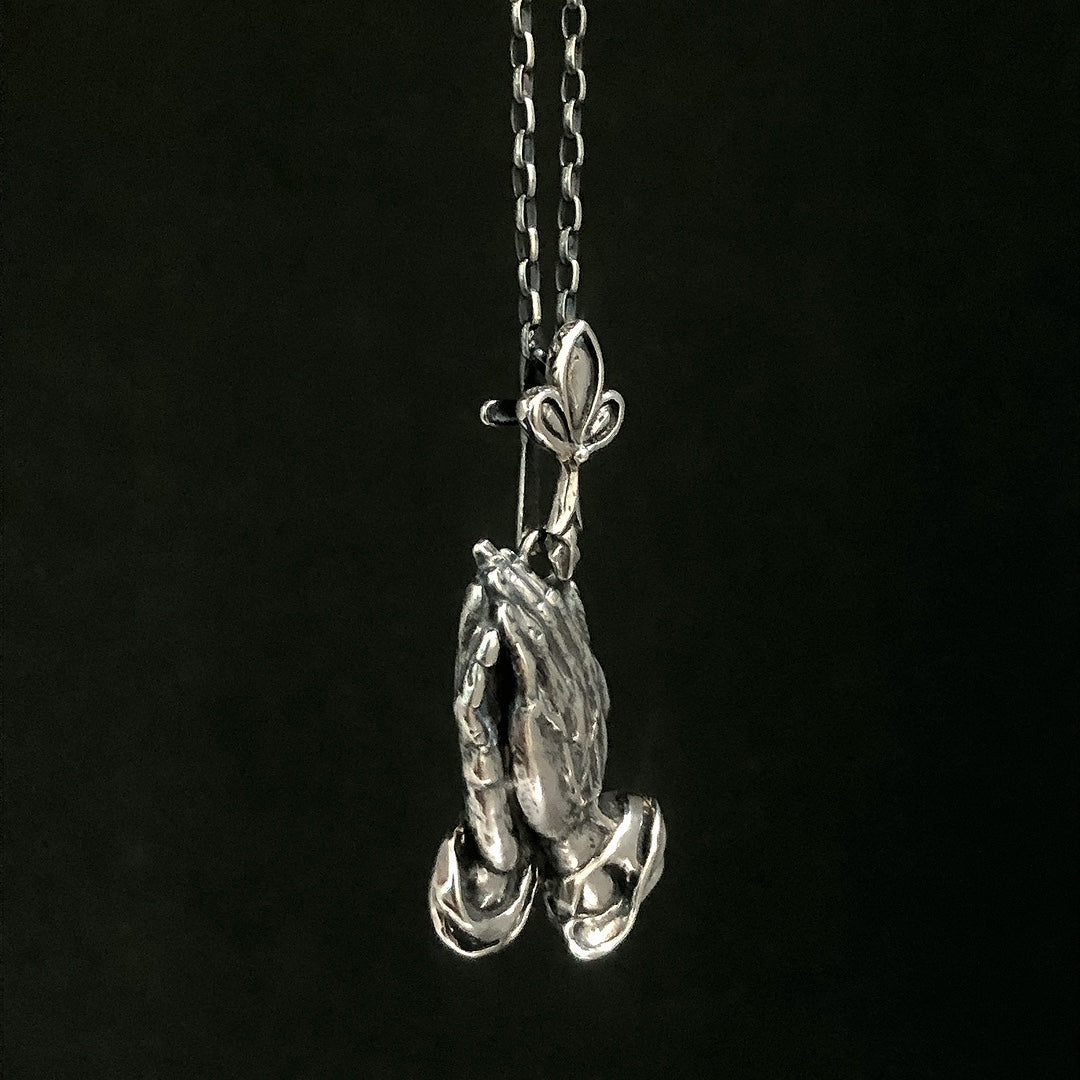
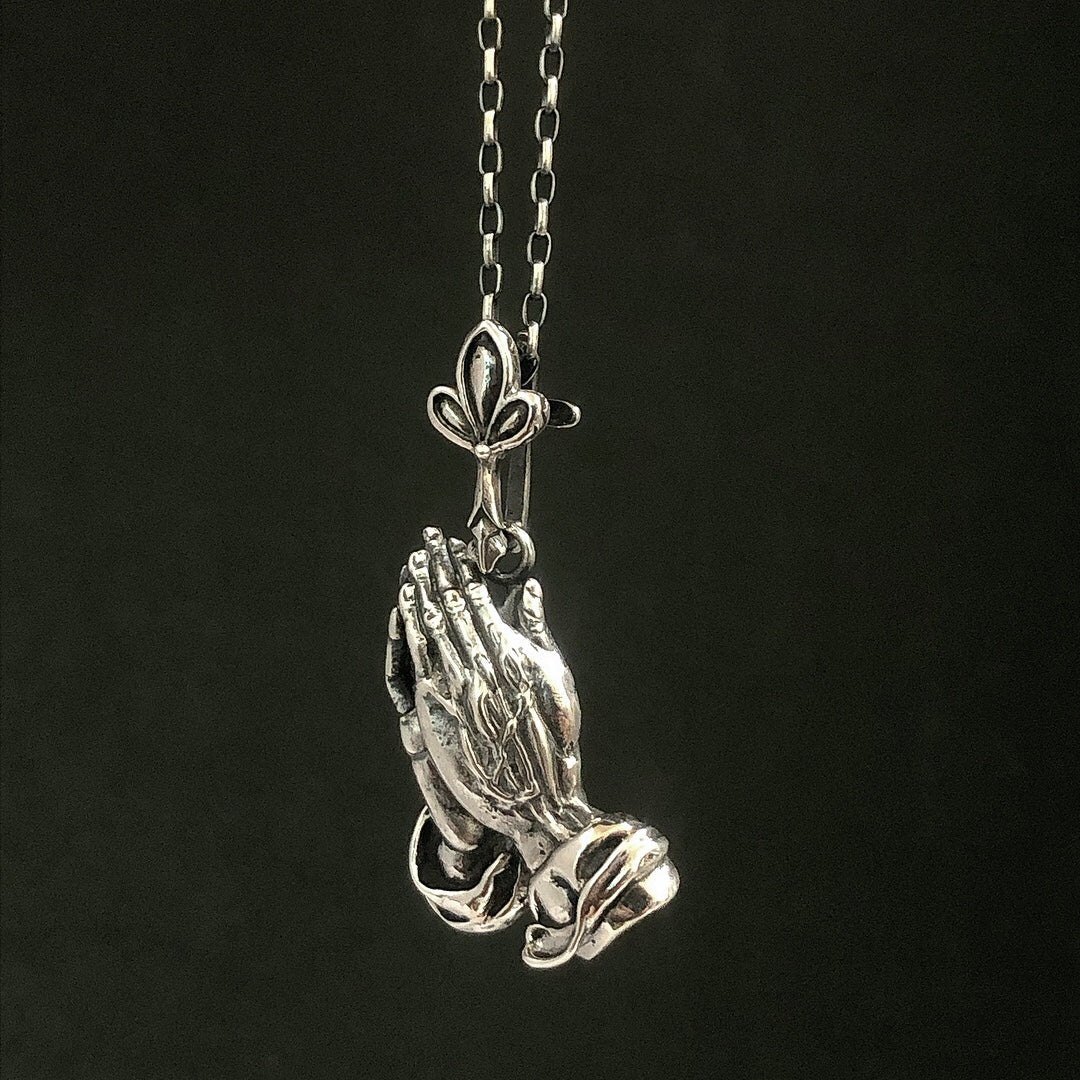
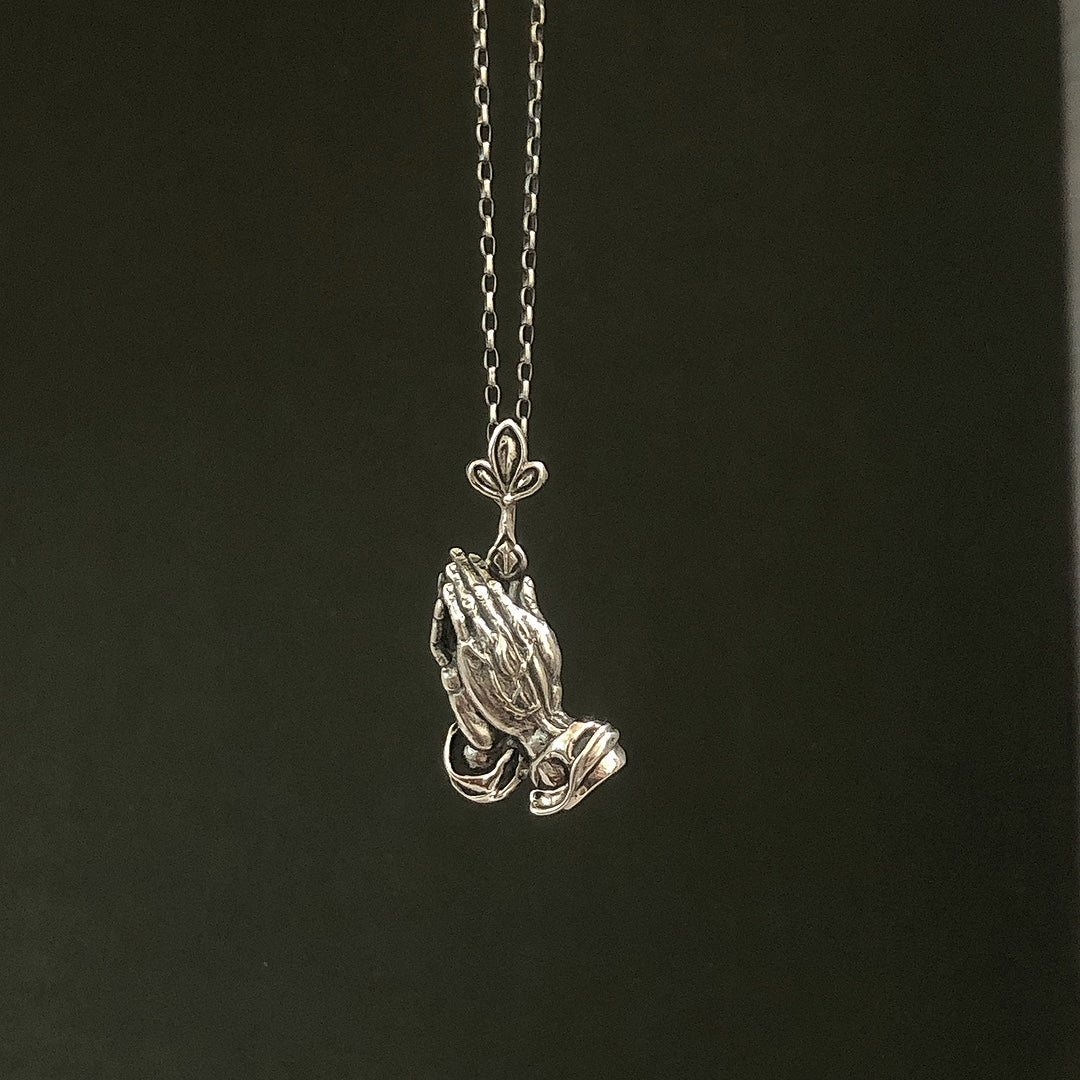
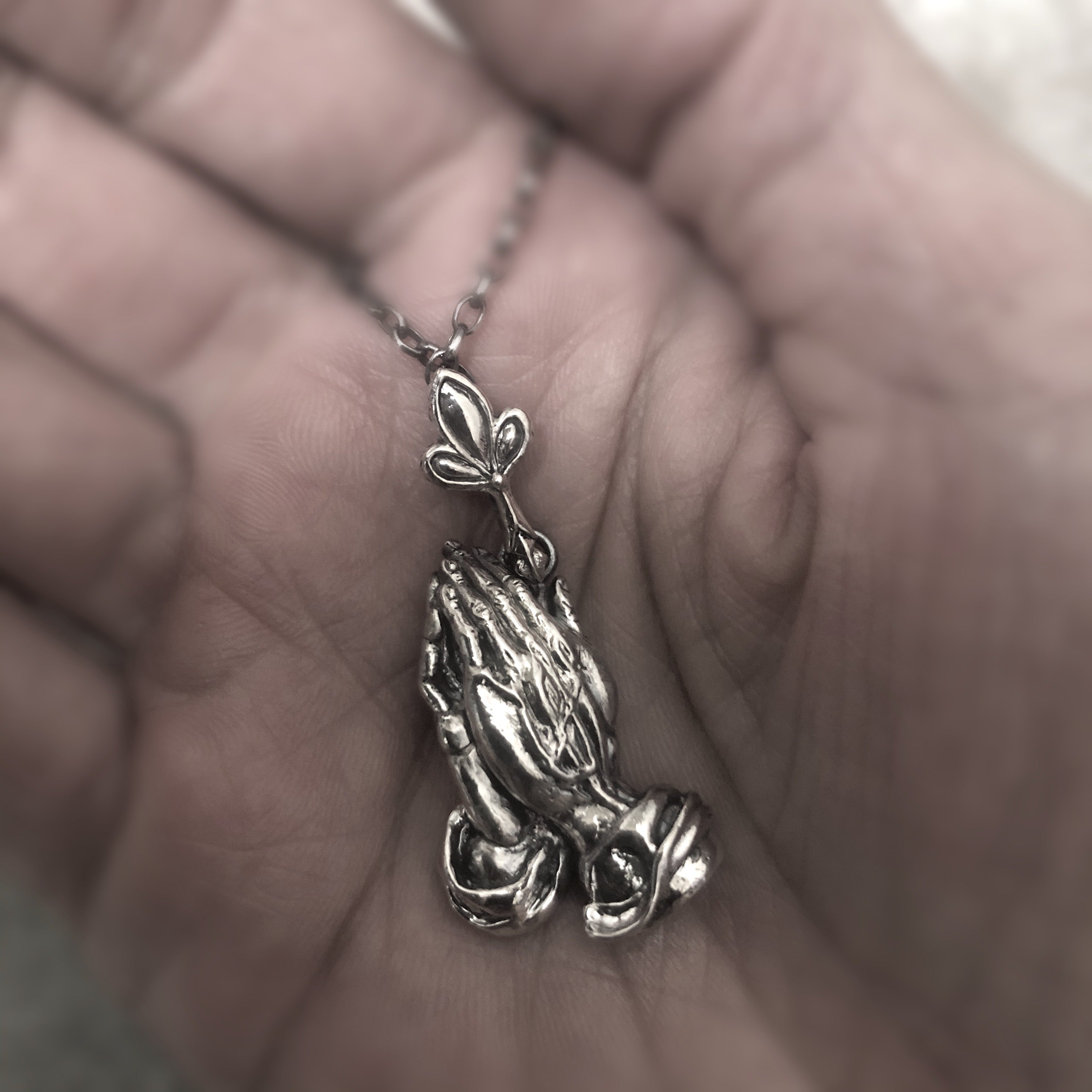
In Japan, Tokyo chokin is valued for visible handwork—lines, textures and relief produced directly with small chisels. Contemporary makers apply these skills to jewelry, vessels and sculpture, moving freely between traditional motifs and modern form.
A chisel is not a single standardized tool. Craftspeople may use dozens or hundreds with different tips for cutting lines, punching dots, texturing fields or moving metal. Many forge and reshape the chisels themselves, so toolmaking is not separate from the craft; it is the foundation of the finished work.