Silberring / Olivenblume
DESCRIPTION
DETAILS
SIZE
MATERIAL
ARTISAN
KOGEI
Caution
Silberring / Olivenblume
Angebot₩302,000
Optionen auswählen
Silberring / Olivenblume
Angebot₩302,000
Land
Sprache
Warenkorb
Dein Warenkorb ist leer
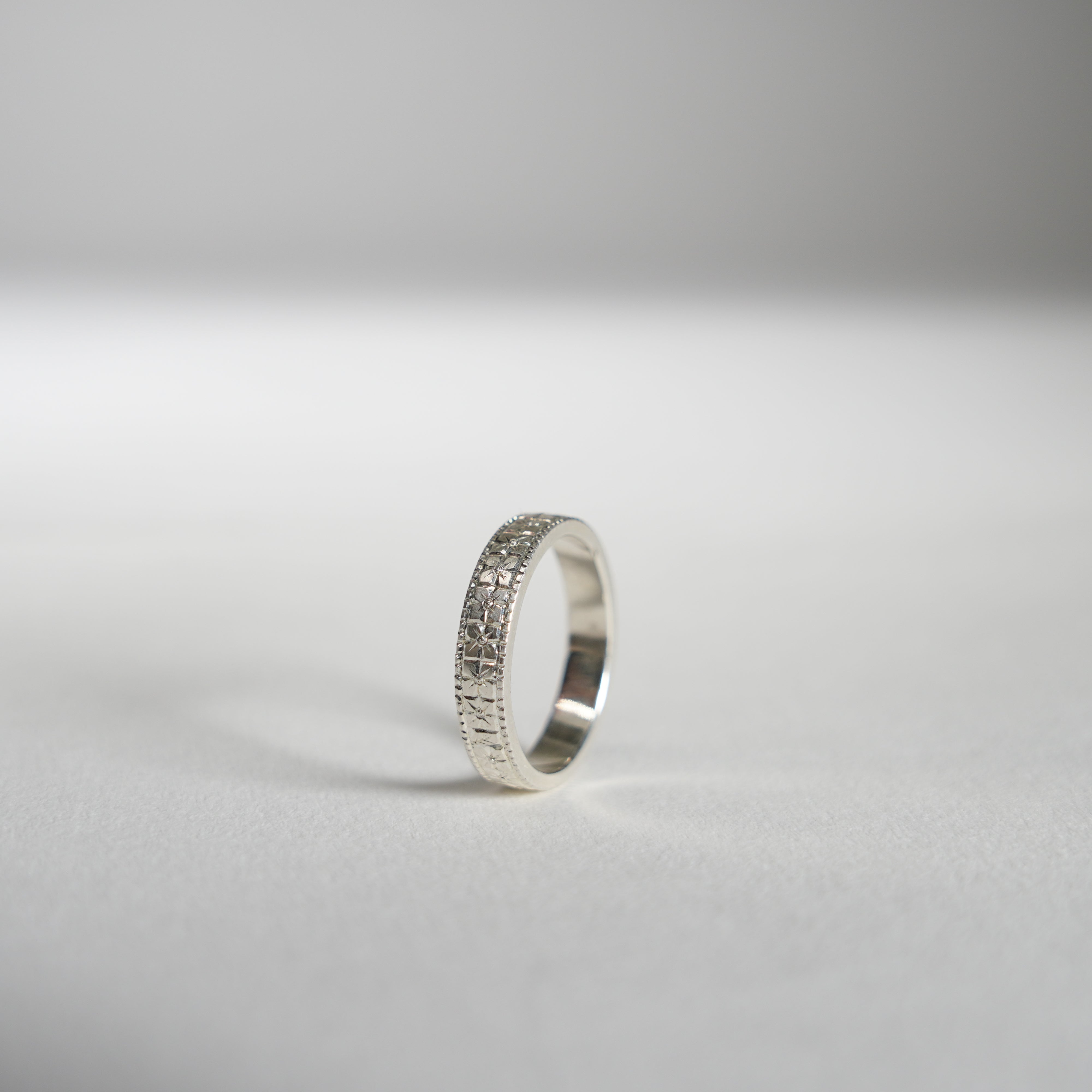
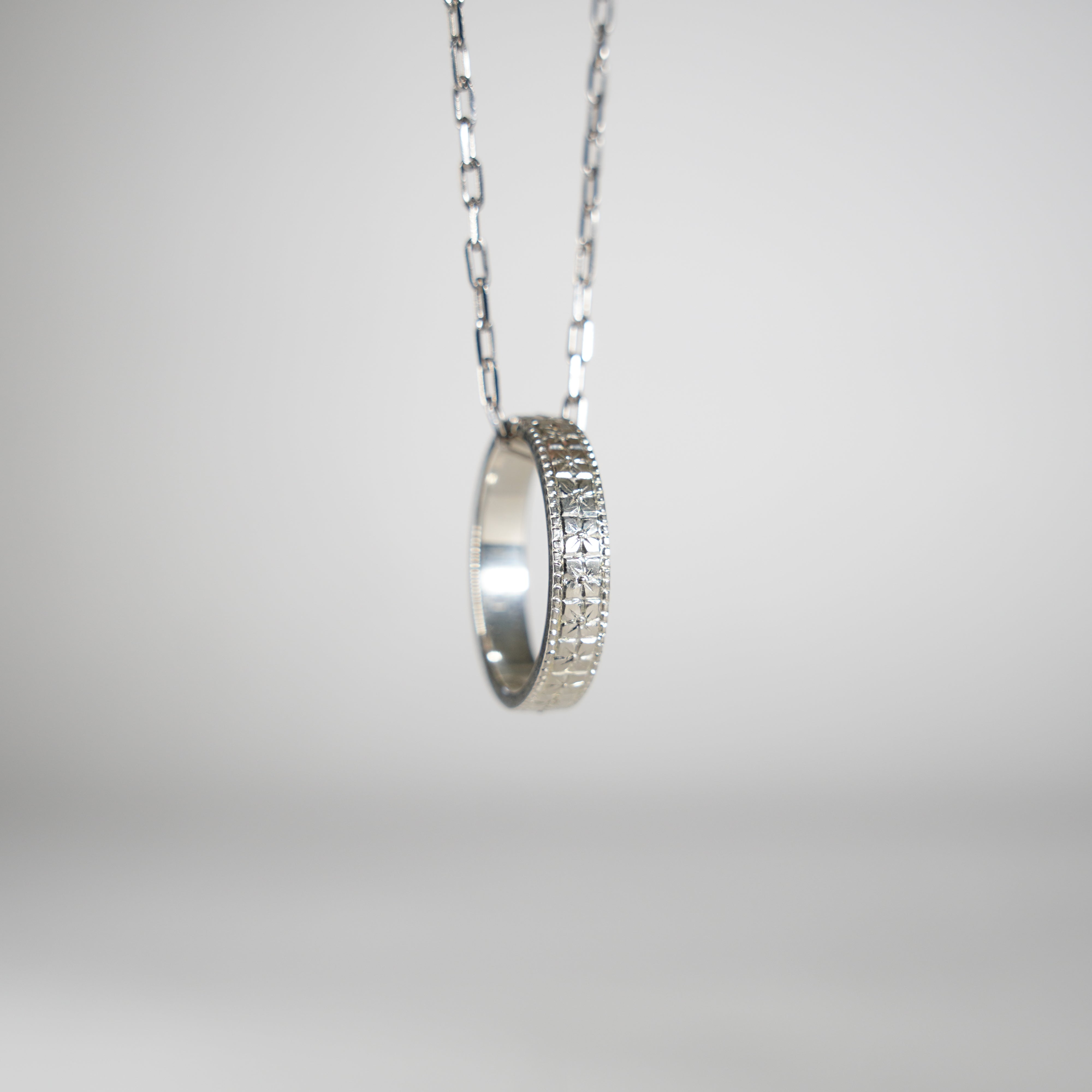
This ring is carved with an olive flower.
The Japanese carving is done by striking a tagane with a hammer,
A small rhythm is created by the tapping of the hammer. It resonates with the five senses and becomes an olive flower pattern, which is engraved on the ring in a pleasant and peaceful manner.
The small white flower with four petals is neat and very pretty, and will make your hand look gorgeous.
Each piece is carefully crafted with the word "peace" in the language of flowers.
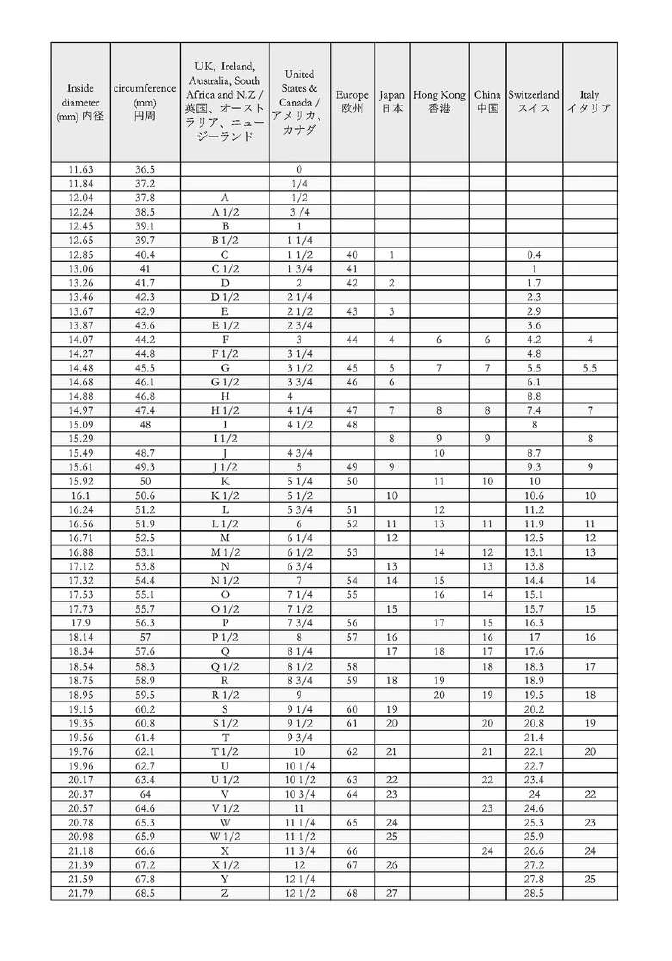
SIZE
3-1/2~12-1/2
MATERIAL
Silver
DAZAI
"Everything we do is to make our customers happy and smiling"
From designing to polishing, I handle the entire process by myself until completion. This allows me to spend a great deal of time with each piece of work. While I work on each process, I pay close attention to the design and texture required by the customer. I believe that my customers will love my work for a long time because I put my soul into it, and I finish every step of the process with extra care.
ARTISAN STORY
DAZAI
A craftsman who creates accessories using the techniques of Tokyo Engraving. Learning from a craftsmen in Okachimachi, a town of craftsmen, he handles all the processes including designing, using traditional handcrafting techniques. The meticulous workmanship, which is so detailed that it is hard to believe that it was made by hand, never ceases to amaze us.
TOKYO CHOKIN / TOKYO METAL ENGRAVING
About 400 years ago / 1600s / Edo Period (1603–1868)
Tokyo metal engraving grew from the sword-fitting specialists concentrated in Edo, who carved and inlaid tsuba, menuki and other small components with extraordinary precision. After the Meiji sword ban, many redirected their abilities toward tobacco accessories, vases, jewelry and Western-style metalware.
In Japan, Tokyo chokin is valued for visible handwork—lines, textures and relief produced directly with small chisels. Contemporary makers apply these skills to jewelry, vessels and sculpture, moving freely between traditional motifs and modern form.
A chisel is not a single standardized tool. Craftspeople may use dozens or hundreds with different tips for cutting lines, punching dots, texturing fields or moving metal. Many forge and reshape the chisels themselves, so toolmaking is not separate from the craft; it is the foundation of the finished work.
Individual Differences
As each piece is individually handcrafted, slight variations in color, pattern, shape, and texture may occur. These subtle differences are a natural characteristic of handcrafted works, making each piece truly unique. We hope you will enjoy these individual variations as part of the beauty and character of Japanese craftsmanship.
Production Time
If an item is not currently in stock, it may be made to order by the artisan. As each piece is carefully handcrafted, production may take several months depending on the item and the artisan's schedule. We appreciate your patience and understanding.
Optionen auswählen