Schuhwarenfall / Klettern auf Wasserfall
DESCRIPTION
DETAILS
SIZE
MATERIAL
ARTISAN
KOGEI
Caution
Optionen auswählen


Schuhwarenfall / Klettern auf Wasserfall
AngebotMOP$7,257.00
Land
Sprache
Warenkorb
Dein Warenkorb ist leer


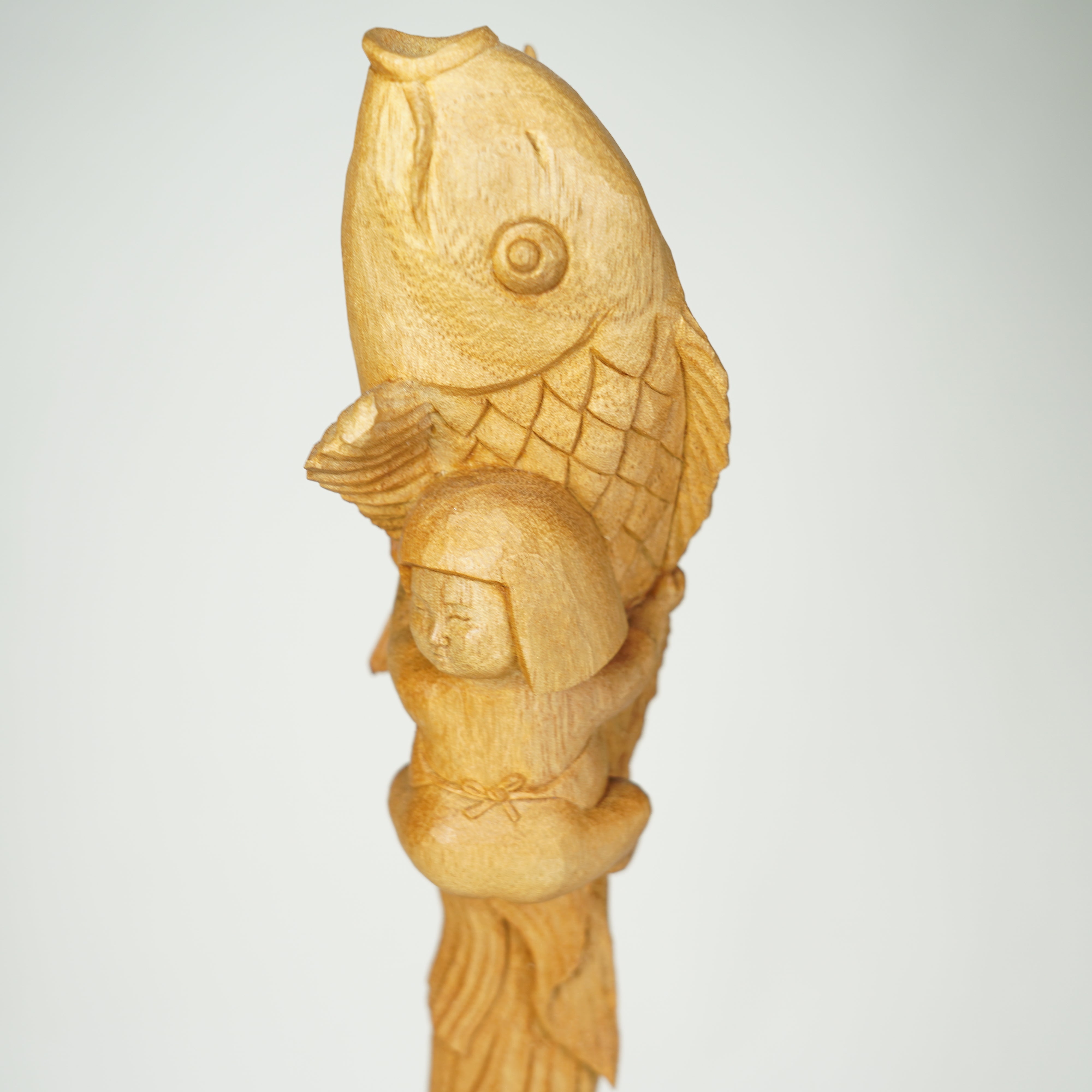
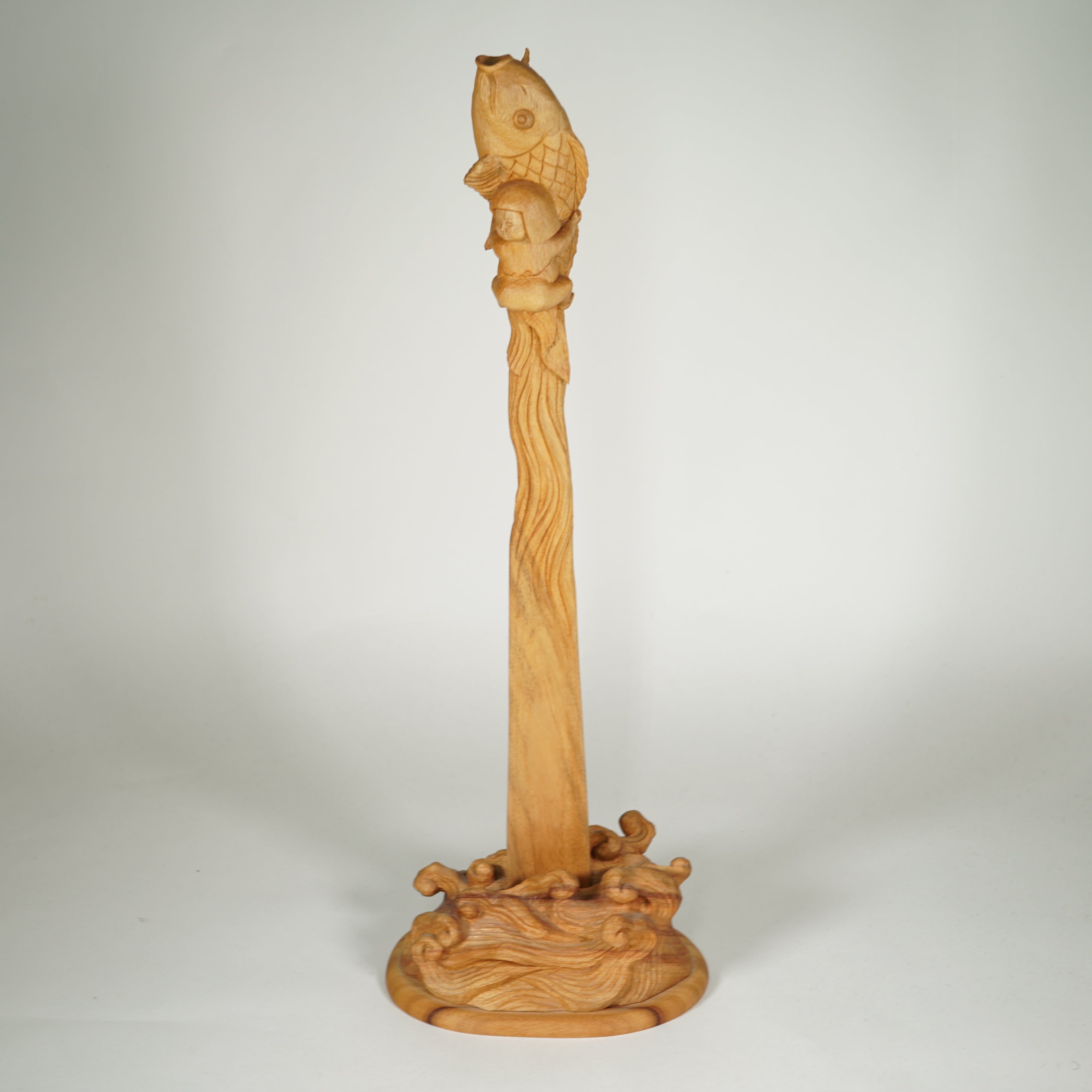
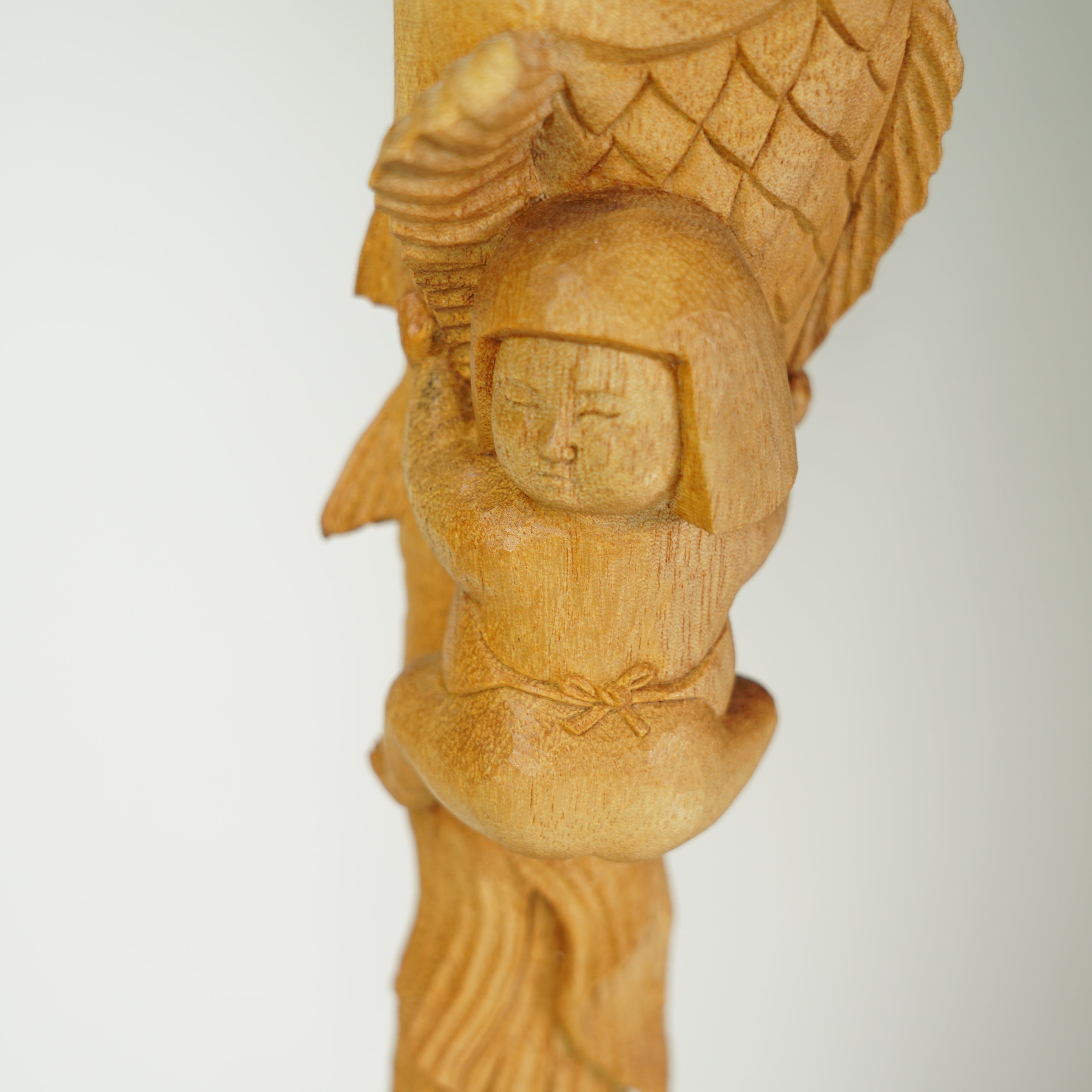
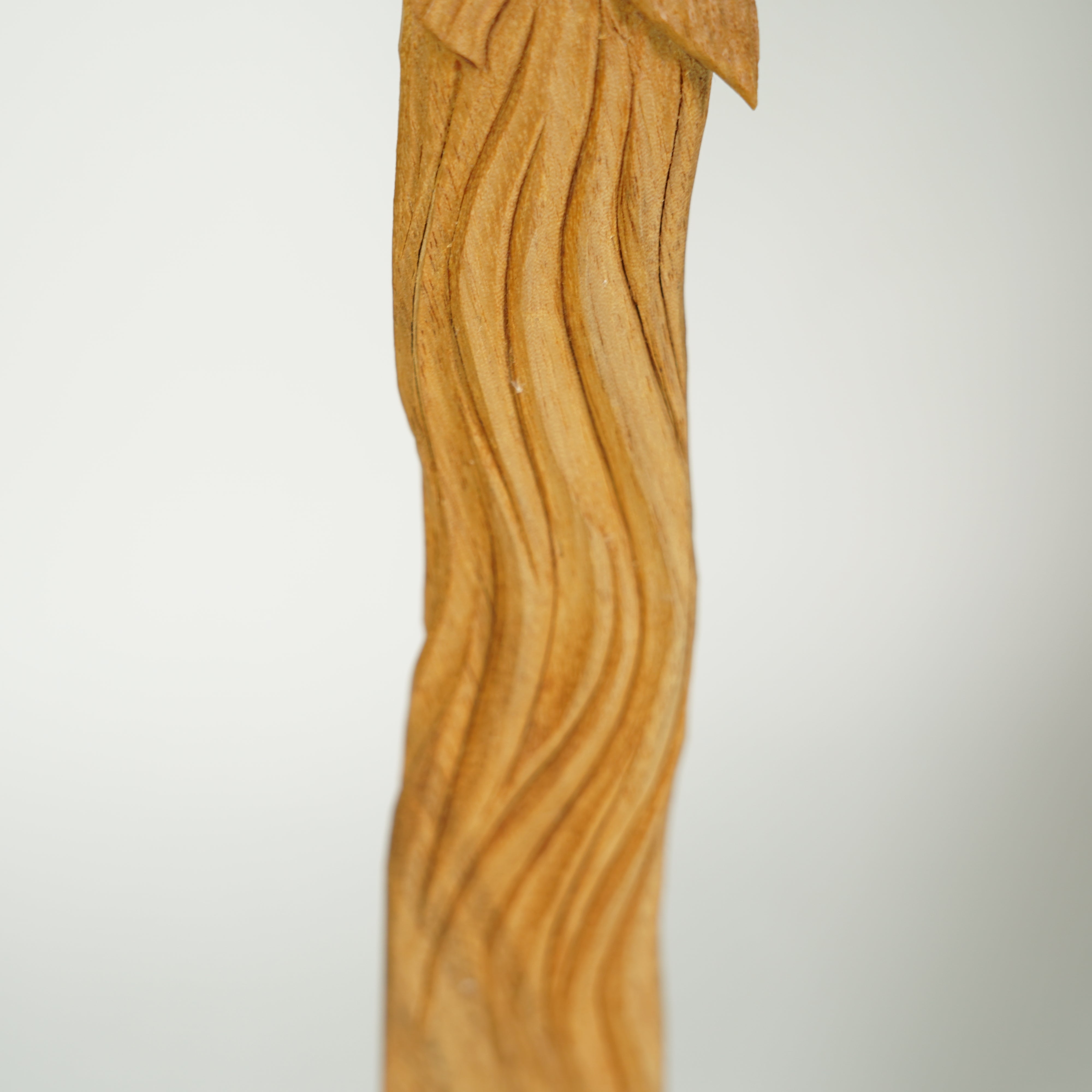
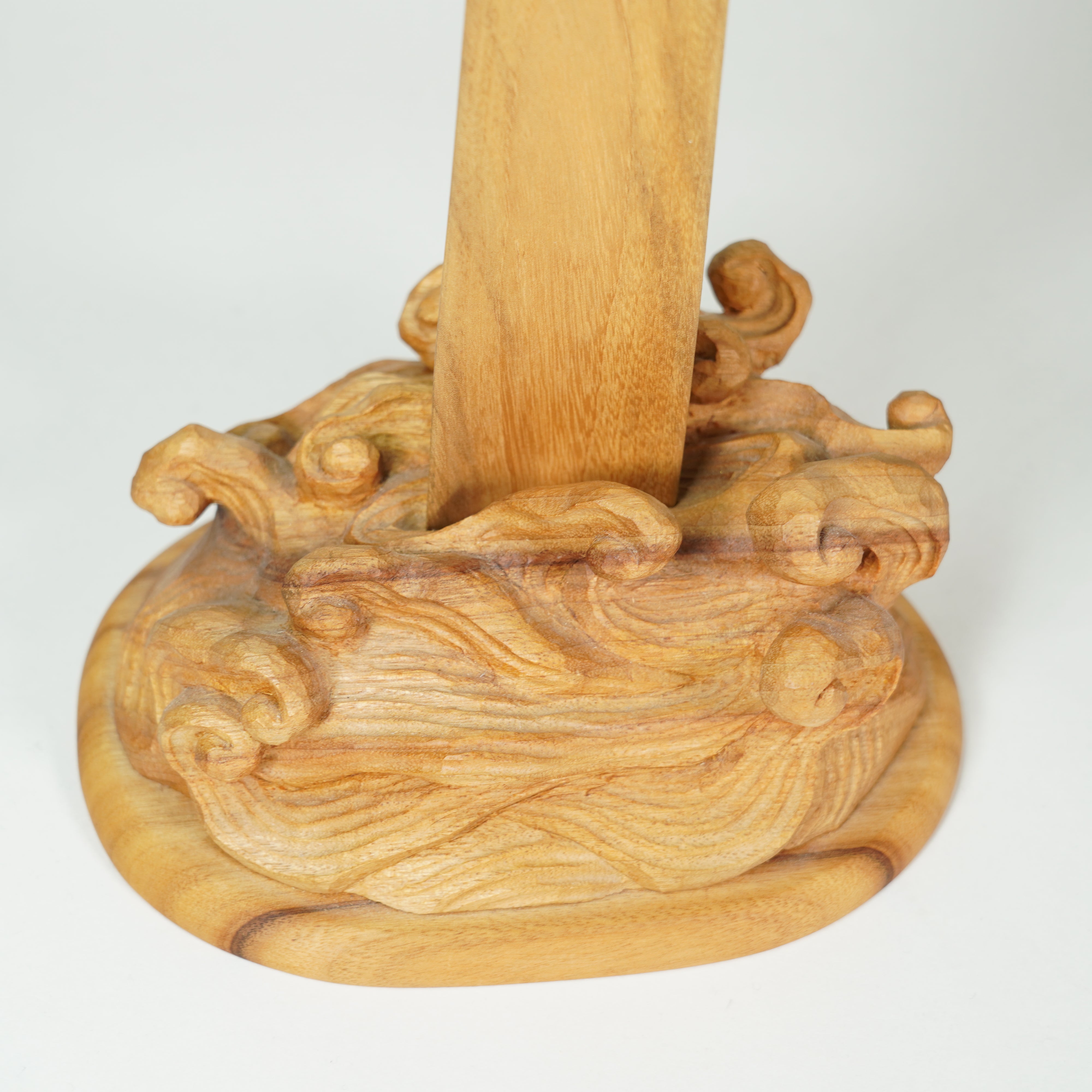
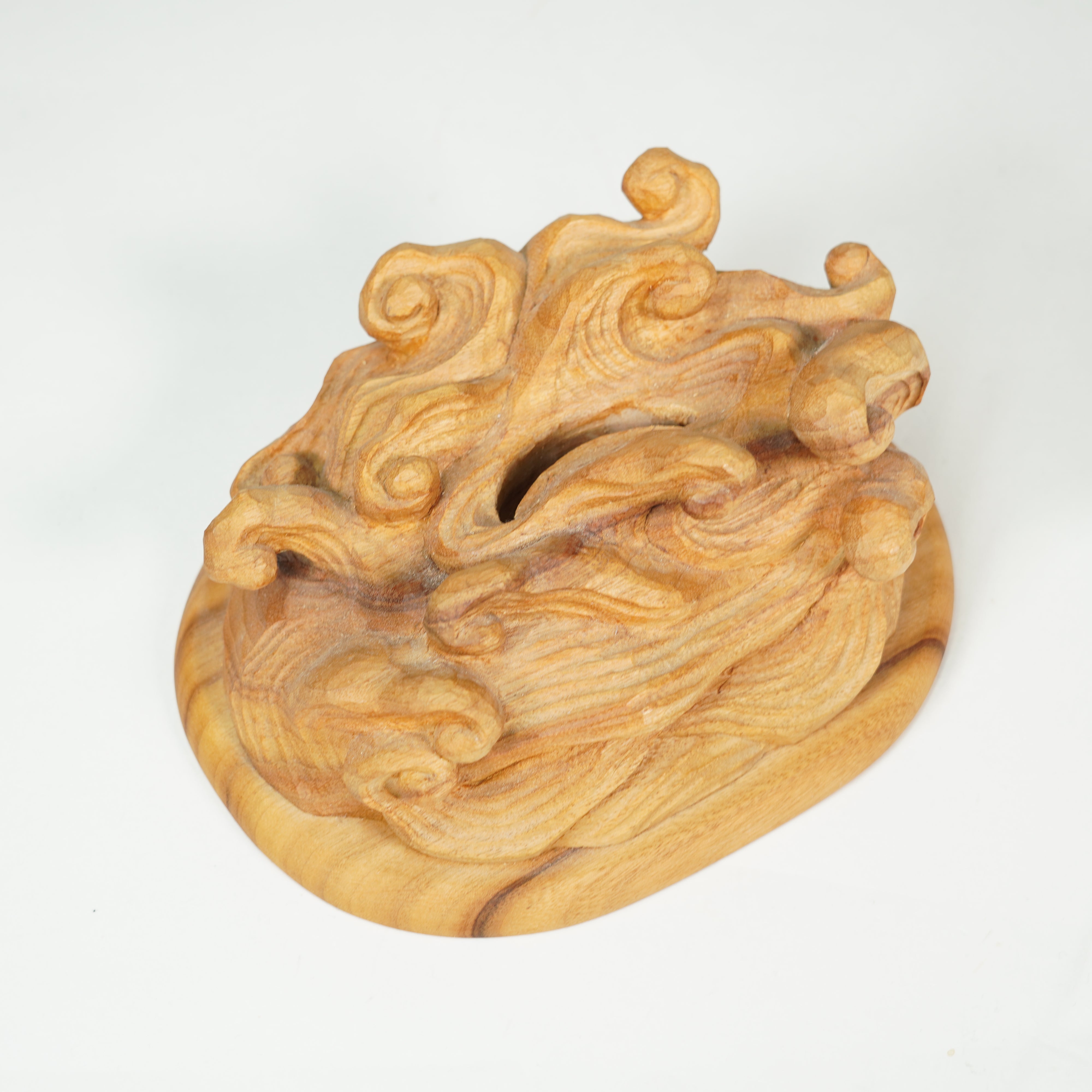
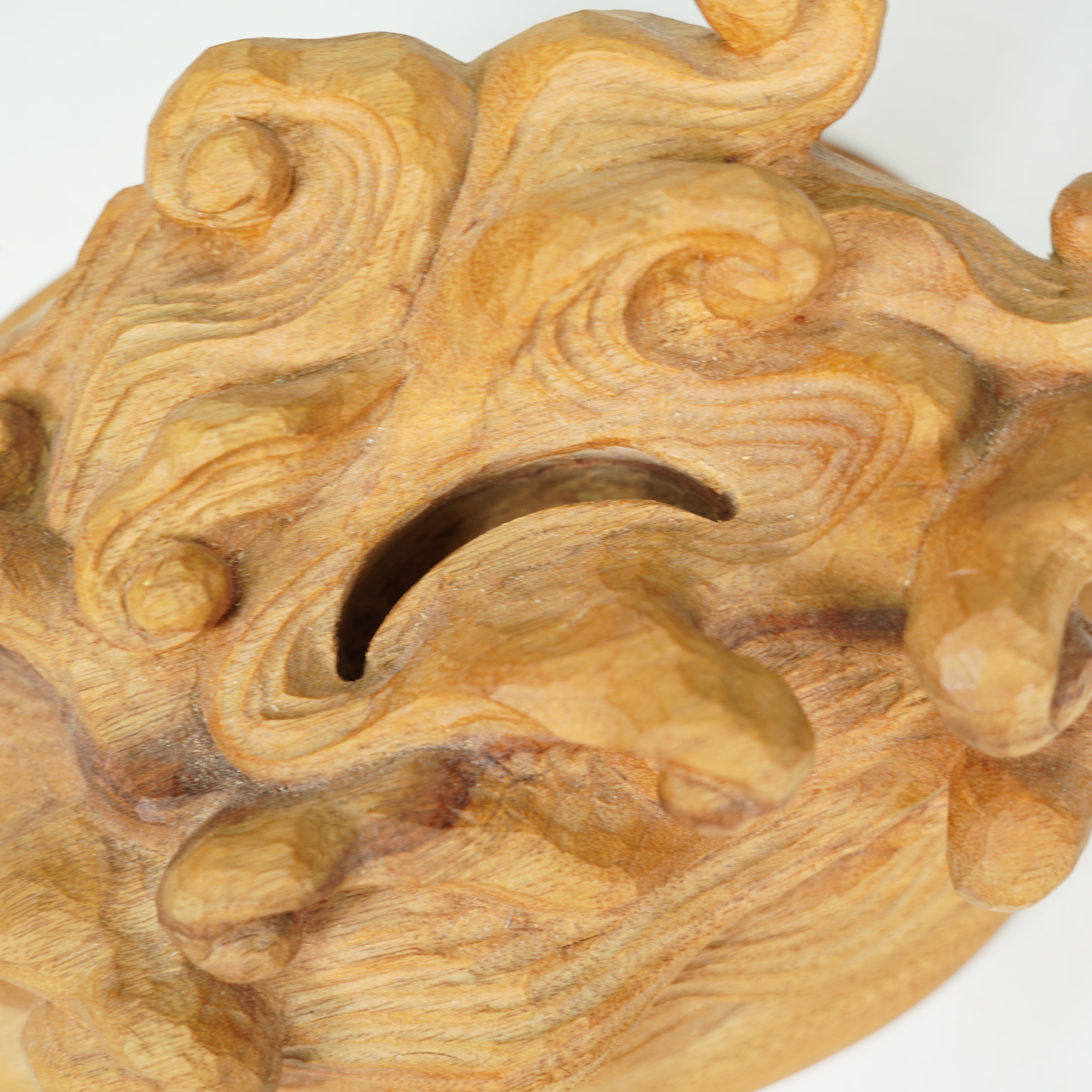
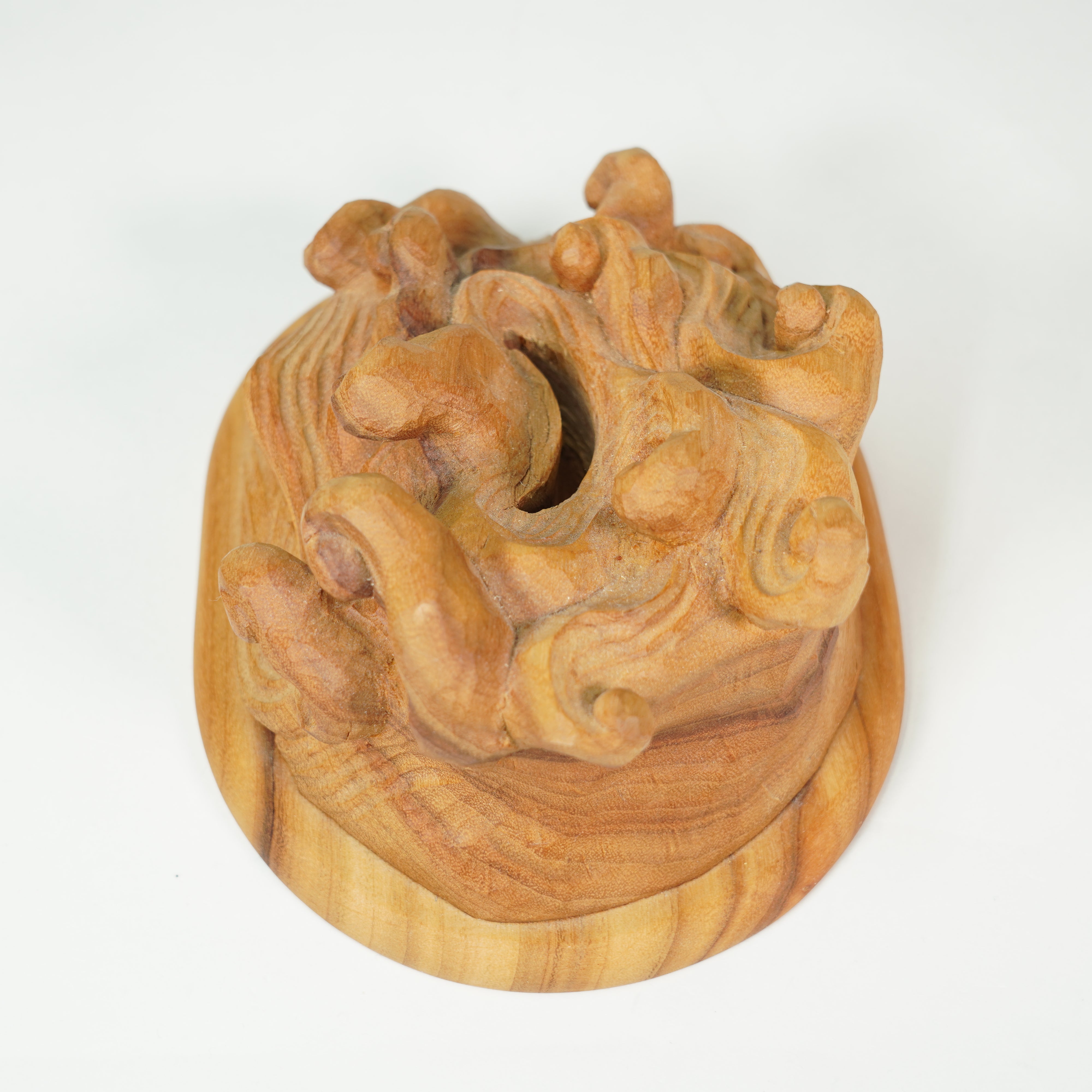
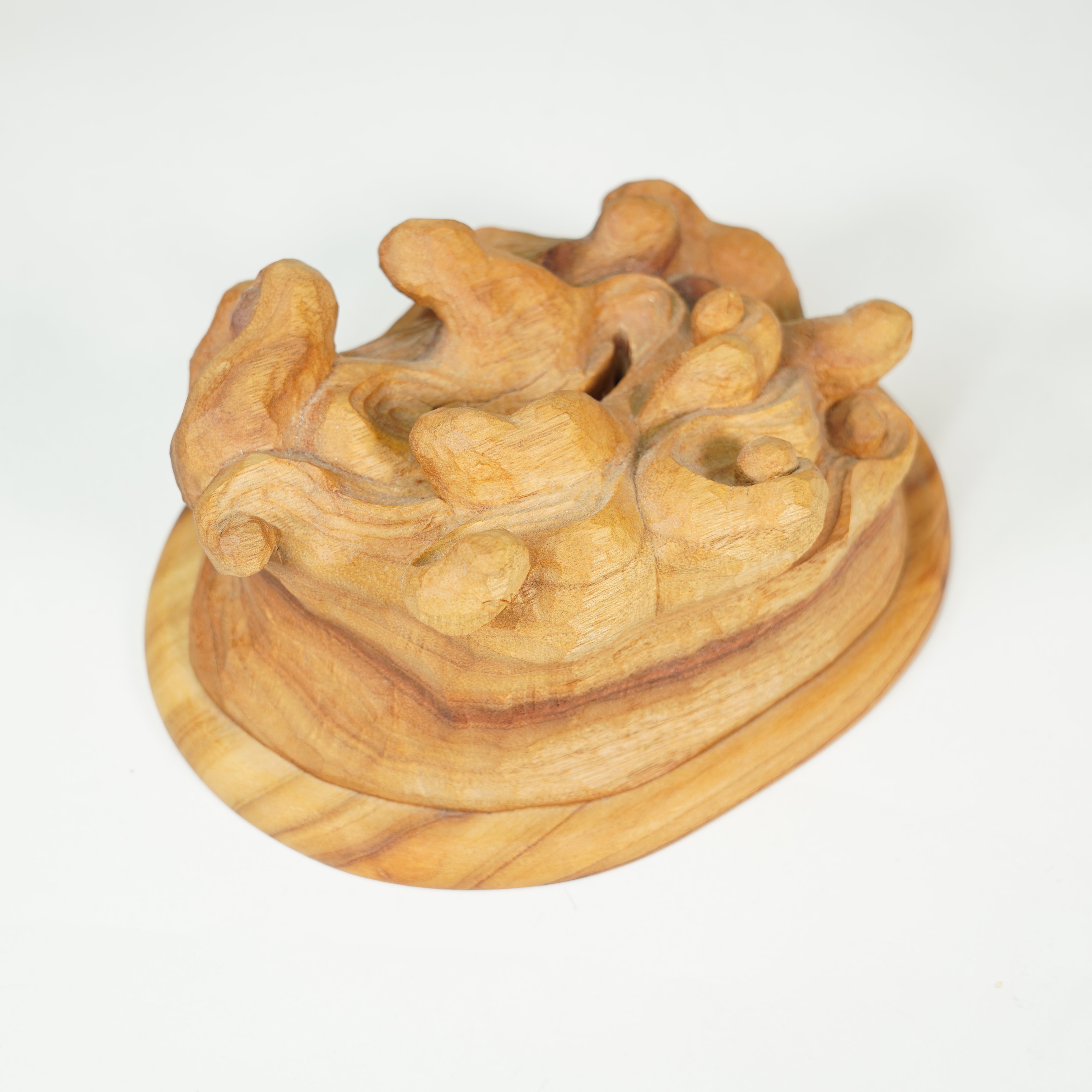
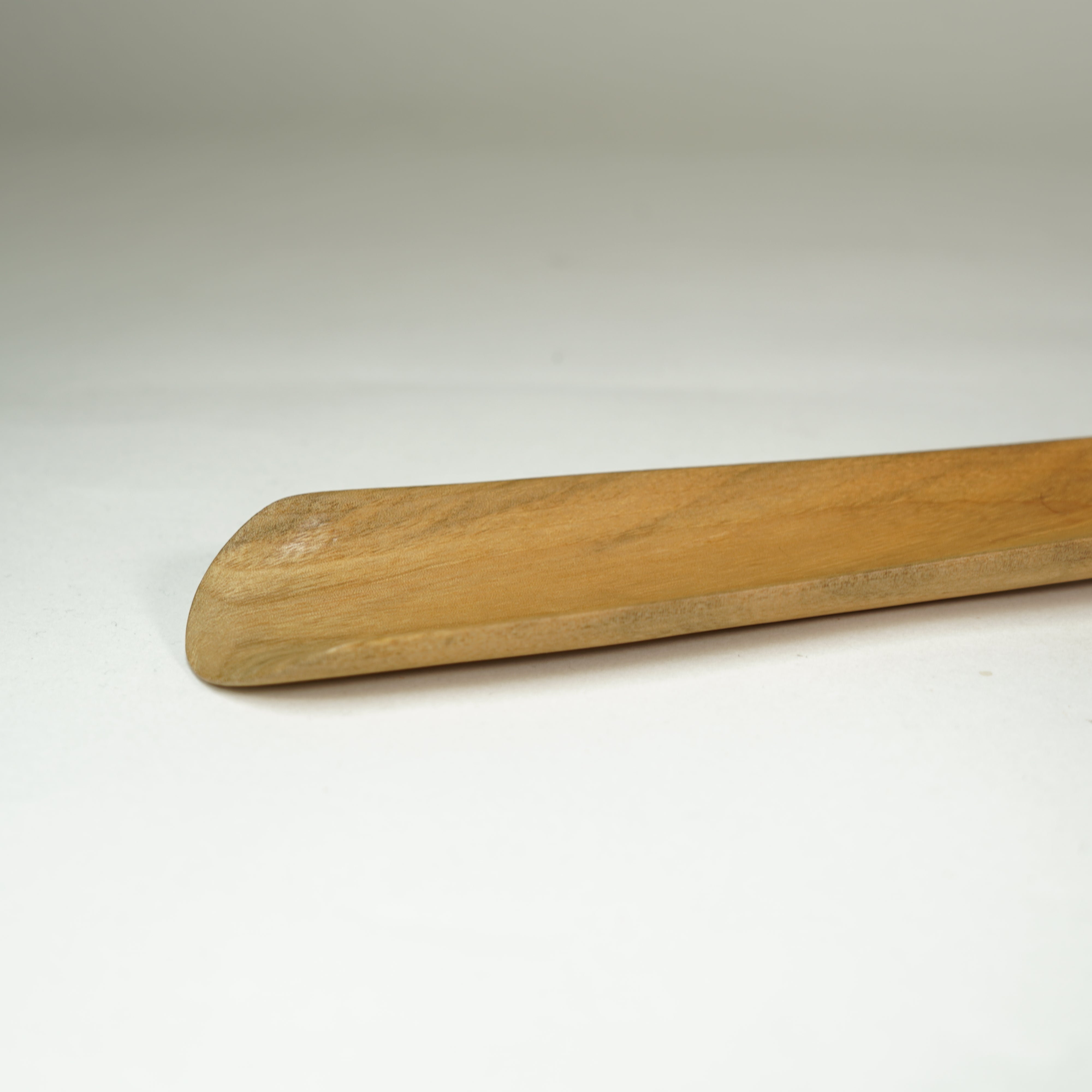
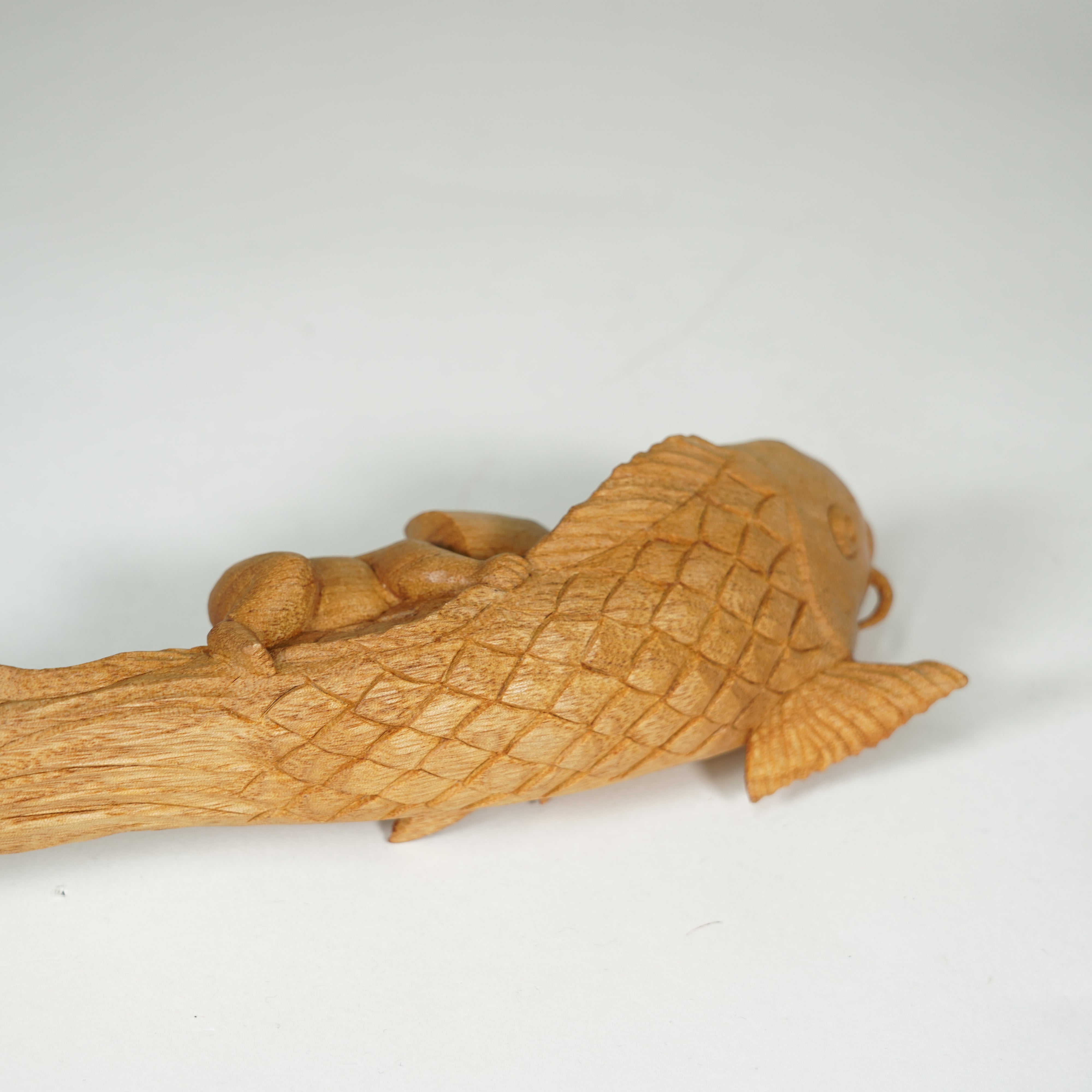
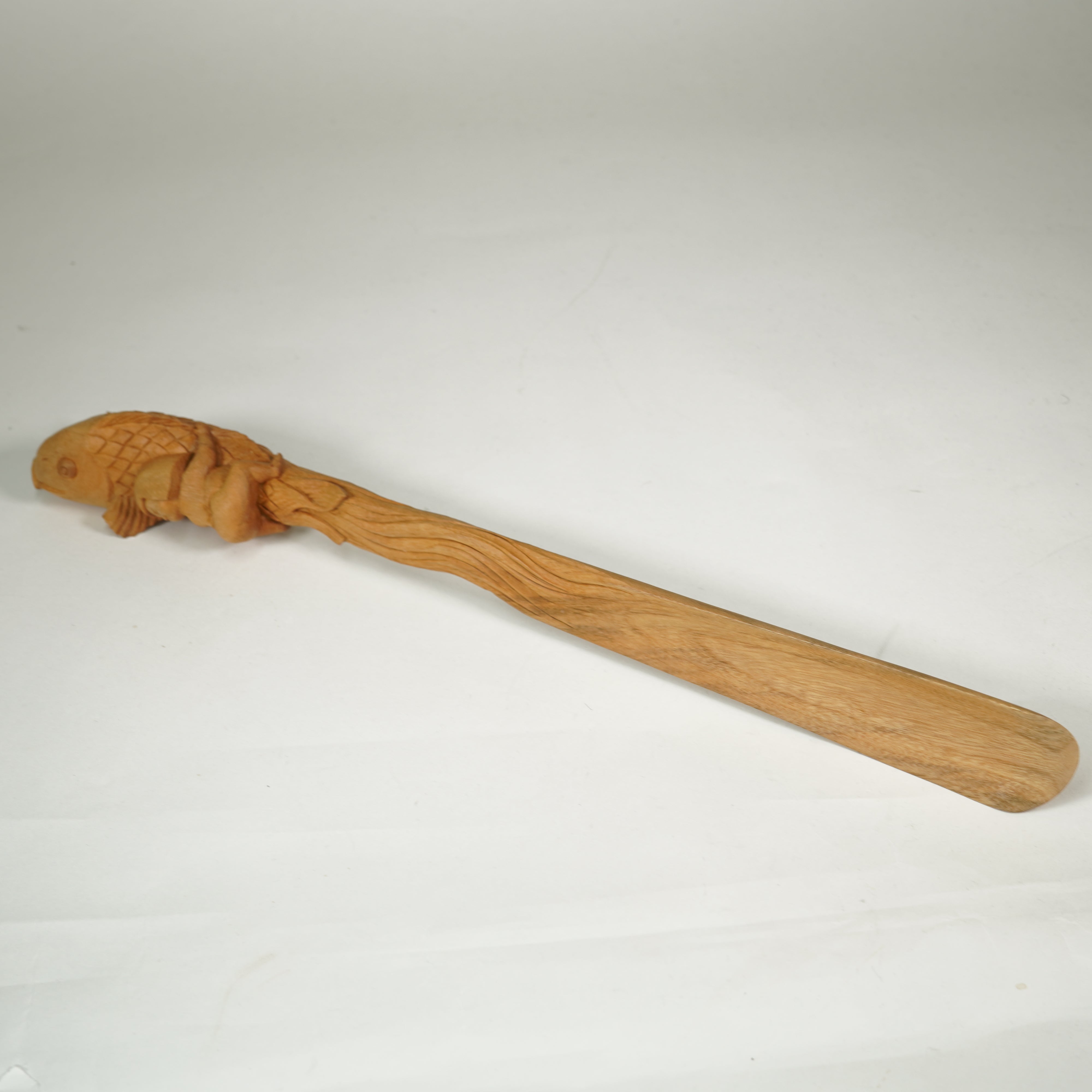
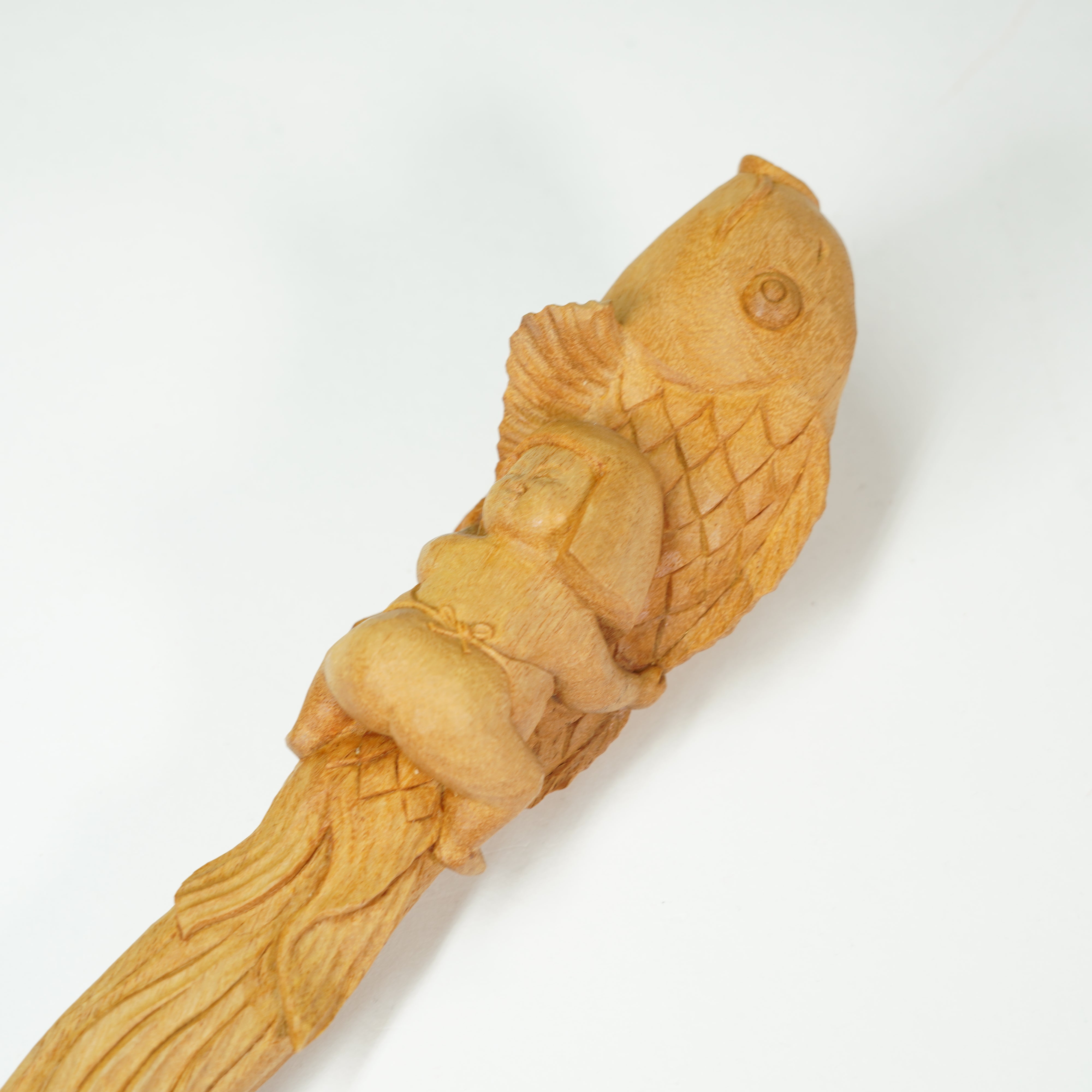
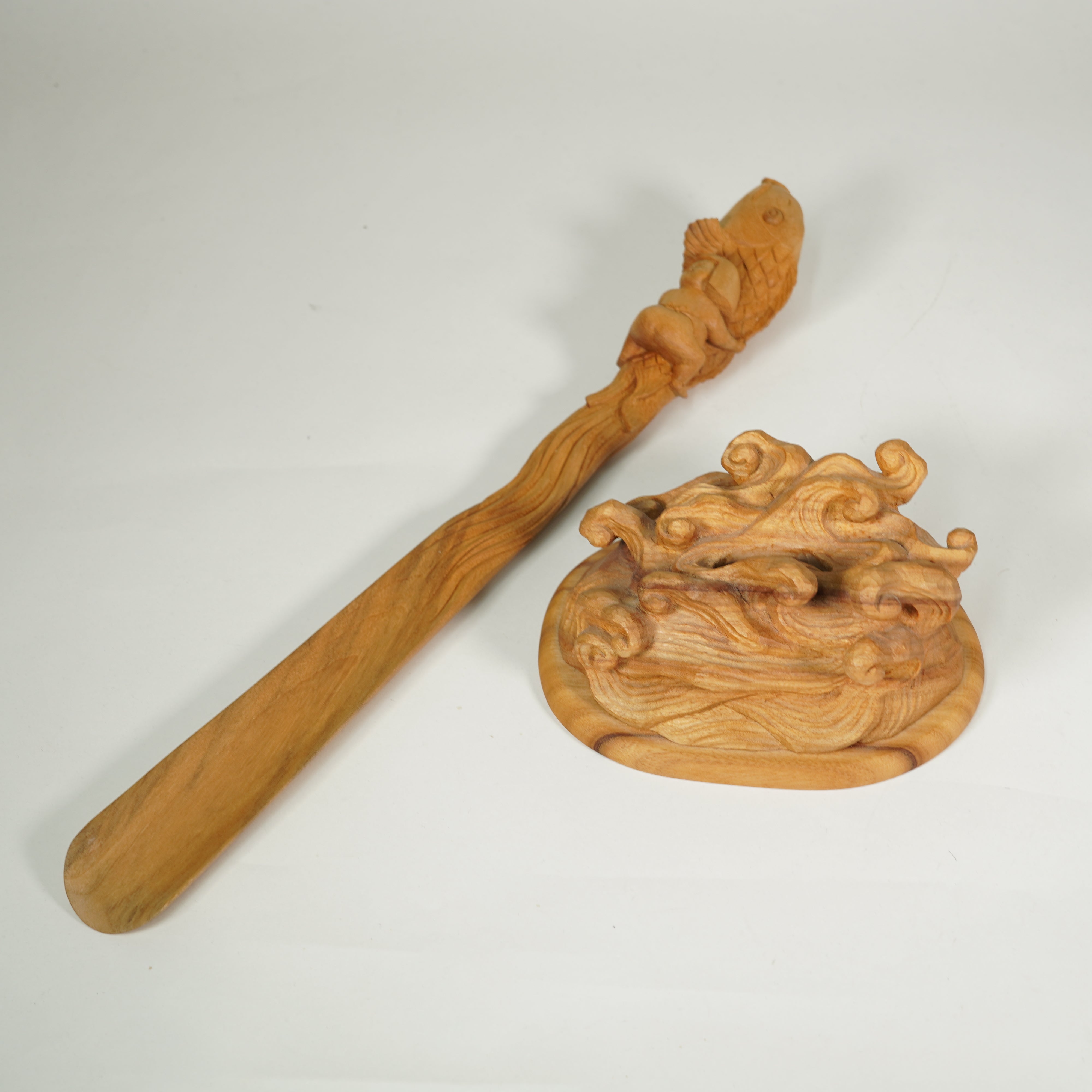
This shoehorn represents a fish climbing up a waterfall.
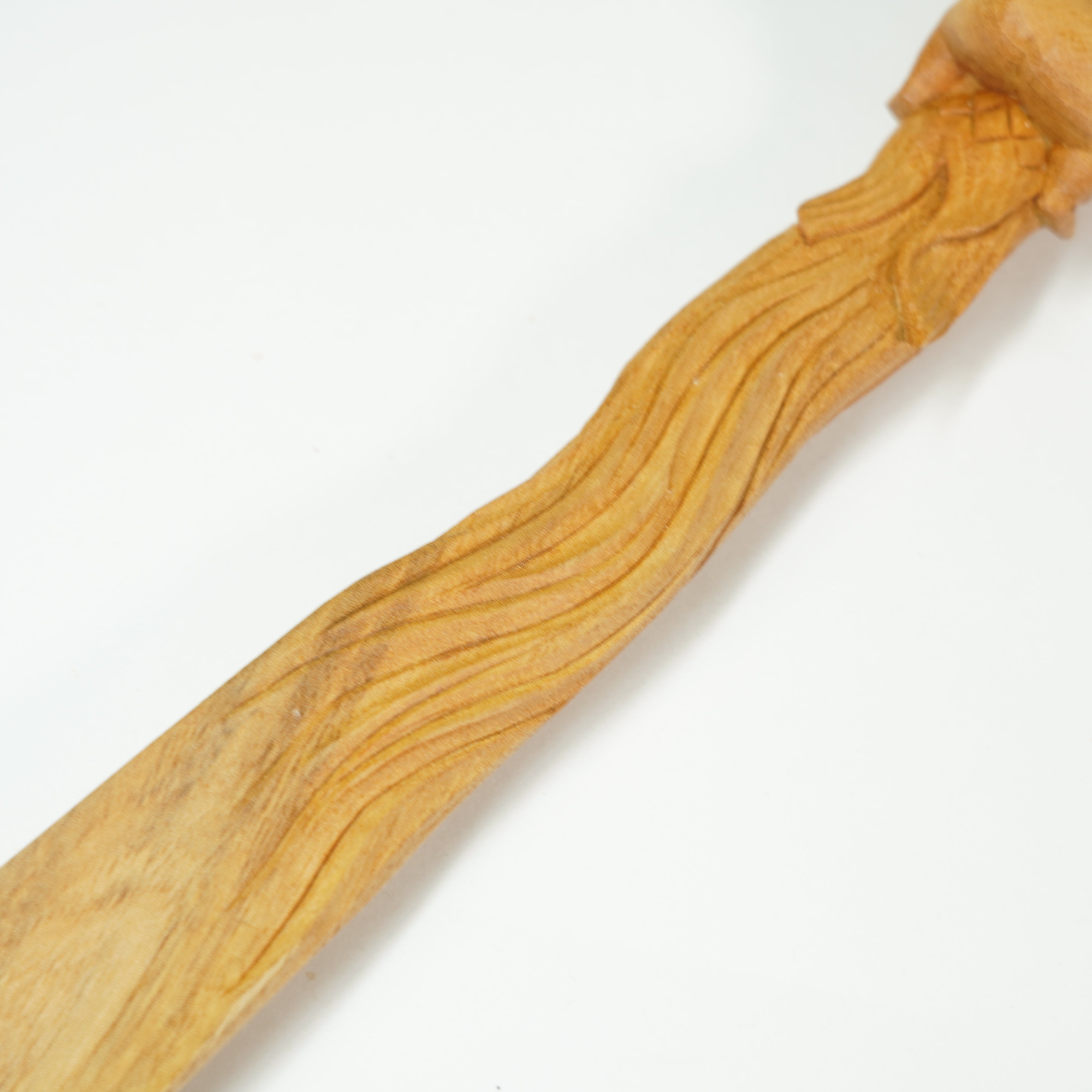
This product uses the ancient Kyoto Buddhist altar carving technique.
When placed at the entrance, it will be greatly appreciated by visitors.
SIZE
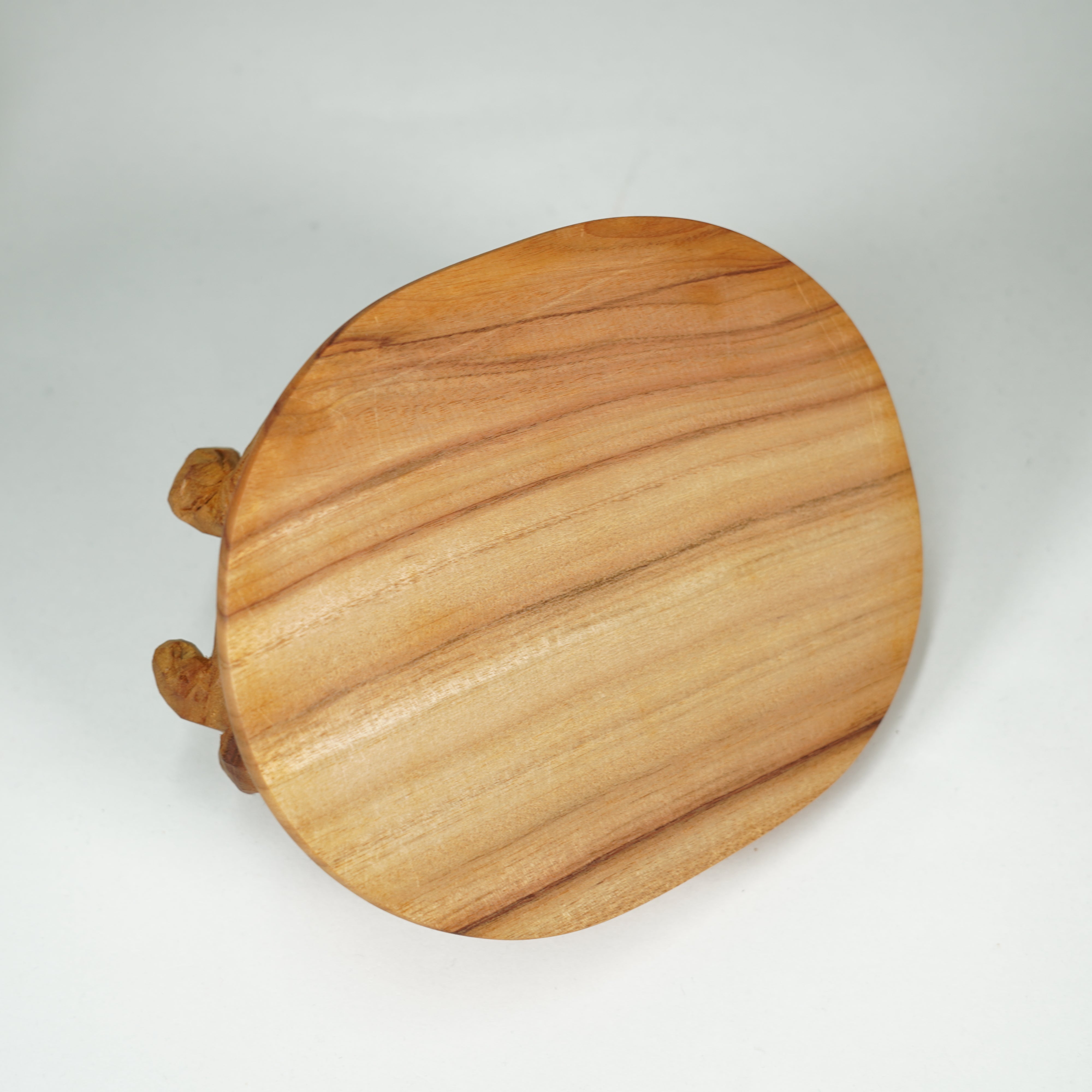
Width:17cm
Depth:13cm
Height:51cm
Weight:610g
MATERIAL
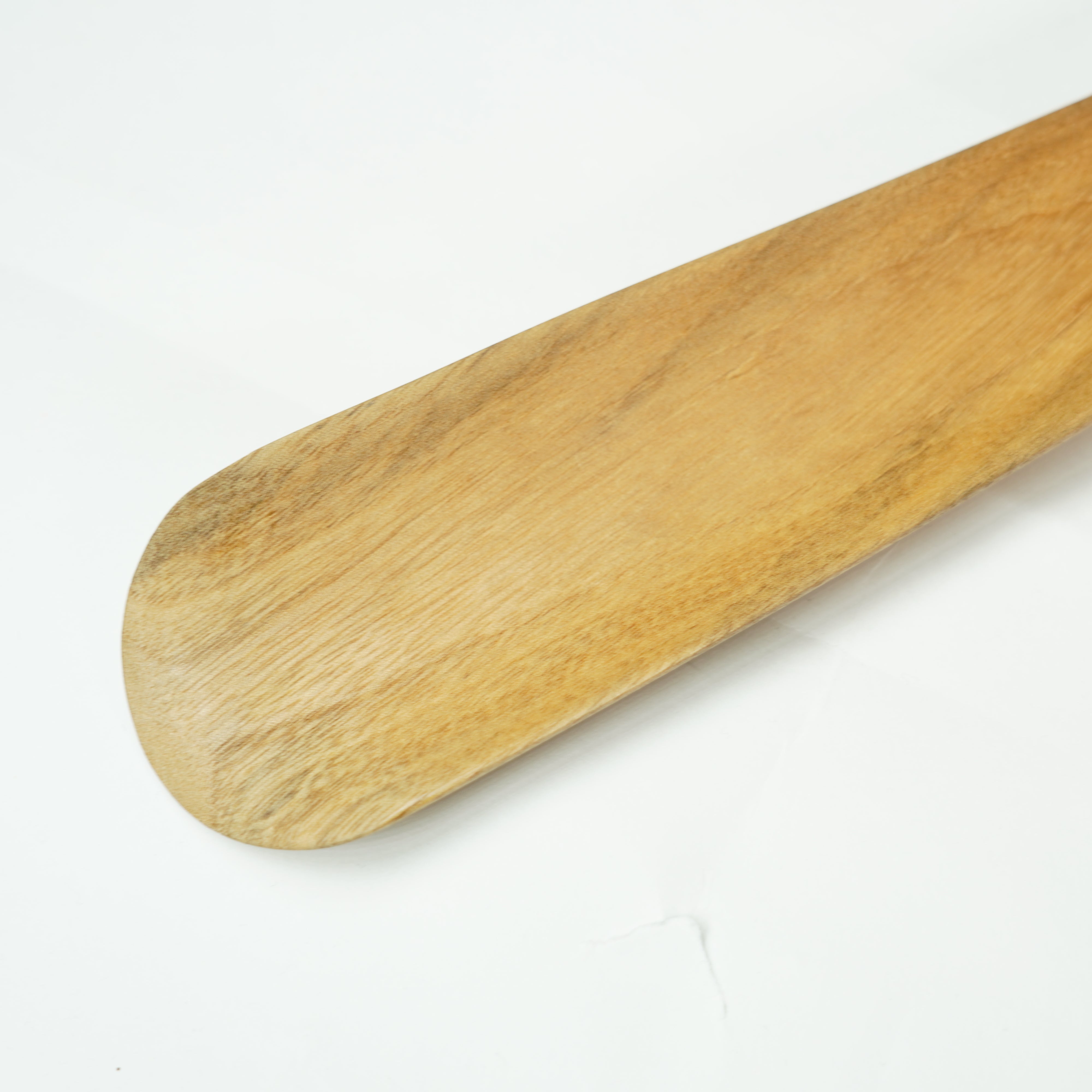
Japanese cypress
CHIE KATORI
"I aim to deliver skills that have been passed down through many generations."
I want to share Kyoto's sculpting techniques, which have been handed down from ancient times, with people all over the world. Not limited to Buddhist altars and ritual implements, I also create products that can be easily used in everyday household settings.
ARTISAN STORY
Chie Katori
Originally from Hokkaido, now thriving as a Buddhist statue sculptor in Kyoto Prefecture. One of the attractions of their work is the effort and ingenuity that have been accumulated over many generations, passed down from master to apprentice. They specialize in detailed carvings.
KYO BUTSUDAN / KYOTO BUDDHIST ALTARS
About 1,000 years ago / 1000s / Heian Period (794–1185)
Kyoto Buddhist altars developed after the Heian period as temple building concentrated sculptors, woodworkers, lacquerers, gilders and decorative metal specialists in the capital. During the Edo period, the growth of major Buddhist sects and household worship increased demand, turning Kyoto into a center for highly sophisticated altars and ritual fittings.
In Japan, a household altar is a place to address ancestors and remember the dead. Large traditional altars have become less common in compact urban homes, but smaller prayer spaces and furniture-like designs continue to adapt the practice to modern life.
A Kyoto altar is rarely the work of one craftsperson. Wood construction, carving, lacquer, gold leaf, maki-e, metal fittings and final assembly can be divided among numerous specialists. In a single cabinet, many of Kyoto’s most important craft traditions are brought together—almost like a miniature temple.
Individual Differences
As each piece is individually handcrafted, slight variations in color, pattern, shape, and texture may occur. These subtle differences are a natural characteristic of handcrafted works, making each piece truly unique. We hope you will enjoy these individual variations as part of the beauty and character of Japanese craftsmanship.
Production Time
If an item is not currently in stock, it may be made to order by the artisan. As each piece is carefully handcrafted, production may take several months depending on the item and the artisan's schedule. We appreciate your patience and understanding.

Optionen auswählen