Stäbchen / Akane / Octagon
DESCRIPTION
DETAILS
SIZE
MATERIAL
ARTISAN
KOGEI
Caution
Stäbchen / Akane / Octagon
AngebotMOP$2,061.00
Optionen auswählen
Stäbchen / Akane / Octagon
AngebotMOP$2,061.00
Land
Sprache
Warenkorb
Dein Warenkorb ist leer
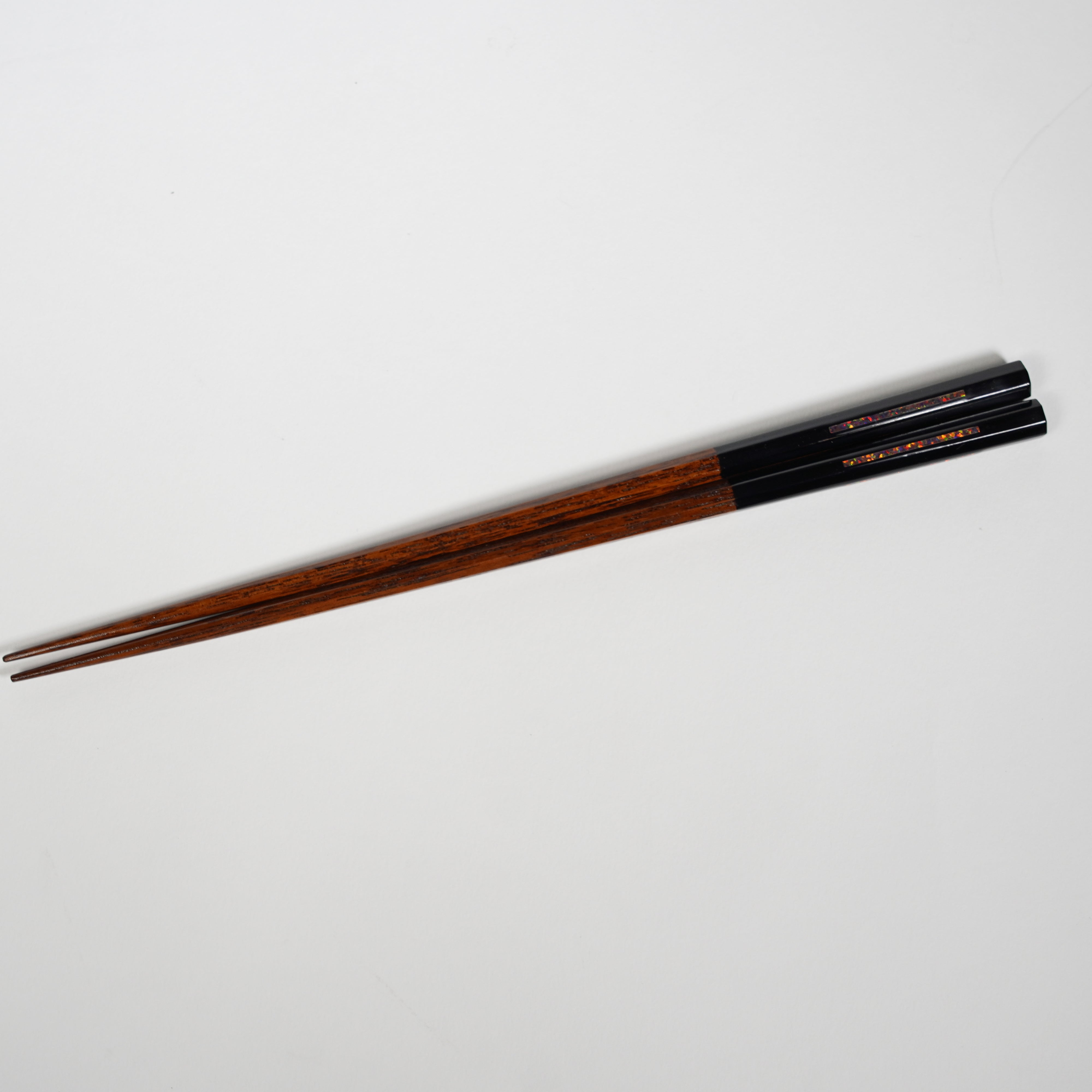
A pair of chopsticks were produced with the aim of creating a design that transcends the boundaries of "lacquer" and "Japanese style".
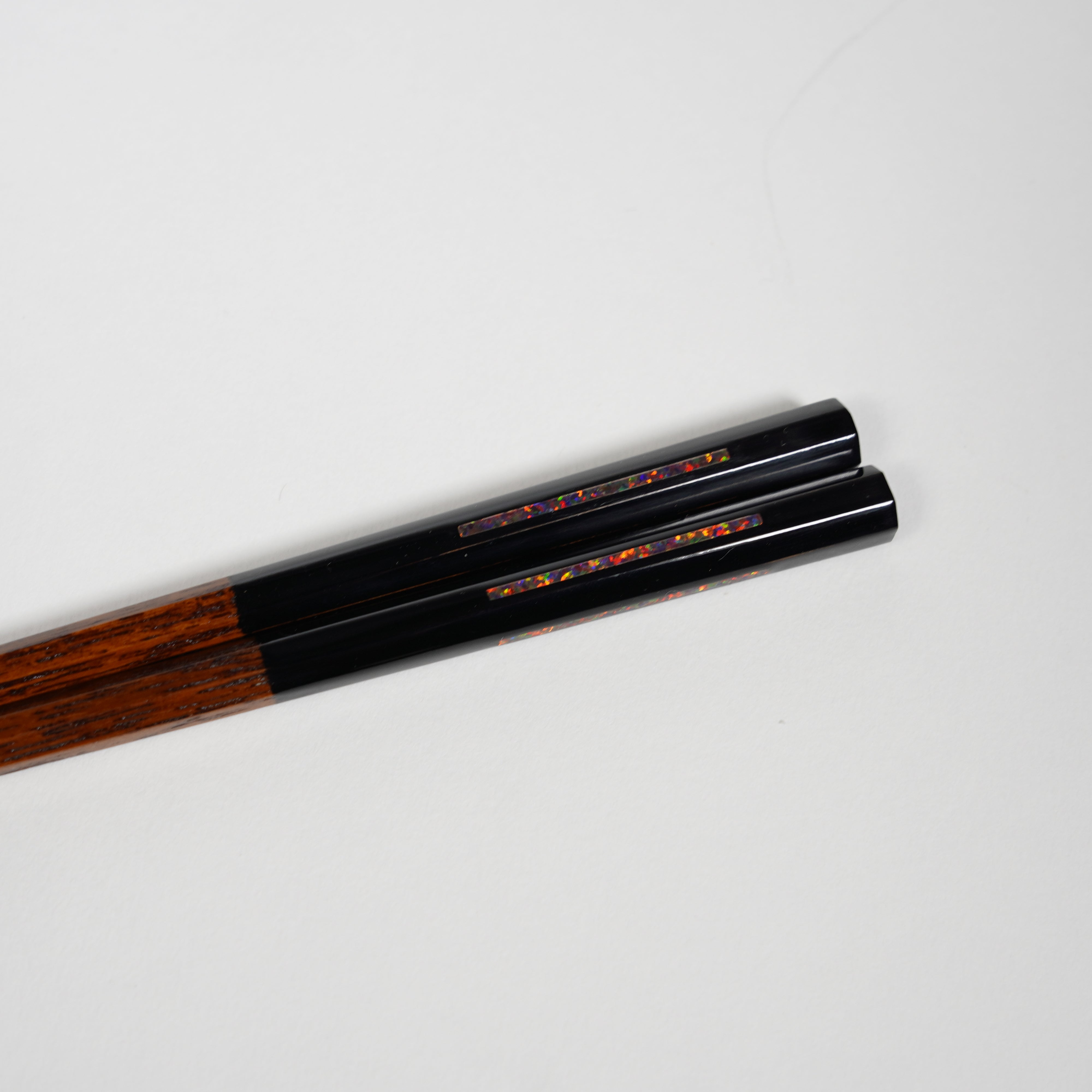
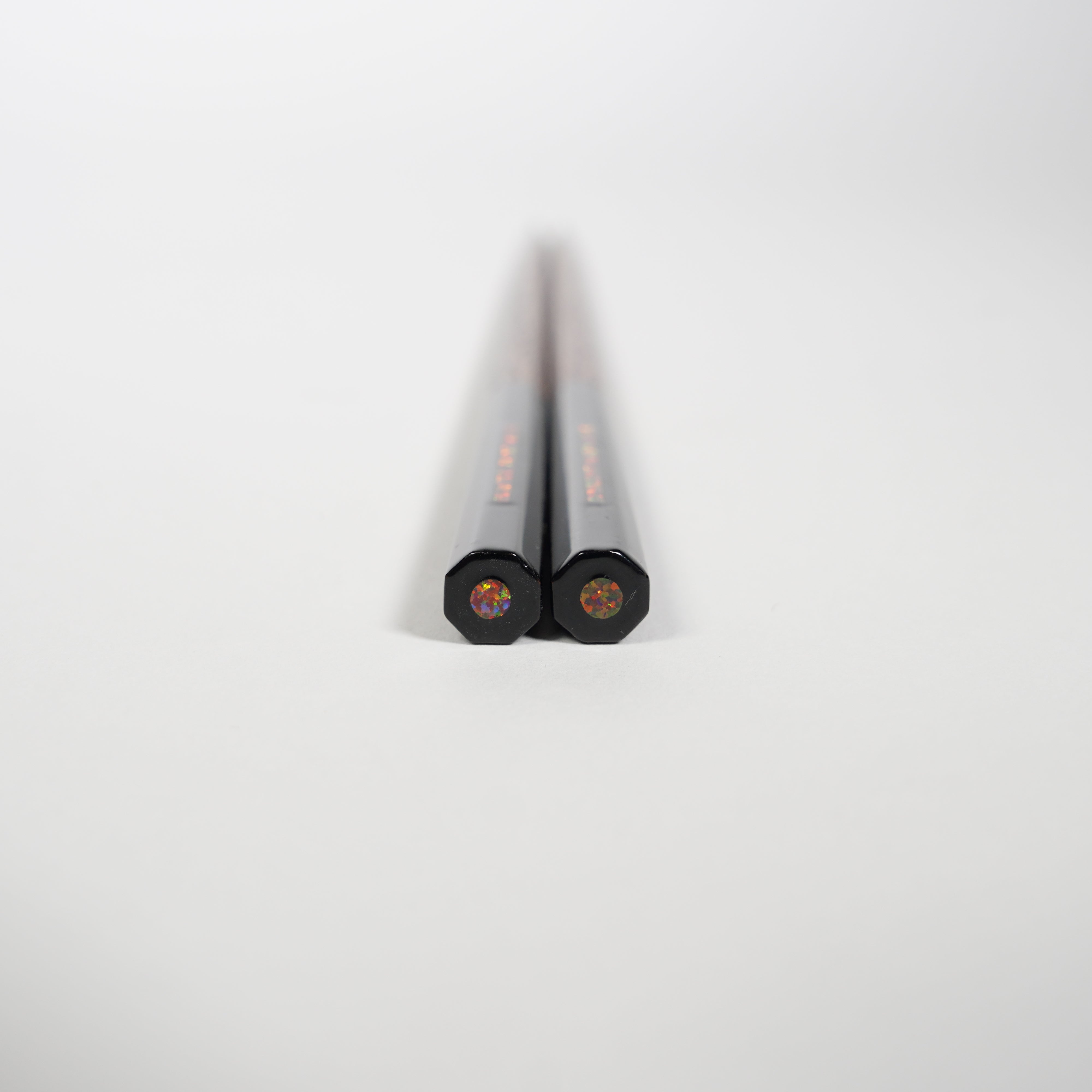
AKANE comes in a powerful red color. When summer is over and autumn is approaching, the streets of Japan are filled with leaves in these colors. You will enjoy the beautifully changing light colors from different viewing angles and by day and night.
SIZE
Length:22.5cm
Weight:30g
MATERIAL
Japanese LacquerKyoto opal
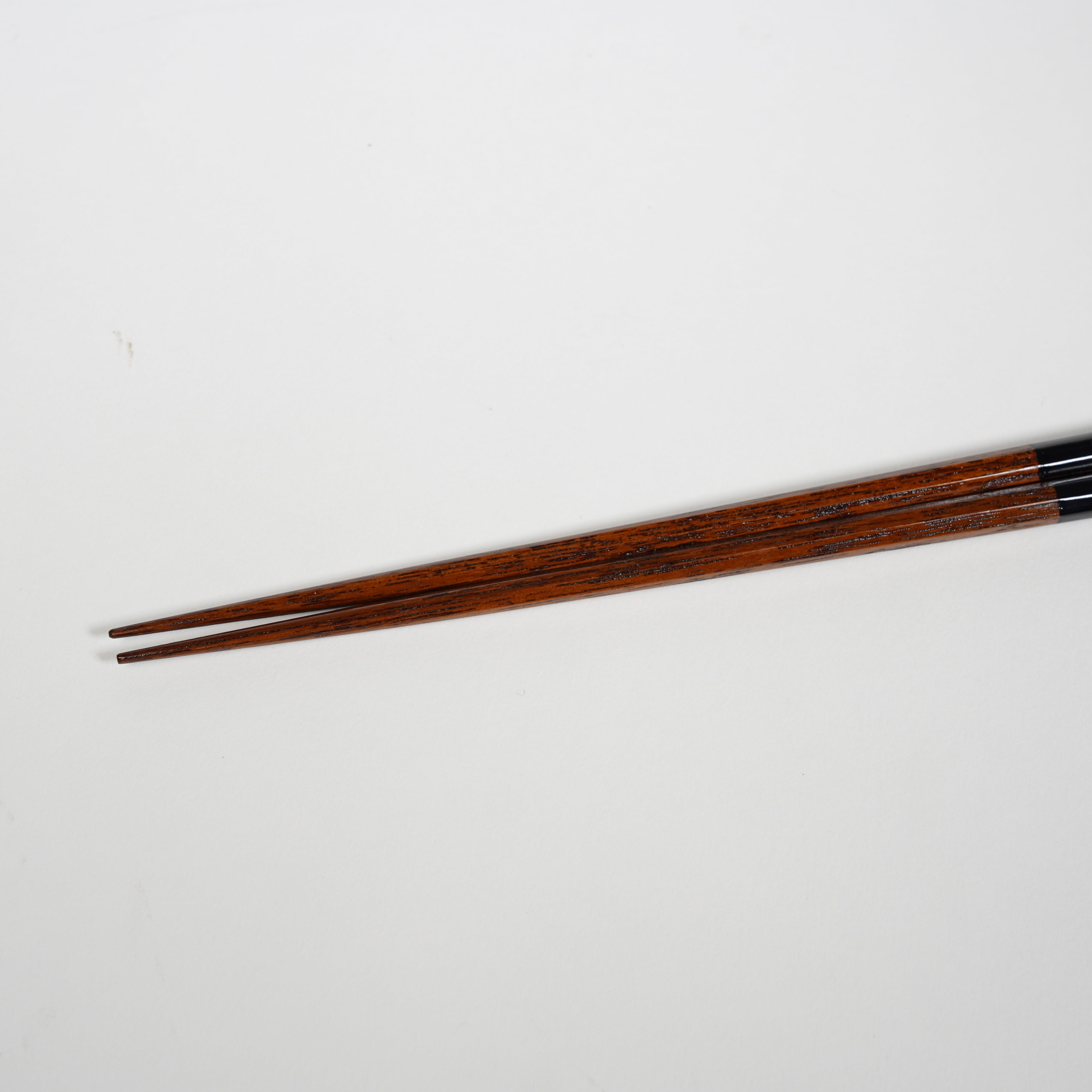
Wood
LACQUER STUDIO MATSUDA
"Repainting traditional art into modern art"
With the demand for lacquer decreasing rapidly, we want to convey the beauty of lacquer to a wider variety of people. With this in mind, we have incorporated the traditional techniques we have cultivated over the years into accessories to make lacquer more accessible to people.
ARTISAN STORY
Tsutomu Matsuda / Matsuda Lacquer Studio
He has been engaged in lacquering Buddhist altars and ritual articles for more than 50 years in Kyoto. He sublimates the techniques and experience he has cultivated over the past 50 years into accessories that glamorously adorn the body and soul of people. He produces genuine handmade crafts that stubbornly stick to handcrafting.
ACHIEVEMENTS
・Designated as a traditional craftsman in 2014
・Received award for Master Craftsman of Kyoto
・Received award for the Order of the Sacred Treasure, Silver and Silver Rays
・He has received many other awards for their work.
KYO BUTSUDAN / KYOTO BUDDHIST ALTARS
About 1,000 years ago / 1000s / Heian Period (794–1185)
Kyoto Buddhist altars developed after the Heian period as temple building concentrated sculptors, woodworkers, lacquerers, gilders and decorative metal specialists in the capital. During the Edo period, the growth of major Buddhist sects and household worship increased demand, turning Kyoto into a center for highly sophisticated altars and ritual fittings.
In Japan, a household altar is a place to address ancestors and remember the dead. Large traditional altars have become less common in compact urban homes, but smaller prayer spaces and furniture-like designs continue to adapt the practice to modern life.
A Kyoto altar is rarely the work of one craftsperson. Wood construction, carving, lacquer, gold leaf, maki-e, metal fittings and final assembly can be divided among numerous specialists. In a single cabinet, many of Kyoto’s most important craft traditions are brought together—almost like a miniature temple.
Individual Differences
As each piece is individually handcrafted, slight variations in color, pattern, shape, and texture may occur. These subtle differences are a natural characteristic of handcrafted works, making each piece truly unique. We hope you will enjoy these individual variations as part of the beauty and character of Japanese craftsmanship.
Production Time
If an item is not currently in stock, it may be made to order by the artisan. As each piece is carefully handcrafted, production may take several months depending on the item and the artisan's schedule. We appreciate your patience and understanding.
Optionen auswählen