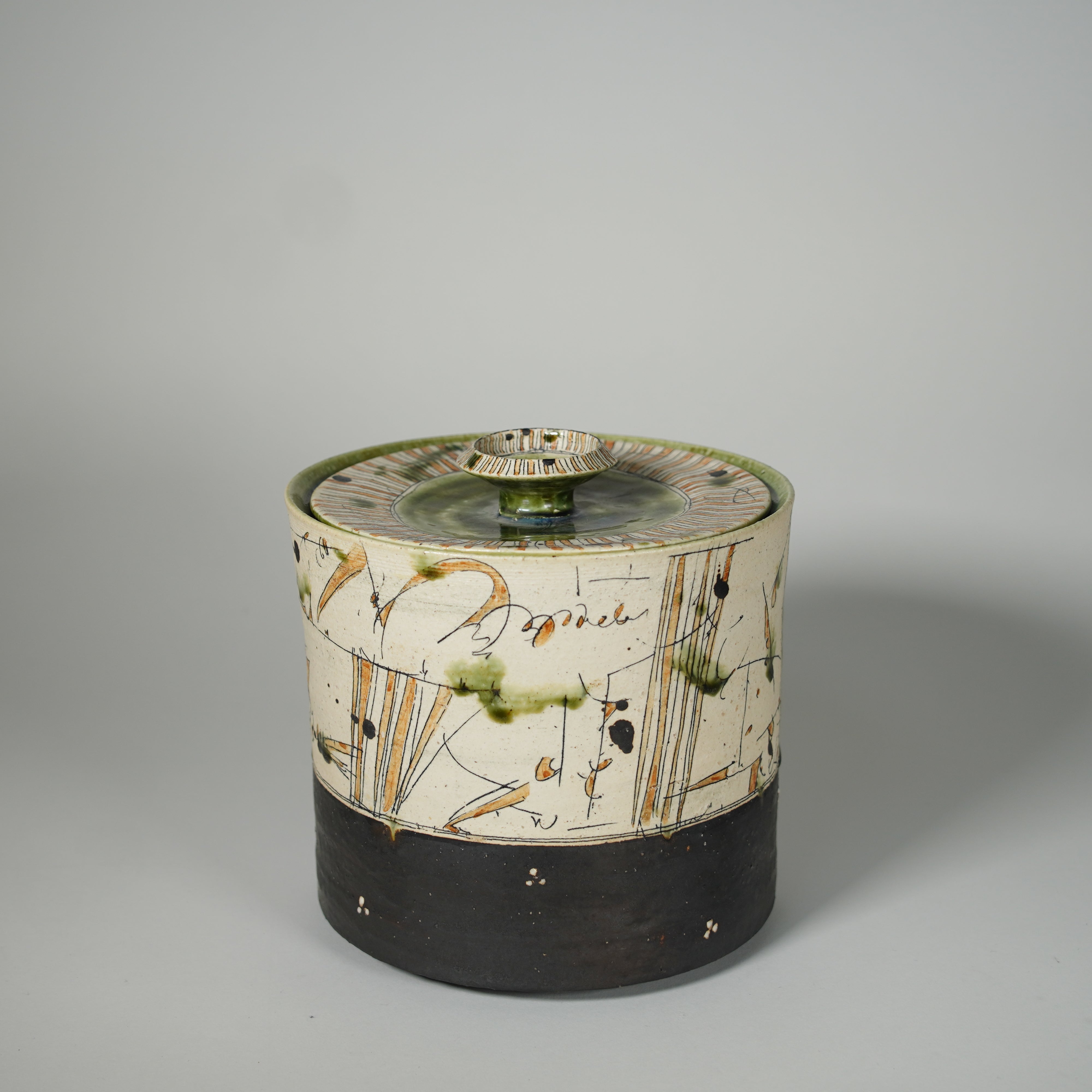
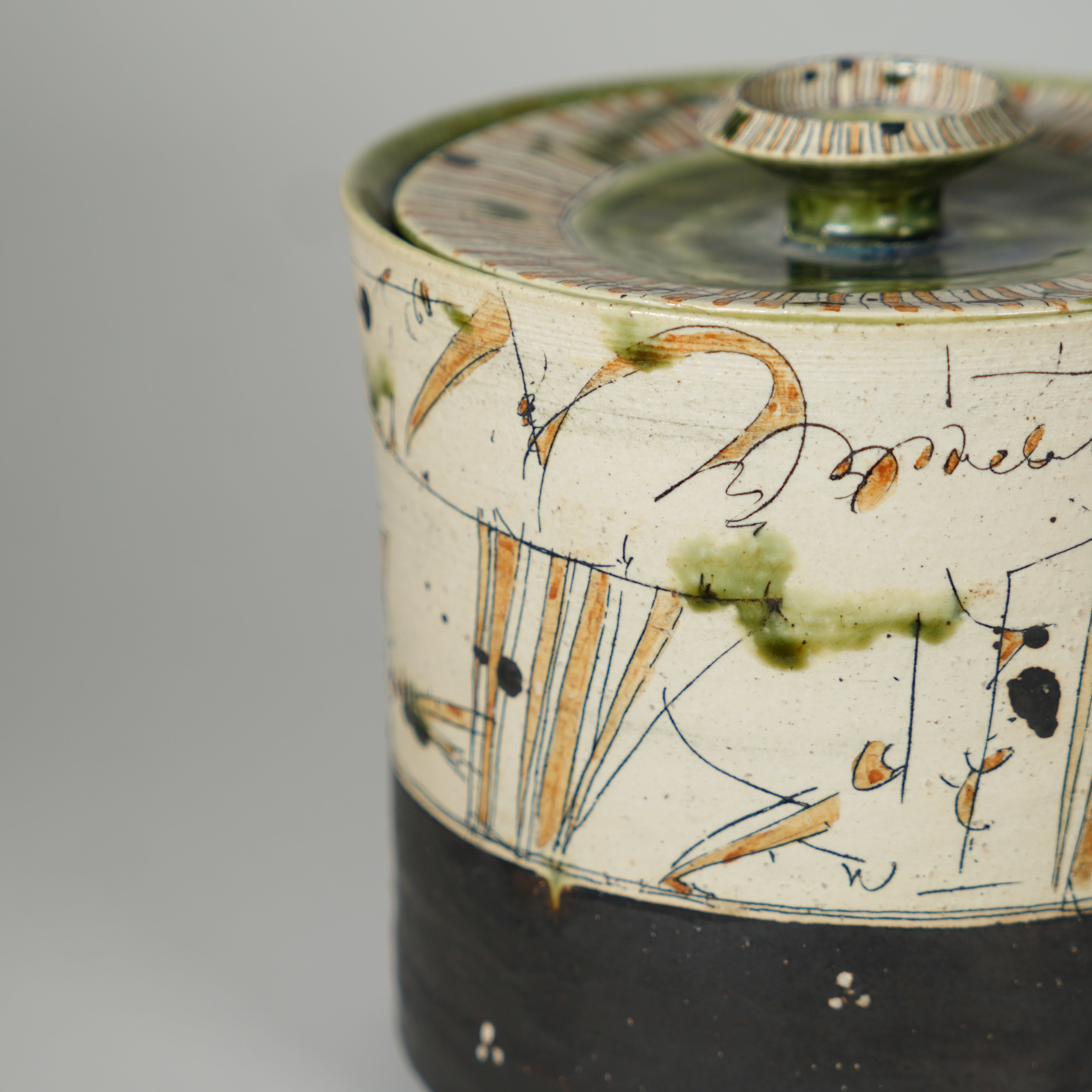
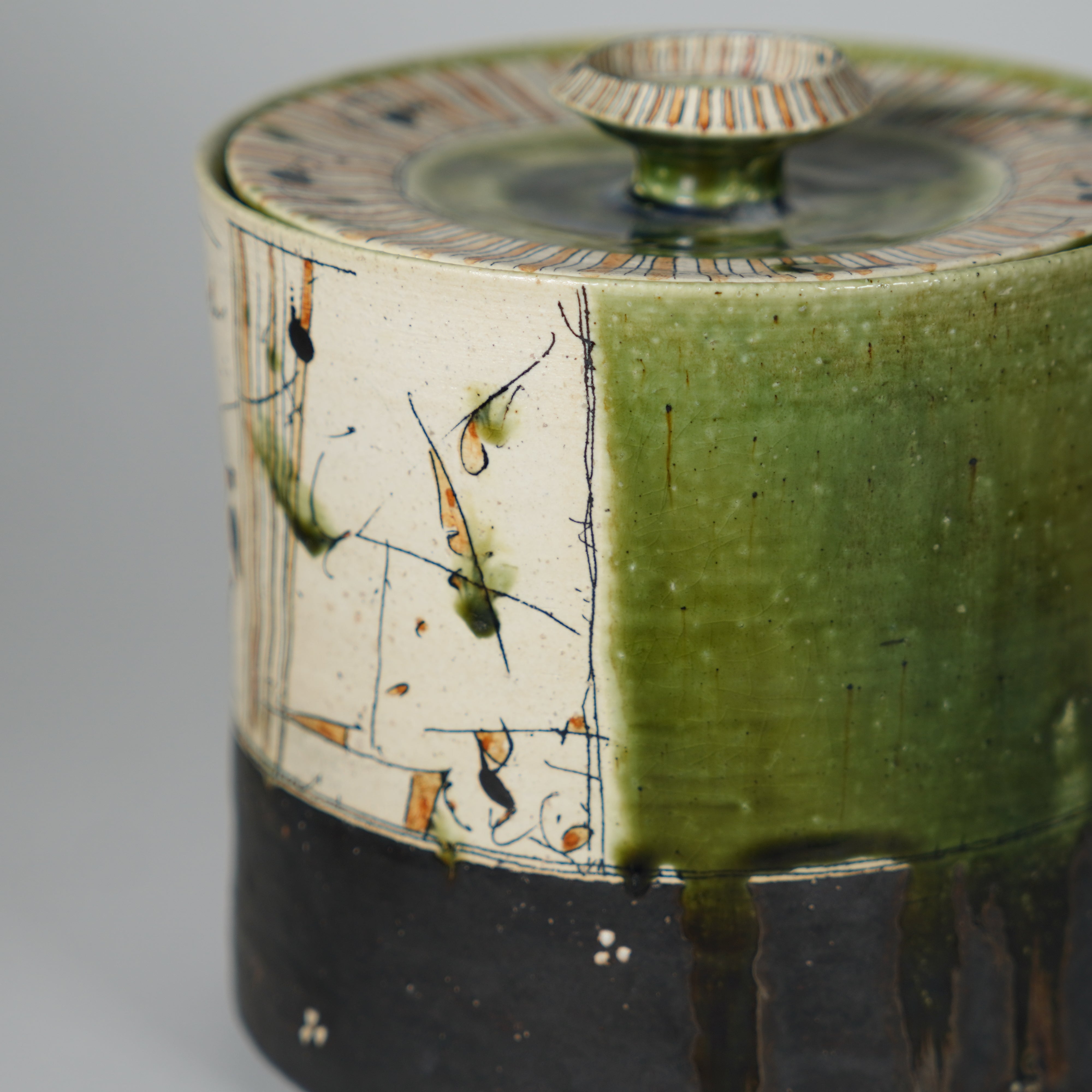
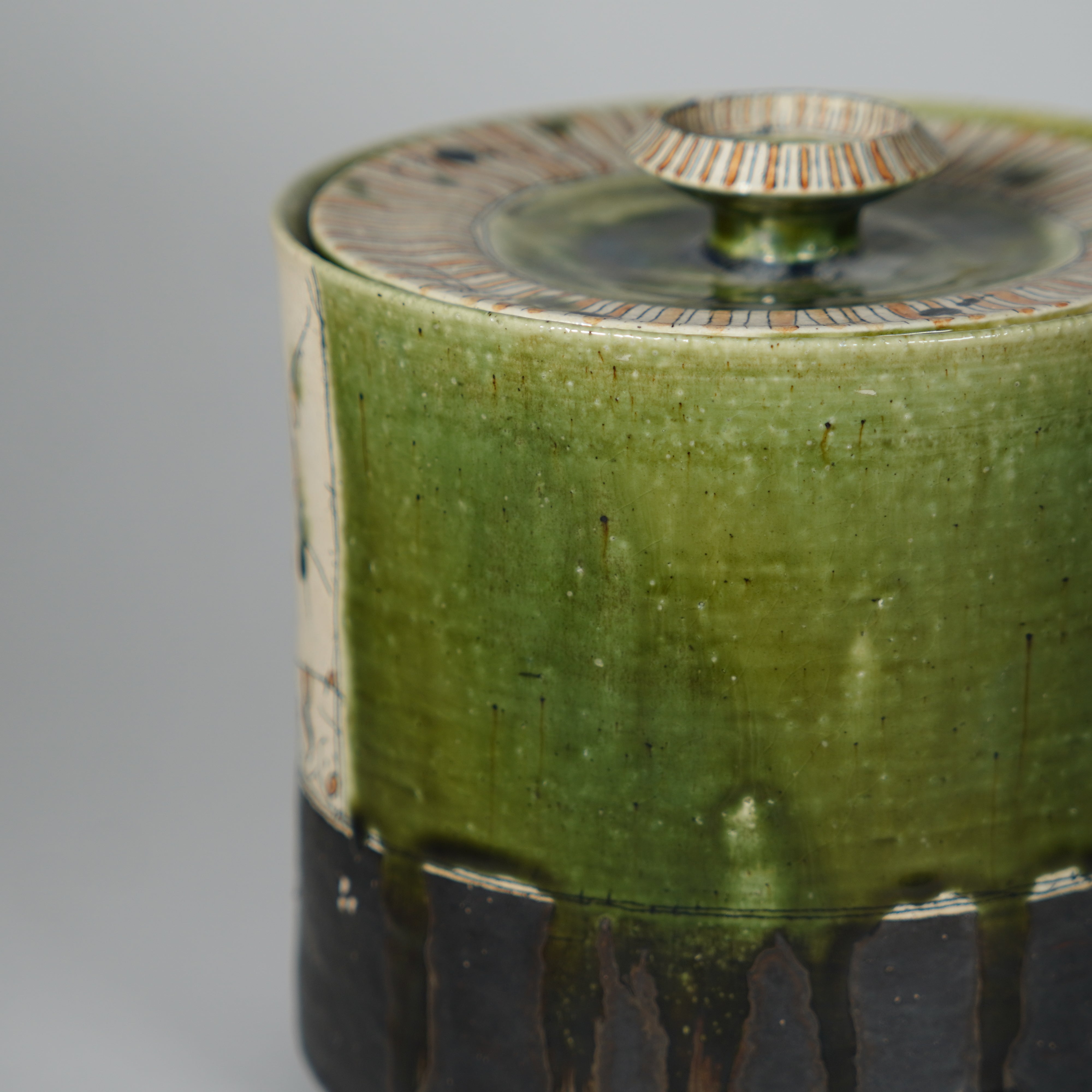
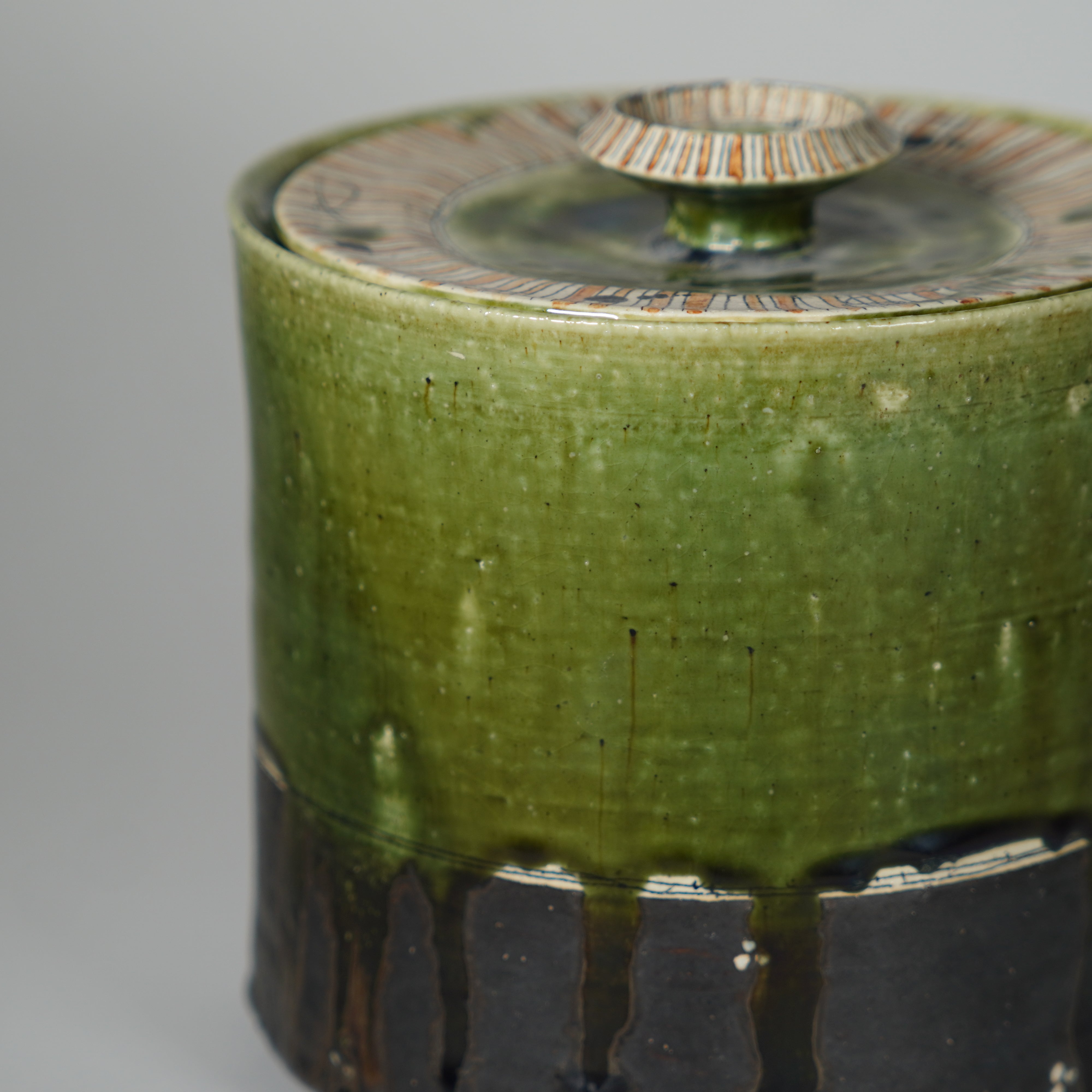
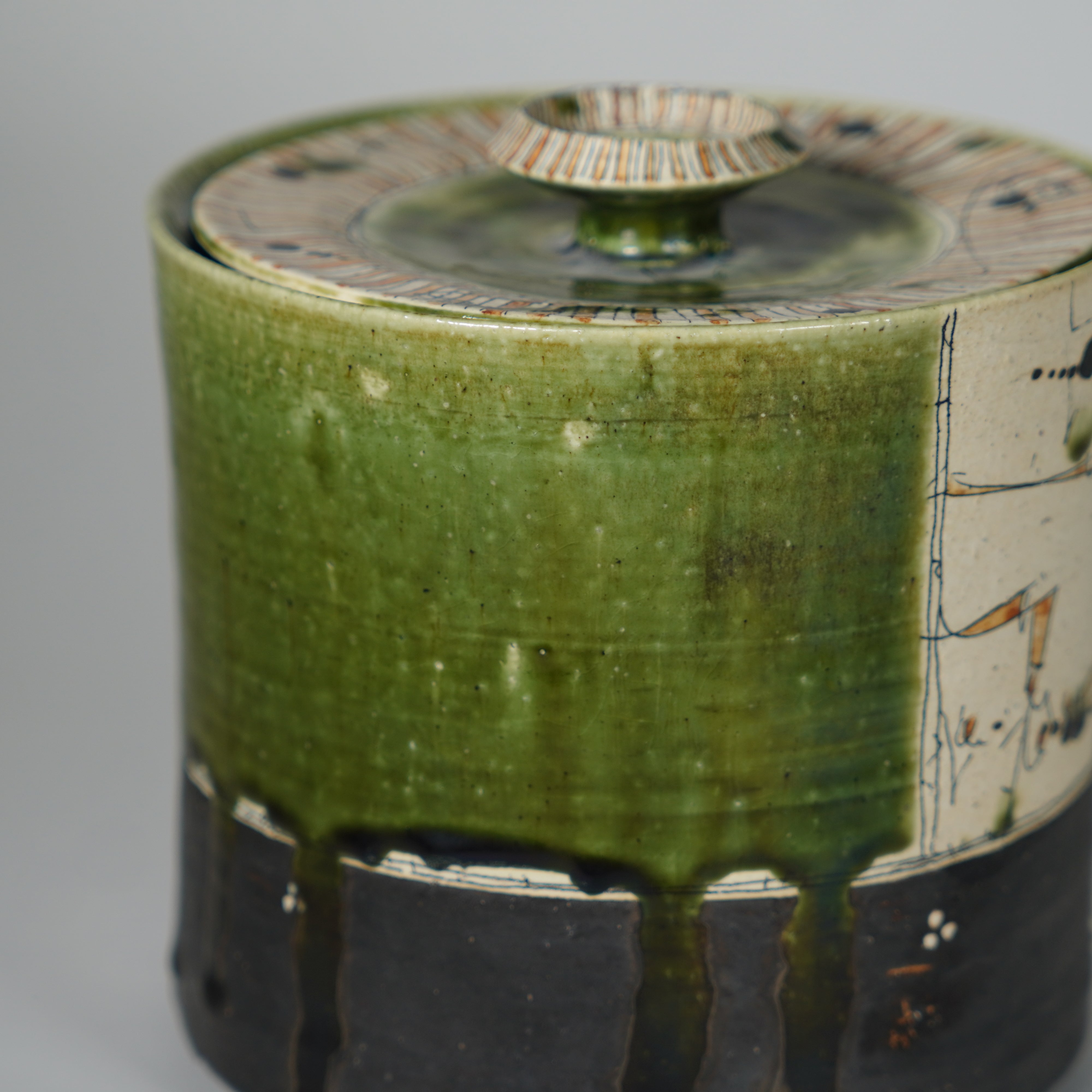
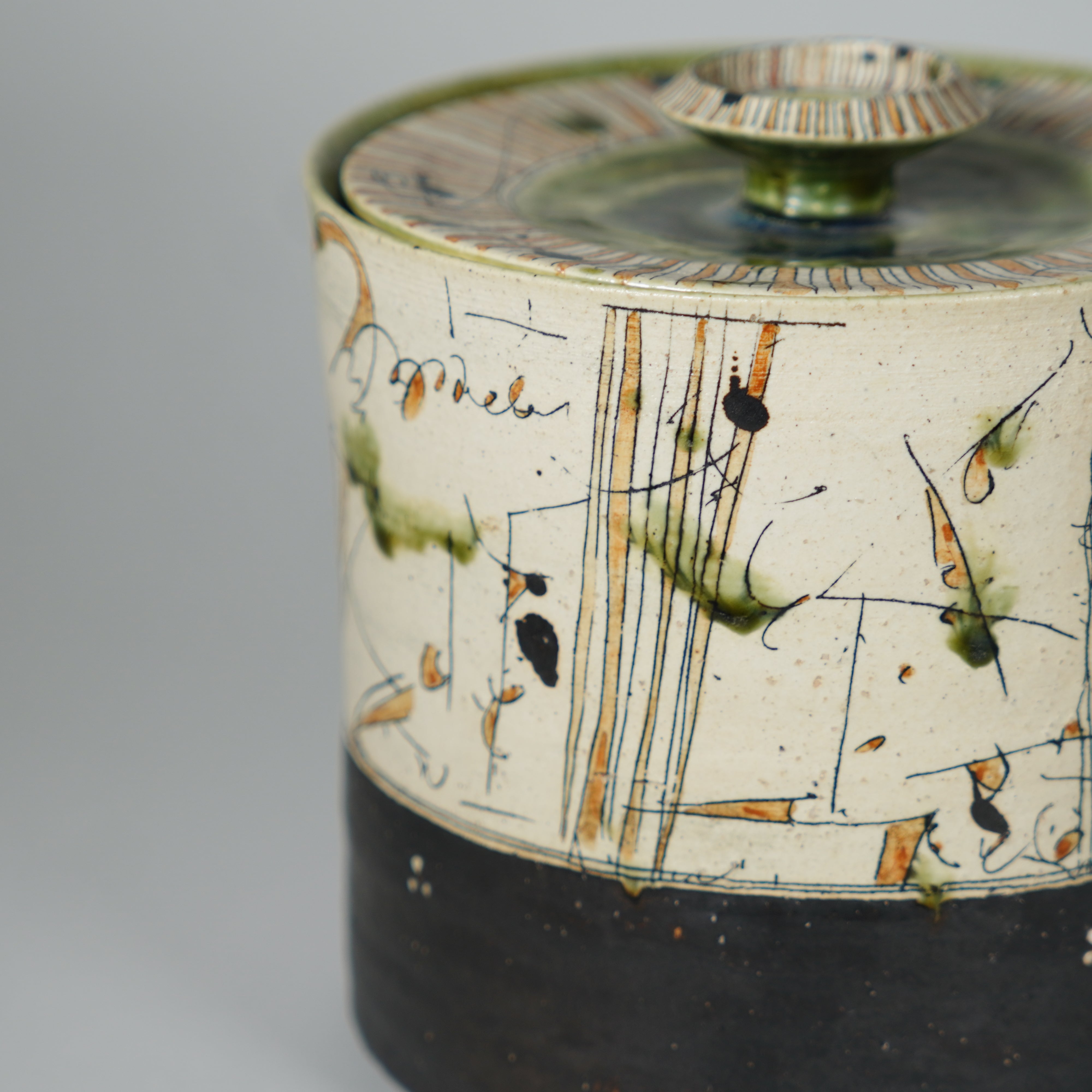
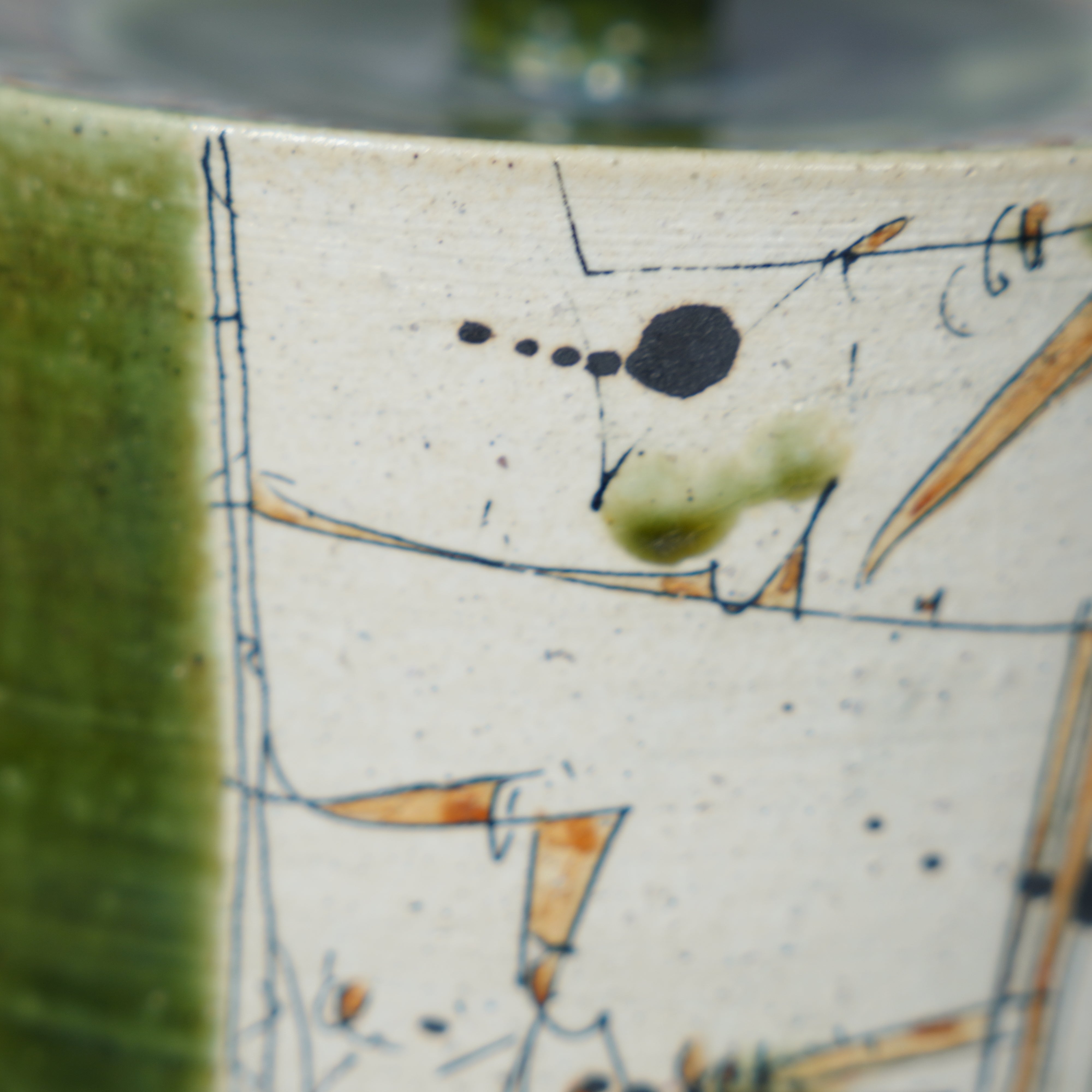
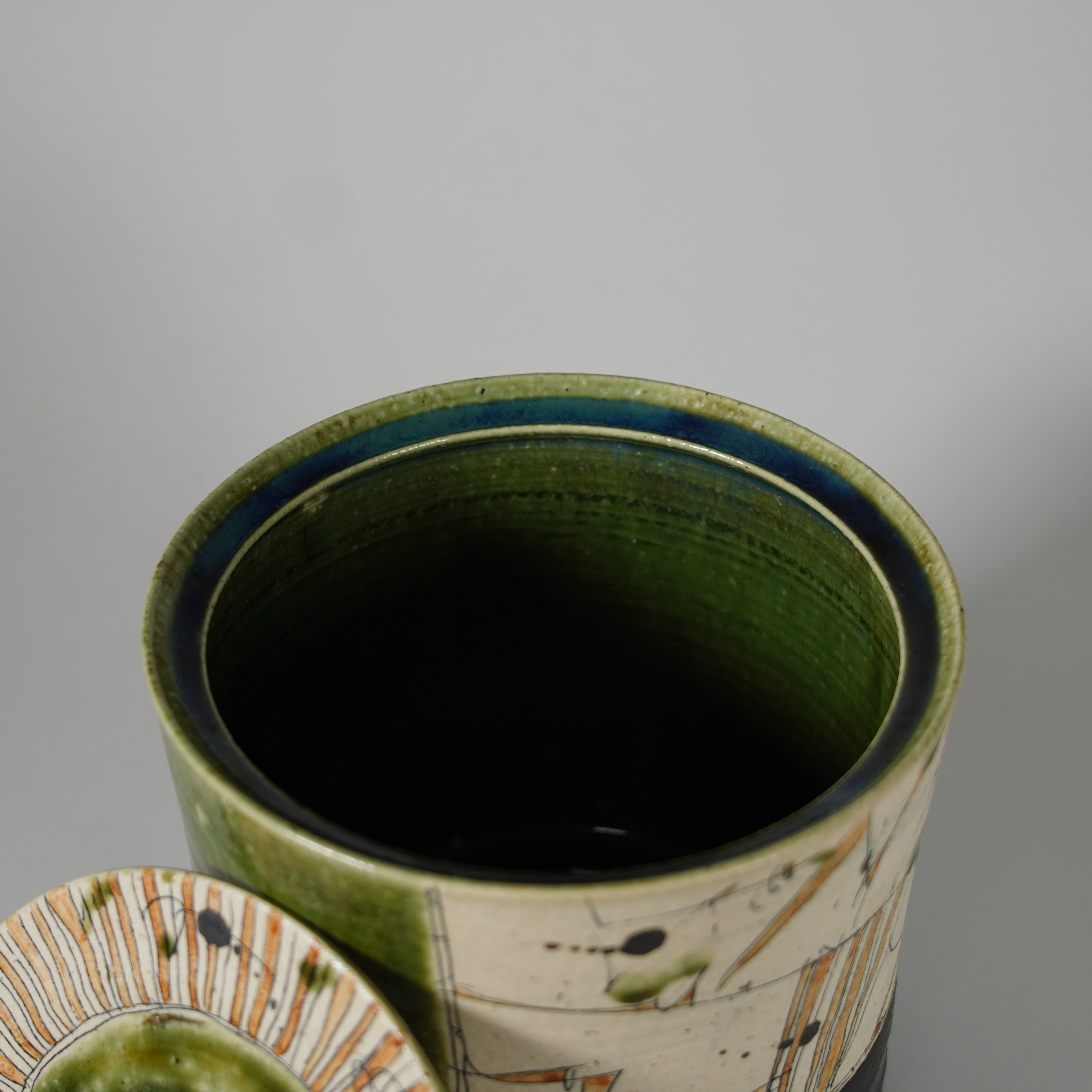
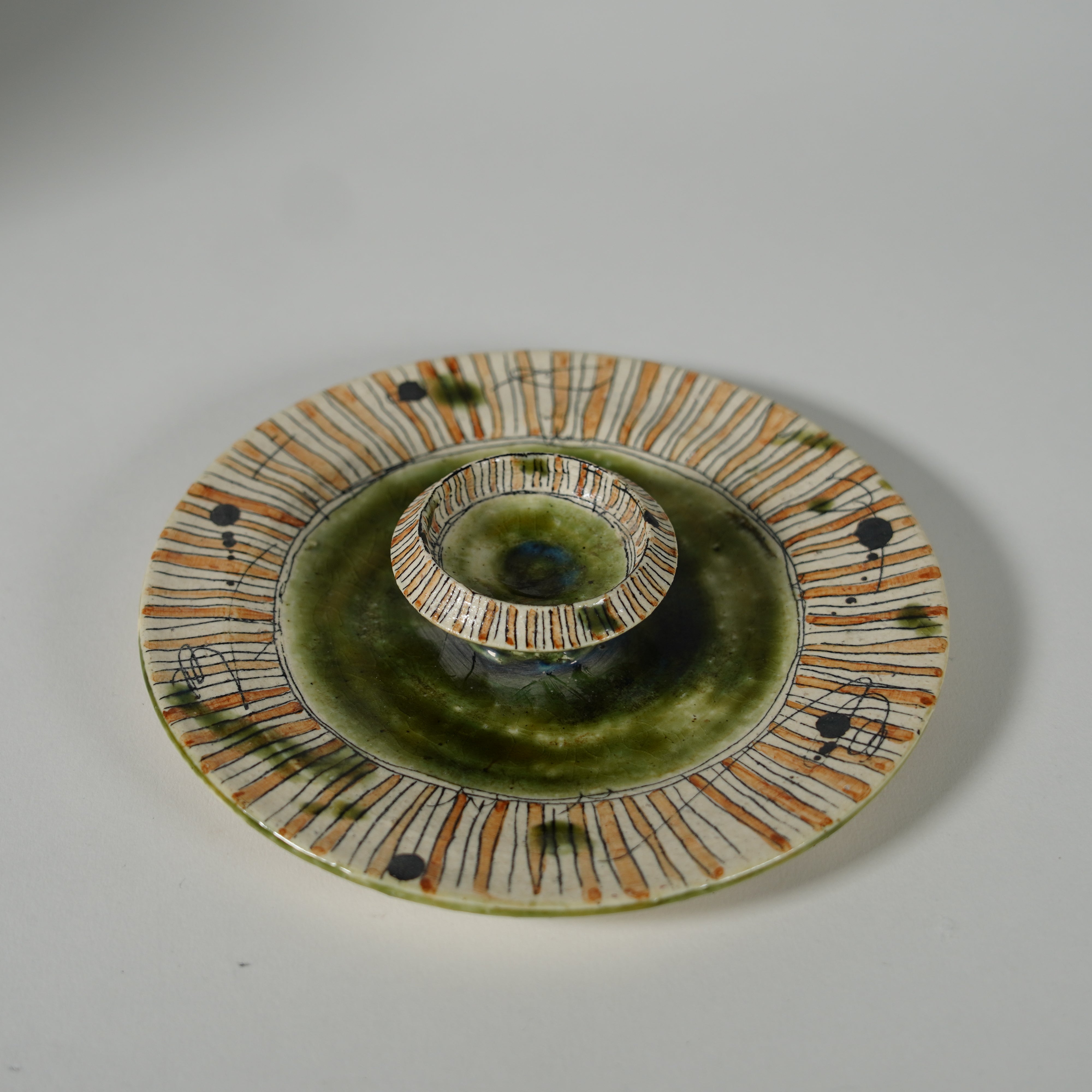
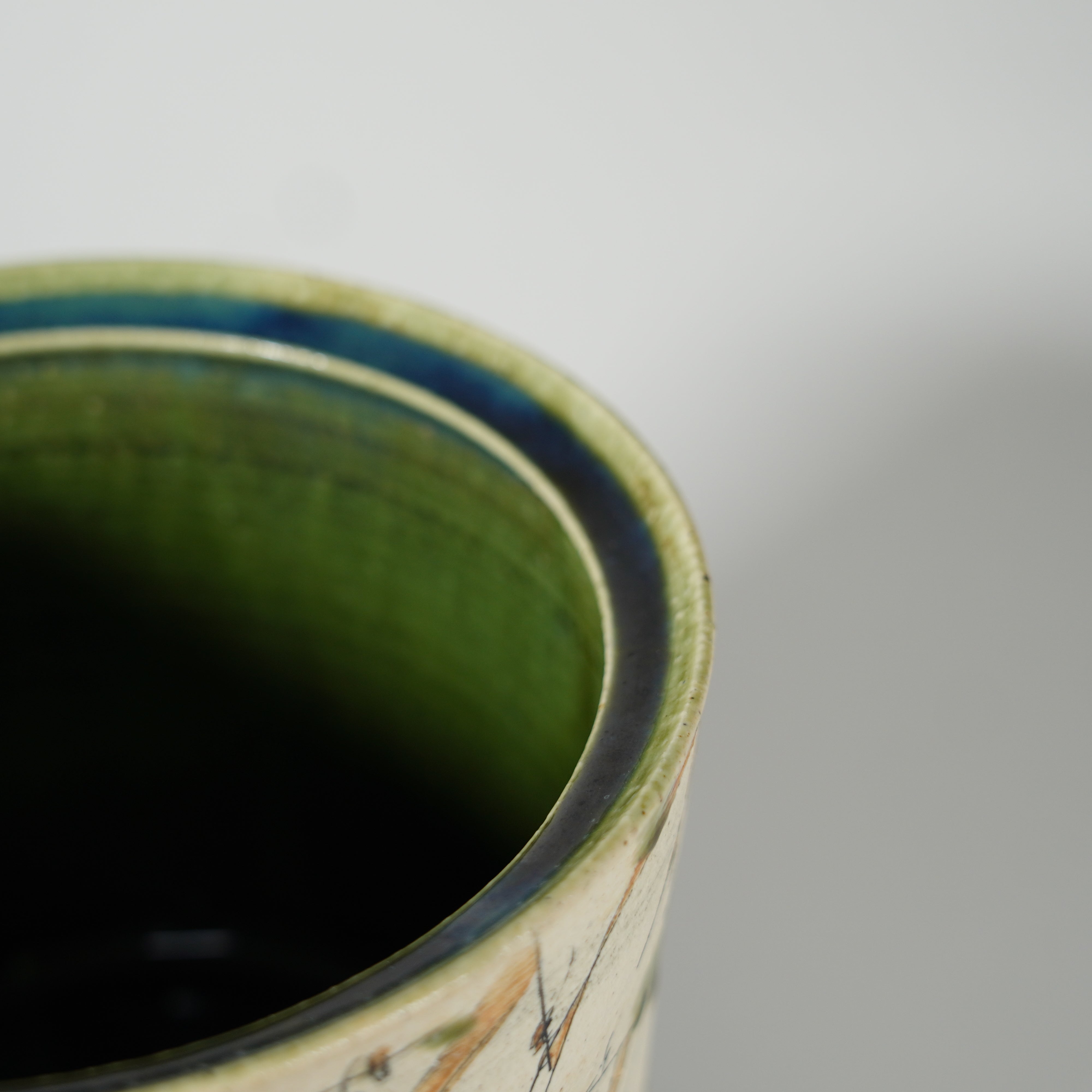
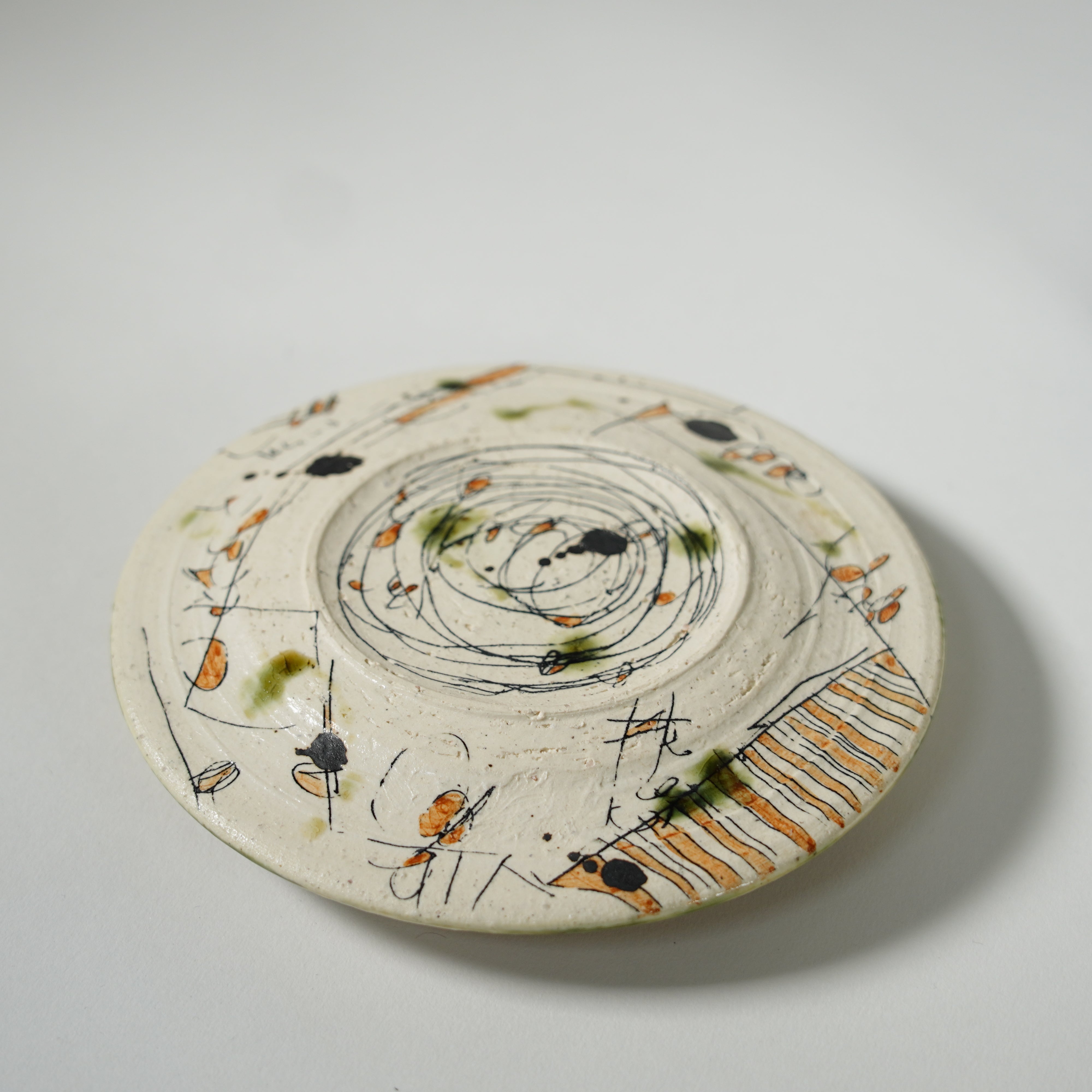
Weinkühler
DESCRIPTION
DETAILS
SIZE
MATERIAL
ARTISAN
KOGEI
Caution
Weinkühler
Angebot9.215,00 kr
Optionen auswählen
Weinkühler
Angebot9.215,00 kr
Land
Sprache
Warenkorb
Dein Warenkorb ist leer
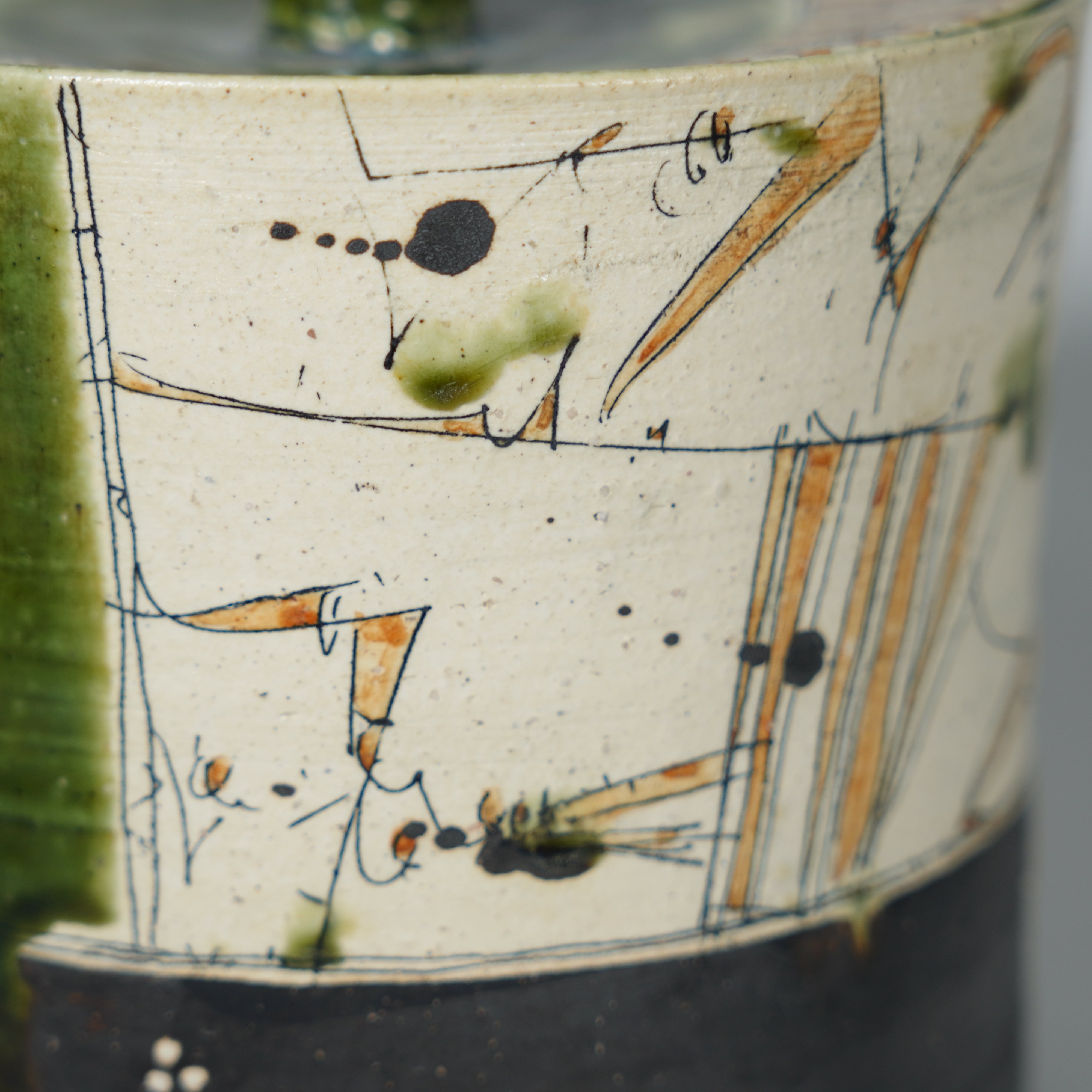
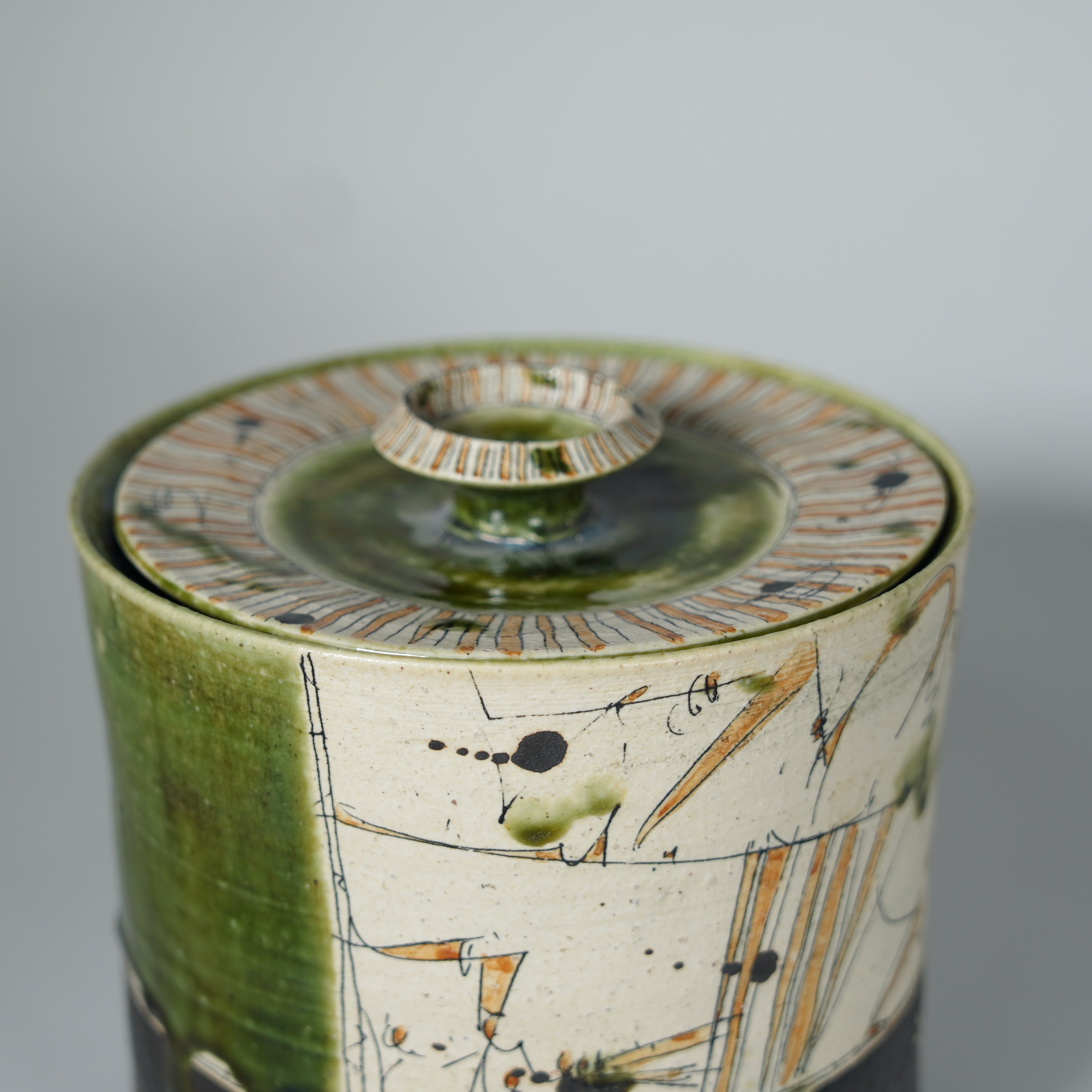
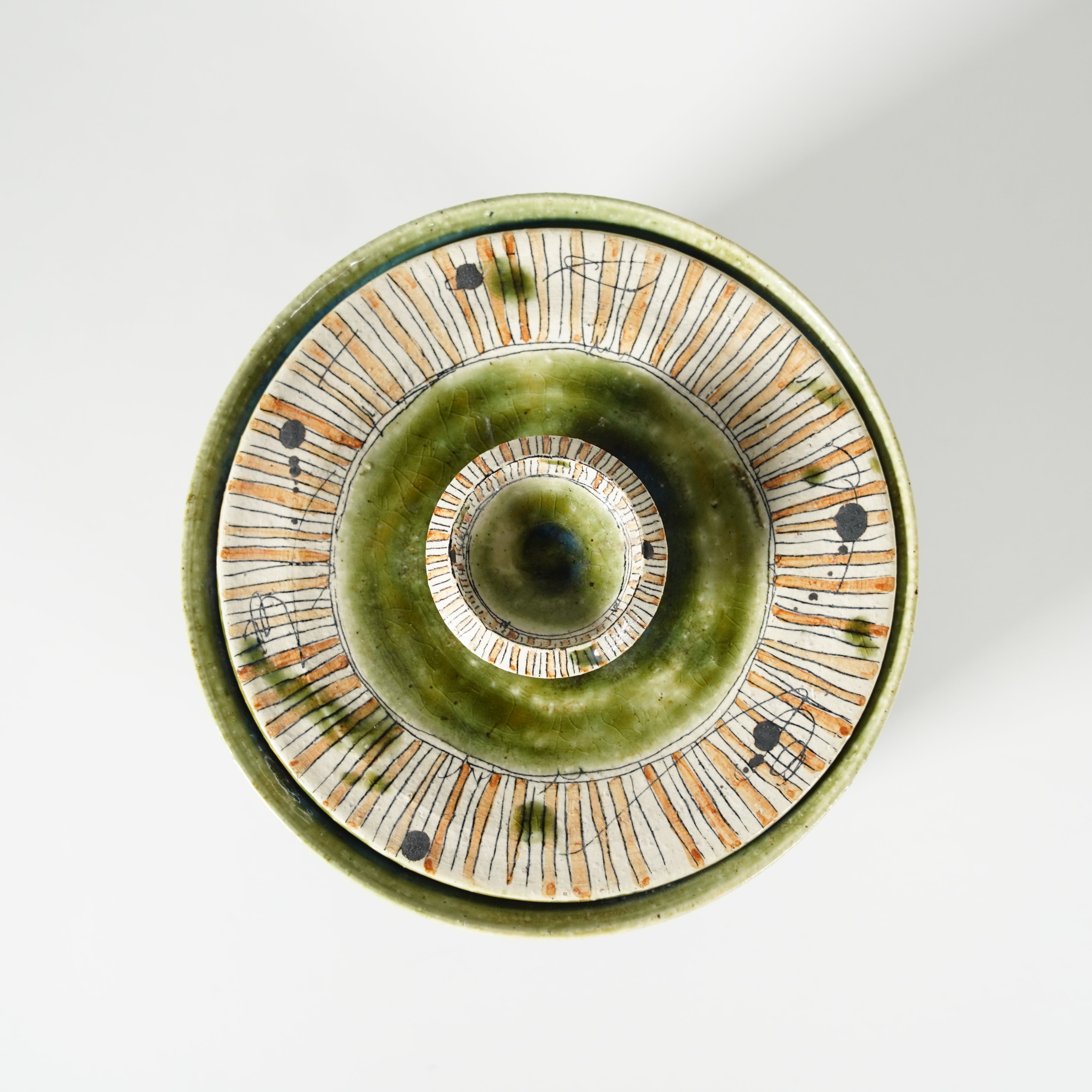
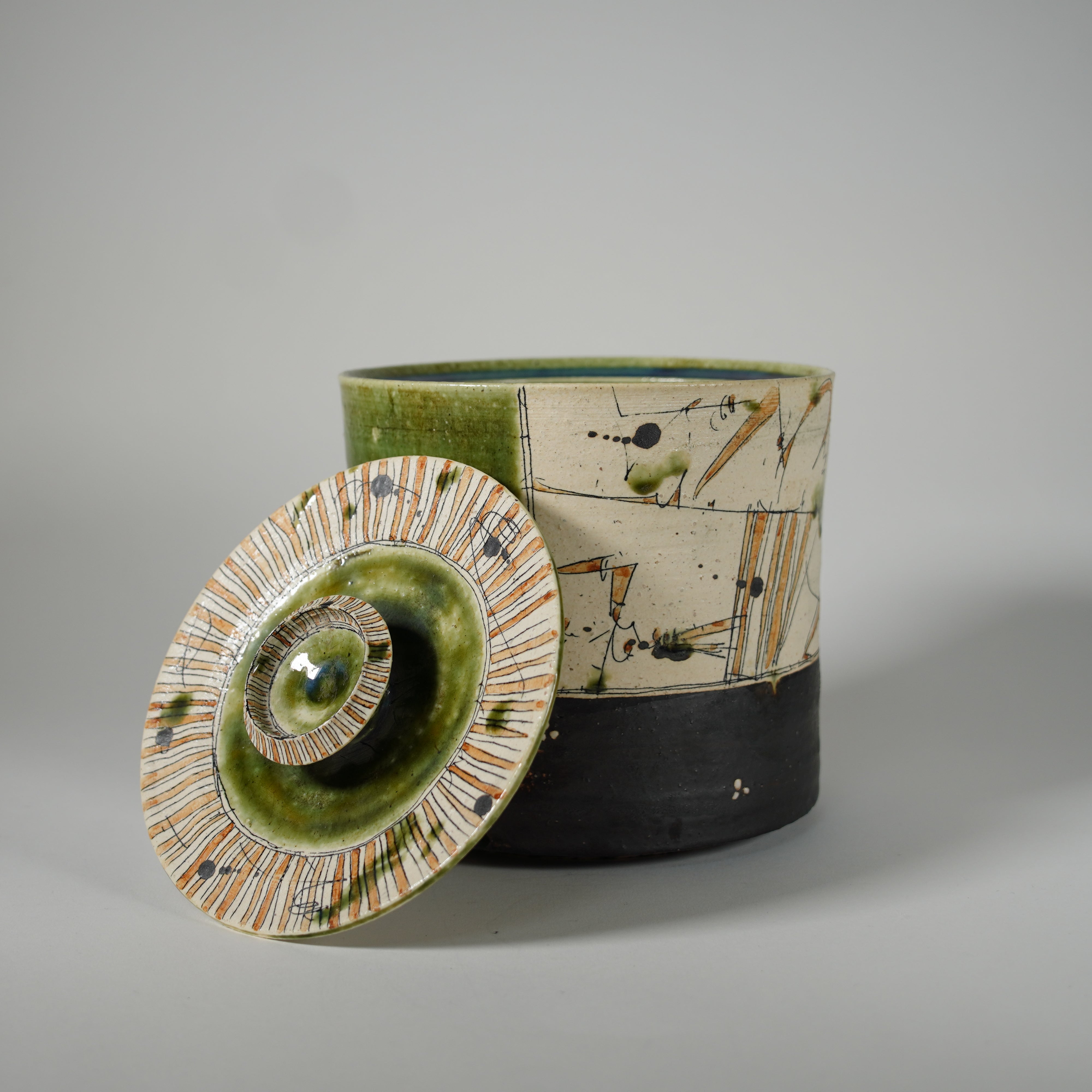
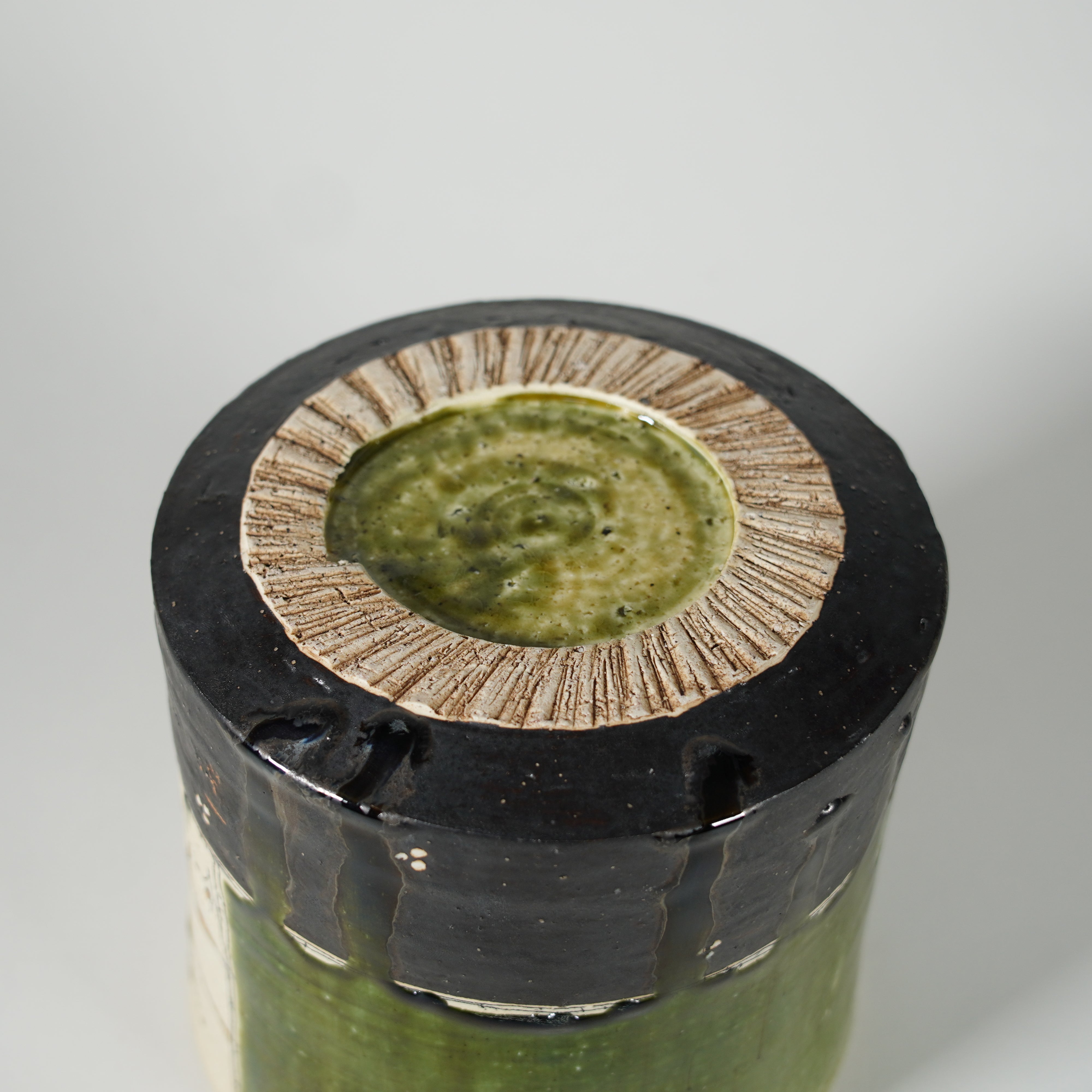
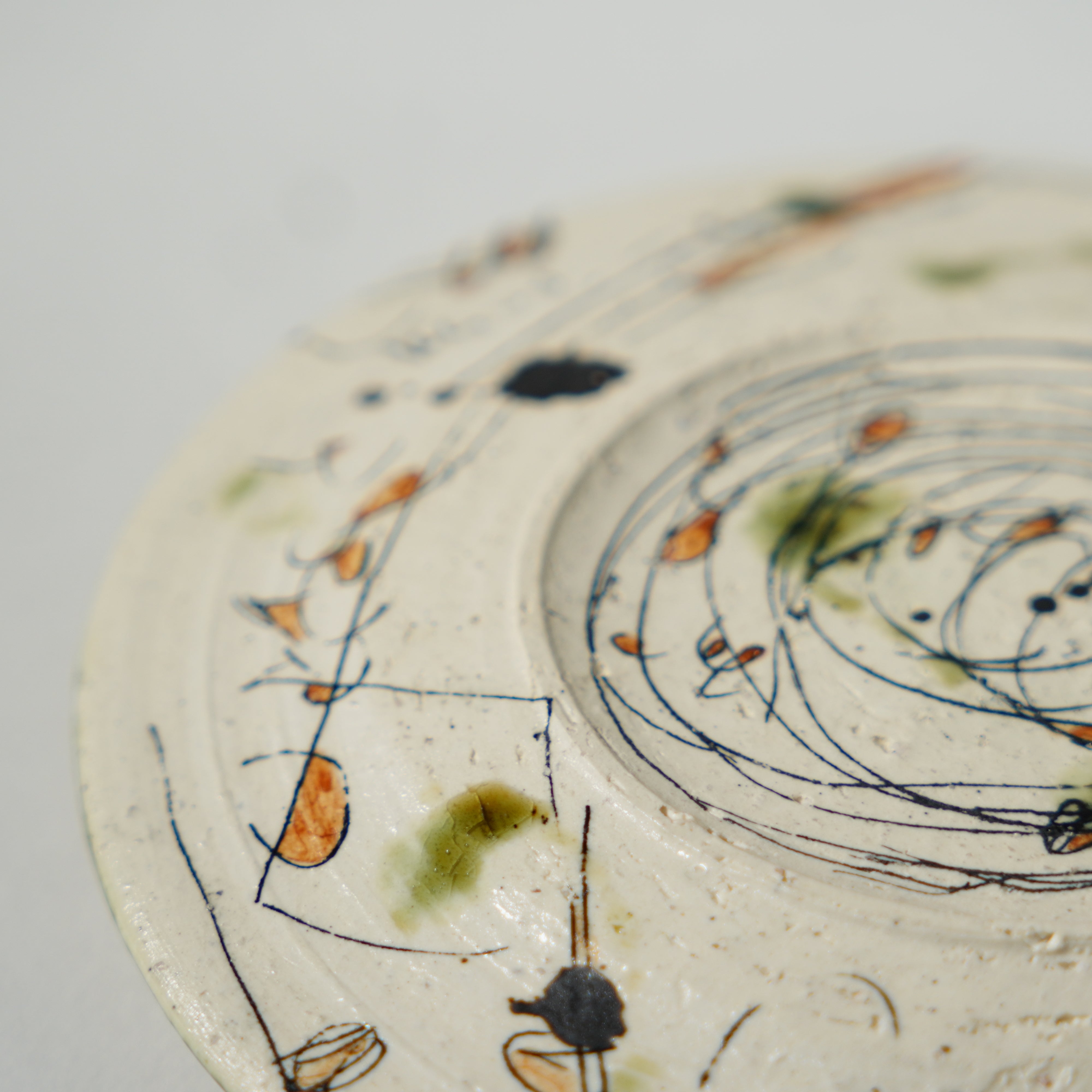
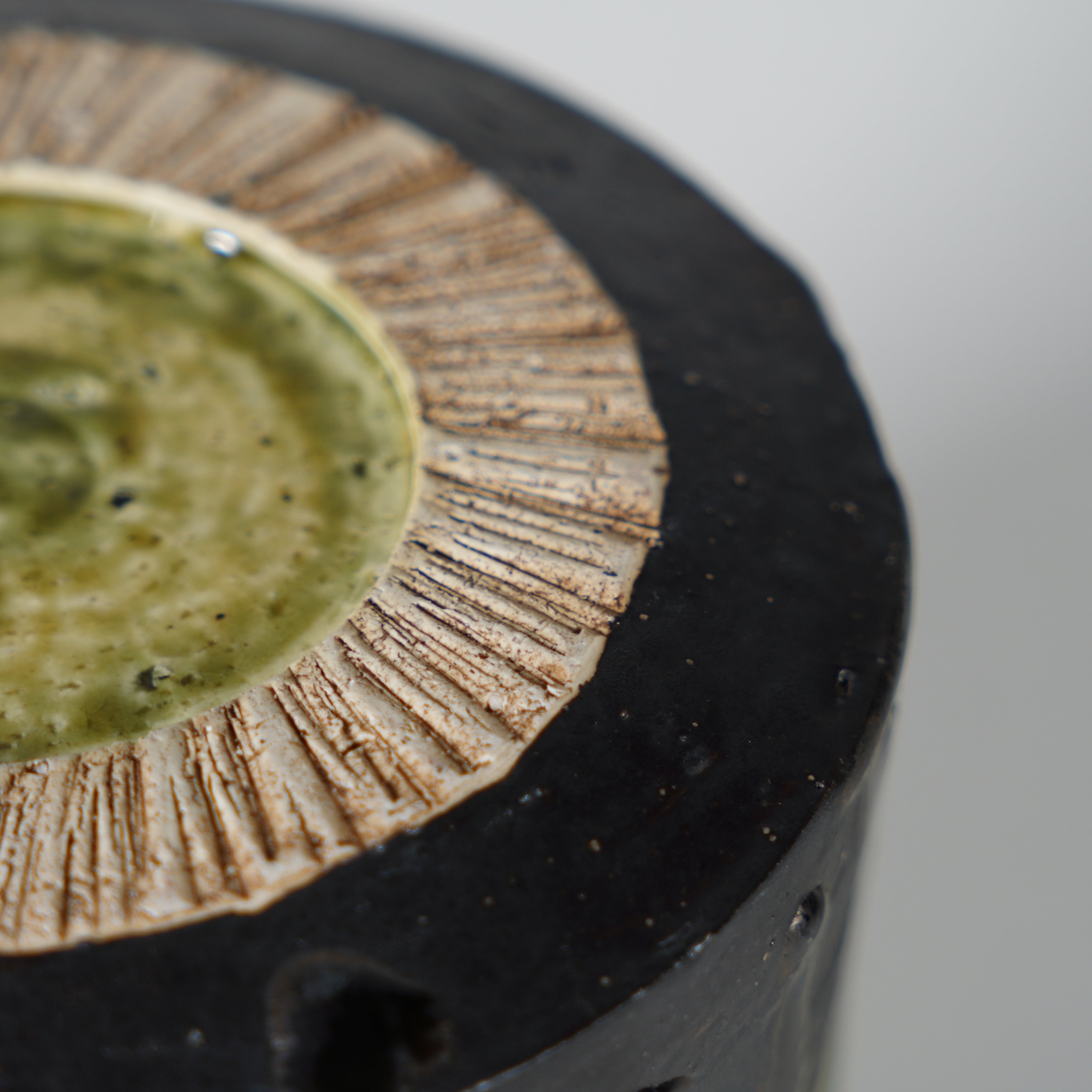
It is a simple and versatile dish that can be used for any occasion. It is smooth to the touch, moderately thin, and easy to hold. It is both beautiful to look at and easy to use. You can enjoy a different look for each dish depending on the glaze. Please enjoy your daily dishes with this plate made by skilled craftsmen.
SIZE
Width:18.5cm
Depth:18.5cm
Height:19.5cm
Weight:1,768g
MATERIAL
Clay
YASUO SHIGEMATSU
ARTISAN STORY
Yasuo Shigematsu
ACHIEVEMENTS
・Received the New Ceramic Artist Award at the Asahi Ceramic Art Exhibition
・Received the Bronze Award in the Ceramic Design Division at the International Ceramics Competition Mino
・Received the Bronze Award at the Taiwan International Golden Teapot Prize
KYO WARE & KIYOMIZU WARE
About 1,200 years ago / 800s / Heian Period (794–1185)
Kyoto ceramics reach back to kilns operating before and during the Heian period, then expanded with tea culture in the Muromachi and Momoyama eras. In the seventeenth century, Nonomura Ninsei perfected brilliant overglaze decoration, followed by innovators such as Ogata Kenzan, Okuda Eisen and Aoki Mokubei, whose diverse approaches shaped today’s Kyo and Kiyomizu ware.
In Japan, these ceramics are famous precisely because there is no single fixed style. Tea bowls, kaiseki dishes and everyday tableware may use overglaze painting, blue-and-white decoration, gold, sancai-inspired color and many other techniques. The craft sits at the heart of Kyoto’s culture of pairing vessels with cuisine and tea.
The surprising point is that Kyoto was never defined by a single major clay deposit. Potters drew on materials such as Amakusa porcelain stone, techniques arriving from other regions, and the tastes of artists and patrons gathered in the capital. Freedom from one local material helped make Kyoto ceramics unusually hybrid and stylistically diverse.
Individual Differences
As each piece is individually handcrafted, slight variations in color, pattern, shape, and texture may occur. These subtle differences are a natural characteristic of handcrafted works, making each piece truly unique. We hope you will enjoy these individual variations as part of the beauty and character of Japanese craftsmanship.
Production Time
If an item is not currently in stock, it may be made to order by the artisan. As each piece is carefully handcrafted, production may take several months depending on the item and the artisan's schedule. We appreciate your patience and understanding.
Optionen auswählen