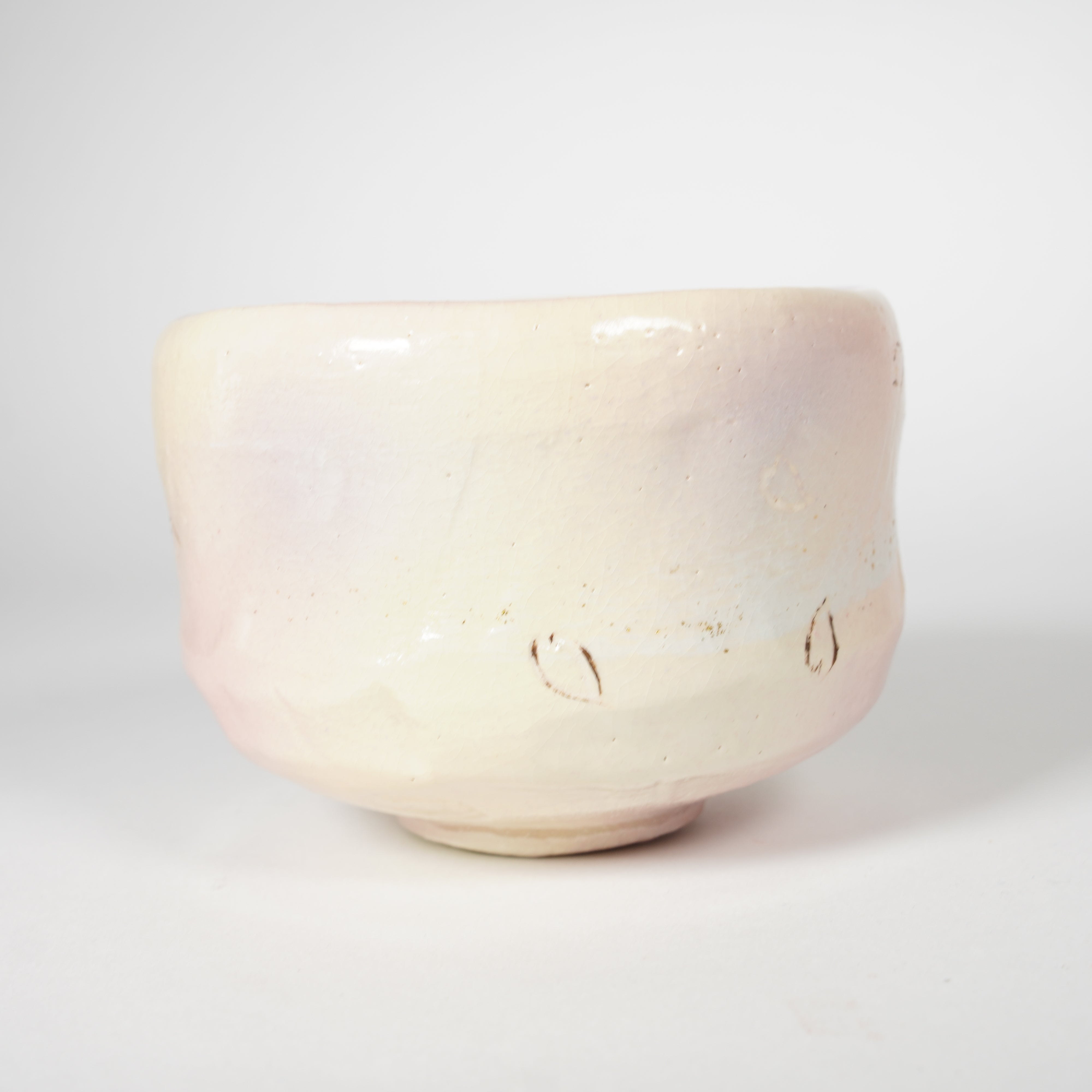
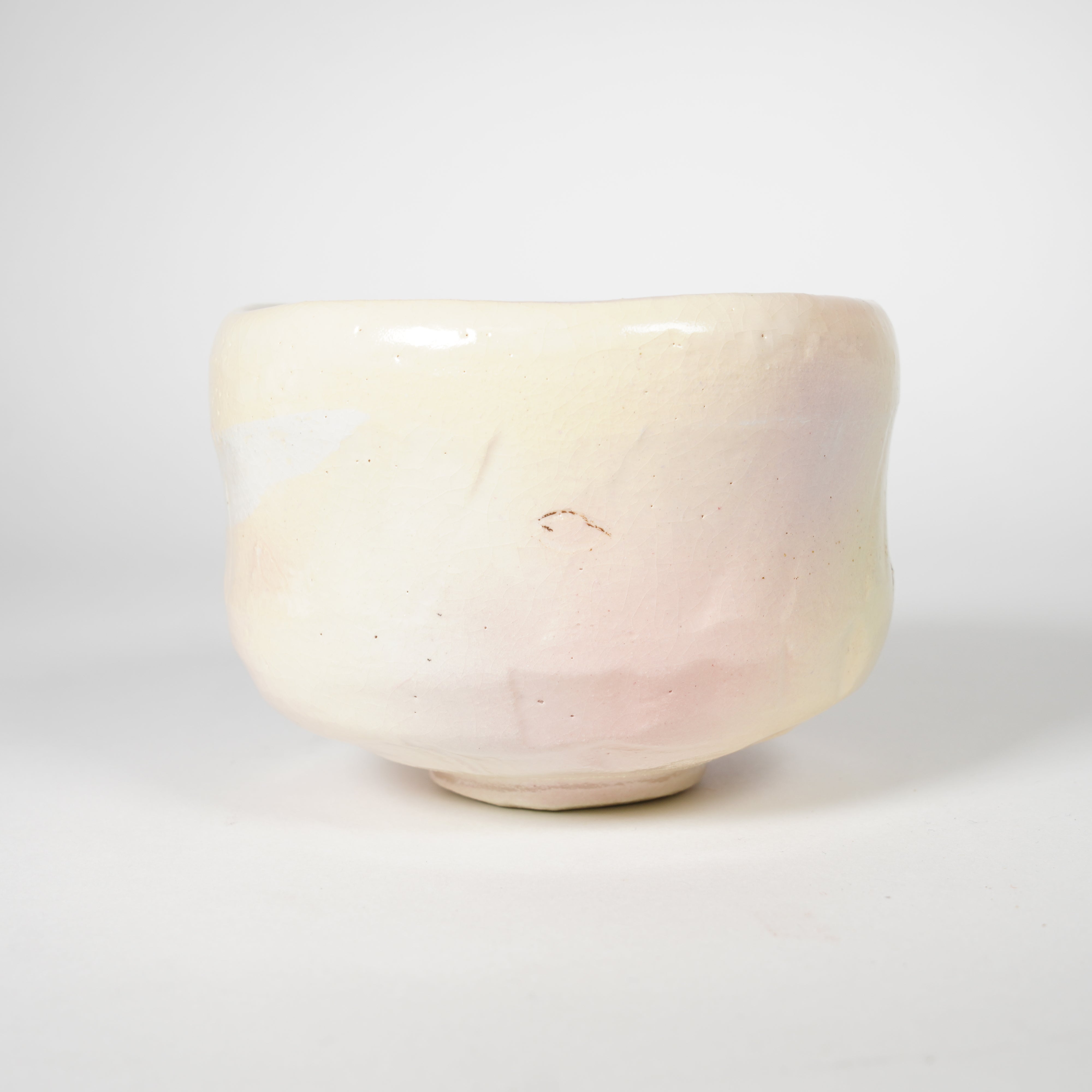
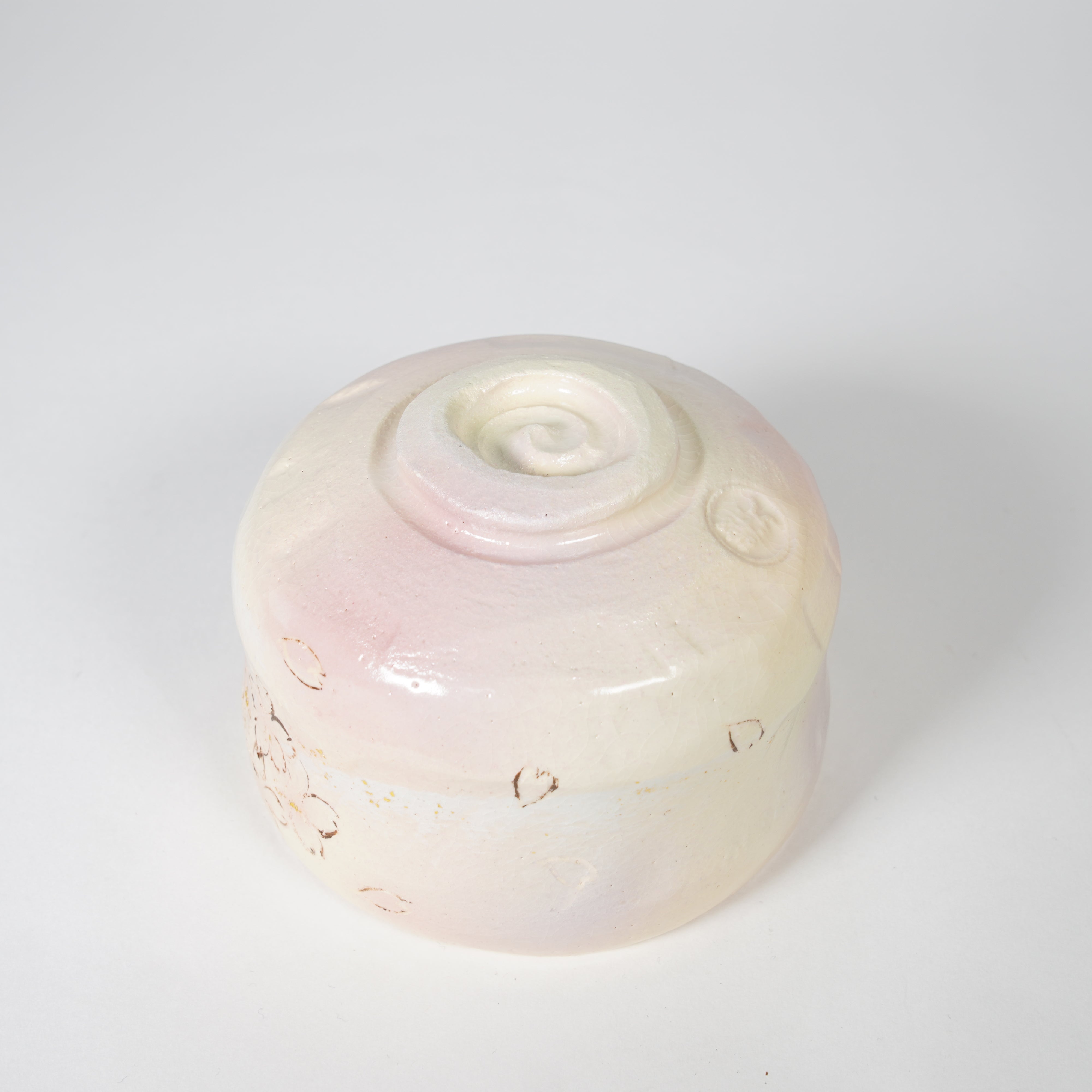
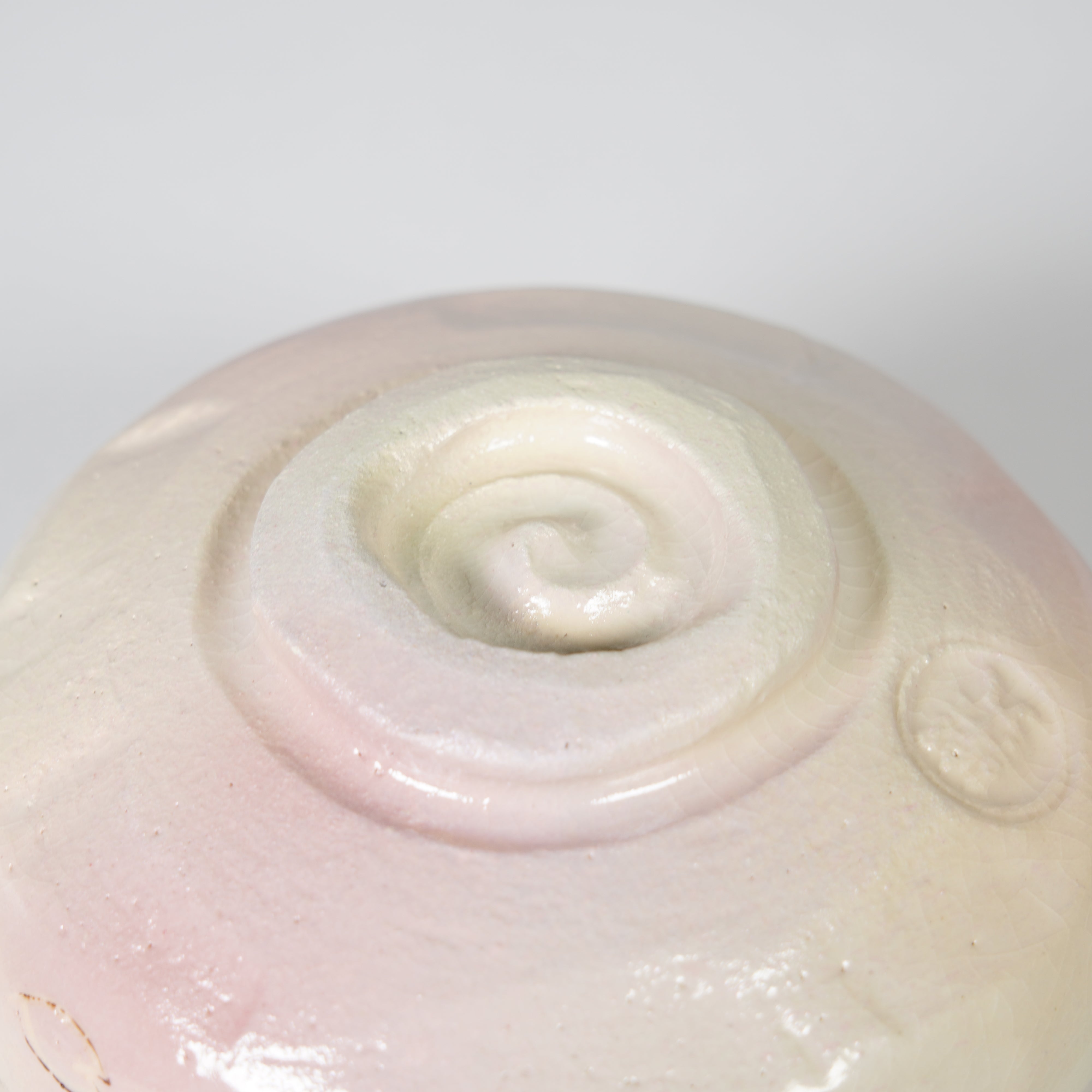
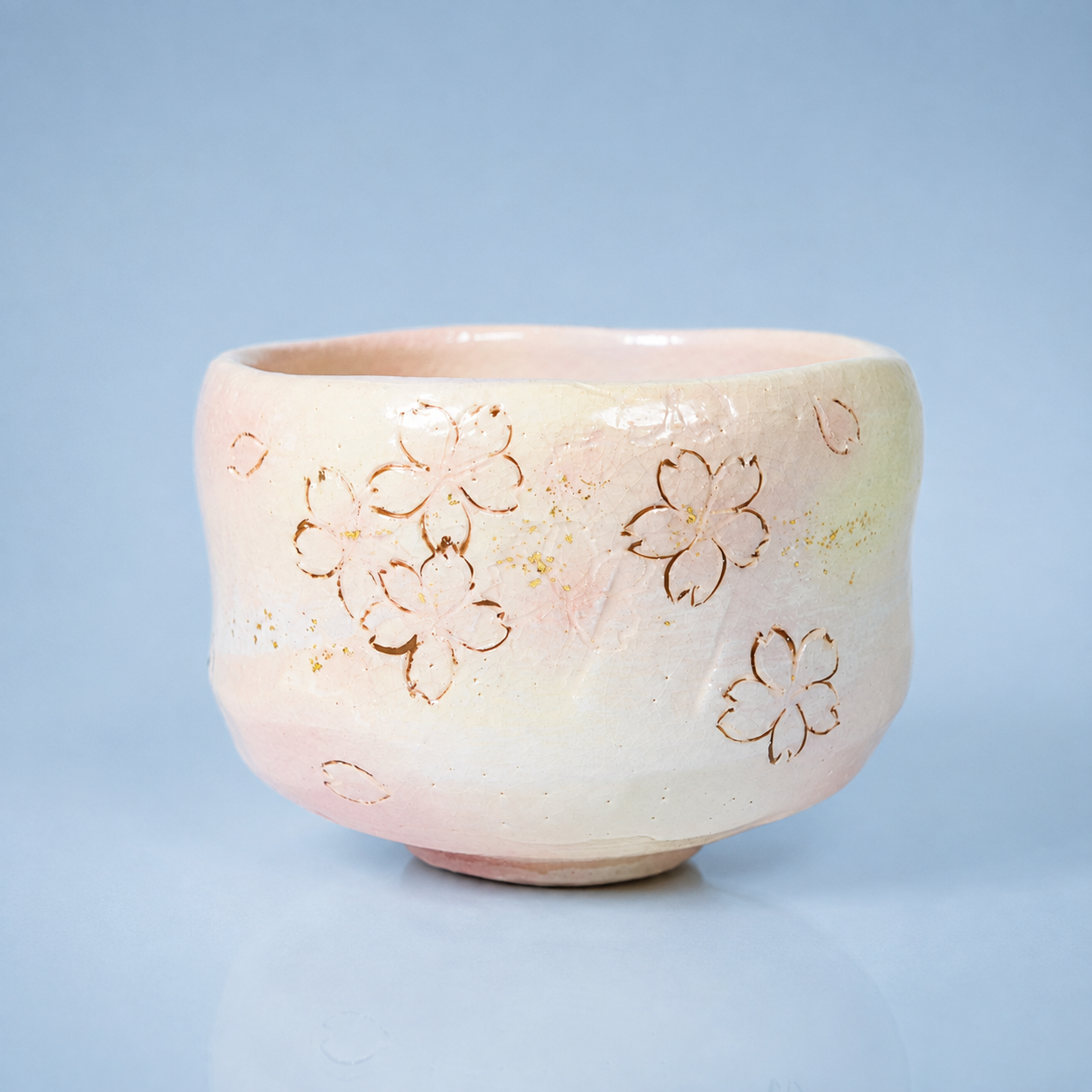
Raku -Keramik / Teeschale / Kirschblüte
DESCRIPTION
DETAILS
SIZE
MATERIAL
ARTISAN
KOGEI
Caution
Optionen auswählen


Raku -Keramik / Teeschale / Kirschblüte
Angebot8,513.00 ฿
Land
Sprache
Warenkorb
Dein Warenkorb ist leer


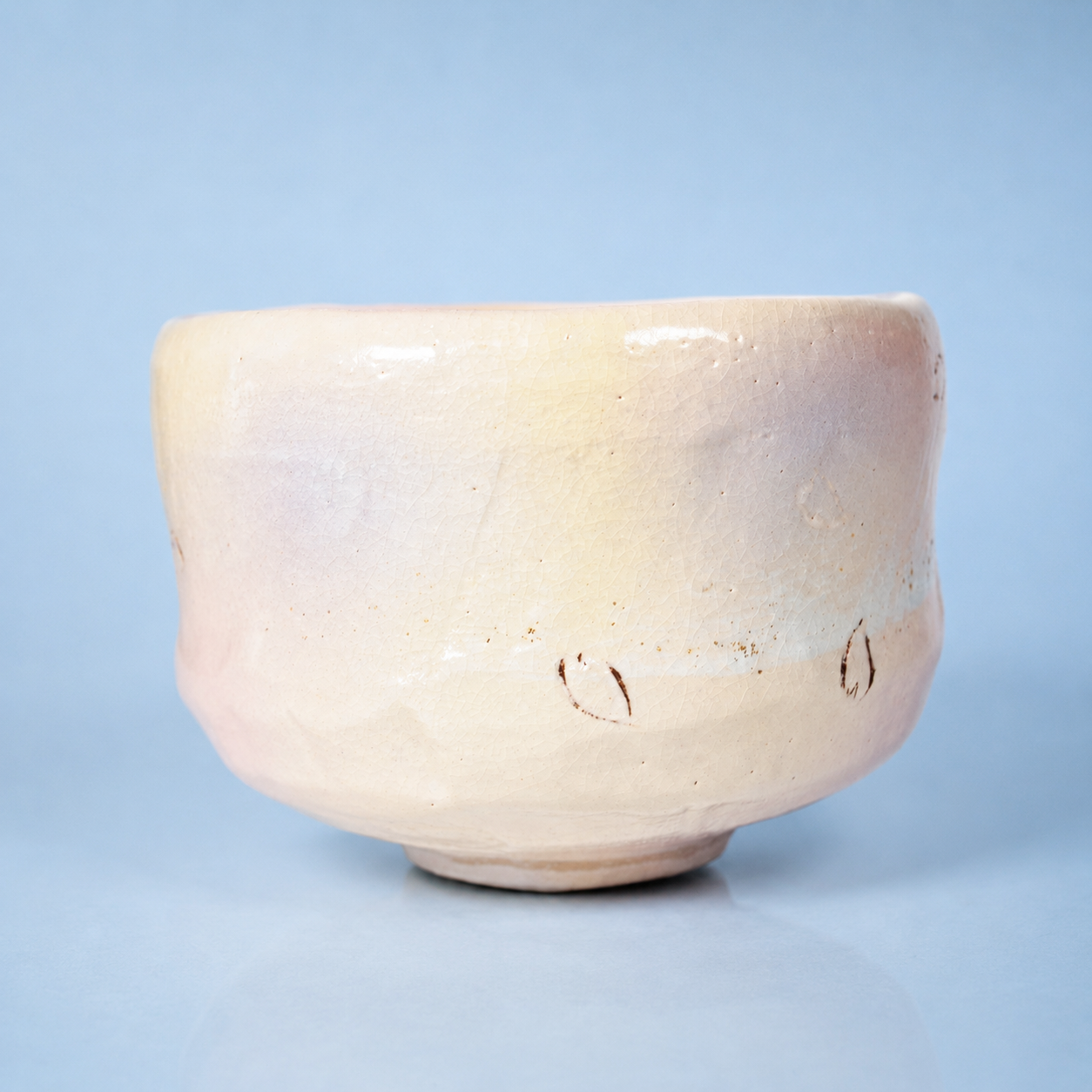
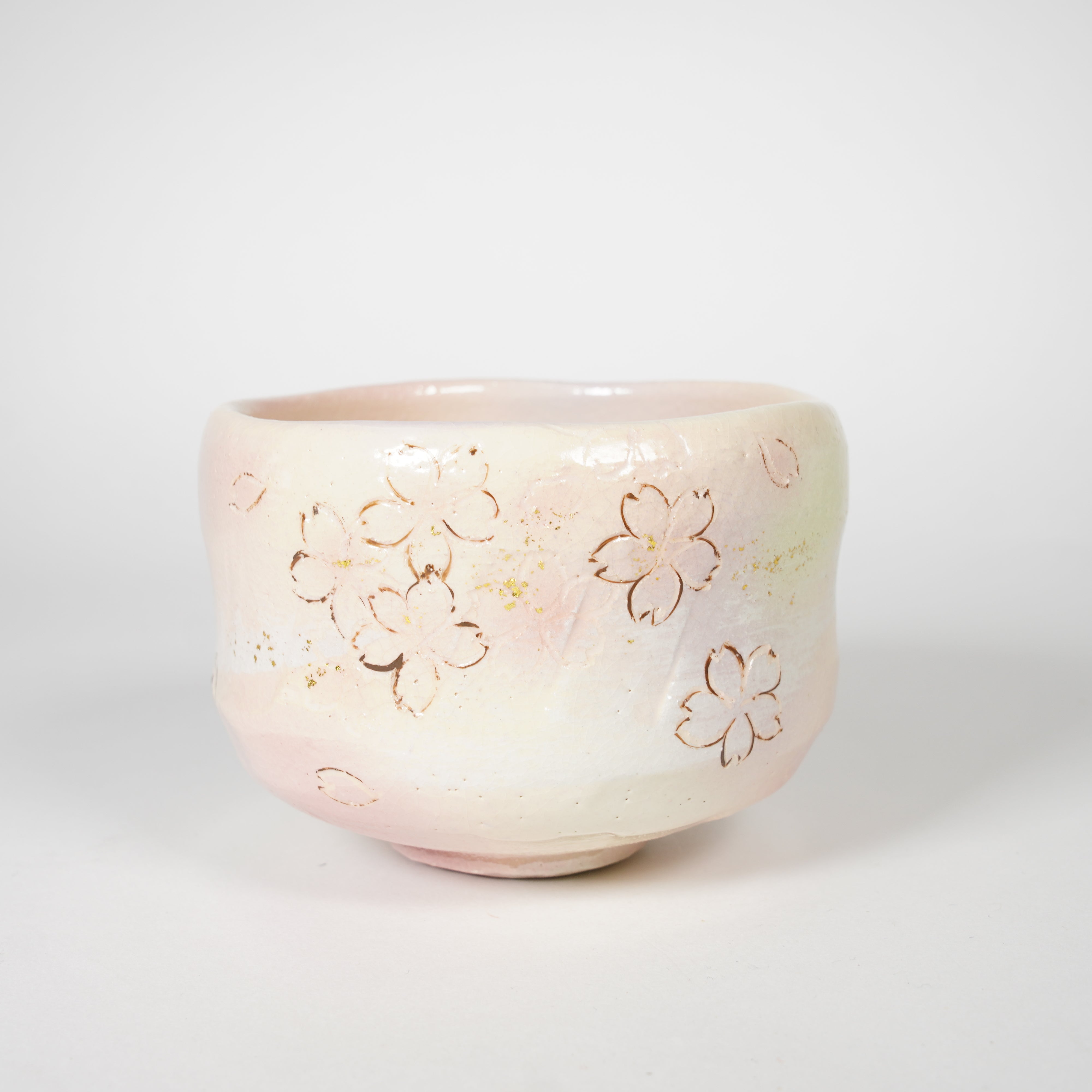
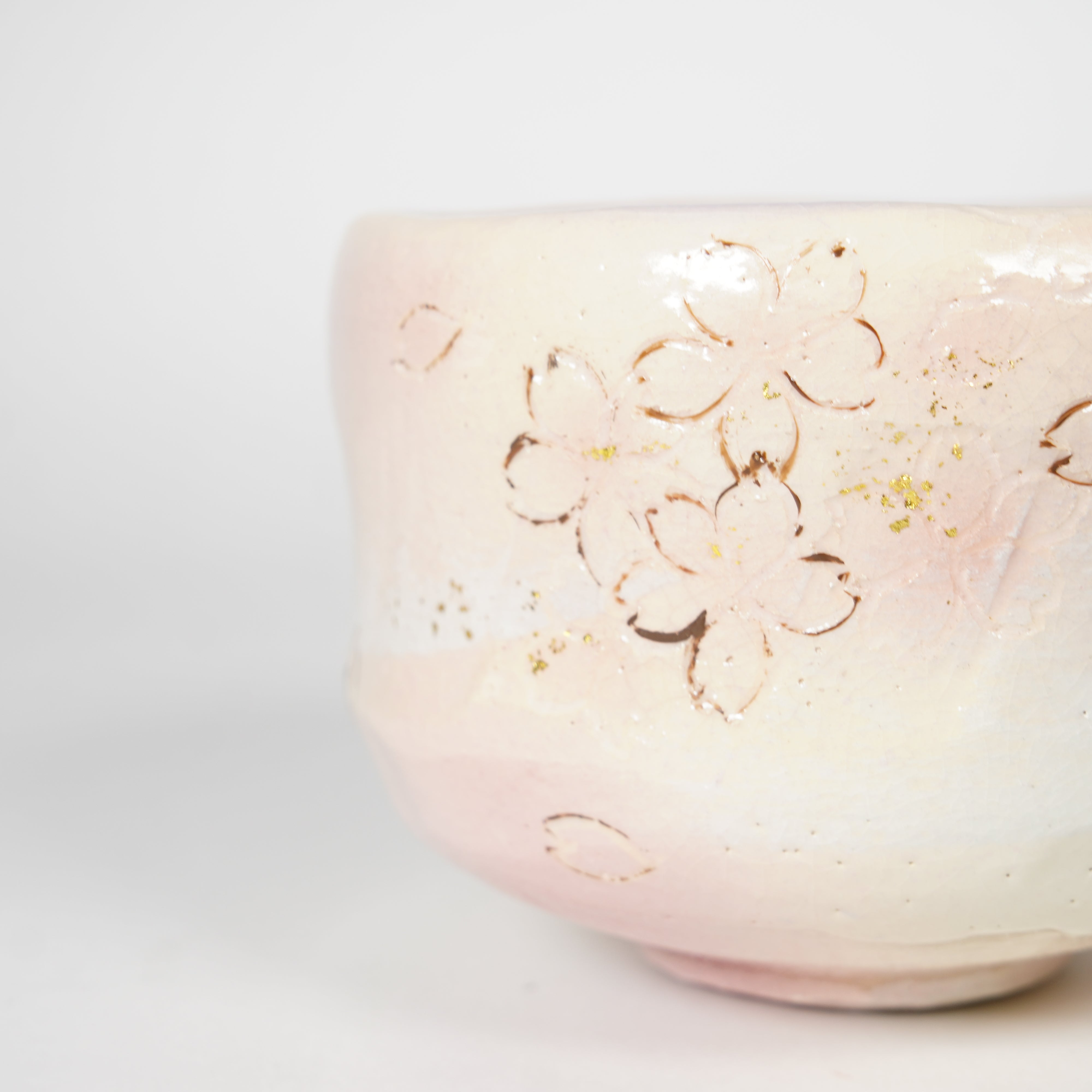
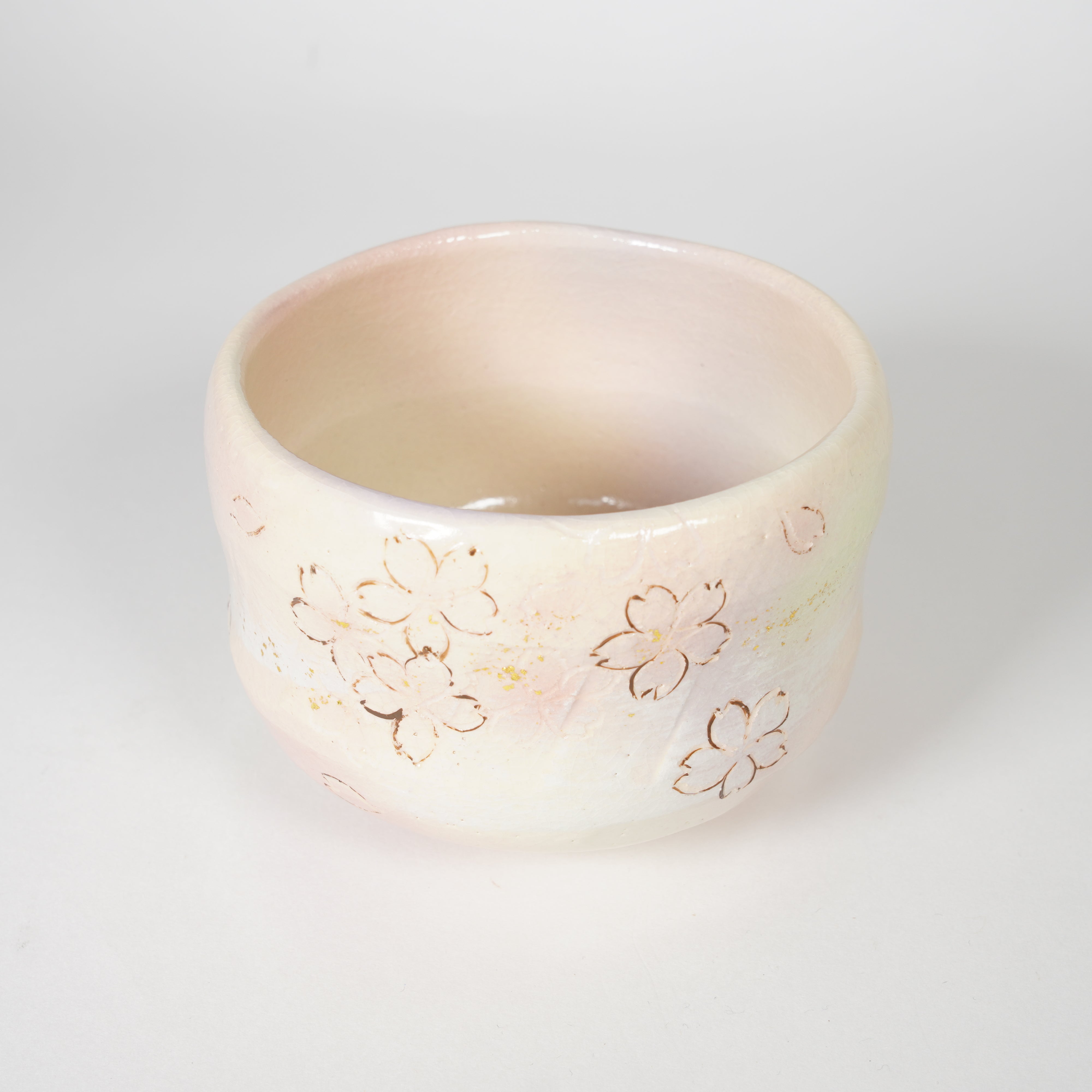
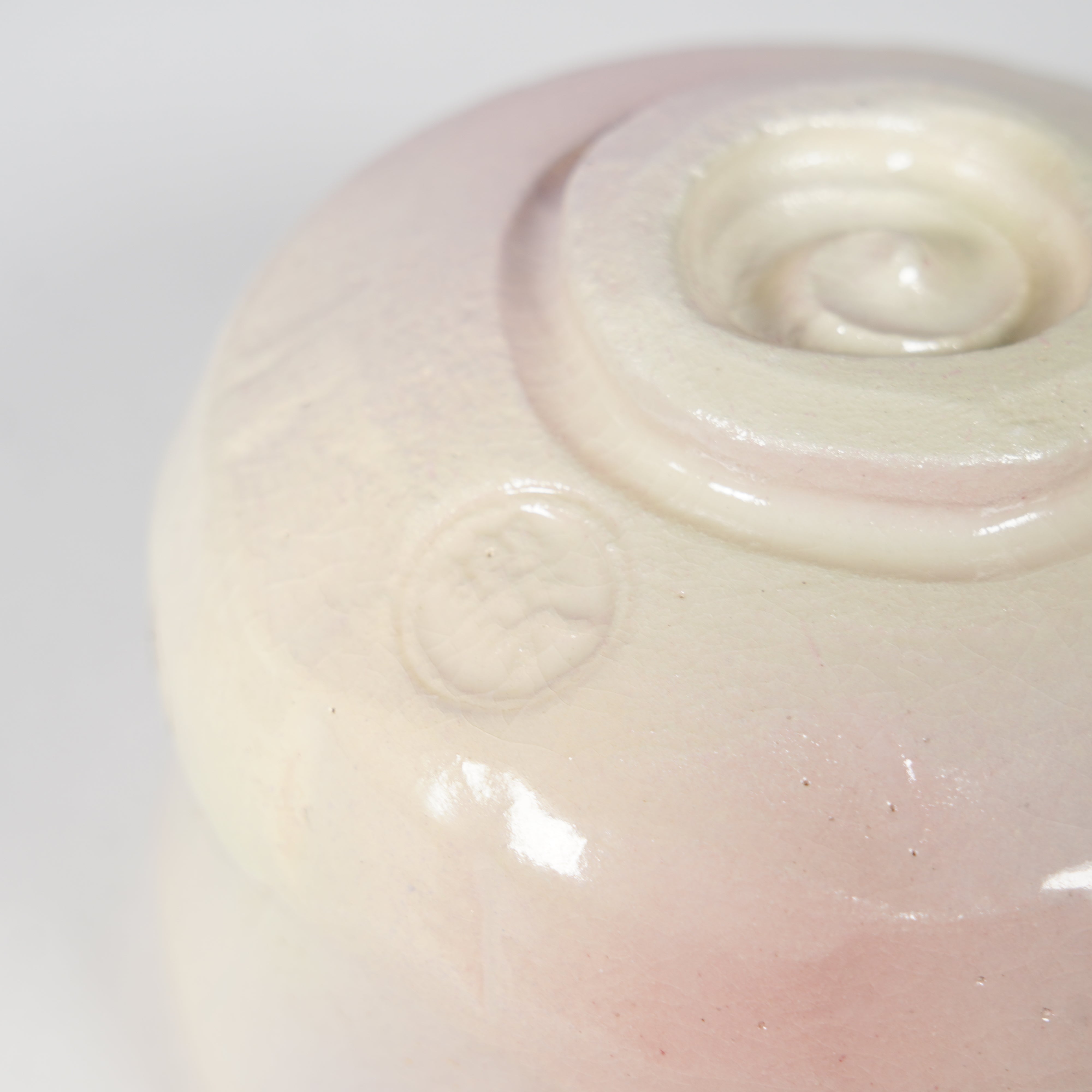
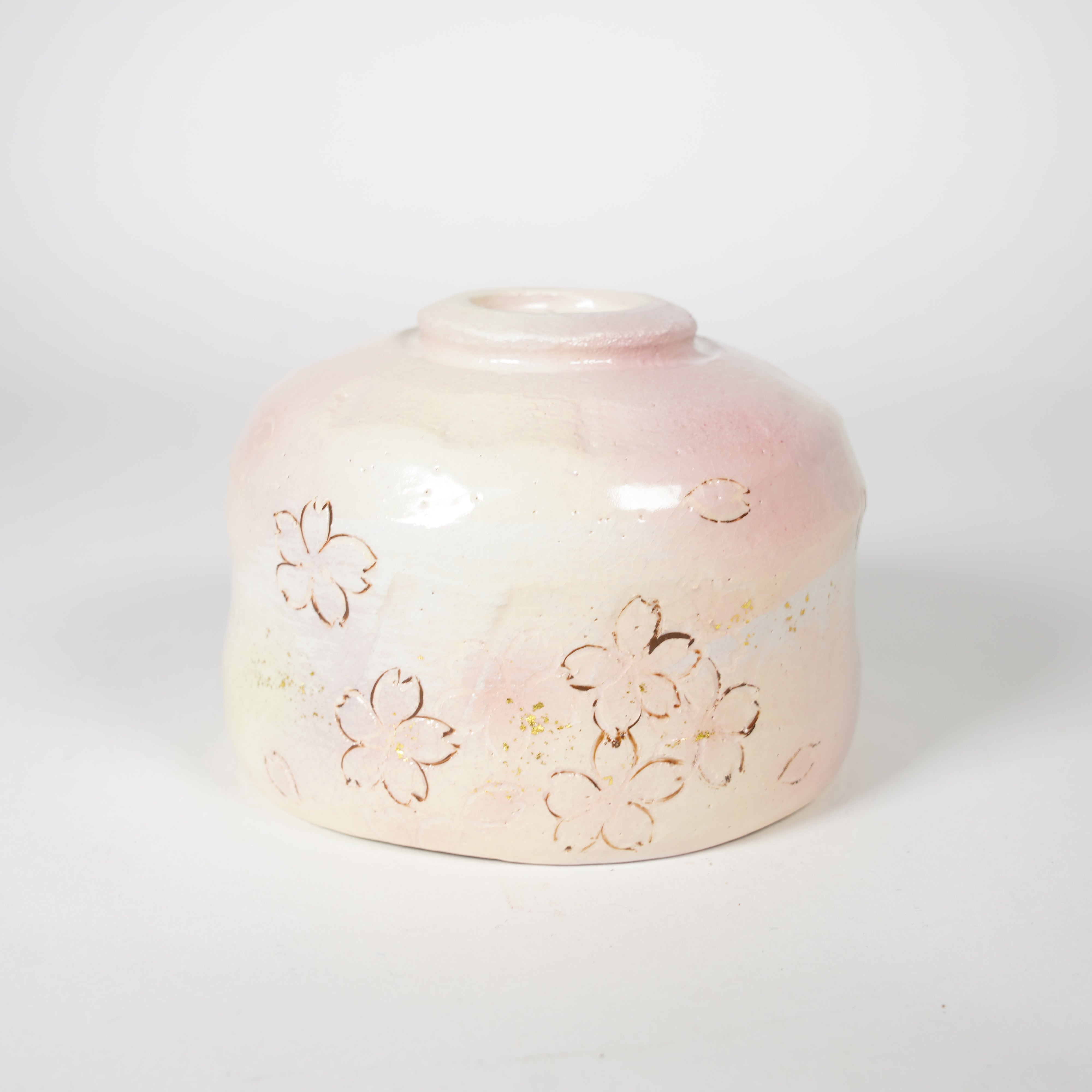
This flat tea bowl features a delicate design of cherry blossoms dancing in the spring breeze. Raku ware is a tea bowl specifically crafted for the tea ceremony. The bowl has a wide bottom, called "chasenzuri," which makes it easy to whisk and serve matcha perfectly. Additionally, the rim curves slightly inward, preventing tea from dripping and allowing for an elegant drinking experience.
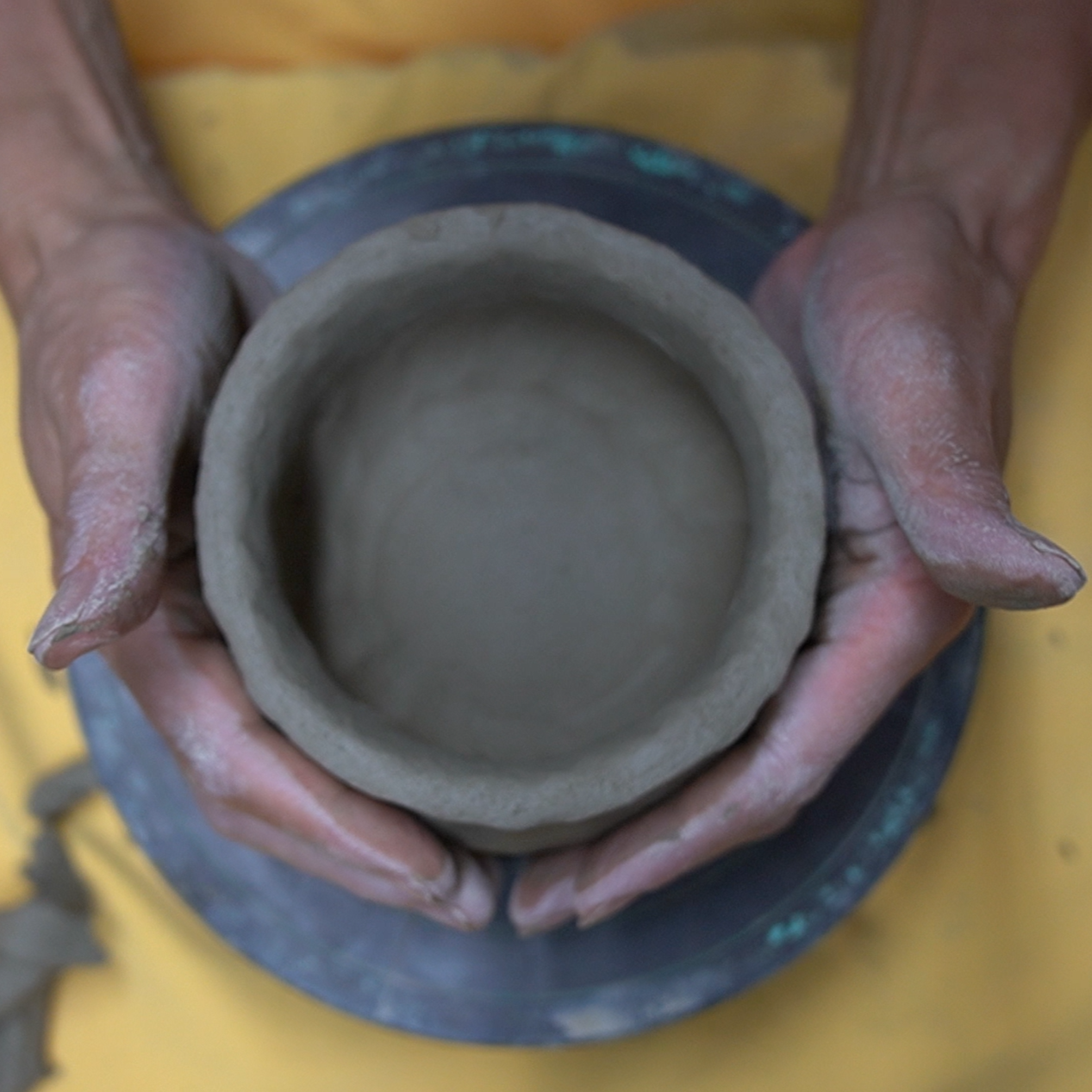
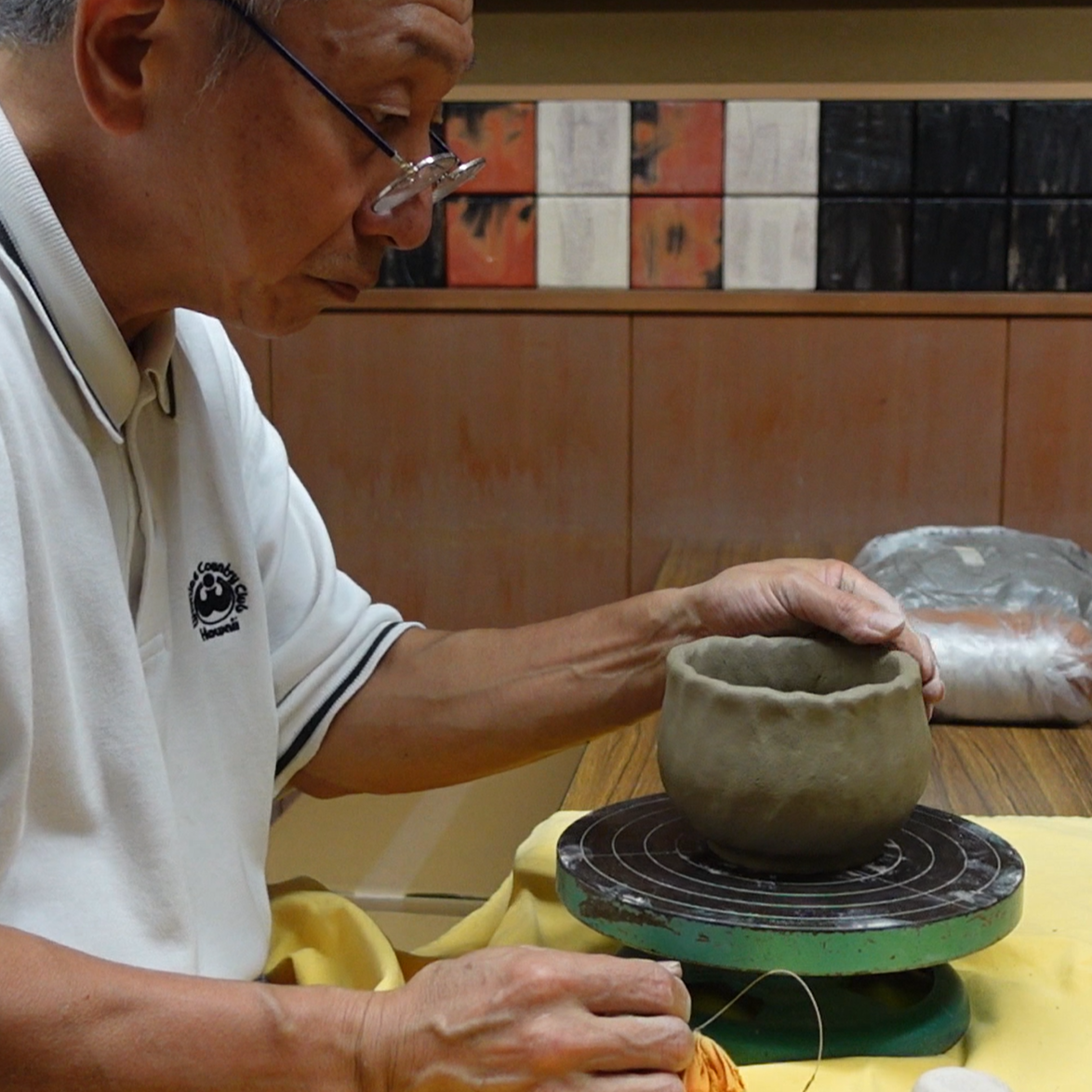
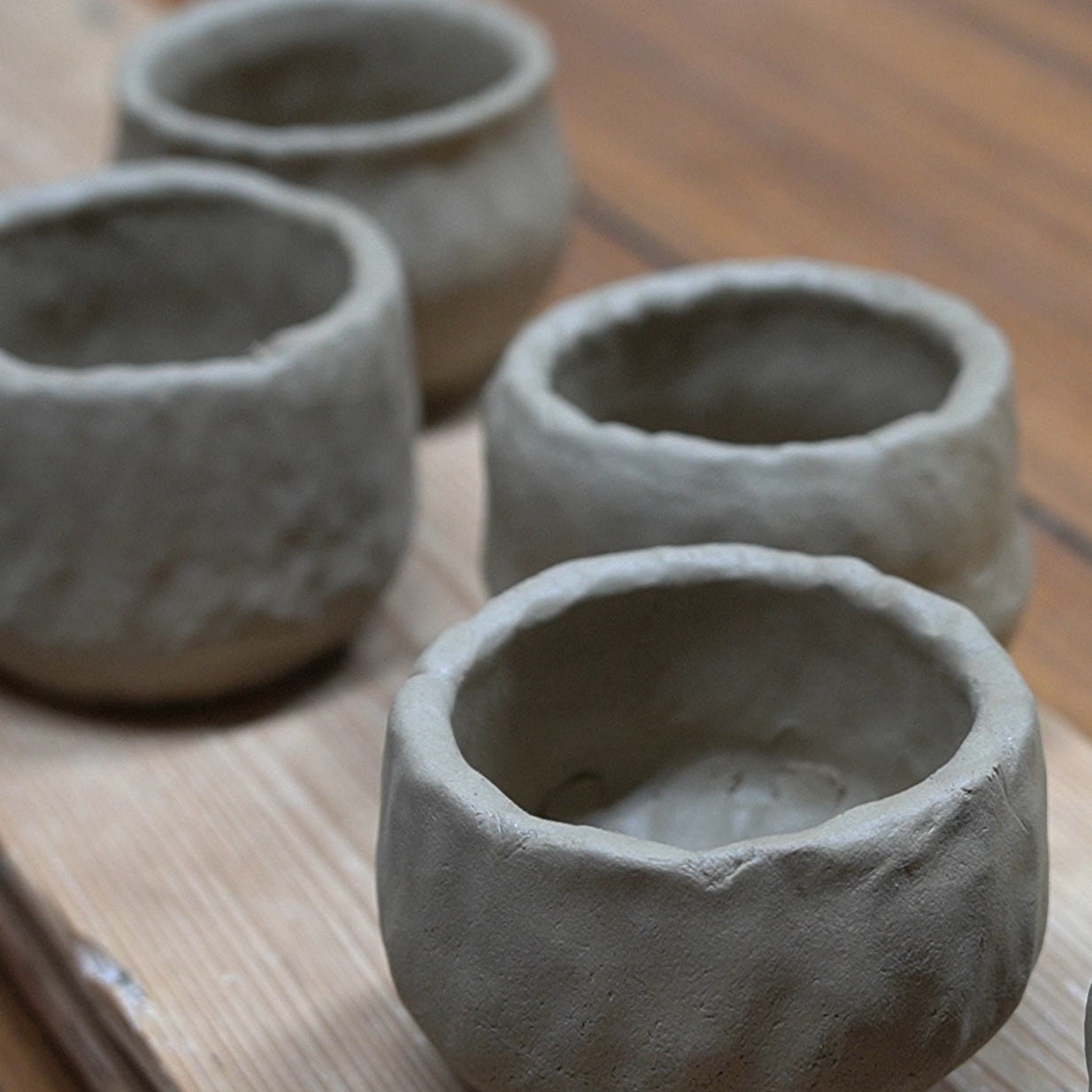
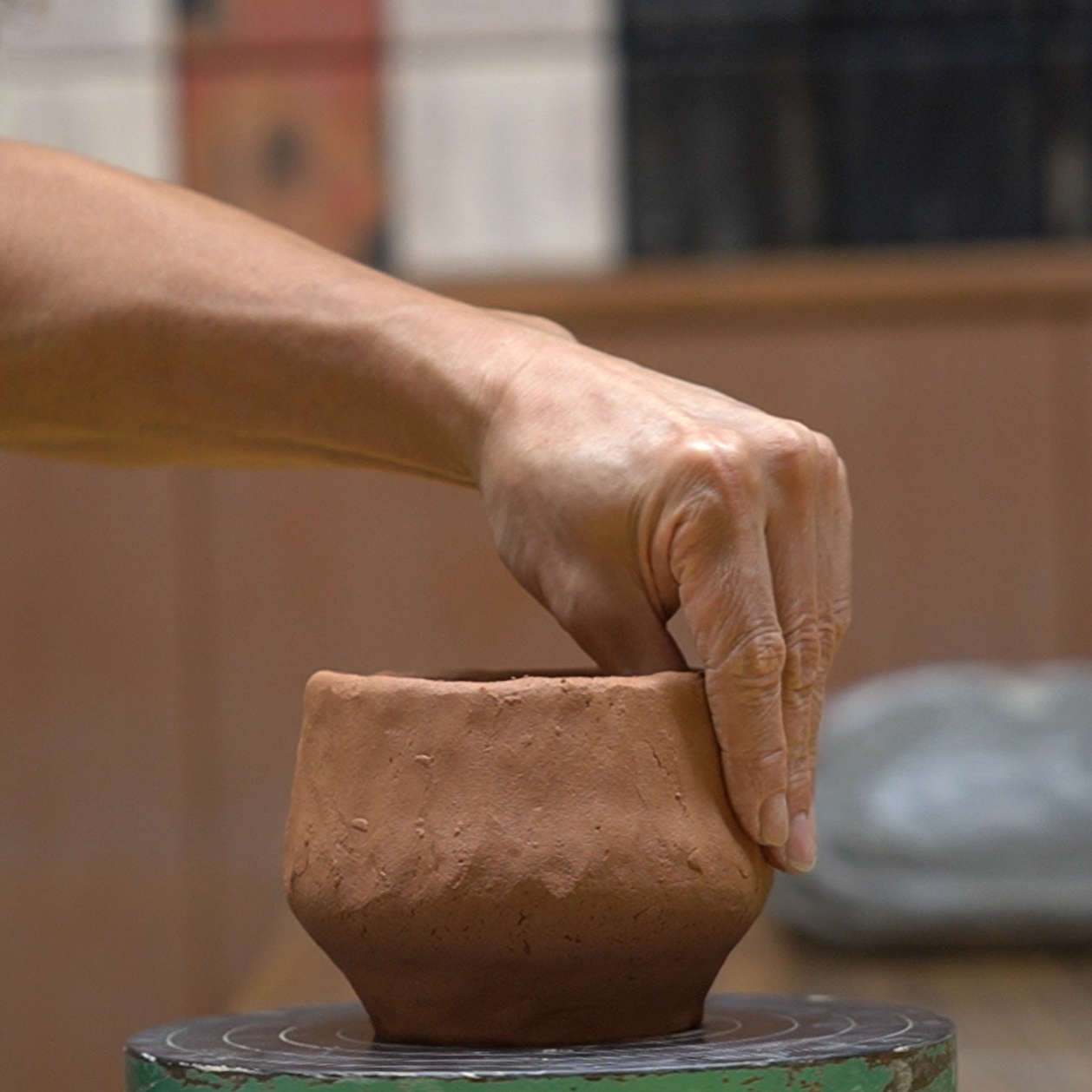
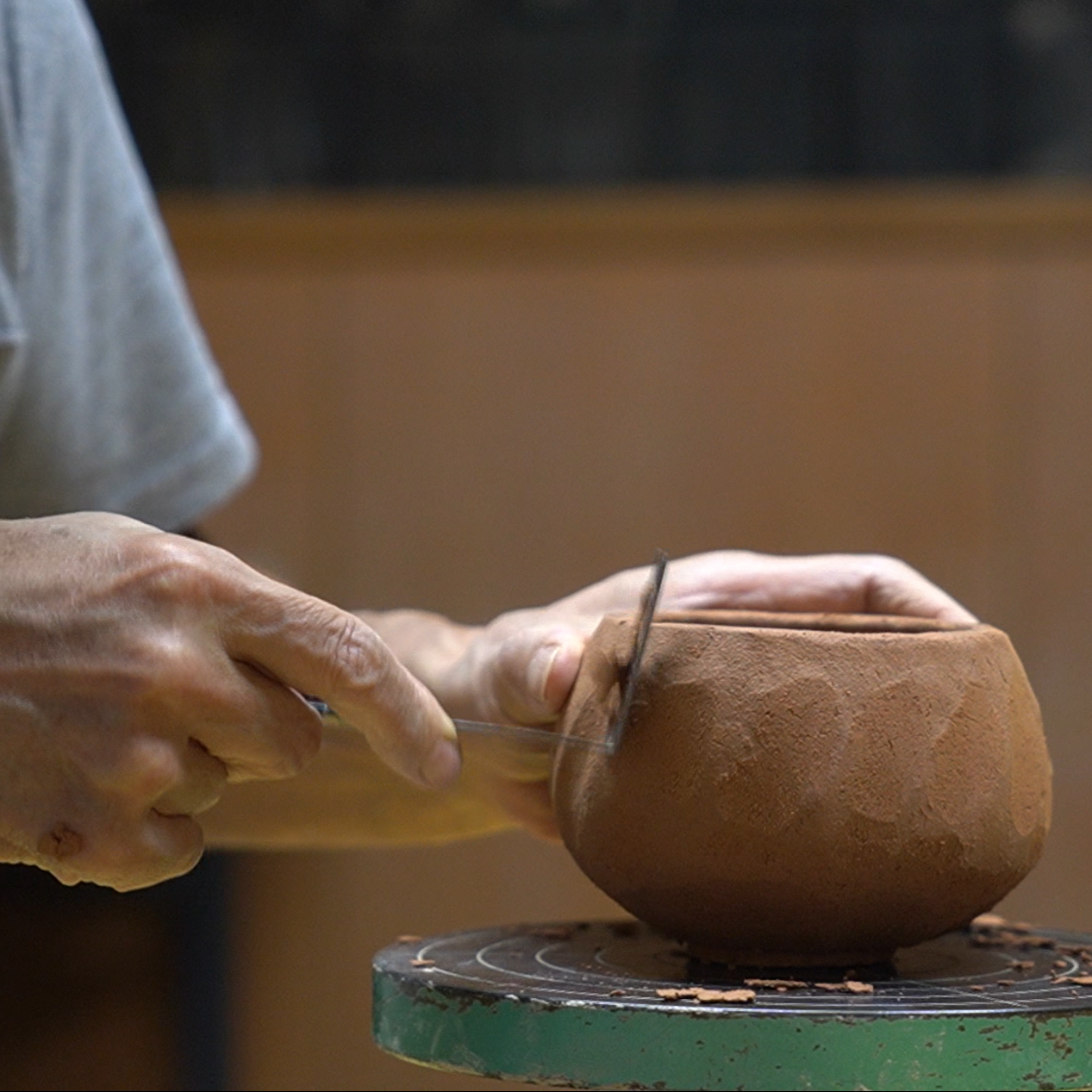
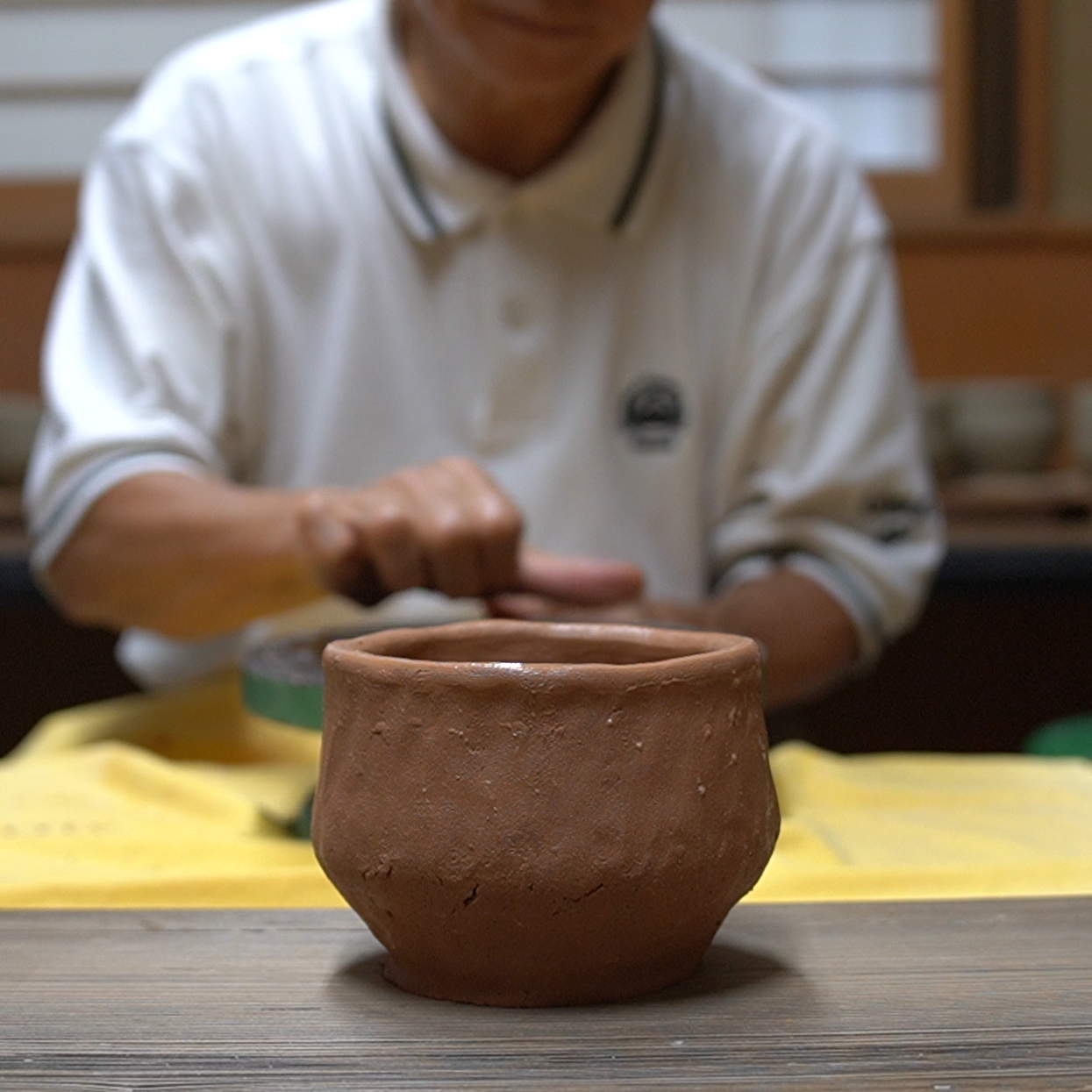
Each piece is formed by hand-kneading (te-zukune), using only hands and spatulas, resulting in unique distortions and a warm, thick shape. This asymmetry reflects the "beauty of imperfection" (Wabi-sabi). In the world of tea ceremony, there is a traditional ranking: "Ichi-Raku, Ni-Hagi, San-Karatsu" (First Raku, second Hagi, third Karatsu), establishing Raku ware as the most prestigious of all matcha bowls.
SIZE
Width:11.6cm
Depth:11.6cm
Height:8.5cm
Weight:270g
MATERIAL
Cray
RAKUNYU
“Developing Traditional Techniques”
We are working hard to produce "painted tea bowls," which are rare in Raku ware, and are challenging the development of unique Raku ware. We are not only preserving tradition, but also developing our techniques without being bound by them to produce products that will please our customers in the modern age.
ARTISAN STORY
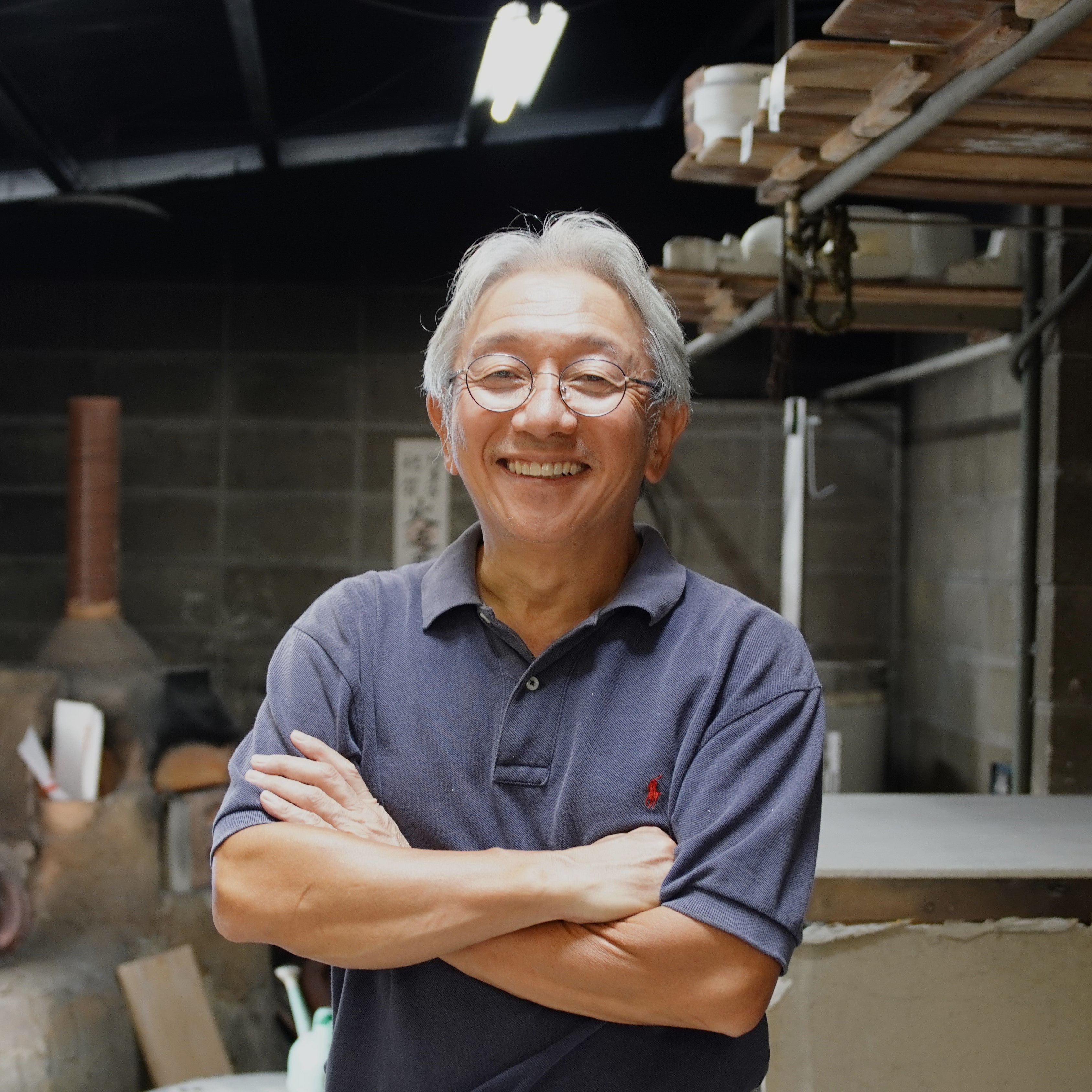
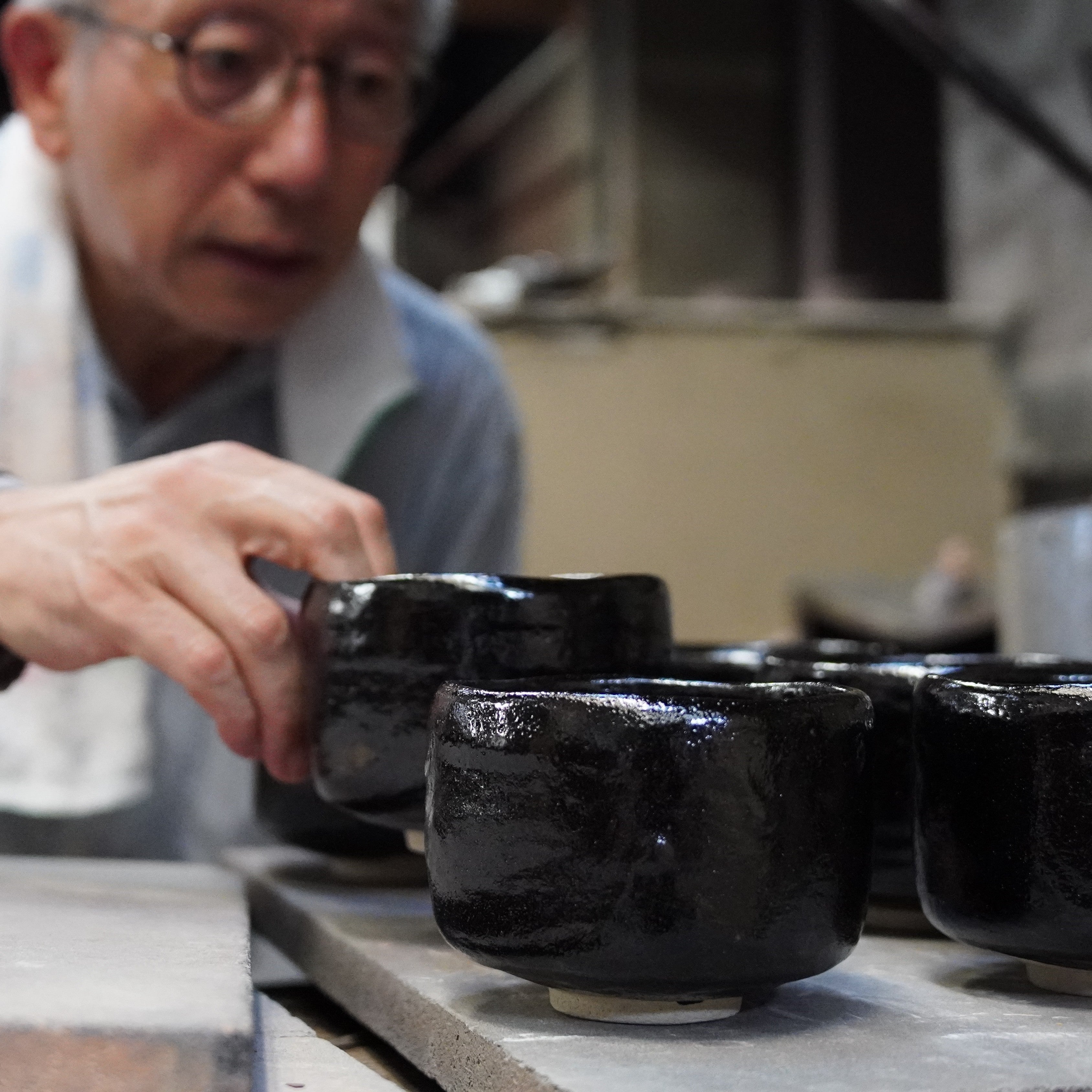
Yoshimura Rakunyu is a kiln specializing in Raku ware, which is a unique type of Kiyomizu ware. They create traditional and innovative items every day, ranging from black and red Raku tea bowls, which have been valued in the world of tea ceremony since the time of Sen no Rikyu, to gorgeous painted tea bowls, daily tableware, and indoor tiles called Raku Tile.
The Yoshimura family has been making pottery in Kyoto since the Meiji era (1868-1912), but since Rakunyu, the first generation, the family has made pottery its main business, creating tea ceremony utensils such as matcha bowls and figurines. The name "Rakunyu" has been passed down from generation to generation, and Mr. Yoshimura is the third generation.
ACHIEVEMENTS
・Selected to exhibit at the Kyoto Kiyomizuyaki Paris Exhibition
・Recognized by the City of Kyoto as a "Future Master Craftsman
RAKU WARE
About 440 years ago / 1580s / Azuchi–Momoyama Period (1573–1603)
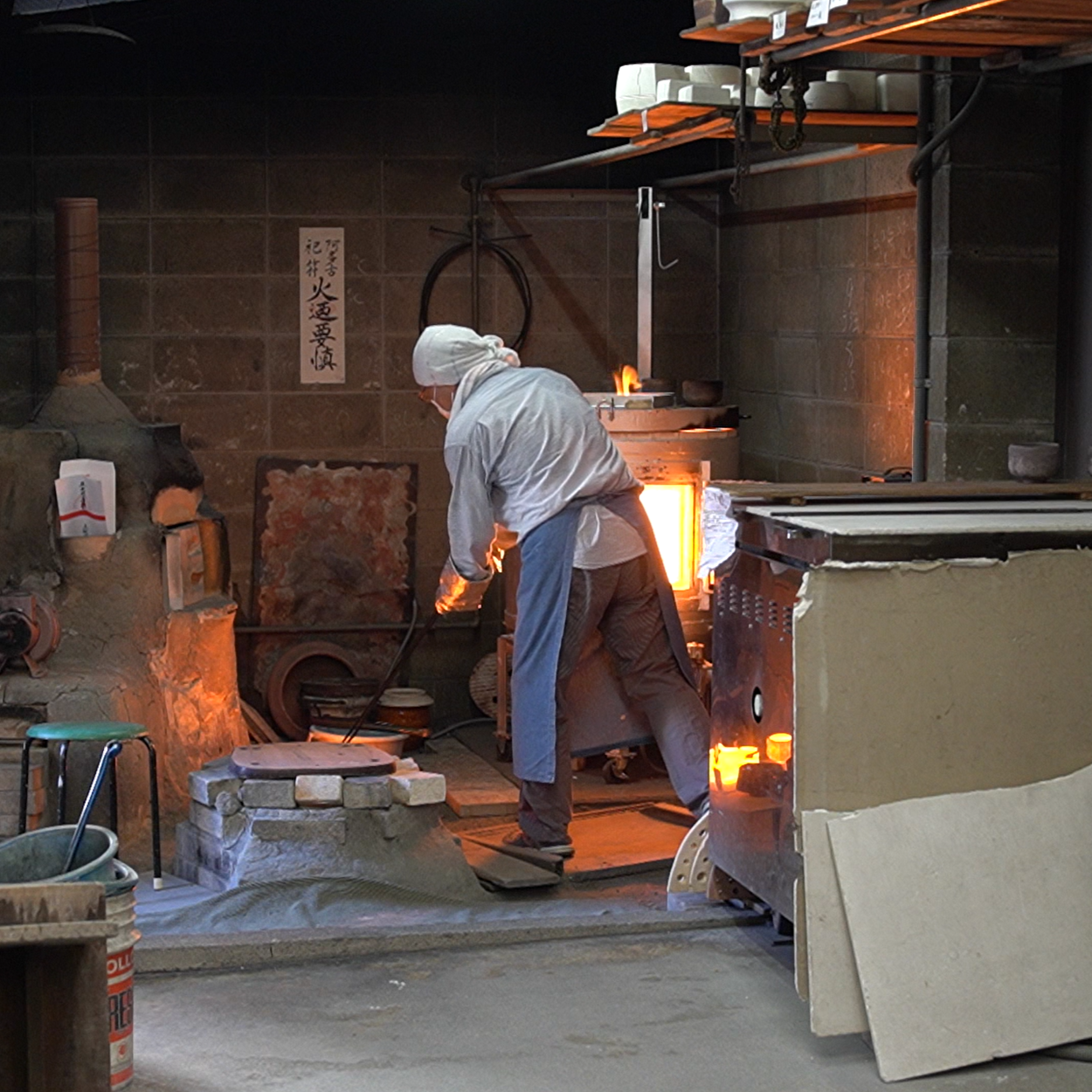
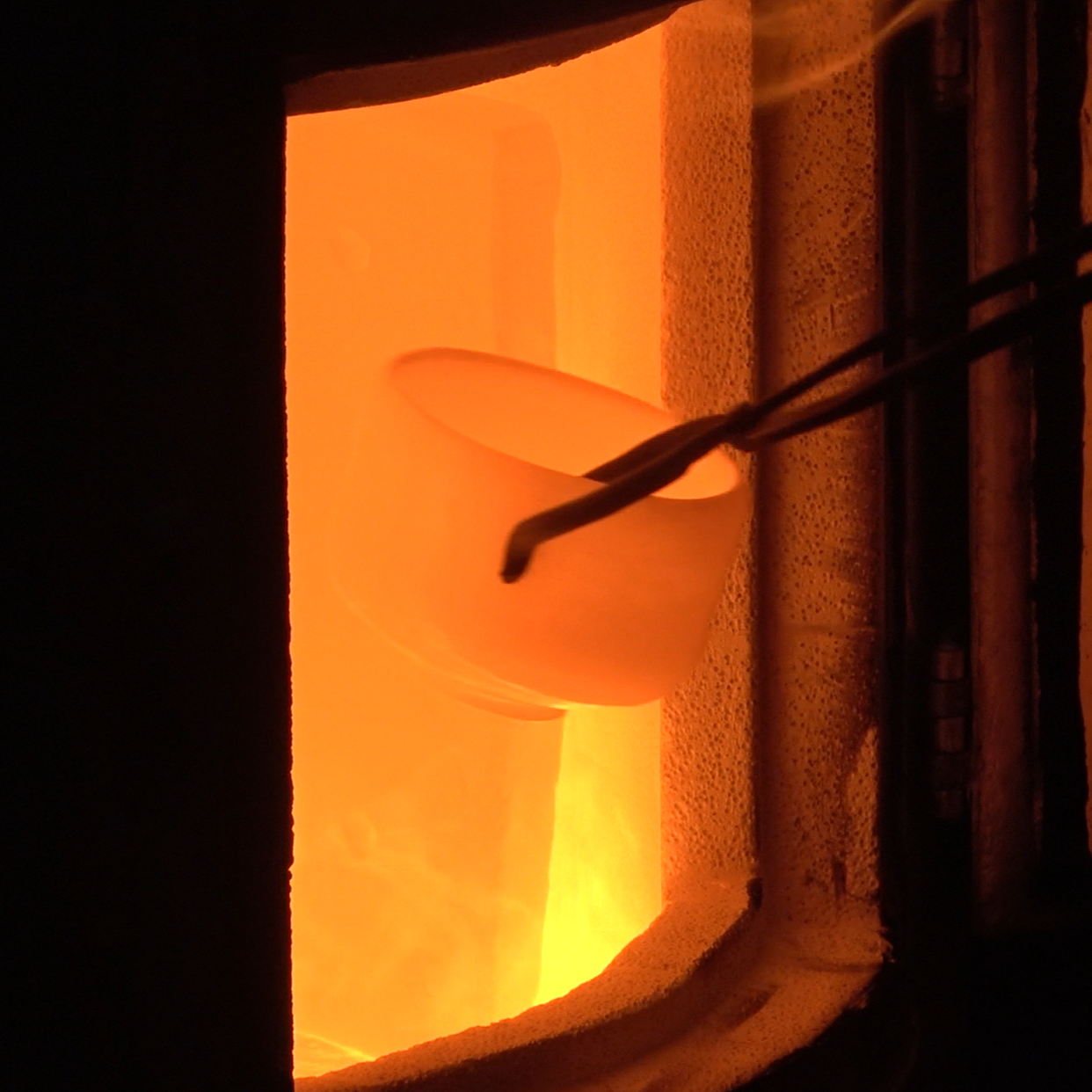
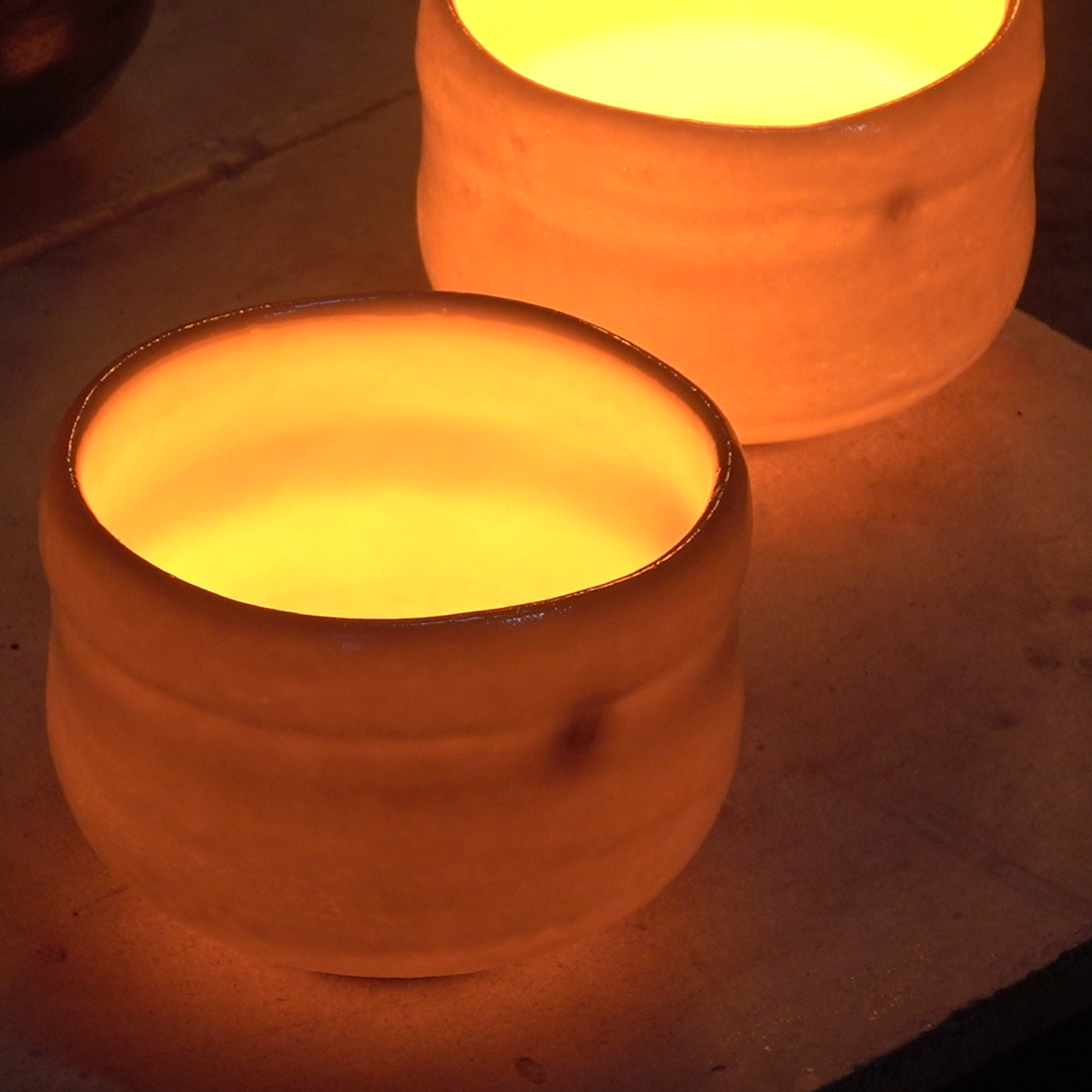
Raku ware is traditionally traced to the late sixteenth century, when the potter Chojiro created tea bowls responding to the aesthetic of tea master Sen no Rikyu. The vessels were hand-built rather than wheel-thrown, fired at relatively low temperatures and removed individually from the kiln, creating forms intimately connected with the quiet ideals of wabi tea.
In Japan, a Raku bowl is valued as much through touch as sight. The soft contours of black and red Raku are meant to be held in both hands, so weight, lip, texture and warmth become part of the aesthetic experience. The Raku family lineage and many other potters continue the tradition today.
A useful surprise for overseas audiences is that Western “raku firing” is not identical to traditional Japanese Raku. The dramatic post-firing reduction and smoke effects popularized abroad in the twentieth century belong to a different development. Traditional Raku remains fundamentally tied to tea and to a much quieter visual language.
Individual Differences
As each piece is individually handcrafted, slight variations in color, pattern, shape, and texture may occur. These subtle differences are a natural characteristic of handcrafted works, making each piece truly unique. We hope you will enjoy these individual variations as part of the beauty and character of Japanese craftsmanship.
Production Time
If an item is not currently in stock, it may be made to order by the artisan. As each piece is carefully handcrafted, production may take several months depending on the item and the artisan's schedule. We appreciate your patience and understanding.

Optionen auswählen