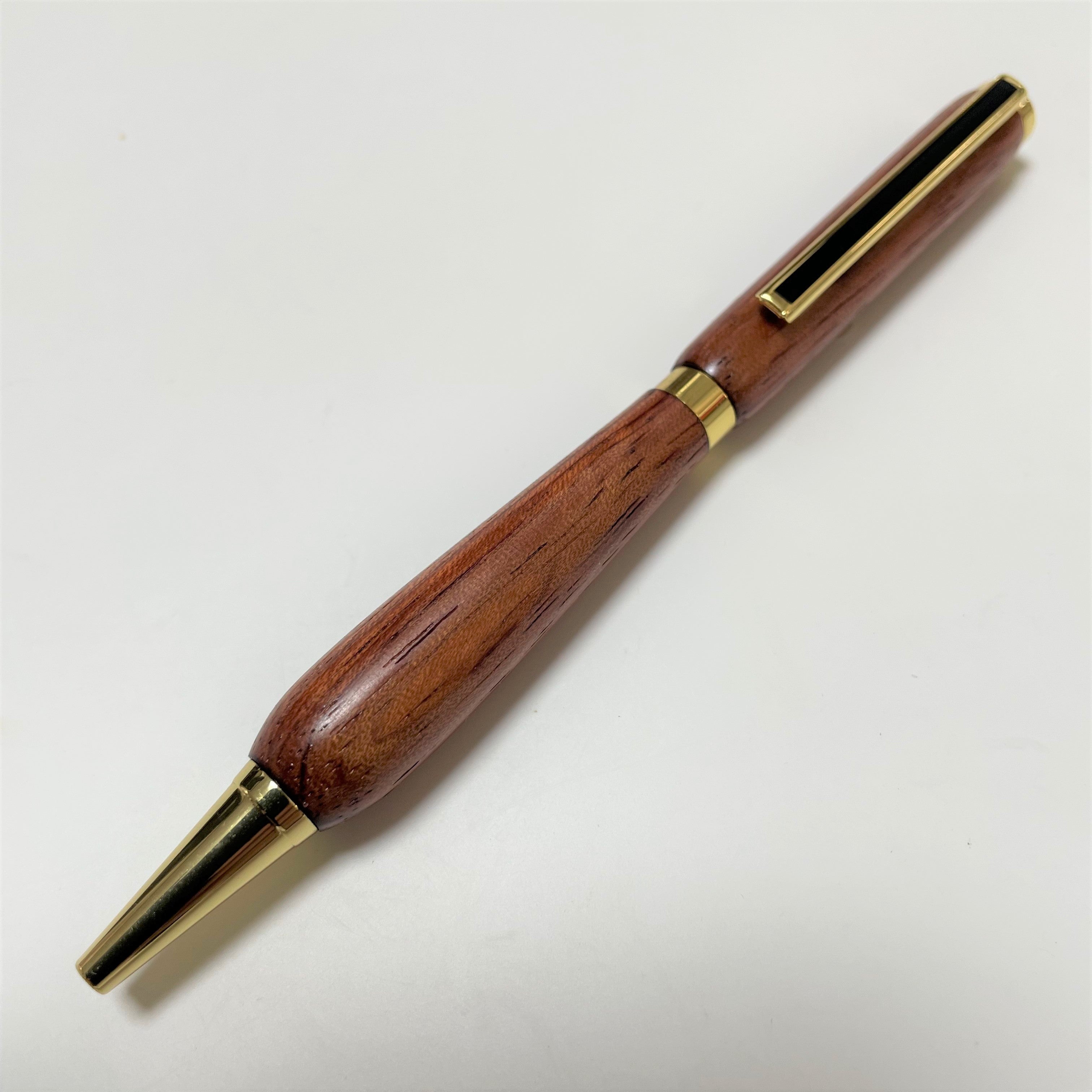
Bubinga Stift / S Tipp Barrel / PP
DESCRIPTION
DETAILS
SIZE
MATERIAL
ARTISAN
KOGEI
Caution
Optionen auswählen


Bubinga Stift / S Tipp Barrel / PP
Angebot€70,95
Land
Sprache
Warenkorb
Dein Warenkorb ist leer


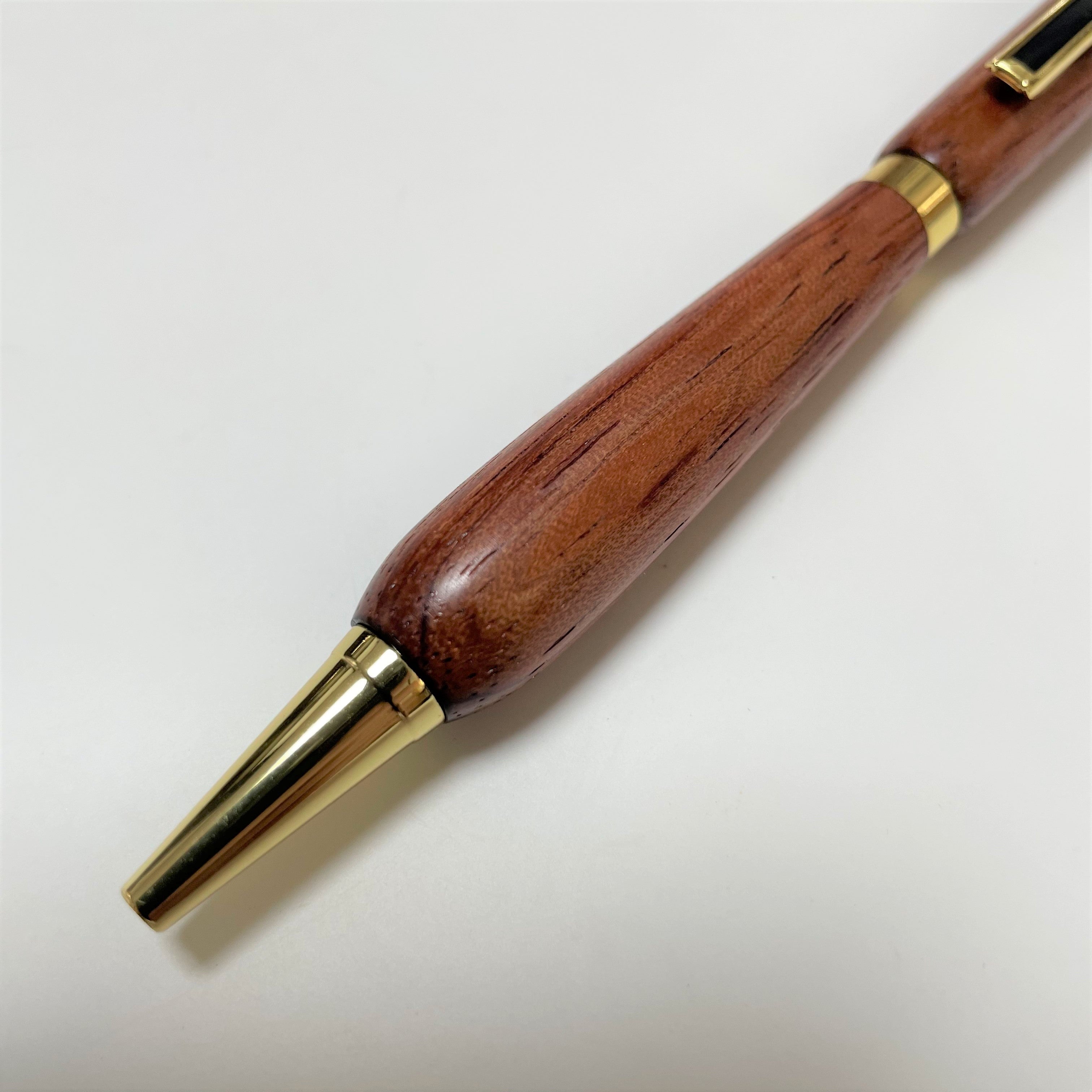
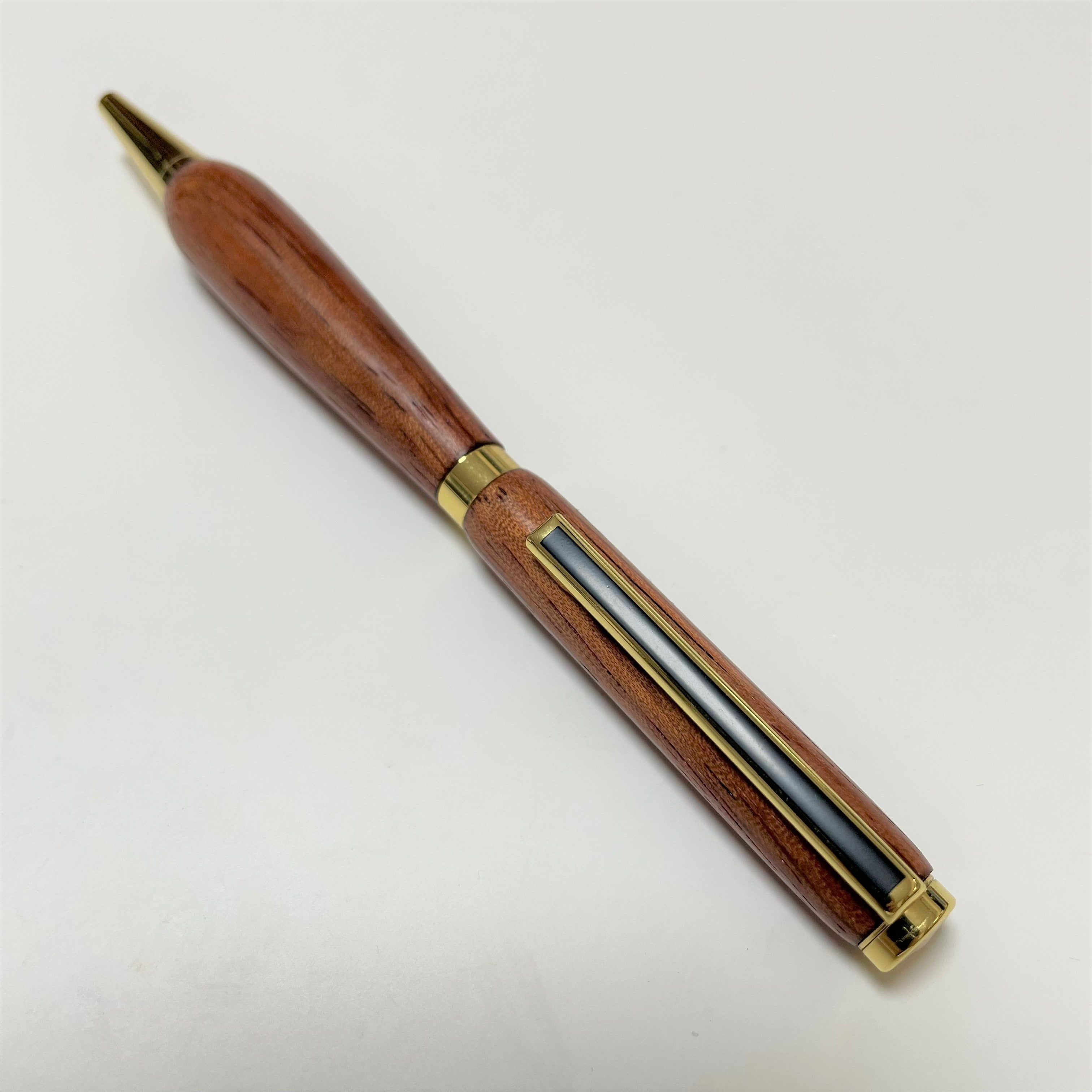
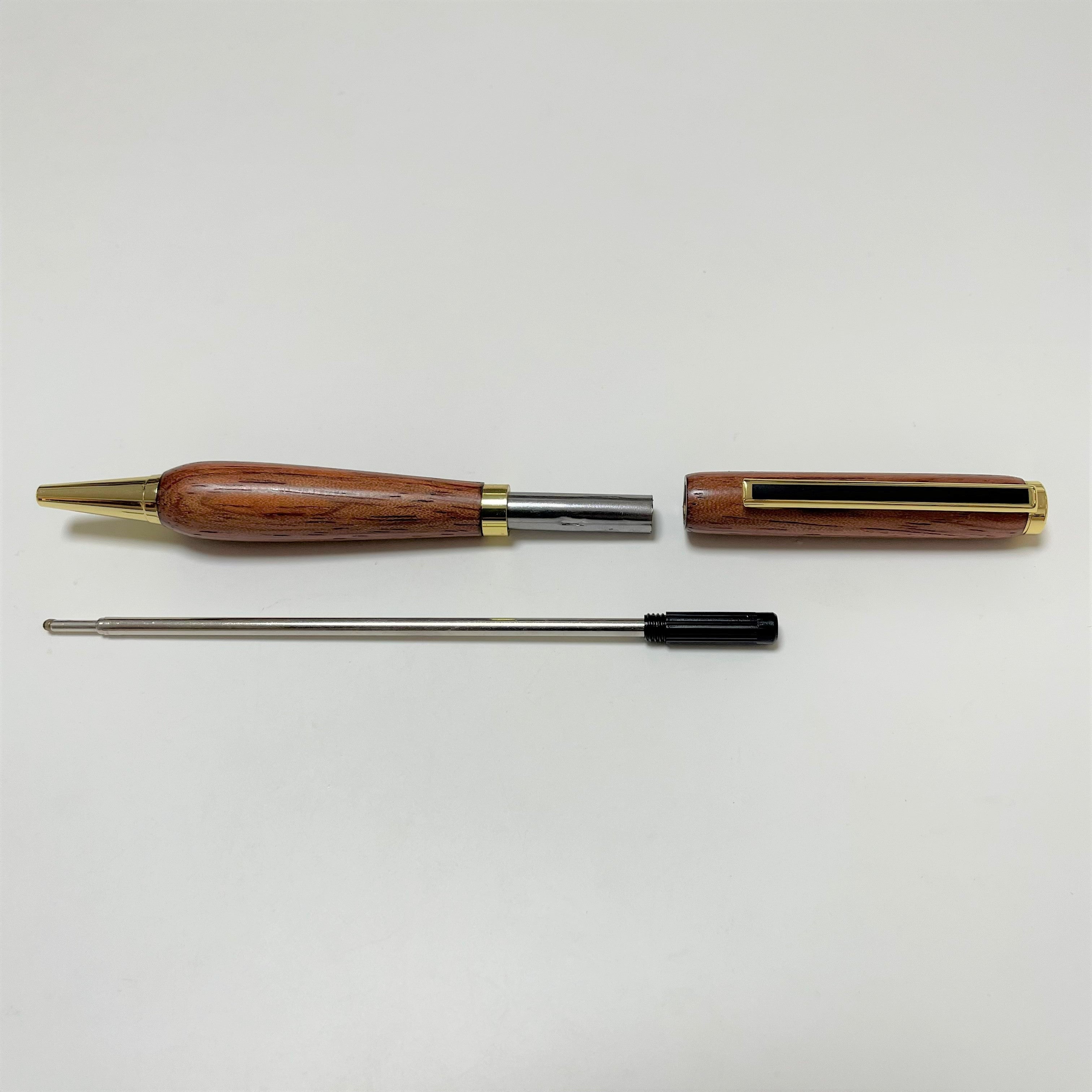
This pen is produced by the skilled craftsmanship of a long-established column engraving store with a history of over 150 years.
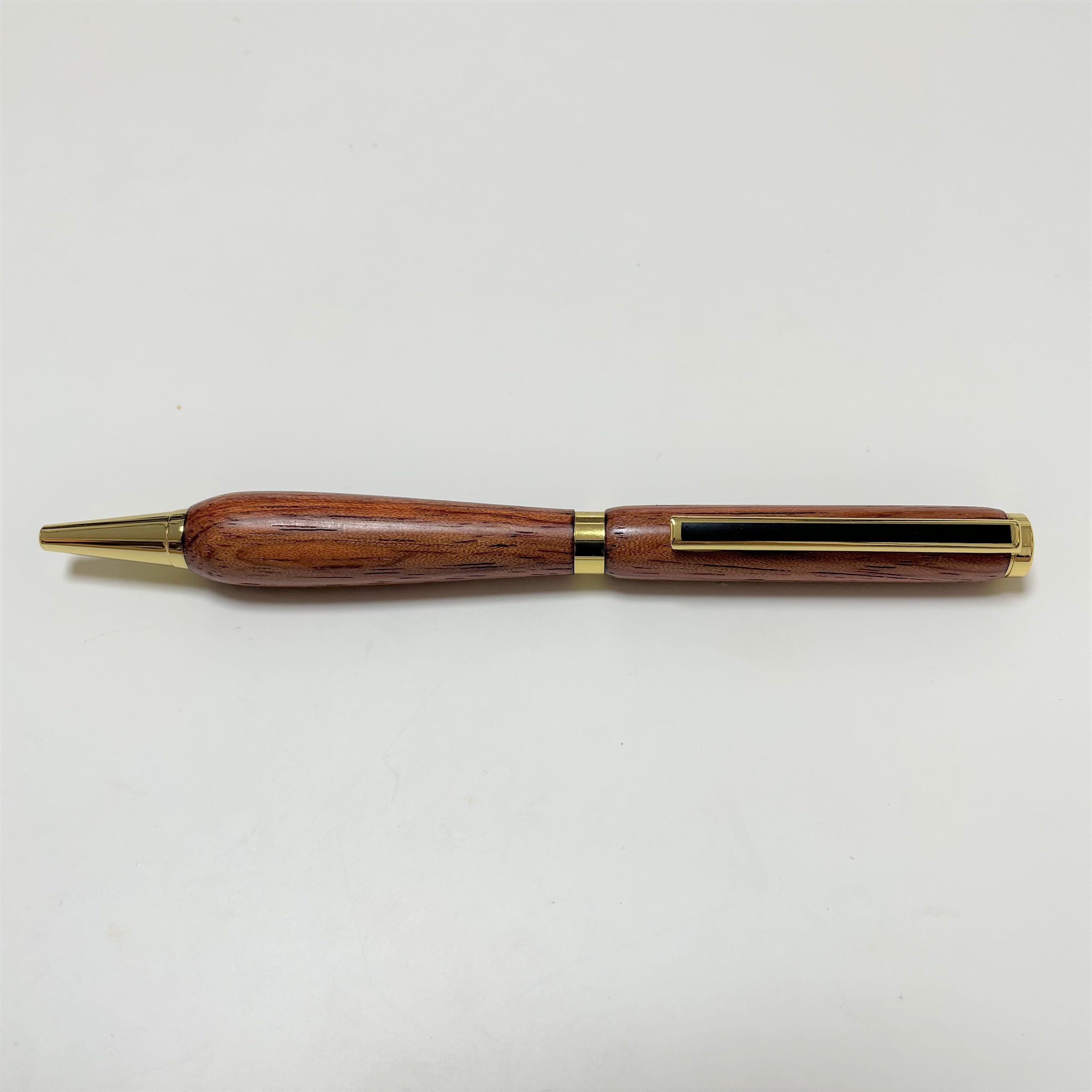
This pen is made from bubinga and is characterized by its high durability. You can feel the warmth that only wood can provide.
Using a slightly better pen will make your writing time more enjoyable.
SIZE
Length:13.2cm
Weight:22g
MATERIAL
Wood
CARVING STUDIO ASAKURA
"1. It is the duty of a craftsman to make things without compromise. 2. it is the duty of a merchant to satisfy his customers"
Since the first year of Meiji period (1868), we have been involved in the manufacture of wooden products, and although the times and the contents have changed, the spirit of "uncompromising craftsmanship" that we have inherited has remained unchanged. We have been, and will continue to be, a step forward in our beliefs while overcoming many challenging environment.
ARTISAN STORY
Junichi Asakura / Asakura Carving Studio
Asakura Sculpture Shop was founded in 1937, with its roots in 1868 when the first generation became independent as shrine carpenters. He feels that his mission is to make the wood more beautiful and send it out so that people will be happy to hold it in their hands, and at the same time, he is grateful and respectful to the wood that has given him life.
ACHIEVEMENTS
・Designated as a traditional craftsman in Kagawa Prefecture in 2019
RANMA CHOKOKU / JAPANESE WOOD CARVING
About 400 years ago / 1600s / Edo Period (1603–1868)
Ranma are open panels placed above sliding doors in Japanese rooms, and carved decoration became highly refined as temples, townhouses and merchant residences developed during the Edo period. Flowers, birds, landscapes and dragons were pierced through thick boards, decorating rooms while allowing light and air to pass.
In Japan, ranma are literally sculpture inside architecture. In wealthy homes and temples they could be major displays of status and craftsmanship. As traditional rooms decline, carvers increasingly adapt the same skills to wall panels, framed works and hotel interiors.
A ranma is not always a one-sided relief. Because it may be seen from both rooms, some carvings must make visual sense from front and back. The cut-out negative space also performs ventilation, so the “holes” in the sculpture function as part of the building system.
Individual Differences
As each piece is individually handcrafted, slight variations in color, pattern, shape, and texture may occur. These subtle differences are a natural characteristic of handcrafted works, making each piece truly unique. We hope you will enjoy these individual variations as part of the beauty and character of Japanese craftsmanship.
Production Time
If an item is not currently in stock, it may be made to order by the artisan. As each piece is carefully handcrafted, production may take several months depending on the item and the artisan's schedule. We appreciate your patience and understanding.

Optionen auswählen