Handspiegel / Gekkyoka
DESCRIPTION
DETAILS
SIZE
MATERIAL
ARTISAN
KOGEI
Caution
Handspiegel / Gekkyoka
Angebot€1.736,95
Optionen auswählen
Handspiegel / Gekkyoka
Angebot€1.736,95
Land
Sprache
Warenkorb
Dein Warenkorb ist leer
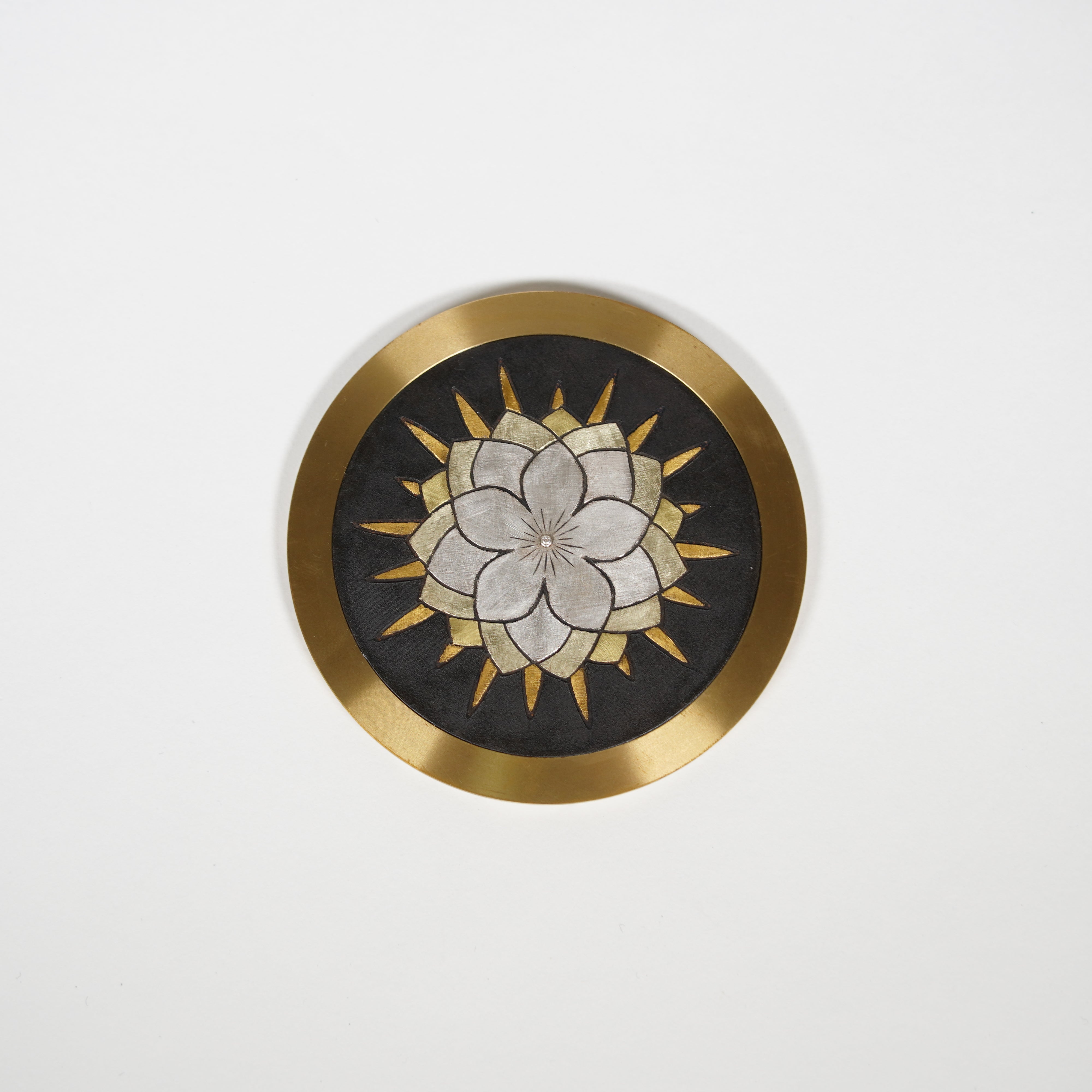
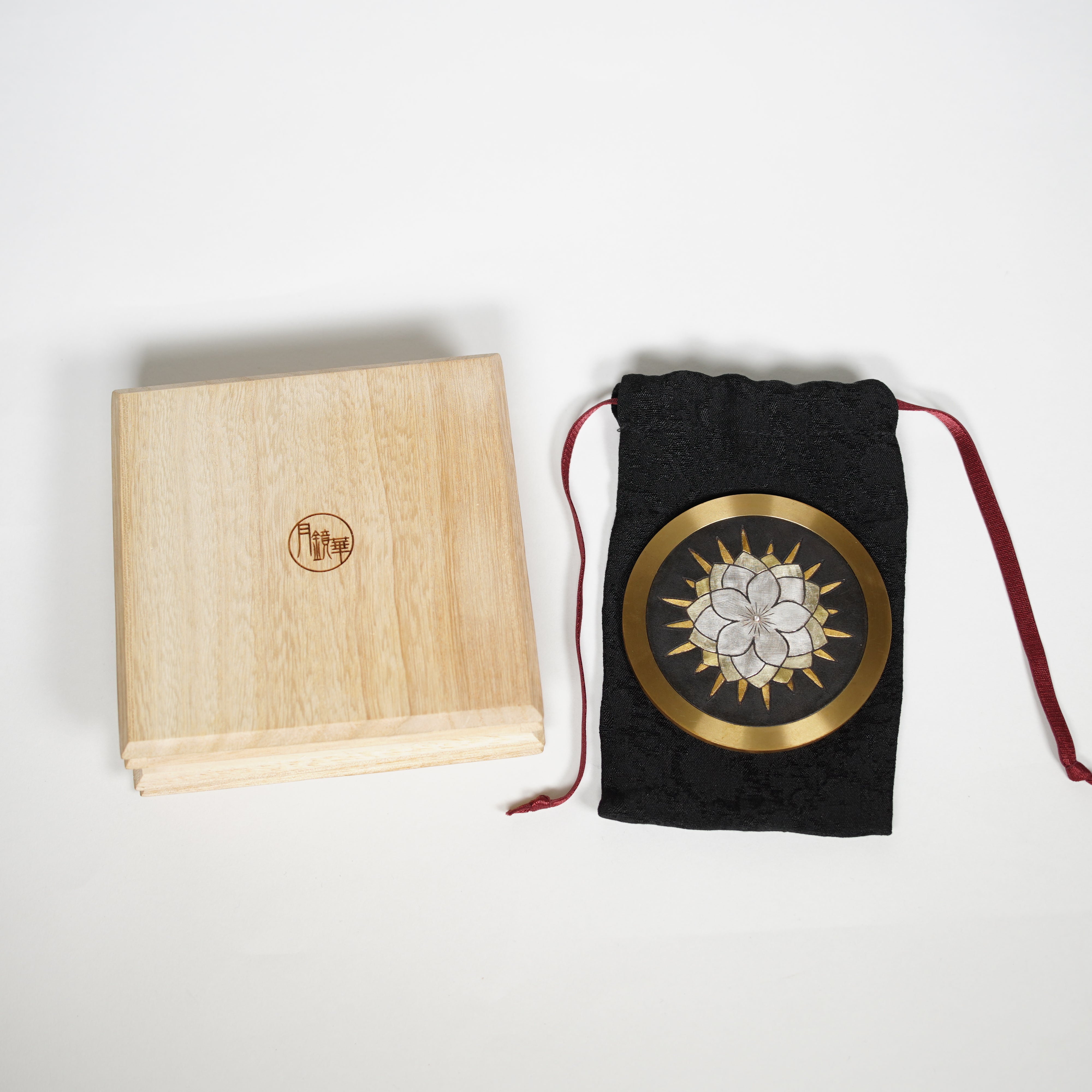
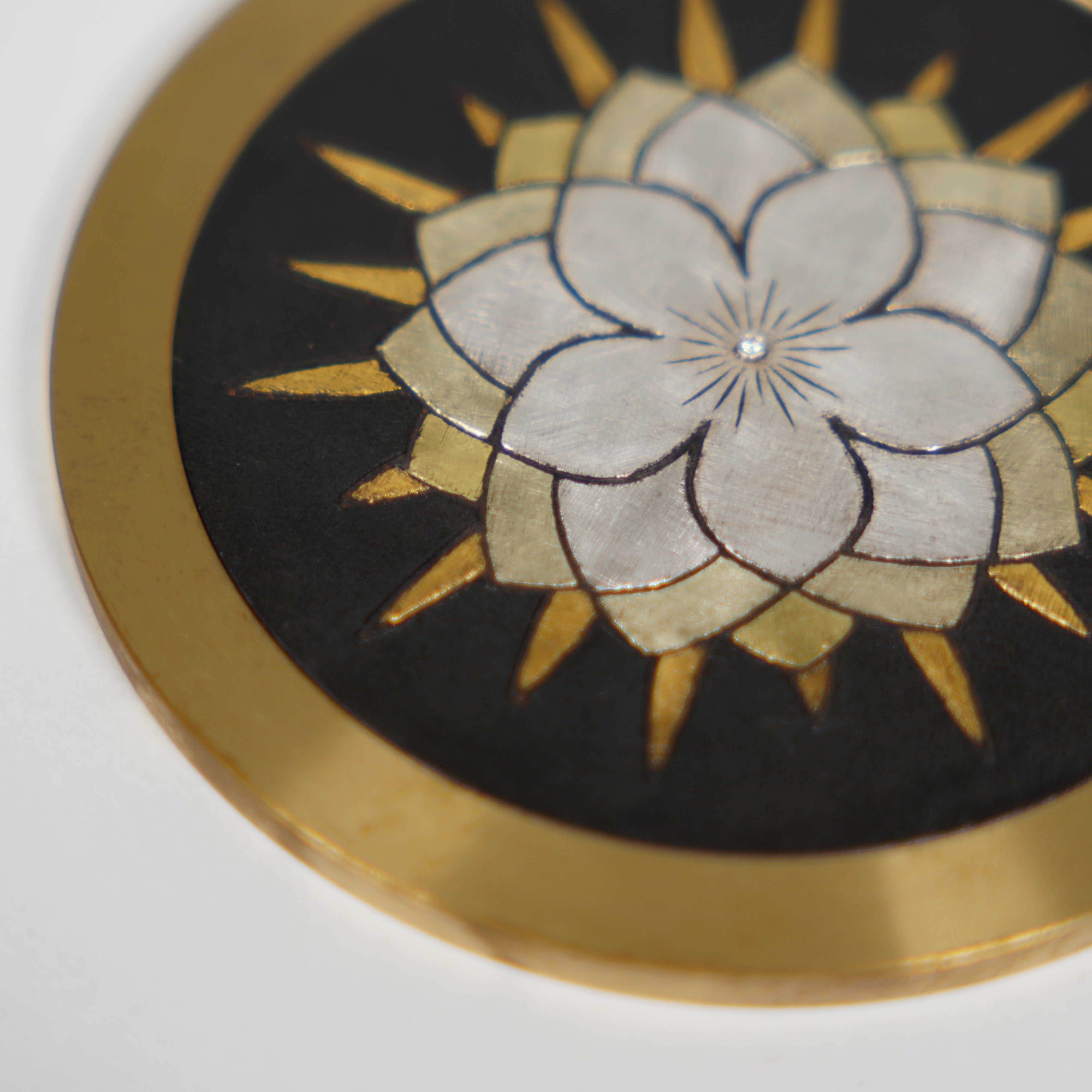
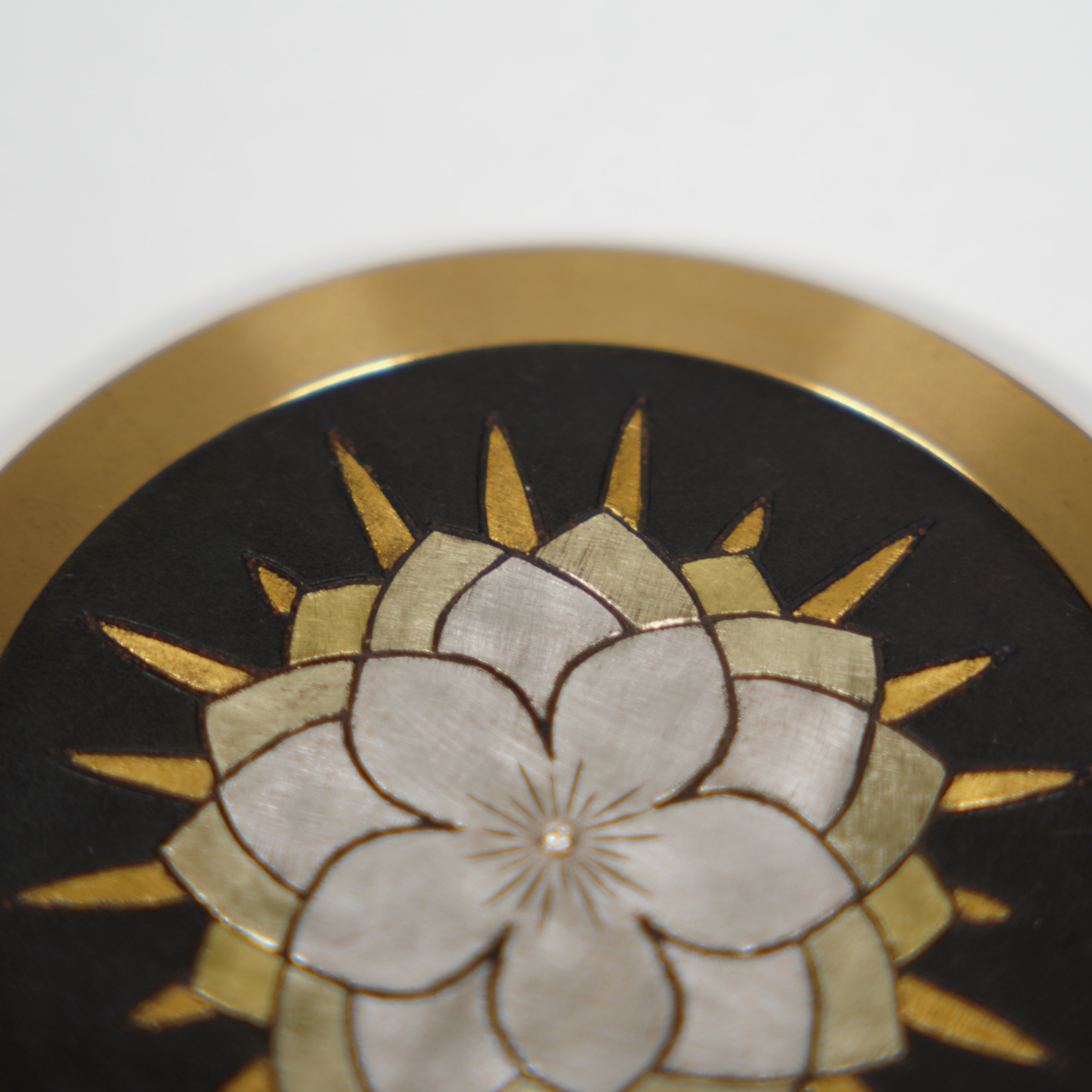
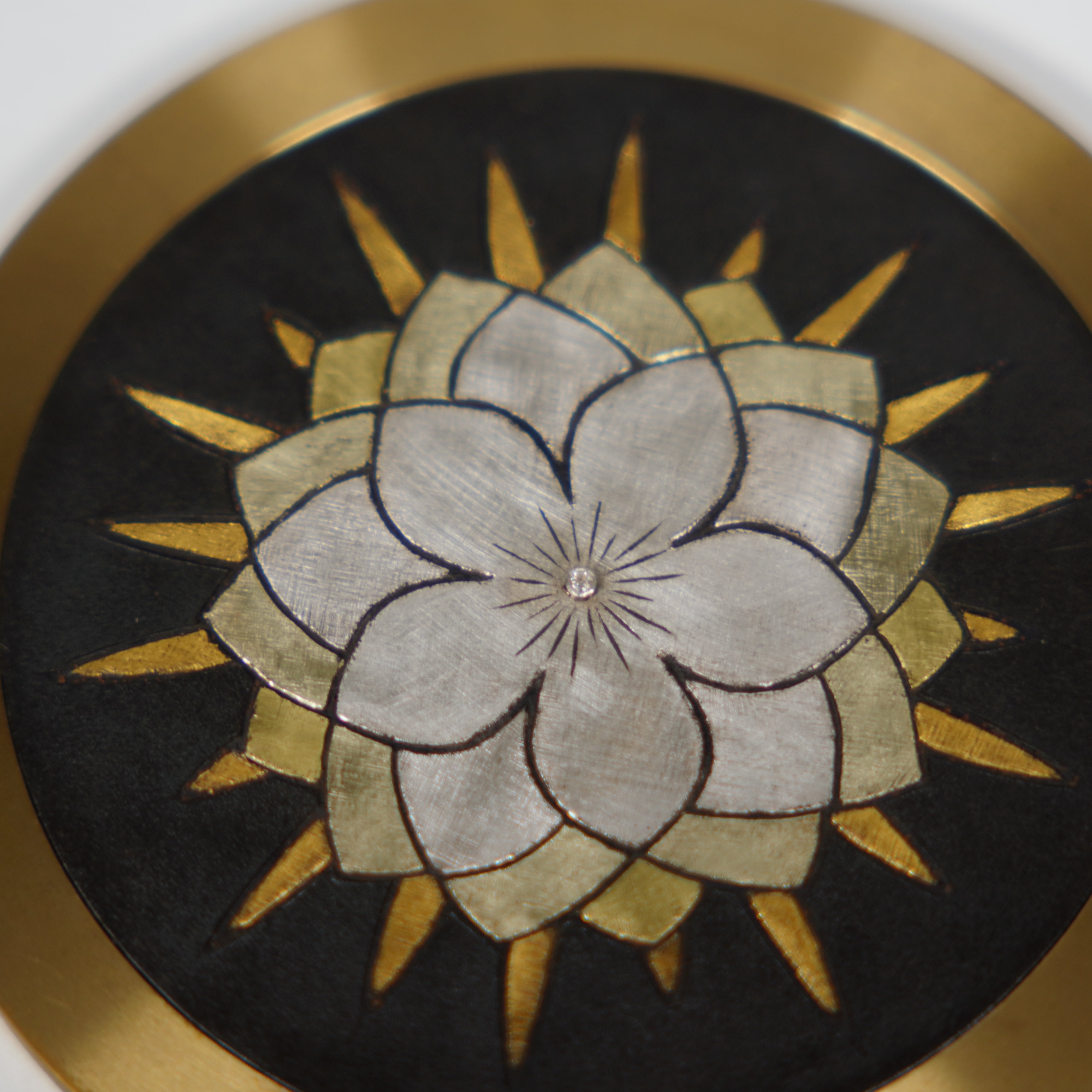
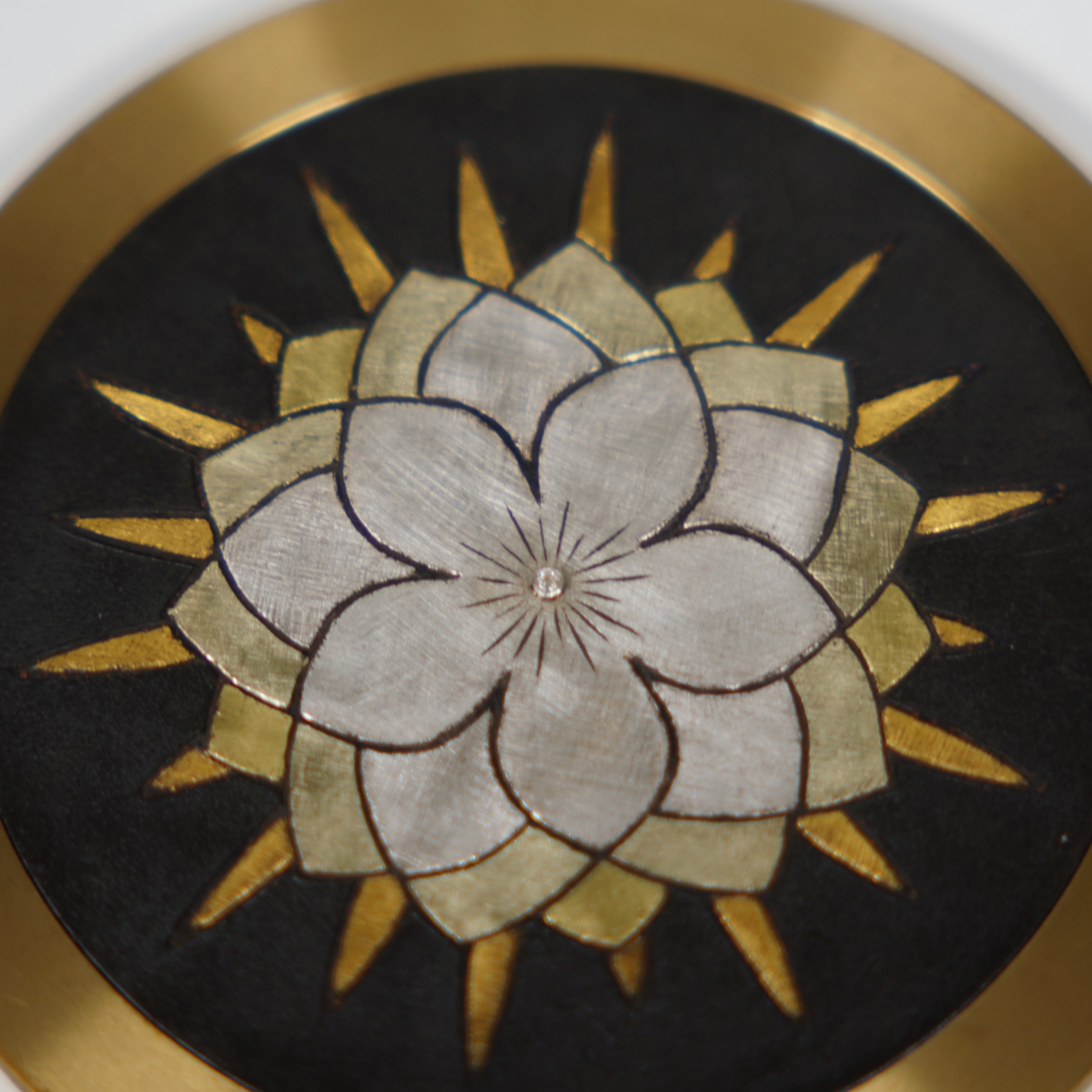
Naoko Tamura tailored the hand mirror "Gekkyoka" using the engraving technique, which has been handed down as a traditional craft.
Her wish to "make women's belongings so that they can feel familiar with traditional crafts" has finally taken shape.
The theme of this hand mirror is the moon. It is said that the technique of engraving was introduced to Japan in the late Kofun period, and the moon, which humans have loved since ancient times, was hidden in the mirror.
On the reverse side of the circular hand mirror with the image of a full moon, the moon goddess is engraved, finished using traditional engraving techniques by hammering gold and silver leaf.
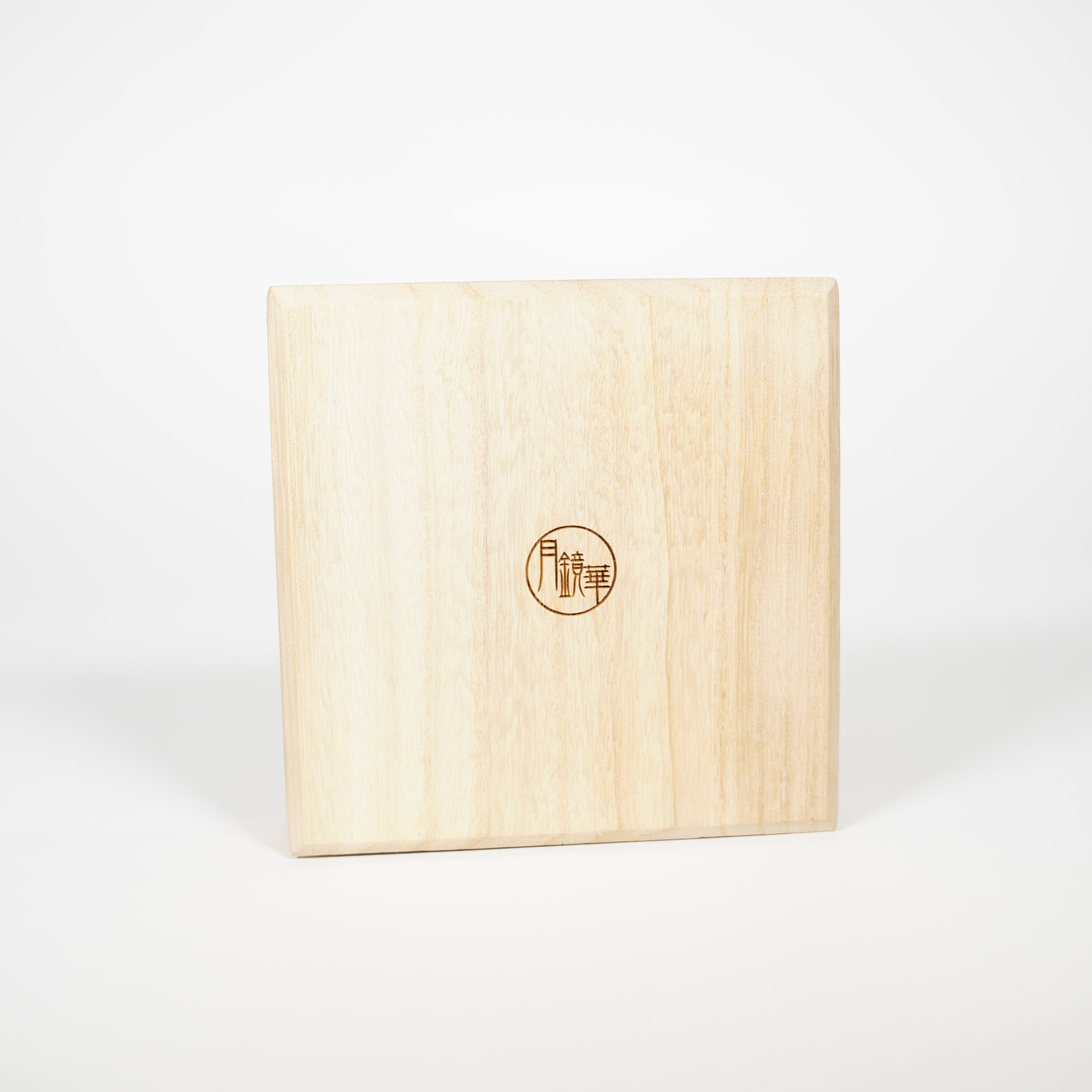
The paulownia wood box of the package can be used as a stand, so it can be used as a mirror or displayed as an objet d'art.
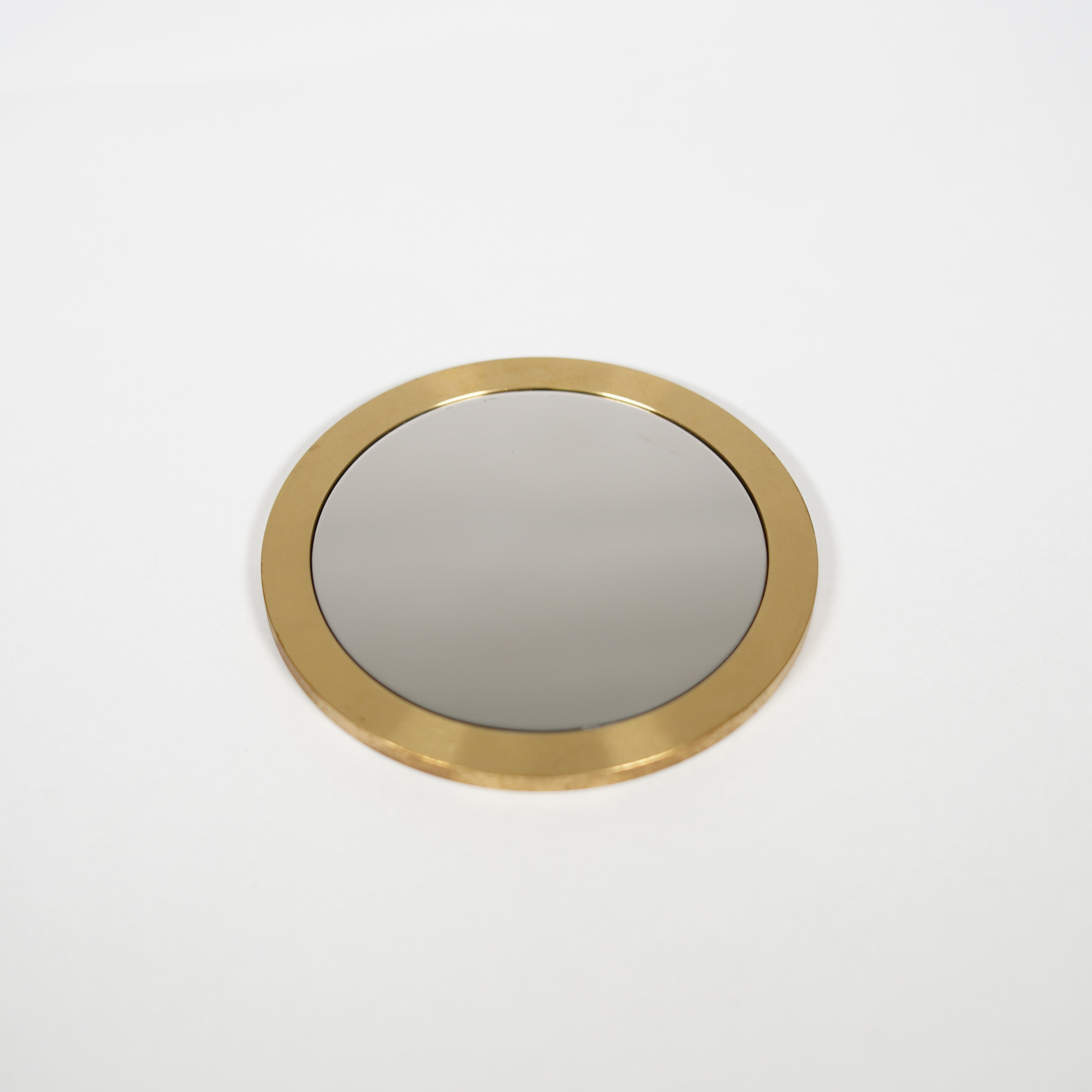
The round mirror fits in the palm of your hand, giving you the feeling of carrying the moon with you.
An artistic product that combines mystique and elegance.
SIZE
Width:8.5cm
Height:0.3cm
Weight:114g
MATERIAL
Gold
Silver
Iron
Stainless steel
Brass
Diamond
METAL HEARTS
Japanese Techniques to be Proud of in the World
I specialize in incorporating techniques such as carving, cloisonne enamel, and lacquer ware into jewelry and crafts. I would like to share these world-class Japanese techniques with as many people as possible through my work. Please take this opportunity to experience traditional Japanese techniques.
ARTISAN STORY
Naoko Tamura / Metal Hearts
She studied under Mr. Morihito Katsura, the 12th Living National Treasure, who has handed down the techniques of the Yanagawa school to the present day, which originated from a carver who was a close confidant of Ashikaga Takauji.
He produces crafts and ornaments that make modern use of traditional Japanese techniques introduced with Buddhism during the Asuka Period via the Silk Road and the Mokumegane technique that emerged during the Muromachi Period.
ACHIEVEMENTS
・Selected, 51st Japan Traditional Crafts Exhibition
・Selected, 31st Japan Traditional Crafts Metalwork Exhibition
・Selected, 41st Japan Traditional Crafts New Works Exhibition
TOKYO GINKI / TOKYO SILVERWARE
About 300 years ago / 1700s / Edo Period (1603–1868)
Silversmithing in Edo grew through demand from samurai households, wealthy townspeople and religious institutions for sake vessels, smoking accessories, ornaments and ritual objects. After the Meiji Restoration, Western tableware entered the market and Tokyo smiths increasingly produced both Japanese and Western forms.
In Japan, Tokyo silverware is valued as metalware that develops through use—teapots, sake vessels and cutlery change color as silver reacts with sulfur compounds in the air. Polishing away tarnish becomes part of the long relationship between owner and object.
In hammer raising, a flat sheet of silver is struck thousands of times and periodically annealed to soften the metal after work-hardening. The process alternates force and rest: hammer, heat, hammer again. The finished vessel is literally shaped by a history of countless impacts.
Individual Differences
As each piece is individually handcrafted, slight variations in color, pattern, shape, and texture may occur. These subtle differences are a natural characteristic of handcrafted works, making each piece truly unique. We hope you will enjoy these individual variations as part of the beauty and character of Japanese craftsmanship.
Production Time
If an item is not currently in stock, it may be made to order by the artisan. As each piece is carefully handcrafted, production may take several months depending on the item and the artisan's schedule. We appreciate your patience and understanding.
Optionen auswählen