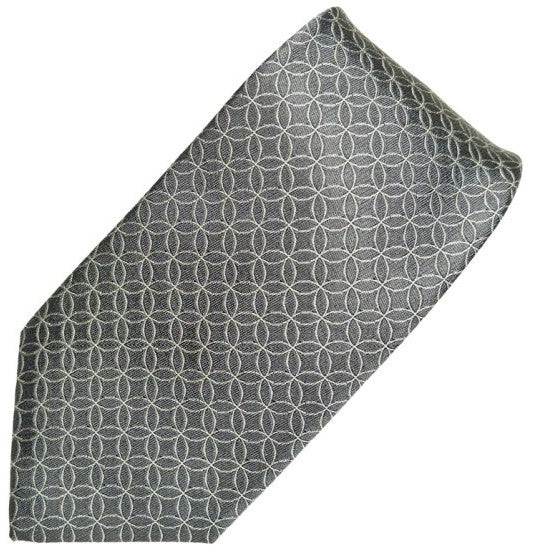
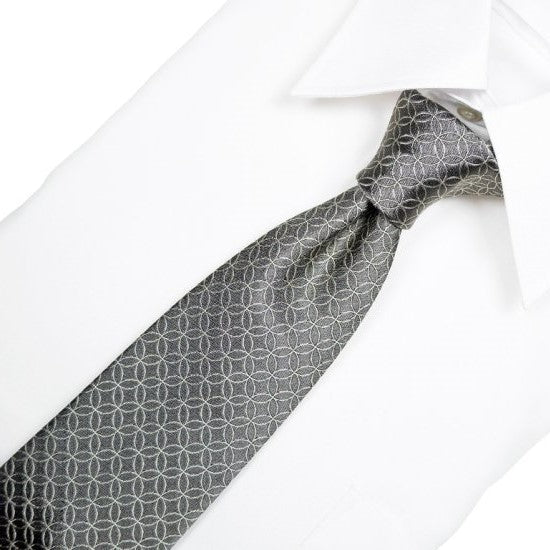
GUNNAI ORIMONO / GUNNAI TEXTILES
About 400 years ago / 1600s / Edo Period (1603–1868)
Gunnai textiles developed in eastern Yamanashi during the Edo period, when farm households produced silk cloth as supplementary work. Proximity to Edo helped Kainushi become famous as luxury lining for kimono and haori. After the Meiji Restoration, the region repeatedly reinvented itself through umbrella cloth, neckties and Western apparel fabrics.
In Japan, Gunnai is known within the fashion industry less as a consumer brand than as a source of exceptionally high-quality cloth. Today it produces neckties, scarves, apparel and interiors in small, varied runs, often collaborating directly with designers.
Soft water from the Mount Fuji area has long benefited dyeing. Some workshops also deliberately preserve old shuttle looms because their slower movement creates fullness and density difficult to reproduce on modern high-speed equipment. In Gunnai, weaving more slowly can actually create greater value.