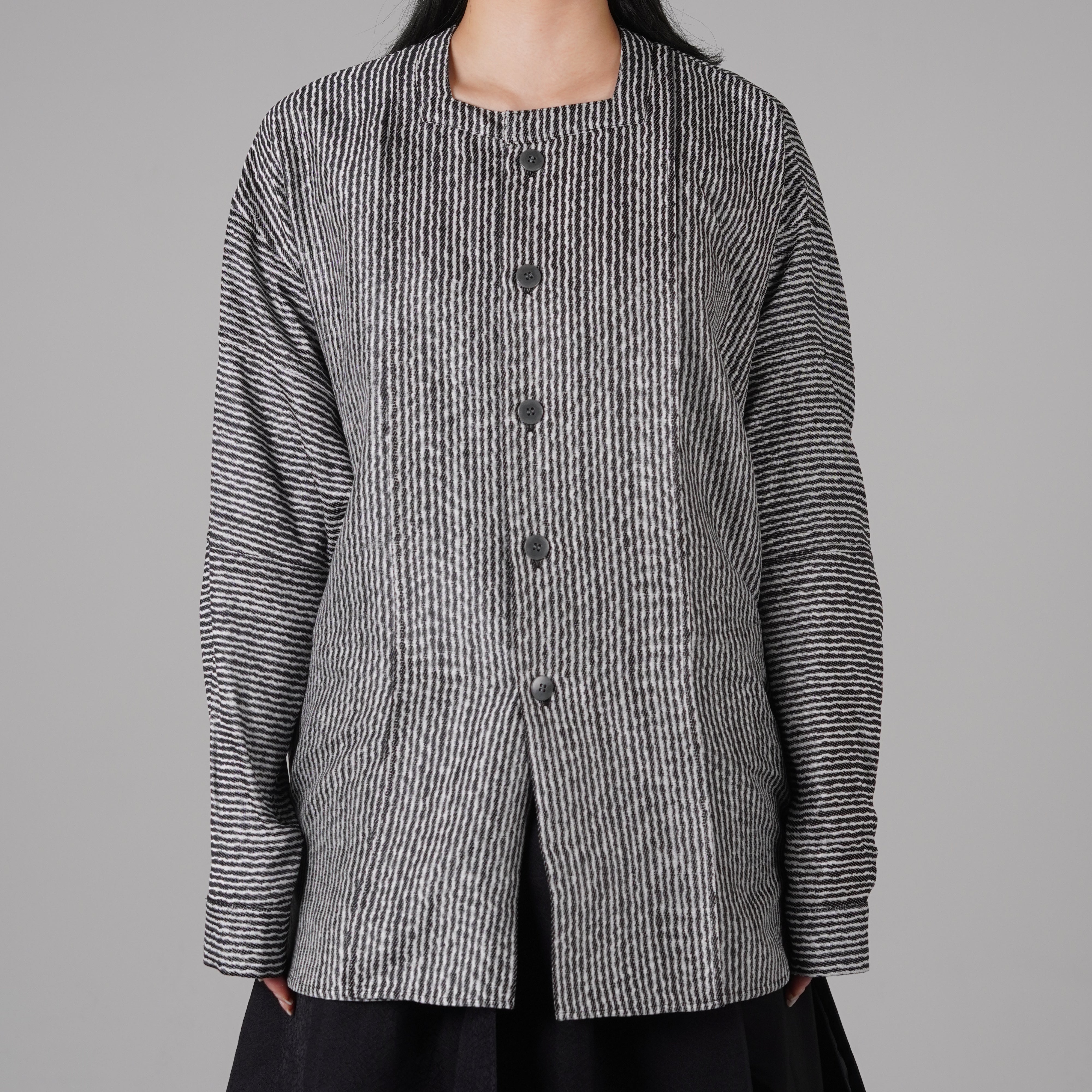
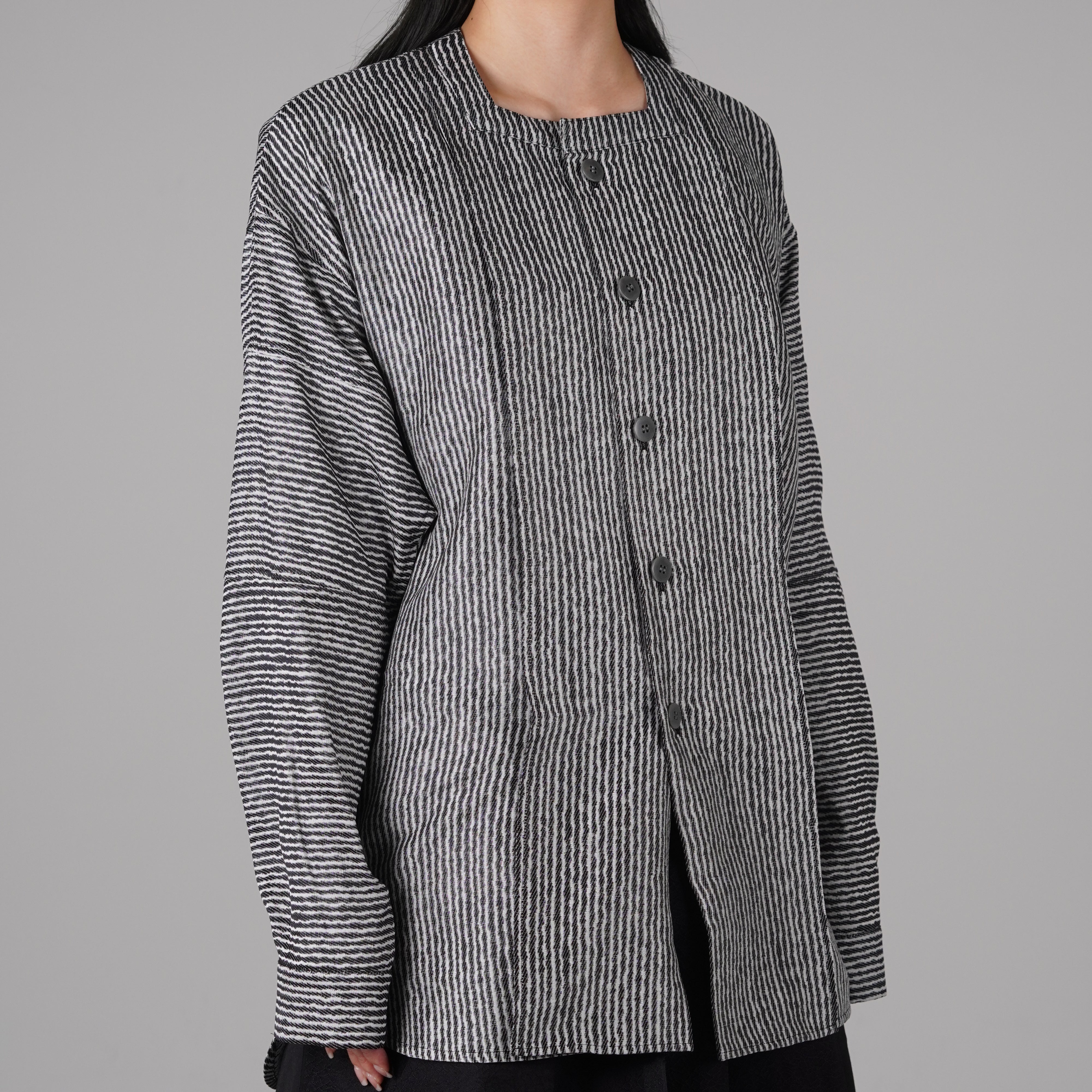
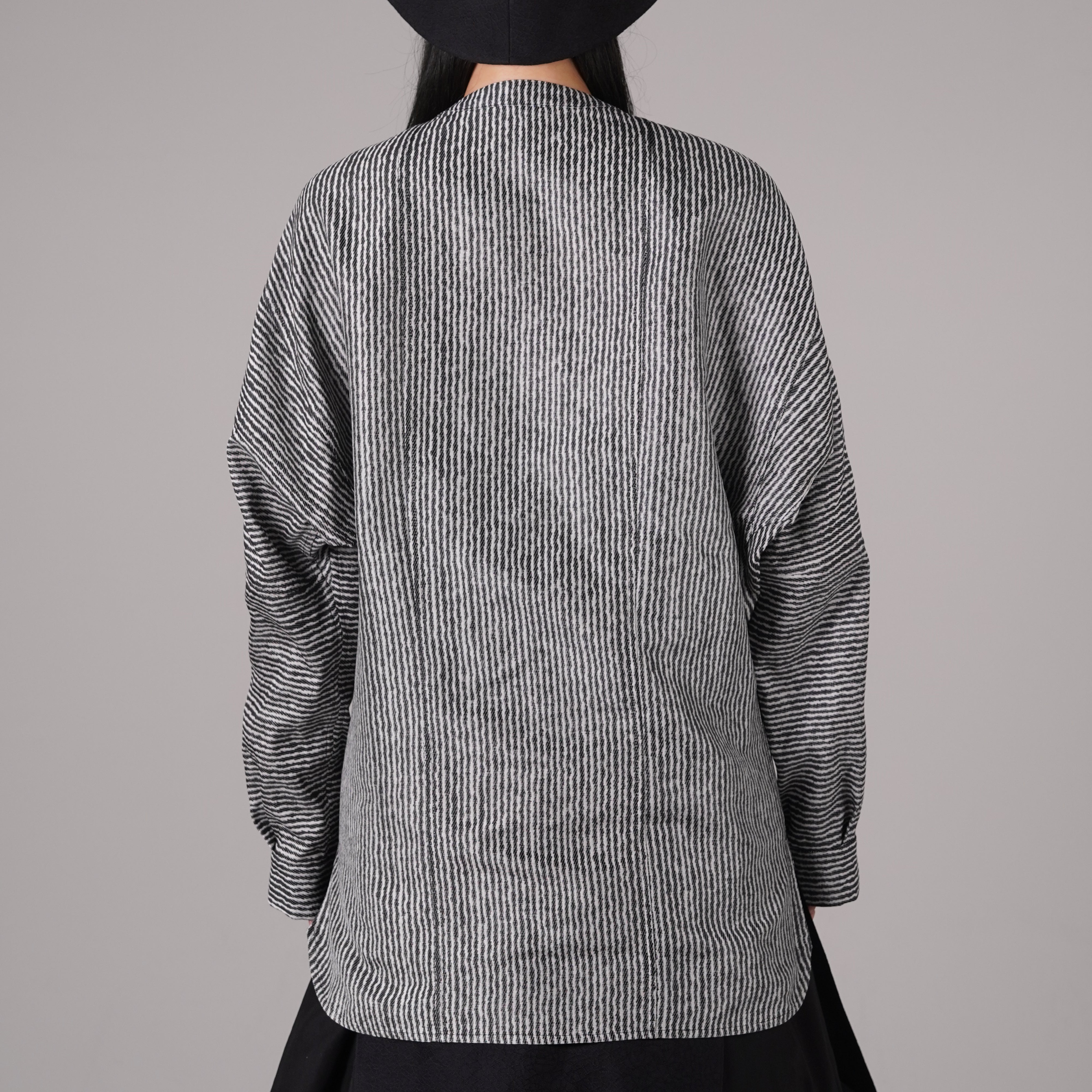
NISHIJIN ORI / NISHIJIN SILK TEXTILES
About 1,200 years ago / 800s / Heian Period (794–1185)
Nishijin textiles trace their technical roots to the Oribe-no-tsukasa, a Heian-period government workshop that produced luxury cloth for the court. Weavers scattered during the Onin War but later returned to the area around the former western army camp—nishi-jin—giving the district its enduring name. In the Meiji period, European Jacquard technology was actively introduced.
In Japan, Nishijin represents some of the country’s most prestigious silk weaving, especially obi and Noh costumes. Because designs are woven from pre-dyed yarn rather than printed afterward, colors can have extraordinary depth. Today the skills also appear in ties, bags, interiors and collaborations with fashion brands.
“Nishijin” was not originally an ancient place-name; it literally refers to the “western camp” of the Onin War. Production is also profoundly distributed: design, pattern preparation, twisting, dyeing and weaving may involve more than twenty specialized stages across the neighborhood. The city district itself functions like a single enormous workshop.