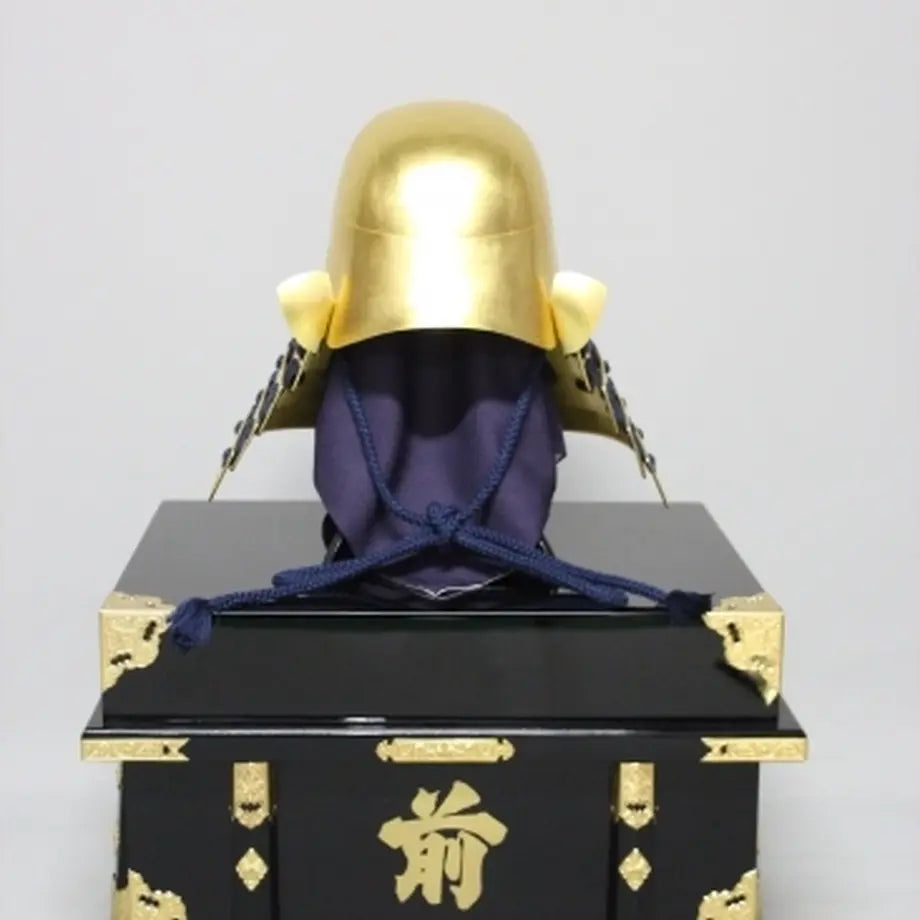
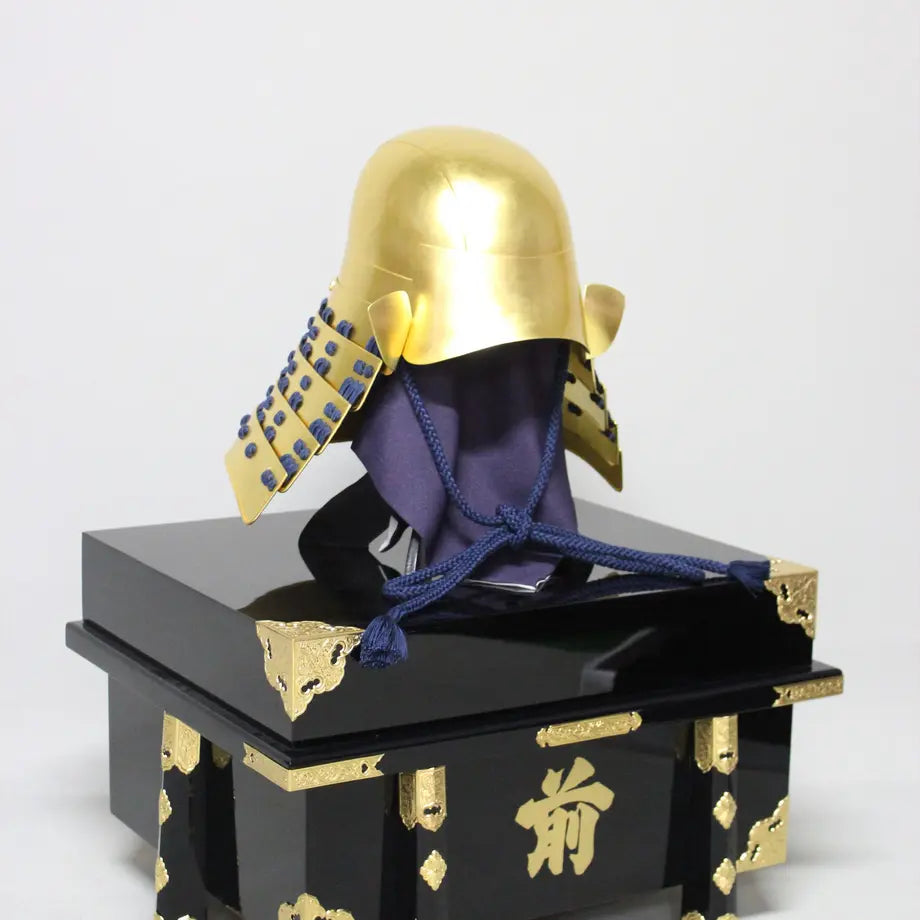
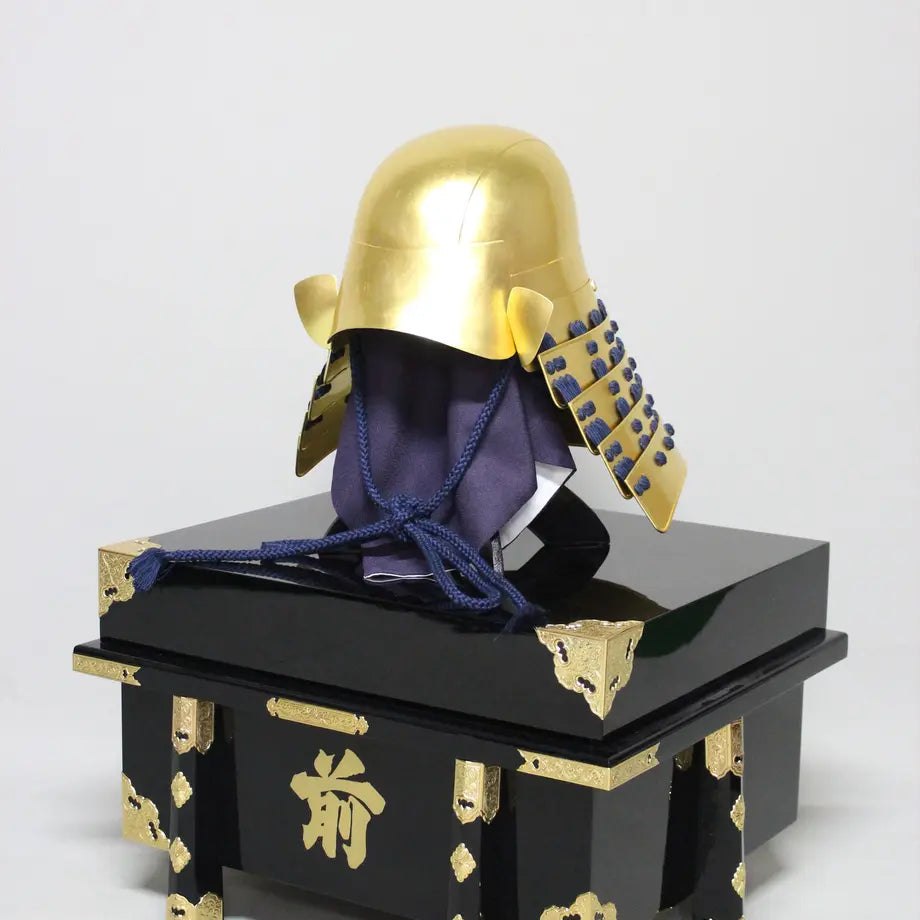
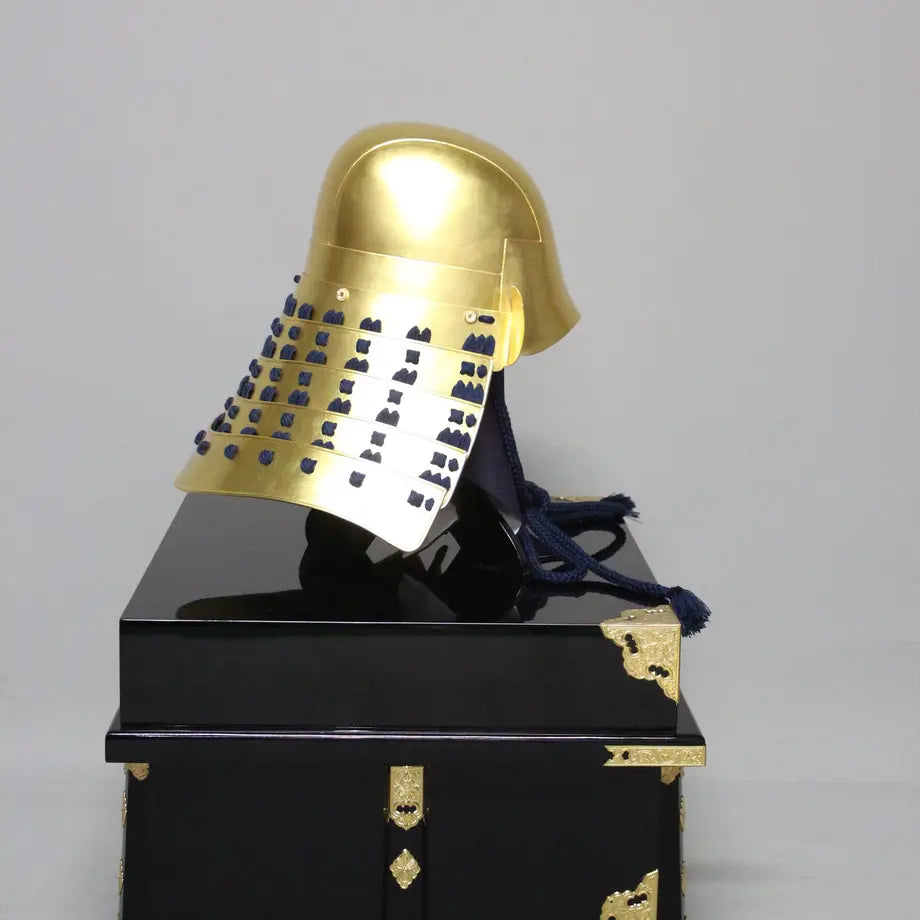
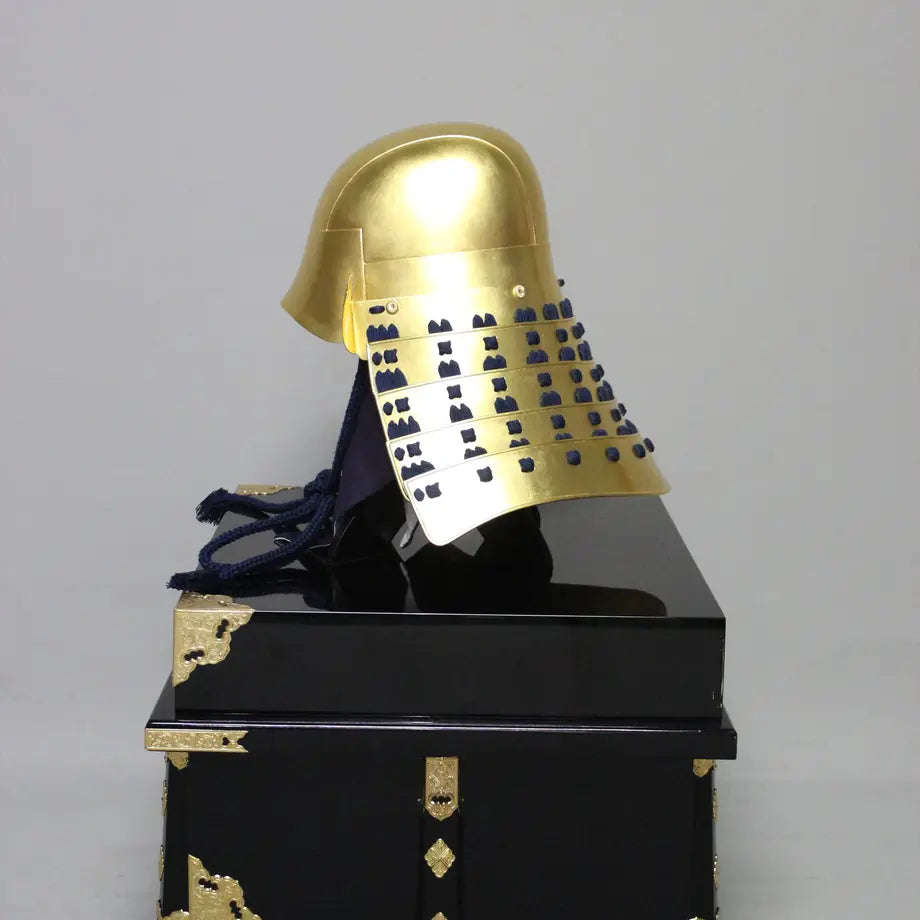
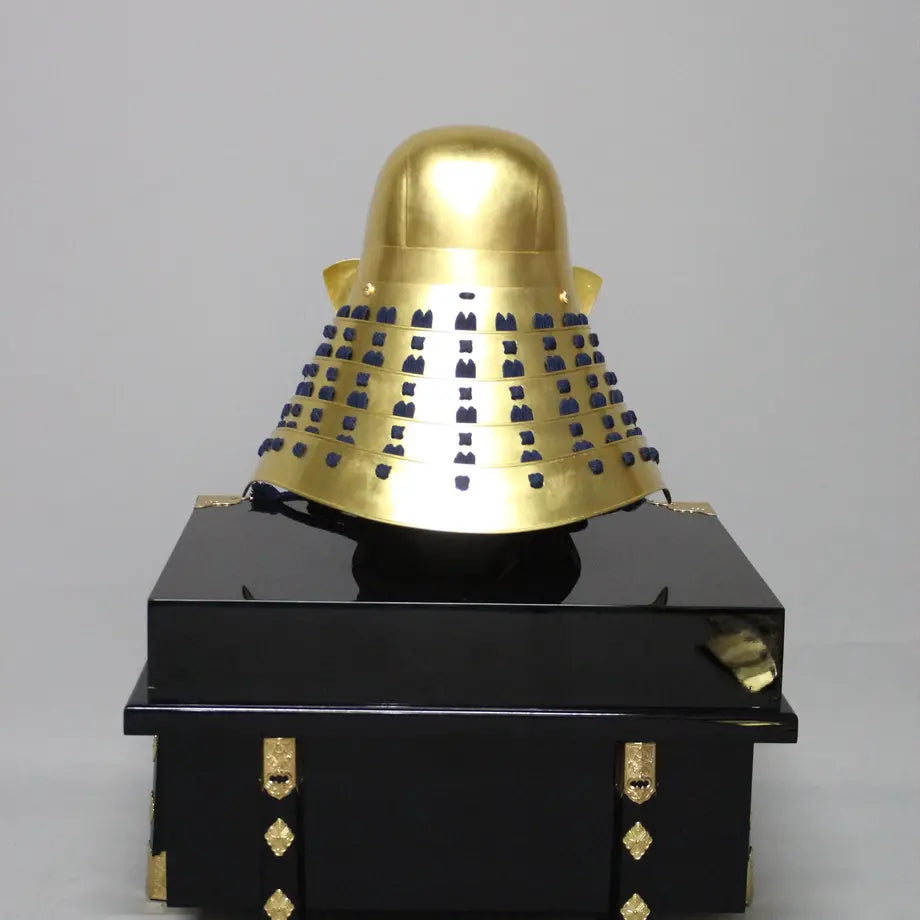
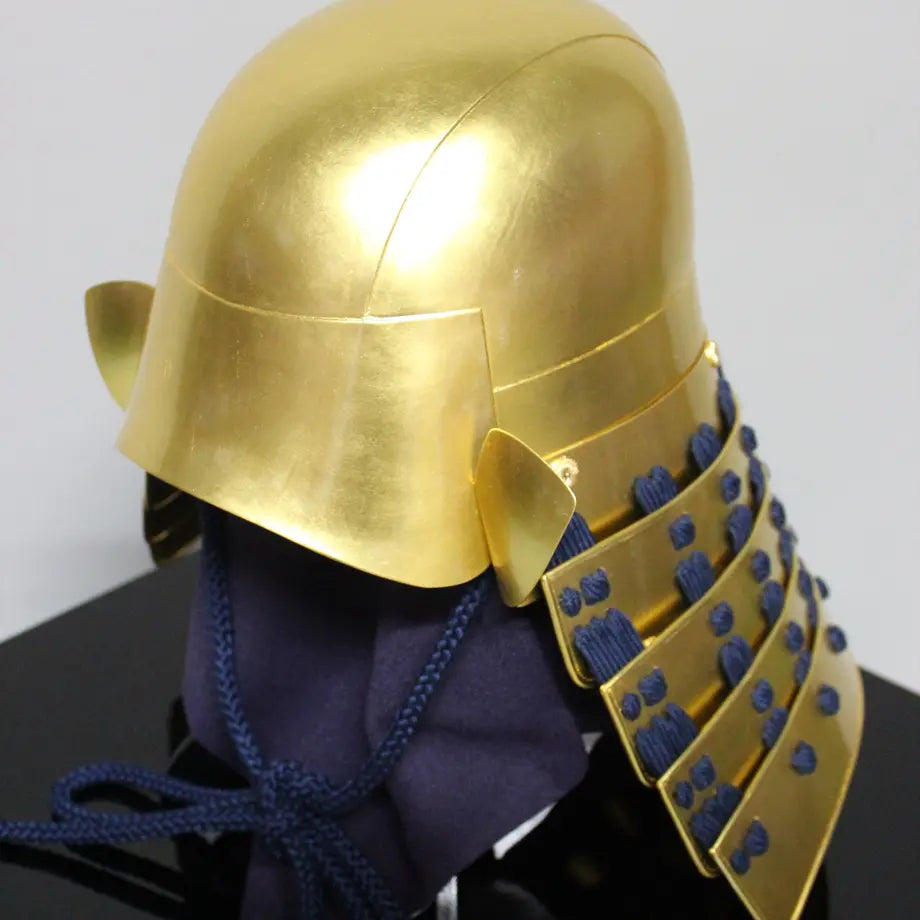
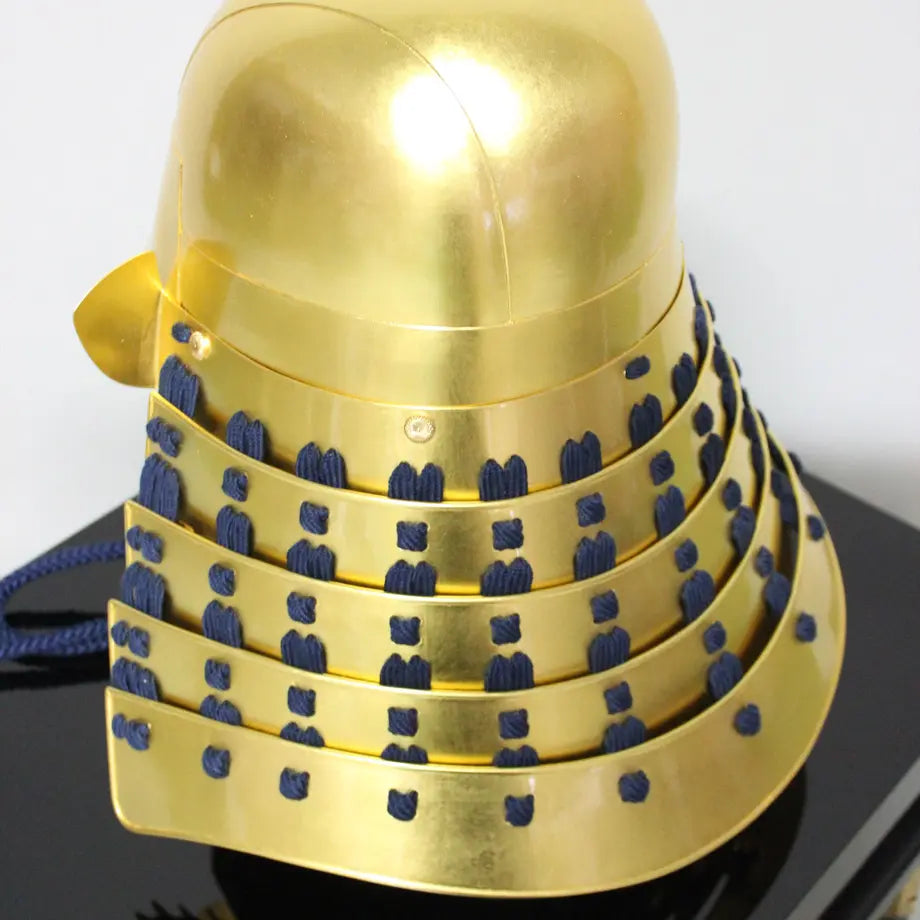
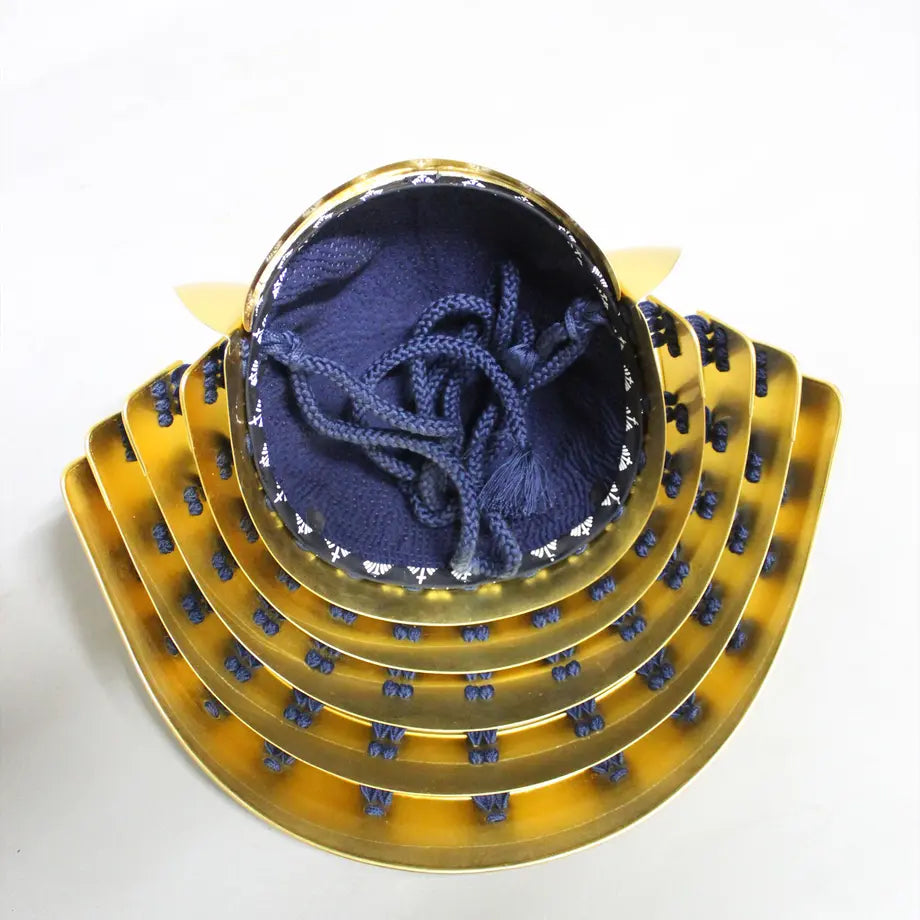
KATCHU / JAPANESE SAMURAI ARMOR
About 1,500 years ago / 500s / Kofun Period
Japanese armor developed from iron cuirasses and lamellar forms of the Kofun period into the large o-yoroi suited to mounted archery, then into more compact armors adapted to infantry warfare and firearms during the Muromachi and Sengoku periods. Lacquer, leather, metalwork, braided cord and textiles were integrated as weapons and tactics changed.
In Japan, armor is remembered not only as protection but as a powerful expression of a warrior’s identity and family prestige. Today it survives in museums, festivals, Boys’ Day displays and historical reproductions, making it one of the most recognizable crafts of samurai culture.
The extravagant crests on helmets were not decoration alone. On a chaotic battlefield they helped allies identify commanders and could intimidate opponents. Armor functioned almost like a modern visual brand: practical equipment designed to announce immediately who was wearing it.