Caja de tarjeta en forma de gato / 1
الوصف
التفاصيل
SIZE
MATERIAL
حِرَفِيّ
كوجي
تحذير
Elige opciones


Caja de tarjeta en forma de gato / 1
Precio de ofertaDhs. 263.00
País
Idioma
Cesta
La cesta está vacía


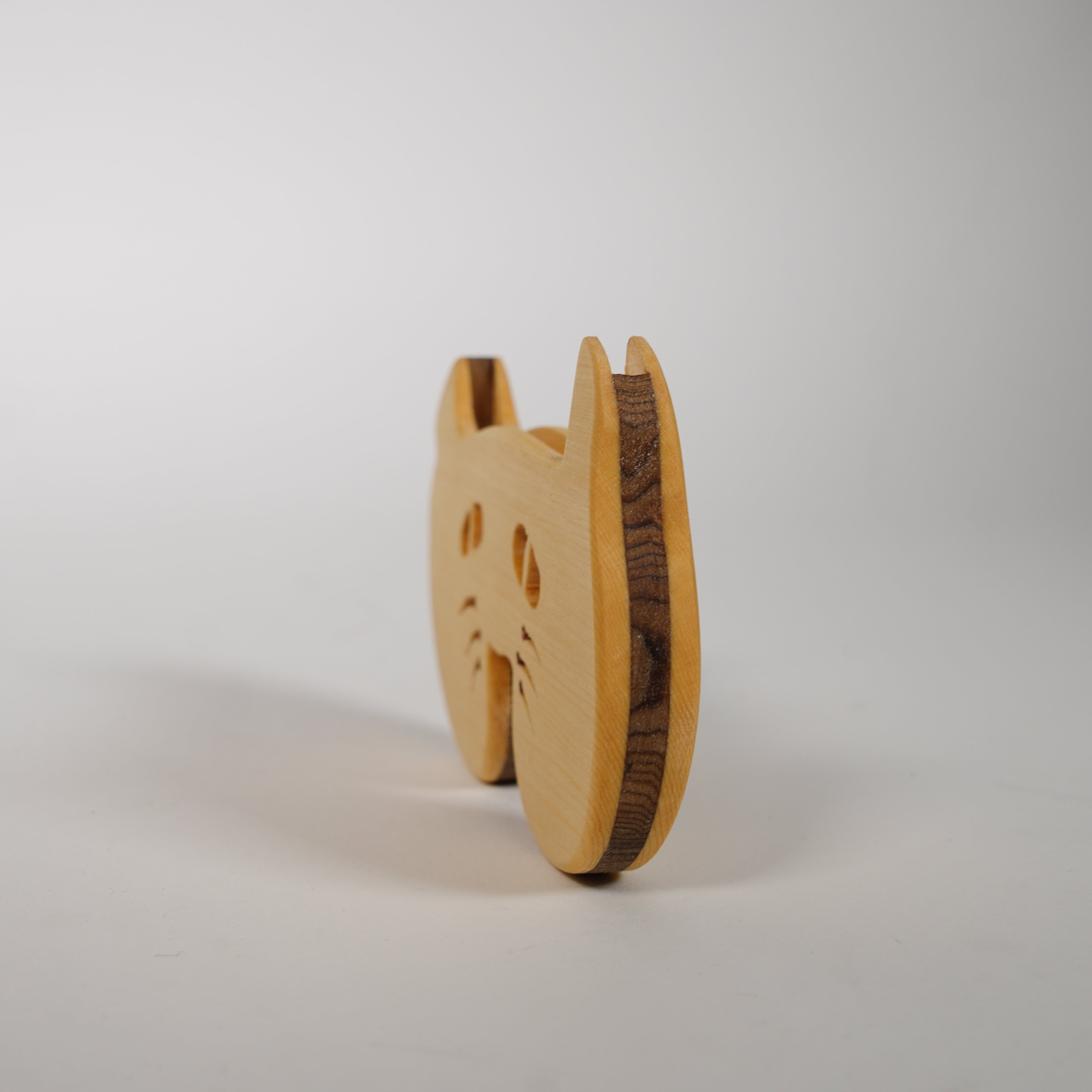
صُنعت حافظة البطاقات هذه باستخدام تقنية كيو ساشيمونو، وتُجسّد وجه قطة لطيفًا.
لا توجد قطعتان من الخشب لهما عروق متطابقة تمامًا، مما يجعل كل قطعة منتجًا فريدًا من نوعه.
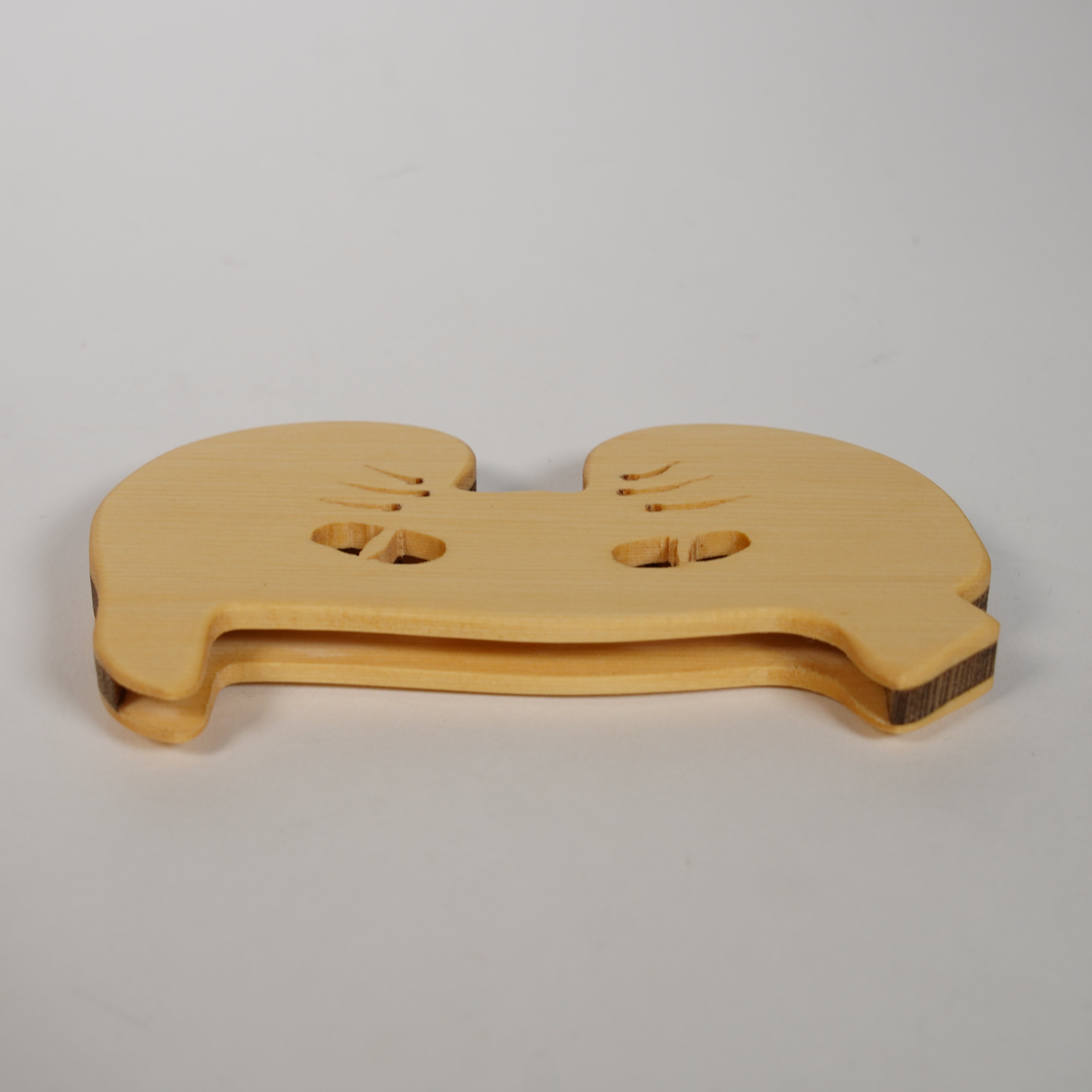
صُنعت بدقة متناهية، ويُغلق الغطاء بإحكام شديد. أمسكها بيدك واستمتع بفن كيو ساشيمونو.
يمكنها استيعاب نحو 15 بطاقة عمل، حسب سُمك الورق.
لم تُستخدم فيها أي مسامير!
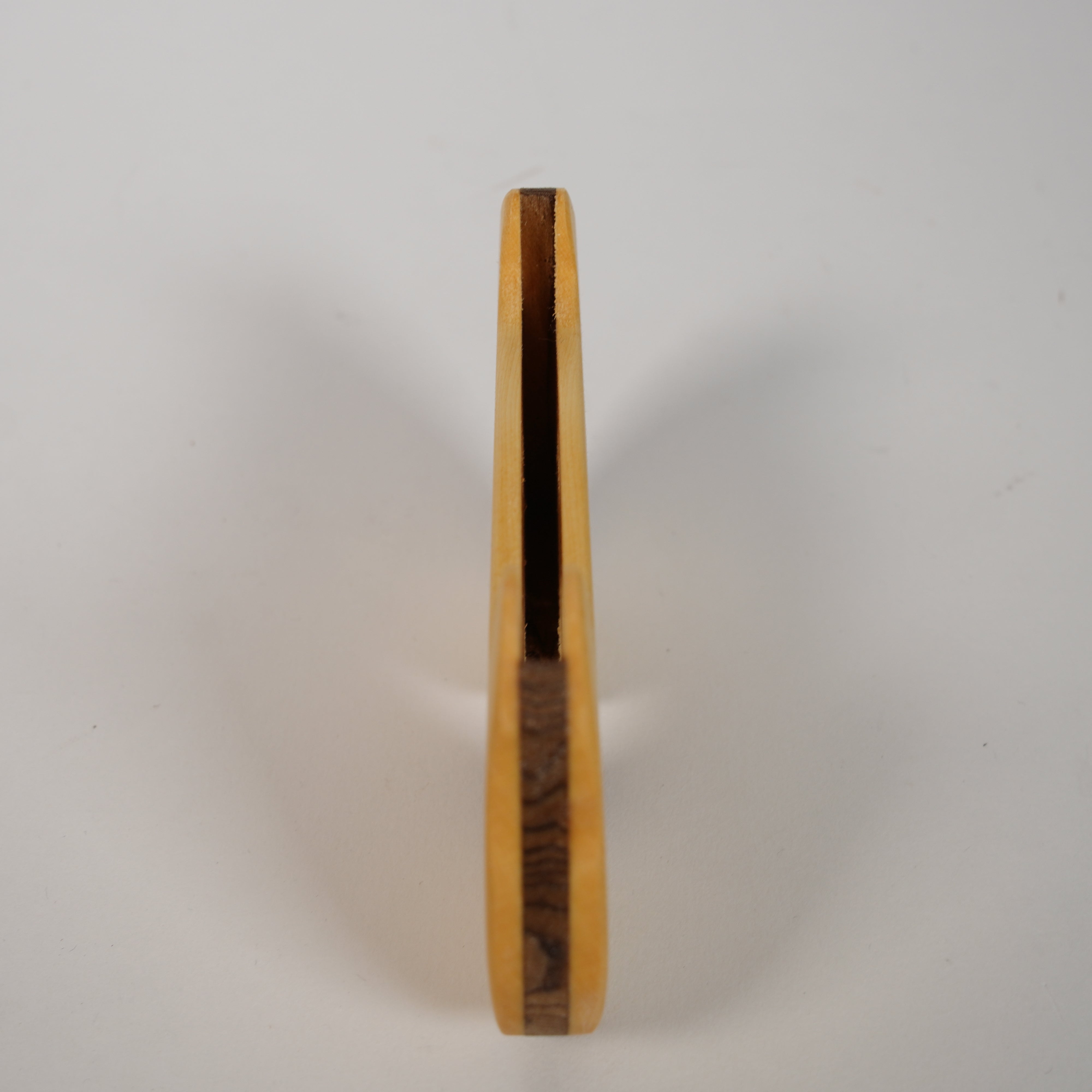
صُنعت الأجزاء الخشبية دون استخدام أي مسامير، وذلك من خلال تشكيل أسطح غير مستوية على الأجزاء الخشبية وتركيبها ببراعة.
على الرغم من عدم استخدام أي مسامير، إلا أنها متينة ويمكن استخدامها لعقود.
SIZE
العرض:11 سم
العمق:1.3 سم
الارتفاع:6.5 سم
الوزن:22 جم
MATERIAL
خشب
HAKOSHICH KOUBOU
"Learn Something New Everyday"
I am never conceited that I am skillful craftsman, and I think that every day is a learning experience.
Even though I keep making mistakes, I want to make better products to please my customers.
I am making my work every day in order to convey the charm of Kyo-Shinamono to many people and to protect traditional techniques.
ARTISAN STORY
Takashi Shimizu
He was born in Kyoto and entered the world of Kyoto wood joinery (Cabinetwork) when he was 10 years old. His father gave him a Kanna (A plane) for his birthday which made him interested in this crafts.
He is a craftsman who mainly produces Kyoto wood joinery (Cabinetwork), especially tea ceremony utensils and box-shaped utensils.
ACHIEVEMENTS
・Won a prize at the Tea Ceremony Art Contest
・Kyoto Wooden Crafts Exhibition - Mayor of Kyoto Award
・Honorable Mention, Kyoto Wood Craft Exhibition
・Kyoto Wood Craft Exhibition, Kyoto Governor Prize
KYO SASHIMONO / KYOTO WOOD JOINERY
About 1,200 years ago / 800s / Heian Period (794–1185)
Kyo sashimono grew from wooden furnishings made for the Heian court and temples. Specialist joiners emerged by the Muromachi period, while the rise of tea culture created demand for precise shelves, boxes and incense utensils. During the Edo period, the same skills expanded into furniture for prosperous townspeople.
In Japan, the craft is respected less for showy carpentry than for understanding the behavior of wood and building structures meant to last. Joints rather than metal nails do much of the work, and materials such as paulownia, cedar and mulberry are selected and finished according to purpose.
A particularly Kyoto-like feature is that sashimono often becomes a collaborative art. Lacquerers, mother-of-pearl specialists, decorative metalworkers and even celebrated painters may contribute to a single piece. The furniture becomes a synthesis of many crafts, reflecting Kyoto’s long role as a crossroads of specialized makers.
الاختلافات الفردية
نظرًا لأن كل قطعة تُصنع يدويًا بشكل مستقل، فقد تطرأ اختلافات طفيفة في اللون والنمط والشكل والملمس. وتُعد هذه الاختلافات الدقيقة من الخصائص الطبيعية للأعمال اليدوية، ما يجعل كل قطعة فريدة من نوعها حقًا. نأمل أن تستمتعوا بهذه الاختلافات الفردية كجزء من جمال الحرفية اليابانية وطابعها المميز.
مدة الإنتاج
إذا لم يكن المنتج متوفرًا في المخزون حاليًا، فقد يقوم الحرفي بتصنيعه حسب الطلب. ونظرًا إلى أن كل قطعة تُصنع يدويًا بعناية، فقد يستغرق الإنتاج عدة أشهر، حسب المنتج وجدول الحرفي. نقدر صبركم وتفهمكم.

Elige opciones