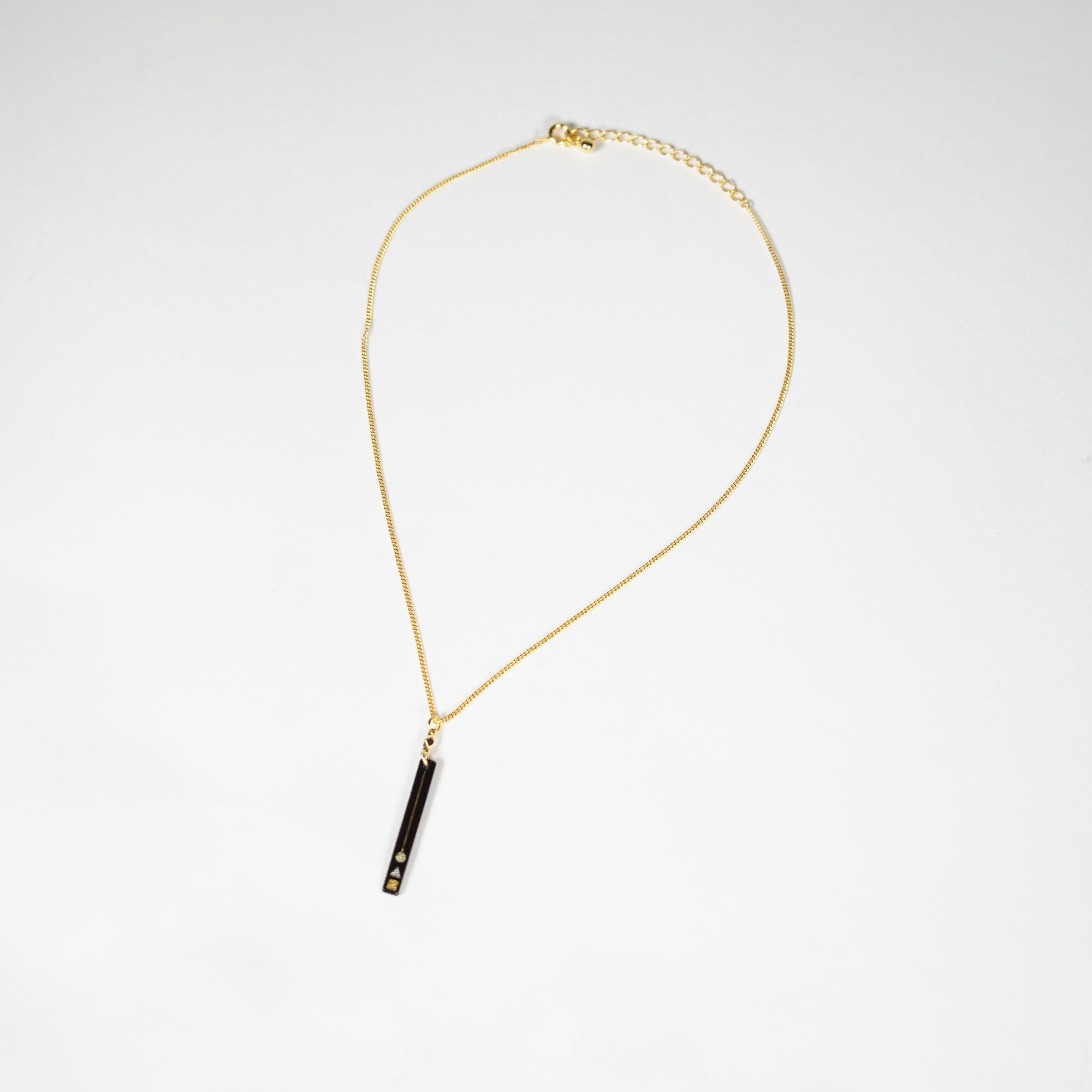
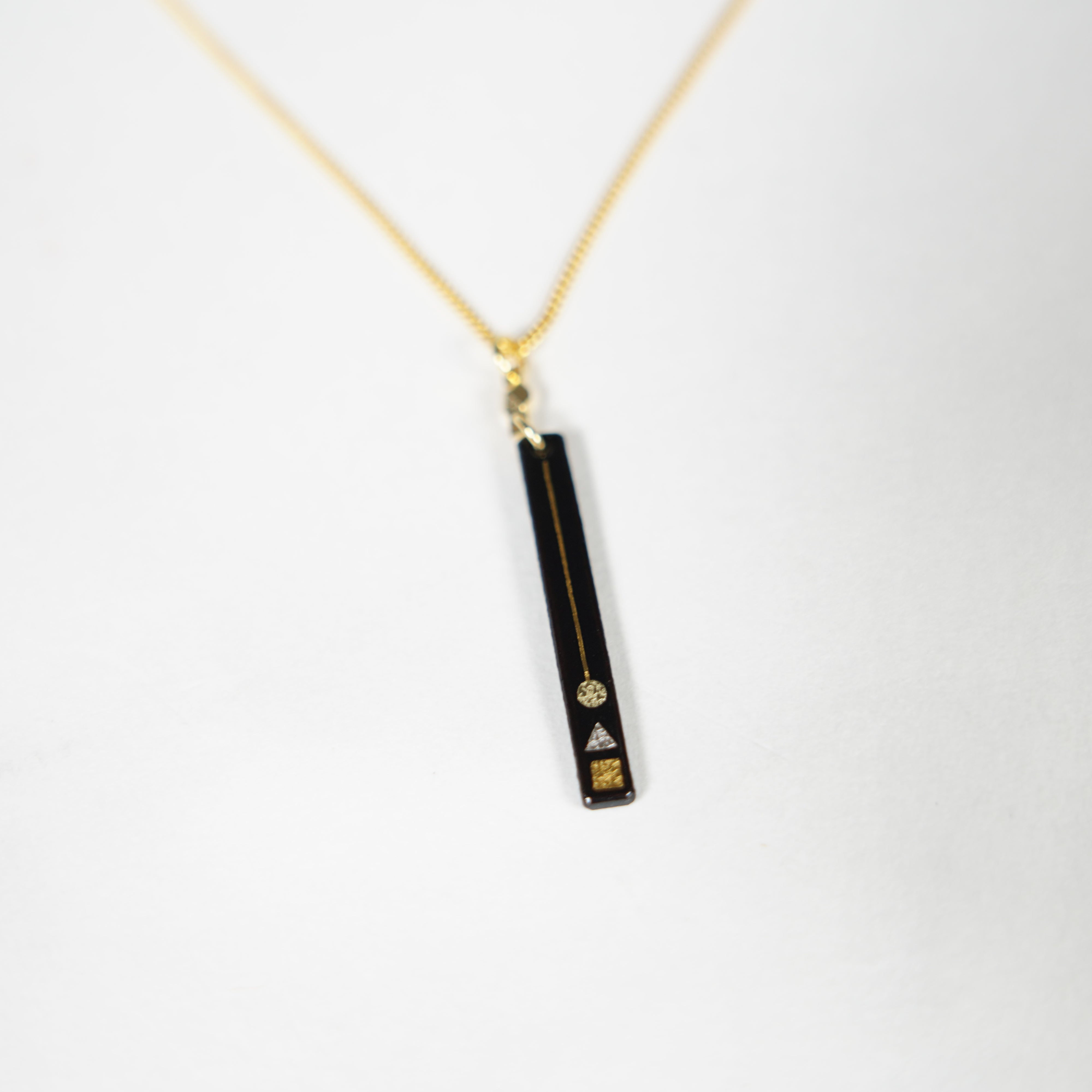
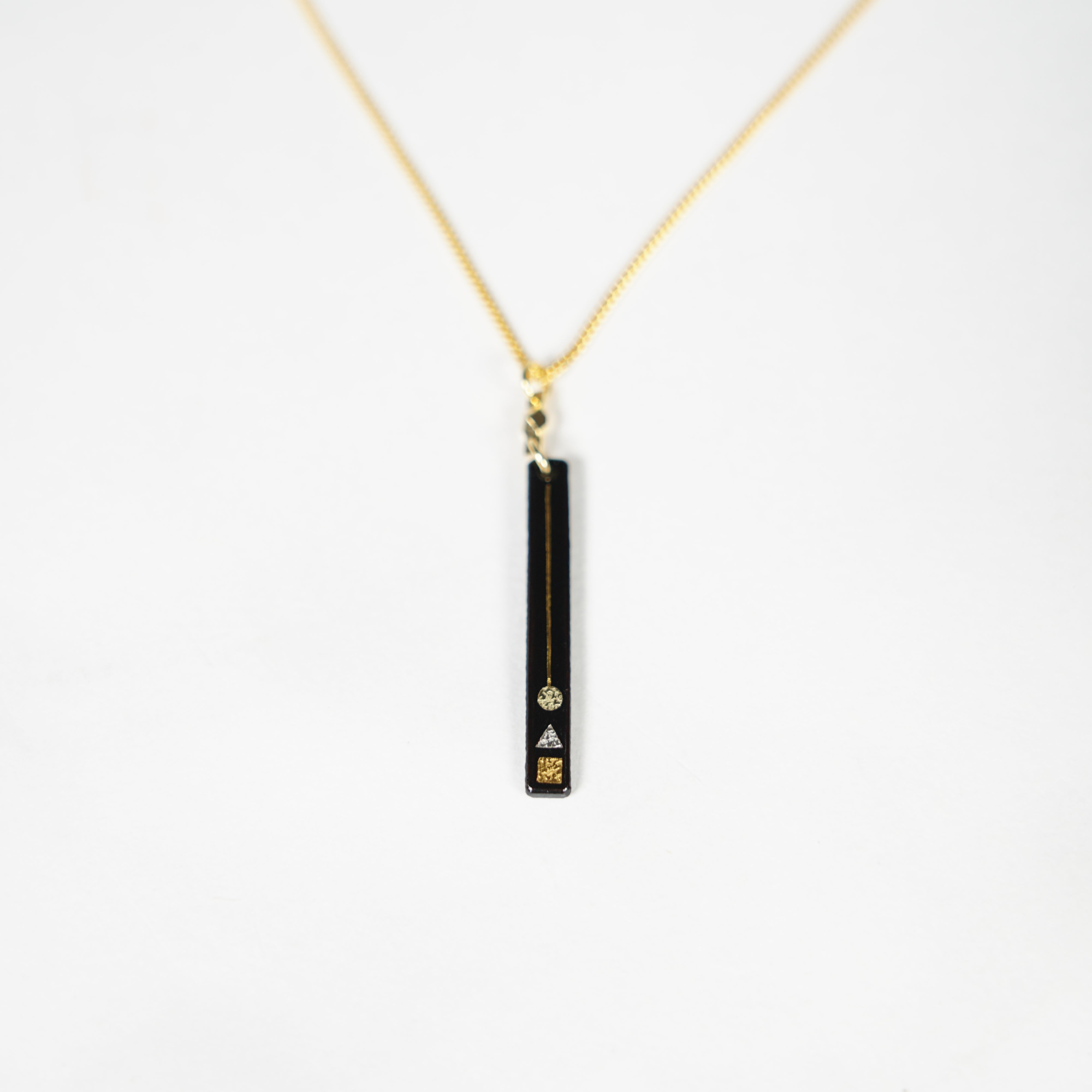
Kyoto Damascening / Pendse / Building Block
الوصف
التفاصيل
SIZE
MATERIAL
حِرَفِيّ
كوجي
تحذير
Elige opciones


Kyoto Damascening / Pendse / Building Block
Precio de ofertaDhs. 413.00
País
Idioma
Cesta
La cesta está vacía


هذه قطعة نادرة في الاستوديو، مع تطعيم على كلا الجانبين. «تقدير كل الأشياء والبحث عن الوجود الذاتي...» هذا تصميم مهدئ مستوحى من عالم الزن.
سطح القماش الحديدي غير مستوٍ. نسمي هذا «نمط ناشيجي» لأن النمط الحبيبي الدقيق يشبه قشر الكمثرى، وهي تقنيتهم الأصلية. يمكن أيضًا تطبيق هذا عدم الاستواء لإنشاء أنماط مختلفة.
«إيشيمي»، إحدى تقنيات النحت، تُطبق أيضًا على الذهب والفضة لإنشاء تأثير ثلاثي الأبعاد. السطح المسطح للقماش الحديدي ونمط ناشيجي، مع أو بدون نقش مطبق على الذهب والفضة. كما أن الحرفية المتلألئة وأناقة الدمشقي يتم تعزيزهما بانعكاس الضوء.
هل كان يُستخدم في الأصل للدروع؟
في الأصل، كان الدمشقي يُستخدم لتزيين السيوف والأسلحة الأخرى، لكن هذه التقنية تراجعت مع إلغاء قانون السيف في عام 1876. بعد ذلك، بدأ استخدام الدمشقي في الإكسسوارات الزخرفية. حظيت الألوان الأنيقة للذهب والفضة مع اللمعان الهادئ والأنيق للدمشقي بثناء كبير باعتبارها «ملك الحرف المعدنية»، والتي لا تزال تُستخدم حتى يومنا هذا.
SIZE
العرض:0.3 سمالارتفاع:3 سمالوزن:2 جم
MATERIAL
حديد
ذهب
فضة
KYO ZOGAN ONO
"We want to give back to society by preserving as much goodness as possible for future generations."
Our affluent society is the result of the efforts of our predecessors. It will not be a smooth road to realize our ideals, but we are committed to be such a workshop every day.
ARTISAN STORY
Kyoto metal inlay Ono / Shinji Ono
Ono inlays and produces accessories and tea ceremony utensils such as iron kettles.
Ono's unique technique, "Nashiji-style pattern," which expresses the texture of unevenness on the inlaid base material, is a distinctive feature of his work.
Please take a look at the accessories and feel the charm of Zogan close at hand.
KYO ZOGAN / KYOTO METAL INLAY
About 1,300 years ago / 700s / Nara Period (710–794)
Metal inlay reached Japan from continental Asia by the Nara period, and examples in gold and silver survive on swords and Buddhist objects in the Shosoin. In Kyoto, metalworking lineages such as the Umetada and Shoami schools refined the art during the early Edo period, expanding from sword fittings to braziers and smoking implements. After the Meiji sword ban, export markets became crucial.
Today Kyoto inlay is recognized for elegant gold and silver patterns set against darkened iron. Rather than sword fittings, contemporary pieces are often small personal or interior objects—pendants, tie pins and framed works.
Its signature nunome-zogan technique is unexpectedly mechanical. The iron surface is cut with countless microscopic crosshatched grooves, then thin gold or silver is hammered into those ridges. No adhesive is needed: the precious metal is literally locked into the base through friction and deformation.
الاختلافات الفردية
نظرًا لأن كل قطعة تُصنع يدويًا بشكل مستقل، فقد تطرأ اختلافات طفيفة في اللون والنمط والشكل والملمس. وتُعد هذه الاختلافات الدقيقة من الخصائص الطبيعية للأعمال اليدوية، ما يجعل كل قطعة فريدة من نوعها حقًا. نأمل أن تستمتعوا بهذه الاختلافات الفردية كجزء من جمال الحرفية اليابانية وطابعها المميز.
مدة الإنتاج
إذا لم يكن المنتج متوفرًا في المخزون حاليًا، فقد يقوم الحرفي بتصنيعه حسب الطلب. ونظرًا إلى أن كل قطعة تُصنع يدويًا بعناية، فقد يستغرق الإنتاج عدة أشهر، وذلك حسب المنتج وجدول الحرفي. نقدر صبركم وتفهمكم.

Elige opciones