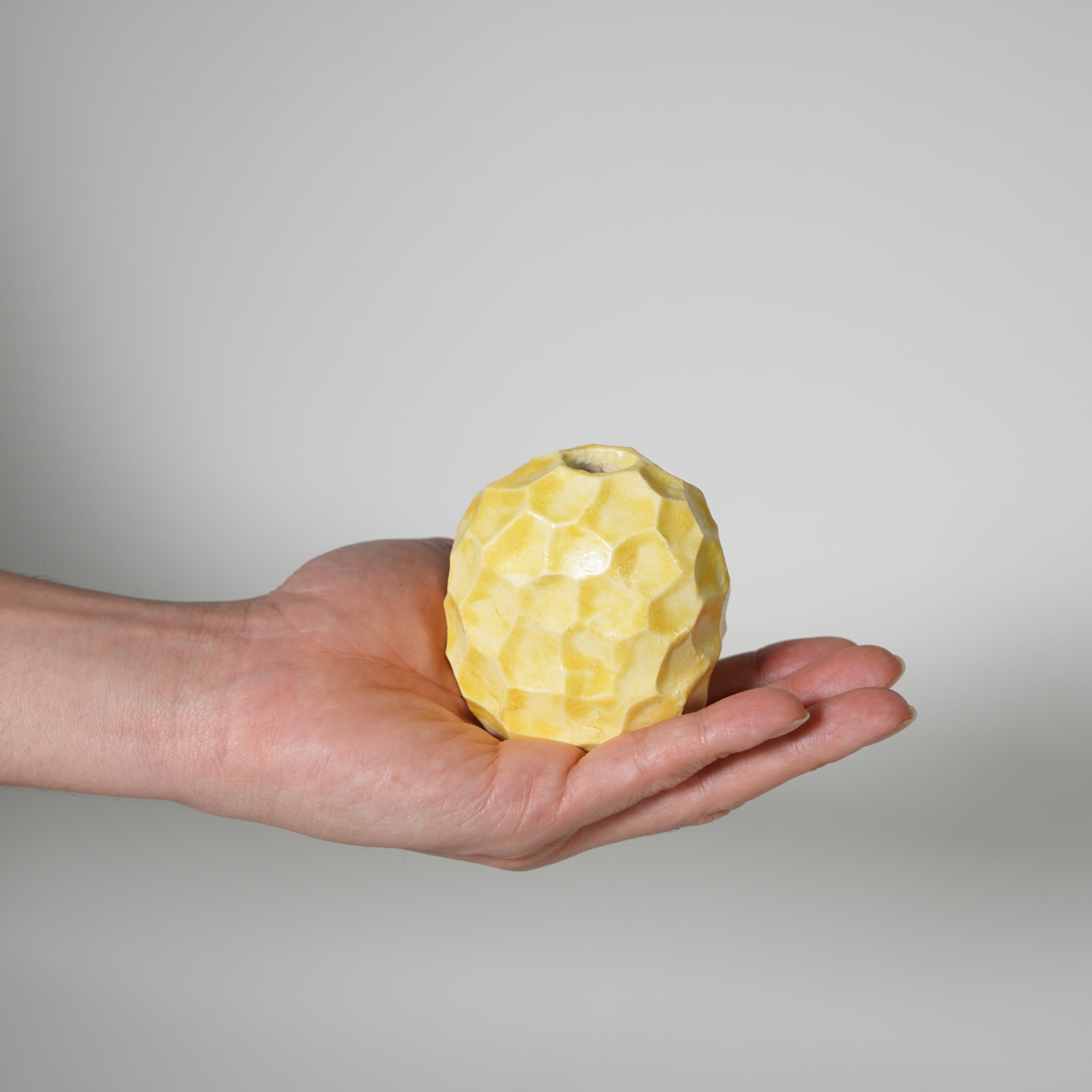
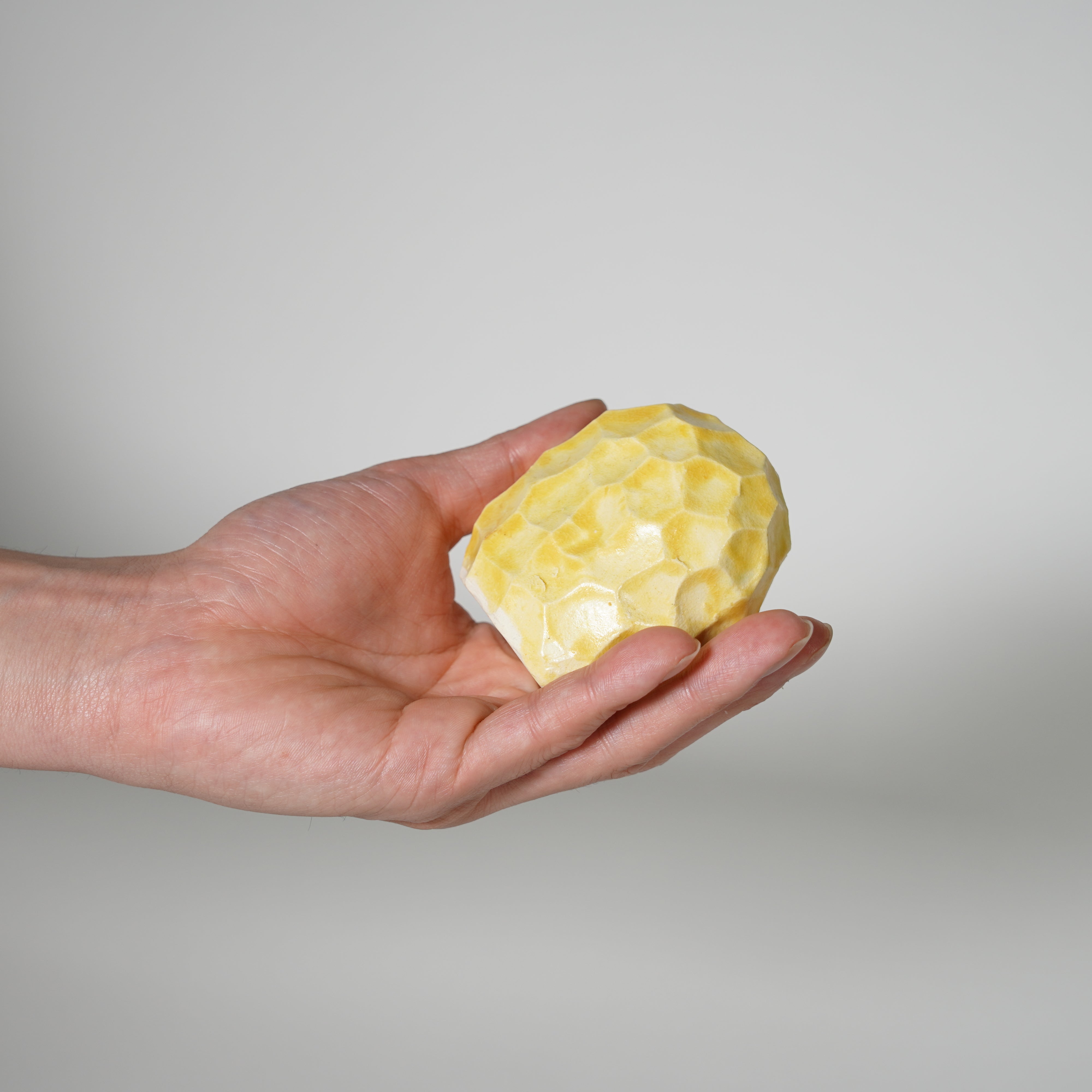
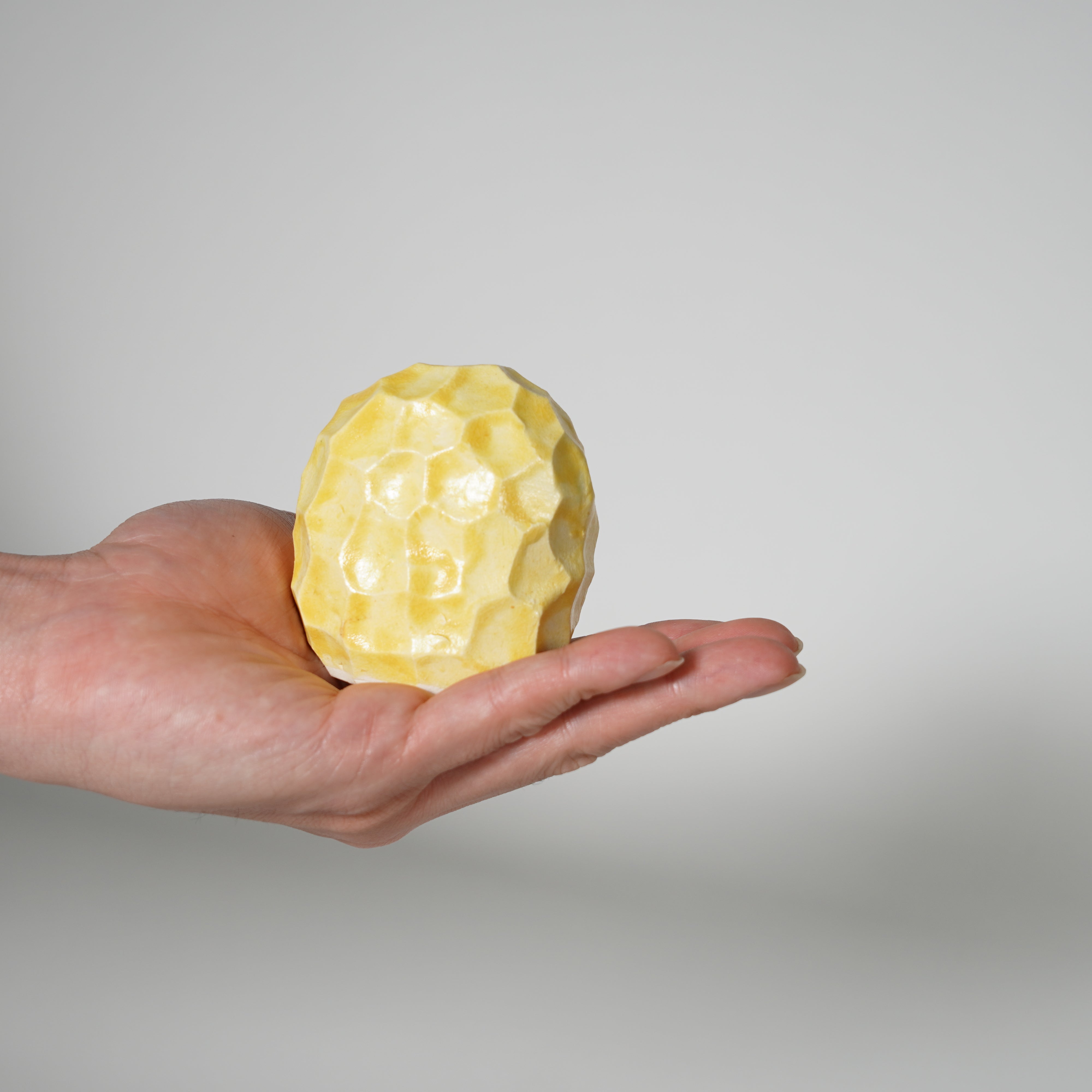
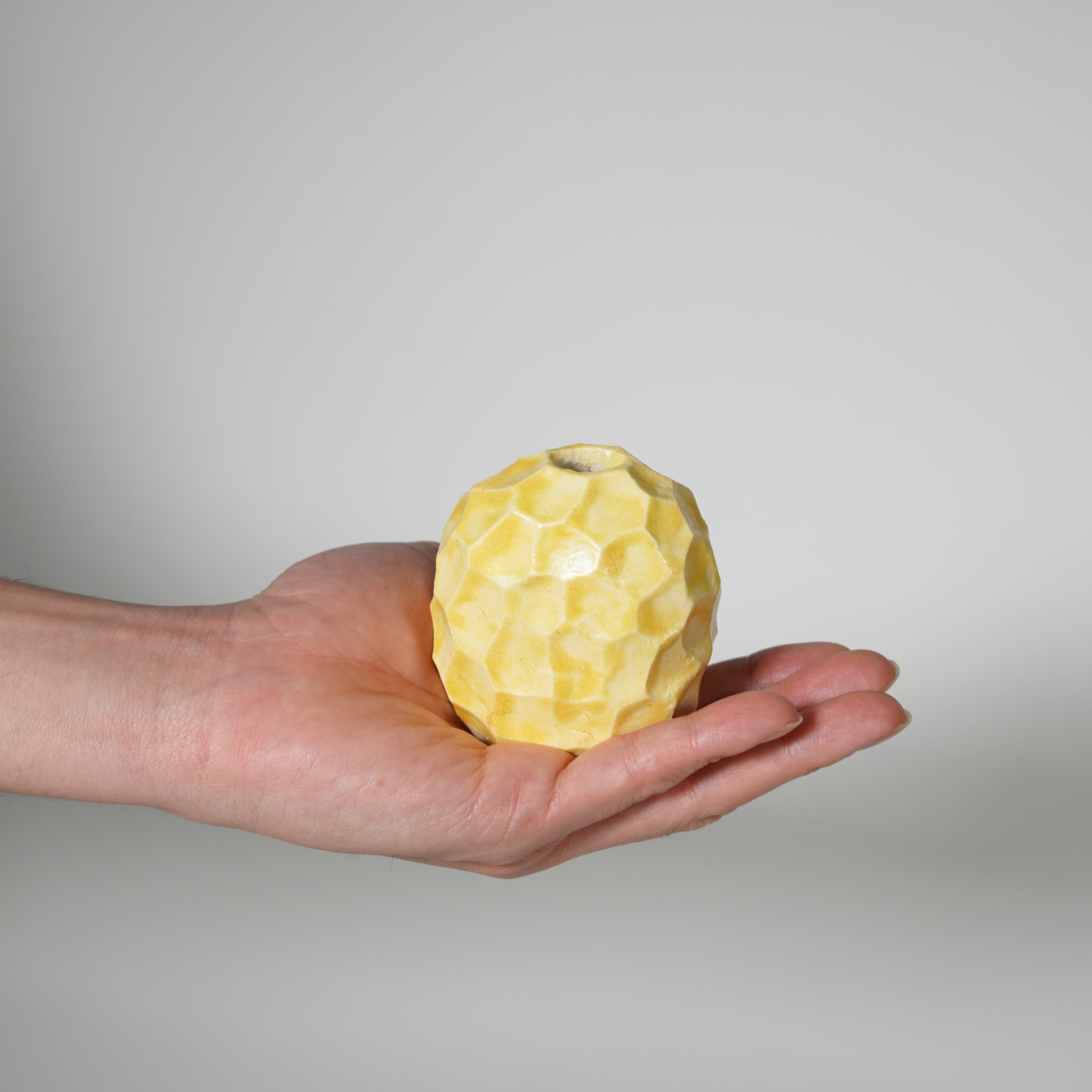
Mini jarrón para una flor de color amarillo
الوصف
التفاصيل
SIZE
MATERIAL
حِرَفِيّ
كوجي
تحذير
Elige opciones


Mini jarrón para una flor de color amarillo
Precio de ofertaDhs. 188.00
País
Idioma
Cesta
La cesta está vacía


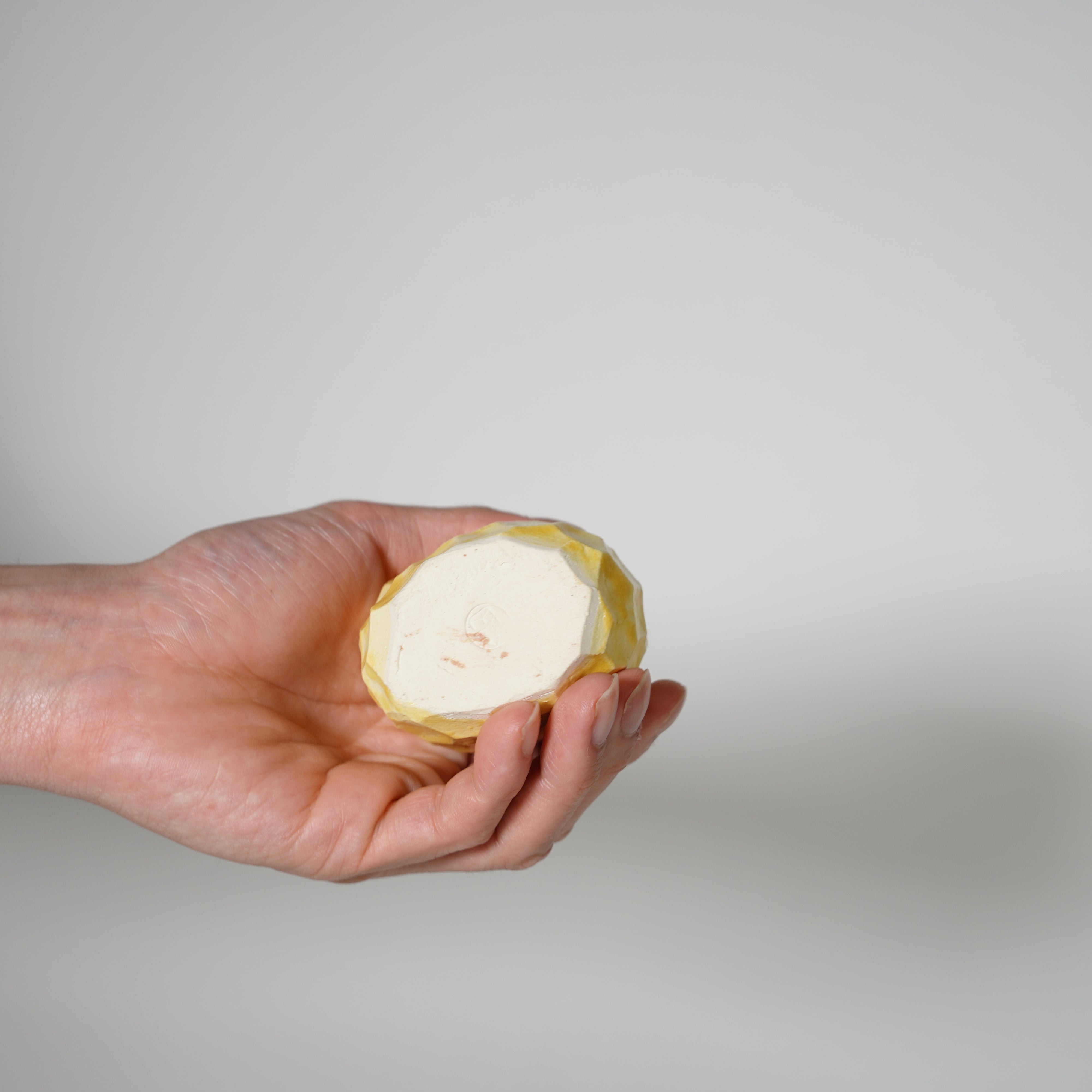
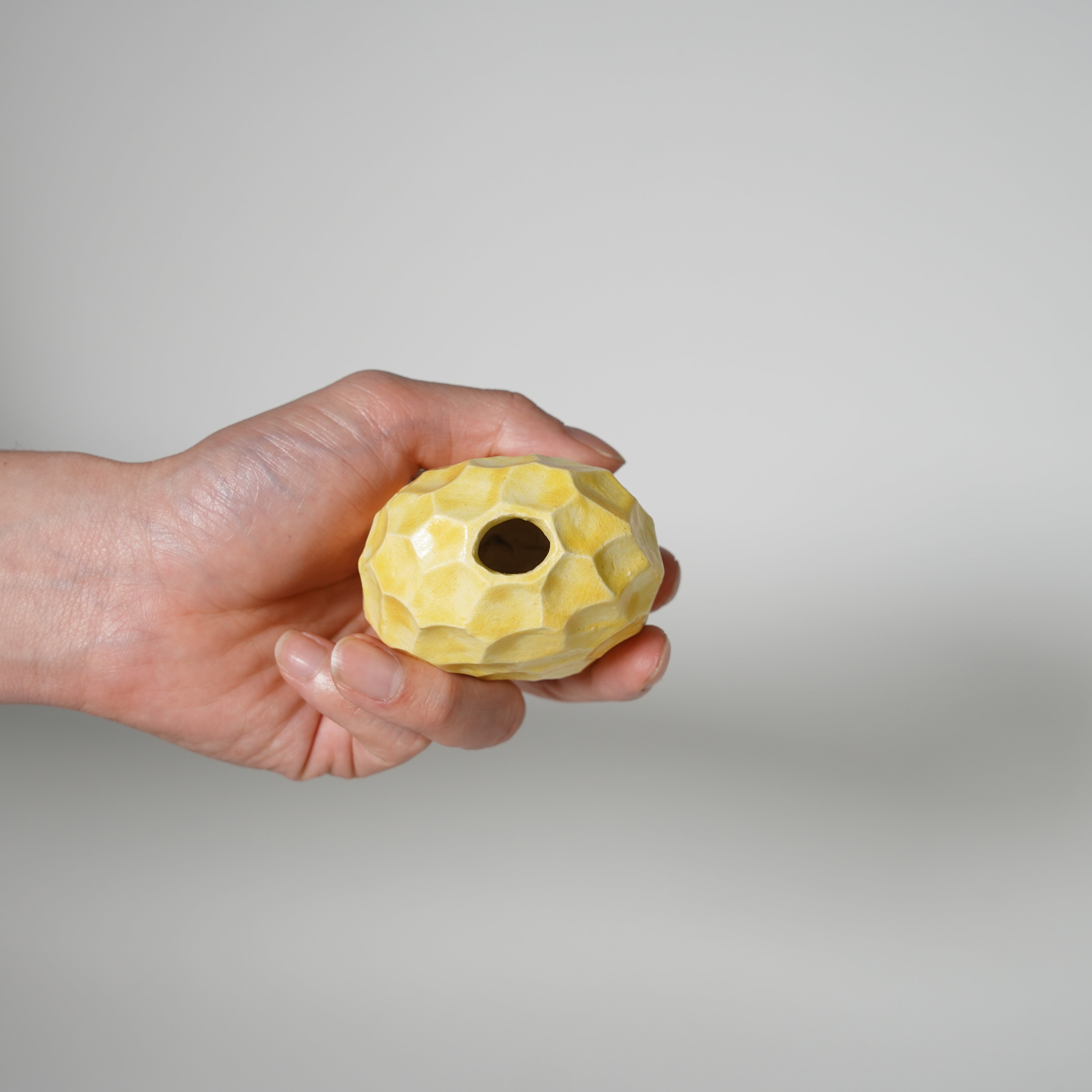
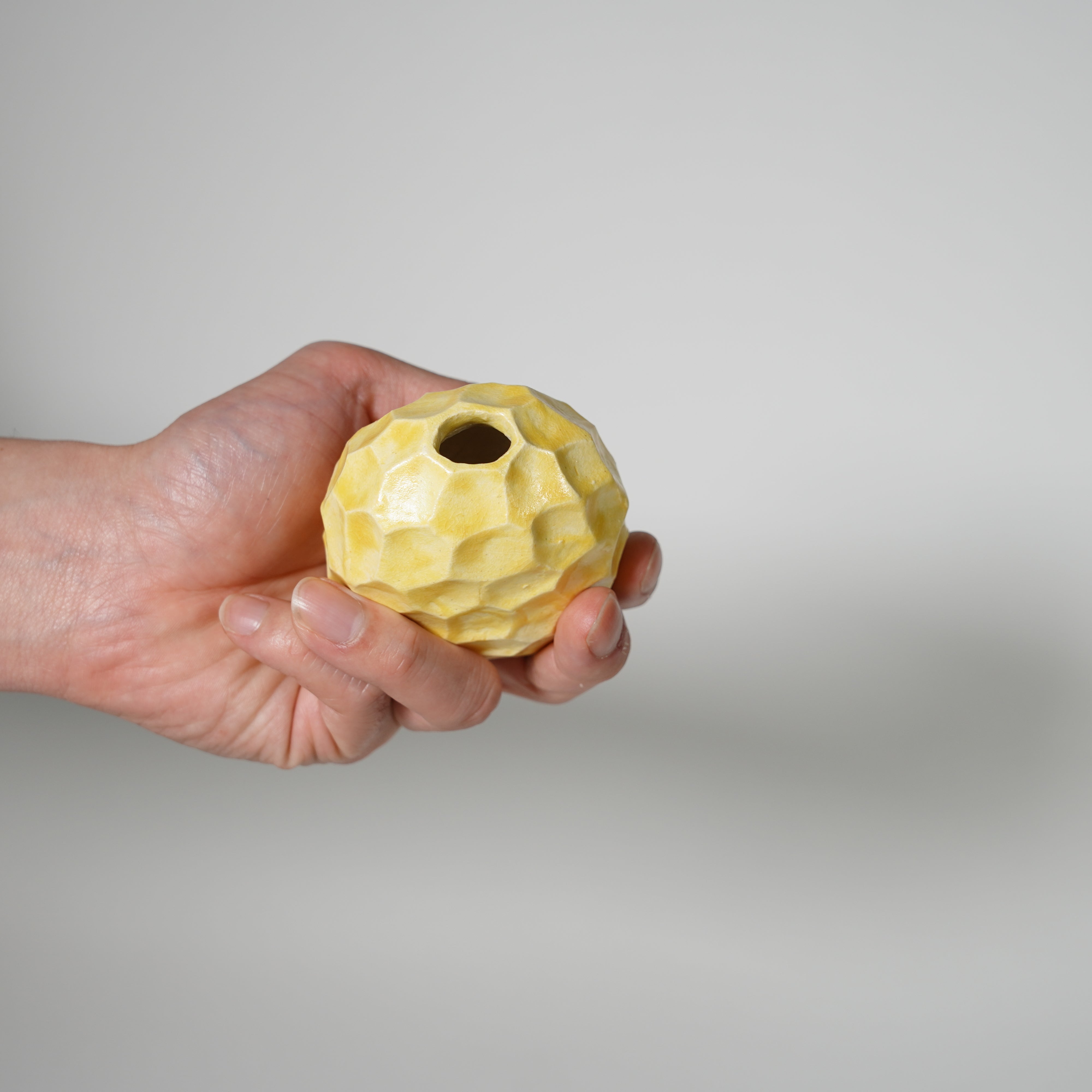
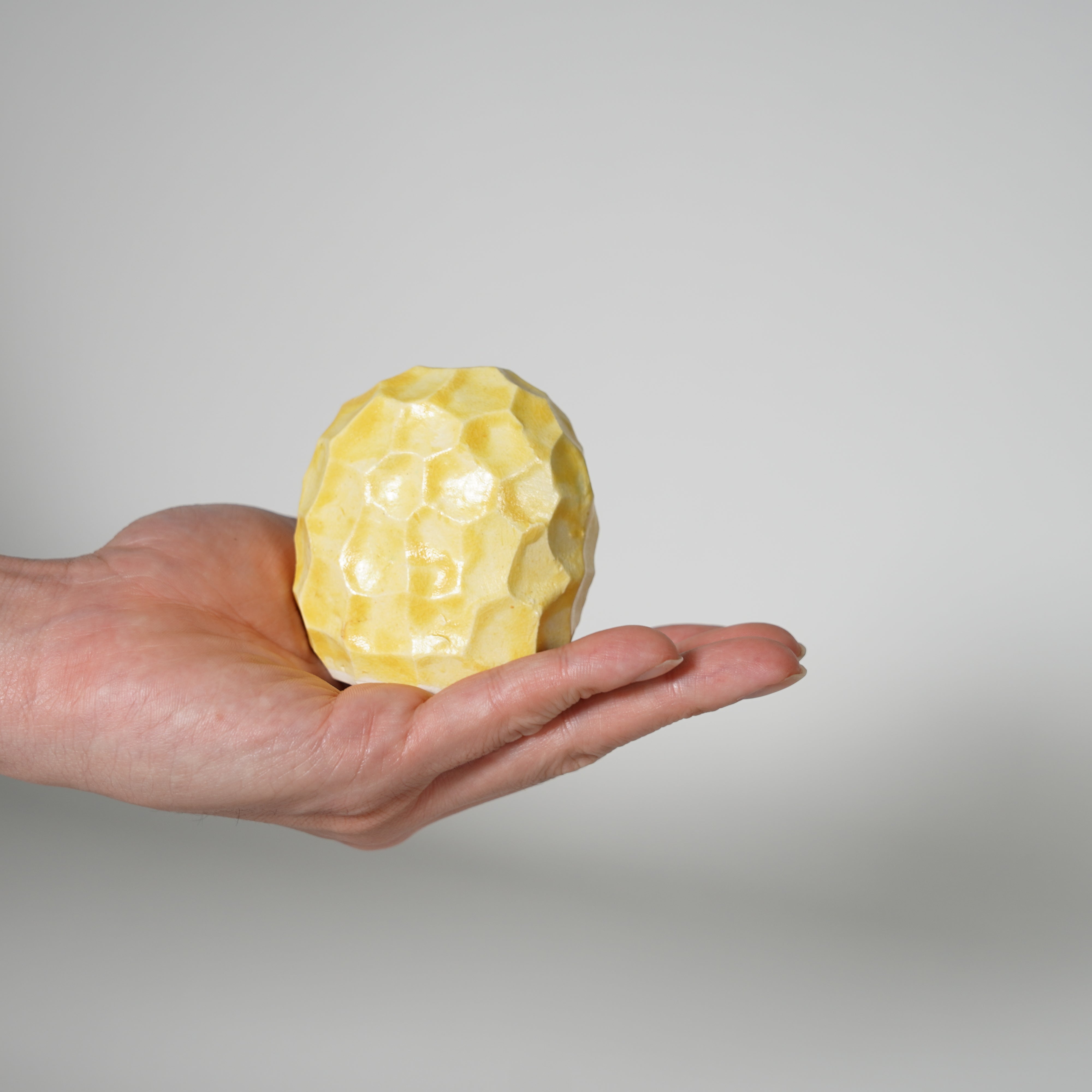
هذه مزهرية صغيرة جدًا لزهرة واحدة، صنعها أحد كبار الحرفيين في كيوتو.
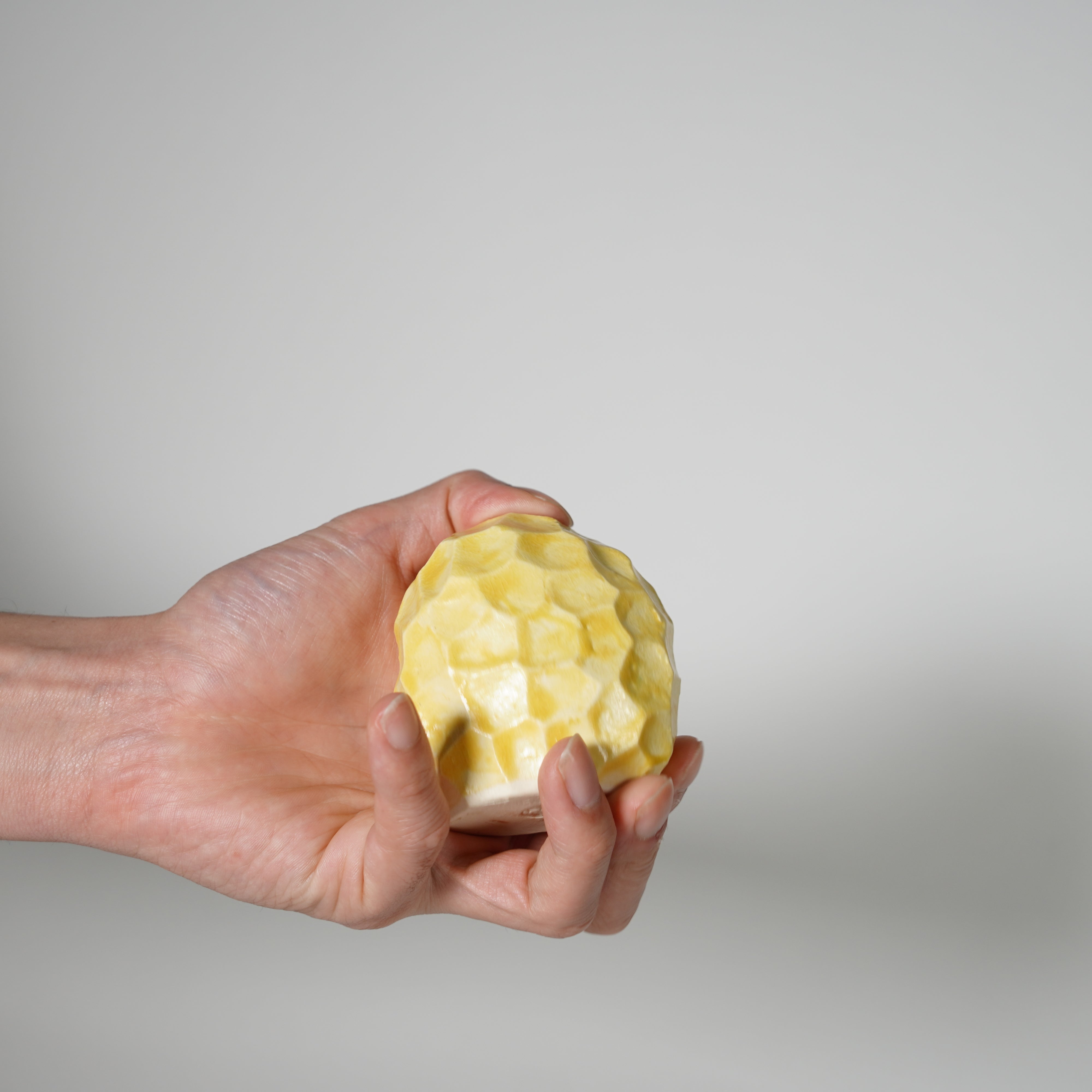
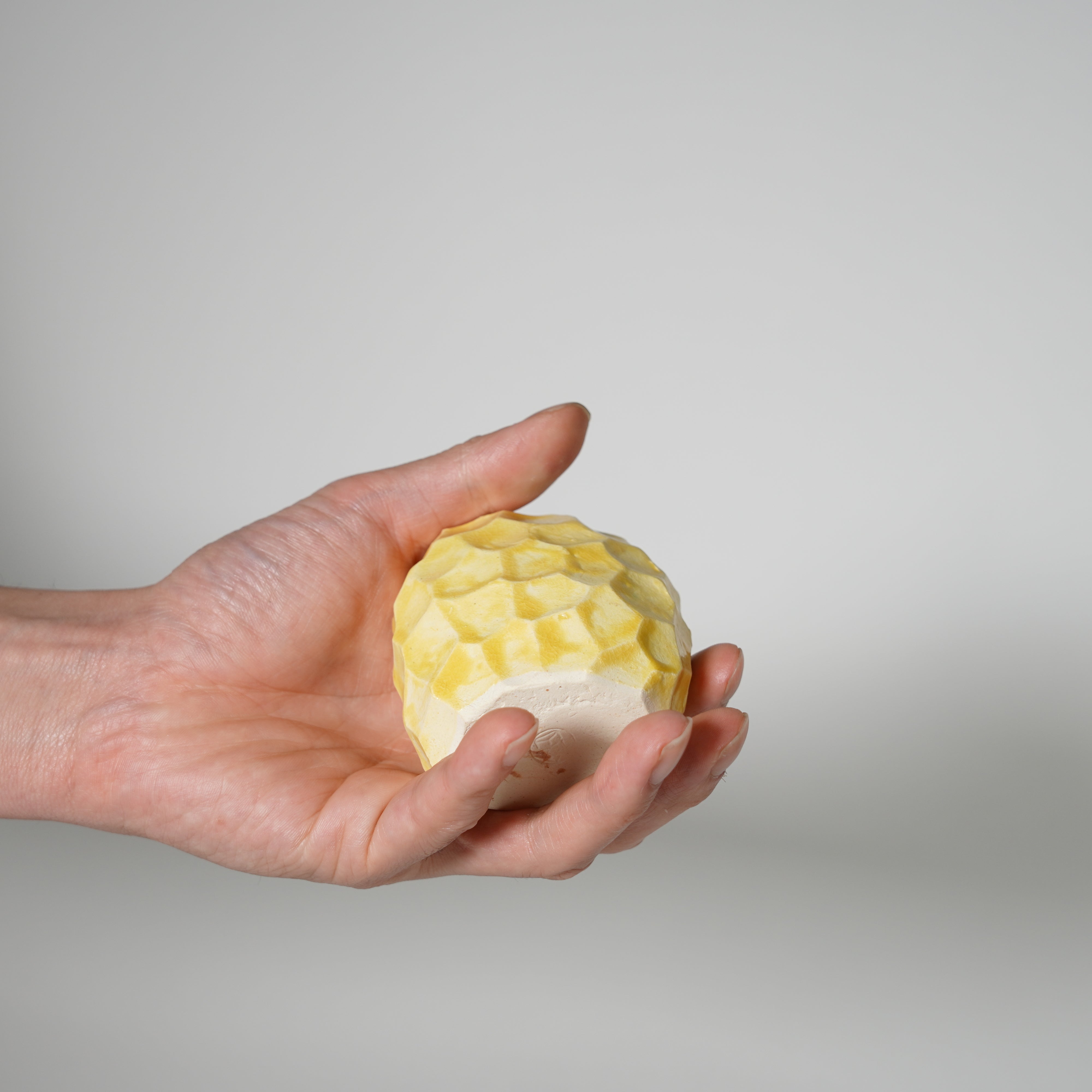
تتمتع هذه المزهريات الصغيرة جدًا بجمال لطيف يجعلك ترغب في جمعها. إنها منتج ممتاز لعرض الزهور الصغيرة البرية المتفتحة، أو مجرد تركها هناك لاستخدامها كقطعة ديكور داخلي. إن الملمس المريح للمزهرية في يدك سيجعلك بالتأكيد ترغب في حبها. من فضلك أمسكها بيدك واختبرها بنفسك.
SIZE
العرض:7 سم
العمق:5.5 سم
الارتفاع:8 سم
الوزن:146 جم
MATERIAL
طين
SHUNZAN MORI
"I don't seek rewards for myself. I hope they will come to the next generation."
His father supported and cared for many craftsmen in his workshop. Today, he feels blessed to have received kindness in return for the generosity his father showed to others. For this reason, he does not seek rewards for himself. Instead, he hopes to do what he can for the younger generation who will carry the craft into the future.
ARTISAN STORY
His family has been producing Kiyomizu ware in Kyoto since 1917, carrying on the tradition through three generations of craftsmen. Inspired by the philosophy of Ogata Kenzan, he brings a modern sensibility to the traditional openwork technique, which has been practiced for over 300 years. His works often incorporate seasonal scenes unique to Japan, such as cherry blossoms and autumn leaves, into the design of his vessels.
ACHIEVEMENTS
・Received the Excellence Award at the Kyoto Prefecture Crafts Art Exhibition
・Received the NIKKOKAI Member Award at the NIKKOKAI Exhibition
・Designated as a Traditional Craftsman in 2008
・Received numerous other awards and honors
KYO WARE & KIYOMIZU WARE
About 1,200 years ago / 800s / Heian Period (794–1185)
Kyoto ceramics reach back to kilns operating before and during the Heian period, then expanded with tea culture in the Muromachi and Momoyama eras. In the seventeenth century, Nonomura Ninsei perfected brilliant overglaze decoration, followed by innovators such as Ogata Kenzan, Okuda Eisen and Aoki Mokubei, whose diverse approaches shaped today’s Kyo and Kiyomizu ware.
In Japan, these ceramics are famous precisely because there is no single fixed style. Tea bowls, kaiseki dishes and everyday tableware may use overglaze painting, blue-and-white decoration, gold, sancai-inspired color and many other techniques. The craft sits at the heart of Kyoto’s culture of pairing vessels with cuisine and tea.
The surprising point is that Kyoto was never defined by a single major clay deposit. Potters drew on materials such as Amakusa porcelain stone, techniques arriving from other regions, and the tastes of artists and patrons gathered in the capital. Freedom from one local material helped make Kyoto ceramics unusually hybrid and stylistically diverse.
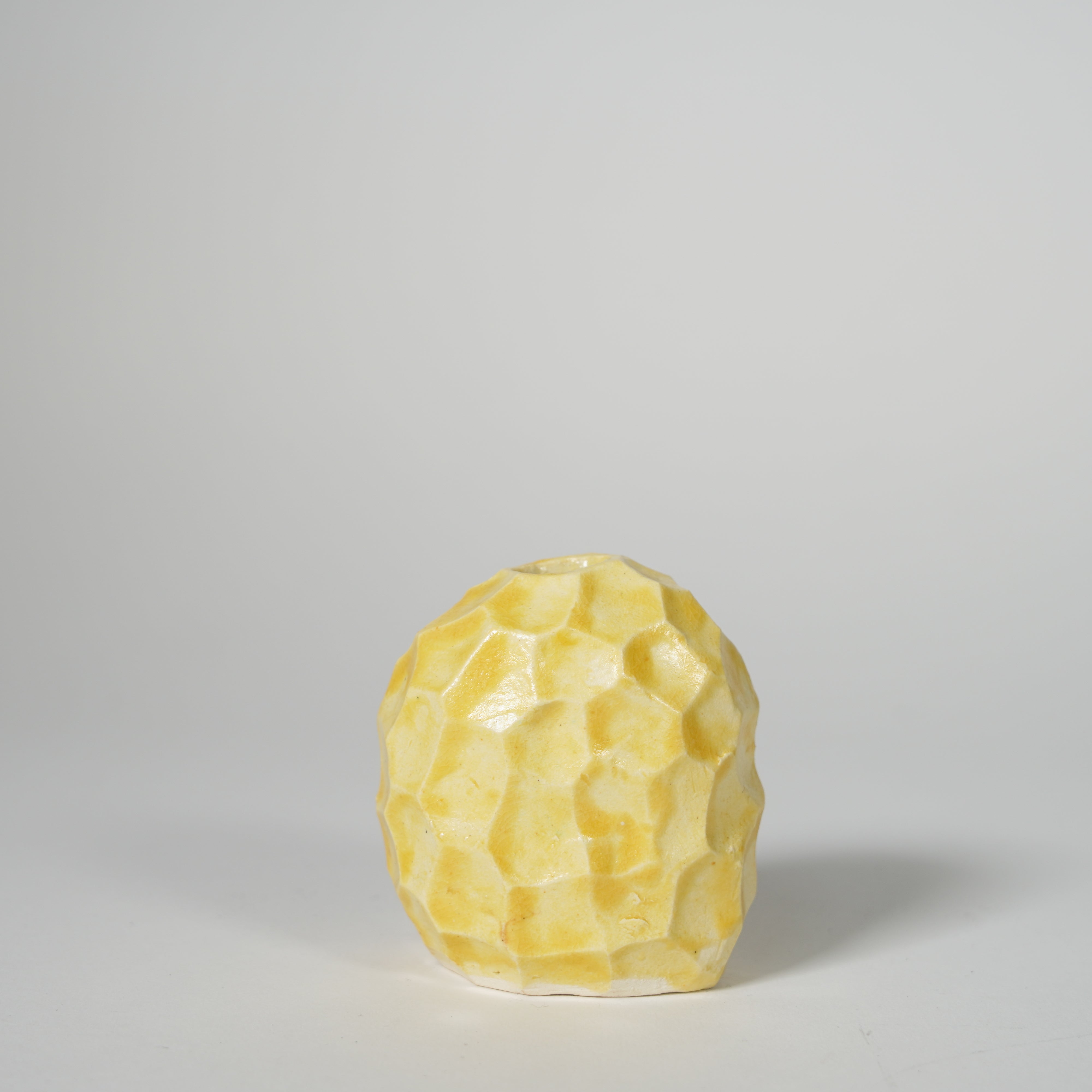
الاختلافات الفردية
نظرًا لأن كل قطعة تُصنع يدويًا بشكل مستقل، فقد تطرأ اختلافات طفيفة في اللون والنمط والشكل والملمس. وتُعد هذه الاختلافات الدقيقة من الخصائص الطبيعية للأعمال اليدوية، ما يجعل كل قطعة فريدة من نوعها حقًا. نأمل أن تستمتعوا بهذه الاختلافات الفردية كجزء من جمال الحرفية اليابانية وطابعها المميز.
مدة الإنتاج
إذا لم يكن المنتج متوفرًا في المخزون حاليًا، فقد يقوم الحرفي بتصنيعه حسب الطلب. ونظرًا إلى أن كل قطعة تُصنع يدويًا بعناية، فقد يستغرق الإنتاج عدة أشهر، وذلك حسب المنتج وجدول الحرفي. نقدر صبركم وتفهمكم.

Elige opciones